
The Myth Of Easy Cottage Garden Plants
Beginner Plants: The Hidden Complexity
You want to believe some plants are “beginner-friendly” because that saves you from admitting you don’t know what you’re doing. The mechanism is simple: nurseries and garden guides label plants as easy to move inventory and reduce liability, not because the plants are actually forgiving. Easy is marketing language, not horticultural fact.
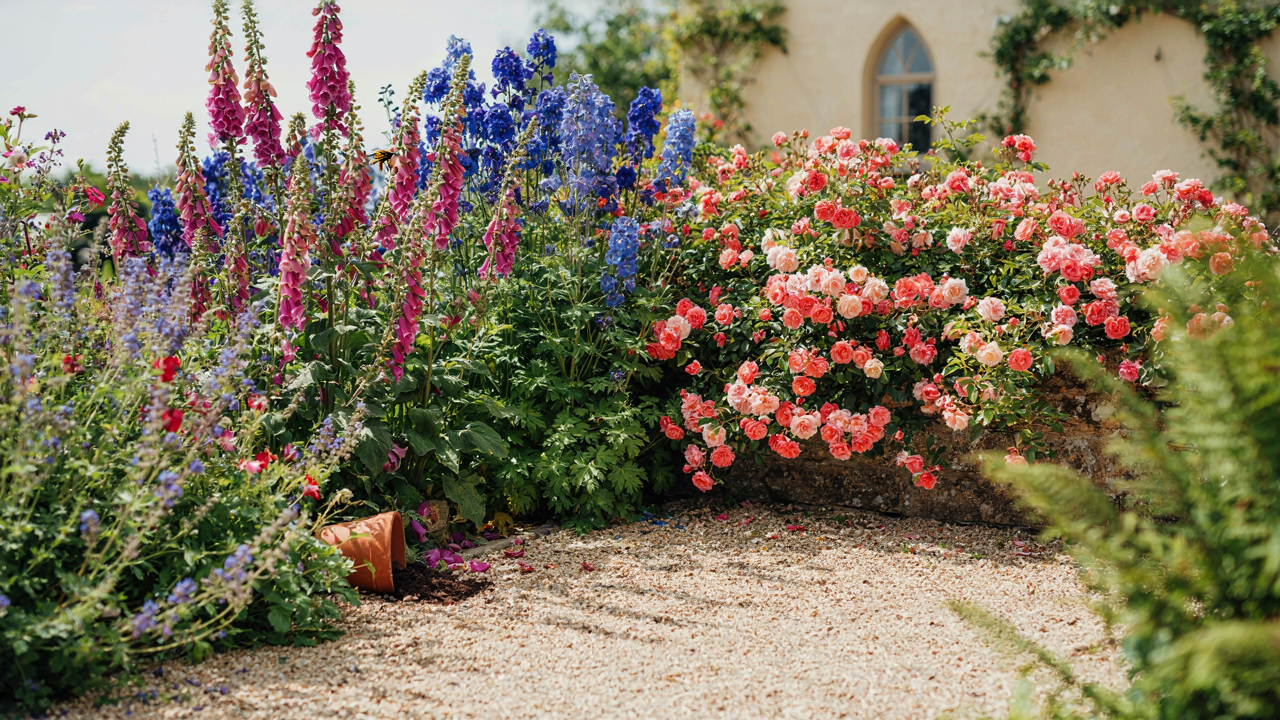
What gets hidden is the specificity each plant demands. Foxgloves grow readily but demand cool, moist soil and partial shade in hot climates. Delphiniums self-seed aggressively but need staking, deadheading, and precise drainage. Hollyhocks tolerate poor soil but develop rust disease in humid conditions. The label “easy” collapses dozens of variables into one word and calls it guidance.
True Resilience Beyond Superficial Charm
Real resilience in cottage gardens comes from matching plant tolerance to your actual site conditions, not picking plants based on reputation. A plant isn’t resilient because it survived your neighbor’s neglect. It’s resilient because its water needs, light requirements, and soil pH align with what your garden can provide consistently.
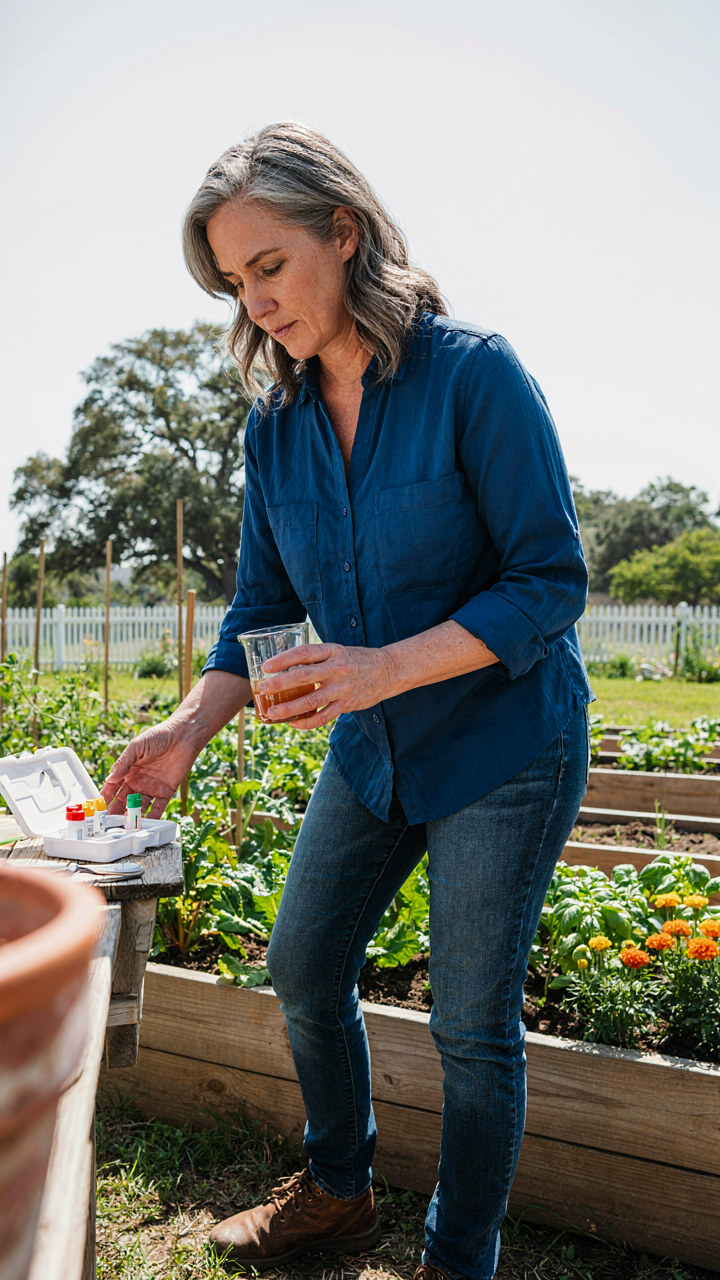
This means running diagnostics first: soil testing, light mapping across seasons, moisture retention assessment. Then you select plants that thrive under those conditions rather than fighting them. Lavender thrives in poor, dry, well-draining soil. Hydrangeas need consistent moisture and acidic conditions. Both are commonly labeled “easy,” but they fail spectacularly when planted interchangeably. Your job is matching the plant’s demand curve to your garden’s supply, not gambling on what sounds forgiving.
Beyond Instagram: English Cottage Garden Plants For Real Life
Beauty Doesn’t Pay The Bills
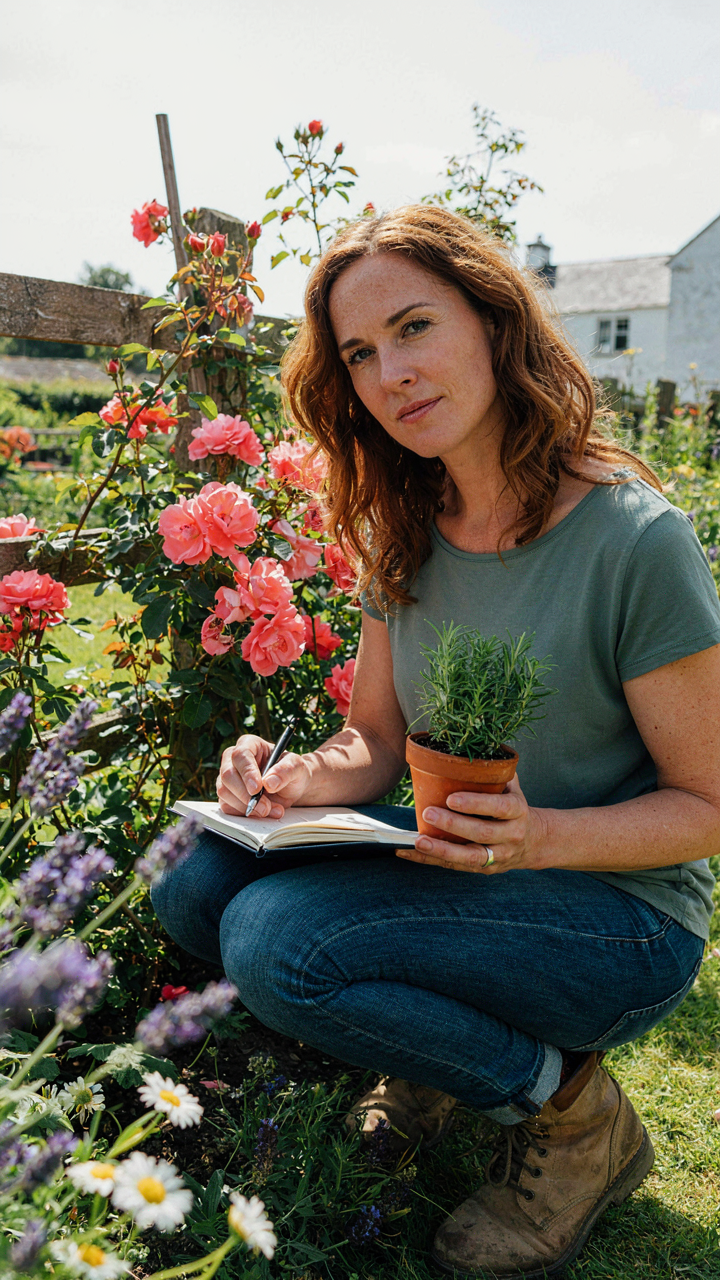
You want the garden to look effortless and romantic, but you’re actually afraid it’ll look chaotic or neglected. The real mechanism at work here is selection bias. You’re choosing plants based on visual appeal in photographs rather than their actual performance in your soil, climate, and available maintenance time. This creates a garden that demands constant intervention to maintain the Instagram aesthetic, which defeats the entire point of a cottage garden. The plants should work for you, not against you.
Cottage gardens historically mixed ornamental and edible plants because the gardener’s goal was production, not curation. Roses didn’t dominate because they photograph well. They dominated because they provided fragrance, cutting material, and visual structure with minimal fussing. Start by identifying what you actually need from the space: food, cut flowers, pollinators, or ground coverage. Then select plants that deliver those functions while looking intentional. Function always precedes form in a sustainable garden.
Growing What Your Land Actually Wants
This is the core tactical error most beginners make: choosing plants based on what thrives in England’s climate, ignoring that English cottage gardens exist in one specific climate zone and yours is different. Think of it as habitat matching, a principle from ecology where an organism’s fitness depends entirely on environmental fit, not inherent beauty. A delphinium thrives in cool, moist English summers but rots in humid heat. A hellebore tolerates partial shade in temperate zones but bleaches in direct afternoon sun in hot climates.
Before planting anything, document your actual conditions: soil type, pH, drainage, hardiness zone, summer humidity, and winter freeze depth. This determines your real plant palette, not Pinterest boards or cottage garden tradition. A plant that survives in your climate but requires staking, deadheading, and fungicide applications is more work than a local native that self-seeds and handles pests naturally. Match plants to your land first, then layer in ornamental value.
The Perennial Cottage Garden Protocol
Staggered Bloom Timing Beats Planting By Feel
You want your garden to look effortless, which means you’re actually hoping someone else did the work for you. Here’s the mechanism: perennials don’t bloom at once. You layer bloom times across seasons so the garden never goes dormant. Spring bloomers finish. Summer bloomers take over. Fall bloomers extend the cycle. This is succession planting, borrowed from agriculture’s crop rotation—same principle of sequential production, applied to visual impact instead of yield.
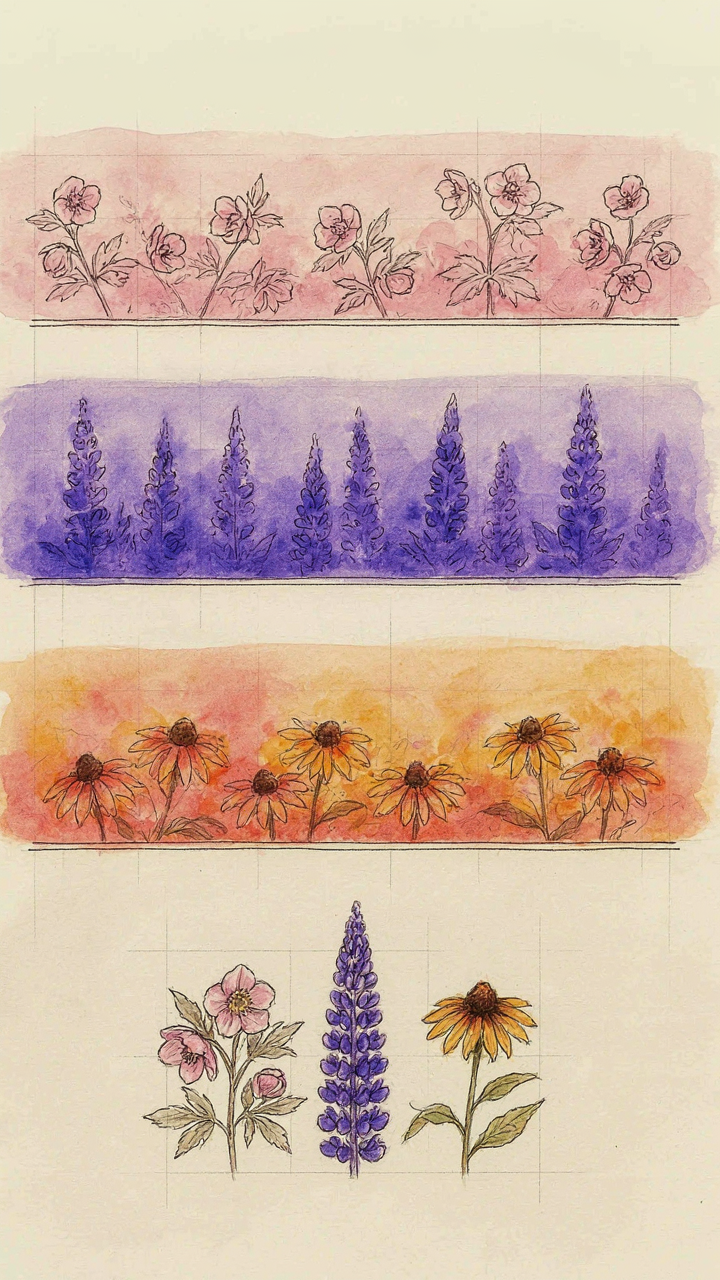
The common advice says “plant a mix of early, mid, and late bloomers.” That’s incomplete. You need actual timing data. Hellebores bloom January to April. Lupines peak May to June. Coneflowers dominate July to September. Black-eyed Susans extend through October. Sedums carry into November. Without this specificity, you end up with bare stretches masking as “design choices.” Build a planting calendar. Plot each perennial’s bloom window on a twelve-month grid. Gaps become visible immediately.
Density And Spacing Create Garden Architecture
Random spacing kills cottage gardens before they start. Placement determines whether plants support each other or compete for attention. Taller perennials go to the back. Mid-height varieties fill the middle. Low growers edge forward. This creates viewing angles that work from multiple directions, not just one vantage point. Spacing follows a rule: plant closer than commercial nurseries recommend. Eighteen inches becomes twelve. Two feet becomes fifteen inches.
Tight spacing forces plants to establish quickly and fill gaps before weeds colonize bare soil. It also creates the visual density that defines cottage gardens—the sense of abundance comes from plants touching, not breathing room between specimens. Measure distances from the center of one plant to the center of its neighbor. Mark positions with stakes before planting. This single protocol step prevents the scattered, thin look that destroys the entire aesthetic.
European Cottage Garden: Ecological Succession
Plant Communities Mirror Woodland Edges
You want the cottage garden to look effortless so you can feel like you’re not trying. Here’s what actually happens: European cottage gardens work because they replicate the plant layering you find at forest margins, where disturbance creates diversity instead of monoculture.
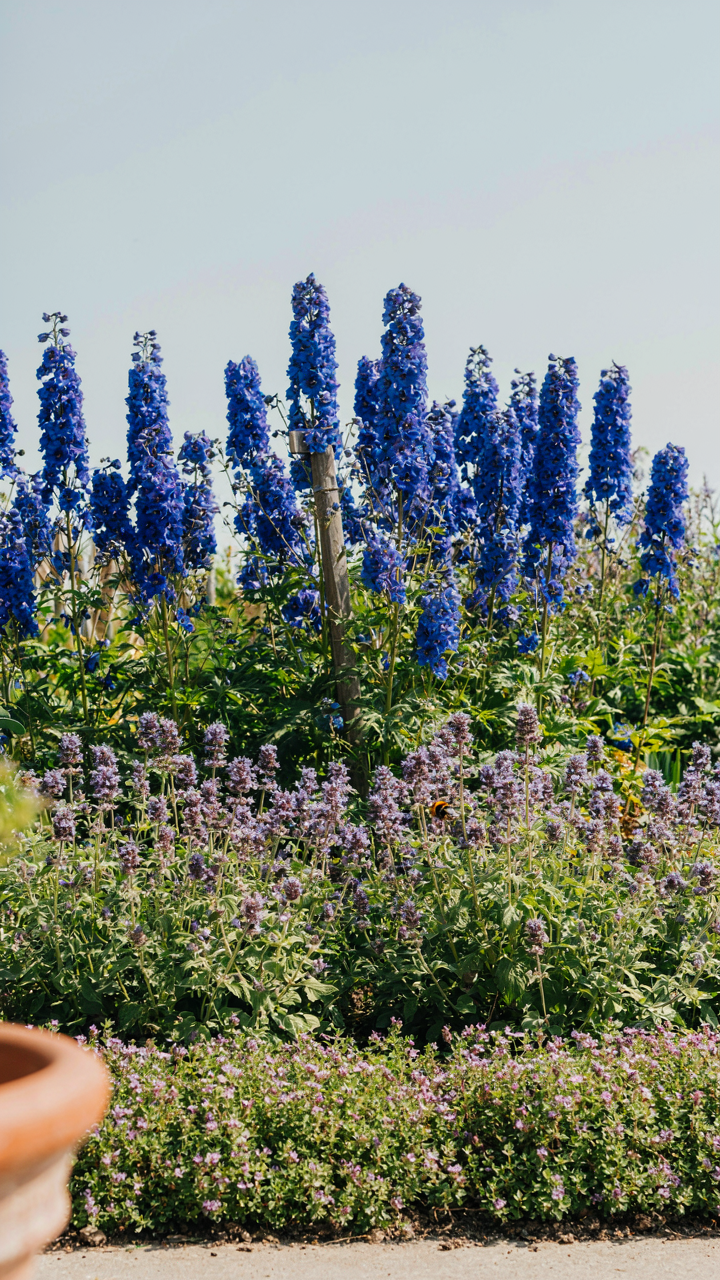
Cottage gardens emerged in medieval Europe where peasants grew food and medicine in tight spaces. They succeeded not through careful planning but through stacking species at different heights and bloom times. The mechanism is ecological succession—the natural process where pioneer plants stabilize soil, die back, and make room for shade-tolerant understory species. Your garden mimics this by placing tall plants (delphiniums, foxgloves) behind mid-layer bloomers (catmint, salvia) in front of ground-hugging edges (creeping thyme, lady’s mantle). This isn’t decoration. It’s resource partitioning: each plant occupies a different light and moisture niche, so competition decreases and survival rates climb.
Competition And Cooperation Drive Plant Placement
Evolutionary biology reveals why cottage gardens survive where formal gardens fail. Natural selection rewards plants that solve the same problem differently, not plants that solve identical problems better than their neighbors.
The old advice says “choose cottage plants because they’re hardy.” Wrong. Choose them because they compete for resources through specialization, not dominance. Bee balm takes moisture where yarrow dries out. Roses climb vertical space while geraniums carpet below. Plants cooperate by niche differentiation. If you stack compatible species vertically and by bloom time, you eliminate the gauntlet of maintenance that breaks most gardeners. The calendar matters more than the soil: early bloomers (hellebores, pulmonaria) exhaust energy before late bloomers (asters, sedum) emerge. Plant according to flowering sequence, not alphabetical order, and your garden defends itself through temporal diversity.
Cottage Plants: The Underestimated Workhorses

Plants That Survive Neglect
You want a garden that looks intentional without demanding your weekends. That’s the real reason this section matters. The mechanism is simple: certain plants tolerate drought, poor soil, and inconsistent watering because they evolved in harsh conditions. They’re not weak. They’re efficient. Lavender, foxglove, and yarrow thrive on marginal land because they’ve adapted to extract resources others can’t access. This isn’t luck. It’s biology selecting for resilience.
Most beginners choose plants based on aesthetics alone, then panic when they wilt. That’s backwards. Start with species that handle your actual climate and soil, then layer in beauty. Cottage gardens historically grew in working-class yards where time and resources were scarce. Plants persisted or vanished. The ones that survived became cottage staples. Alliums, catmint, and sedums still dominate because they demand less intervention than showier alternatives. Your job isn’t to keep them alive. It’s to not kill them.
The Bones Beneath The Flowers
Structure in landscape design comes from architecture and spatial planning, not just color. Cottage gardens apply this principle through foliage plants that anchor space whether they’re blooming or not. Most people fixate on flowers and ignore leaf texture, form, and seasonal persistence. That’s a design failure. Heuchera, artemisia, and ornamental grasses provide the visual framework that makes flowering plants land harder and last longer in memory.
Blooms come and go in weeks. Foliage shapes your garden for months. Dusty miller’s silvery leaves read as architecture even in January. Variegated hostas create depth and contrast that makes adjacent flowers pop. Ornamental grasses like miscanthus move in wind, adding rhythm that static flowers can’t deliver. These plants aren’t decoration. They’re the infrastructure your eye relies on to process the space as intentional rather than chaotic. Select foliage plants first, then populate gaps with flowering species that complement the structure you’ve built.
Cottage Garden Plants Perennials: Investment Over Impulse
The Math Behind Perennials
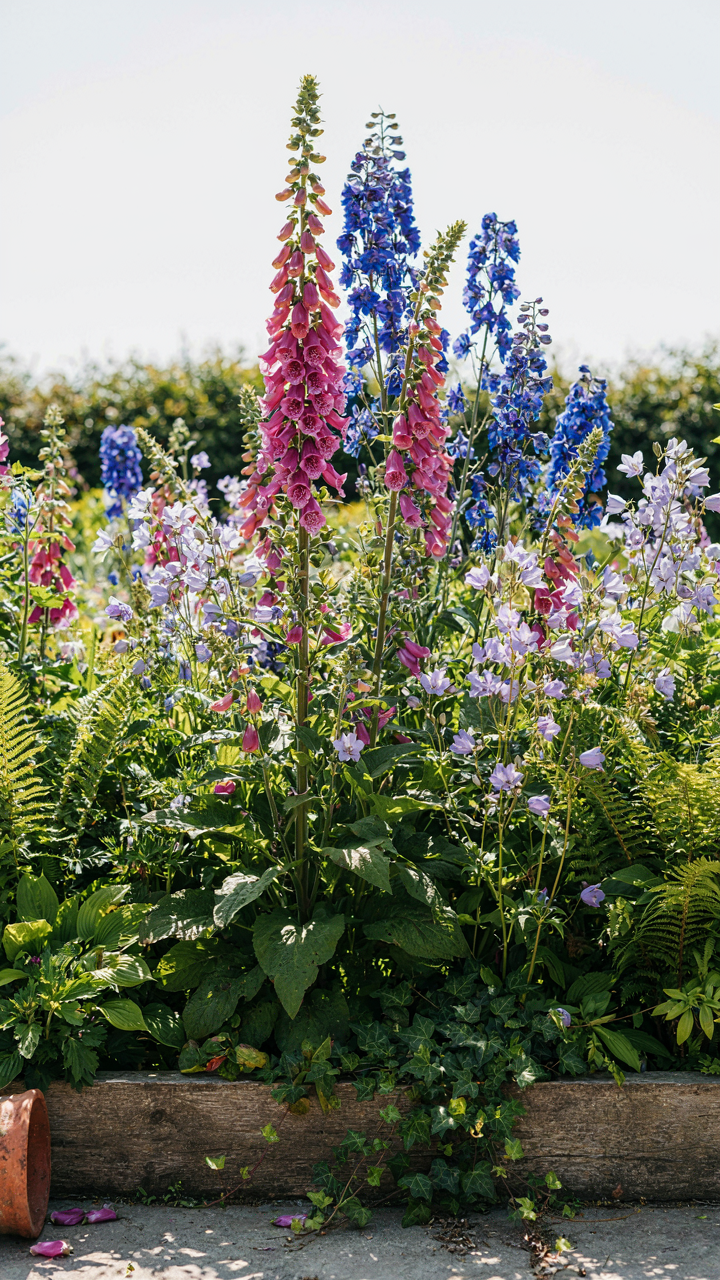
You want permission to spend money now instead of later, and perennials give you that cover. Here’s the mechanism: perennials operate on a principle borrowed from economics called sunk cost recovery. You pay upfront, then the plant produces value for years without replacement. Annuals force you to buy again every season. Perennials compound. A three-dollar foxglove that lives four years costs less per season than a one-dollar marigold you replant annually. The math is simple, but garden centers don’t advertise it because repetition drives their revenue.
Most beginners skip perennials because the initial setup feels expensive relative to annuals. That’s incorrect thinking. Perennials establish root systems that handle drought, pest pressure, and neglect better each year. After season two, they require less water, less fertilizer, and less pest management than annuals ever will. You’re not buying plants—you’re building infrastructure that works for you instead of against you.
Vigor Over Novelty
- Catmint (Nepeta): Flowers for months, tolerates poor soil, spreads reliably without becoming invasive in most climates. Thrives in full sun, requires zero coddling.
- Black-eyed Susan (Rudbeckia): Establishes fast, produces abundant blooms, handles heat and dry spells. Self-seeds moderately, giving you free plants the following year.
- Salvia: Multiple varieties adapt to different zones. Attracts pollinators, blooms for extended periods, improves with age. Skip the fussy cultivars marketed as “new.”
- Daylily (Hemerocallis): Nearly unkillable, improves soil with deep roots, divides easily. Countless varieties exist, but older cultivars outperform newer ornamental ones.
- Coreopsis: Blooms prolifically, handles marginal soil, survives without supplemental water after establishment. Select species types over recent hybrids.
The industry sells you novelty—new cultivars with modified colors or shapes—because established perennials don’t move inventory. Vigor matters more than appearance. A plant that survives neglect, spreads predictably, and produces blooms without fussing beats a decorative hybrid that demands perfect conditions every season. Choose perennials that thrive in your specific zone and soil, not plants selected because they photograph well. Buy from these categories and replace nothing for years.
Cottage Garden Plants: Beyond The Catalog
Source Local, Adapt To Microclimates
You want the catalog photo. You don’t want to admit that your zone matters more than the plant’s marketing. Here’s the mechanism: a plant thrives because of what’s already happening in your soil, drainage, and light, not because it looks good in a picture. Local nurseries have already filtered for survivors in your actual conditions. Mail order gives you selection. Local gives you odds.
Your microclimate is the specific pocket of temperature, moisture, and wind that exists on your property. A north-facing wall stays cooler. Low ground collects frost. Clay holds water. A catalog recommends based on USDA zones, which measure average minimum temperatures across entire regions, not the variations within your backyard. Plant selection from local growers reflects what already works within ten miles of your location, not what theoretically should work.
Propagate Your Own: Economic Autonomy
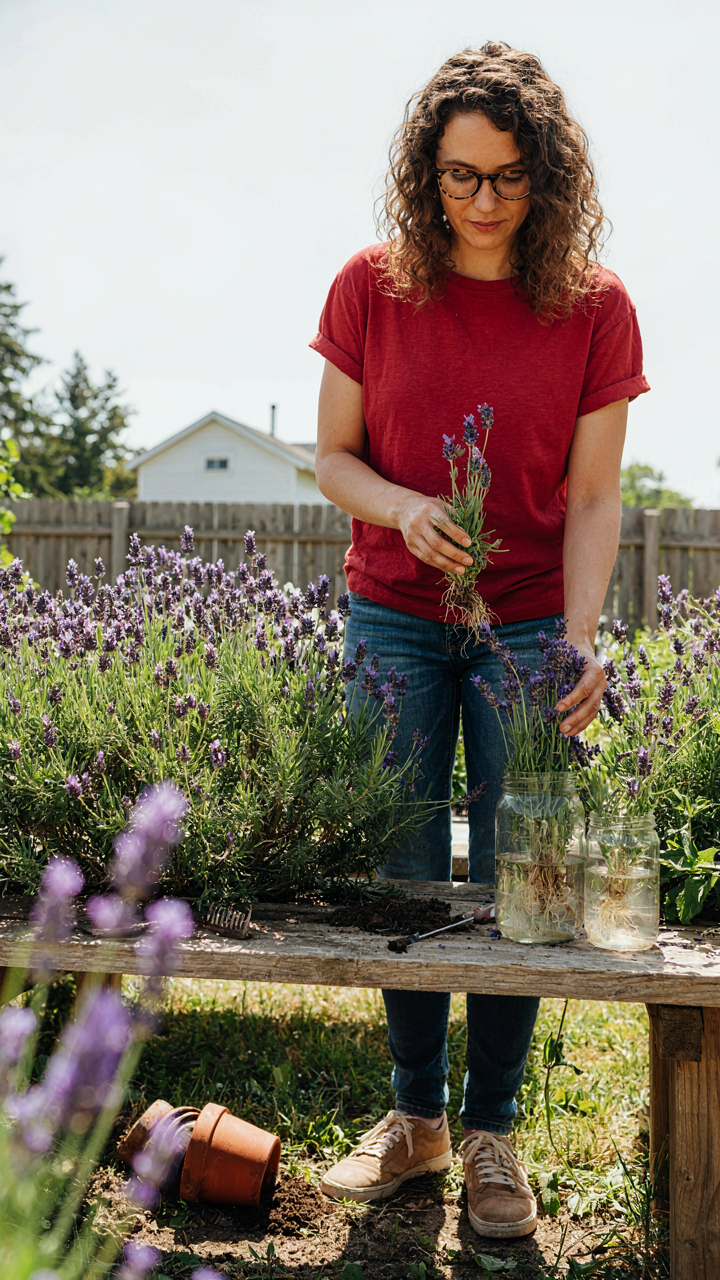
Propagation is the mechanism of biological reproduction applied as a personal supply chain. You don’t buy five delphiniums because you can grow fifty from one parent plant. Most cottage garden plants—cuttings from lavender, seed division of rudbeckia, root division of peonies—reproduce faster than you use them. This inverts the cost structure. One plant becomes capital.
Seeds from established plants in your garden cost nothing but time and attention. Cuttings root in water or soil within weeks. Division of clumps happens in spring or fall. You move from consumer to producer. This isn’t hobby nostalgia. It’s the difference between buying replacements every season and having surplus to trade, gift, or expand beds without touching a budget. Your garden becomes the nursery.
The Unconventional Cottage Garden Plant List: Defiance In Bloom
Break The Safe Plant Pairings
You want permission to plant something that feels wrong because you’re tired of looking at the same garden as everyone else on your street. Here’s the mechanism: cottage gardens became “safe” because Victorian gardeners documented what survived together, then garden media calcified those combinations into dogma. The consensus pairs lavender with roses, foxgloves with delphiniums, catmint with anything blue. None of this is law.
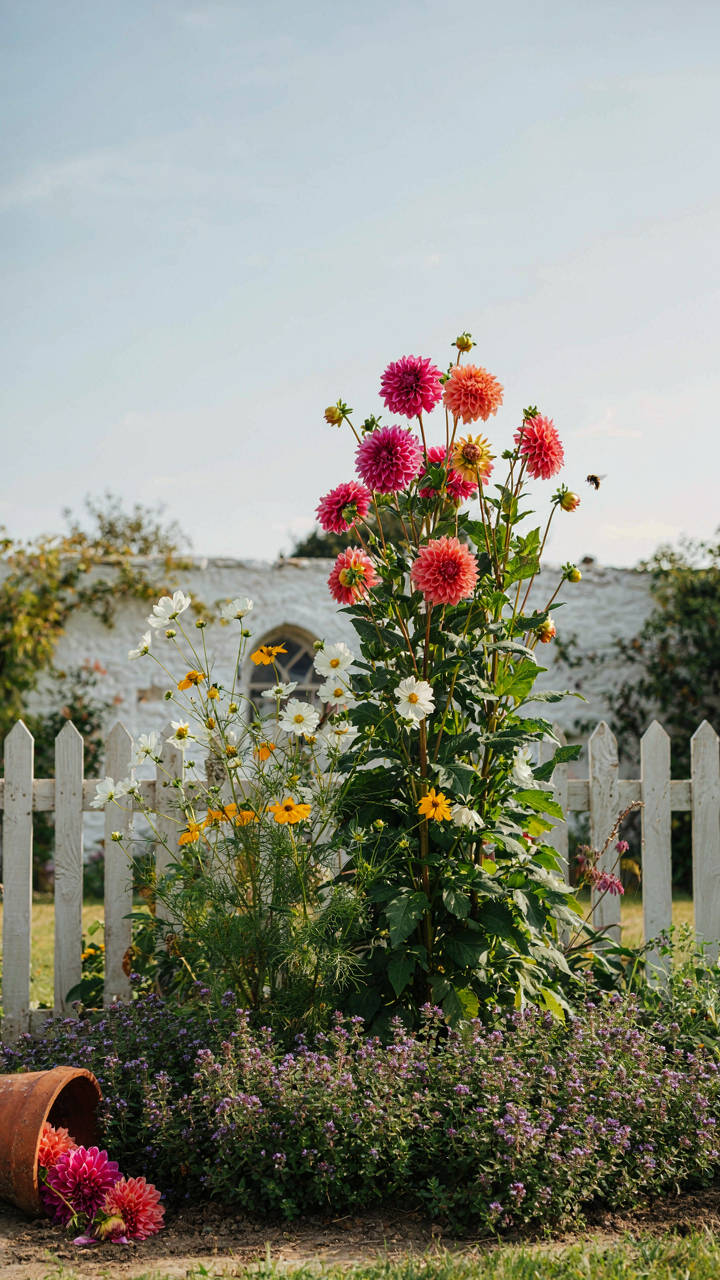
Test incompatible heights and bloom times instead. Plant tall dahlias next to low creeping thyme. Pair spring bulbs with late-summer asters in the same bed so the timing feels deliberately staggered, not accidental. The garden reads as intentional disruption rather than failed coordination. You break predictability by naming the contrast on purpose, not by accident.
Exploit Competition For Visual Tension
Ecology teaches us that competition for resources creates vigor in a system, and cottage garden design mirrors this principle when you layer plants with overlapping needs. The common advice says space plants for their mature width and let them grow separately. That produces a dead, municipal look. Dense planting creates visible tension.
Plant self-seeding annuals like sweet alyssum between established perennials. They compete for light and moisture, so both stay compact and wiry instead of flopping. The alyssum blooms harder because resources are scarce. The perennial doesn’t shade it completely because it’s also fighting for sun. This compression generates the textural density that reads as “lived-in” rather than “designed.” Plant for scarcity, not abundance.
Mastering The Wild: Cultivating A Truly Resilient Cottage Garden
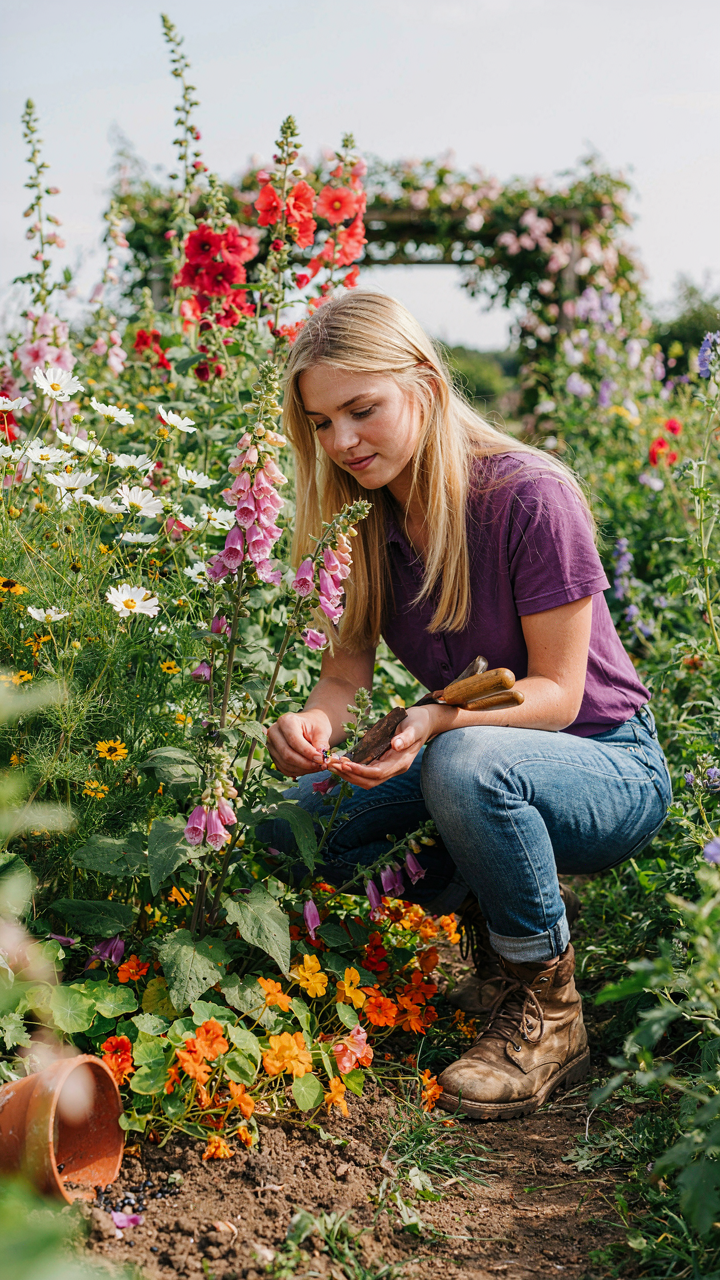
Stop Fighting Self Seeding Plants
You want a cottage garden that looks intentional without constant maintenance. That’s the real ask here. The mechanism is simple: cottage gardens work because they use succession planting and self-seeding as a design feature, not a bug. You’re not fighting nature into submission. You’re installing systems that regenerate themselves. Plants like foxgloves, nigella, and alchemilla spread seed and fill gaps automatically the moment you stop removing every seedling that appears.
The common advice is to deadhead everything or rake up seeds religiously. That’s backward. Let half your plants drop seed. Mark the areas where you want volunteers, then physically remove seedlings outside those zones. This takes two hours per season instead of weekly maintenance. The garden densifies itself while you direct traffic rather than police it. Self seeding plants become your labor multiplier, not your enemy.
Building Systems, Not Just Borders
Ecology borrows from engineering the concept of redundancy: multiple pathways accomplish the same function so failure of one doesn’t collapse the system. Your cottage garden plant list should contain redundant species that fill identical roles. If bees need nectar from spring through fall, don’t rely on one allium or one group of salvias. Plant three different genera that bloom in overlapping windows.
Structure your plantings so you have herbaceous perennials (coreopsis, rudbeckia), self seeding annuals (cosmos, calendula), and woody shrubs (viburnum, deutzia) all contributing simultaneously. When drought kills the annuals, the perennials hold. When pests target one species, others compensate. Your cottage garden becomes adaptive instead of fragile. The moment you need to replace a dead plant every other month, your system is undersized. Aim for one replacement per year maximum.
The Real Obstacle Isn’t Plant Choice; It’s Your Addiction To Control. Cultivate Defiance, Not Just Flowers
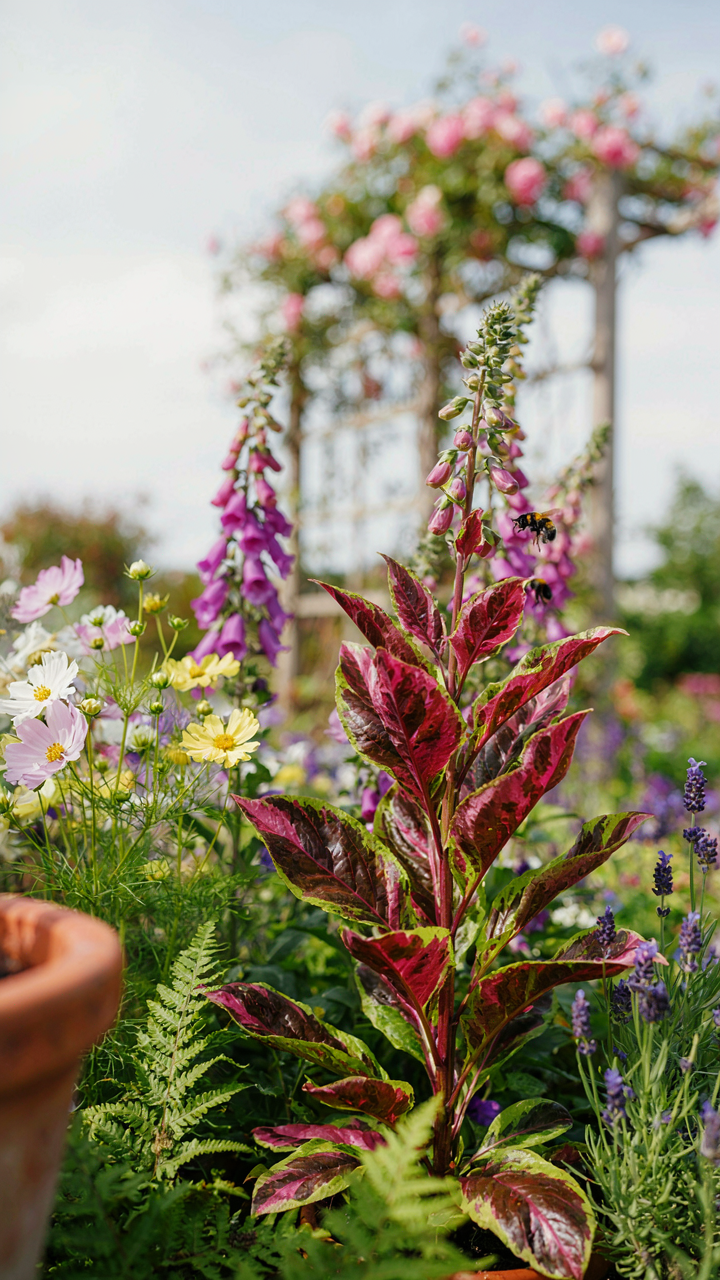
You picked a cottage garden plant list because you want certainty. You want to know exactly what grows where, when it blooms, how it dies. But cottages don’t work that way. They thrive on controlled chaos. Today, buy one plant that isn’t on any list. Plant it where it feels right, not where logic says it belongs. Watch what happens when you stop engineering and start observing. Chaos is just data you haven’t learned to read yet.



