

The Subtlety Of Signal: Why Most Corporate Gifting Fails

When Generic Becomes Invisible
You care about this section because you’ve spent money on gifts that landed like nothing. The mechanism is simple: generic gifts signal that you didn’t think. A boxed arrangement from a corporate vendor carries the same psychological weight as a promotional pen. The recipient knows the sender clicked through a template. They register cost but feel no connection, which means the money converted to obligation instead of rapport.
Flowers, specifically, have a structural advantage here that most corporate programs miss entirely. Borrowing from signaling theory in economics, a gift’s value isn’t determined by price but by the information it transmits about the giver. A thoughtfully sourced arrangement signals you invested cognitive effort, not just budget. Generic selections broadcast the opposite: you delegated the decision to availability and default options.
Targeted Gestures Create Actual Leverage
The old advice says personalization matters. That’s incomplete. What actually matters is that you selected something the recipient cannot obtain themselves through normal channels or didn’t know they wanted until they saw it. A seasonal dahlia arrangement in February, a preserved rose collection, or blooms in the recipient’s stated favorite color create a different neural pathway than “corporate bouquet number three.”
The mechanism operates through specificity creating perceived scarcity. When someone receives a gesture that required research into their preferences, the brain registers it differently than mass-produced kindness. You move from generic donor to someone who paid attention. This shift determines whether the gift anchors a relationship or fills a moment. The protocol is direct: learn one true preference about the recipient, source flowers that express it, and send it with context about why you chose it.
The Floral Intelligence Protocol: Beyond Basic Blooms

Know Your Recipient First
You want corporate flowers to signal that you pay attention. The real mechanism is simple: flowers die, so their value lives entirely in the gesture’s specificity. Generic arrangements signal the opposite. Start by mapping three data points about the recipient: their role seniority, their workspace environment, and whether they have stated allergies or preferences. A C-suite executive working in a minimalist office with known orchid preferences receives an orchid arrangement. A team manager in a shared cubicle receives a lower-maintenance potted plant. The recipient’s actual context determines what lands as thoughtful versus what lands as obligation.
Most corporate gifting guides skip this step because it requires five minutes of research instead of template deployment. They pretend all flowers work for all people, which is why most corporate arrangements get moved to a break room within two days. The mechanism is demographic specificity: flowers selected to match the recipient’s environment and constraints get kept visible. Flowers that don’t match get relocated or discarded. Your gift either survives in their space or it doesn’t.
Seasonal Abundance Signals Real Pricing
Seasonal flowers cost less during their peak availability window because supply floods the market. This is basic supply and demand mechanics applied to floristry. Roses in February cost three times what they cost in June. Tulips in April cost a fraction of their January price. The perceived value calculation in the recipient’s mind doesn’t reverse-engineer the season though. A stunning arrangement of in-season flowers still reads as premium if the arrangement quality is strong and the presentation is intentional.
The tactical advantage is this: you spend less and the recipient perceives more because they don’t know the season’s cost structure. Winter arrangements featuring available evergreens, amaryllis, and seasonal carnations cost substantially less than summer arrangements but maintain visual impact through color contrast and texture play. Spring bulbs purchased during their natural bloom window arrive fresh and last longer than forced blooms. Match your budget cycle to the calendar and you compound value per dollar spent. Direct your florist to prioritize in-season selections by specific month to build the gifting budget across the calendar year.
Packaging As Prestige: Elevating The Corporate Floral Box

Less Is The Only Strategy That Works
You want the box to signal that someone important sent this. That’s the real mechanism at play here. Minimalist design in floral packaging works because it removes cognitive noise. The recipient’s brain doesn’t have to process clutter to understand value. Swiss design principles apply directly: constraint forces intentionality. Every element earns its place or disappears.
Most corporate floral boxes fail because they layer messaging. Multiple logos, promotional text, decorative patterns competing for attention. This dilutes impact. A clean box with one logo, quality paper stock, and deliberate white space reads as expensive and deliberate. The recipient perceives care because nothing wasteful appears. Restraint signals resources.
Sustainable Materials: The Real Margin Play
The pitch is that eco-friendly packaging appeals to modern values. That’s true but incomplete. The actual mechanism is psychological anchoring through material quality. Recycled kraft boxes, plantable seed paper, and compostable tissue cost more to source but create perception of premium value that exceeds actual cost difference.
This isn’t marketing virtue. It’s economics. A standard glossy box costs $0.40. A quality recycled kraft box costs $0.65. The recipient experiences that difference through texture and weight in their hands. They assign higher value to the flowers inside because the container signals restraint and intentionality. Use unbleached kraft, natural twine, and seed paper inserts. The material choices become the message itself.
The Scarcity Principle In Floral Gift Ideas

When Fewer Arrangements Drive Higher Perceived Value
You want your gift to feel rare because you believe rare things matter more. That’s not snobbery, it’s how human perception works. The scarcity principle from economics maps directly onto gifting: limited supply creates demand. When you restrict availability, recipients assume the sender invested more effort. Perception becomes the actual value exchange.
Most companies throw generic arrangements at clients year-round. You don’t. When you tie floral gifts to specific seasonal windows or cap quantities per recipient tier, the gesture gains weight. A spring orchid collection available only in April lands differently than roses available in November. The constraint rewires how the recipient interprets your intent. They notice because everyone else stopped noticing.
Supply And Demand Shapes How Recipients Value Your Gift
Economics teaches that price and perception shift with availability. Apply this to corporate gifting. When certain arrangements or rare specimen flowers become your signature limited offering, demand follows. Clients remember what they can’t get easily. A bespoke arrangement using flowers only available during two months yearly costs less to source than year-round roses, but feels more valuable because it isn’t always accessible.
The mechanism is simple: establish a gifting calendar where specific arrangements map to specific quarters or events. Spring gets premium orchids. Holiday season gets poinsettia-based arrangements. Q3 goes quiet. This creates anticipation. Recipients start wondering what comes next instead of treating the gift as interchangeable corporate filler. Predictability paradoxically increases impact when you remove constant availability.
Beyond Flowers: Integrating Gift Hampers For Deeper Engagement

Curated Themes Aligned With Brand Values
You want the recipient to feel like your company actually knows them, not like you bought from a generic catalog. Here’s the mechanism: psychology calls this the “mere exposure effect” in reverse. Instead of repetition building familiarity, strategic theme alignment signals that someone invested thought into selection. A tech startup sends a hamper with premium coffee, a leather notebook, and a curated book list. A sustainability-focused firm includes organic snacks, bamboo utensils, and plantable seed paper. The theme becomes proof of cultural coherence.
When a hamper’s contents reflect your company’s actual values, recipients perceive effort you didn’t necessarily expend. You’re not creating individual custom boxes. You’re creating one theme, one story, then scaling it consistently. The constraint forces clarity about what your brand actually stands for. Most companies skip this because it requires honest introspection about values that stick, not values that sound good in a mission statement.
- Sustainability focus: Organic treats, reusable containers, plantable items, biodegradable packaging, and eco-sourced materials signal environmental commitment without preaching.
- Innovation narrative: Tech gadgets, future-focused books, premium tools, and design-forward items position your brand as forward-thinking and resource-rich.
- Wellness positioning: Adaptogenic teas, meditation tools, high-quality skincare, fitness accessories, and stress-relief products align with employee care messaging.
- Artisan craft angle: Locally made jams, handcrafted ceramics, small-batch chocolates, independent art prints, and heritage products show support for makers.
- Professional development lens: Business books, productivity tools, industry journals, learning resources, and networking materials reinforce growth-oriented culture.
The execution step: audit your brand voice, identify three non-negotiable values, then lock the hamper theme to one of them. Test with your leadership team first. If they question why certain items are included, the theme isn’t clear enough yet.
Personalization That Reads As Effort
Personalization doesn’t mean adding someone’s name to a generic box. That’s theater. Real personalization changes what goes inside based on actual information about the recipient. A director receives a hamper tilted toward executive stress relief. A junior employee gets items supporting skill-building. Same brand, different contents, completely different perceived investment level.
The mechanism is simple: people detect the difference between effort and theater instantly. A hamper with a handwritten note feels different than one with a printed label because your nervous system knows the difference between scalable and non-scalable gestures. You can’t personalize fifty hampers by hand in the time a bulk printer handles it. So choose your tier. Either send generic hampers to fifty people, or send semi-personalized ones to twenty. Don’t pretend to do both. Document recipient preferences during the year: dietary restrictions, interests, role level, tenure. When hamper season arrives, slot people into three or four clear buckets and adjust contents accordingly. Include a one-line reference to something specific about their role or contribution. That line, more than anything else, signals that selection wasn’t algorithmic.
The Experiential Delivery Method: Coffee Delivery Packaging Aesthetic
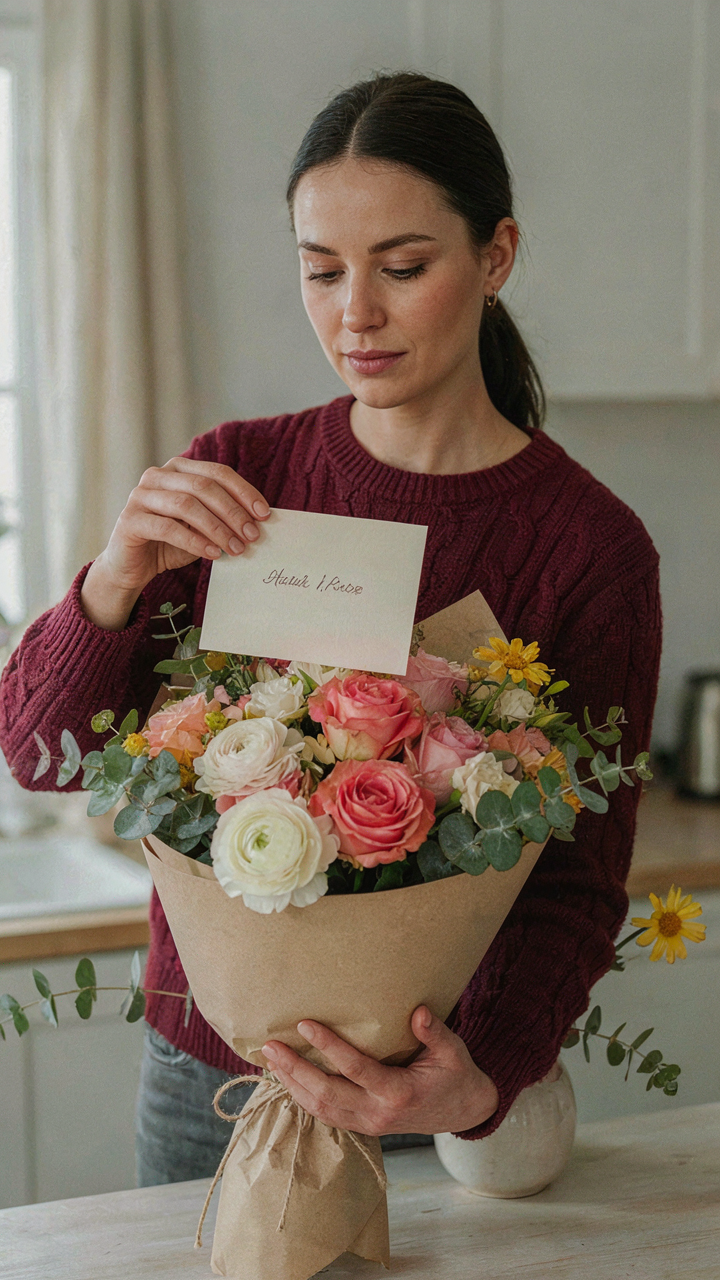
When The Unboxing Becomes The Gift
You want the recipient to feel like they received something rare. That’s the real motive here. The mechanism is sensory layering: sight, smell, and touch stack on top of each other in a specific sequence to create a neurological anchor that outlasts the flowers themselves. Borrowing from retail psychology, the unboxing experience works like a chemical reaction in reverse engineering desire. Each sensory input fires before the recipient even processes what they’re holding. The packaging matters more than you think because the brain categorizes expensive things by texture first, arrangement second.
Use matte kraft paper with subtle texture instead of glossy materials. Include a handwritten card on quality stock that sits on top of the arrangement, not buried. The recipient touches the paper first, registers the weight, then lifts it to see the flowers. Incorporate a coffee-grade vacuum seal around the stems to preserve freshness and create a distinct smell when opened. This olfactory signal tells the brain this arrived with intent. The packaging itself becomes a retention device.
Timing The Arrival When They’re Actually There
Delivery logistics exist to fail silently. Most corporate gifts land in an empty office or get intercepted by an admin, erasing the intended psychological impact. The real mechanism is absence scarcity: a gift means nothing if nobody witnesses the moment of receipt. Schedule delivery for 2 PM on a Tuesday or Thursday, not morning hours when people are in meetings. Call the recipient’s direct line 15 minutes before arrival to confirm they’re at their desk. The anticipation window creates more value than the flowers ever will.
Document the delivery through a photo the recipient takes themselves, not a courier photo. Send that image back to the sender with a brief note from the recipient. This closes the loop and creates proof of impact. Never rely on “someone will accept it” logistics. The experiential delivery method requires confirmation that the exact person opened the exact package at the exact moment you intended. This is the only way to guarantee the sensory sequence fires as designed.
Monetizing Generosity: Creative Gift Ideas For Florists Beyond Gifting

Local Florist Partnerships And Cross Promotion
You want this section to work because you think partnerships sound scalable and sophisticated. They’re not. They’re just mutual customer access dressed up in business jargon. The mechanism is simple: a florist has a customer base that needs corporate gifting solutions. A corporate gifting consultant or event planner has clients that need flowers. Neither has the other’s audience. You trade audiences, not equity, not philosophy.
The logistics matter more than the relationship. A local florist needs to know exactly which corporate clients you’re sending their way and what those clients actually buy. You need to know their turnaround times, minimum orders, and whether they can handle volume spikes. Create a one-page referral protocol, not a handshake deal. Specify pricing, commission structure if any, and how leads flow both directions. This removes ambiguity and keeps the partnership functional instead of friendly.
Documenting Gifting As Content Currency
Content creation sounds like content marketing advice, but it’s actually repositioning the gifting process itself as a sales asset. Every corporate flower arrangement is a case study waiting to happen. You’re not documenting flowers for inspiration boards. You’re capturing the before, the delivery, the recipient reaction as proof that this gifting strategy works for real companies.
The production mechanics are straightforward: photograph the arrangement during setup, film the delivery moment if access allows, capture recipient response when possible. Post these on LinkedIn or your website with the business problem solved: strengthened client relationships, improved employee morale, differentiated brand positioning. This content serves dual purpose. It proves the model works to prospects while giving florist partners social proof to share. Tag the florist. Share their work. They become motivated to do better work for your referrals because their name gets attached to successful outcomes.
Automating Sincerity: Scaling Corporate Flower Gifting Ideas Without Losing Touch

Store Every Signal Your Clients Actually Give You
You want automation to free up time while making people feel seen. The real mechanism is signal capture. Borrow from information theory: noise is wasted gesture, signal is the data you act on. Your CRM becomes the repository of preference signals: recipient’s favorite colors, seasonal allergies, office space constraints, past rejection of certain arrangements. Document what worked. Document what didn’t. The system scales only if every interaction feeds back into the database.
Most companies skip this because it feels bureaucratic. It’s not. When your team can pull a client’s flower history in six seconds, personalization stops being guesswork. You send orchids to the person who mentioned they hate filler greenery. You avoid sending anything potted to the executive whose office has no horizontal surfaces. The signal layer makes scaling possible without the generic feeling of mass production. Your CRM integration becomes the difference between “we sent flowers” and “we remembered.”
The Leverage Point: Who Actually Writes The Card
Delegation kills sincerity when the wrong person owns it. The mechanism here is information proximity: whoever is closest to the relationship should write the message. Your CEO’s assistant doesn’t write better cards than the sales rep who lunched with the prospect three times. Common advice says “use templates for consistency.” That’s how you sound like everyone else. Templates should be scaffolding only, not the final output.
Empower your team to personalize within guardrails. Give them the CRM data, the occasion context, and a one-line tone directive. Then let them write. A junior account manager with five minutes of thinking time writes something truer than a template. Your role is training the selection criteria: who gifts to whom, when, and why. That decision gets made once. The execution gets owned by whoever has earned relationship capital. Review sends before they ship, but never rewrite what a team member genuinely meant to say.
Your Corporate Flower Strategy Isn’t Failing Because Of Taste; It’s Failing Because Of Your Naive Understanding Of Human Psychology

Most companies send flowers to clients and expect gratitude. Wrong. They send flowers to everyone the same way. Worse. The real play is sending flowers that make someone feel specifically seen, not generically appreciated. Today, audit your last five corporate gifts. Did you personalize them or did you just throw money at a problem? Start there. People don’t remember generic kindness—they remember the person who actually paid attention.



