
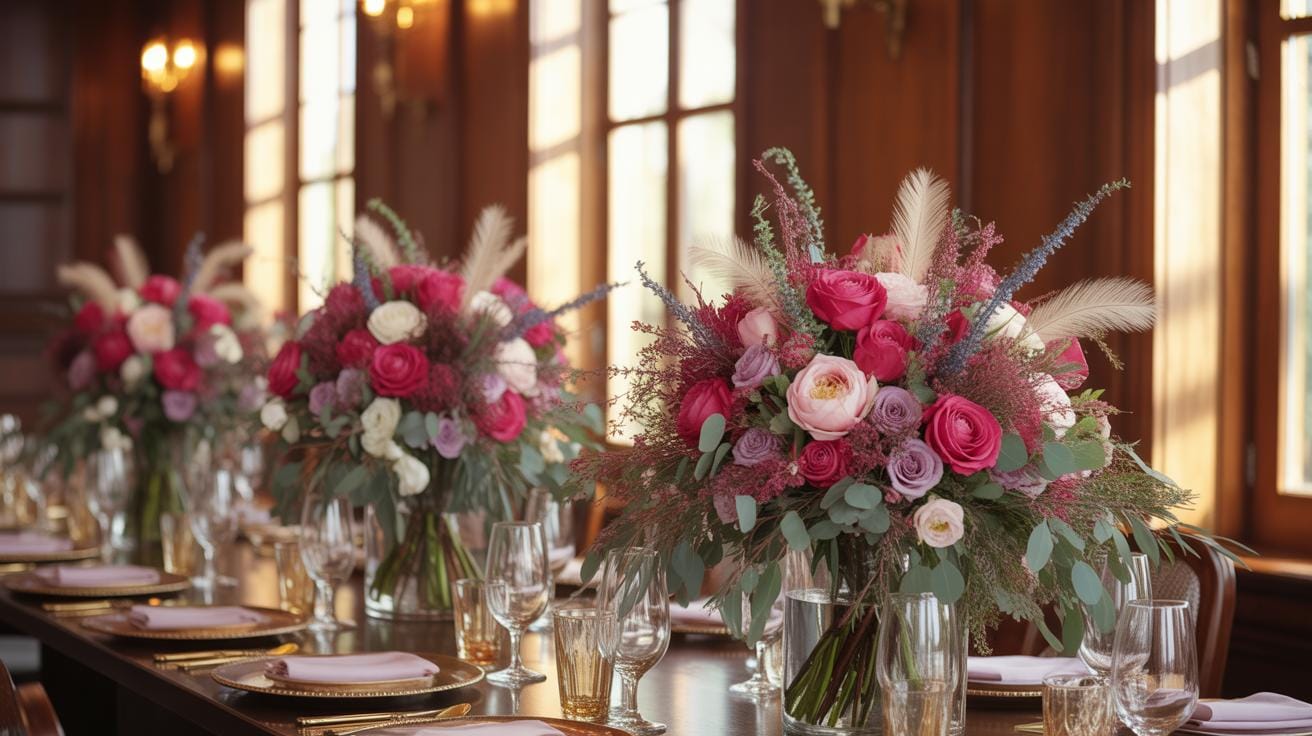
The Allure Of Scented Centerpieces A Multi Sensory Approach
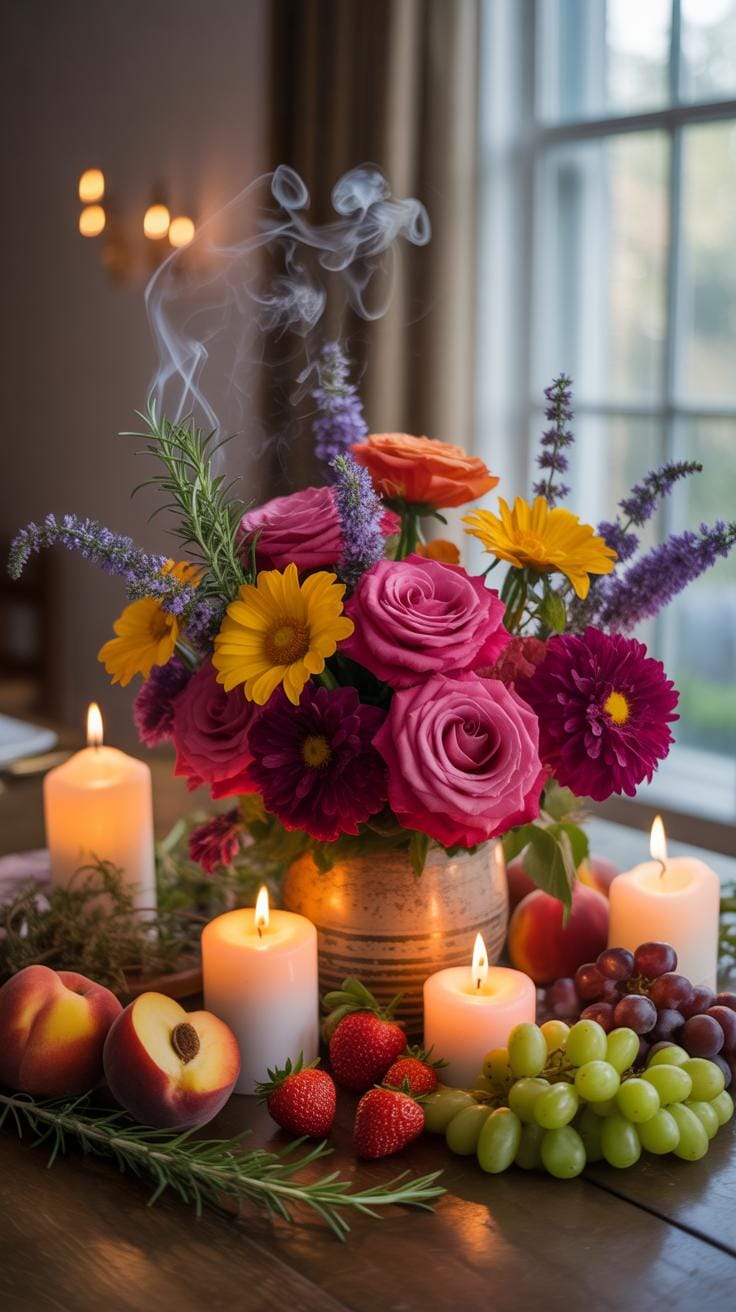
The Impact Of Aroma On Mood
Scented centerpieces engage one of our most powerful senses, influencing the emotional landscape of your wedding celebration. Lavender, with its calming properties rooted in centuries of traditional use, promotes relaxation and tranquility among your guests. Rose fragrance evokes romance and elegance, establishing an intimate atmosphere that enhances connection and conversation. When thoughtfully incorporated into your floral arrangements, these aromatic elements work subtly yet profoundly, creating an environment where guests feel emotionally nurtured and cherished throughout the event.
The strategic placement of scented centerpieces throughout your venue allows you to orchestrate a carefully curated olfactory experience. Different areas benefit from varying intensities and fragrance profiles—lighter scents in intimate spaces, richer blooms near gathering points. This layered approach prevents overwhelming guests while maintaining the sensory journey. The right fragrance choices transform your wedding from a visually beautiful occasion into a fully immersive experience that engages multiple senses simultaneously, leaving an indelible impression.
Creating Lasting Memories Through Smell
The olfactory system connects directly to the limbic system, the brain region responsible for memory and emotion, making scent an extraordinarily powerful memory trigger. Your wedding’s signature fragrance becomes a sensory time capsule—years later, a similar aroma might transport guests back to the joy and beauty of your special day. By selecting distinctive scented centerpieces, you create a unique olfactory fingerprint that distinguishes your wedding in guests’ minds. This neurological connection means the fragrances you choose become woven into their recollection of the celebration.
Incorporating memorable scents through thoughtfully designed scented centerpieces ensures your wedding remains vivid in guests’ sensory memory long after the event concludes. Consider selecting fragrances that reflect your personal story—perhaps florals from a meaningful location or scents representing your heritage. The combination of visual beauty and signature fragrance creates multisensory anchors that deepen emotional connections to the occasion. These aromatic touches demonstrate intentionality and consideration, reflecting the care you’ve invested in creating an unforgettable celebration.
Designing For Texture Adding Depth To Your Tablescapes
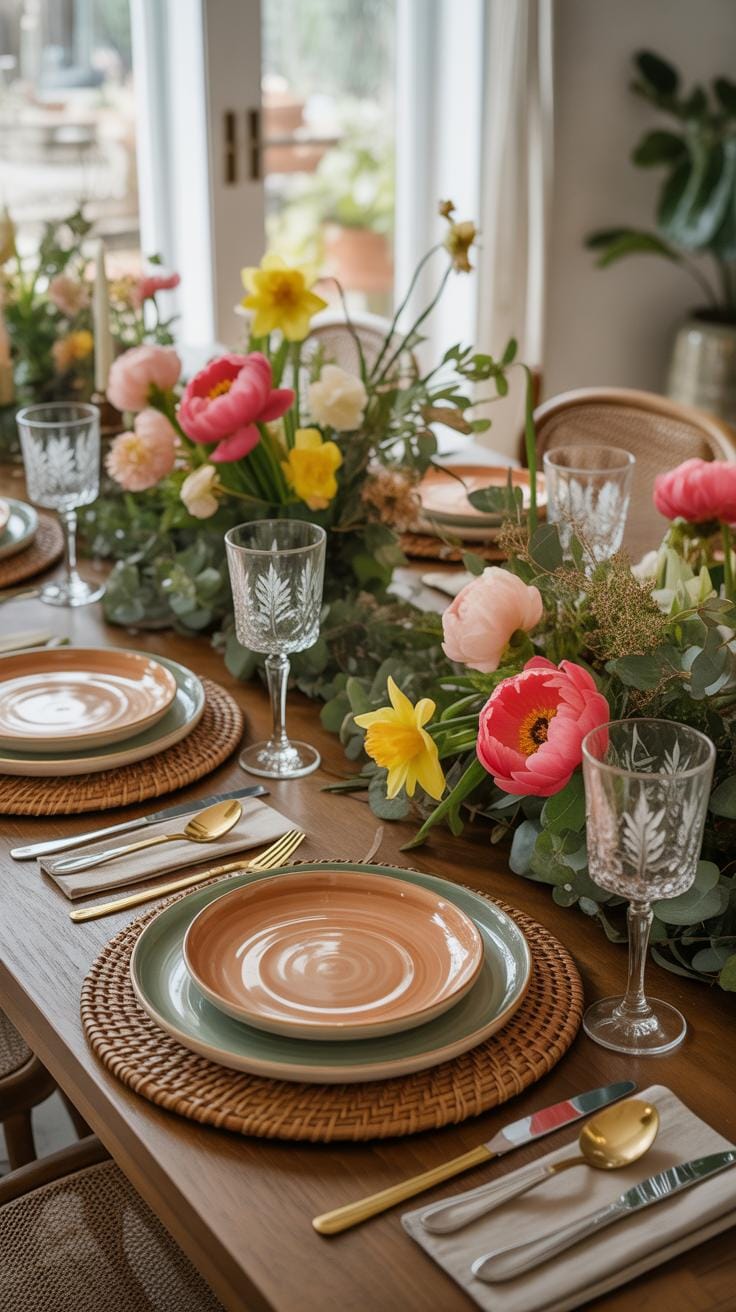
Incorporating Natural Elements
Natural elements bring an authentic, grounded quality to scented centerpieces that resonates with contemporary design sensibilities. Moss, whether preserved or fresh, creates a soft, tactile foundation that invites touch while providing visual warmth. Driftwood pieces offer sculptural interest and weathered character, evoking coastal or rustic themes. Smooth stones and pebbles add subtle variation in texture and can be arranged to cradle fragrant botanicals. These materials work harmoniously with aromatic flowers and herbs, allowing guests to experience multiple sensory dimensions simultaneously through sight and touch.

When layering natural elements within your scented centerpieces, consider the visual balance and spatial arrangement carefully. Position driftwood vertically for height contrast, nestle stones around the base for stability, and use moss as a connecting element between components. The interplay of rough bark, smooth stones, and delicate flowers creates sophisticated depth. These organic materials complement traditional and modern wedding aesthetics equally well, while their inherent neutral tones prevent visual competition with vibrant blooms. The combination encourages guests to engage with your tablescape more intentionally and thoughtfully.
Velvets And Silks: Fabric In Centerpieces
Luxurious fabrics elevate scented centerpieces into objects of refined elegance and tactile beauty. Velvet bases, available in rich jewel tones or soft neutrals, provide a sophisticated foundation that contrasts beautifully with natural florals and greenery. Silk ribbons and swags add flowing movement and visual interest without overwhelming delicate arrangements. Crushed velvet particularly catches light differently from various angles, creating dynamic visual effects throughout an evening. These textiles introduce an element of luxury that transforms simple floral and fragrant arrangements into heirloom-quality centerpieces worthy of admiration and gentle exploration.
Integrating fabrics requires thoughtful consideration of practicality alongside aesthetics in your scented centerpieces. Choose washable or disposable fabric options if moisture from floral arrangements poses concerns. Drape silks loosely to maintain airflow, allowing fragrance to circulate freely around your guests. Velvet absorbs scent beautifully, becoming subtly perfumed itself—a delightful sensory bonus. Secure all textile elements firmly to prevent slipping during table service. The combination of aromatic flowers with luxurious fabrics creates a multisensory experience that lingers in guests’ memories long after your wedding concludes.
Balancing The Senses To Prevent Sensory Overload

Understanding Sensory Saturation
Creating scented centerpieces requires thoughtful consideration of how fragrance intensity affects guest comfort throughout your celebration. Sensory saturation occurs when aromas become overpowering, causing headaches or nausea among attendees. The key is establishing subtle fragrance layers that enhance rather than dominate the atmosphere. Professional florists recommend starting with lighter scents and gradually introducing deeper notes, allowing guests’ olfactory systems to acclimate naturally. Texture plays an equally important role—pairing delicate florals with varied tactile elements creates interest without overwhelming the senses through any single channel.
The human nose naturally adapts to persistent scents within fifteen to thirty minutes, a phenomenon called olfactory adaptation. This means your scented centerpieces should provide gentle, consistent fragrance rather than intense bursts. Consider the venue’s ventilation when selecting aromatic flowers and materials; enclosed spaces amplify scent concentration significantly. Opt for moderately fragrant blooms like garden roses, lisianthus, or spray roses instead of heavily scented varieties such as gardenias or tuberose when designing centerpieces for intimate dining spaces. This strategic approach ensures guests appreciate the olfactory experience without discomfort throughout the event.
Mapping Scent Strength Across The Room
Strategic placement transforms how scented centerpieces influence your wedding’s sensory environment. Position your most fragrant arrangements in open reception areas, cocktail spaces, and entry halls where air circulation naturally disperses aromatic molecules. These high-traffic zones benefit from bolder florals like fragrant peonies or sweet peas, which make memorable first impressions without creating intensity issues. Reserve subtle fragrances for intimate dining areas where guests remain seated for extended periods. This zoning approach respects guests’ varying sensory preferences while maximizing the impact of your carefully selected scents and textures throughout different celebration spaces.
Distance and air flow significantly affect scent perception in wedding venues. Highly fragrant centerpieces placed more than eight feet from seating areas provide gentle background notes rather than overwhelming presence. Consider your venue’s HVAC system when planning scent distribution; air conditioning can either disperse or concentrate fragrances depending on airflow direction. Textile elements like silk ribbons or velvet accents in your scented centerpieces add visual interest while naturally absorbing and releasing fragrance gradually. Grouping multiple arrangements in open spaces creates a cohesive aromatic experience that feels intentional rather than chaotic, allowing guests to move through various sensory layers organically.
Top Floral Choices For Naturally Scented Centerpieces
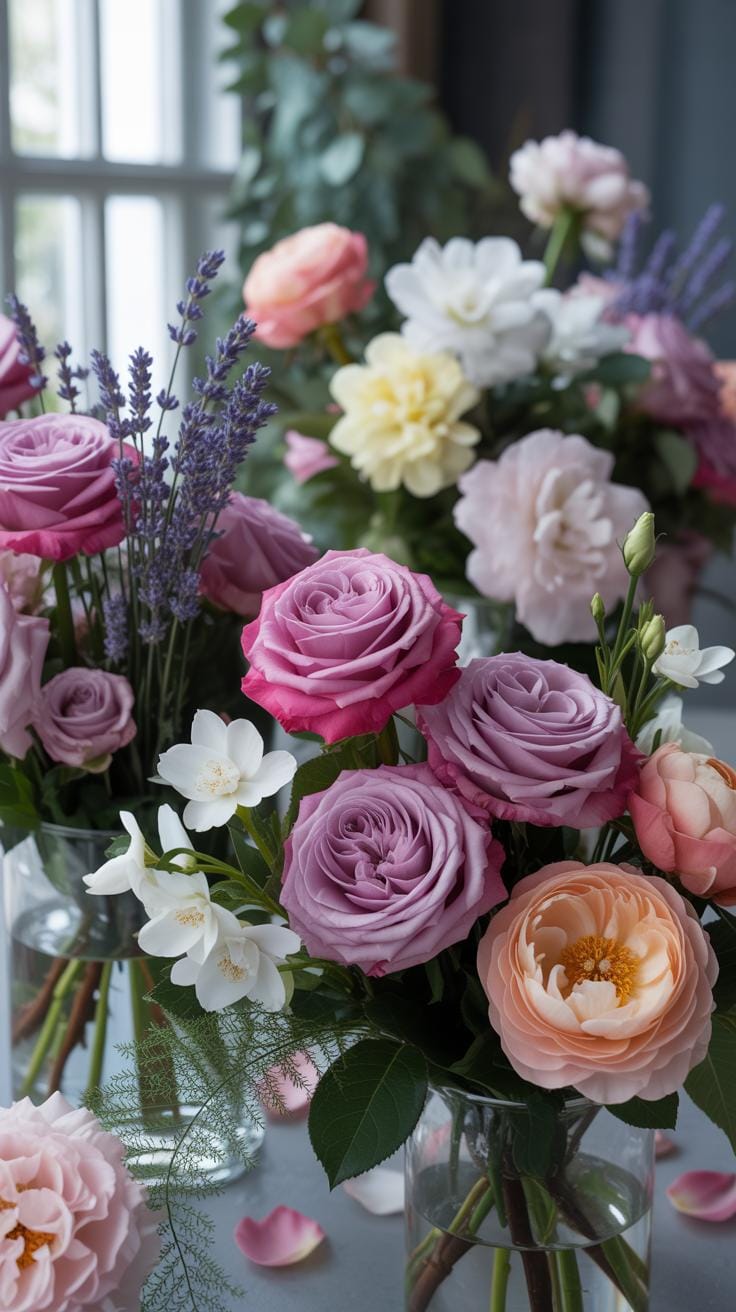
The Classic Romance Of Garden Roses
Garden roses represent the quintessential foundation for sophisticated scented centerpieces, offering layers of fragrance that unfold beautifully throughout an event. Varieties like David Austin roses deliver rich, complex aromas reminiscent of old-fashioned blooms, with notes ranging from sweet honey to subtle spice. Their full, romantic petals create visual drama while their natural perfume fills intimate dining spaces without requiring artificial enhancement. These heirloom-inspired cultivars have become beloved by floral designers seeking authenticity and sensory depth.

The enduring appeal of garden roses stems from their ability to perfume an entire room while maintaining elegance and refinement. Unlike heavily hybridized specimens, heritage rose varieties retain their genetic aromatic properties, producing genuine fragrance that intensifies as blooms mature. Wedding designers incorporate garden roses as anchor flowers in scented centerpieces, pairing them with complementary greenery that releases subtle herbal notes when gently brushed. Their longevity ensures the olfactory experience remains consistent throughout multi-hour celebrations.
Exotic Fragrances: Jasmine And Tuberose
Jasmine and tuberose represent the glamorous, potent end of the floral spectrum, perfect for creating memorable olfactory moments within scented centerpieces. Tuberose, with its heady, intoxicating sweetness, carries historical significance dating back centuries as a treasured perfume ingredient. Just a few stems can transform a venue’s atmosphere, offering an unmistakably luxurious presence that guests immediately notice. Jasmine contributes delicate, almost ethereal notes that balance tuberose’s intensity while adding sophisticated complexity.
- Tuberose produces intensely sweet, almost creamy fragrance that strengthens in evening hours
- Jasmine varieties offer delicate, romantic notes with subtle citrus undertones
- Both flowers perform best in cooler venue temperatures for optimal scent projection
- Limited stems achieve maximum impact, preventing overwhelming olfactory experiences
- Combining jasmine and tuberose creates harmonious, high-end fragrance profiles
Incorporating these exotic blooms requires restraint and thoughtful placement within scented centerpieces to avoid sensory overwhelm. Professional florists strategically distribute a few stems among larger arrangements, allowing the potent fragrances to disperse gradually rather than assaulting guests’ senses immediately. The tropical origins of both flowers lend an air of sophistication and destination-wedding elegance, making them particularly effective for evening receptions where their scent intensifies naturally.
Edible Elements Scent And Texture You Can Taste
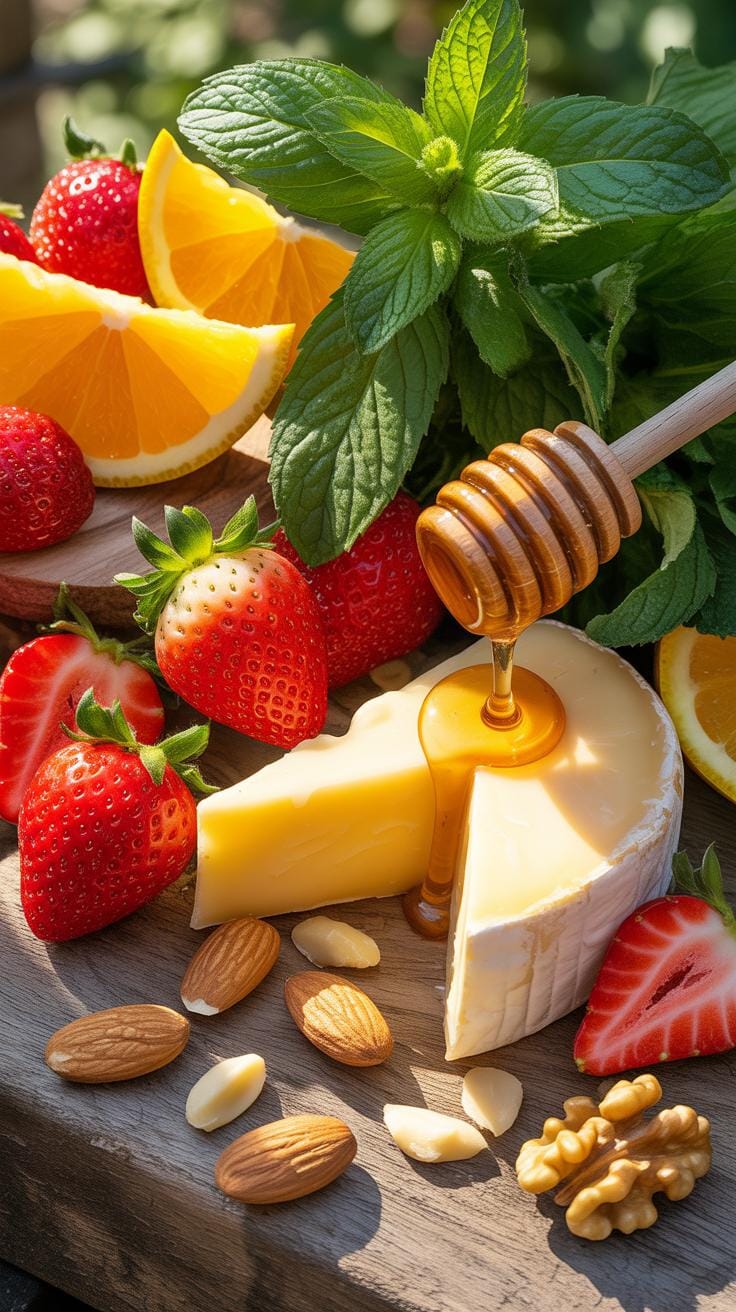
Herbal Accents: Rosemary And Mint
Fresh herbs bring an understated elegance to scented centerpieces, offering guests a multisensory experience that extends beyond traditional florals. Rosemary branches, with their needle-like foliage and woody fragrance, create visual interest while releasing their distinctive piney aroma when handled. Mint varieties contribute a crisp, refreshing scent that energizes the atmosphere. These herbs pair beautifully with flowers and candles, adding layers of complexity to your arrangement’s olfactory profile while introducing textural variety through their varied leaf shapes and sizes.

The practical beauty of herbal accents lies in their longevity and versatility within scented centerpieces. Unlike delicate flowers that wilt quickly, hardy herbs maintain their appearance throughout your wedding reception. Rosemary and mint also connect to culinary traditions, subtly suggesting the flavors guests will experience during the meal. Their natural green tones complement virtually any wedding color scheme, from romantic pastels to bold jewel tones. Consider tucking sprigs into floral foam or water vessels alongside other fragrant elements for maximum impact and aromatic layering.
Visual And Tactile Appeal Of Citrus Fruits
Citrus fruits introduce a luminous quality and invigorating scent to scented centerpieces that immediately captures attention. Whole lemons, limes, oranges, and grapefruits contribute smooth, rounded surfaces that create striking visual contrast against feathery herbs and soft flowers. Their naturally glossy skin reflects light beautifully, while the zesty aroma they emit is both uplifting and universally pleasant. Sliced citrus reveals intricate geometric patterns and adds depth to arrangements, offering guests an unexpected textural element that encourages interaction and appreciation.
The versatility of citrus extends beyond mere decoration within contemporary scented centerpieces. These fruits remain fresh throughout your event, gradually intensifying their fragrance as natural oils activate with room temperature. Citrus pairs exceptionally well with eucalyptus, lavender, and white flowers, creating sophisticated arrangements that feel both modern and timeless. You can layer whole fruits at the base of arrangements or intersperse slices among greenery and blooms for visual drama. The combination of their aesthetic brightness, tactile smoothness, and aromatic properties makes citrus an essential consideration for sensory-focused wedding design.
The Role Of Dried Florals In Textured Decor
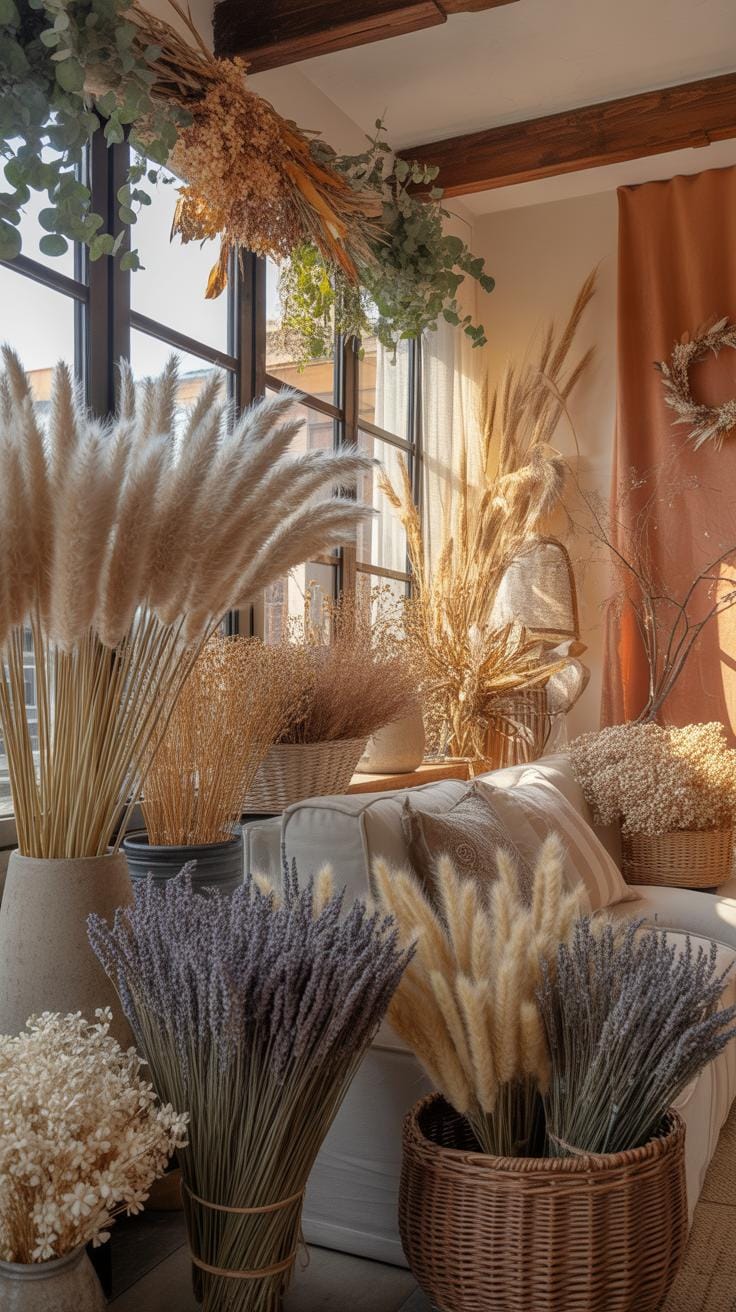
Preserved Eucalyptus And Its Woody Scent
Dried eucalyptus brings an understated elegance to scented centerpieces, offering both visual and olfactory appeal that endures throughout your wedding celebration. The silvery-green foliage maintains its color beautifully when properly dried, creating a soft, romantic aesthetic that complements rustic and modern designs alike. Its distinctive woody fragrance carries subtle medicinal and minty notes, providing a fresh, natural scent that doesn’t overwhelm the senses. Unlike fresh florals that fade quickly, preserved eucalyptus remains vibrant and aromatic for months, making it an economical choice for couples planning ahead.

Incorporating dried eucalyptus into your scented centerpieces creates layers of sensory experience that guests will appreciate upon arrival at their tables. The texture invites tactile exploration, with papery leaves that catch candlelight beautifully. You can combine eucalyptus with other dried elements like protea, thistle, or lavender to build complex aromatic profiles. The woody undertones pair exceptionally well with vanilla, amber, and cedar-scented candles, creating cohesive fragrance environments that enhance the overall ambiance of your reception space and establish a memorable sensory experience.
Adding Architectural Interest With Wheat And Grasses
Pampas grass and dried wheat add striking height and movement to scented centerpieces, transforming flat arrangements into dynamic visual statements. These architectural elements create natural lines that draw the eye upward, making tables feel more spacious and elegant. Their soft, neutral tones—from pale cream to subtle golden hues—complement virtually any wedding color palette. The delicate, feathery textures provide visual softness while their sturdy stems maintain structural integrity, allowing designers to create bold, sculptural arrangements that remain stable throughout the evening’s festivities.
Beyond their aesthetic contributions, wheat and grasses introduce subtle earthiness to your reception environment, grounding scented centerpieces with organic authenticity. These dried botanicals produce a gentle, hay-like aroma that evokes pastoral charm and nostalgic warmth. When combined with fragrant elements like dried roses, lavender, or cinnamon sticks, they create layered scent profiles that feel natural and inviting. Their lightweight texture allows for generous arrangements that don’t obstruct sightlines, enabling guests to converse comfortably while enjoying the multisensory experience of your thoughtfully designed table settings.
Seasonal Considerations For Scented Wedding Decor
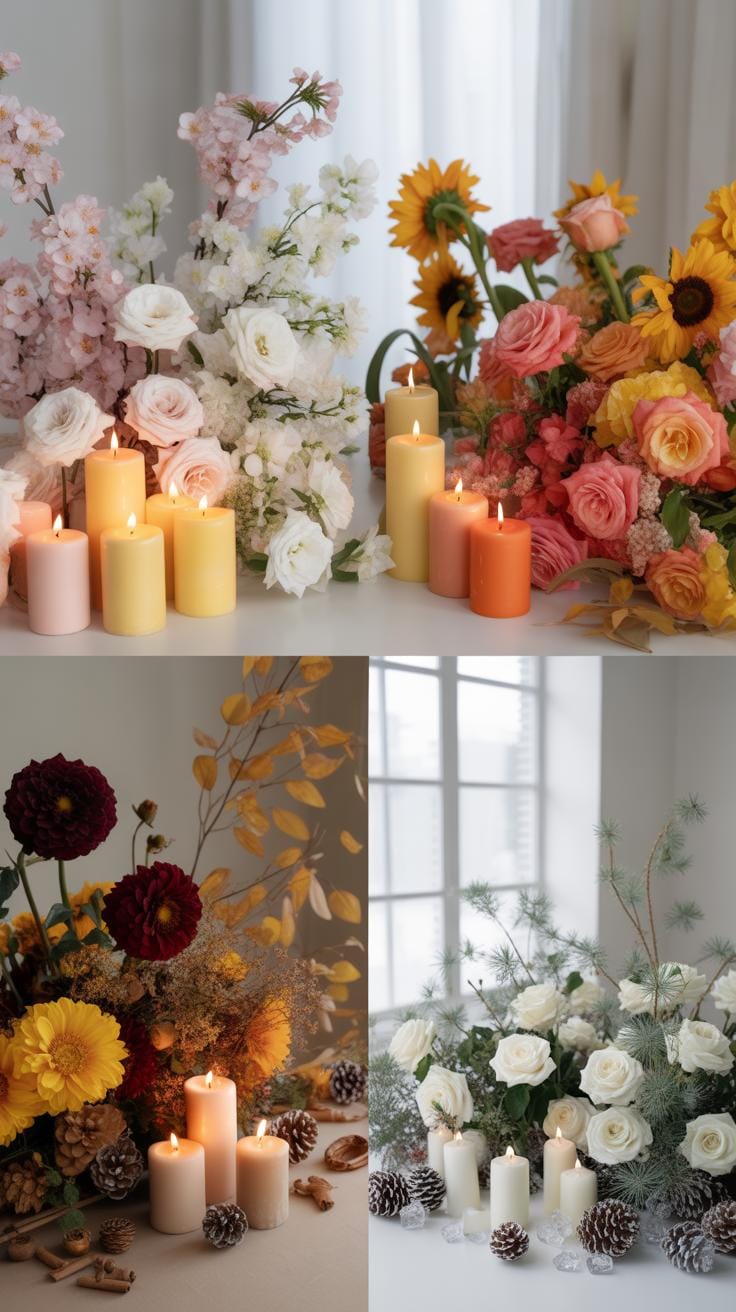
Fresh Springs Blooms And Delicate Textures
Spring weddings call for scented centerpieces that capture the season’s gentle awakening. Peonies, with their luxurious ruffled petals and subtle fragrance, serve as the perfect foundation for spring arrangements. These beloved blooms pair beautifully with sweet peas, whose delicate tendrils and soft, powdery scent evoke romance and renewal. Together, they create a sensory experience that feels both fresh and nostalgic, transporting guests to blooming gardens.
- Peonies in soft pink, cream, and blush tones
- Sweet peas in lavender, white, and coral varieties
- Lily of the valley for added delicate fragrance
- Ranunculus for textural depth and subtle sweetness
- Soft tulle and silk ribbons for touchable elements
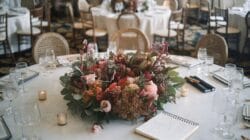
Layering these flowers with feathery greenery and soft textures enhances the multisensory appeal of your spring scented centerpieces. Consider incorporating textured elements like lace, velvet ribbons, or pearl accents that complement the delicate nature of spring blooms. The combination of light floral aromas with gentle, touchable surfaces creates an environment where guests feel welcomed by warmth and natural beauty, making spring celebrations particularly memorable.
Winter Evergreens And Spicy Aromas
Winter scented centerpieces leverage the rich, comforting qualities of evergreen branches and warming spices. Pine and cedar branches bring architectural interest while releasing their distinctive, crisp forest aromas that define the season. Adding cinnamon sticks, whole cloves, and dried orange slices introduces warm, spicy notes that complement the cool greenery. These combinations evoke the coziness of fireside gatherings and holiday traditions that resonate deeply with winter wedding guests.
Let the nostalgic embrace of scented and textured centerpieces envelop your wedding senses, turning overload into cherished memories of love’s tender abundance.
The interplay between cool evergreen textures and warm spice aromatics creates a sophisticated sensory balance perfect for winter celebrations. Scented centerpieces incorporating these elements become focal points that engage multiple senses simultaneously. Pair these natural materials with deep jewel-toned candles, metallic accents, and weathered wood elements to enhance the tactile experience. This approach transforms winter weddings into intimate, sensorially rich celebrations that guests will remember long after the season passes.
DIY Tips For Crafting Scented Centerpieces
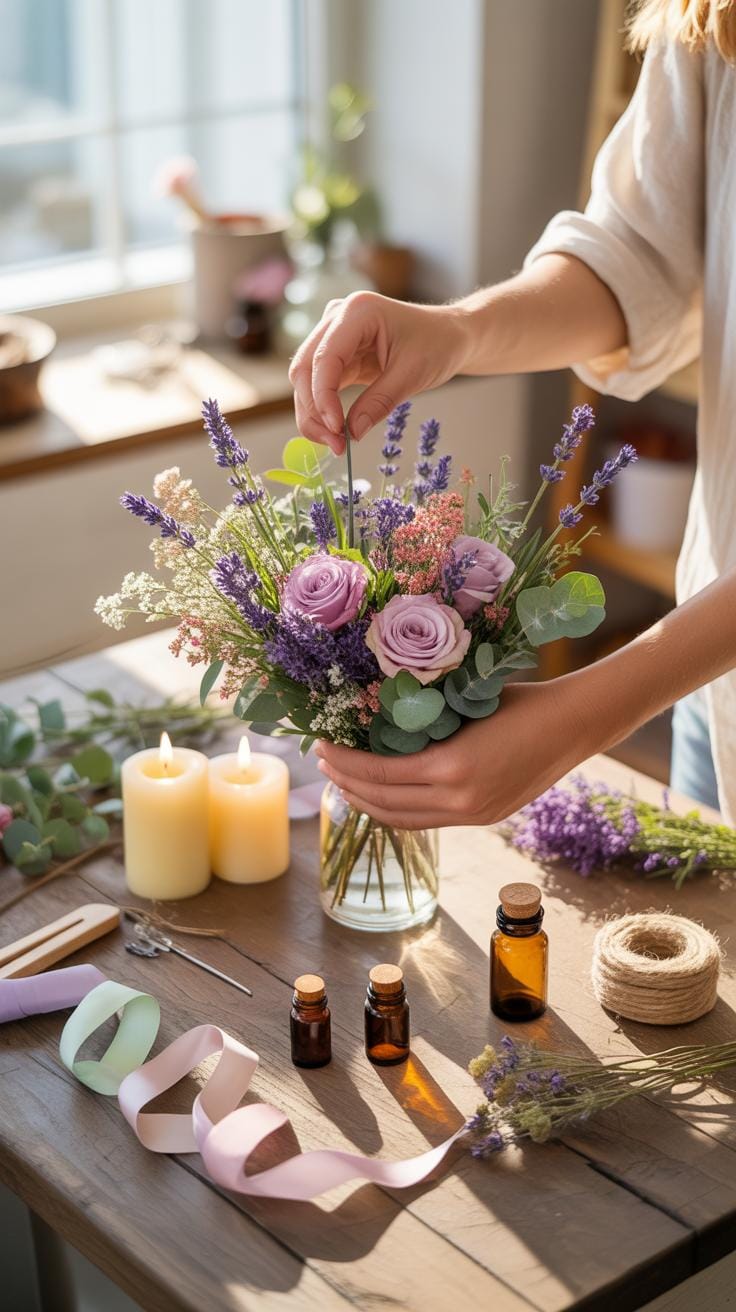
Essential Oil Infusions For Neutral Flowers
Creating scented centerpieces begins with understanding how to enhance naturally non-fragrant blooms through carefully selected essential oils. Roses, peonies, and hydrangeas offer stunning visual appeal yet lack inherent fragrance, making them ideal candidates for subtle aromatic enhancement. High-quality essential oils like rose, peony, or lavender can be diluted and applied to petals using specialized floral sprays designed to preserve flower integrity while delivering long-lasting scent without damaging delicate tissues.
The technique requires precision and restraint to avoid overwhelming guests or creating artificial-smelling arrangements. Apply essential oil infusions sparingly using a fine misting bottle, allowing oils to distribute evenly across bloom surfaces. Test your dilution ratio beforehand on sample flowers, as concentration varies between oil types. This approach maintains the natural aesthetic of your scented centerpieces while introducing sophisticated aromatic elements that develop gradually throughout your event, creating an immersive sensory experience.
Building Layers: A Step By Step Texture Guide
Layering creates depth and visual richness in scented centerpieces through strategic placement of varying material weights and densities. Begin with structural greenery like eucalyptus or Italian ruscus as your base foundation, establishing height and framework. Progress toward mid-weight elements such as dusty miller or salal leaves, which provide interesting texture without overwhelming primary blooms. Finally, position your focal flowers and delicate accent foliage in foreground positions where guests can appreciate both visual and aromatic qualities most effectively.
- Start with tall structural greenery establishing vertical lines and height variation
- Layer medium-weight foliage creating transition zones between base and focal flowers
- Position primary blooms at varying heights for dynamic visual interest
- Incorporate textural accents like hypericum berries or dried grasses for tactile dimension
- Reserve trailing elements like ivy for outer edges creating soft, organic movement
- Finish with micro-details using small-scale florals or seed pods in strategic focal areas
Professional-looking scented centerpieces emerge from thoughtful spatial planning and material selection. Consider sightlines across your venue, ensuring layered arrangements don’t obstruct guest interactions while maintaining aromatic accessibility. The interplay between smooth petals, feathery foliage, and structured stems creates memorable sensory experiences that engage multiple senses simultaneously, elevating your floral design from merely beautiful to truly unforgettable.
Guest Comfort Managing Allergies And Sensitivities
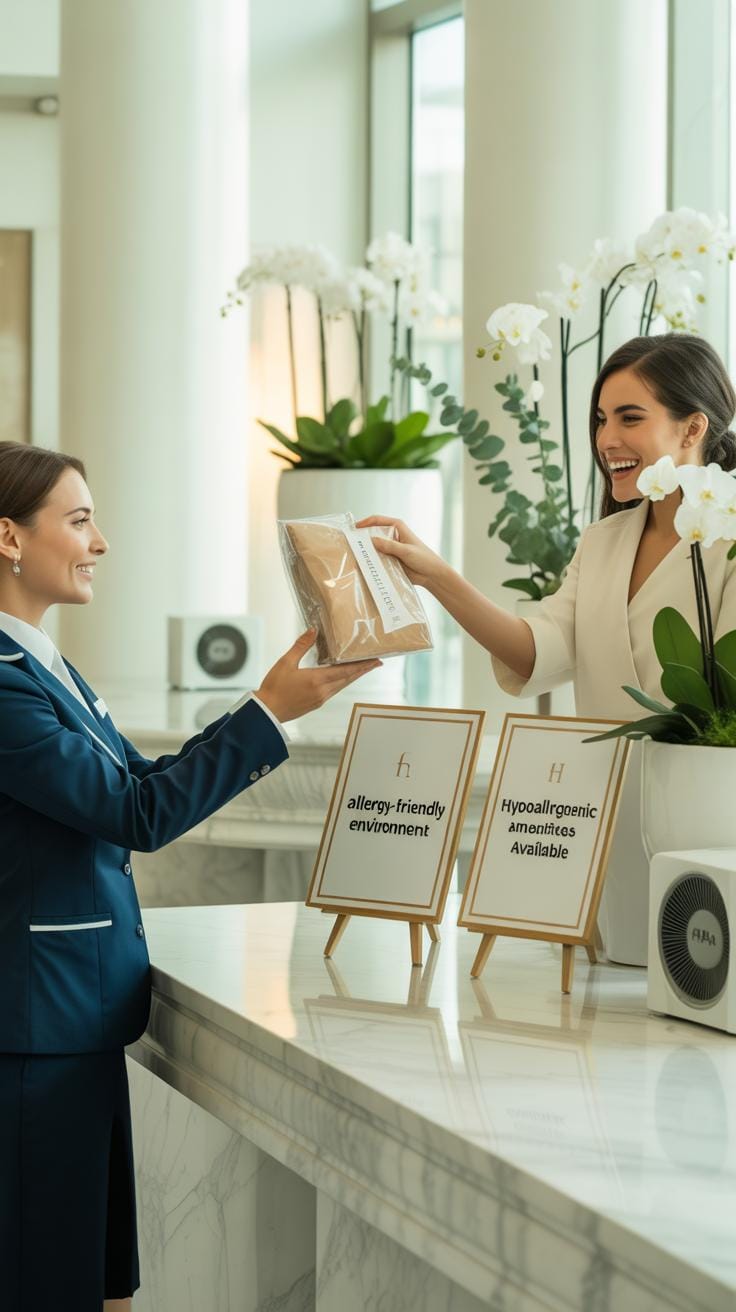
Hypoallergenic Scent Alternatives
Creating memorable scented centerpieces doesn’t require overwhelming floral fragrances that trigger allergic reactions. Beeswax candles offer a naturally gentle alternative, emitting a soft honey-like aroma without the synthetic compounds found in paraffin candles. These pure wax options provide subtle ambient fragrance while remaining kind to sensitive respiratory systems. Indirect scenting methods, such as placing fragrant elements away from seating areas or using diffusers with essential oils in controlled quantities, allow guests to experience pleasant aromas without discomfort.

Consider these thoughtful alternatives for fragrance delivery:
- Unscented or lightly scented beeswax pillar candles positioned at table centers
- Soy-based candles with minimal fragrance intensity for gentle ambient scenting
- Fresh herbs like rosemary or lavender arranged visually without crushing release
- Wooden diffusers with essential oils placed strategically away from direct guest contact
- Fragrance-free decorative elements paired with scent stations guests can approach optionally
The key to inclusive scented centerpieces lies in offering fragrance as an option rather than an obligation. By prioritizing guest wellness, you create an atmosphere where everyone feels welcomed and comfortable celebrating together throughout the evening.
Visual Textures Without The Pollen
Succulents and other low-allergen plants deliver striking tactile beauty without triggering seasonal allergies that compromise wedding enjoyment. These hardy specimens offer fascinating surface variations—bumpy rosettes, smooth leaves, and interesting growth patterns—that invite tactile exploration. Unlike pollen-heavy flowers, succulents provide visual interest and textural depth while remaining allergy-friendly. Their architectural forms create compelling centerpiece designs that work beautifully alongside scented candles or other fragrance elements.
Textured plants and materials create engaging sensory experiences while remaining accessible to all guests. Incorporating touchable elements like dried grasses, preserved wood elements, or velvet ribbons alongside succulents enhances the tactile dimension without introducing allergens. These combinations allow you to craft sophisticated scented centerpieces that engage multiple senses safely. Your thoughtful approach ensures guests with sensitivities enjoy the same celebratory atmosphere as everyone else at your wedding reception.
Frequently Asked Questions

What are scented centerpieces, and why might they lead to sensory overload at weddings?
Scented centerpieces are stunning table displays featuring fragrant flowers like roses, peonies, or lavender, paired with fruits, herbs, or essential oils to create immersive aromas. While they add romance and elegance, strong scents from multiple tables can overwhelm guests, especially those sensitive to fragrances, causing headaches or discomfort. Balance is key—opt for milder scents or unscented alternatives for a harmonious ambiance.
How can I create DIY scented centerpieces without causing sensory overload?
Start with low vases filled with water and floral frogs for structure. Layer textured elements like moss, pinecones, or succulents, then add sparingly scented blooms such as eucalyptus or freesia alongside neutral greenery. Test scents in your venue beforehand to gauge intensity. Dilute with unscented candles or glass beads for visual pop without overwhelming aromas, ensuring a delightful yet comfortable wedding atmosphere. (62 words)
What are affordable ways to make scented centerpieces accessible for any budget?
Embrace foraged or seasonal elements like wildflowers, citrus slices, and thrifted glassware for cost-effective scented centerpieces under $20 per table. Shop discount stores for faux textured accents like wooden slices or fabric swaths. For accessibility, choose hypoallergenic options like unscented soy candles infused lightly with oils. DIY tutorials on Pinterest offer endless budget hacks, making luxurious designs achievable for every couple. (68 words)