
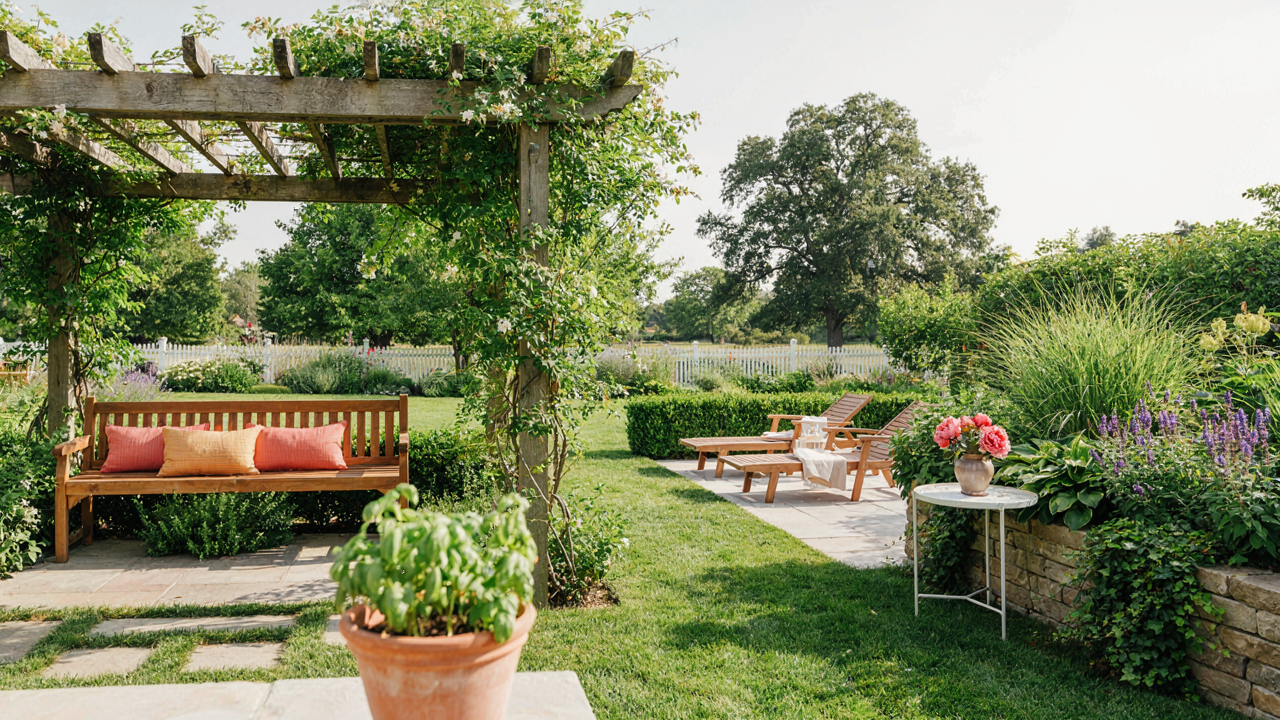
The Illusion Of The Trendy Backyard Garden
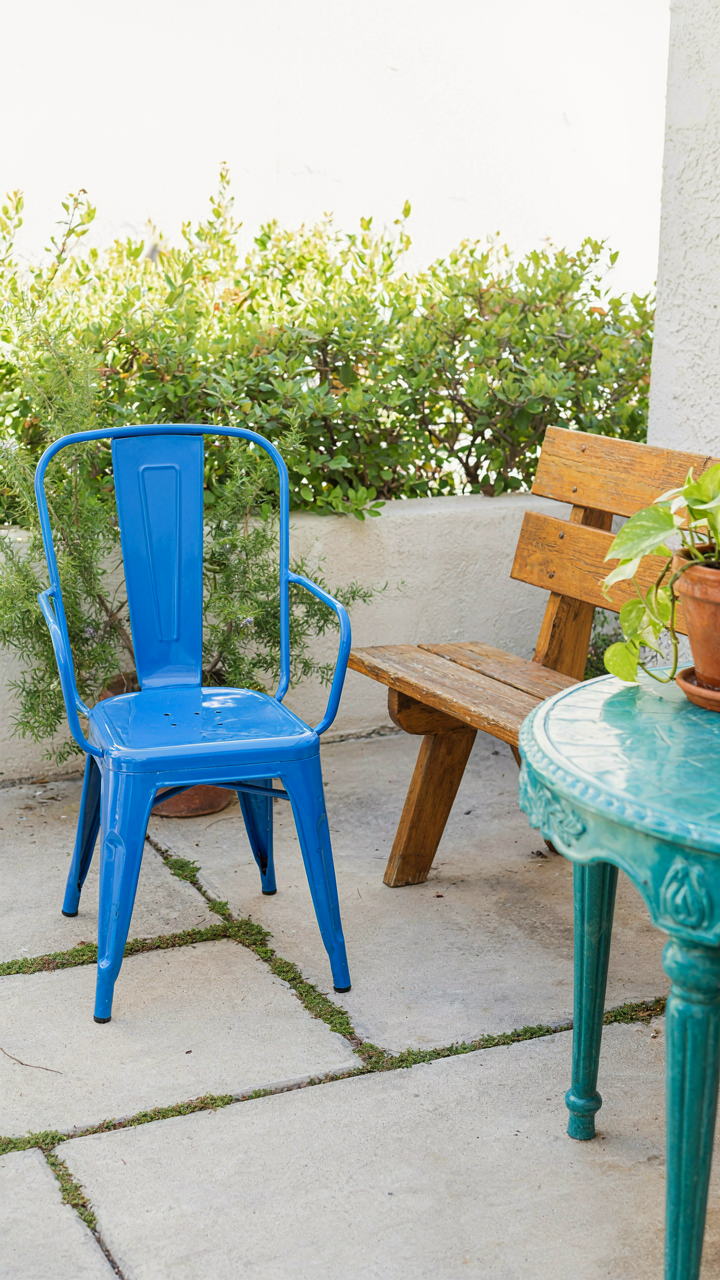
What Marketing Calls A Trend
You want proof you’re making the right choice. That’s the real reason you’re searching for trends instead of building what works for your space. Here’s the mechanism: marketing cycles create artificial urgency by repackaging old ideas in new language. A weathered teak bench becomes “reclaimed minimalism.” Cubic concrete pavers become “industrial chic.” The products stay the same. The framing changes every eighteen months.
Trends in garden seating aren’t driven by function or durability. They’re driven by what retailers can manufacture at scale and what design publications can photograph for next season’s issue. A trend dies the moment inventory clears and the next trend generates clicks. You’re not following innovation. You’re following inventory rotation.
The Price Of Chasing What’s Hot
Abandoning a functional seating area to rebuild it around this year’s aesthetic costs money, time, and opportunity. The real cost isn’t the materials. It’s the labor and the mental bandwidth spent undoing what already worked. Most people buy trendy pieces that clash with their existing garden because trends operate in isolation. They never account for what’s already there.
The mechanism is simple: trends fragment your space into disconnected purchases made at different times, in different styles. You end up with a backyard that looks like a design mood board instead of a coherent place to sit. Stop treating your garden seating as a canvas for seasonal updates. Build it to function for a decade. Aesthetics follow utility.
The 3 Principles Of Enduring Backyard Garden Seating Areas

Design For How You Actually Use It
You want your seating area to look Instagram-worthy. That’s the real driver. But a beautiful setup you never sit in is just expensive yard decoration. Borrow from industrial engineering: optimize for utilization rate, not aesthetics. Your seating area succeeds when it removes friction between you and the act of sitting outside. Most people place seating in the prettiest spot. They should place it where they naturally walk, where shade or sun hits at the times they’re actually home, and where sightlines match how they move through the yard.
The mechanism is simple. If your seating faces a wall or an awkward corner, you won’t use it. If it’s too far from the house, you won’t use it. If it bakes in direct sun at 4 PM when you’re stuck inside working, you won’t use it. Map your yard’s microclimates for one full week. Note where you naturally pause. Where do you stand with coffee? Where do you linger when watering plants? Put your seating there first. Aesthetics follow function, not the reverse.
Materials That Don’t Degrade In Two Years
This is where people waste money through pure ignorance. They buy furniture marketed as “all-weather” without understanding what that term actually means. Most outdoor fabrics break down under UV exposure and moisture cycling. Teak ages gracefully because of its natural oil content and tight grain structure. Aluminum rusts if the finish cracks. Steel requires constant maintenance unless powder-coated. Concrete holds up but conducts temperature. You need to match material selection to your specific climate zone, not to what the catalog picture looks like.
The real question isn’t “what looks good”—it’s “what requires the least intervention to stay functional.” Calculate your true maintenance window. If you won’t seal wood yearly, don’t buy wood. If you can’t afford to replace cushions every three years, choose a frame without them. Powder-coated aluminum with removable cushions stored seasonally outlasts teak with direct weather exposure in humid climates. Verify material specs against your local humidity, temperature swings, and UV intensity before purchase. This eliminates 80 percent of premature failure.
The ‘Perimeter Defense’ Protocol For Garden Sitting Areas
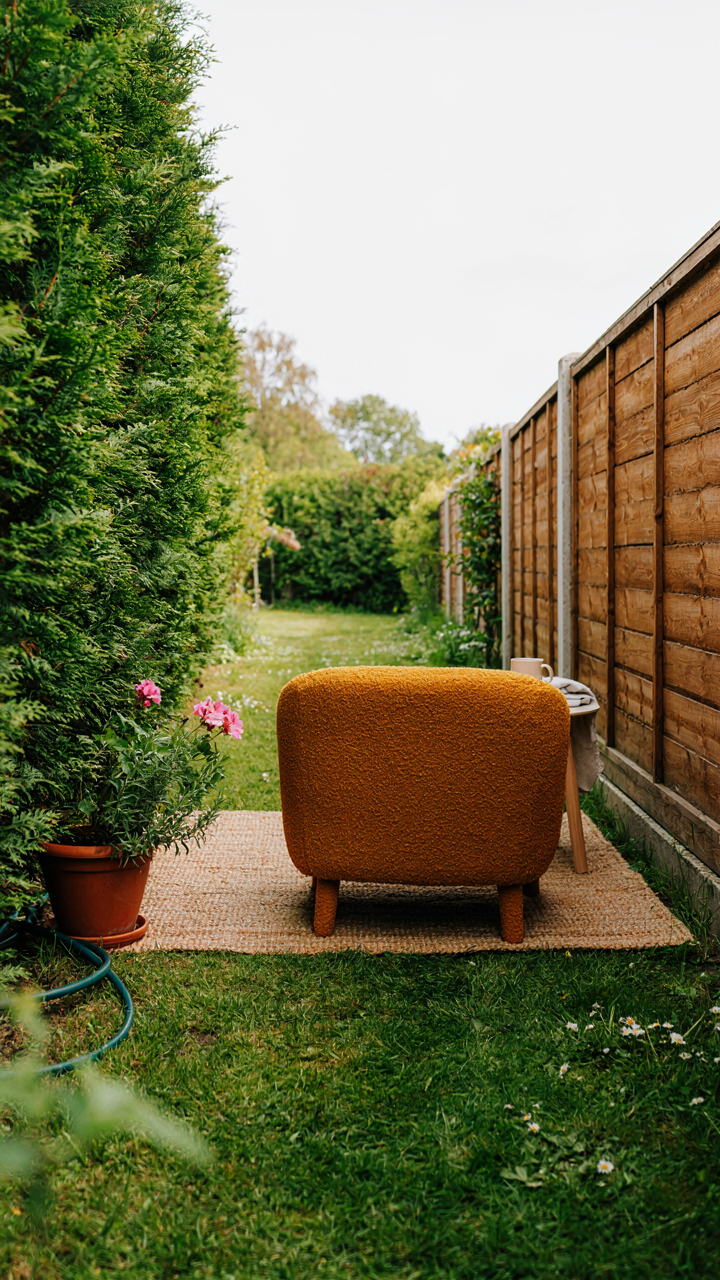
Where To Place Your Seating
You want people to think you chose this spot for its view, not because you’re hiding from your neighbors. The mechanism is simple: defensive positioning works because it solves the real problem nobody admits—exposure. Borrow a term from military strategy: fields of fire. Your seating area needs limited approach vectors. Edges of property lines, tree clusters, or fence lines create natural containment. This isn’t about paranoia. It’s about reducing the cognitive load of being watched while you sit.
Position seating at property corners or against existing structures like garages or sheds. This removes two sides from exposure immediately. Dense plantings or existing tree lines become your third wall. The fourth side faces your own space—the one side you control. This geometry works because it’s easier for your brain to relax when threats come from one known direction instead of three. Test this by sitting in the center of your yard versus against a perimeter. The difference is immediate.
Blocking Wind, Sun, And Noise
The common advice says plant shrubs around your seating area. That’s incomplete. Wind, sun, and sound move through space using different physics—you need different barriers for each. Wind moves fast and low, bouncing around obstacles. Sound reflects off hard surfaces. Sun travels in straight lines. One dense barrier doesn’t solve all three. Dense evergreen plantings stop wind effectively. Shade structures with angled slats block afternoon sun while allowing morning light. Solid fencing or earth berms absorb or deflect sound energy.
Layering is mandatory. Start with the problem closest to your body. If afternoon sun dominates, a pergola or shade sail comes first. Behind that, plant medium-height evergreens to handle wind pressure. Rear or side-facing fencing absorbs noise from neighboring properties. Water features create acoustic masking but only if positioned between you and the noise source. Each barrier solves one mechanism. Stack them in order of impact on your comfort, not in order of appearance.
Unlocking Utility: From Backyard Patio Designs To Productive Spaces
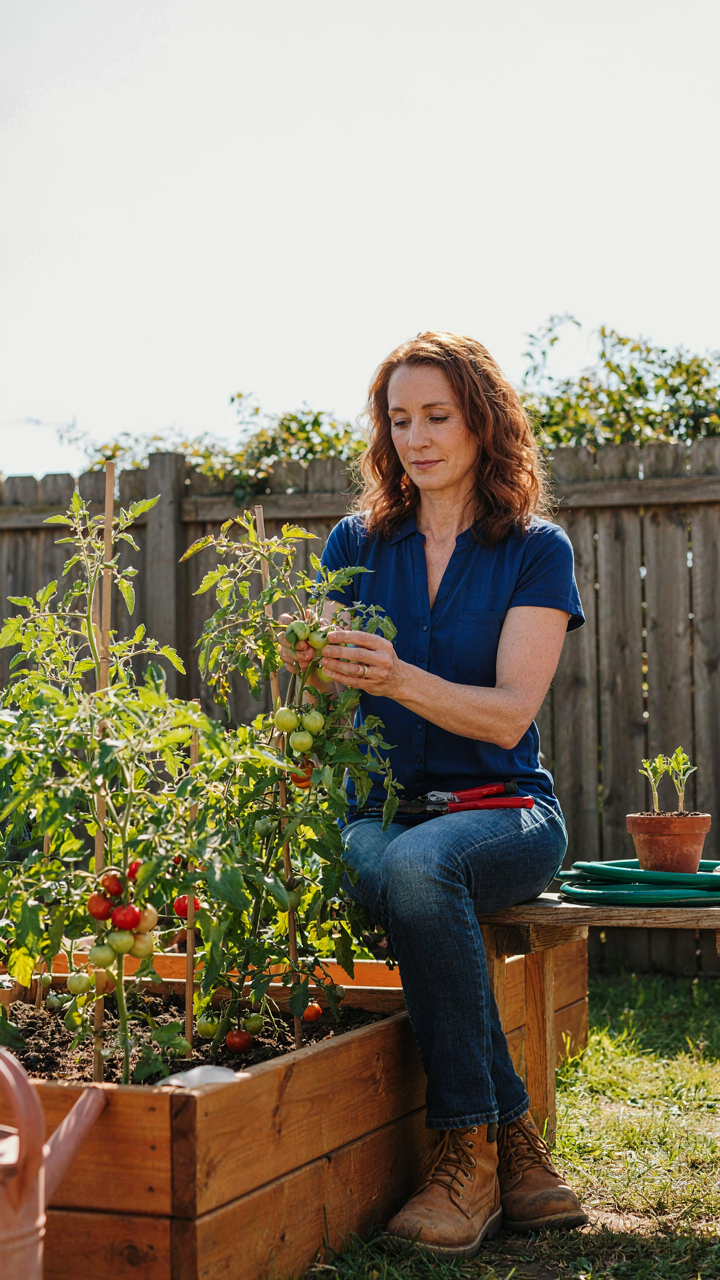
Where Your Seating Actually Works
You want a backyard that looks intentional without requiring you to choose between relaxation and productivity. The mechanism is simple: seating positioned near functional zones cuts friction. Instead of walking twenty feet from your bench to harvest tomatoes, you sit within arm’s reach of the work. This eliminates the mental tax of switching contexts. You’re not abandoning leisure to tend the garden. You’re integrating them. Proximity forces intentional design.
Position benches or chairs along the perimeter where harvesting, potting, and pruning happen. A two-person bench beside your raised beds becomes a staging area for seedlings. A low-back chair at the garden’s edge lets you deadhead spent blooms without standing. This isn’t decoration. It’s infrastructure. The seating becomes the organizing principle that makes the garden function instead of just occupy space.
Furniture That Earns Its Square Footage
Most advice tells you to buy “versatile pieces” without explaining what that means or why it matters. Wrong approach. Real versatile outdoor furniture solves two distinct problems simultaneously without compromise. Take a sturdy wooden bench with storage underneath. It seats two people, holds garden tools inside the base, and functions as a potting table when you flip a removable top on. The piece doesn’t need to be beautiful first. It needs to eliminate a step in your workflow.
Metal and wood combination seating works here because metal frames withstand moisture and tool weight while wood surfaces provide comfort and accommodate soil contact. Ottoman poufs double as extra seating, footrests, or elevated planting stations. A wheeled cart styled like outdoor furniture moves between zones, carrying supplies, then parks as a side table. Select pieces based on the problems they solve, not how they photograph. Every item should answer a specific need before it answers an aesthetic one.
The Ergonomics Of Relaxation: Science Backed Seating
How Your Spine Actually Works In A Chair
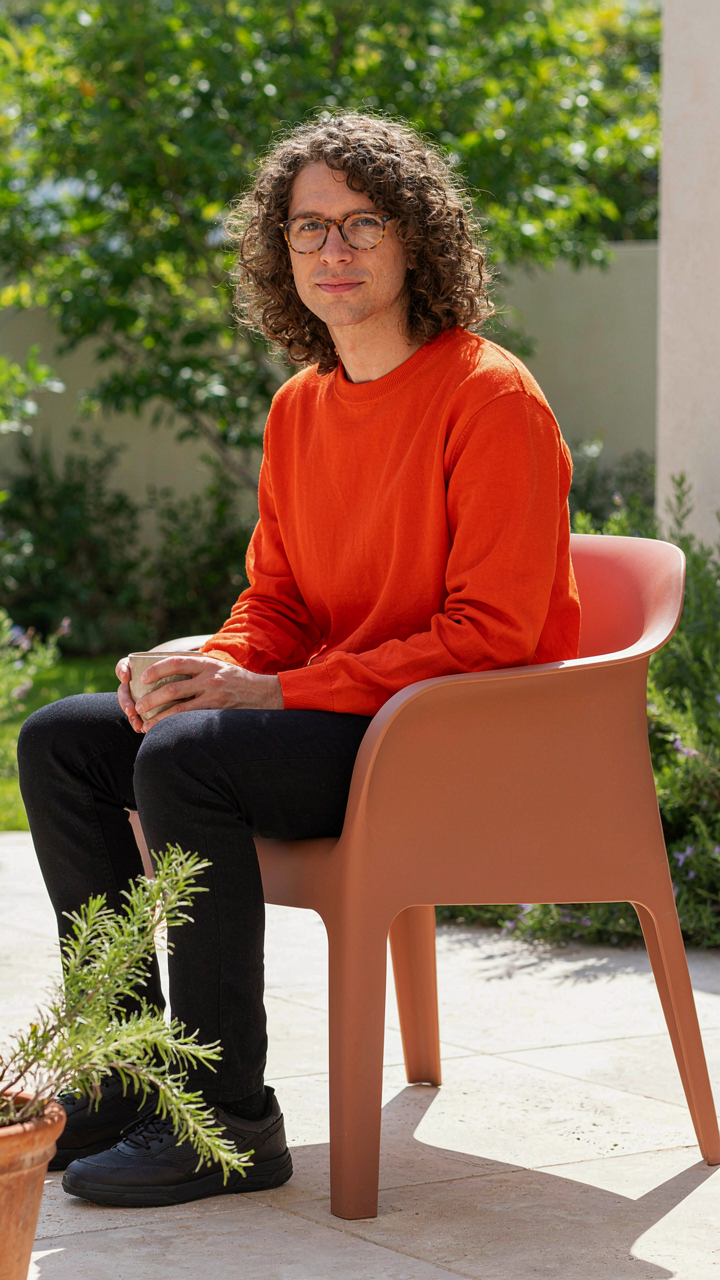
You want comfort because sitting badly costs you physically, and you know it. But most people don’t understand the actual mechanism. Ergonomics borrows from biomechanics, the study of how bodies move and load under force. Think of your spine like a load-bearing column in architecture: distribute weight wrong and the structure fails faster. Bad seating creates uneven pressure on intervertebral discs, forcing your body to compensate with muscle tension that compounds over hours in the garden.
The standard advice says “buy an ergonomic chair” and calls it solved. Wrong. Ergonomic doesn’t mean expensive or complicated. What matters: seat height lets your feet flat on ground, your knees bend at 90 degrees, and your lower back gets support at the natural curve. Most garden seating fails here. Test any chair by sitting for 20 minutes. If your lower back rounds forward or your legs dangle, the geometry is wrong for your body. Adjustment or replacement beats endurance.
Material Selection For Sustained Use
Your material choice determines whether a seat functions for one season or five. Canvas, cushioned fabric, and mesh all compress and deteriorate under sun and humidity. Teak and metal frames last longer, but the real variable is the cushion core. High-density foam breaks down fastest. Vinyl-wrapped polyester holds shape better but sweats your legs. Latex foam resists compression longer and breathes better than both, which is why it costs more upfront but saves replacement cycles.
Water retention ruins seating. Fabric that traps moisture breeds mold and accelerates material failure. Solution: use outdoor-grade cushions designed for drainage, not standard indoor foam. The core should have air flow channels or be made from quick-dry materials. Check the base frame too. Powder-coated aluminum won’t rust. Untreated wood will. The protocol: inspect cushion density monthly during peak use, replace covers yearly if used daily, and store cushions indoors during off-season to kill the degradation cycle before it accelerates.
Economic Efficiency In Outdoor Decor Backyard Choices
The True Cost Of Replacing Everything Every Season
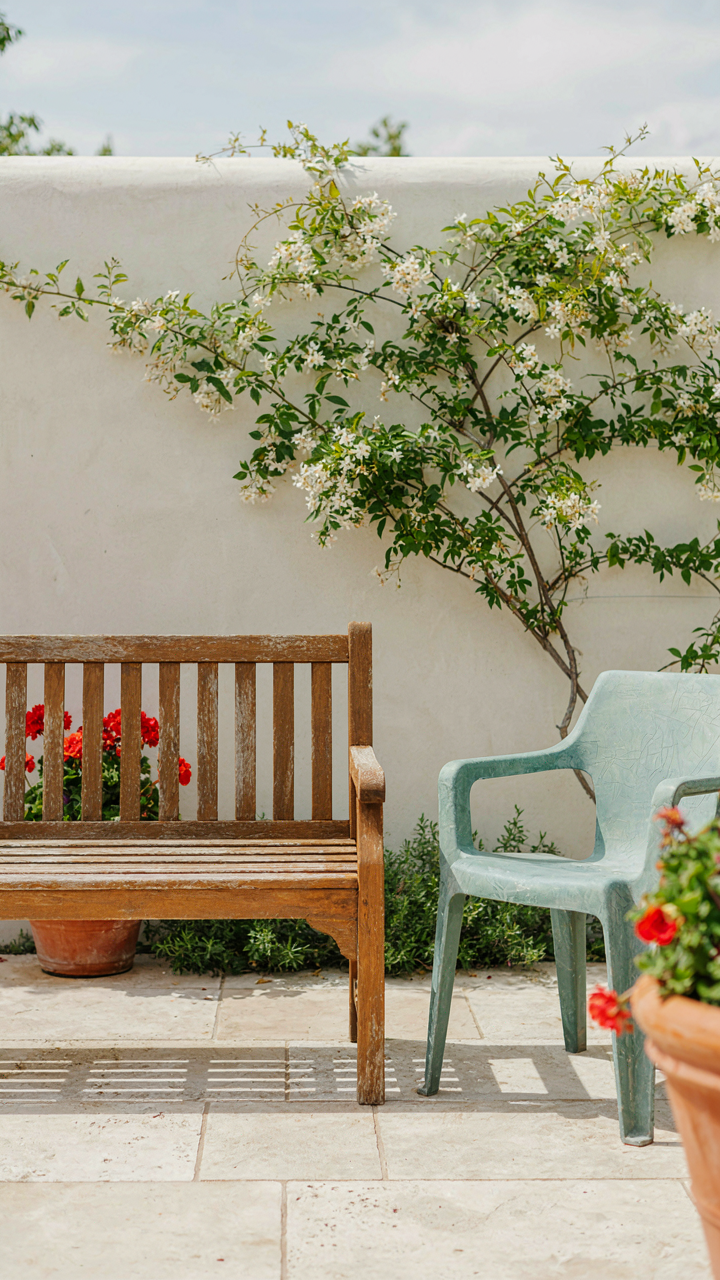
You want to feel like you’re being smart with money, but you’re actually rotating through disposable furniture every two years without admitting it. In economics, this is called opportunity cost: the real value of what you give up when you choose one option over another. Every dollar spent on weather-resistant wicker that fails after eighteen months is a dollar you can’t deploy toward something that compounds in value.
The math is simple but people avoid it. A forty-dollar outdoor cushion set lasts one summer. A two-hundred-dollar solution with solution-dyed polyester lasts eight to ten years. Over a decade, you either spend four hundred dollars replacing cheap pieces repeatedly, or two hundred once. The replacement cycle isn’t about the item failing. It’s about the psychological permission you gave yourself to buy low-quality goods in the first place.
Quality Materials Return Real Gains
The payoff from durable seating isn’t sentimental. It’s arithmetic.
- Teak and cedar: These hardwoods age gracefully and require only periodic oiling, not replacement. Your cost stays flat after the initial investment.
- Solution-dyed outdoor fabrics: Unlike surface-dyed textiles, the pigment runs through the entire fiber. Fading takes years instead of months, extending usable life by 60 to 70 percent.
- Stainless steel frames: Rust is a hidden replacement cost. Stainless hardware and frames eliminate corrosion entirely in most climates, removing maintenance labor.
- Powder-coated aluminum: This finish resists chipping better than paint because it chemically bonds to the metal. Repainting aluminum chairs happens less frequently when the base coat was done correctly.
- High-density foam cores: Budget cushions use low-density foam that compresses flat in two seasons. Premium cores maintain structure for five to seven years before sagging becomes noticeable.
A seating area built from quality pieces becomes an asset that holds function and appearance, not a liability that drains your budget annually. Calculate your actual spending over five years: factor in replacements, repairs, and the time spent shopping for new pieces. The quality investment wins every time. Buy pieces rated for your climate zone, verify material specifications before purchase, and keep receipts to track which brands actually hold up.
Integrating Your Garden Seating Area With The Natural Ecosystem
Plants That Create Shade, Scent, And Sound
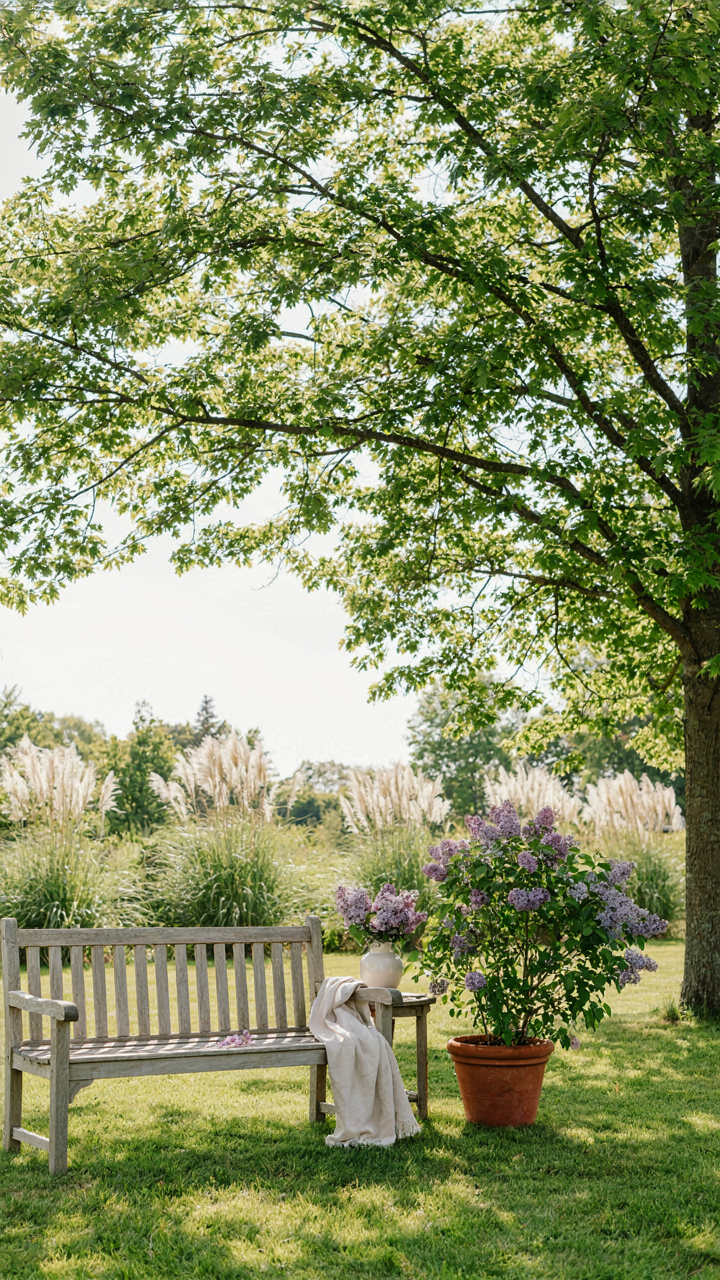
You want your seating area to feel like a retreat because you’re buying time away from the rest of your life. The mechanism that works is layering plants by their function, not their looks. Shade plants reduce temperature by blocking direct solar radiation. Scent plants release volatile compounds that trigger memory and calm. Sound plants have leaves or structures that move audibly in wind. Stack all three and you stop noticing the outside world.
Deciduous trees over your seating area work best because they block summer sun and allow winter light through. Plant aromatic species like lilac or mock orange within ten feet so their scent reaches your seat naturally, not because you’re chasing it. Ornamental grasses and bamboo near the perimeter create rustling that masks street noise and neighbors. The combination isn’t aesthetic first—it’s environmental engineering that happens to look intentional.
Designing For Wildlife Movement
Ecology teaches us about corridors, and your seating area should function as one. A corridor in ecological terms is a path that allows organisms to move safely through fragmented space. Your garden seating becomes the hub where butterflies and birds actually land because you’ve shaped the conditions for it, not decorated for it.
Native flowering plants bloom in sequence so nectar is available across seasons, not just spring. Position your seating where you can see bird feeders or native plantings without staring directly at them—peripheral sightlines keep wildlife comfortable and you focused. Dense shrubs nearby give birds escape routes and nesting sites. The payoff isn’t passive: you’re watching living systems function while sitting still, which is the only form of observation that actually resets your nervous system.
Beyond The Instagram Shot: Cultivating Real Backyard Inspiration

Stop Treating Your Yard Like A Portfolio
You want proof that your taste is good. That’s the real reason you’re scrolling through seating area photos. But here’s the mechanism: the moment you design for approval instead of use, your space becomes hostile to the people actually sitting in it. You inherit someone else’s priorities, not your own rhythms. Your backyard should reflect how you actually spend time there, not how the image performs online. The difference is the gap between a prop and a place you return to.
Start by naming three specific moments you want to enable. Not “relaxing” or “entertaining.” Actual scenarios: morning coffee before work, evening conversation with one person, reading for two hours alone. Design the seating toward those three things. Remove anything that doesn’t serve them. This eliminates the cognitive load of deciding what belongs. Your choices become mechanical rather than paralyzed by options.
The Durability Test Beats The Feeling Test
Meaning in a backyard seating area compounds over time through use, not through initial emotional impact. This is borrowed from how materials age: contrast theory in design states that impact strengthens when you witness change. A wooden bench that develops patina tells a story of seasons passed. A cushion you’ve sat in a thousand times holds weight differently than a pristine one. You don’t create meaning by choosing the right aesthetic at purchase. You create it by choosing something durable enough to accumulate history.
The protocol is simple: pick materials that improve or neutralize with exposure to weather and use. Teak, cedar, and wrought iron gain character. Cheap resin darkens and cracks. Concrete and stone age gracefully. Avoid anything requiring seasonal storage or replacement every few years. Your backyard seating area should be something you stop thinking about maintaining so you can start building actual memories in it.
The ‘Middle Garden Ideas’ Fallacy: Ignoring Your Core Needs
Generic Advice Collapses In Specific Spaces
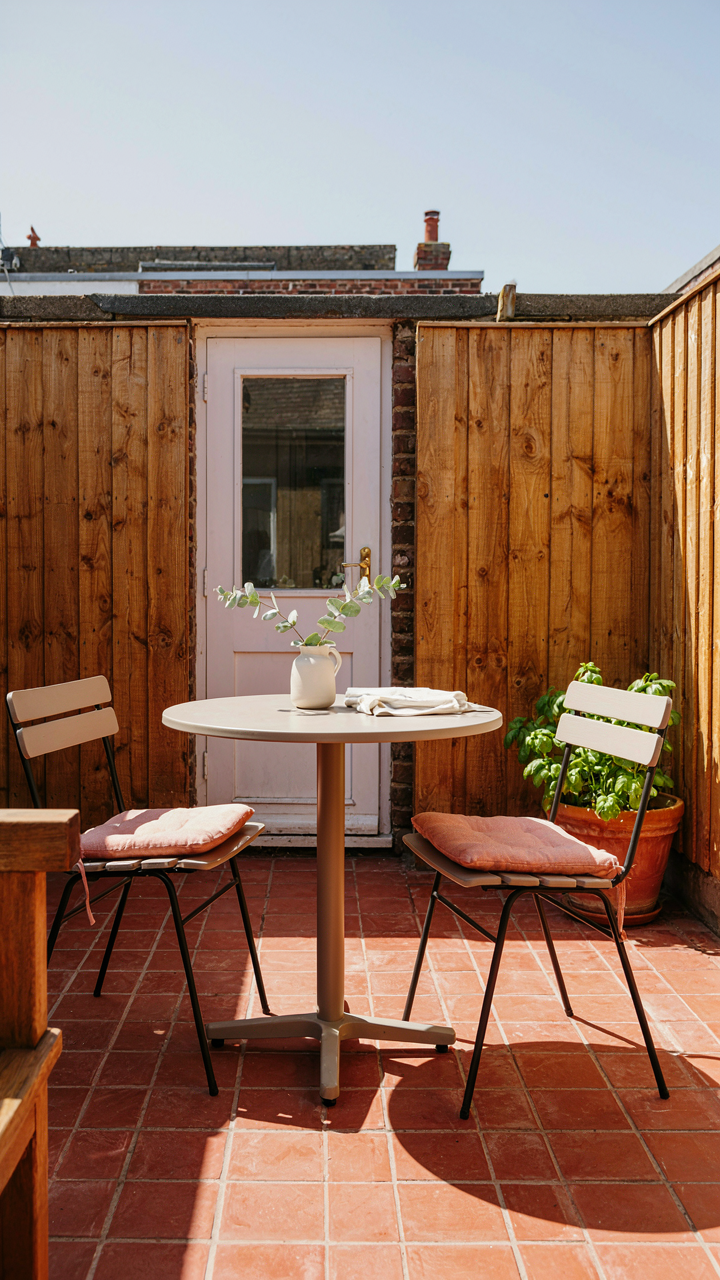
You’re looking for permission to copy someone else’s setup because you’re afraid your actual preferences are wrong. The mechanism is simple: most garden seating design advice treats all backyards as variations on a theme, when they’re actually constraint problems with different variables. A 20×30 urban lot demands different decisions than a half-acre suburban space. Generic frameworks ignore site orientation, existing shade patterns, noise sources, and how you actually move through the space. This kills functionality before you ever buy furniture.
The consensus approach starts with aesthetics. Pick a style, buy coordinating pieces, arrange them symmetrically. Wrong order. You’re solving the wrong problem first. Backyards fail when they’re designed for Instagram instead of use. The real mechanism borrowed from systems design is constraint mapping: identify what actually limits your choices before adding anything. Sun exposure determines shade needs. Wind patterns determine shelter requirements. Sightlines determine privacy solutions. Only after mapping these constraints does style become relevant.
Start With How You Actually Live
Your desires aren’t luxuries holding you back from “proper” design. They’re data. If you hate sitting in direct sun, no amount of aesthetic justification makes a south-facing lounge chair work. If you have kids, a delicate bistro setup wastes money. If you work from home and need quiet focus time, placing seating near property lines where neighbor noise carries is a strategic error. Most design advice treats preferences as secondary to trend-following. Reverse that completely.
Designing from use patterns forward means: document where you actually sit now, what time of day, what weather conditions. Write down what bothers you about current outdoor time. Too hot. Too exposed. Too far from the house. Can’t see the kids. Too visible from the street. These aren’t complaints to overcome. They’re specifications for the solution. Map your real movements through the space over one week. The seating area emerges from that data, not from a catalog. This step takes three days and prevents six months of regret.
The Only Real Obstacle Isn’t The Trend, It’s Your Inability To Define Your Own Value
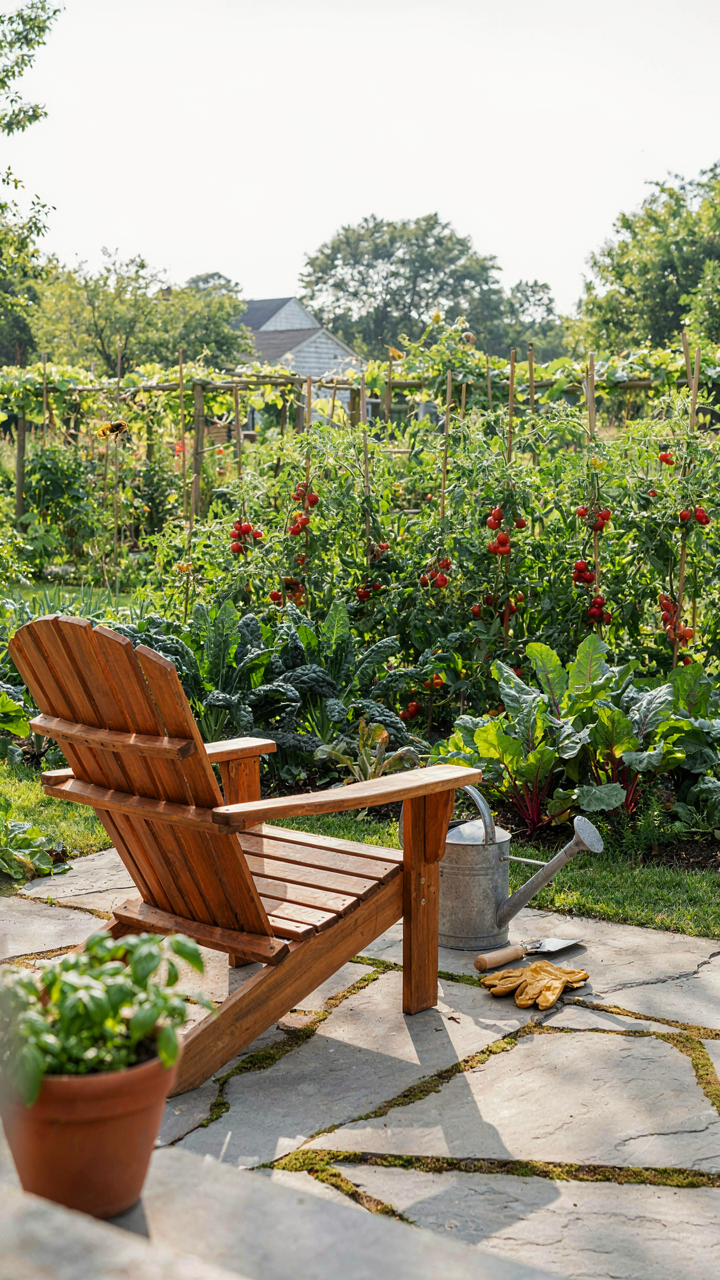
You scrolled through these backyard garden seating areas trends waiting for permission to build something. You won’t get it. The real move is stopping the consumption and asking what you actually want your outdoor space to do for your life. Stop chasing what’s popular. Start building what solves your specific problem. Pick one trend that genuinely fits your life and execute it this week. Everything else is just noise masquerading as inspiration. Your backyard doesn’t need to be trendy—it needs to be useful.



