
The Scarcity Garden Blueprint: Design For True Resilience, Not Just “Cheap”
Read Your Site Like A Map, Not A Mood
You want cheap because you’re afraid spending money on a garden means failure. That’s backwards. The real mechanism is simple: every garden succeeds or fails based on what the land already gives you. Work with it or fight it. Fighting costs money. Working costs observation.
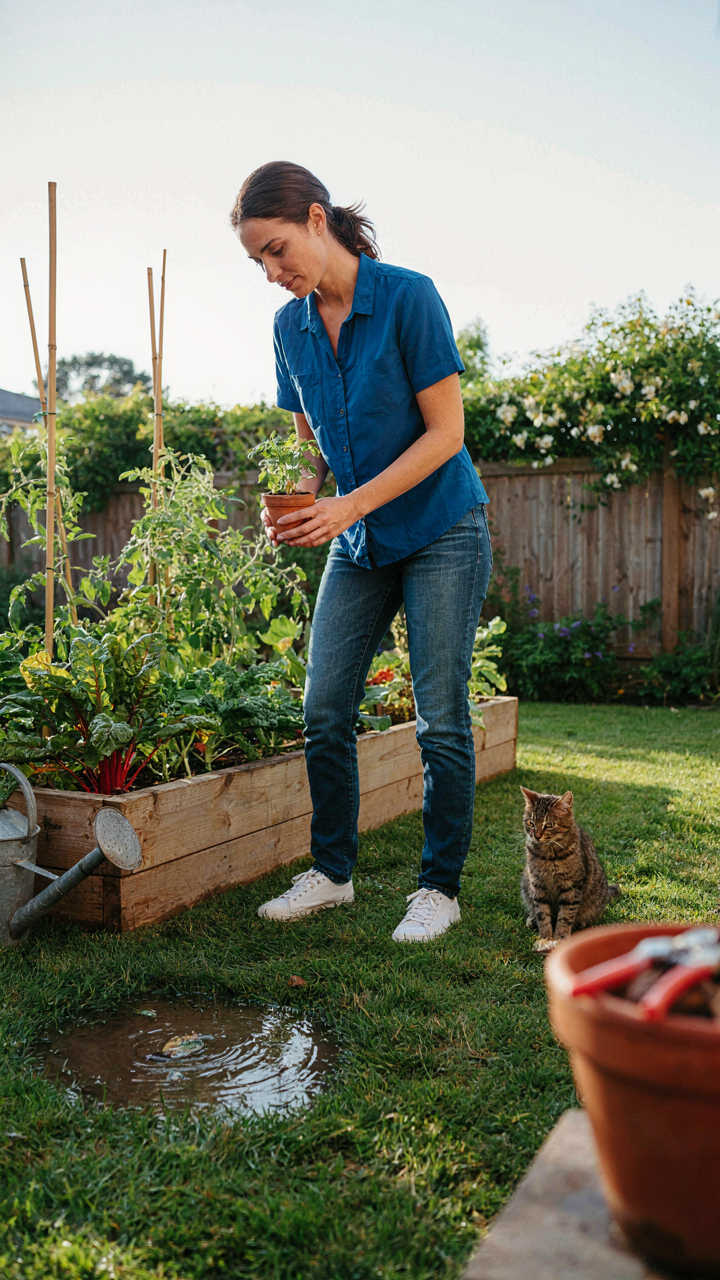
Sun exposure, water drainage, and soil type are not optional details. They’re the load-bearing walls of your entire garden. Spend two weeks watching your yard. Note where water pools after rain. Note which corners hold sun all day versus four hours. Dig a hole, fill it with water, time how fast it drains. This data is free and worth more than any seed catalog.
Zones That Actually Work Without Constant Tending
Permaculture borrowed this concept from ecology: don’t treat all space equally. Zone one is closest to your output point. Zone two holds perennials and established crops. Zone three is buffer and experimentation. Most people skip zoning entirely and wonder why their garden drains them.
Map your actual effort capacity, not your fantasy capacity. If you visit the garden twice a week, zone one holds only what needs twice-weekly attention. Zone two gets perennials that survive neglect. Zone three can fail without destroying your system. This isn’t laziness. This is designing for your actual behavior, which makes the whole operation scale without breaking.
The “No Dig” Backyard Layout: Cultivating Soil Capital
Build Fertility From Waste
You want to skip the work of tilling because you think it saves time. The real mechanism is biology, not convenience. In soil science, we call this “capital accumulation”—you stack organic matter in layers and let decomposition do the labor. No-dig beds work because you’re outsourcing the breakdown to microbes instead of paying your back.
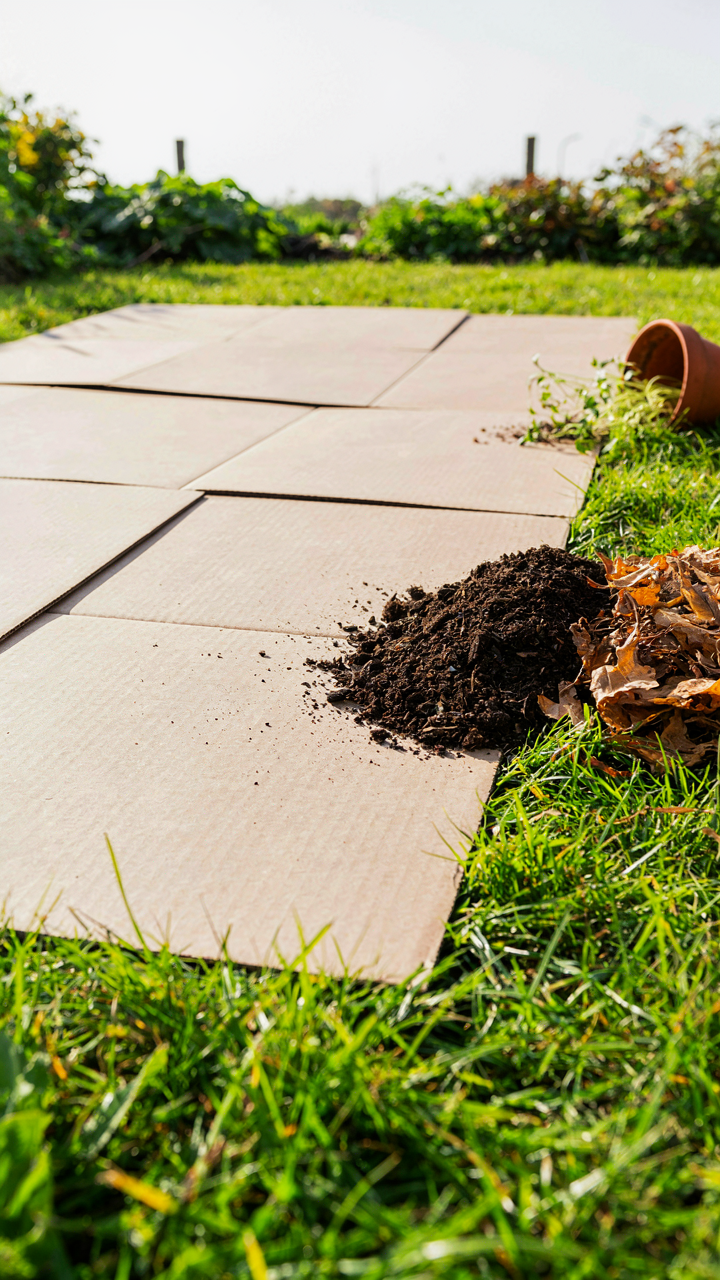
Start with cardboard or newspaper as your base layer directly on grass or compacted ground. This smothers weeds without chemicals and breaks down over months. Layer on top: compost, aged manure, leaf mold, kitchen scraps. Each layer adds carbon and nitrogen at different decay rates. The weight compresses lower layers. Microbes colonize the stack and transform it into usable soil within one growing season. You’re not building a garden. You’re farming decomposition.
Soil Protection Through Growing
Common advice says cover crops are for winter rest. That’s incomplete. Cover crops suppress weeds, cycle nutrients, and prevent erosion year-round if you rotate them strategically. Clover, rye, vetch, and buckwheat each fix or mobilize different nutrients. You plant them in off-season beds, let them grow for 6-8 weeks, then cut them down and leave the biomass in place. The dead plant matter becomes mulch and eventually soil. No tillage required.
The mechanism is competition and root action. Living roots break compacted soil. Dead roots leave channels for water and air. Nitrogen-fixing legumes like clover add free fertility to the system. Kill your cover crop by cutting it down, and the decomposing stems create a physical barrier that suppresses future weeds without chemicals. Plant your next crop directly into this dead mulch layer. The system perpetuates itself.
The Seed Protocol: Propagating Abundance From Pennies

Save Seeds, Break The Cycle
You want to stop throwing money at seed catalogs every spring. That’s the real reason you’re reading this. Here’s what nobody says plainly: seed saving is an economics problem, not a gardening problem. Treat it like inventory management. You grow plants, extract seeds at maturity, store them properly, and replant next season. That’s the mechanism. One packet of tomato seeds costs two to four dollars and produces thirty to fifty seeds. One mature tomato plant yields hundreds. The math isn’t subtle.
Most gardeners don’t save seeds because they’ve been told it’s complicated or because hybrid plants won’t breed true. That’s incomplete. Yes, hybrids won’t reproduce identically to the parent plant. So don’t save hybrid seeds. Save from open-pollinated and heirloom varieties instead. Tomatoes, peppers, beans, squash, lettuce, and carrots are all straightforward. Let a few plants bolt or over-mature, collect the dried seed pods or fruits, extract the seeds, dry them completely on a plate for two weeks, then store them in a cool, dry place in paper envelopes labeled with the variety and date.
Multiply Without Replanting
Plant division and cuttings solve a different constraint: time and space. Instead of waiting months for seeds to germinate and mature, you clone existing plants instantly. This is multiplication through asexual reproduction, borrowed from horticulture. Take a cutting from a mature plant, root it in water or soil, and you have a genetic duplicate ready to plant weeks earlier than a seedling would be. Herbs like mint, basil, oregano, and rosemary propagate from cuttings in seven to ten days. Potatoes, strawberries, and asparagus divide at the root or runner.
The protocol is mechanical: select healthy growth from the parent plant, cut just below a leaf node with a clean blade, remove lower leaves, place the cutting in water or moist soil, and wait for roots to emerge. No special equipment required. Division works differently. Dig up mature plants in early spring or fall, split the root mass by hand or with a knife, and replant each section immediately. Perennial vegetables like asparagus and rhubarb produce years of harvests from a single divided root. One plant becomes three or four. This is how you scale a garden without scaling your seed budget.
Water Harvesting Systems: The Aqueduct Method For Your Dream Yard
Gravity Fed Rainwater Collection
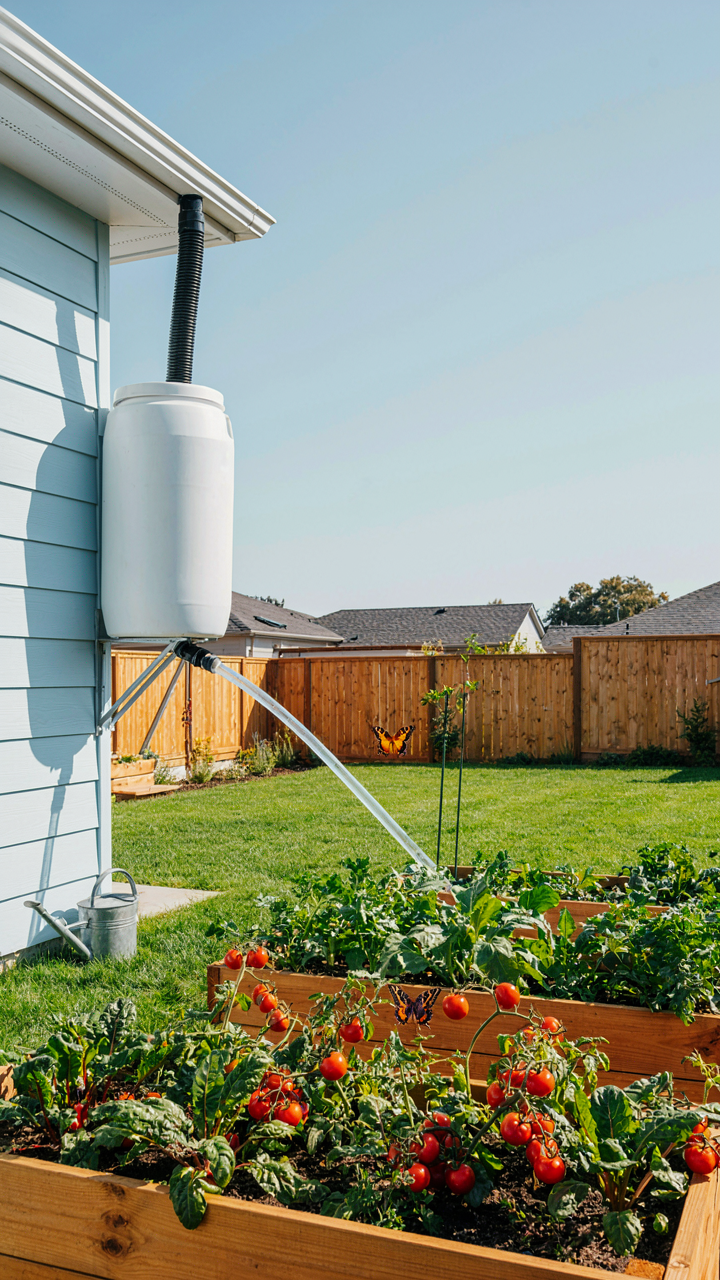
You want free water without looking like you’re penny-pinching. Here’s the mechanism: gravity eliminates the need for pumps, storage tanks, or electrical systems. Think of it in terms borrowed from civil engineering: elevation differential is your asset. The higher your collection point sits relative to your garden beds, the more water pressure you generate without spending money on infrastructure.
A basic rain barrel positioned at roof height naturally feeds downhill through simple PVC pipe or food-grade tubing into garden beds below. No moving parts means no maintenance failure points. Water flows when it rains, stops when it doesn’t. Slope your delivery lines at a gentle angle (even a one-inch drop per ten feet works) and let physics do the labor. Most yards can capture 500 to 1000 gallons per season from a small roof section alone, depending on your climate and rainfall frequency.
Strategic Greywater Routing For Non Edible Plants
Forget the myth that greywater must be complicated or dangerous for ornamentals. Most home greywater sources (sink runoff, shower water, washing machine discharge) contain enough nutrients to feed shrubs, flowers, and trees without any treatment beyond basic filtering. The real constraint isn’t safety on non-edibles, it’s simplicity and consistency.
Run a separate line from your indoor drain to outdoor landscape beds. Insert a basic sediment filter (a mesh screen or mesh bag) where water exits your house to catch soap particles and hair. Divert this line only to ornamental plants, not vegetables. Mulch heavily around the base of these plants to absorb and distribute moisture evenly. Most greywater systems fail because people overthink them. You need one pipe, one filter, one destination. That’s the entire protocol.
Tool Minimalist Philosophy: Leverage Not Labor For Backyard Projects
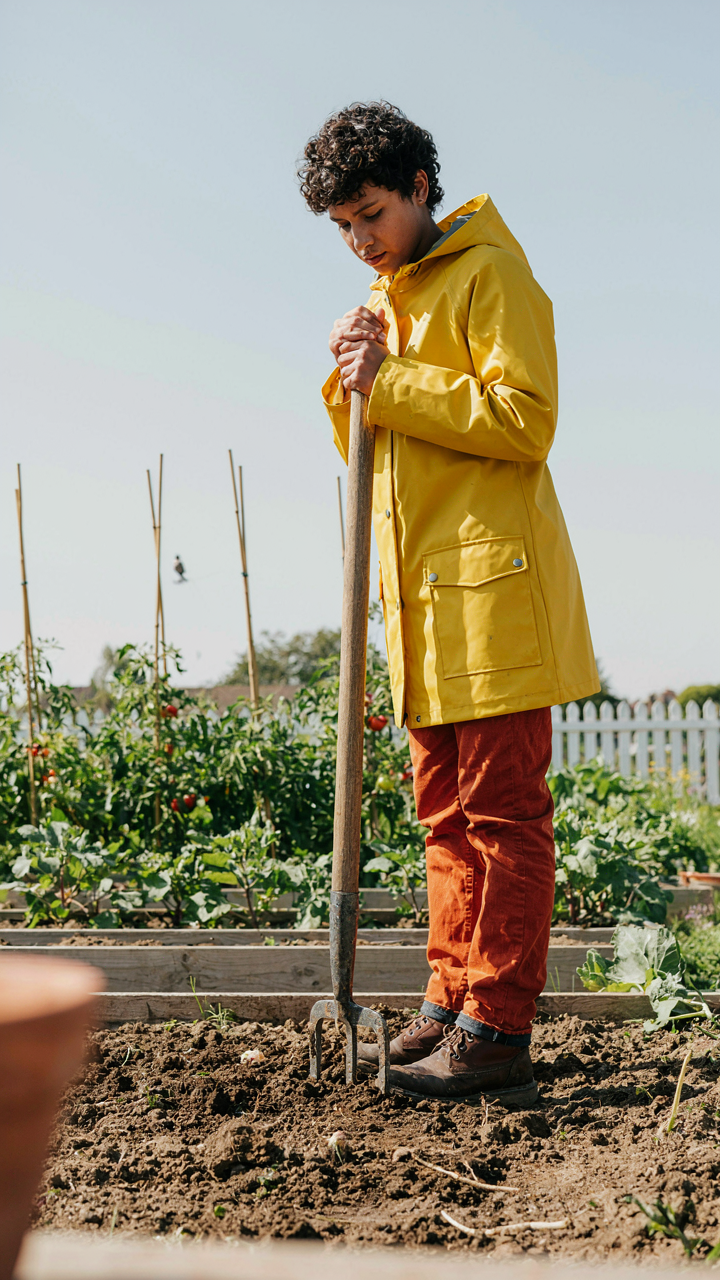
Physics Of Digging Without Exhaustion
You want to feel like you’re doing real work without destroying your back. That’s the real reason this matters. Borrowing from physics, leverage is the principle of applying force at a distance from a fulcrum to move a load. A broadfork applies this principle directly: two handles, two long tines, minimal downward pressure needed.
A standard spade forces you into vertical work. You drive the blade down, bend at the waist, haul upsoil up and over. Your lower back absorbs repeated stress. A broadfork stays nearly horizontal. You step on the footrest, rock backward, and the soil fractures and loosens without leaving the bed. Same outcome. Fraction of the effort. The mechanism: distributed leverage beats concentrated force.
One Tool That Actually Solves Multiple Problems
Common advice says get a tool for every task. False. That’s how people end up with a shed full of equipment they use twice. A quality garden fork works for turning compost, breaking compacted soil, moving mulch, harvesting root crops, and aerating beds. One tool. Multiple applications. You stop buying things and start building capacity.
The fork replaces a spade, broadfork, pitchfork, and cultivation hoe in most backyard situations. Buy one solid tool instead of four cheap ones that bend and snap. The real economy isn’t finding the cheapest item. It’s eliminating redundancy so you actually maintain what you own and reach for it instead of abandoning a broken version in the corner.
Perennial Edibles: The Small Garden Design That Keeps Giving
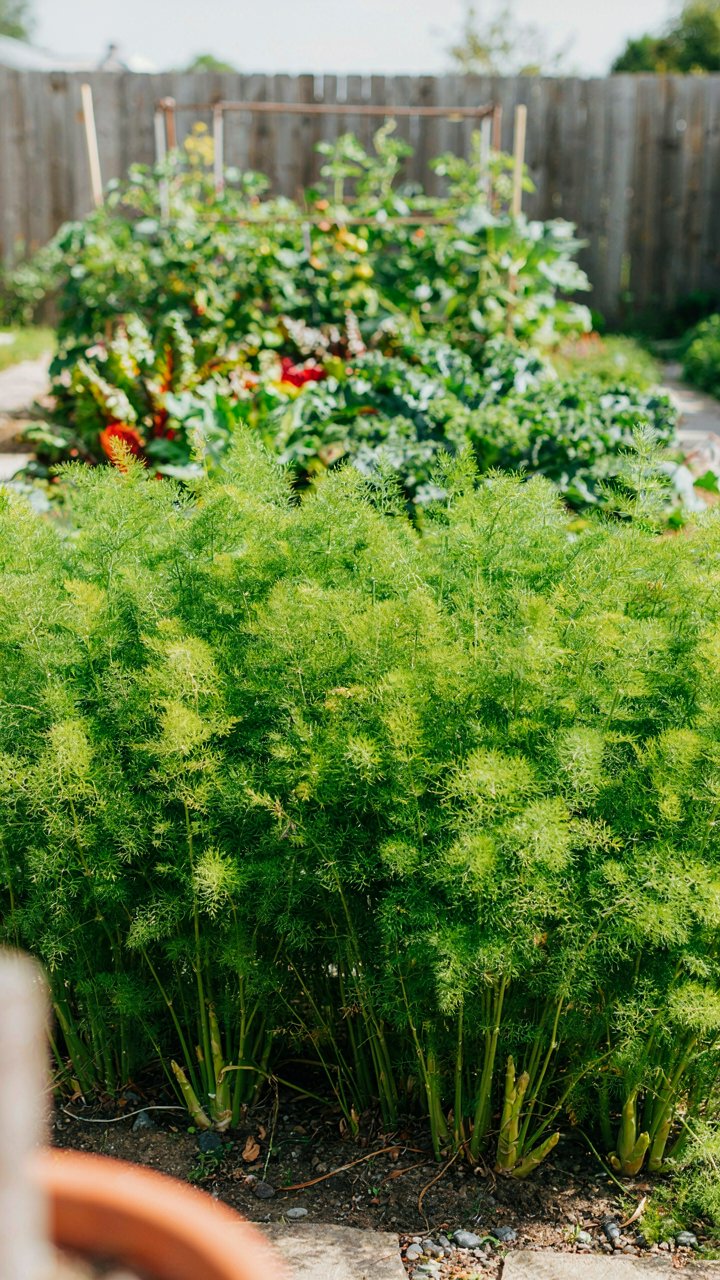
Build Stacked Systems, Not Single Crops
You want perennials because you’re tired of replanting every season. Most people frame this as laziness. It’s not. It’s economics. The real mechanism is input reduction over time. Ecology calls this “succession”—the principle that complex systems require less external energy to maintain. Apply that here: a perennial system stabilizes after year two and demands minimal amendments, replanting, or labor. Asparagus crowns, berry bushes, and rhubarb establish once and produce for a decade. That’s not convenience. That’s compounding returns on initial work.
Food forests operate on one rule: each plant serves multiple functions. A fruit tree provides canopy. Nitrogen-fixing shrubs occupy the understory. Perennial herbs sprawl across bare ground. You’re not designing a garden. You’re designing a system that feeds itself. Most budget gardeners fail here because they treat perennials as ornaments instead of infrastructure. Plant them for yield, not appearance. Space them based on mature size and root spread, not how they look in year one. Install drip lines once during planting. Water frequency drops as roots deepen. That’s the mechanism: front-load the design work, harvest the efficiency later.
Drought Tolerant, Not Fragile
The common advice is to choose “native” plants. That’s incomplete. Native doesn’t mean drought-adapted. Drought tolerance is a specific trait: deep roots, waxy leaves, or the ability to enter dormancy. Mediterranean perennials—rosemary, oregano, artichokes—thrive on neglect in most climates. Their evolutionary history trained them for erratic water. You pick these because they survive the dry spells that will come, budget or not. No expensive irrigation. No hand-watering in August heat.
Test your soil drainage first. If water pools after rain, perennials rot regardless of drought tolerance. Amend clay with sand and compost before planting. Establish perennials in spring or fall when soil moisture is reliable, giving roots time to anchor before stress arrives. Once established, water only during visible wilting. This trains roots deeper. A plant watered daily stays shallow and fragile. A plant watered rarely learns to survive on what’s below. Stop watering on a schedule. Start watering based on plant response.
DIY Backyard Patio Designs & Hardscaping: Building Value, Not Buying It
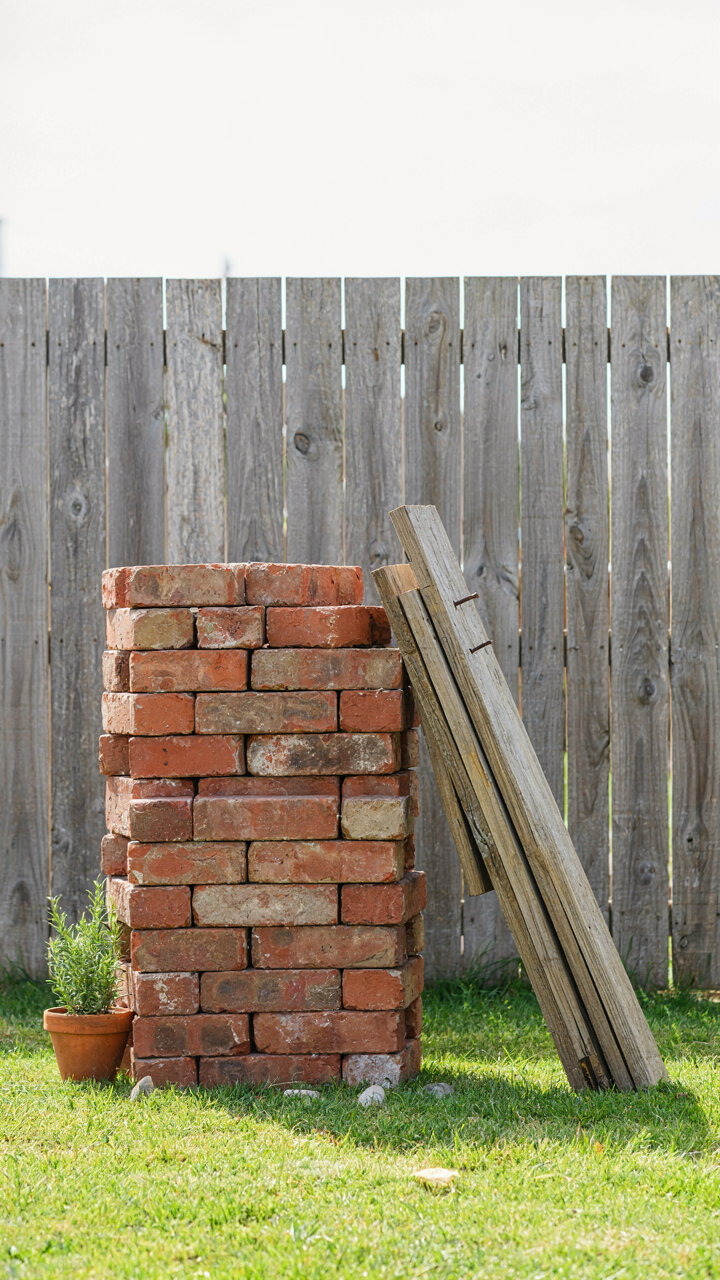
Reclaimed Materials Transform Waste Into Function
You want the finished look without the finished price tag. Here’s what actually matters: reclaimed materials work because they already survived real conditions. They’re not theoretical. Like supply chains in economics, your material sourcing determines your output constraints. Use what already exists instead of manufacturing new inventory.
Reclaimed materials solve a real problem. Brick, stone, and wood from demolished structures cost 40-70% less than new equivalents because sellers need them gone. They carry weathering that new materials fake through chemical treatment. Your patio gains character while your budget stays intact.
- Salvage yards and demolition sites: Local contractors often give away materials rather than haul them. Call five demolition companies in your area this week. Most will direct you to free or cheap pallets.
- Craigslist and Facebook Marketplace: Search “free brick,” “free stone,” “free pavers.” People offload landscaping materials constantly. Act fast. Good deals vanish in hours.
- Reclaimed wood: Old fence boards, warehouse flooring, and barn wood cost less shipped than new pressure-treated lumber. They’ve already proven they don’t rot immediately. Install as edging or stepping stones.
- Concrete and asphalt chunks: Broken pavement works as base layers under gravel or as rustic borders. Free from construction sites. Transport is your only cost.
- Brick pavers from old patios: Homeowners demo old outdoor spaces yearly. These pavers are identical to new ones priced at retail. No difference in function.
The mechanism is simple: salvaged materials already carry sunk costs that don’t apply to you. Someone paid for their initial quality and durability. You buy the remainder at liquidation rates. Before ordering new materials, spend two hours calling local demolition contractors.
Simple Construction Techniques Maximize Impact With Basic Skills
Stop waiting for perfectionism. Straight lines and level surfaces matter more than carpentry skill. Most DIY failures happen because people overthink installation instead of measuring twice and anchoring properly.
Basic patio building uses three steps: prepare the base, set your material, compact everything down. A tamper rents for twelve dollars. A level costs eight. Grab a shovel and rake. You don’t need table saws or concrete mixers for ground-level work. Use your bodyweight and gravity. Dig a trench four to six inches deep, lay sand, place pavers, sweep sand into joints, water it down. Sand hardens when wet and holds pavers locked. No mortar required for casual designs.
Common advice says you need professional help. You don’t. The constraint is time, not skill. Professionals work fast because they’ve done it hundreds of times. You work slower but reach identical results. A six-by-eight patio takes most people two days of actual labor spread across a weekend. Your joints won’t be perfect. They’ll be functional and cost you nothing in labor fees. That math still wins. The difference between amateur and professional patios fades after three years of weather. Focus on base preparation over installation finesse. A solid base holds longer than perfect placement on weak ground.
Pest & Disease Immunity: The Biological Warfare Strategy For A Magical Garden
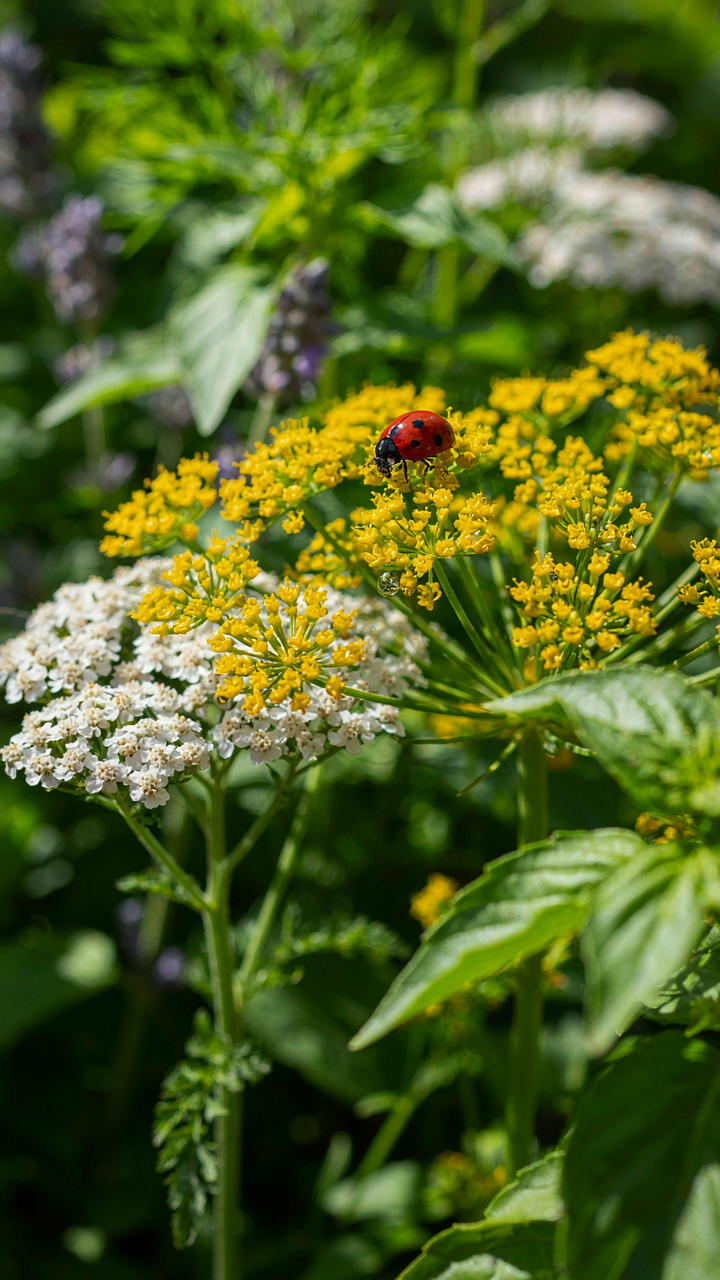
Beneficial Insects As Your Unpaid Security Team
You want pests gone without spending money on sprays. Here’s the real mechanism: predatory insects work like mercenaries. You don’t hire them. You build the habitat that makes them move in and stay. Ladybugs eat aphids. Parasitic wasps lay eggs inside pest larvae, killing them from inside. Ground beetles hunt slugs and grubs. These aren’t nice additions to your garden. They’re the operating system that keeps your plants alive.
The trick most people miss is that beneficial insects need year-round food sources, not just pest populations. Plant flowering herbs and perennials that bloom in sequence. Dill, fennel, and cilantro flower in ways that attract parasitic wasps. Native plants support native predators. Don’t clear every corner of your garden. Leave some rough ground and leaf litter. Beneficial insects overwinter in these spaces. Your garden becomes self-regulating when you stop trying to control every variable.
Plant Combinations That Outcompete Disease
Companion planting isn’t mystical. It’s applied ecology. Certain plant pairings reduce pest pressure and fungal disease through direct competition for the same resources. Marigolds produce compounds that repel root-knot nematodes. Basil near tomatoes reduces spider mite populations. This happens because different plants exude different compounds into the soil, and insects have preferences. You’re not tricking nature. You’re stacking the biological odds.
The wrong advice says companions work through some magical synergy. The real answer is simpler: dense, diverse plantings crowd out space for disease to spread, increase airflow when spaced correctly, and create visual confusion for pests that target single crops. Plant tomatoes with basil and onions. Grow lettuce under taller plants to reduce direct sun stress that invites powdery mildew. Mix plant heights and types so no monoculture exists for pests to exploit. Spacing and diversity kill disease faster than any purchased treatment.
The Real Obstacle Isn’t Money; It’s Your Addiction To Convenience. Break It And The Garden Follows
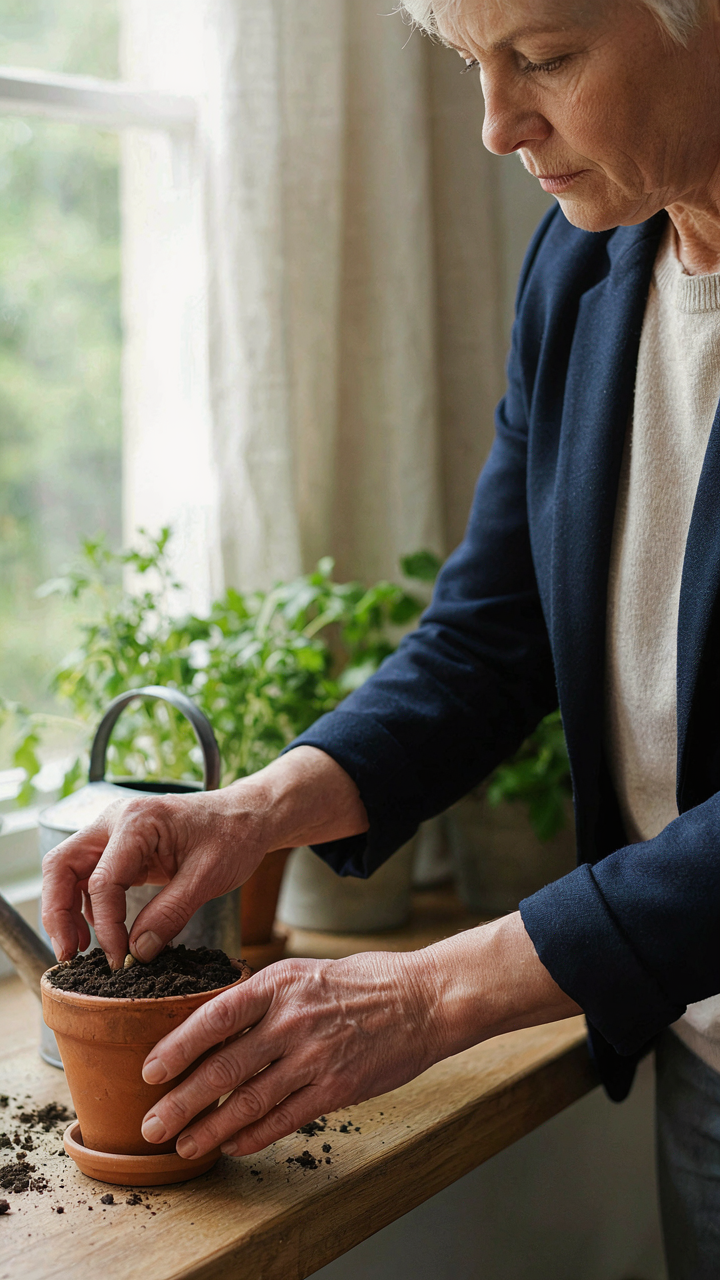
You don’t need money. You need to stop outsourcing your food to strangers. Stop scrolling. Stop ordering. Stop pretending you’re too busy. Plant one seed today. Just one. Stick it in dirt. Water it. Watch what happens when you stop waiting for permission to grow something real. Your backyard garden on a budget doesn’t start with a plan. It starts with your hands in soil and your excuses in the trash.



