
The Ecosystem Blueprint: Beyond Just Planting Flowers

Soil As The Real Leverage Point
You want a garden that looks effortless. That requires admitting soil is doing 95 percent of the work, not your plant selection. Most people buy flowers first and soil second, which inverts the actual mechanism. Soil structure, pH, and microbial life determine whether your plants thrive or barely survive. The plant is just the visible output of what the soil enables.
Think of soil like capital in economics: it generates returns over time if you build it right. Healthy soil holds water without flooding, drains excess moisture, buffers pH swings, and feeds plants through biological activity rather than constant fertilizer applications. You test your soil’s pH and texture first, then choose plants that match those conditions, not the reverse. If your native soil runs acidic, blueberries win. If it’s alkaline clay, you’re working with sedums and lavender. Build your system around what you have, then amend strategically.
Microclimates: Reading Your Yard’s Temperature Map
Your backyard isn’t one climate. It’s five or six overlapping zones that create different growing conditions within the same property. The south-facing wall radiates heat in winter and bakes in summer. The north side stays cool and damp. Morning sun zones dry fast. Afternoon shadow zones stay moist. Recognizing these patterns is how you stop fighting your site and start using it.
You map your microclimates by observation over two weeks. Note where snow melts first. Watch for puddles that stay wet. Track sun angles at 9am, noon, and 3pm. Mark areas where wind funnels through gaps or where buildings create shelter. Then place water-demanding plants in the damp zones, heat-lovers on the south side, and shade-tolerant species where trees block direct sun. This alignment reduces watering, prevents root rot, and eliminates the need to baby struggling plants in the wrong zone.
The “Minimum Viable Landscape” Protocol For Beautiful Backyards
Pick Three Plants And Own Them
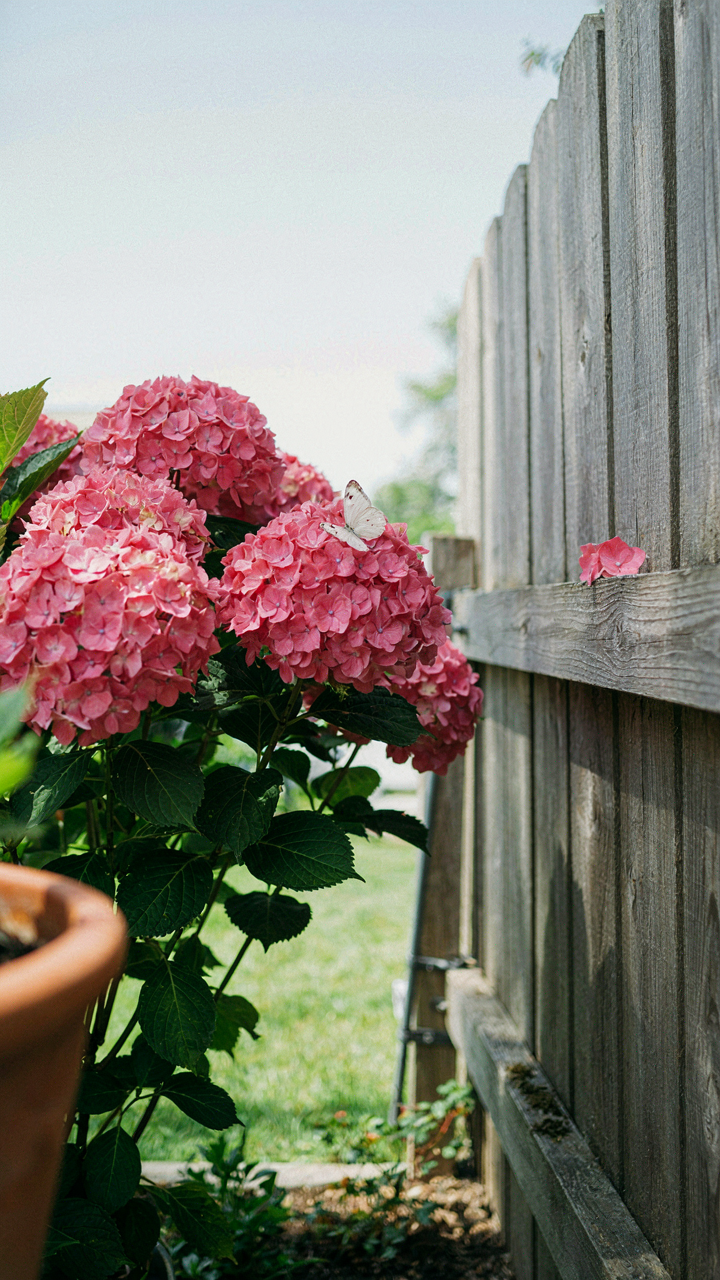
You want a backyard that looks designed without admitting you spent money or effort on it. That’s the real reason you’re reading this. The mechanism is constraint, borrowed from product design: build something complete with the fewest moving parts first, then expand. Most people scatter eight random plants across their yard and wonder why it looks chaotic. You’re going to do the opposite. Pick one flowering plant, one textural plant, and one structural plant that actually thrive in your zone and soil. Repetition creates visual coherence. One hydrangea looks lonely. Three hydrangeas in strategic spots look intentional.
The plants you choose must solve for three conditions simultaneously: your hardiness zone, your soil pH, and your light availability. Stop treating these as suggestions. Hydrangeas want acidic soil and partial shade. Coneflowers want neutral to alkaline soil and full sun. Black-eyed Susans want well-draining soil anywhere from partial sun to full sun. Choose wrong and you’re replacing dead plants annually, which defeats the purpose. Start with natives to your region because they’ve already won against your specific conditions. One plant repeated across three locations creates a cohesive visual line that ties your entire yard together.
Expand Like You’re Building A Company
Garden development mirrors startup scaling: establish product-market fit before adding features. Most backyards fail because the owner plants everything at once, then abandons it when maintenance overwhelms them. You build in phases over seasons. Year one establishes your three core plants and proves you can keep them alive. Year two adds a secondary layer around those anchors, usually shade-lovers or season-extenders like astilbe or hellebores. Year three introduces cutting garden varieties if you want them, or simply expands the existing pattern.
Each phase requires you to assess what actually worked before committing resources to what comes next. Did your hydrangeas thrive? Add more. Did your coneflowers get destroyed by deer? Swap them for something else and document it. Phased development also prevents the financial and physical overcommitment that kills most garden projects. You spend less money per year, you learn what actually works in your specific yard, and you build a garden that’s genuinely maintainable because you didn’t install it all in one weekend of optimism.
Designing A Garden Of Flowers: The Art Of Intentional Neglect
Perennial Power: Investment In Longevity
You want a garden that doesn’t demand constant attention because you’re already stretched thin and don’t want to admit it. Here’s the mechanism: perennials operate on a different return-on-investment timeline than annuals. You plant once, they establish root systems, and they flower reliably year after year with minimal intervention. This isn’t laziness—it’s capital allocation. You’re front-loading effort in year one to eliminate recurring labor in years two through five.
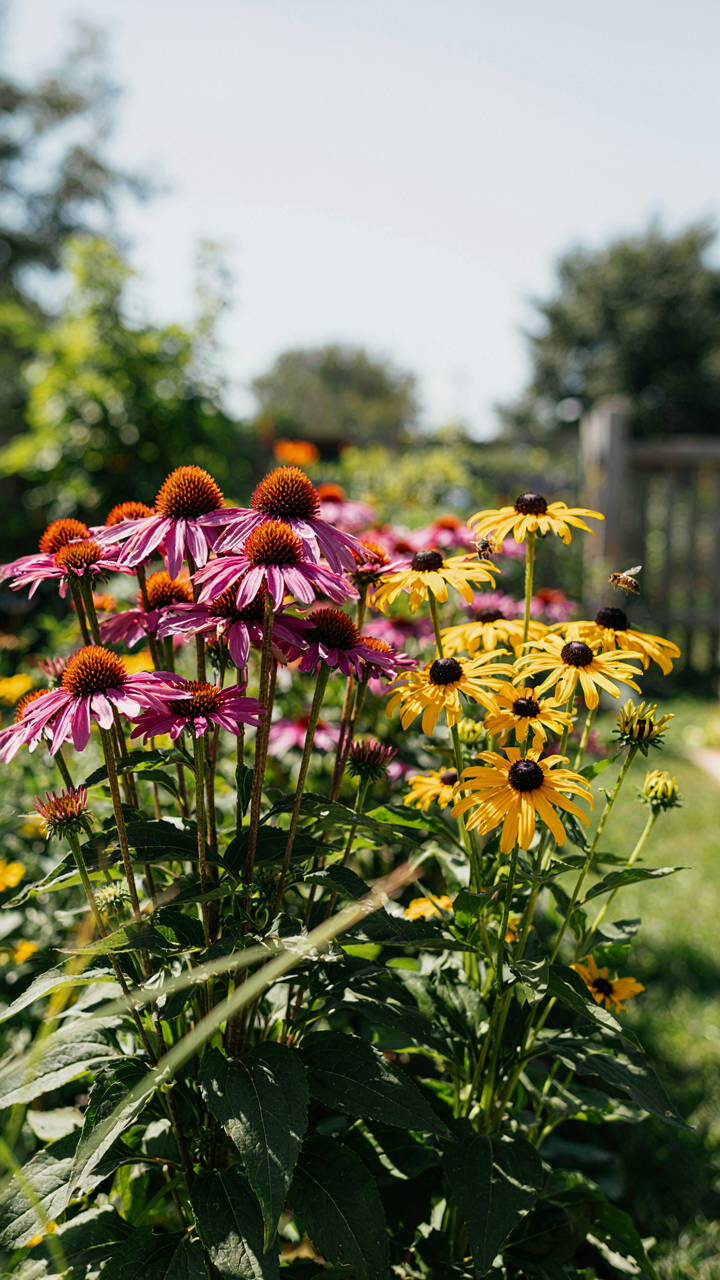
The common advice treats perennials like a checkbox. Wrong. Perennials succeed only when matched to your hardiness zone and soil type. Coneflowers, black-eyed Susans, and daylilies work across most climates because they tolerate poor soil and irregular watering. Delicate perennials like delphiniums demand precision. Know your zone before buying anything. Soil matters more than the plant itself—clay, sandy, or loamy determines which species will actually survive your local conditions, not just survive on paper.
Beneficial Weeds As Indicators
Most gardeners kill anything unplanned and miss the signal. Botany teaches us that pioneer species colonize disturbed ground first—they’re nature’s pH meter and compaction detector. When specific weeds dominate your garden, they’re telling you what your soil actually needs, not what the bag says it needs. Dandelions thrive in compacted clay. Chickweed loves acidic, damp patches. Lamb’s quarters indicate nitrogen surplus. Stop seeing these as failures and start reading them as data.
The protocol is simple: document which weeds establish fastest in each garden section, cross-reference with what they indicate about soil conditions, then amend accordingly instead of spraying. Clover appearing means nitrogen is low—plant nitrogen-fixing cover crops or add compost rather than fighting it. Your garden is already running diagnostics. Most people just ignore the results. The weeds you pull reveal exactly where your soil gaps are. Use that information to choose flowers that thrive in those conditions rather than fighting the biology underneath.
The “Jungle Garden Ideas” Method: Controlled Chaos, Not Randomness
How Plants Fill Ecological Niches
You want your garden to look full and effortless while actually requiring less maintenance than a monoculture lawn. Here’s the mechanism nobody states plainly: plants compete for three resources—light, water, and soil nutrients—but different species compete at different vertical heights and soil depths. Ecology calls this niche partitioning. In your garden, it means stacking plants so each one occupies a unique position where it thrives while leaving others undisturbed. This is how jungles function. This is how low-maintenance gardens function.
Most backyard gardens fail because people plant in a flat, homogeneous band—flowers at ground level, nothing above, nothing below. You get bare soil, weeds move in, and the whole system collapses. The alternative is deliberate stratification. Deep-rooted perennials pull water from zones shallow-rooted groundcovers can’t reach. Tall structure plants create afternoon shade where shade-tolerant understory species thrive. Each plant occupies a different ecological slot. When every slot fills, weeds lose their opening.
Height Tiers Create The Architecture
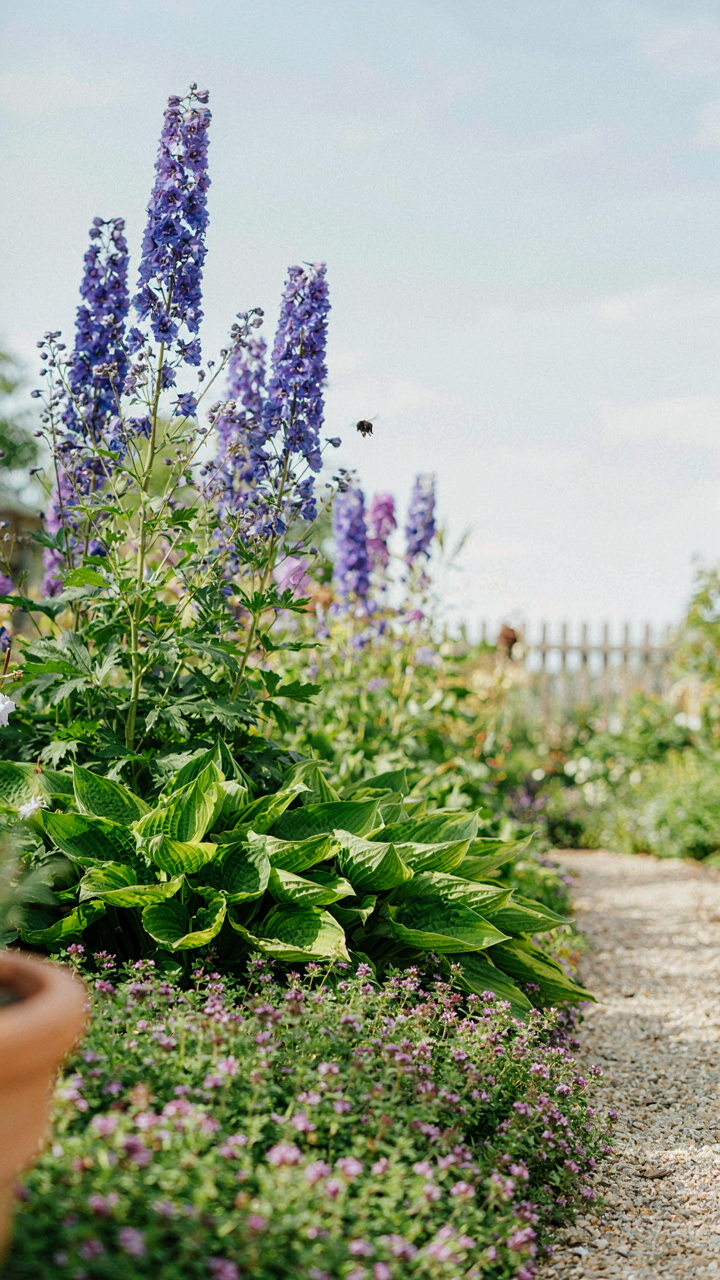
Canopy layer plants—your tallest elements—anchor the structure and cast shade. These are typically shrubs or tall perennials reaching four to eight feet, depending on your space and sunlight. Understory plants sit below the canopy, catching dappled light. These range from two to four feet and include medium perennials and small shrubs. They fill the visual and functional gap that makes or breaks a cohesive garden.
Groundcover forms the base layer, spreading horizontally at six inches to two feet. This stops soil from drying out, prevents weed germination, and creates a finished look fast. The key action: decide your canopy height first, then choose understory plants that reach two-thirds that height, then select groundcovers that fill remaining gaps. This sequence prevents overlap and ensures each layer does its job. Without this protocol, you’re just guessing.
Water Dynamics: The Unseen Force Multiplier In Your At Home Garden
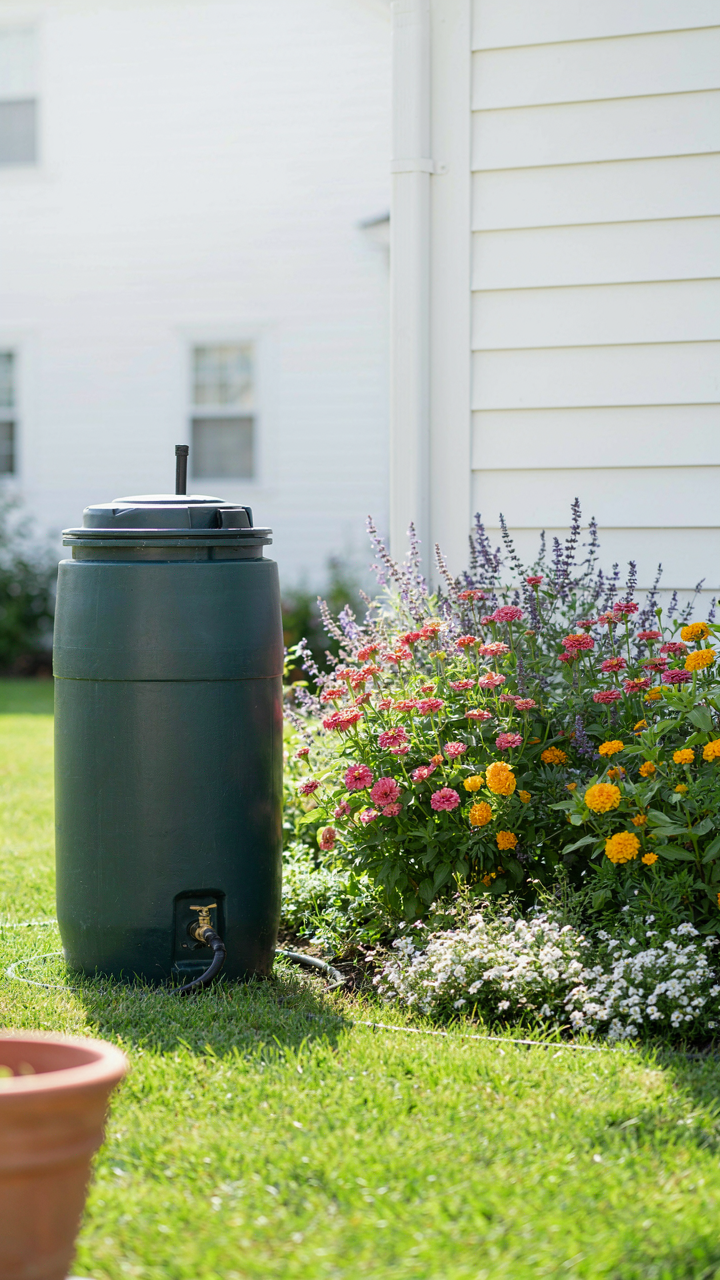
Rainwater Harvesting For Resilience
You want to feel self-sufficient without actually changing your behavior. That’s the real reason this section matters to you. Here’s what actually happens: rainwater harvesting is a supply chain problem. Most gardeners treat water as infinite until the bill arrives or drought hits. You’re solving for storage capacity and seasonal timing, not sentiment.
A rain barrel intercepts runoff before it leaves your property. The physics is simple: gravity moves water downward into a containment vessel placed at your gutter’s low point. A 55-gallon barrel collects roughly 300 gallons annually per 1,000 square feet of roof surface in moderate climates. You connect a soaker hose or drip line to the barrel’s base valve. This creates a gravity-fed system that requires zero electricity and delivers water directly where you need it during dry periods.
Passive Irrigation Techniques From Physics
Capillary action moves water upward against gravity through soil pores. This isn’t magic. This is the same mechanism plants use to transport moisture from roots to leaves. Most irrigation advice ignores this entirely and defaults to sprinklers or hand-watering, which wastes water and doesn’t match how soil actually works.
Ollas, clay pots buried beside plants, harness capillary action. Water seeps slowly through the clay walls as surrounding soil dries. Plants draw moisture through their roots without saturation or runoff. Drip lines laid on the surface achieve similar efficiency by delivering water at the soil level where roots access it, not above where evaporation wins. Both systems reduce water consumption by 50 percent or more compared to overhead watering. Set drip timers to run early morning, complete within 30 minutes, once or twice weekly depending on rainfall.
Cultivating Colourful Flower Garden Impact: The Visual Economy
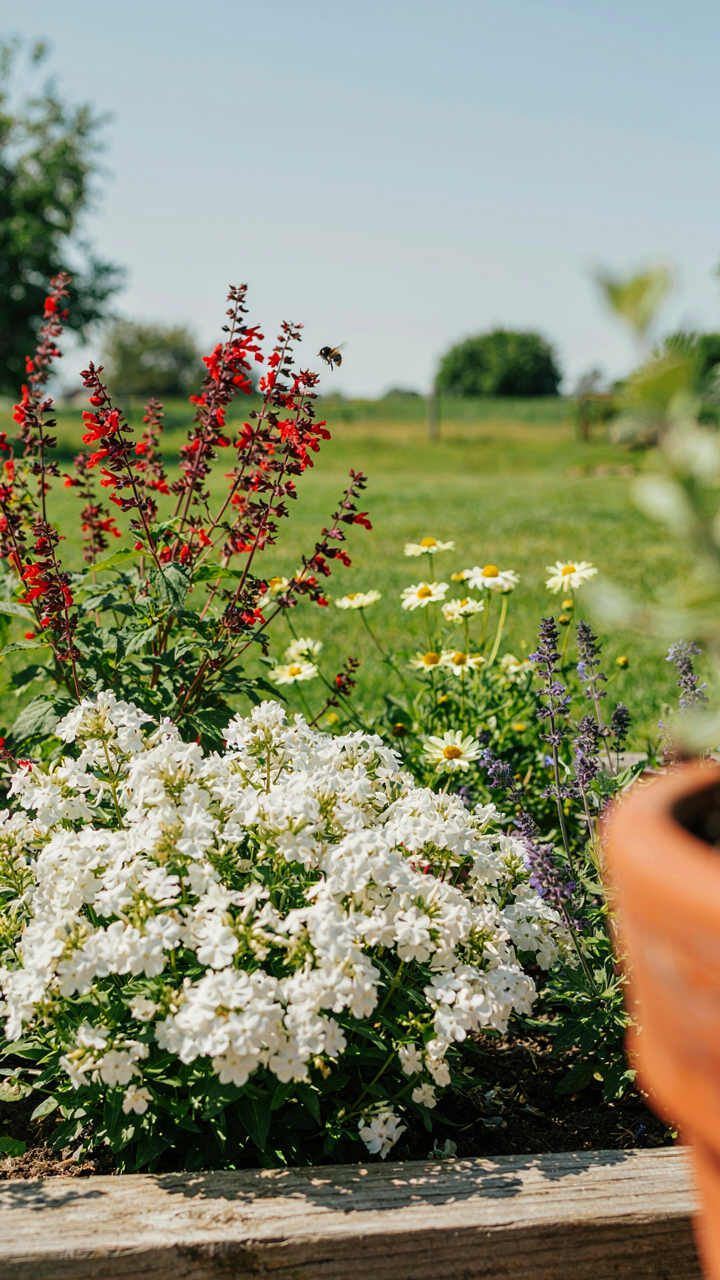
Contrast And Harmony: Less Is More
You want your garden to look impressive without effort. Here’s what actually works: visual impact comes from restraint, not abundance. Think of it through economics—scarcity creates value. A garden packed with every color and species dilutes attention. Your eye has nowhere to land because everywhere demands equal weight. The mechanism is simple: limitation forces hierarchy. When you remove options, the remaining flowers demand focus. A garden with three color families and strategic repetition beats a botanical free-for-all every time.
Plant the same species in clusters of three to five, not singles scattered across beds. Repetition across space creates visual rhythm. It tells your eye: this matters, pay attention here. Harmony emerges not from matching everything, but from choosing what to contrast deliberately. White flowers between warm tones create breathing room. Cool blues calm hot reds. The garden reads as intentional, not accidental. This is the difference between a flower garden and a flower collection.
Focal Points: Directing The Eye Strategically
Most people plant flowers and hope something stands out. Wrong approach. A focal point is an anchor—a destination your eye moves toward first, then second, then third. You build hierarchy by placing your strongest visual statement where sightlines naturally converge. From your back door, that’s usually the middle-rear section. From a sitting area, it’s the view you face. Position one large specimen or color mass there. Everything else becomes supporting cast.
Use height strategically to create vertical focal points. Tall flowers like delphiniums or sunflowers draw eyes upward and create depth perception in small spaces. Repeat this vertical anchor at intervals to pull viewers through the garden rather than leaving them stuck at the entry. A focal point isn’t decoration—it’s a navigation system you’ve embedded into your landscape. Install your primary focal point first, then build outward in descending visual weight.
Beyond Aesthetics: The House Garden Ideas That Serve A Purpose
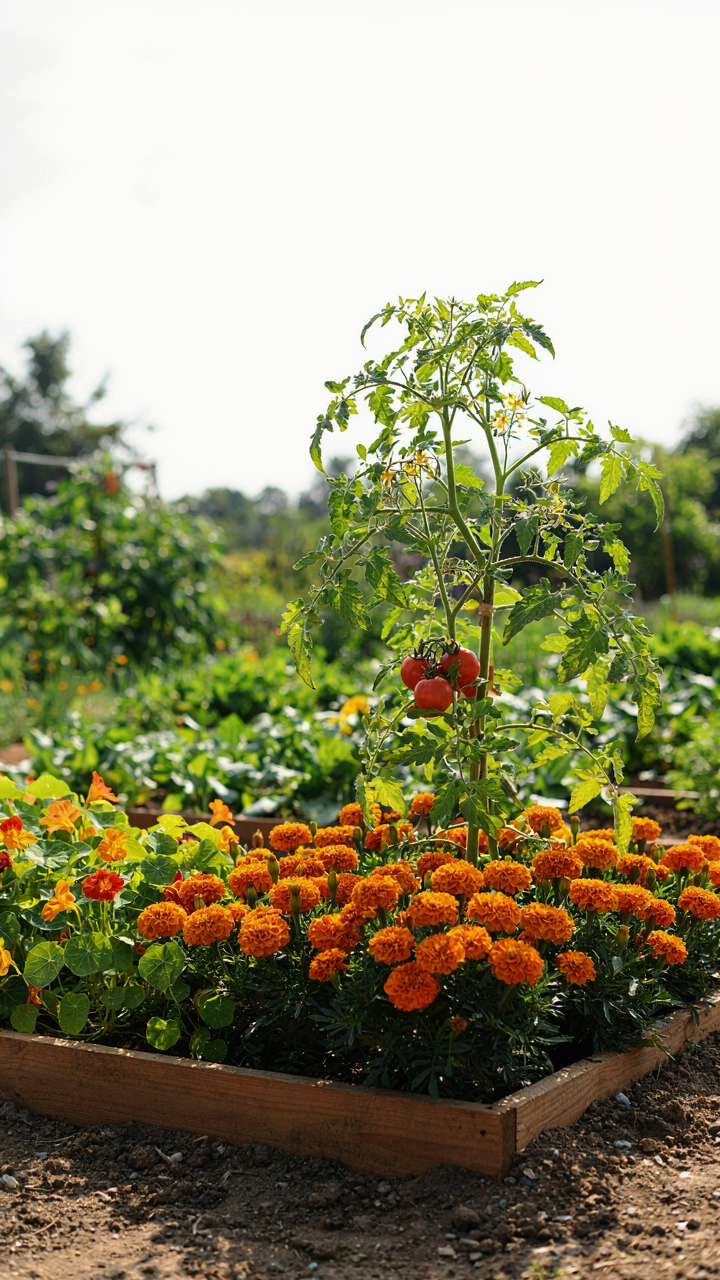
Grow Food While You Grow Beauty
You want to feel productive without admitting you’re tired of ornamental gardens doing nothing but sitting there. The real mechanism is this: edible flowers collapse the distinction between utility and design. You stop spending energy on two separate systems and merge them into one. Companion planting borrowed from agricultural biology operates on the same principle as a defensive formation in military strategy—each plant occupies a position that neutralizes a specific threat. Marigolds repel pests from vegetables. Nasturtiums draw aphids away from beans. You’re not decorating. You’re solving problems with structure.
- Nasturtiums with beans: Trap crop that draws aphids away. Plant in clusters around perimeter of vegetable sections.
- Marigolds with tomatoes and peppers: Deter spider mites and whiteflies. Space 12-18 inches apart at bed edges.
- Borage with squash: Attracts pollinators while deterring tomato hornworms. Direct seed after last frost date.
- Calendula with leafy greens: Edible flowers that repel beetles. Self-seeds readily for continuous supply.
- Chives with roses: Fungal disease deterrent. Blooms are edible. Creates structural contrast in mixed beds.
The work shrinks because you harvest what you plant. Stop treating edible and ornamental as separate categories. A flower garden that produces food instead of waste changes your relationship to maintenance entirely. You go from visitor to stakeholder. That shift compounds.
Wildlife Becomes Your Soil Quality Sensor
Most backyard flower advice ignores this: native insects are free soil diagnostics. If they show up, your soil is workable. If they don’t, no amount of aesthetic tweaking fixes the underlying problem. A healthy flower garden doesn’t just look different—it behaves differently. Bees, butterflies, and ground beetles indicate microbial activity beneath the surface. Their presence signals that decomposition cycles are running and nutrient availability is stable. You’re not building a garden for the insects. You’re using them as a metric.
The protocol is straightforward. Stop monoculturing. Plant native species in your region in clusters of three to five specimens per type. Let dead plant material sit through winter. Don’t mulch with bark. Let leaf litter accumulate. These choices create shelter structure that insects need to overwinter. When spring comes, your garden wakes with population density already established. The insects do the pollination work. Soil organisms accelerate decomposition. Nutrient cycling improves without amendment. You observe which species thrive and which disappear, then plant accordingly next year. That feedback loop is where real garden design lives.
Garden Styles Design: Deconstructing The Tuscan Courtyard Ideas Illusion
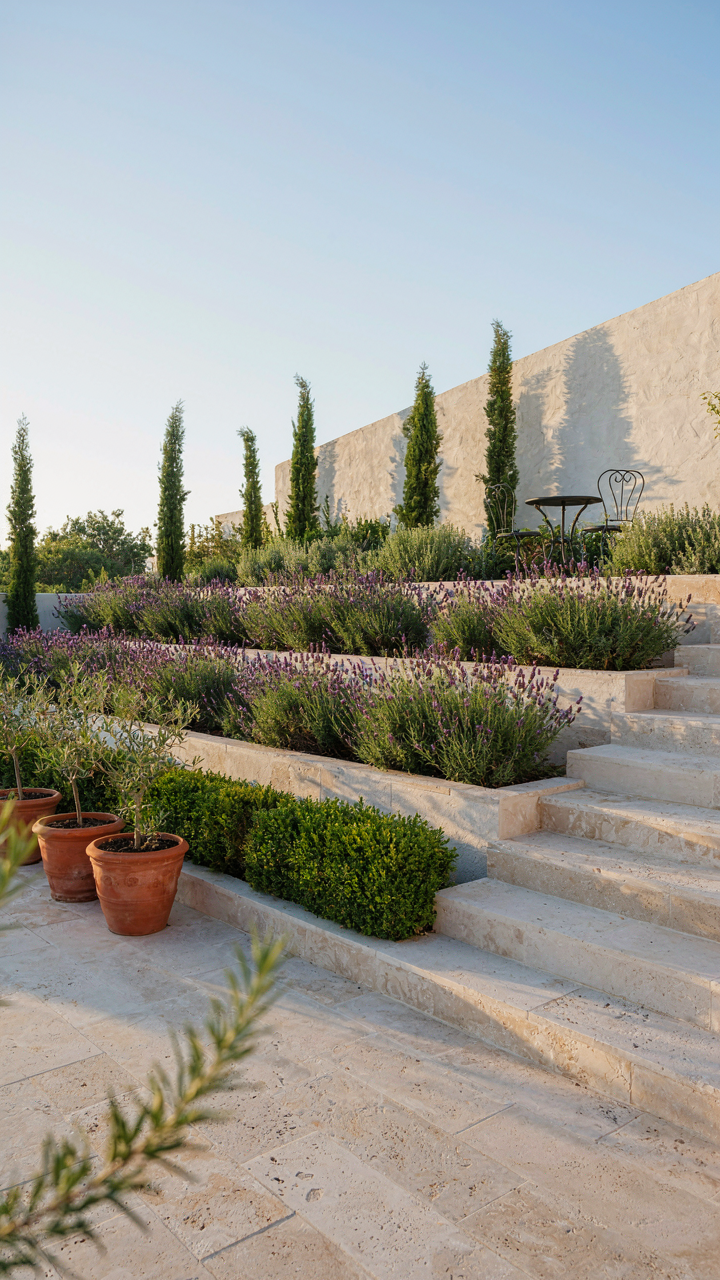
Where Tuscan Gardens Actually Come From
You want a Tuscan garden because it signals taste and permanence. That’s the real reason. The mechanism underneath is that Tuscan design didn’t emerge from aesthetic whim—it solved specific problems in a Mediterranean climate with limited water and intense sun. Medieval and Renaissance Tuscany built gardens around what survived: drought-tolerant plants, stone walls that held heat, and layouts that moved air. When you copy the look without understanding those constraints, you’re installing a costume, not a system.
Tuscan courtyards developed in a region where water was scarce and summers scorched. The famous cypress, olive, and lavender plantings weren’t romantic choices. They were survival strategies. Stone terraces, gravel paths, and raised beds worked with local soil composition and drainage patterns. The architecture—arched loggias, stone troughs, pergolas—managed sun exposure and reflected heat. None of this was decorative first. Function came before form, and form followed what worked.
Adapt Mechanisms, Not Instagram Aesthetics
Everyone says “borrow Tuscan principles.” That’s lazy advice. The real work is identifying which principles actually apply to your climate, not your Pinterest board. Your backyard doesn’t have Tuscany’s Mediterranean climate unless it does. If you live in humid summers, cold winters, or high rainfall, stacking Tuscan visual elements creates a garden that fights its environment instead of working with it.
Extract the operational logic instead. If Tuscan gardens used drought-tolerant perennials and strategic stone placement to manage water and heat, then identify what plants and structures solve those problems in your actual zone. If you’re in zone 5, that’s lavender’s cold limit—you need alternatives that withstand freezes while keeping the principle: hardy plants requiring minimal supplemental water. Use stone paths and raised beds because they improve drainage and soil warmth, not because they look Mediterranean. The aesthetic follows when the mechanism works.
The Modern Tropical Garden: A Climate Smart Approach
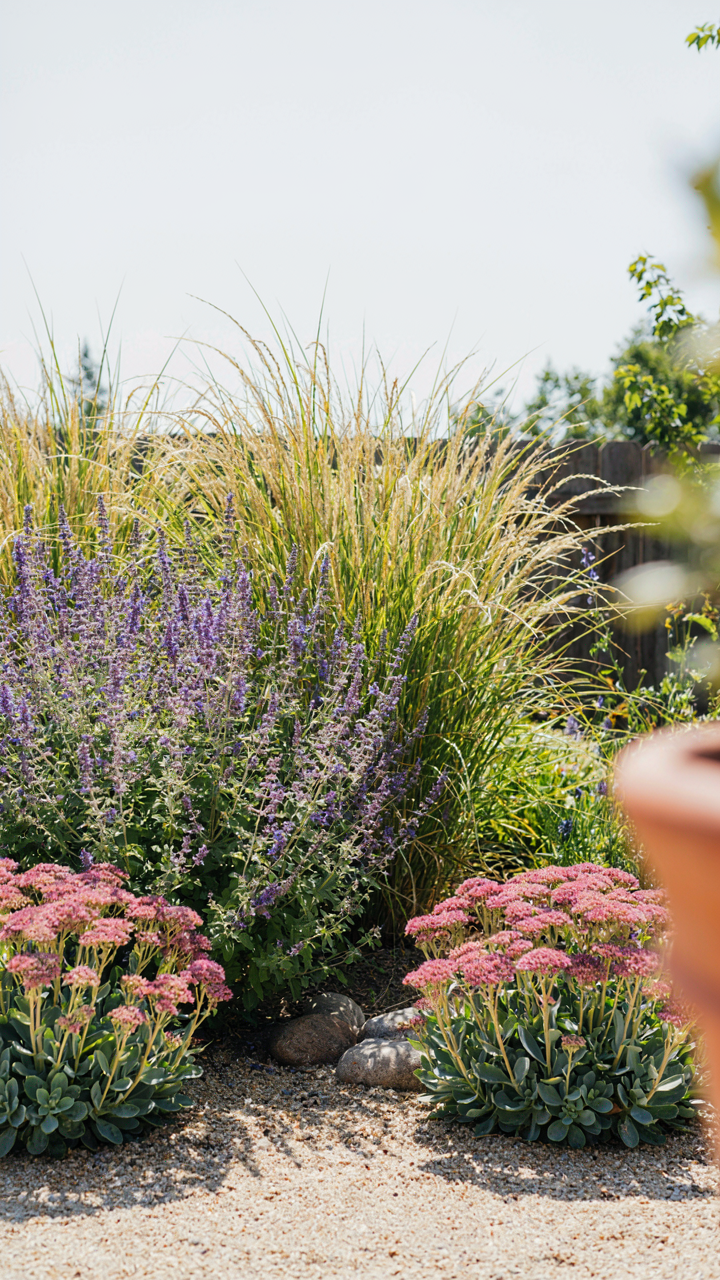
Dry Climate Design Without Apology
You want the look without the guilt of wasting water. That’s the real tension here. Xeriscaping isn’t a compromise aesthetic—it’s a hydraulic principle applied to plant selection. In civil engineering, systems work by matching flow capacity to actual demand. Your garden does the same: plant species that thrive on available rainfall rather than fighting your climate’s natural water budget.
The mistake most people make is treating xeriscape as a stripped-down version of a “real” garden. Wrong. Desert and semi-arid plants produce legitimate visual density, texture variation, and seasonal interest. Mediterranean salvias, ornamental grasses, Russian sage, and sedums deliver structure without theatrical watering schedules. The mechanical shift is simple: swap high-water annuals for perennials and shrubs that root deeper and access subsurface moisture your regular beds never reach.
Match Your Zone, Skip The Theater
Stop buying plants that require constant intervention to survive your actual climate. Nurseries sell based on appearance, not viability. Your USDA hardiness zone, local rainfall averages, and soil composition determine what actually lives versus what you’ll replace every two years. A tropical garden in zone 5 isn’t sophisticated—it’s expensive denial of reality.
Research your region’s native plant palette first. These species evolved to thrive on your climate’s water, sunlight, and soil chemistry. They require no coaxing. Then layer in non-native plants that share those same tolerances: Mediterranean species in dry zones, Southeast natives in humid regions. Cross-reference bloom times to ensure visual continuity across seasons. This protocol replaces guesswork with mechanical matching of plant demands to site conditions.
The Garden As A Dynamic System: Evolutionary Principles In Action
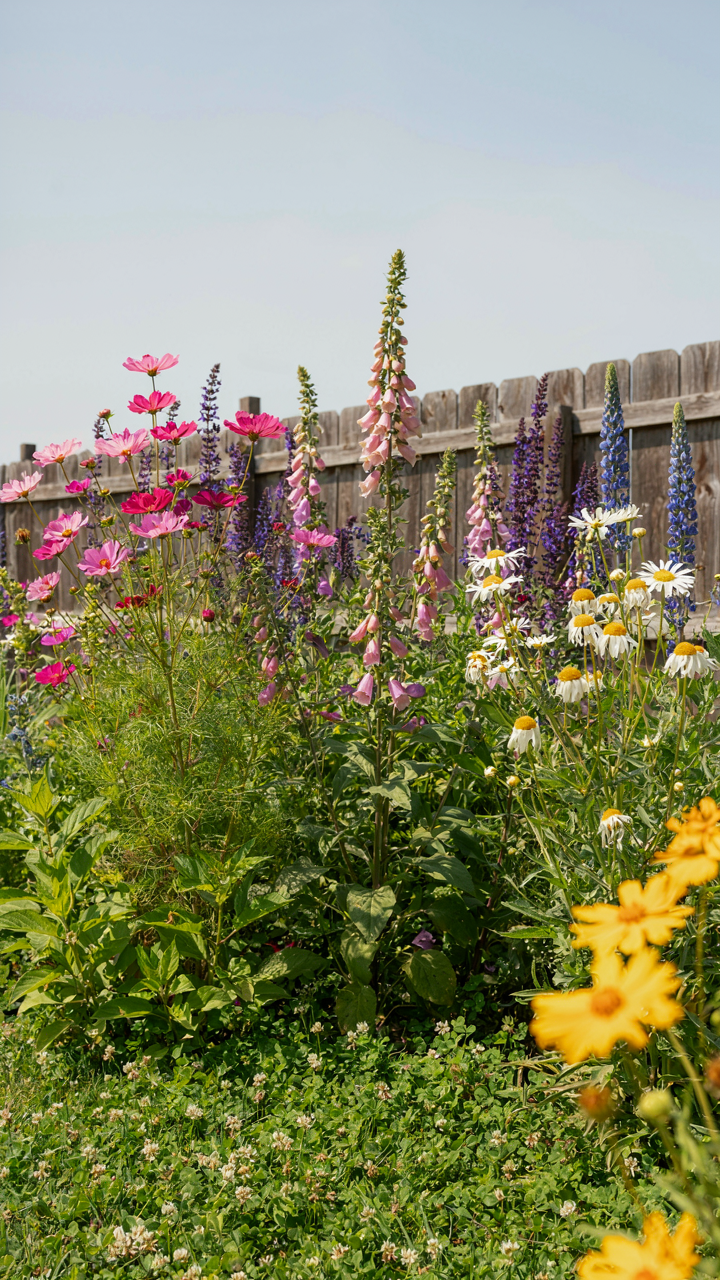
Designing For Future States
You want a garden that stays beautiful without constant intervention. That’s the real motive here, and it’s honest. But most people design static gardens then get frustrated when they fail. Ecology calls this succession, and it applies directly: your garden will move through predictable phases whether you plan for it or not. Early colonizers arrive first, aggressive species dominate the middle stage, then shade-tolerant plants establish as the system matures. Recognize this pattern and you stop fighting your garden. You orchestrate it.
Plant layering works because it mirrors natural succession. Start with fast growers and nitrogen fixers like clover or buckwheat to stabilize bare soil. After one season, introduce perennials and shrubs that tolerate partial shade. Year three, add shade plants that thrive under established canopy. This isn’t random sequencing. You’re removing plants strategically as each wave establishes, preventing one phase from strangling the next. The mechanism is simple: match plant selection to the garden’s current successional stage, not an imaginary permanent state.
Thriving Through Disturbance
Most garden advice treats disturbance as failure. It’s not. In systems biology, resilience isn’t stability, it’s the capacity to absorb shock and reorganize. Your flower garden needs this built in. Monoculture gardens collapse under pressure because they lack redundancy. A garden with genetic diversity, multiple blooming times, and varied root depths stays productive through drought, pest pressure, and disease because no single failure cascades into total loss. One species gets hit. Three others compensate. The system persists.
Design resilience by planting cultivars of the same species alongside each other. If Japanese beetles decimate one coneflower variety, another thrives. Spread bloom times across spring through fall so one freeze doesn’t erase your investment. Include plants with different root systems, vertical structures, and nutrient demands. When you plan your garden, allocate thirty percent of space to species and varieties you’ve never grown before. This forces adaptation into your design protocol. Systems that cannot fail are systems that have never learned to adapt.
The Real Obstacle Isn’t Your Green Thumb; It’s Your Inability To See Chaos As Opportunity
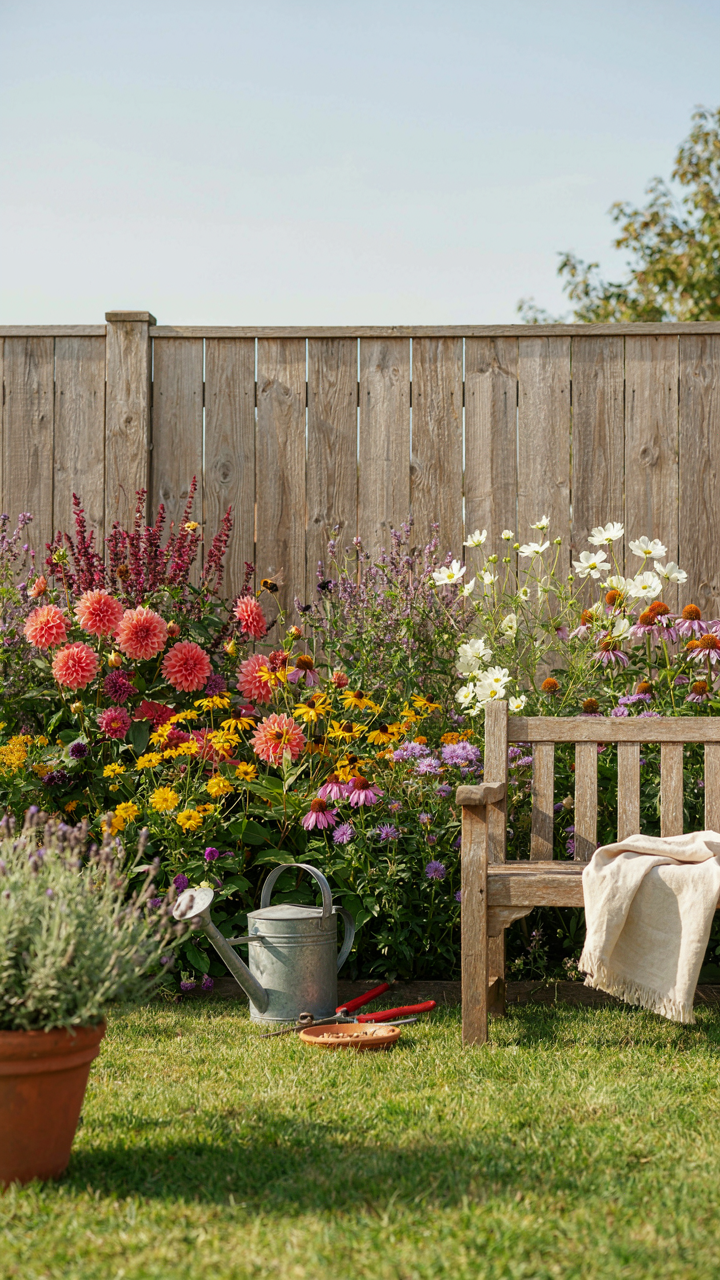
Most people kill their gardens before planting the first seed. They wait for perfect conditions. They research endlessly. They never start. Your backyard doesn’t need a master plan. It needs you to plant something today, watch it fail, learn from the corpse, and plant something else tomorrow. Every dead flower teaches you what your soil actually wants. Every weed shows you where your garden wants to grow. Stop designing in your head and start designing with dirt under your fingernails. Your first backyard flower garden won’t be beautiful because you planned it perfectly. It’ll be beautiful because you refused to wait.



