
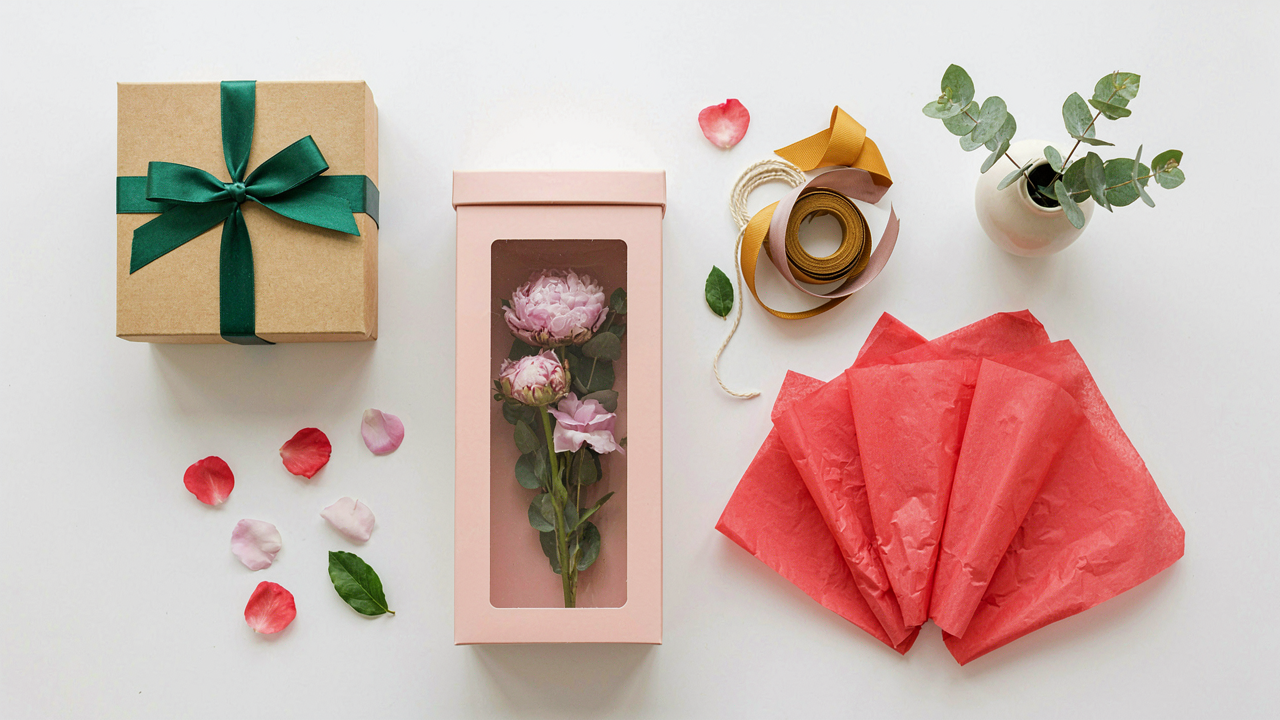
Beyond The Bow: Why Generic Packaging Kills Your Brand

When Your Package Becomes Invisible
You want to believe packaging doesn’t matter because it’s cheaper that way. Here’s the mechanism: in economics, commoditization happens when buyers can’t distinguish between competitors. Flowers arrive in identical white boxes, tissue paper, and ribbon. The customer sees no difference between your delivery and the one from the florist down the street. They compete on price alone. You’ve surrendered margin before the customer even opens the box.
Generic packaging signals one thing: you’re interchangeable. The florist industry normalized this years ago. Most shops use the same suppliers, same materials, same presentation templates. When every competitor looks identical, you’ve already lost the value conversation. The recipient doesn’t think about your brand. They think about the flowers. Commodities sell on cost, not on who sent them.
The Real Cost Of First Contact
Most advice tells you packaging makes a good first impression. That’s incomplete. The real mechanism is value perception, and it forms before the box opens. A plain cardboard container with minimal branding tells the buyer their money went to flowers, not to thoughtfulness. A considered package design signals investment. The recipient’s brain calculates: this person paid attention to every detail, including how it arrived.
First contact happens once. You can’t repeat it. The unboxing experience either validates the sender’s effort or contradicts it. Inconsistent packaging damages perceived value instantly. If the flowers cost sixty dollars but arrive in a five-dollar box, the recipient’s mind does the math. They assume you cut corners. Custom packaging with intentional materials, branded tissue, or structural details that protect and present the blooms together communicates: I chose this for you specifically. That choice compounds into remembered value.
The “Unboxing Experience” Lie: What Really Matters
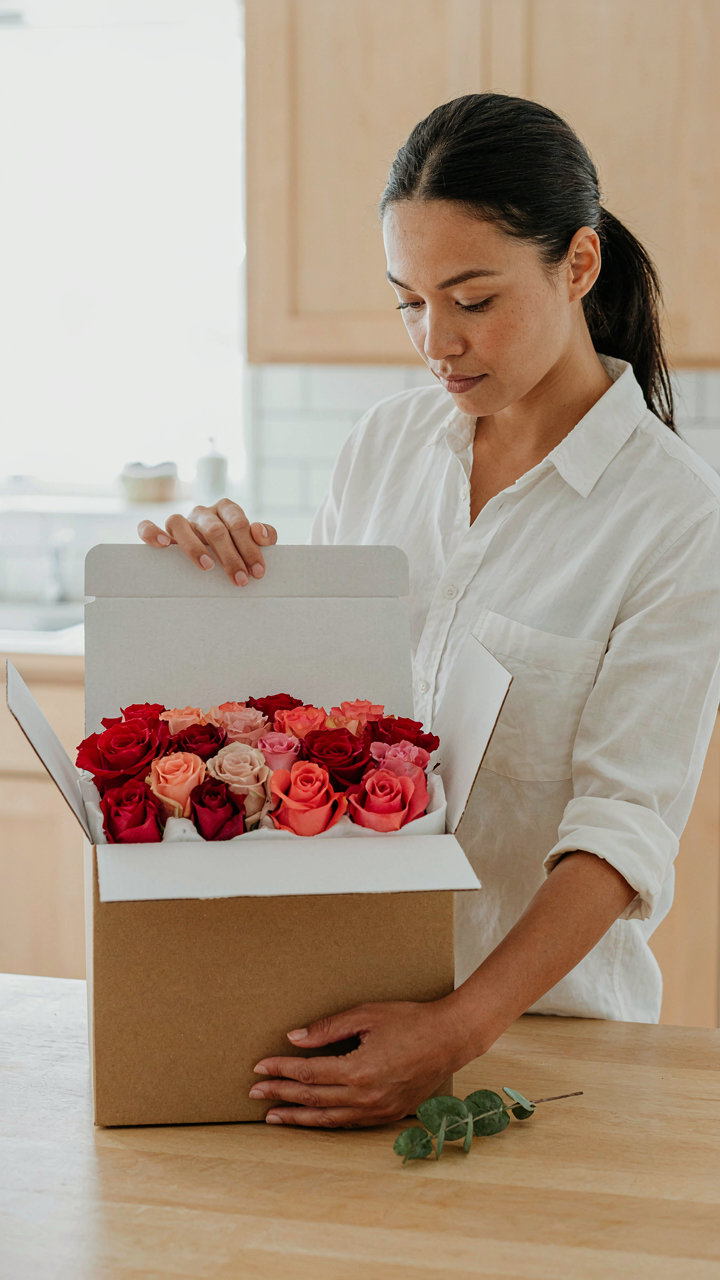
Anticipation Engineering Versus Instagram Fluff
You want the recipient to feel special. That’s the real reason you care about this section. Here’s what actually moves the needle: anticipation engineering borrows from theater design, where pacing controls emotional response. In flower delivery packaging, pacing means the sequence of physical reveals before the flowers come into view. Each layer removes friction between expectation and reality. Most advice treats unboxing as a photo op. That’s backwards. The unboxing matters only if it delays the moment of truth long enough to build genuine surprise, then delivers intact flowers that justify the wait.
Tissue paper, branded inserts, and custom boxes are props. They work only when they serve the reveal, not replace it. The mechanism is simple: a recipient opens one layer, discovers another, then another. Each step creates micro-anticipation. Remove any layer and the experience flattens. Add too many and it becomes annoying rather than intentional. The box itself should signal quality through material density and closure type, not through graphics or logos. A magnetic closure that requires deliberate action tells the brain this matters more than a box that tears open.
Durability As The Only Real Luxury Signal
Flowers arriving crushed, bruised, or dehydrated send one message: this didn’t matter enough to protect. That’s what durability communicates in the luxury market. Not “premium,” but “cared for.” High-end florists use rigid boxes with interior supports, water retention systems, and temperature barriers. Budget operations skip this and hope. The difference isn’t aesthetics. It’s whether the product survives the supply chain intact. A recipient holding dead flowers reframes the entire gesture as careless, regardless of price paid or sentiment intended.
The packaging must solve three mechanical problems: vertical compression from stacking, horizontal movement during transport, and moisture loss or overflow. Rigid internal dividers prevent stem damage. Floral foam stays moist but never waterlogged when wrapped in water-lock material. The box itself needs insulation for temperature-sensitive species during seasonal extremes. Kraft paper and tissue absorb moisture and fail. Mylar and moisture barriers hold conditions stable. The cost difference between cheap and durable packaging is 30 to 60 percent. Customers notice dead flowers. They never notice the materials that kept them alive.
The Minimalist’s Manifesto For Flower Delivery Box Design
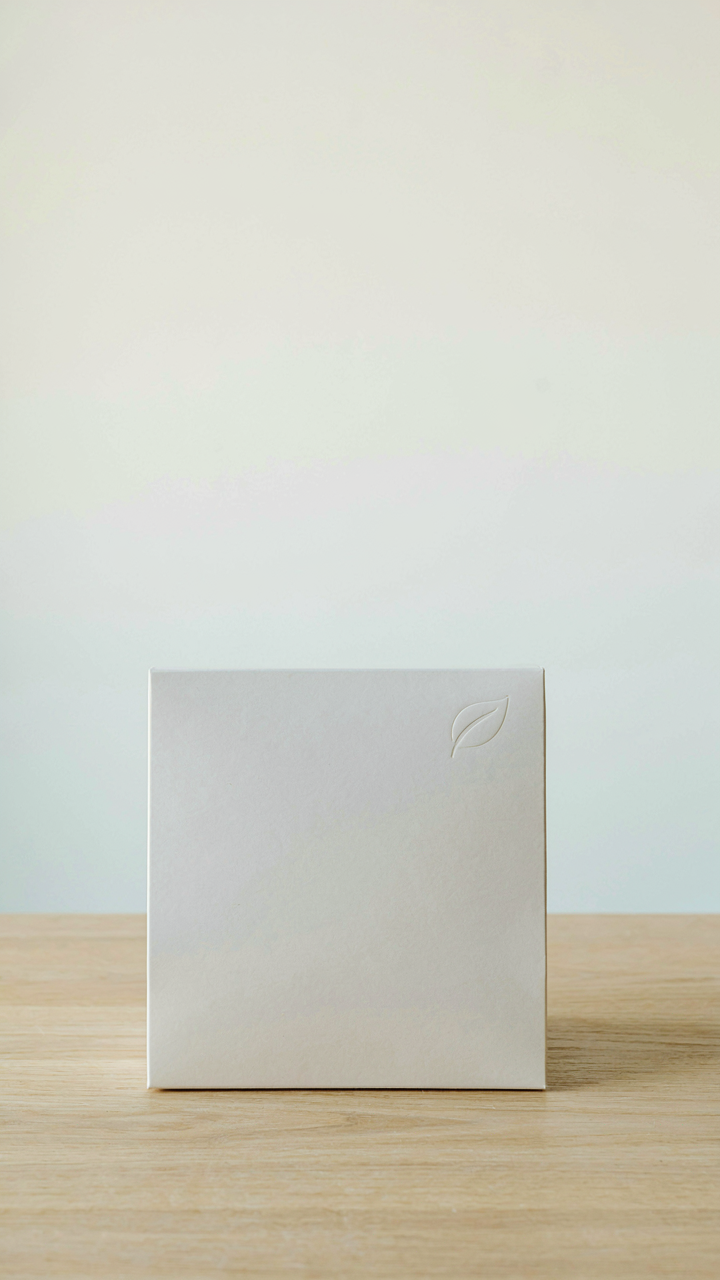
White Space As Strategy
You want the recipient to feel like they’re opening something rare. That’s the real reason you care about this section. Here’s the mechanism: in design, negative space functions like silence in music. It forces attention. Every blank surface on a delivery box tells the brain there’s value inside. Remove the clutter and you’ve already won half the battle before the flowers appear.
Most flower boxes fail because they’re afraid of emptiness. They print logos, patterns, and messaging across every available inch. Wrong move. A box with substantial white space and a single accent color creates anticipation. The recipient’s eye knows where to look. The box doesn’t compete with the flowers. It amplifies them.
One Detail That Stays With Them
The best delivery boxes have exactly one memorable element. A single detail is what people recall weeks later, not the box itself. This means choosing between a custom stamp, a ribbon placement, a texture, or branded tissue. Pick one and execute it flawlessly. Everything else disappears into the background.
Generic flower boxes use three to five decorative elements hoping one will stick. It doesn’t work that way. Cognitive load kills memory. When you force the brain to process multiple design choices simultaneously, it defaults to forgetting all of them. Strip everything except the detail that serves your purpose, then make that detail impossible to ignore through repetition or material quality.
The Sensory Signature: Beyond Just Visuals In Flower Delivery
When Scent Becomes The Silent Closer
You care about this because people remember smell longer than they remember sight. The nose connects directly to memory and emotion in ways your competitors ignore. Borrowing from neurobiology, flowers already emit volatile organic compounds. Your packaging job is controlling the diffusion rate so fragrance arrives as intended, not as an overpowering chemical assault or a dead, faint whisper.
Most florists treat scent as accidental. Wrong. The flowers themselves produce scent naturally, but packaging traps or disperses it unpredictably. Tissue paper and standard boxes create dead zones where fragrance pools and turns stale during transit. Wax-lined boxes and vented cardstock move air intentionally, letting scent reach the recipient’s threshold at the right moment, not before they open the door.
Texture That Signals Care Before Opening
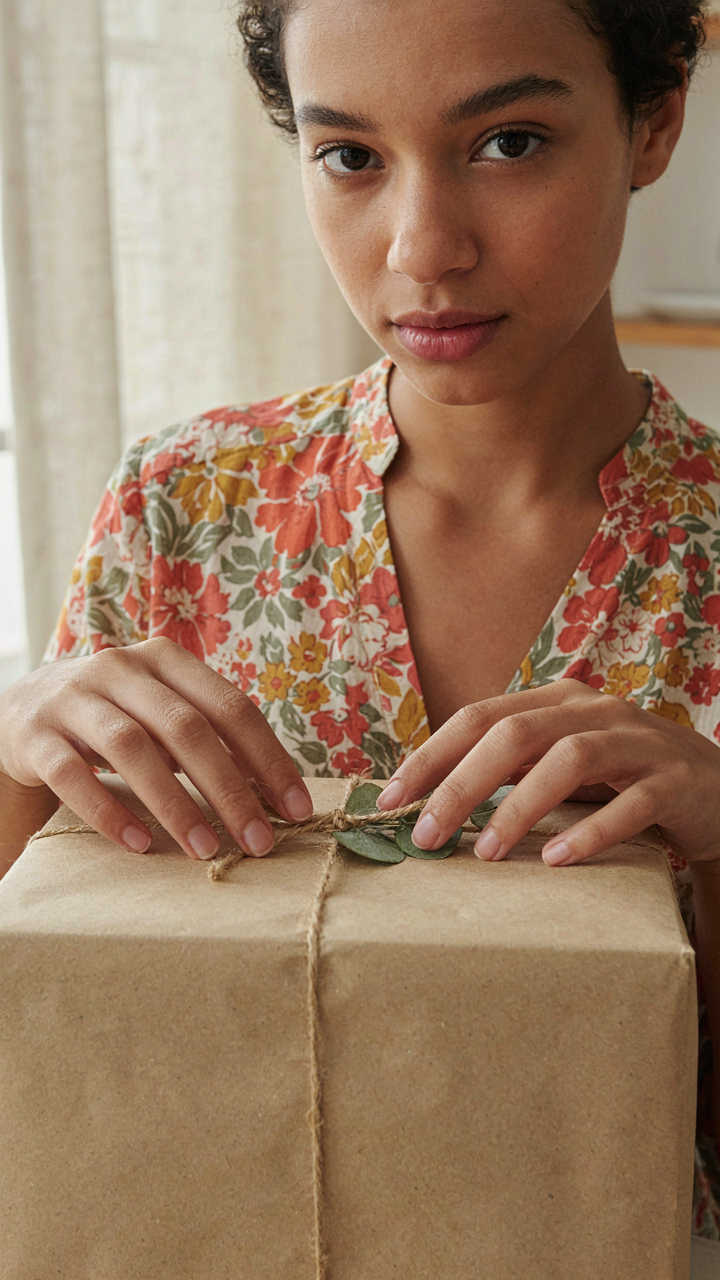
Unboxing happens in seconds. What the customer’s hands touch before they see flowers shapes whether they think you’re a commodity service or someone who actually understands craft. Use textured kraft paper, pressed cardboard with visible fiber, or linen ribbon instead of plastic ties. The material communicates restraint and intention.
Rough textures trigger cognitive load. Your brain processes unexpected surfaces longer than smooth ones. This isn’t psychology fluff; it’s how attention works. Pair unglazed kraft with a single cotton twine knot. Skip the tissue paper crinkle if it feels cheap. The moment fingers touch something deliberately chosen, the entire delivery becomes memorable instead of forgettable.
The Scarcity Principle In Flower Subscription Packaging
Limited Edition Touches Build Perceived Value
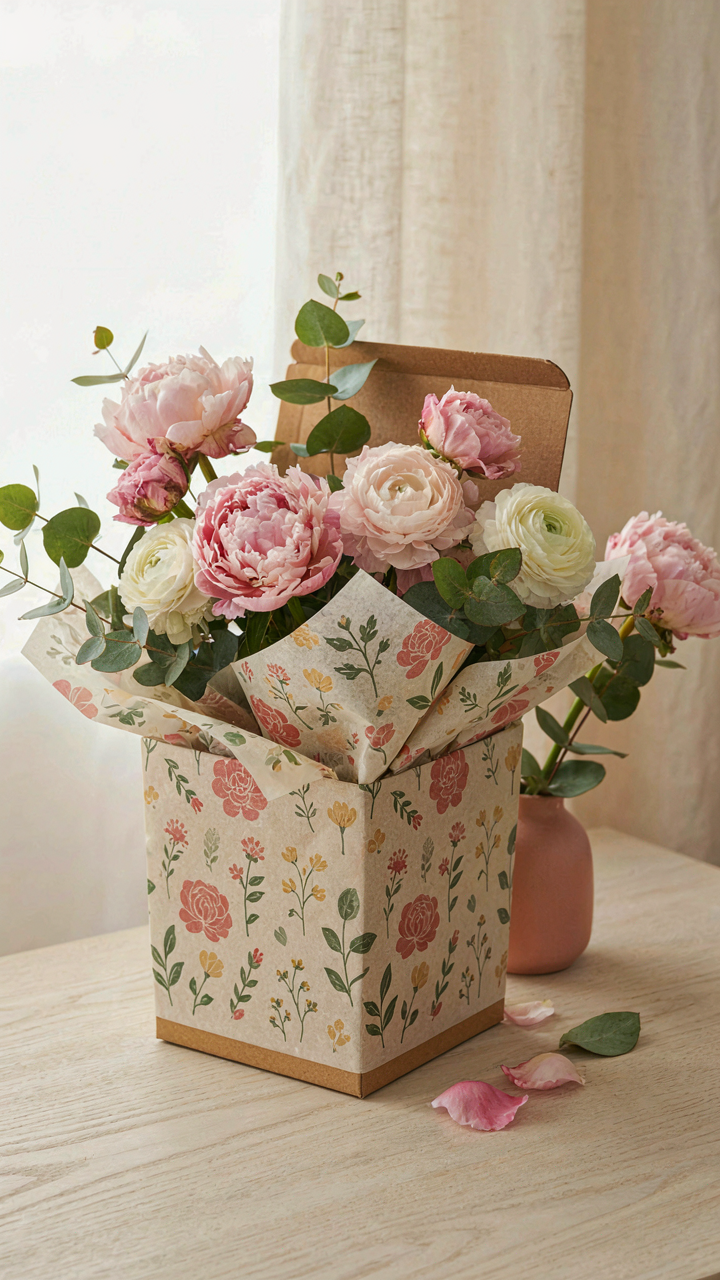
You want your recipient to feel chosen. That’s the real driver here, and scarcity is the mechanism that makes it work. Borrow from economics: scarcity creates demand. Apply this directly to packaging. When a flower delivery includes a finite element—a numbered sleeve, a seasonal foliage type available only three weeks per year, a hand-stamped detail that changes monthly—the recipient doesn’t just receive flowers. They receive proof they got something others couldn’t access. This isn’t manipulation. It’s honest signaling.
The mistake most florists make is treating scarcity as an afterthought. They add a generic “limited run” label to standard packaging and call it strategy. Real scarcity requires specificity. Commission a custom tissue wrap design that rotates quarterly. Use seasonal botanicals that don’t ship year-round. Include a dated card that confirms the delivery coincides with a specific collection. The constraint must be real, not performative. When the recipient holds packaging that genuinely couldn’t exist last month or next month, they register it unconsciously. That’s the moment packaging becomes currency for their social context.
Members Only Unboxing Experiences
Subscription models thrive on gatekeeping. Create packaging architecture that signals membership status through physical experience. A subscriber’s box opens differently than a one-time buyer’s box. This doesn’t mean spending more money—it means spending differently. Use a branded ribbon that only members receive. Include a small, printed acknowledgment of their membership tier. Add a QR code linking to exclusive content or early access to future collections. The packaging itself becomes the credential.
The protocol is simple: map your subscription tiers to packaging experiences. Tier one gets standard tissue. Tier two gets custom tissue plus a handwritten thank-you tag specific to their membership length. Tier three gets all of that plus a reusable cloth wrap branded with their membership level. Nothing here requires premium materials. The value lives in the gesture of differentiation. When your subscriber opens their box and sees something their one-time-purchase friend will never receive, the packaging justified the subscription fee before they even saw the flowers.
The “Flower Delivery Business” Ecosystem: Packaging As Infrastructure
Returns Tell You What Your Packaging Broke
You care about this because damaged flowers feel like a personal failure when they arrive at someone’s door. Here’s the mechanism from cybernetics: a feedback loop is only useful if you actually measure and act on the signal. In flower delivery, return rates and damage complaints aren’t random noise. They’re data points showing exactly where your packaging fails under real conditions. A crushed bloom in transit doesn’t mean your box was too soft. It means the internal structure couldn’t handle the specific force applied at a specific moment during transport.
Most florists treat returns as customer complaints to smooth over. That’s backwards. The actual work is reverse engineering what broke and why. Track which routes, which seasons, which flower types produce the most damage claims. Then rebuild the box architecture to handle those conditions. Your packaging either adapts based on failure data or it stays broken. There’s no middle ground.
Route Efficiency Shapes Box Design
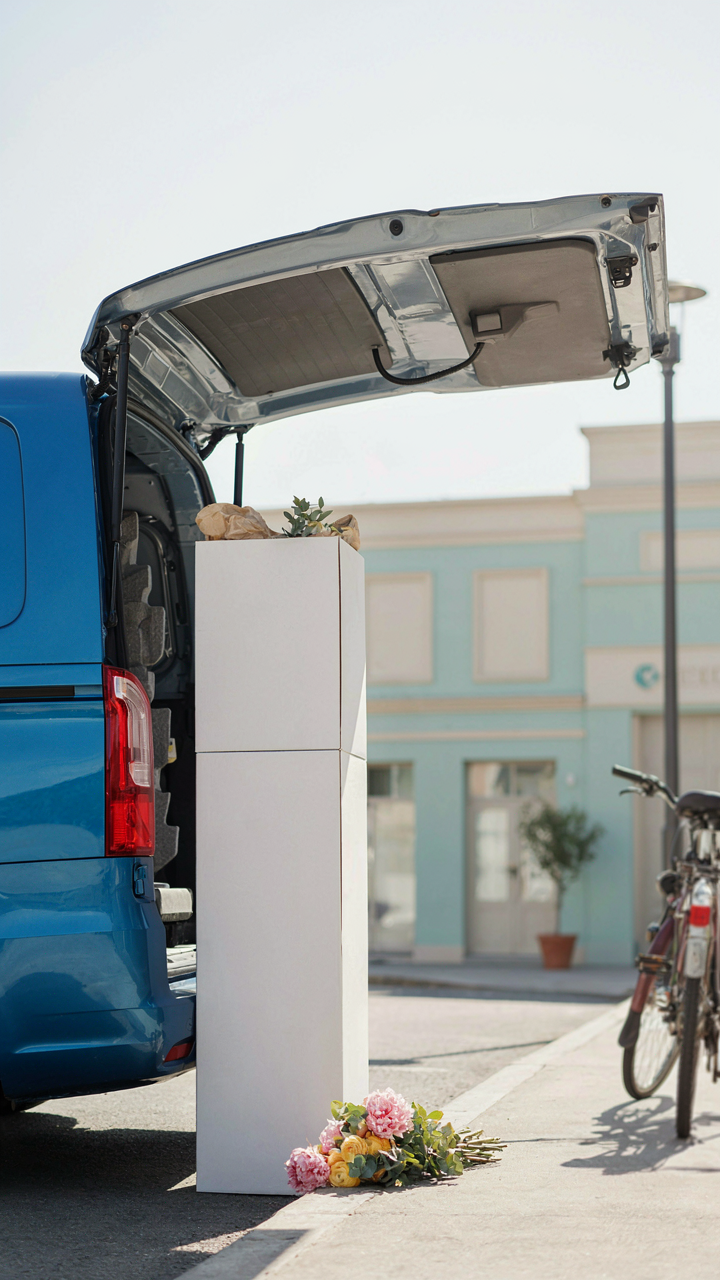
Flower delivery routes aren’t random loops drawn on a map. Urban logistics rewards density and predictability, which means your packaging must account for how that density works. A box designed for a thirty-minute delivery radius performs differently than one built for a dense downtown area where a driver makes fifteen stops in two hours. The compressed timeline and handling frequency create different stress points than rural routes.
Optimize your box dimensions to fit standard vehicle configurations used by your delivery partner. A box that doesn’t waste cargo space moves faster. Faster movement means less time in vehicles where temperature swings and vibration cause petal damage. Standardize your packaging footprint to what your logistics network actually runs, then build structural integrity around that constraint. Your box design should match your delivery infrastructure, not fight it.
How To Gift Flowers: Packaging For The Personal Touch

The Handwritten Note Advantage
You want the recipient to know you didn’t just swipe a credit card. The handwritten note is where that happens, and it’s the one element that survives after the flowers die. Handwritten text signals effort. It proves you spent time on this specific person instead of delegating the entire transaction to a platform. The note lives on a card or insert paper, housed inside the box before delivery. It’s the first thing they read.
Custom seals and wax stamps work the same way mechanically. A florist places your chosen seal on the envelope or box closure. This isn’t decoration—it’s evidence. The recipient sees your initials or a chosen symbol and knows this package was curated for them, not mass-produced. The seal creates a moment of recognition before they even open the box. That moment matters more than the flowers themselves in terms of perceived value.
Small Inserts That Justify The Price
Most florists stuff boxes with filler tissue and call it done. That’s lazy and leaves money on the table for you. Real florists use inserts as a mechanism for perceived quality, borrowed from luxury retail packaging strategy. In retail, the insert-to-product ratio determines whether a customer feels ripped off or treated. The same principle applies to flower delivery.
- Luxury chocolates or confections: Pair a trusted brand with the arrangement. Chocolate doesn’t wilt, doesn’t compete visually, and adds perceived value without extra weight or fragility issues during transit.
- Personalized bookmark or card stock: Include a bookmark with a quote or the recipient’s name printed. It gives them a keepsake that lasts months, not days, and costs the florist under a dollar.
- Tea or coffee sachet: Single-serve packets from specialty tea or coffee brands fit inside boxes without taking up space. They add functional value and suggest thoughtfulness about the recipient’s tastes.
- Small succulent or propagation kit: A low-maintenance plant extends the gift’s lifespan beyond the cut flowers. Succulents survive neglect, making them ideal for pairing with arrangements.
- Scented sachet or drawer sachet: Brands like sachets made from dried lavender or cedar chips cost under two dollars. They perfume the unboxing experience and the room after the flowers are displayed.
The insert doesn’t replace the flowers. It amplifies the first impression and gives the recipient a reason to tell someone about this delivery instead of just posting it and moving on. Choose inserts that outlast the arrangement. Your packaging succeeds when the flowers fade but the recipient still has something to hold onto.
The Reusable Revolution: Sustainable Flower Delivery Packaging
Materials That Actually Get Used Again
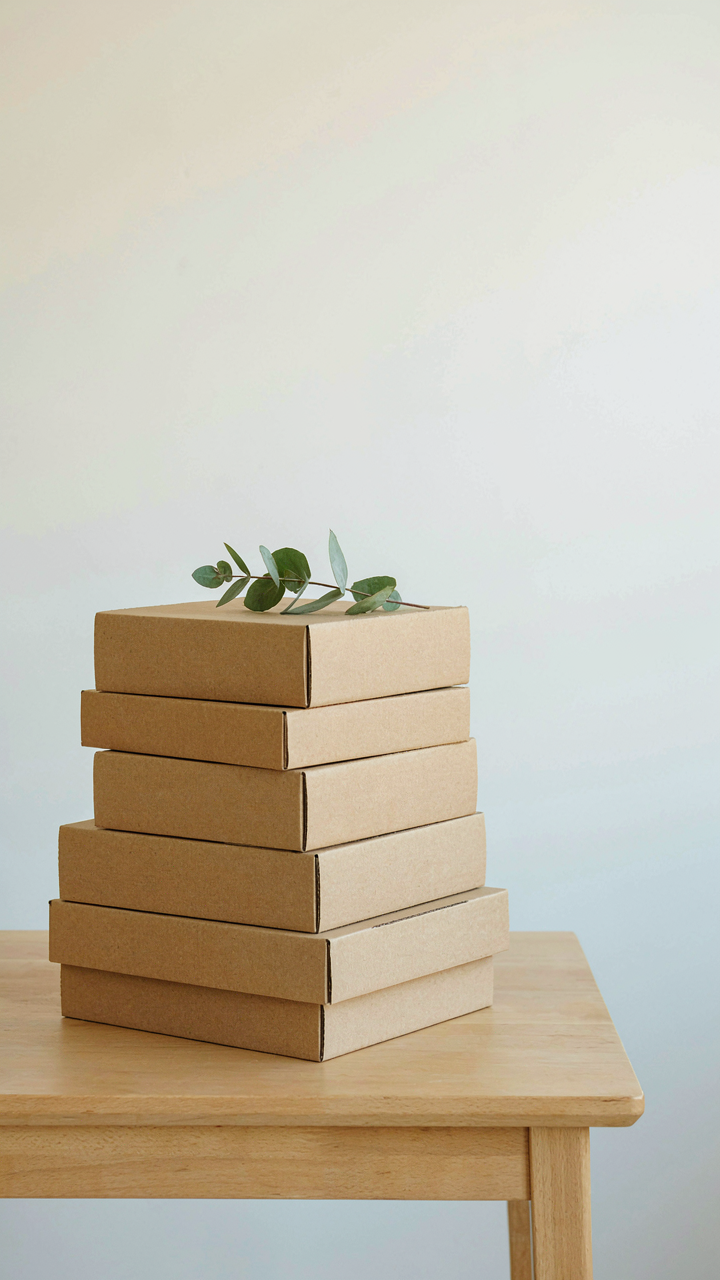
You want the recipient to keep the box. That’s the real reason you’re reading this. The mechanism is simple: people discard packaging they can’t repurpose. Recycled kraft boxes, corrugated cardboard made from post-consumer waste, and biodegradable mailers solve this by being functional after delivery. The material itself determines reuse likelihood. Heavy-duty recycled cardboard with clean finishes gets converted into storage. Thin, damaged, or branded-only boxes go straight to the bin. Choose materials that survive handling and offer utility beyond flowers.
Kraft paper and recycled corrugate also cost less than virgin materials, which lets you invest in better structural design instead of fancy printing. Water-resistant coatings on recycled stock protect flowers during transit without requiring plastic layers. This isn’t about virtue signaling. Customers who receive sturdy, plain boxes keep them. That’s the only metric that matters. Source suppliers who certify post-consumer content and can guarantee material integrity across shipments.
Design For A Second Life
Secondary use design isn’t decoration. It’s removing obstacles to function. A delivery box becomes useful storage only when it has clean interior surfaces, reinforced corners, and removable branding that doesn’t scar the material. This requires intentional choices at the design phase, not afterthought additions. The economic principle of planned obsolescence inverts here: you’re planning for longevity instead. Boxes designed for single use stay in landfills. Boxes designed for drawers, shelves, and closets stay in homes.
Encourage upcycling by leaving interior space unprinted and using non-permanent labels that peel cleanly without residue. Include subtle instructions with the delivery about converting the box for storage. Flat-fold designs that reassemble into different configurations increase functional lifespan. Test your box with actual recipients before scaling. If it gets tossed after flowers die, your material choice was irrelevant. Measure success by tracking how often customers request the same packaging style again.
Creative Flower Delivery Inspiration: Lessons From High Fashion
Your Packaging Tells The Story Your Brand Refuses To Say Out Loud
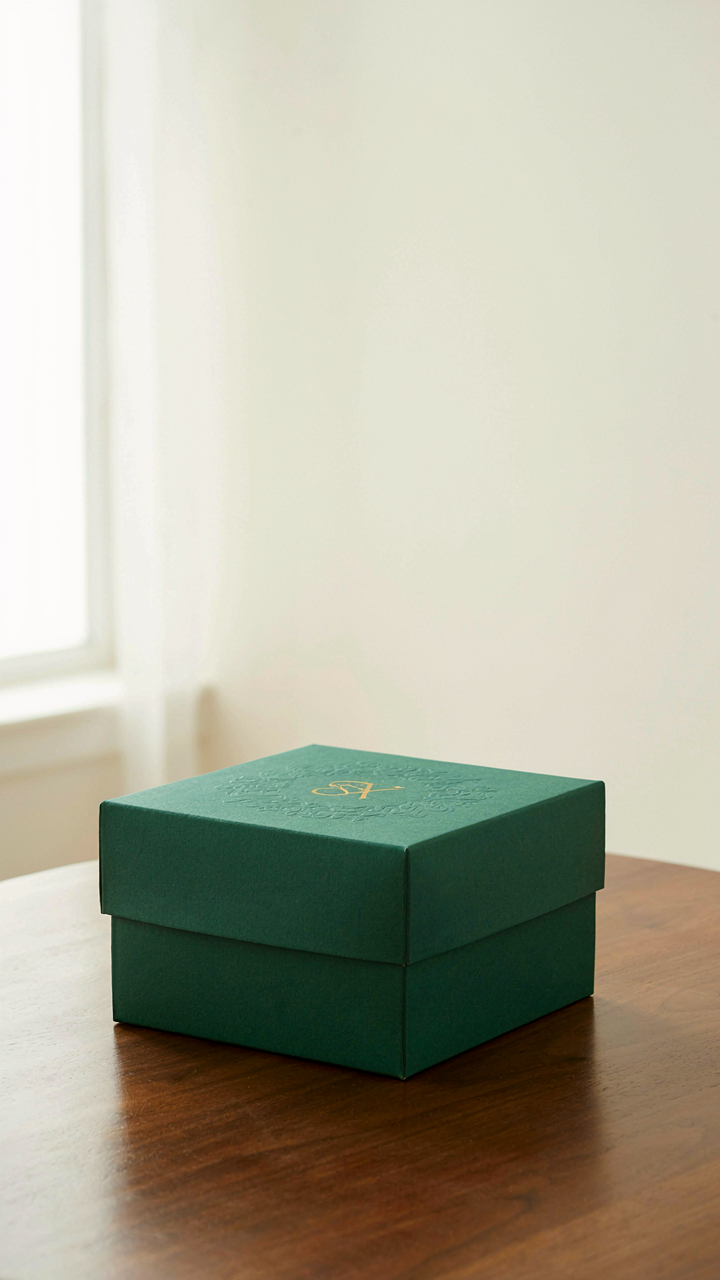
You want people to think your flower delivery is premium. That’s the real motive. High fashion operates on a single principle: packaging is brand strategy made physical. Luxury houses don’t package products—they package identity. Your box, tissue, and ribbon aren’t decoration. They’re the first and last touchpoint a customer experiences. Everything inside gets filtered through what the outside communicates. If your packaging contradicts your pricing or service promise, customers notice the gap immediately, even if they can’t name it.
The mechanism borrowed from branding strategy is called “signal consistency.” In game theory, consistent signals build trust because they reduce uncertainty. Your flower packaging must signal the same value proposition as your website, your delivery speed, and your customer service. Misalignment kills premium positioning faster than price cuts. A hand-wrapped arrangement in tissue from a gas station roll doesn’t recover the brand story you’re trying to tell. Match the outside to what you promised on the inside.
Materials That Actually Stand Out
Forget pastels and tissue paper ribbons. Most flower delivery packaging plays it safe because safe is easy to produce at scale. That’s exactly why it fails to differentiate. High-end fashion brands use unexpected materials—kraft paper, raw linen, metal accents, custom stamps—because restraint signals confidence. Minimalist design doesn’t mean boring. It means every element earns its place. A single kraft box with a wax seal carries more weight than a decorated box with twelve competing details.
Bold minimalism works because it forces quality into focus. You can’t hide poor flowers behind busy packaging. Your material choices must support the arrangement, not compensate for it. Use materials that align with your delivery model: recyclable kraft for eco-conscious positioning, custom printed boxes for luxury, paper-based fillers instead of plastic foam. The packaging framework shifts when you stop treating it as wrapping and start treating it as part of the product experience. Execute one element exceptionally—whether that’s precision folding, a custom stamp, or premium tissue—then remove everything else.
Disrupting The Default: Creative Flower Delivery Ideas That Stick

Build A Signature Visual Language
You want your packaging to signal status. Here’s the real mechanism: packaging isn’t about beauty. It’s about recognition. In branding, this principle is called “distinctive asset ownership.” Your packaging owns a visual territory the moment a customer sees it without reading your name. A signature box color, material weight, or closure system becomes your trademark faster than any logo. This works because the human brain processes visual patterns before conscious thought.
Develop three non-negotiable design elements and lock them across every delivery. This could be a specific kraft paper shade, a custom ribbon width, or an embossed seal placement. Consistency builds neural pathways. When customers see that exact combination again, they don’t think “pretty box.” They think “that’s the florist I ordered from last time.” That recognition is worth more than any generic upgrade.
Seasonal Rotations With Strategic Constraints
The common advice here is dead wrong: rotate your designs too often and you destroy the recognition you built. Limited-run themes work only when they sit inside a fixed visual framework. Use the core signature elements from your previous subsection as the unchanging baseline. Then rotate one variable: the printed pattern, the interior tissue color, or the seasonal insert card.
Release new seasonal designs quarterly, not monthly. This creates scarcity without burning through your production inventory or confusing your customer base. A spring collection with the same box shape and ribbon but new tissue colors and botanical illustrations reads as “new” while maintaining brand continuity. The constraint forces better creative decisions. You can’t hide weak work behind constant novelty.
The Real Obstacle Isn’t Creative Packaging; It’s Your Fear Of Challenging Industry Mediocrity
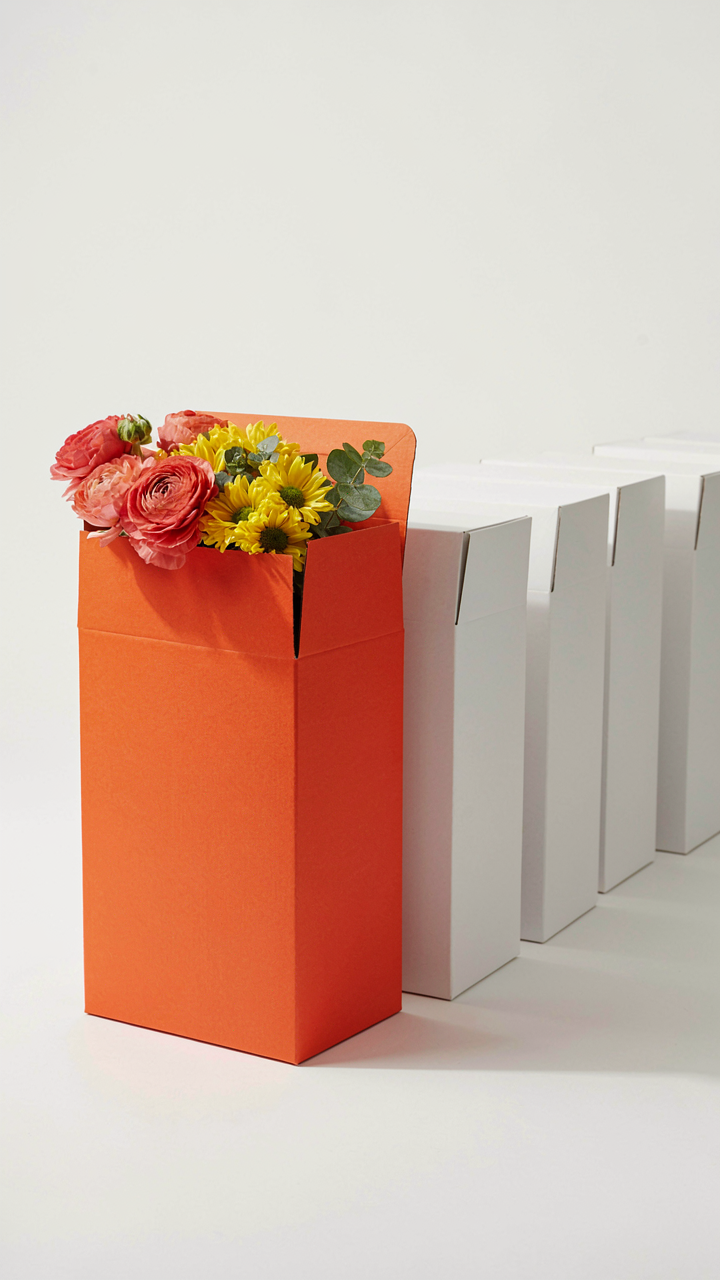
Most florists copy what works instead of building what sells. They slap tissue paper on arrangements and call it done. You know better. Stop asking permission to be different. Today, pick one packaging element that competitors ignore—sustainable materials, unexpected colors, handwritten notes—and commit to it across every delivery. Your customers don’t want pretty flowers. They want proof you’re willing to look ridiculous while everyone else plays it safe. Mediocrity never changed a market.



