
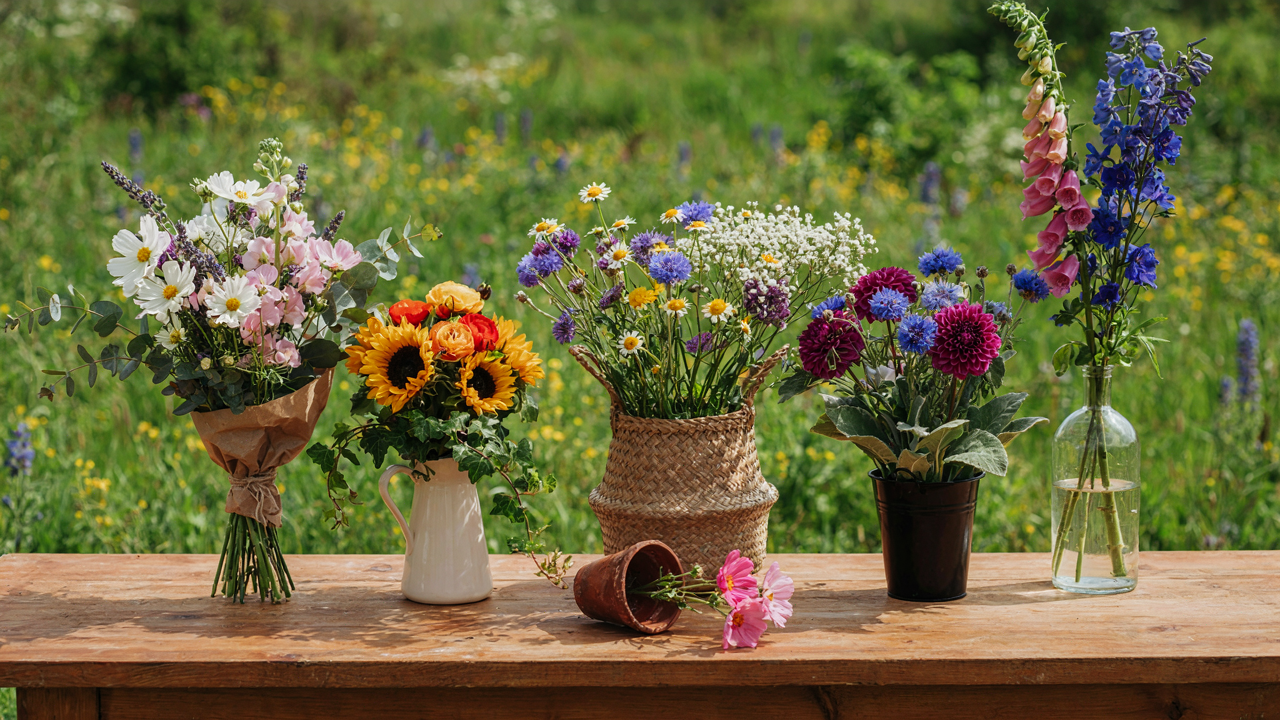
The Illusion Of Effort: Why Your Wildflower Bouquet Looks Forced
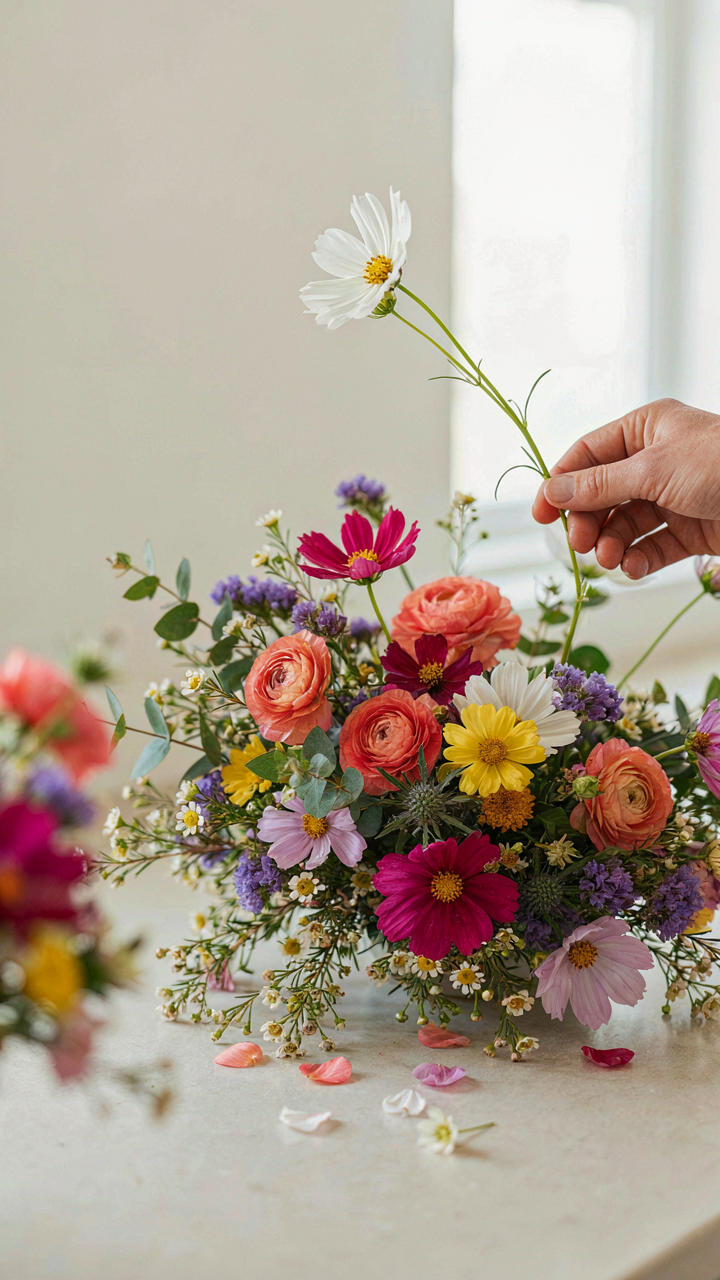
When Restraint Becomes The Skill
You want people to think you didn’t try too hard. That’s the real fear underneath every forced arrangement. The mechanism here is density. Most people jam too many stems into too little space, cramming flowers until the eye has nowhere to rest. Each addition fights for attention instead of supporting the composition. The result reads as nervous, not natural. Wildflower arrangements fail when the arranger confuses abundance with impact.
Every flower you add narrows the visual story instead of expanding it. Remove two stems before you think you’re done. The gaps between flowers matter more than the flowers themselves. Negative space lets viewers process what they’re seeing. Tight clusters create visual noise. Spacing creates meaning. This is why restraint is harder than generosity in arrangement work.
Structure Through Subtraction
The advice to “embrace imperfection” is vague garbage that sounds wise but doesn’t tell you how. Real asymmetry has structure. It follows the principle of visual weight distribution, borrowed from graphic design. In wildflower arrangements, visual weight means the eye’s journey, not physical mass. An off-center cluster of heavy-headed flowers balances a sparse arc of lighter stems on the opposite side. The arrangement doesn’t feel random because the imbalance is intentional.
Asymmetrical arrangements require deliberate placement. Start by identifying your focal flowers, the ones with the most visual demand. Position them off-center, slightly lower. Build secondary stems around them at varied heights and angles. Never mirror left to right. Break the pattern in one direction, then stop. The moment you sense the piece needs “something else,” you’ve already added enough. Step back and let the negative space complete the composition.
Beyond Blooms: The ‘Uncultivated Aesthetics’ Protocol For Natural Flower Bouquet
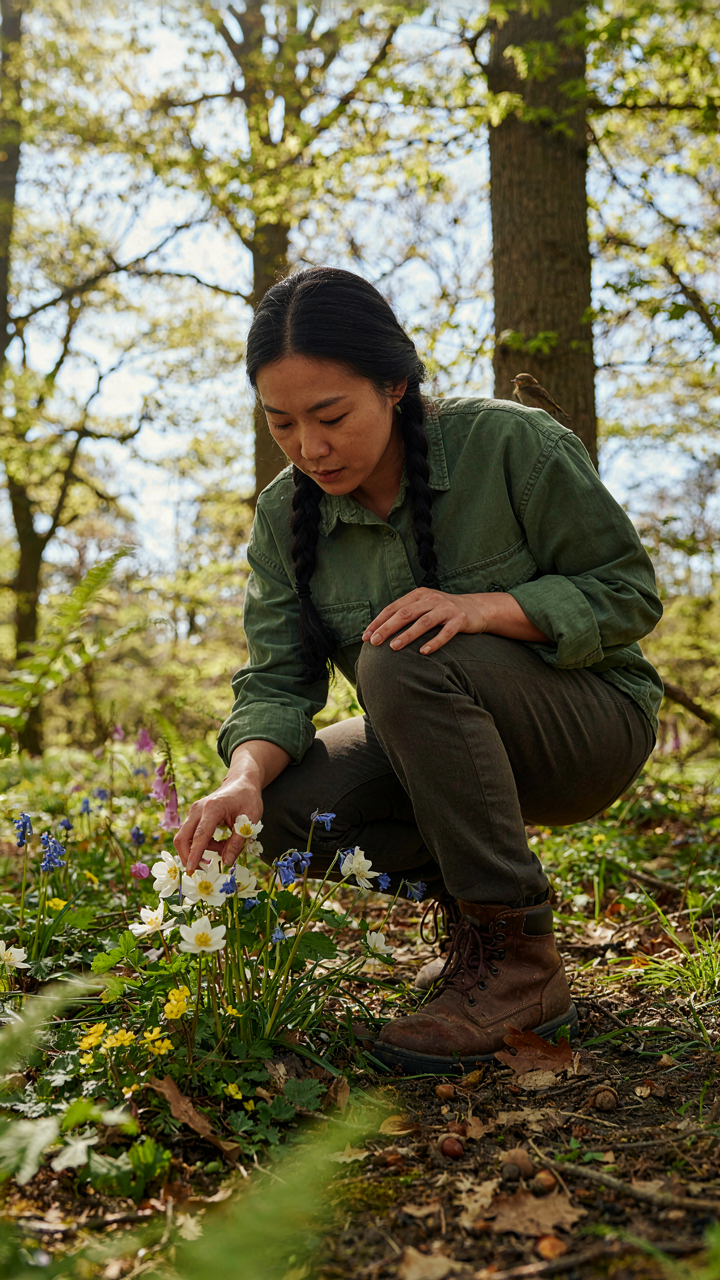
Start With Emotional Intent, Not Pinterest
You want people to think you have taste without trying. That’s the real reason you care about this section. The mechanism is simple: emotion precedes form. Most people reverse this. They grab flowers they think look good, then hope the feeling follows. It doesn’t work that way. Your nervous system reads intent before it reads color.
Define the single emotional response you need first. Nostalgia. Wildness. Calm. Melancholy. Not multiple feelings layered together—one clear state. Everything after this decision filters through that lens. A bouquet meant to trigger nostalgia requires different species, densities, and color ranges than one designed for modern edge. The emotion shapes which flowers survive the edit.
Source Blooms From Actual Ecosystems
Ecology teaches the concept of “niche”—the specific role an organism fills within its environment. A wildflower bouquet arrangement’s niche is determined by which habitat you pull from, not by what nurseries sell you. Most florists ignore this. They blend meadow species with woodland species with wetland species, creating visual noise instead of coherence.
Research the native habitats within fifty miles of your location. Dry grasslands. Oak woodlands. Riparian zones. Wetland edges. Each produces distinct color palettes, stem structures, and bloom timing. Gather reference images of these spaces in their actual season. Notice which flowers cluster together naturally, which textures dominate, which colors emerge when light hits them in unfiltered sunlight. Replicate that specific ecosystem’s logic, not the concept of “wildflowers” in general. Your bouquet becomes credible because it obeys ecological rules, not design rules.
The ‘Ecological Niche’ Principle: Crafting A Coherent Wild Flower Bouquet
Match Species By Growing Habitat
You want your bouquet to look intentional instead of like you grabbed whatever was on sale. The real mechanism is borrowed from ecology: a niche is the specific set of conditions where an organism thrives. In wildflower bouquets, your niche is the combination of moisture, light, and soil type where your flowers actually grow together in nature. Flowers that share a habitat already work visually because they evolved under the same seasonal pressures.
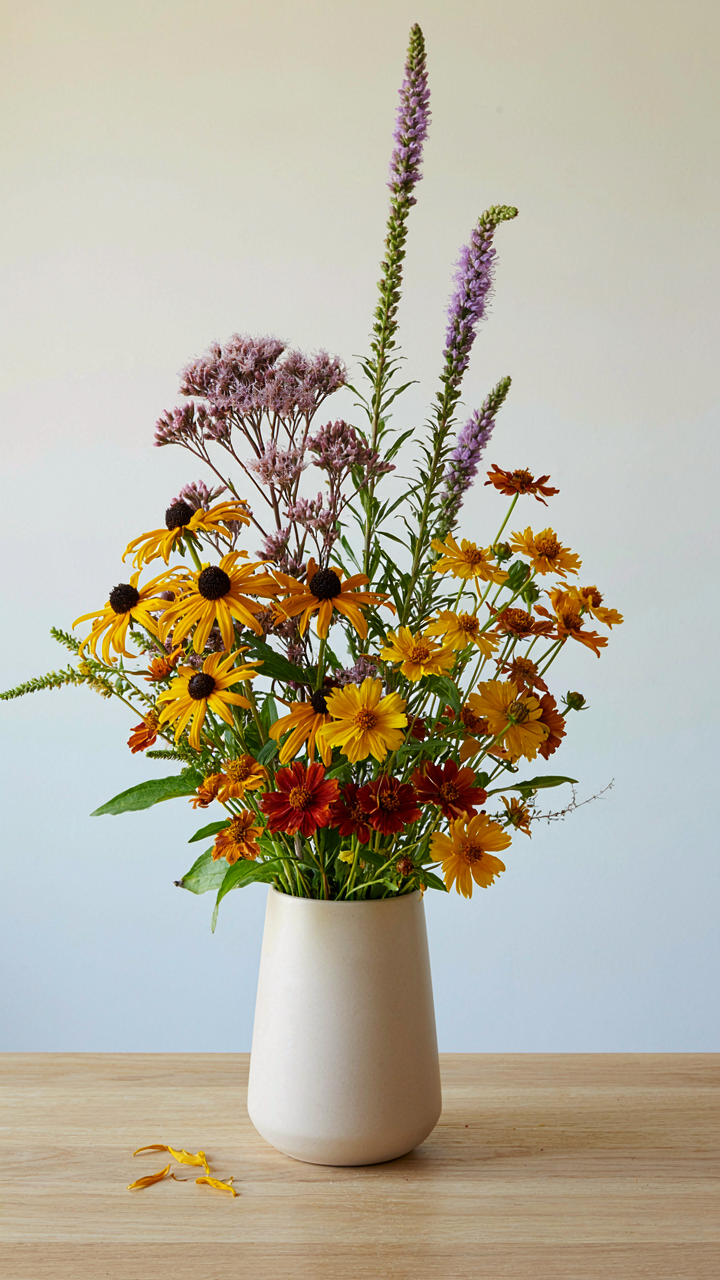
Pairing flowers that thrive in the same environment solves a practical problem most arrangers miss. Meadow flowers like black-eyed susans and coreopsis bloom on similar schedules and have compatible vase lives. Wetland species such as Joe-Pye weed and ironweed need more water retention. When you group by habitat instead of by color or height alone, you get a bouquet that holds together through the arrangement’s entire lifespan, not just for the first day.
Contrast Form Against Texture
Most advice tells you to mix “heights and shapes” without explaining why it matters. The real answer is visual hierarchy. Tall, linear stems give the eye a spine to follow. Clustered, rounded flower heads create resting points. Delicate, thread-like foliage breaks up dense areas and prevents the arrangement from reading as a blob.
Wildflower arrangements gain coherence through deliberate opposition, not random mixing. Use tall, single-stem flowers like liatris or blazing star as your vertical anchor. Layer in round, clustered forms like yarrow or Queen Anne’s lace to fill gaps without adding weight. Then introduce fine, feathery elements like baby’s breath or fennel foliage to create negative space. This three-part structure repeats across the entire arrangement and makes the composition read as intentional craft instead of accident.
Simple Wildflower Bouquet: The Power Of Negative Space And Focal Points
Empty Space Works Harder Than Flowers
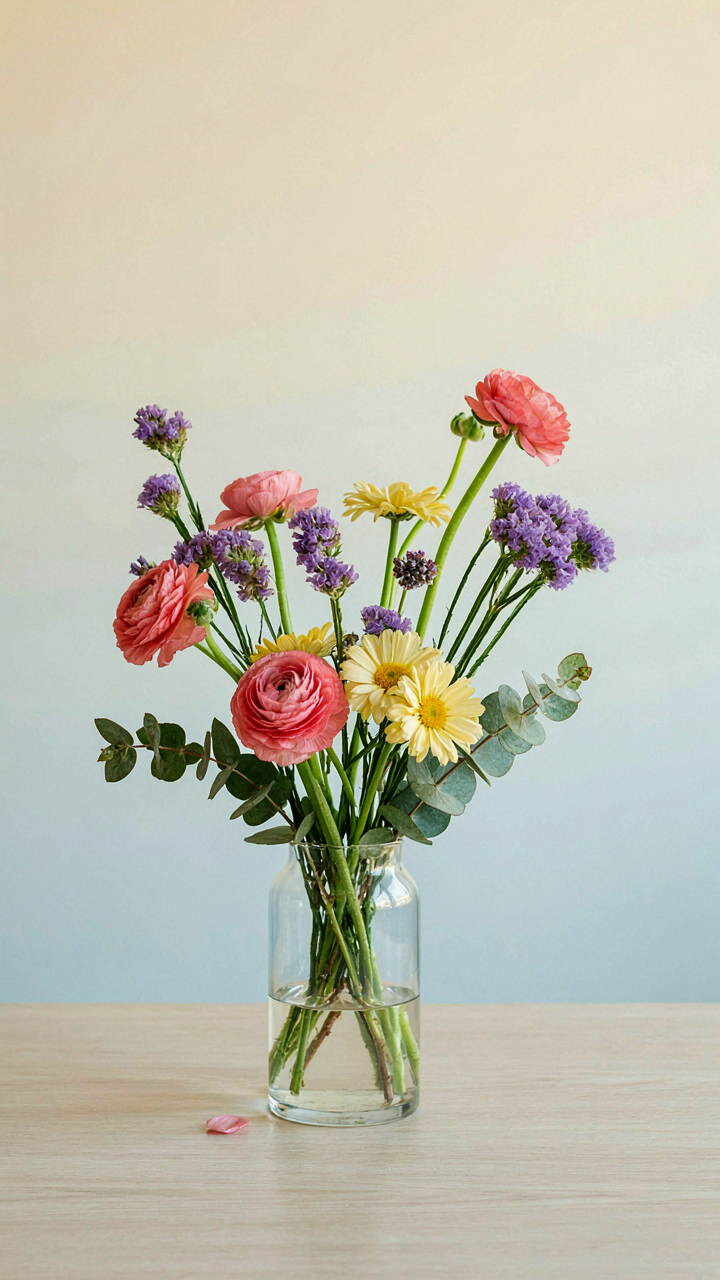
You want permission to use fewer stems and still look intentional. Here’s the mechanism: negative space—borrowed from visual design and architecture—is the unused volume that lets the eye rest and stops competing for attention. In floral work, negative space is the air between stems. Most people fill it. That’s the mistake. Strategic voids force each bloom to stand alone, which makes it register as deliberate rather than sparse.
The math is counterintuitive but real. A tight, crowded arrangement reads as busy and demands visual effort. A loose arrangement with deliberate gaps makes each flower matter. Remove half your stems, double your impact. Place wildflowers with at least two inches of visible stem space between them when viewing from the front. Let the container bottom and any greenery show through. This isn’t minimalism for style points—it’s the structural principle that prevents visual noise from collapsing impact into clutter.
One Dominant Bloom Sets The Anchor
Pick one flower type that dominates by size, color saturation, or placement—this is your visual anchor, the term borrowed from graphic design where one element grounds the entire composition. Without it, the eye wanders and finds no resting point. In wildflower work, this means one bloom type should occupy roughly forty to fifty percent of the arrangement’s visual weight, even if it’s not the majority of stems.
Black-eyed Susans, cosmos, or yarrow work well as anchors because their size or color draws focus without requiring rarity. Place the anchor blooms slightly off-center and at varying heights to avoid symmetry, which reads as forced in wildflower arrangements. The remaining stems support rather than compete. Once you’ve placed your anchor flowers, every other stem should recede—use lighter colors, smaller blooms, or finer stems that work behind rather than forward. This single protocol step prevents arrangements from looking accidental.
The Deliberate Foraging Method For Wildflower Bouquets
Know What Grows Where You Are
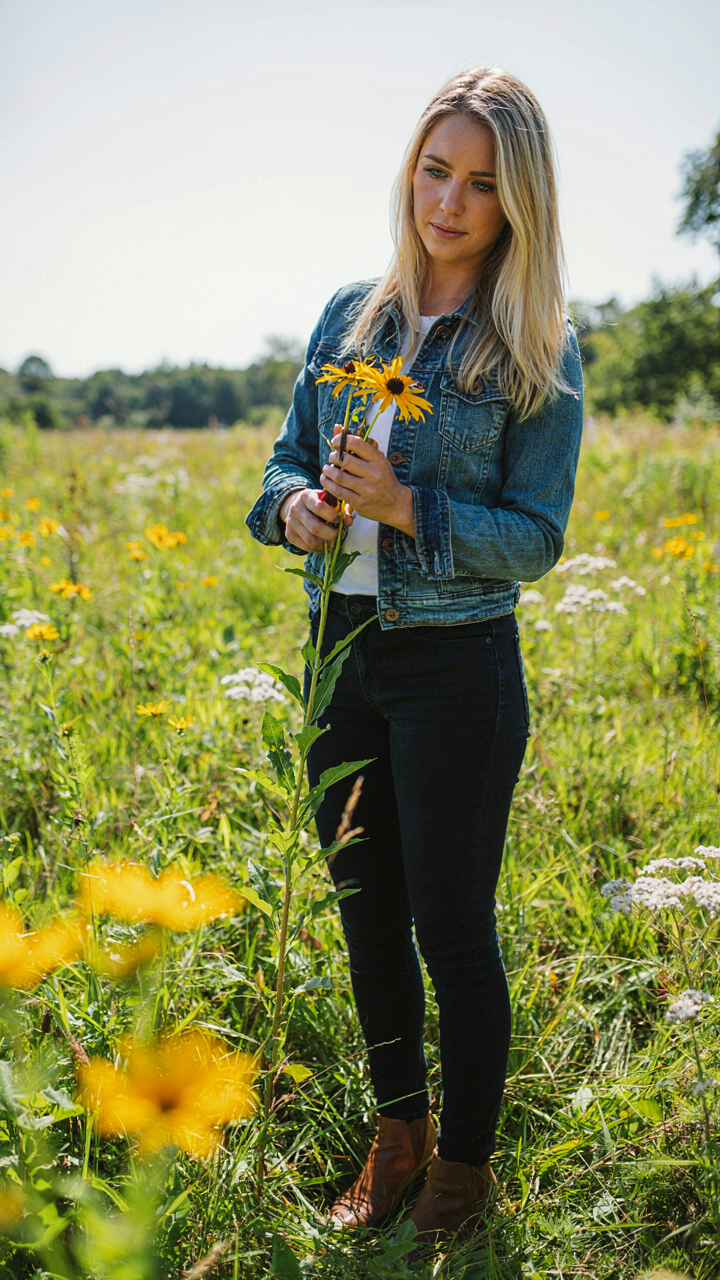
You want wildflower bouquets to look authentic without feeling like you’re destroying nature, and that status anxiety is exactly why most people buy pre-arranged flowers instead of learning this. The mechanism is simple: wildflower arrangements succeed when you source from what actually thrives in your region during specific seasons. This isn’t romantic discovery. It’s inventory management applied to botany. You’re matching supply to season, not the reverse.
- Black-eyed Susans: Peak bloom late summer through fall in eastern and central North America. Bright yellow petals, dark center. Drought tolerant once established in meadows.
- Lupines: Spring and early summer bloomer across western states and cooler regions. Purple, blue, or pink spikes. Nitrogen-fixing nitrogen in soil, indicating healthy meadow ecosystems.
- Coneflowers (Echinacea): Mid-summer through early fall across most of North America. Purple, pink, or white petals. Native species, not the cultivated ornamental versions.
- Yarrow: Summer bloomer throughout North America. Flat flower clusters in white, yellow, or pink. Spreads aggressively in disturbed soil, making it abundant in abandoned fields.
- Queen Anne’s Lace: Late summer through fall in open fields and roadsides. Delicate white lacy flowers. Technically invasive, but its abundance makes ethical harvesting straightforward.
- Goldenrod: Late summer through fall across North America. Yellow plumes. Commonly blamed for allergies, though ragweed causes most reactions. Abundant enough to harvest without impact.
Identification matters because illegally harvesting endangered species tanks your arrangement’s reputation fast, and it’s a criminal liability you don’t need. Learn the difference between threatened native species and abundant volunteers. Use a regional field guide specific to your state or province, not generic wildflower books. Check your local native plant society’s website for species status before you cut anything.
Take Only What The Land Replaces
Ethical harvesting isn’t a feeling. It’s a protocol based on regeneration rates. In ecology, this concept is called maximum sustainable yield, and it means you harvest only what the population produces annually without shrinking the breeding stock. You don’t take the last plant. You don’t harvest immature specimens. You don’t strip entire patches.
The basic rule: never take more than one-third of any plant stand, and leave the flowering heads so seed sets naturally. This protects next year’s population. Cut stems with a sharp knife at an angle, never pull roots. If you’re foraging on private land, ask permission first. On public land, check regulations. Many parks and preserves forbid harvesting entirely. Take photos of the location and date. Document what you harvested and volume. This accountability prevents overcollection and protects the resource for other foragers and pollinators.
Unlocking Wildflower Bouquet Colorful Potential: Beyond The Rainbow
The Single Color Strategy
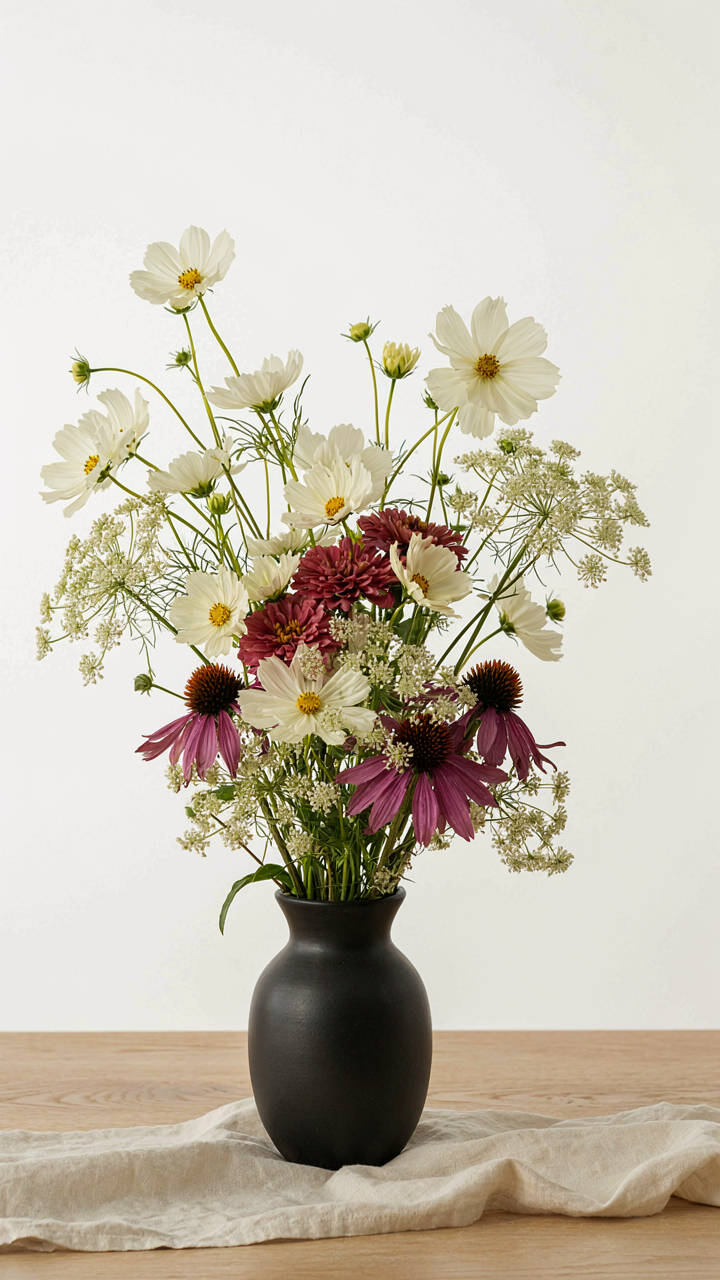
You want permission to ignore the rainbow because you think limitation looks cheap. It doesn’t. Monochromatic arrangements work because constraint forces you to control the one variable that actually matters: tonal depth. In design, what painters call “value” is the distance between light and dark. A monochromatic wildflower bouquet uses one hue across multiple values—cream cosmos next to burgundy zinnias, pale Queen Anne’s lace layered with deep purple coneflowers. This creates visual movement without color noise.
The mechanism is simple. Your eye reads tonal shift as dimension. When all flowers share the same color family but vary in lightness, the arrangement develops foreground and background naturally. Build monochromatic bouquets by selecting wildflowers in the same hue range, then deliberately source both pale and dark specimens. Start with your darkest flower as an anchor point. Layer lighter versions forward. This protocol forces intentionality and eliminates the amateur mistake of grabbing whatever looks pretty.
Tension Through Restraint
Everyone says mix saturated and muted tones. That’s incomplete advice. The real mechanic is contrast ratio, borrowed from visual hierarchy in graphic design. Saturation contrast works only when you establish a dominant muted field first, then place vibrant flowers strategically as interruption points, not scattered throughout. A bouquet of dusty rose, sage green, and dried tan stems with three saturated red poppies reads as intentional. The same bouquet with random bright flowers reads as accidental.
The protocol: commit eighty percent of your arrangement to desaturated wildflowers. Muted tones are easier to find than you think—dried grasses, pale yarrow, silvered artemisia, faded lavender. Reserve twenty percent for your vibrant pops. Place those saturated blooms in a tight cluster or along one visual edge, never scattered. This creates visual tension without chaos. The viewer’s eye lands on the bright flowers because they’re rare, not because they’re everywhere.
Bouquet Of Wild Flowers: Structural Integrity, Not Just Aesthetics
The Container That Holds Weight
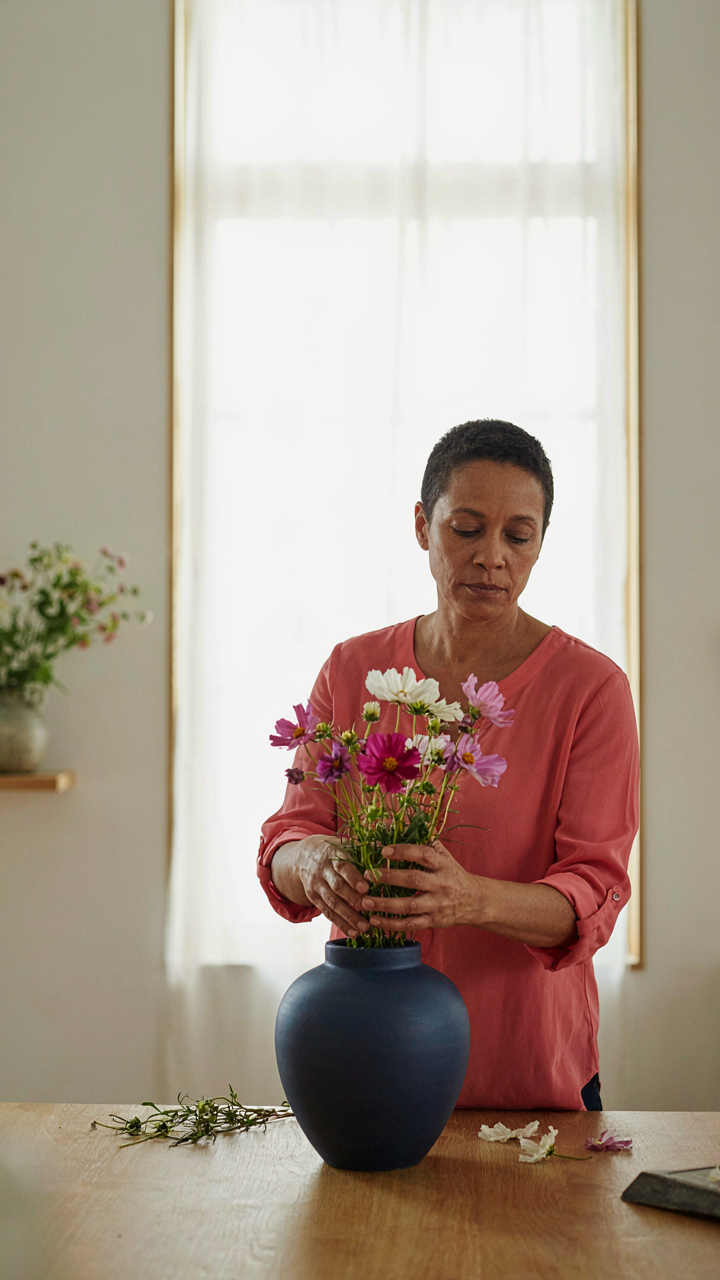
You want your bouquet to look effortless. That’s the real fear underneath this section: that people will see the work, the mechanics, the strain. The mechanism is simple: a wildflower bouquet fails structurally when the vessel can’t distribute weight across the stem mass. Think of it like load-bearing architecture. The container is your foundation.
Wildflowers have irregular stem thicknesses and angles that don’t pack like roses do. A narrow vase creates pressure points instead of dispersing force. Wide-mouthed vessels with a low center of gravity prevent tipping. Glass reveals everything, so many florists avoid it with wildflowers. Ceramic or opaque containers hide the stem bundle and let the flowers do the visual work. The vessel choice determines whether your arrangement survives transport and sits stable on a table for days.
Stem Preparation That Actually Extends Life
The common advice here is generic: cut at an angle, remove lower leaves, change the water. That’s incomplete. The real mechanism is about capillary action and bacterial load. Wildflowers have softer stems than florist hybrids, so they absorb water faster but also clog faster when bacteria colonize the cut surface.
Cut stems fresh, underwater if possible, to prevent air pockets from forming in the xylem. Strip leaves below the waterline completely. Recut every two to three days at a fresh 45-degree angle. The angle matters because it increases surface area for water uptake. Wildflowers need deeper water than arranged flowers typically get, and they need it changed more often. This protocol keeps capillary pathways open and prevents the bacterial biofilm that blocks hydration in under a week.
Wildflower Bouquet Ideas: Contextualizing For Special Occasions
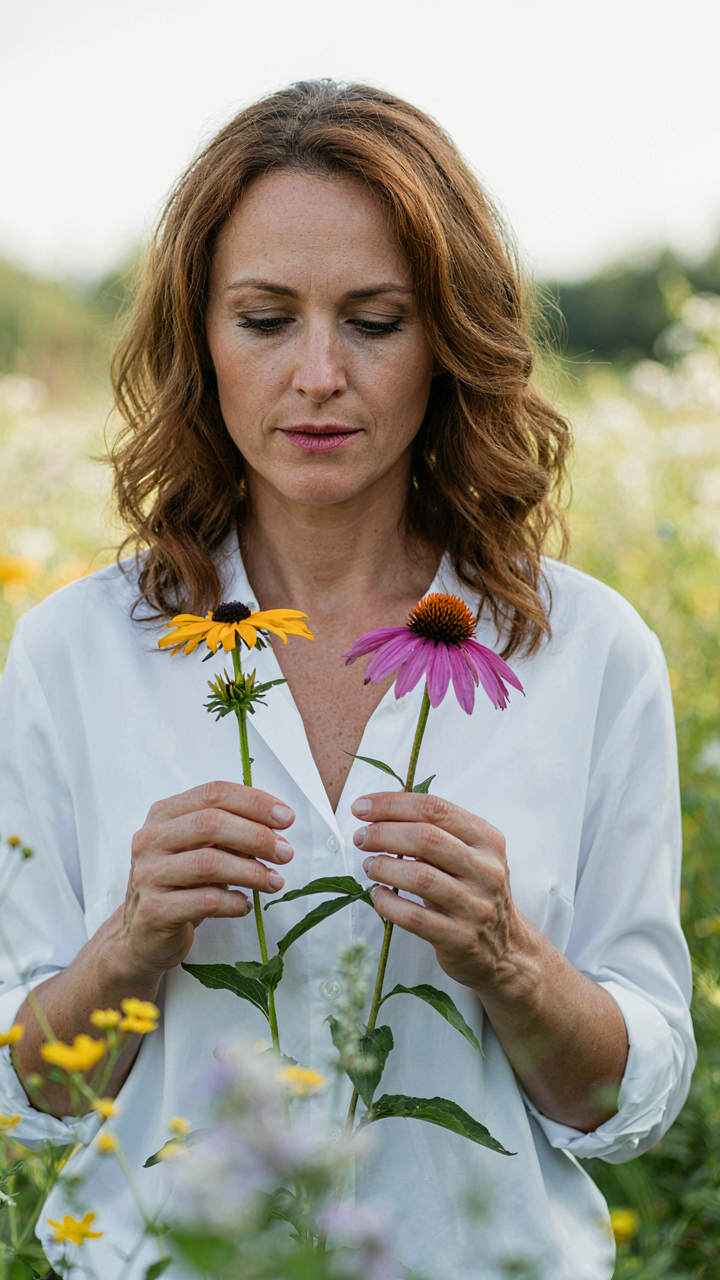
Formality And Mood Drive Structure
You’re worried the wrong bouquet will broadcast that you don’t understand the occasion. The mechanism is this: formality exists on a spectrum, and wildflower arrangements occupy the middle ground between rigid florist conventions and pure chaos. This positioning is their strength, not a weakness.
Casual events—garden parties, picnics, intimate gatherings—demand loose, asymmetrical arrangements with visible stems and airflow. Formal occasions like weddings or corporate events require tighter massing, height variation, and controlled color palettes. The difference isn’t decoration. It’s signal. A structured wildflower bouquet reads deliberate. A sprawling one reads relaxed. Match the structure to what the event demands, not to what feels prettier.
Symbol Selection Shapes Perception
Flower symbolism isn’t universal, but it’s consistent enough within Western contexts that your audience will interpret it whether you intend it or not. Black-eyed Susans read gratitude and resilience. Daisies signal innocence and loyalty. Yarrow conveys healing. Coneflowers communicate strength. Don’t treat these meanings as decoration—treat them as language. Choose flowers that reinforce the emotional tone you want the recipient to absorb.
The shortcut most people take is ignoring symbolism entirely and just grabbing whatever looks cohesive. That leaves money on the table. A bouquet with intentional flower choices becomes a message wrapped in color and form. Spend two minutes matching each stem’s historical or cultural meaning to your relationship with the recipient. This single protocol step separates thoughtful from forgettable.
Beyond The Fad: Cultivating Your Unique Wildflower Bouquet Aesthetic
Find Your Foraging Territory
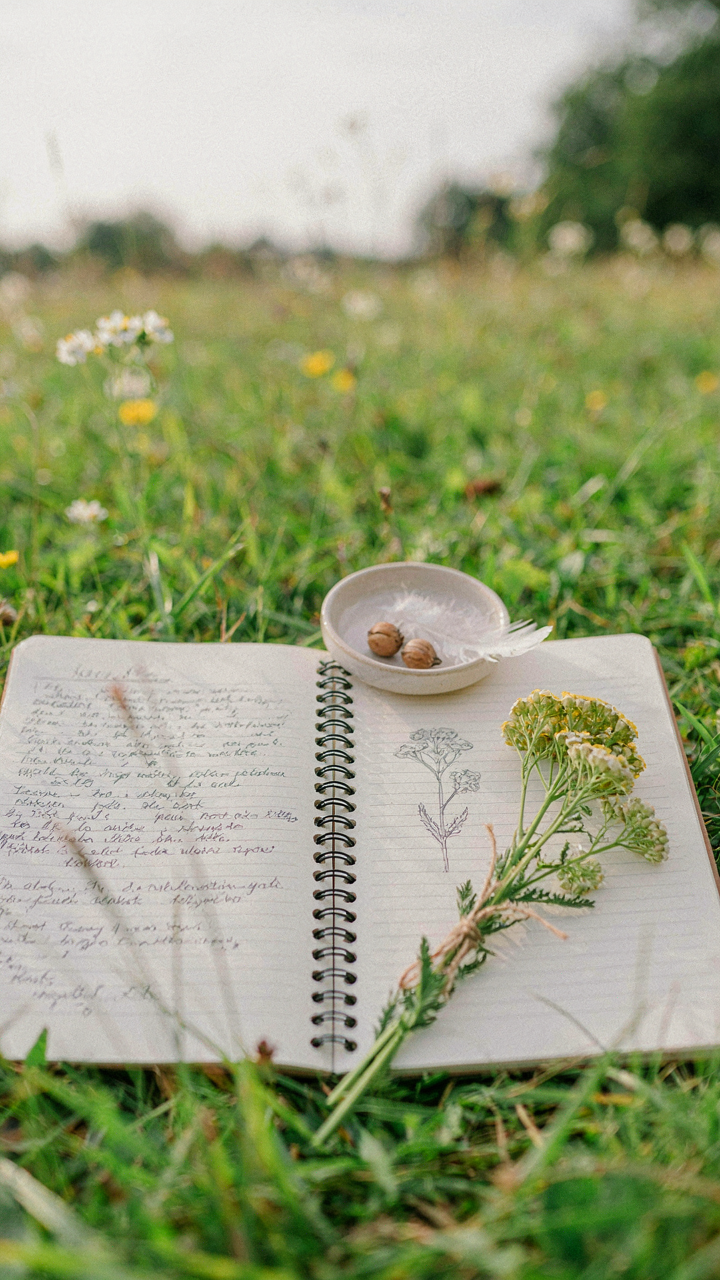
You want permission to call yourself an expert without doing the unsexy repetition work. Here’s the mechanism: expertise in wildflower bouquets isn’t about knowledge, it’s about location specificity. You need three to five spots you visit across seasons, not a mental catalog of every flower that exists. This is applied ecology. In ecology, a niche is the specific role an organism plays in its environment. Your foraging niche is the combination of location, season, and accessible varieties that become your reliable source. Scout properties in late winter when you can see the ground. Document soil type, sun exposure, and existing growth patterns. Return to the same spots monthly from spring through fall. This teaches you when each flower peaks, which ones coexist, and what conditions trigger blooms early or late.
The real advantage isn’t access to rare specimens. It’s that you become predictable to your own supply chain. You know exactly what you’ll find on March 15th, what combinations work in May, and which pairings you’ve tested a dozen times. Three consistent locations beat fifty locations you visit once. Set a calendar reminder to scout each spot on the same date quarterly. Photograph what’s actively blooming with the date and time visible. Cross-reference with local precipitation and temperature data to build a pattern. Your signature pairings emerge from this data, not from Pinterest boards.
Document What Actually Works
Most florists keep terrible records and wonder why they repeat failures. You need a system that tracks what you cut, what you paired it with, and whether the arrangement lasted or died within two days. This is basic inventory management applied to living materials. In inventory systems, tracking SKUs prevents waste and reveals patterns in what moves fastest. Your SKU is the wildflower variety, the location it came from, the date harvested, and the vase life it actually delivered. Use a simple spreadsheet or note app. Record the flower name, cutting location, collection date, which other flowers you paired it with, water temperature used, vase longevity in days, and client feedback if applicable. Include photos. Review this monthly to identify which combinations survived well and which wilted fast.
The pattern that emerges tells you your real constraints, not your theoretical ones. Maybe yarrow pairs beautifully with black-eyed Susan in theory, but in your climate and with your harvesting technique, the yarrow always drops stems by day three. Document that. Maybe feverfew from your northern spot lasts ten days, but the same variety from your southern location lasts five. Document that too. After three months of consistent logging, you’ll have eliminated most of your guesswork. Your signature aesthetic isn’t a vision you impose on flowers. It’s the system of what actually survives in your hands, in your climate, with your technique.
Your Real Obstacle Isn’t A Lack Of Creativity, But The Fear Of Letting Nature Speak For Itself
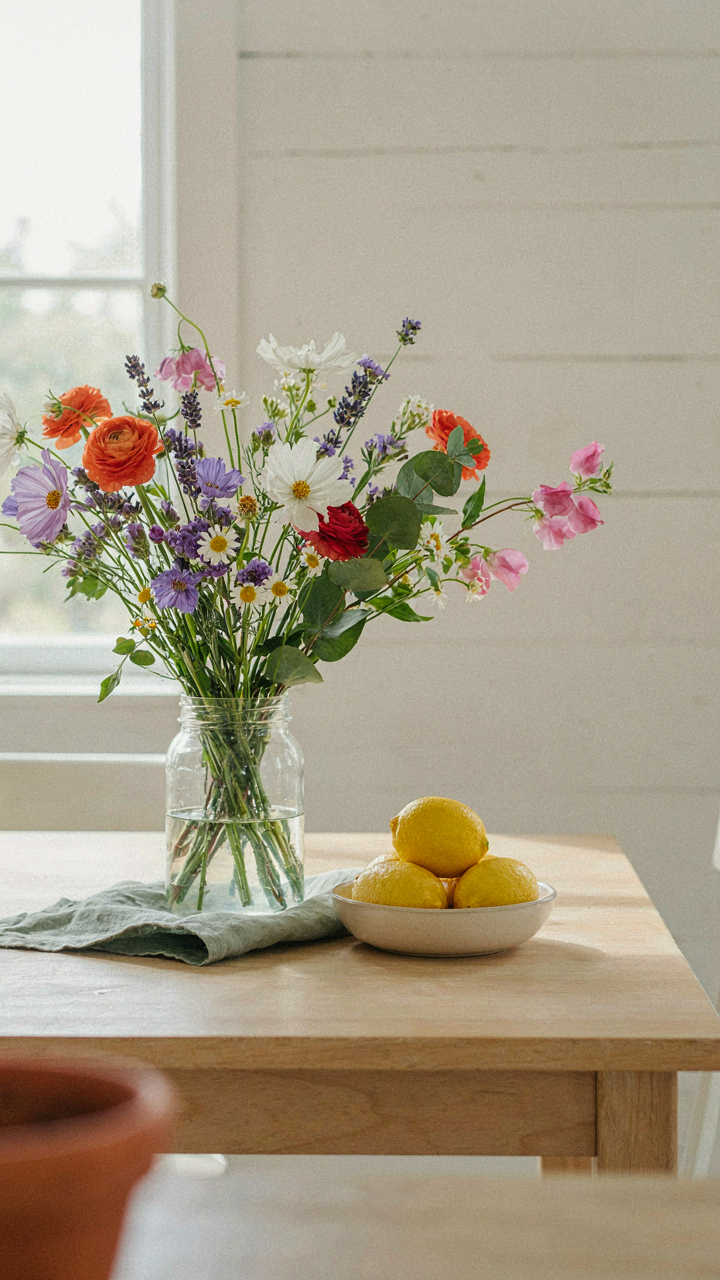
Most people kill wildflower arrangements by over-arranging them. You suffocate the whole point trying to make it perfect. Stop fighting the asymmetry, the odd angles, the stems that refuse to cooperate. That’s the design. Go buy a bundle of wildflowers today and build one arrangement without touching it for five minutes. Let it breathe. The most compelling arrangements aren’t designed, they’re discovered.



