
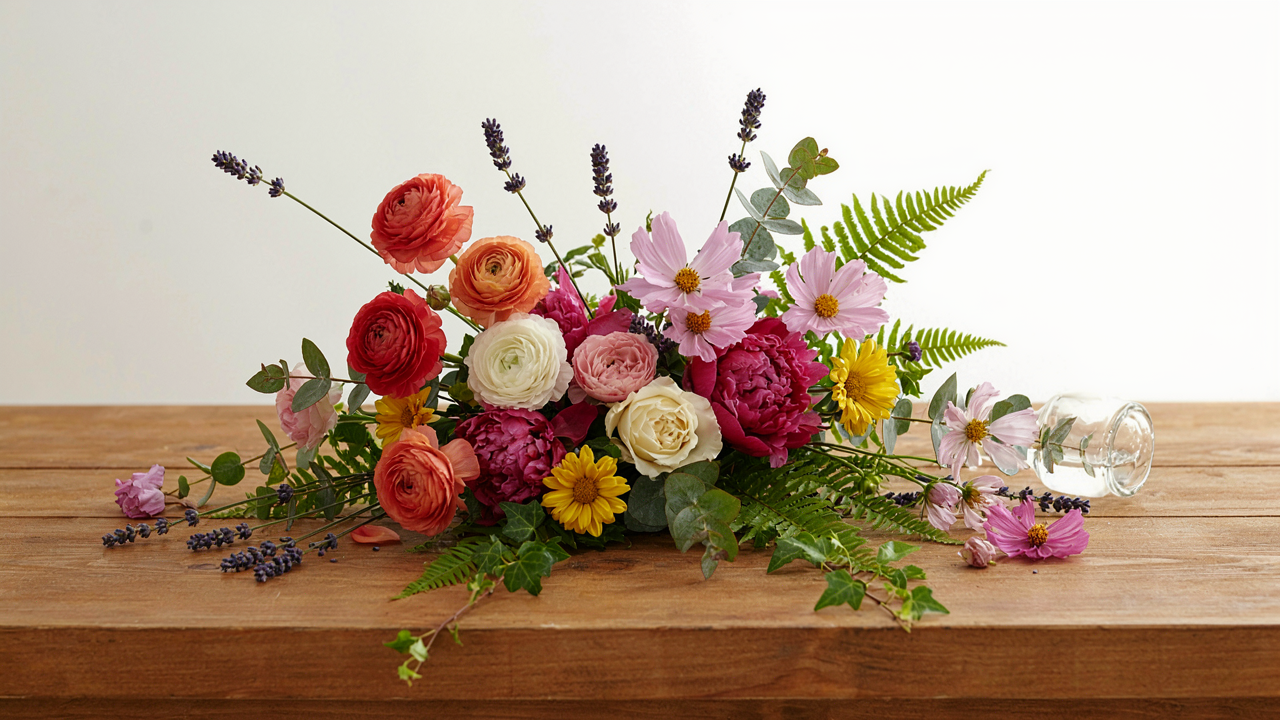
The Unspoken Truth About Festival Flower Crowns
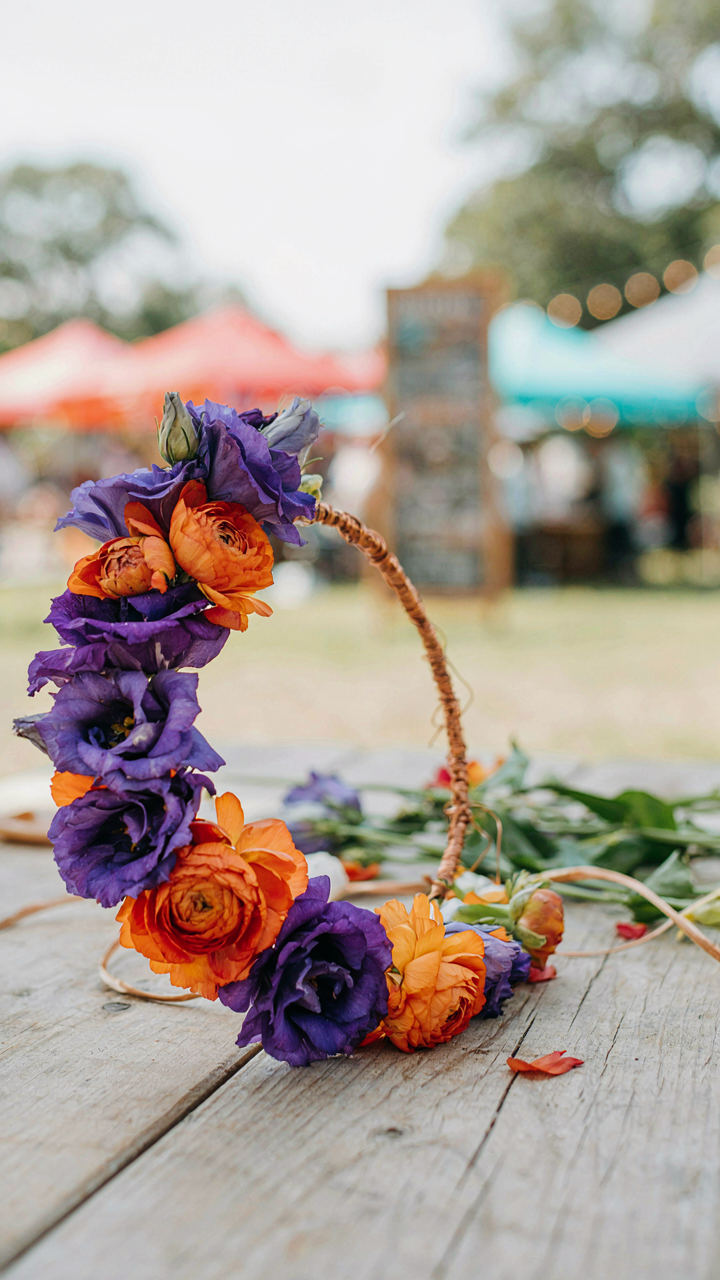
Why Simple Designs Get Ignored
You want to stand out without looking like you tried too hard. That’s the real anxiety underneath this whole thing. But here’s what actually happens: basic designs fail because they rely on symmetry and uniform spacing. Signal theory from design tells us that contrast creates information. Your crown competes against dozens of others in the same space. Uniform density reads as noise. The mechanism is simple: repetition without interruption vanishes into the background.
Most beginner crowns use the same flower size, the same spacing, and the same color progression around the entire structure. This trains the eye to stop paying attention after the second bloom. Strategic asymmetry works because it forces the viewer’s brain to keep scanning for the pattern. Your crown should have a visual anchor, a moment of density or unexpected color that breaks the predictable rhythm. That anchor is what gets remembered.
What Your Crown Actually Says
Your crown is a status signal before it’s decoration. Anthropology frameworks show us that adornment communicates rank, belonging, and access to resources. A festival flower crown signals leisure time, access to fresh botanicals, aesthetic intentionality, and group membership within a specific subculture. The flowers you choose, how they’re arranged, and what plant materials frame them tell a story about your relationship to effort and taste. A crown that looks effortless requires the most effort. That contrast is the entire point.
The real mechanism here is differentiation through constraint. You’re not trying to be the most elaborate crown at the festival. You’re trying to be the crown that looks intentional, not desperate. This means editing ruthlessly: fewer flower types, strategic color blocking, and visible structural elements like copper wire or branches that show you made a choice. A crown signals “I understand the aesthetic” when it demonstrates restraint. Build your structure first, then add flowers to highlight what you built, not to hide it.
The Minimalist’s Manifesto: Less Is More Impact
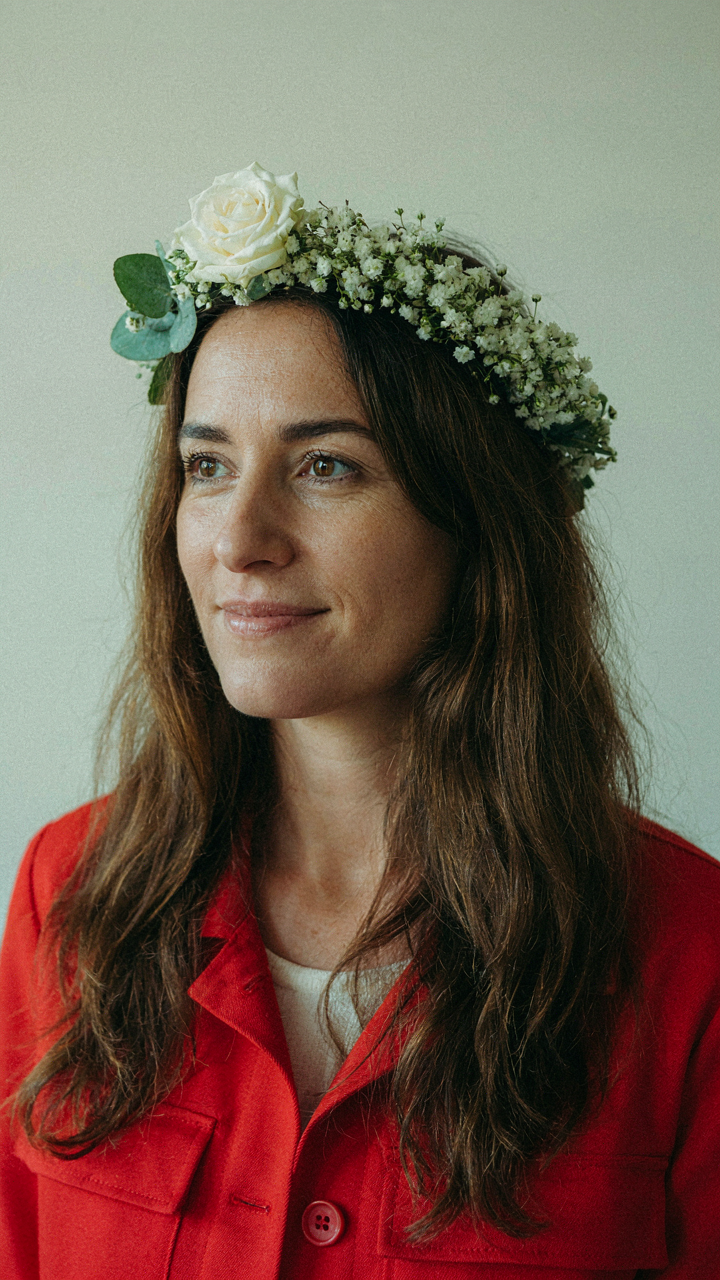
Where You Place One Bloom Matters More Than Count
You want to look intentional without looking like you tried too hard. That’s the real game here. Borrowing from design hierarchy, a festival flower crown operates on the same principle as visual weight in graphic design: one focal point crushes ten scattered elements. Placement determines whether your crown reads as deliberate or accidental. High placement on the crown’s peak or asymmetrical to one side creates tension that catches light and eyes. Center everything and you disappear into the crowd.
The mechanics are simple. Your dominant bloom goes where it catches head movement first. If you wear your crown at a slight angle, place the statement flower on the elevated side. This forces the eye to land there immediately. Everything else becomes supporting structure, not competition. You’ve now engineered attention without volume.
One Statement Bloom Over Visual Noise
Most advice says fill the crown. Bad advice. A single premium bloom paired with filler greenery outperforms a dense arrangement because it establishes a visual anchor. Your brain stops searching once it finds the focal point. Dense arrangements create scanning fatigue. One statement bloom ends the search instantly.
Choose a bloom with structural integrity and size that reads from three feet away. Garden roses, ranunculus, or a premium peony work because they hold shape under movement and outdoor conditions. Pair it with eucalyptus, Italian ruscus, or leather leaf for texture without competing for attention. The filler serves one purpose: it frames the statement, nothing more. Apply this at construction time, not as an afterthought.
Deconstructing The Effortless Flower Crown Aesthetic
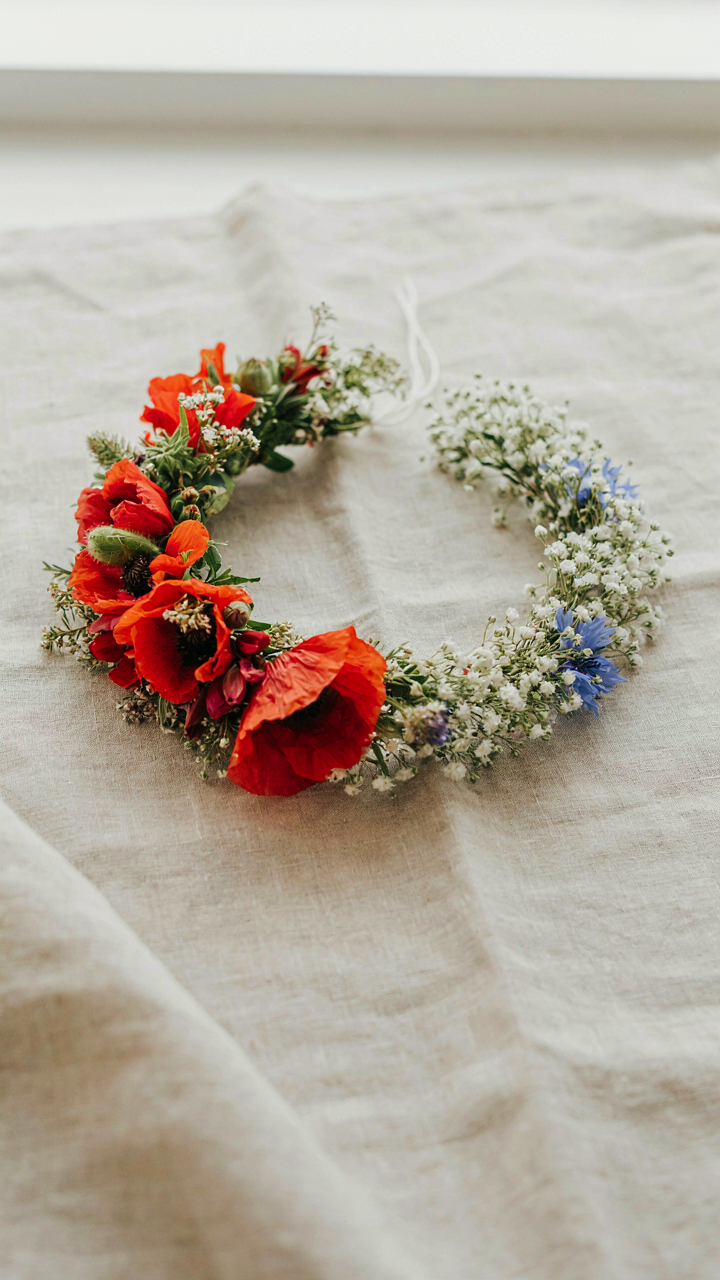
Why Asymmetry Matters More Than You Think
You want people to assume you didn’t try. That’s the real draw here. The mechanism comes from design principle called balance, borrowed from visual arts. Symmetrical crowns read as “I followed instructions.” Asymmetry signals intention masked as accident. One side heavier with blooms, the other sparse. One stem angled upward while others slope down. This isn’t random. It’s controlled imbalance that makes the whole piece feel alive instead of constructed.
The shift happens when you place your heaviest cluster off-center by at least two inches. Start with your base wire curved to fit your head. Then anchor your statement flowers on one side only. Fill the opposite side with filler greenery and single stems. This creates visual weight distribution that reads as natural variation, not symmetrical craft work. Your eye lands on the asymmetry first, which triggers recognition that this person knows what they’re doing.
The Craft Project Trap Is Real
Most beginner crowns fail because they treat the base as a canvas to fill every inch. This is wrong. Tightly packed flowers scream “hot glue gun project.” The professional move is restraint. You leave negative space. You let the wire show in places. You use fewer stems and space them with intention. Dense crowns date themselves instantly because they ignore how actual flower arrangements breathe.
The specific protocol: use a base of no more than eight to twelve main stems depending on crown size. Space them two to three inches apart along your wire base. Fill gaps with greenery only, not additional flowers. This creates rhythm instead of clutter. Your eye moves through the crown rather than stopping at overwhelming density. The result reads as intentional design, not an amateur filling every gap to hide wire imperfections.
The “Festival Flower Crown Outfit” Equation: Harmony Not Clutter
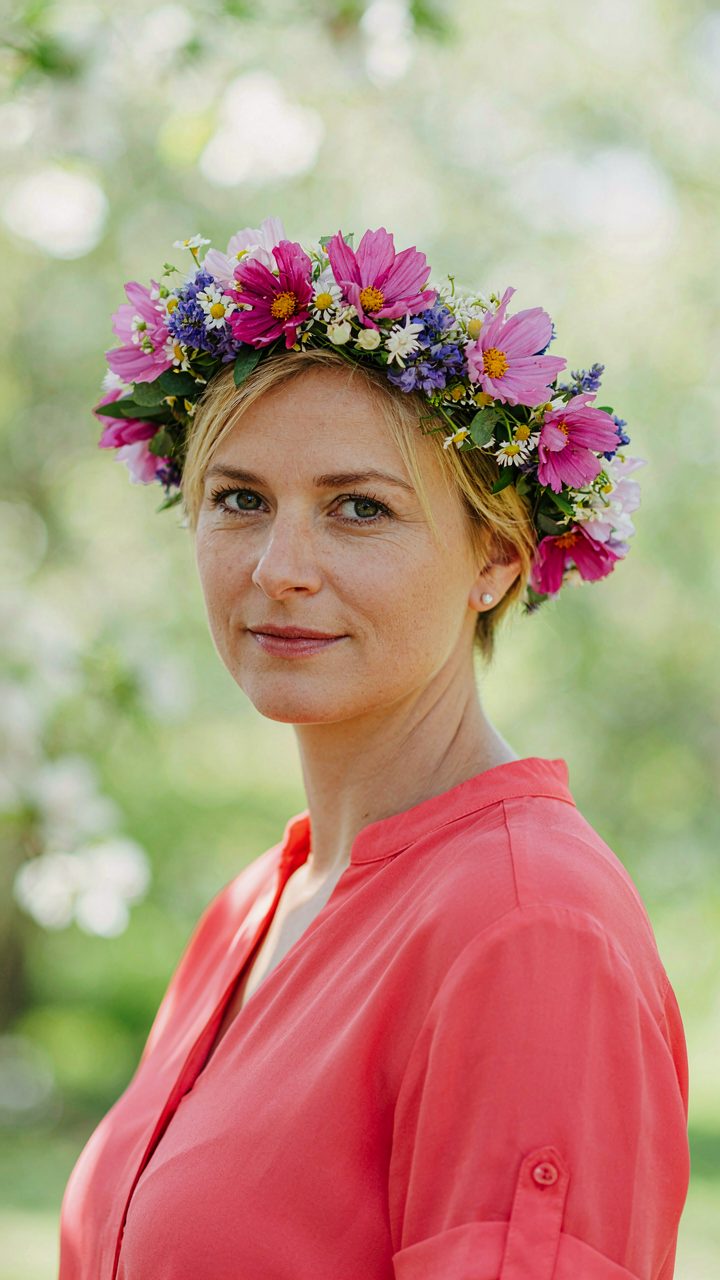
Crown As Focal Point, Outfit As Supporting Cast
You want the crown to do the work so you don’t have to think about what else to wear. That’s the real fear here. Most people treat the crown and outfit as separate problems, then panic when they clash. Wrong frame. Apply the principle of visual hierarchy from graphic design: one element dominates, everything else recedes. Your crown is the signal. Your outfit is the noise filter.
The mechanism is simple. A statement crown demands a neutral or minimal base. Think black, white, tan, or denim. Bare shoulders or a simple tank top. Your eyes land on the flowers first because nothing else competes. If you wear a patterned shirt, sequined bra, and a heavy crown simultaneously, you’ve created visual static. The crown loses its power. You become a collage instead of a composition.
Color Theory For Cohesive Festival Style
The common advice is “match your crown colors to your outfit.” That’s backwards. Color theory from fine art teaches us to use complementary relationships strategically, not by accident. Your crown colors should either echo your outfit in one accent shade or sit in visual opposition through strategic restraint.
Pick one color from the crown to repeat somewhere small in your outfit. A green eucalyptus leaf in your crown pairs with a green belt or green shoes. This creates rhythm without oversaturation. Alternatively, go the opposite direction: neutral outfit, full-spectrum crown. Tan linen dress, wildflower crown with pinks, purples, and whites. The crowd reads it as intentional, not chaotic. The outfit becomes the canvas. The crown becomes the art. Test this before the festival in a mirror under natural light, not indoor fluorescent.
The Anti Trend Protocol: Crafting A Unique Floral Headpiece

When Trends Become Liabilities
You want your crown to look effortless and original because you’re afraid of being one of fifty identical flower crowns at the same festival. That fear is accurate. The mechanism is simple: trends die fast, and copying them guarantees your look expires with them. Instead, anchor your design to principles that outlast seasons. Boho aesthetics from the 1960s still work. Maximalist floral density from Victorian era fashion still reads as intentional. The pieces that survive are those built on structural logic, not Instagram cycles.
Fads in festival wear collapse because they depend on novelty, not function. A crown built around what actually stays in your hair and complements your face shape becomes timeless by accident. You don’t need to invent something new. You need to steal from eras that already proved their staying power. Identify which historical period matches your aesthetic instinct, then execute it with precision rather than approximation.
Structural Integrity Over Visual Weight
Borrow from architecture: load bearing matters in floral design the same way it matters in building. Your base is the load-bearing wall. Everything else hangs from it. Most beginners fail because they add flowers without understanding weight distribution, creating crowns that slip or collapse by hour three. The real work happens in the foundation you never see.
Start with a sturdy wire frame or headband rated for the total weight of your flowers and greenery. Secure it to your head first, test the fit when empty. Then add flowers in layers, placing heavier blooms closer to the base where structural integrity is highest. Distribute weight evenly across the circumference rather than stacking everything on one side. This single protocol prevents the most common failure: a crown that looks stunning in photos but feels like a slipping burden within minutes.
Flower Crown Hairstyles: The Foundation Of Impact
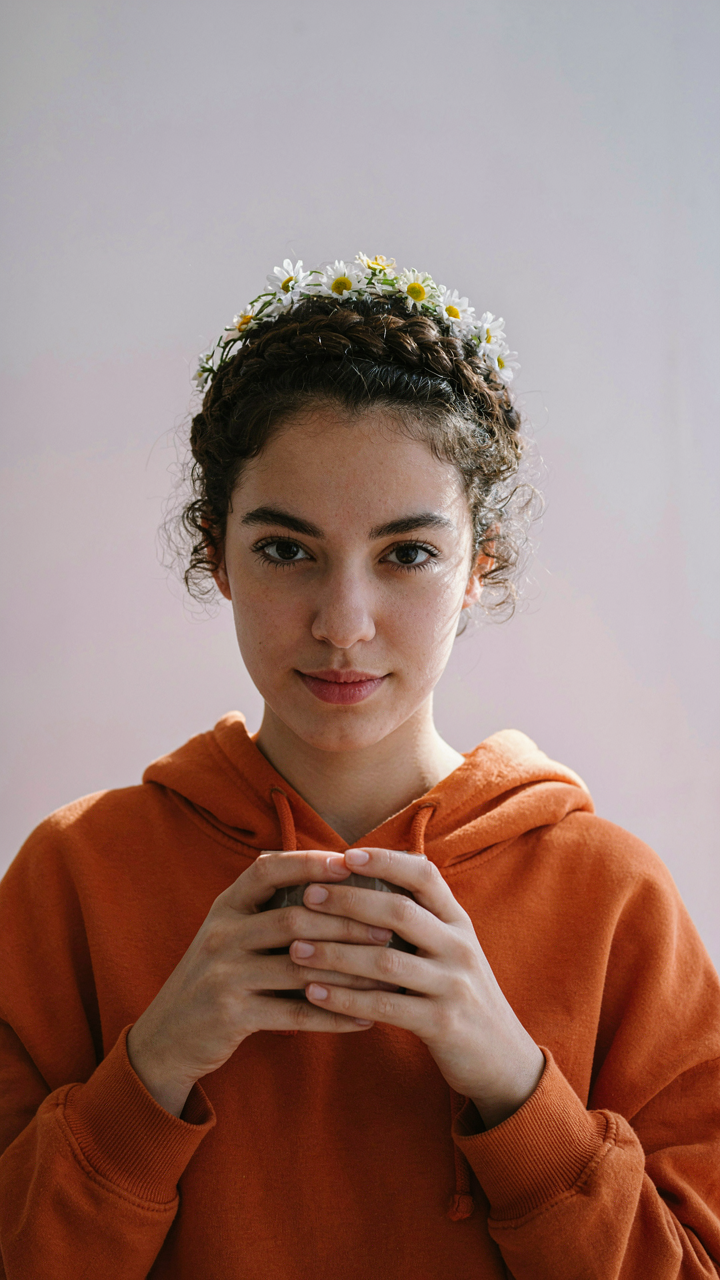
Anchoring Methods For All Day Wear
You want your crown to survive eight hours without shifting because a loose crown kills your aesthetic and wastes the money you spent on it. The real mechanism here comes from engineering: load distribution. A flower crown is a cantilever structure, and your hair is the beam. Most beginners braid loosely or wrap flowers around loose twists, which spreads the weight unevenly. The crown tilts forward or sideways by hour three.
- Dutch Braid Base: Braid from the crown of your head down toward the nape with tension that stays consistent throughout. This creates a structured channel that holds the crown’s weight across multiple hair strands simultaneously rather than pinching at one point.
- Two French Braids: Run braids along both sides of your head meeting at the back. This distributes weight left and right equally. Crowns positioned across these dual anchors stay level and resist tilting from natural movement.
- Twisted Crown Base: Twist sections of hair around the crown area itself, pinning the twist to your scalp with bobby pins every two inches. This keeps the base stationary while the crown sits on top of locked hair rather than loose strands.
- Fishtail Wrap: Create a fishtail braid and wrap it around your head in a circle, pinning it to form a complete loop. The interconnected weave of a fishtail holds better tension than standard braids and resists unraveling under weight.
- Hair Gripper Foundation: Backcomb the section where the crown will sit, creating texture that grips bobby pins and the crown frame itself. This micro-friction prevents any sliding without requiring hair to be pulled painfully tight.
Your actual hold time depends on how firmly you anchor, not on crown size or flower weight. Test your chosen method by gently pushing the crown forward, backward, and to each side. It should not move.
Matching Crown Weight To Hair Texture
Crown weight matters far less than most people think, but hair density determines how much a given style can actually hold. Fine, thin hair cannot support a heavy floral structure no matter how well you braid. Thick, coarse hair tolerates heavier crowns because more strands share the load per square inch of scalp.
Fine hair works best with lightweight wire frames and sparse flower arrangements, using silk flowers instead of fresh blooms which absorb moisture and gain weight throughout the day. Thick hair can handle denser crowns and fresh flowers, which last longer and look more dimensional because the hair beneath them doesn’t flatten under the strain. The crown you choose should never force your hair down or create tension headaches by hour two. If you feel pulling, your crown is too heavy for your hair type, not your commitment level.
Cultivating Your “Daisy Flower Crown” Signature
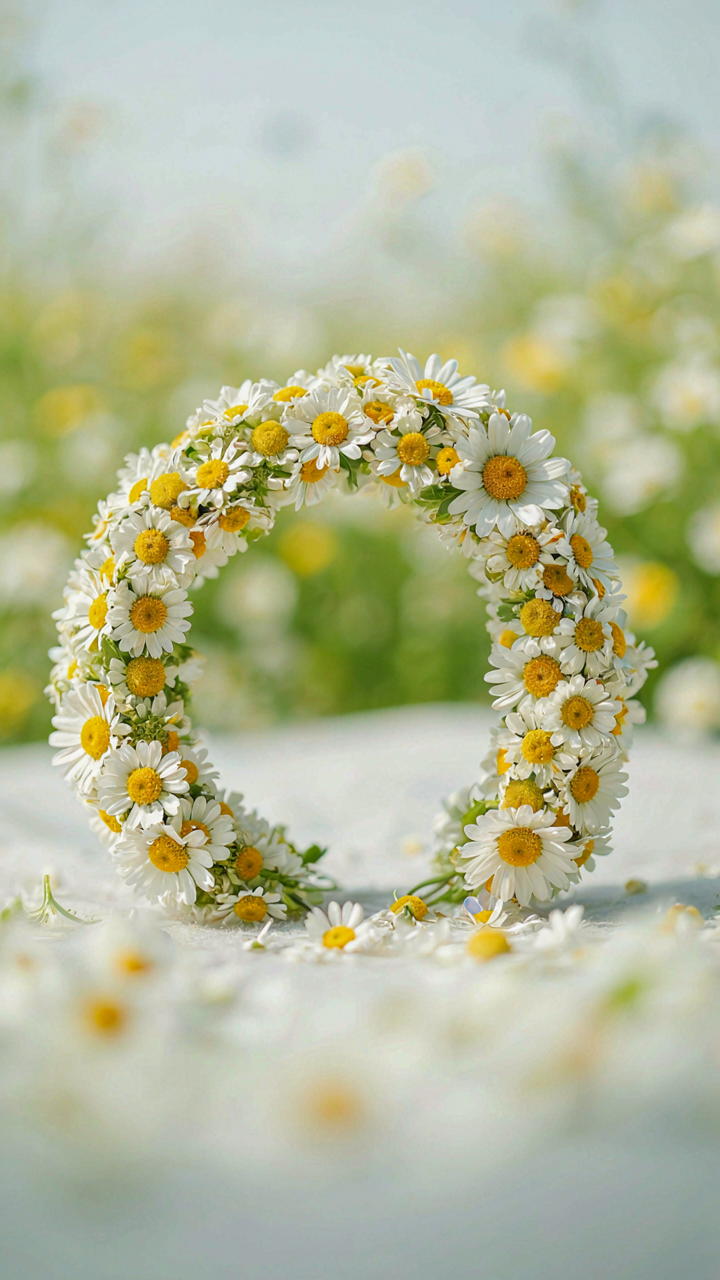
Stop Copying What Works For Everyone Else
You want to stand out without looking like you’re trying. That’s the real tension here, and most people solve it backwards by adding more instead of subtracting noise. The mechanism is constraint: limitation forces specificity, and specificity reads as intentional. When you build a crown around a single flower type like daisies, you’re not simplifying. You’re narrowing the variable set so every other choice becomes deliberate. The person wearing daisies signals something different than the person wearing mixed wildflowers because the constraint itself communicates a decision.
Most beginner advice tells you to “find your style.” That’s useless. Style emerges from repeated structural choices, not from feeling inspired. Start by committing to one flower as your anchor, then let every other element serve that choice. This isn’t minimalism for its own sake. It’s elimination of the decisions that don’t matter so the ones that do can compound into recognition. After three festivals wearing daisy crowns with consistent stem color or greenery choice, people recognize you by the crown alone. That’s the payoff.
The Constraint That Builds Recognition
Your daisy crown becomes a marker when you treat it like a signature, not a costume piece. Pick one flower type. Pick one secondary filler, one greenery, one wire color. Four variables instead of twelve. This isn’t about limitation feeling restrictive. It’s about each crown being recognizably yours because the formula is yours. Recognition builds faster than variety ever could because consistency trains the eye of anyone paying attention.
The real work is choosing constraints that feel genuine to you, not copying someone else’s. If you naturally gravitate toward earth tones, don’t build around pastels because it photographs better. The incongruence between your actual taste and your crown will show as effort, not intentionality. Your daisy crown works because daisies feel natural to you, not because they’re trending. Stick with that friction point. Build your next three crowns using the exact same flower and greenery combination you used on the last one.
Mastering ‘Coroa De Flores’: The Art Of Intentional Design
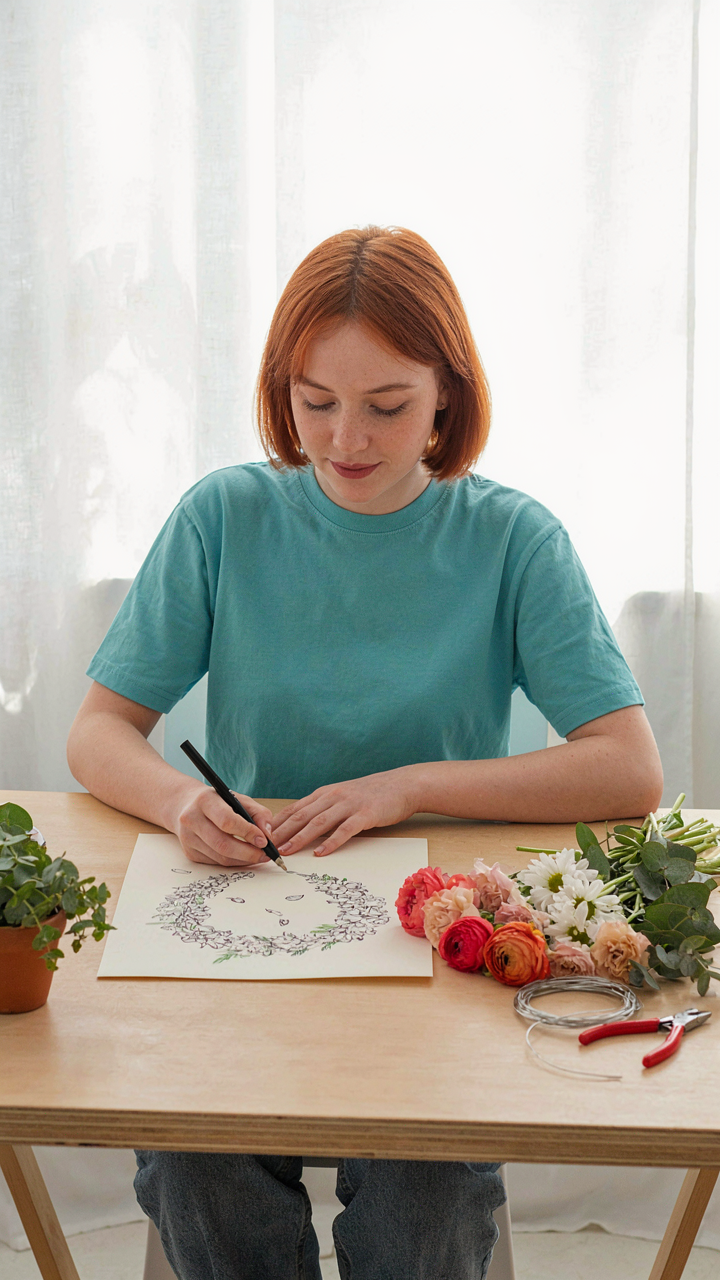
Think Before You Build
You want this section to validate that you’re doing it right. That’s the real fear underneath. The mechanism is simple: intentional design means deciding what problem your crown solves before you touch a single stem. Most people reverse this. They grab flowers and hope the result looks festival-ready. That’s assembly, not design. Coroa de flores, the Portuguese term for flower crown, originated in Brazilian and Mediterranean folk traditions where the crown communicated social role or celebration type. You’re not just making something pretty. You’re making something that reads.
Start by naming one specific outcome: Are you building for photos, comfort during eight hours of standing, or to match a particular aesthetic you’ve chosen? This single decision eliminates 70 percent of the guesswork. Your materials change. Your structure changes. Your timeline changes. Without this clarity, you waste flowers and time on revisions that damage the frame. The crown you build at midnight the night before the festival fails because you never answered the foundational question: what is this crown actually for?
Impact Assessment Before Execution
Most beginner advice skips this step entirely, which is why beginners remake their crowns twice. Impact assessment is borrowed from systems thinking: you map inputs, outputs, and feedback loops before deployment. For flower crowns, that means stress-testing your design against three variables before you assemble it. First, the weight distribution. Flowers absorb water and become heavy. A crown that feels balanced at construction feels like a headache after three hours. Second, the petal durability under movement. Delicate petals break when you turn your head or lean back. Sturdy flowers survive the festival.
The third variable is climate response. Fresh flowers wilt in heat or humidity. Dried flowers crumble. Artificial flowers hold but read as cheap unless you’re intentional about using them. Sketch your crown on paper. Mark where weight concentrates. Identify which flowers face impact zones. Then source materials that handle your specific festival conditions. A music festival at sea level in humidity demands different flowers than a mountain festival with dry air. Build the crown, then walk around your space for five minutes. If something feels wrong, adjust before you leave home. Adjustment takes thirty minutes then. It takes panic on-site otherwise.
The Real Obstacle Isn’t The Crown; It’s Your Fear Of Standing Out
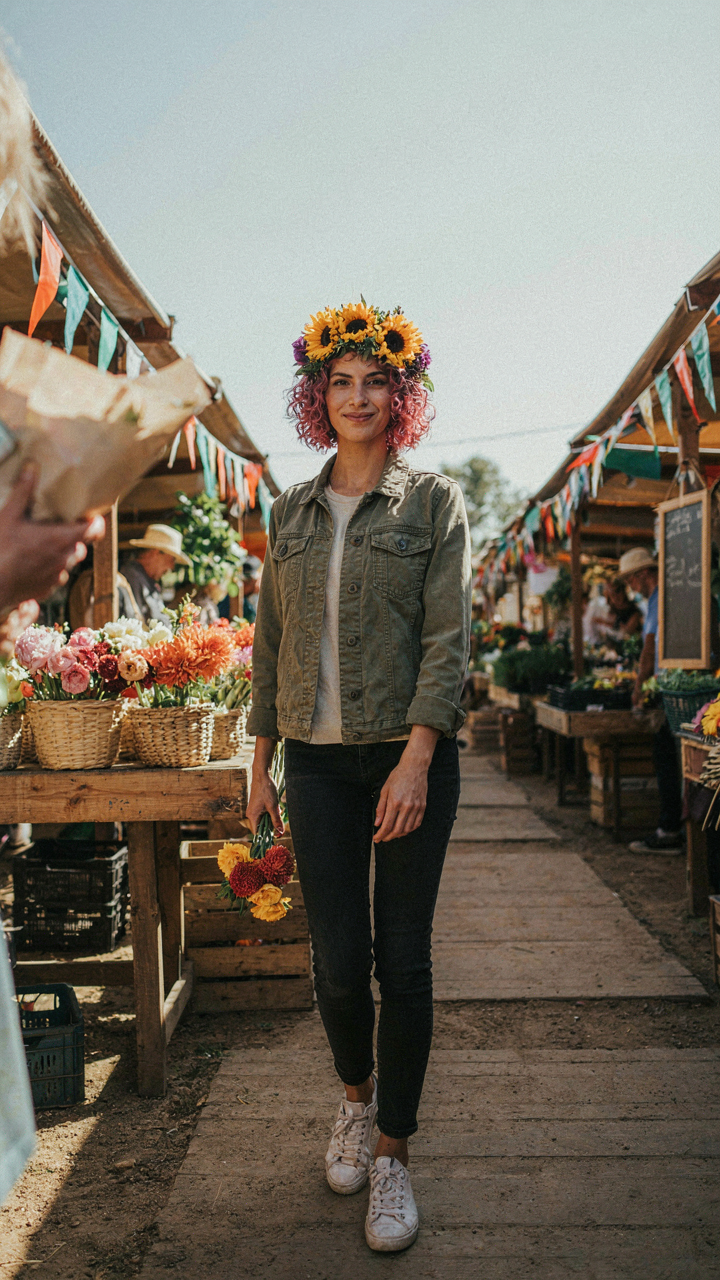
You don’t need permission to wear a flower crown. That voice telling you it’s weird or too much? Ignore it. The people worth knowing are drawn to people who actually commit to how they want to look. Build one crown today using whatever flowers you can find. Wear it somewhere public. You’ll realize the only person judging you was yourself all along.



