

The Illusion Of Smart Battery Operated Garden Lights
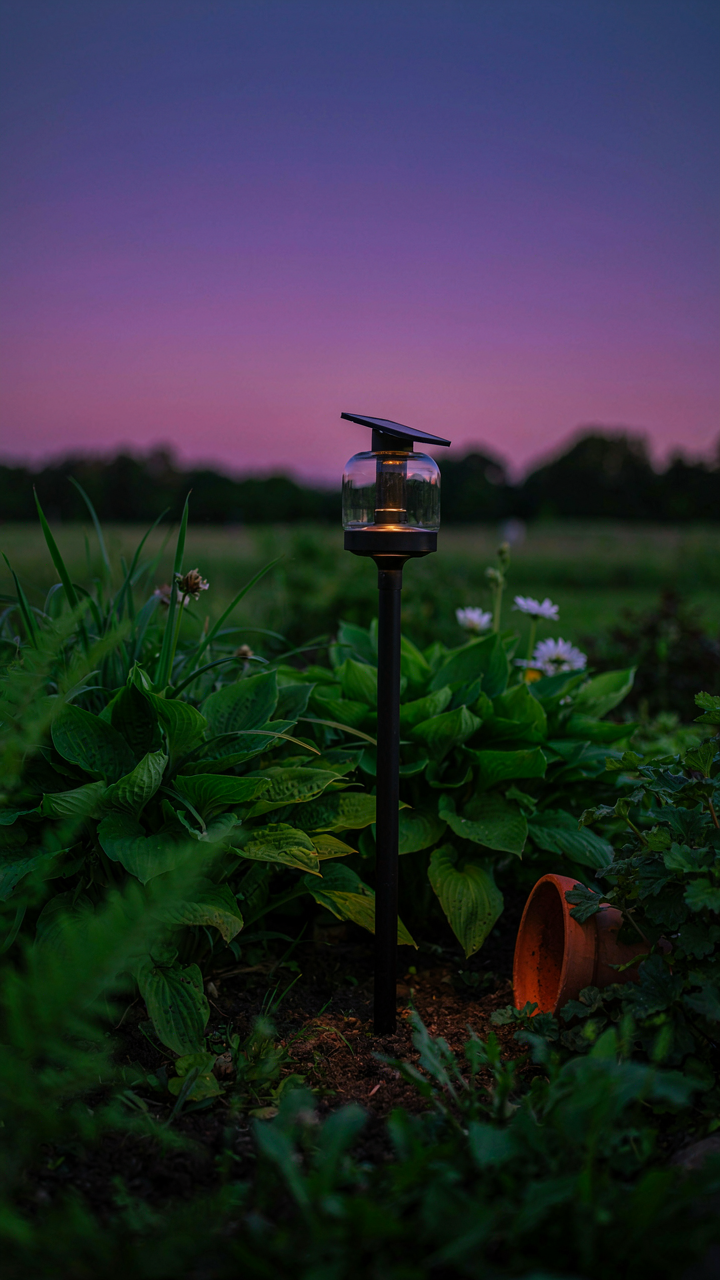
When Complexity Becomes The Problem
You want to believe a product with more features solves more problems. It doesn’t. The mechanism at work here comes from systems thinking: adding variables to a system increases failure points exponentially, not linearly. A battery operated garden light with Bluetooth, app control, and scheduling has five times more potential breakdowns than a simple solar stake light. The battery drains faster because the circuit board runs constantly. The app becomes obsolete when the manufacturer stops supporting it. The scheduling feature creates a false sense of control you’ll never actually use.
Most garden lighting advice stops at features and never names the real cost: maintenance burden. You trade simplicity for the feeling of sophistication. The light that does one job well costs less, lasts longer, and requires zero troubleshooting. Smart features in outdoor lighting specifically fail because gardens don’t need intelligence. They need durability and consistency. A light either illuminates a path or it doesn’t. Everything beyond that is overhead dressed up as progress.
The Power Of Constraint
Eliminate one feature and the entire product gets better. This isn’t compromise, it’s engineering. The best battery operated garden lights on the market have stripped away wireless connectivity, app integration, and programmable modes. What remains is a durable housing, an efficient LED, a reliable battery, and a straightforward on-off mechanism. This is the sophistication people actually respond to.
Constraints force design choices that matter. A light with limited battery capacity demands an efficient LED, which means better optics and less wasted heat. A light with no app means a simpler circuit board, which means fewer solder joints that fail in temperature swings. A light with no scheduling means a timer switch you can physically see and adjust. When you design for simplicity, every component earns its place. Start here: remove app connectivity from your next purchase decision and watch how the product quality increases and the price drops.
The Unseen Drain: Why Most Battery Operated Garden Lights Fail
Battery Chemistry Meets Real World Conditions
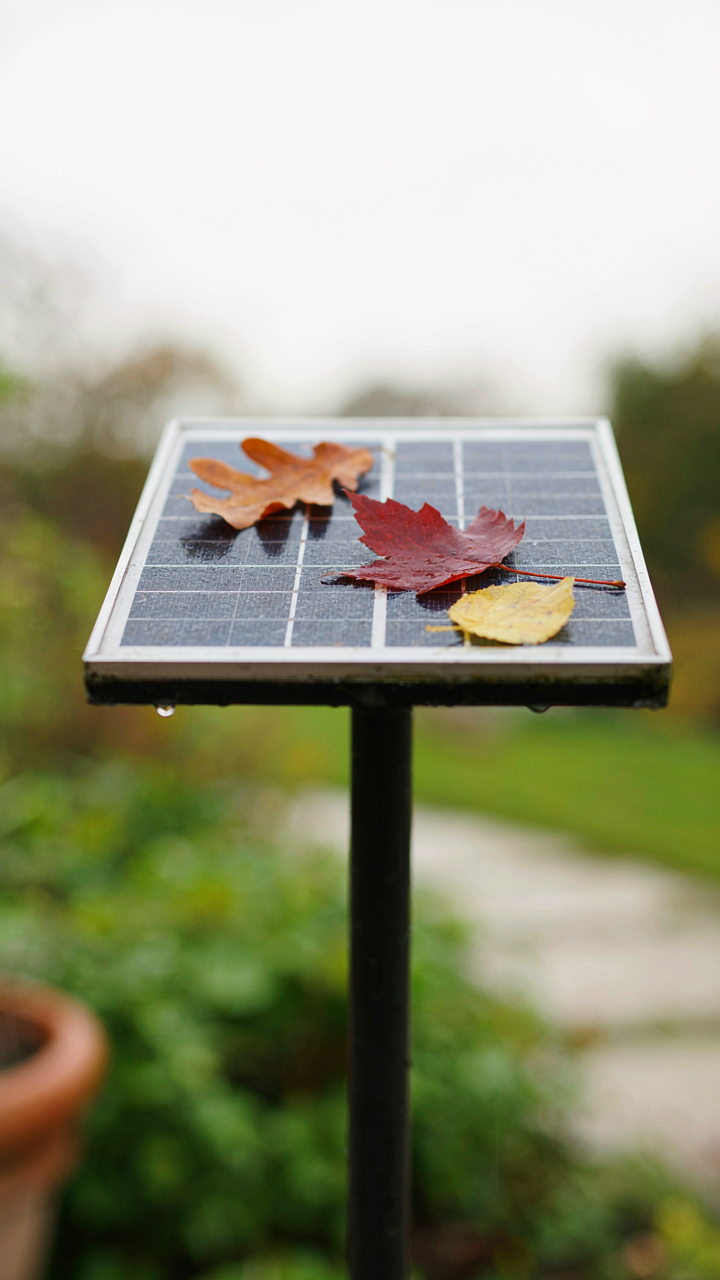
You want to believe the “1000 hour lifespan” on the box because admitting you wasted money stings. Here’s what actually happens: manufacturers rate battery life under lab conditions at 20 degrees Celsius with consistent discharge. Your garden operates at temperature swings between freezing and 40 degrees, with intermittent on-off cycles that degrade alkaline and lithium cells faster than the nameplate spec accounts for.
The physics here matters. Think of battery discharge like water pressure through a pipe: consistent flow (lab test) versus erratic pulses (garden darkness sensors triggering lights randomly) create different resistance patterns. Cold temperatures increase internal resistance, reducing available voltage faster. A battery rated for 1000 hours in stable conditions delivers 600 to 700 effective hours outdoors. Manufacturers know this gap exists. They market the best case anyway.
The Real Cost Of Buying Cheap
Everyone says “buy quality to save money long-term” and then ignores it completely. The actual trap isn’t the upfront price of budget lights, it’s the replacement tax nobody calculates. A fifty-dollar set of lights lasting six months costs you a hundred dollars yearly in replacements, batteries, and the friction of swapping them out repeatedly.
Cheap solar panels on budget lights use lower-efficiency silicon that undercharges the battery pack on cloudy days, which is most days in most climates. This creates a chronic undercharge cycle where the battery never reaches full capacity, cutting lifespan by 30 to 40 percent before you notice dimming. The real cost emerges across seasons, not at purchase. Track what you actually spend on garden lighting in a full year to see which tier genuinely costs less.
The Kinetic Energy Principle For Solar Lights Garden
Where Your Panel Actually Points Matters
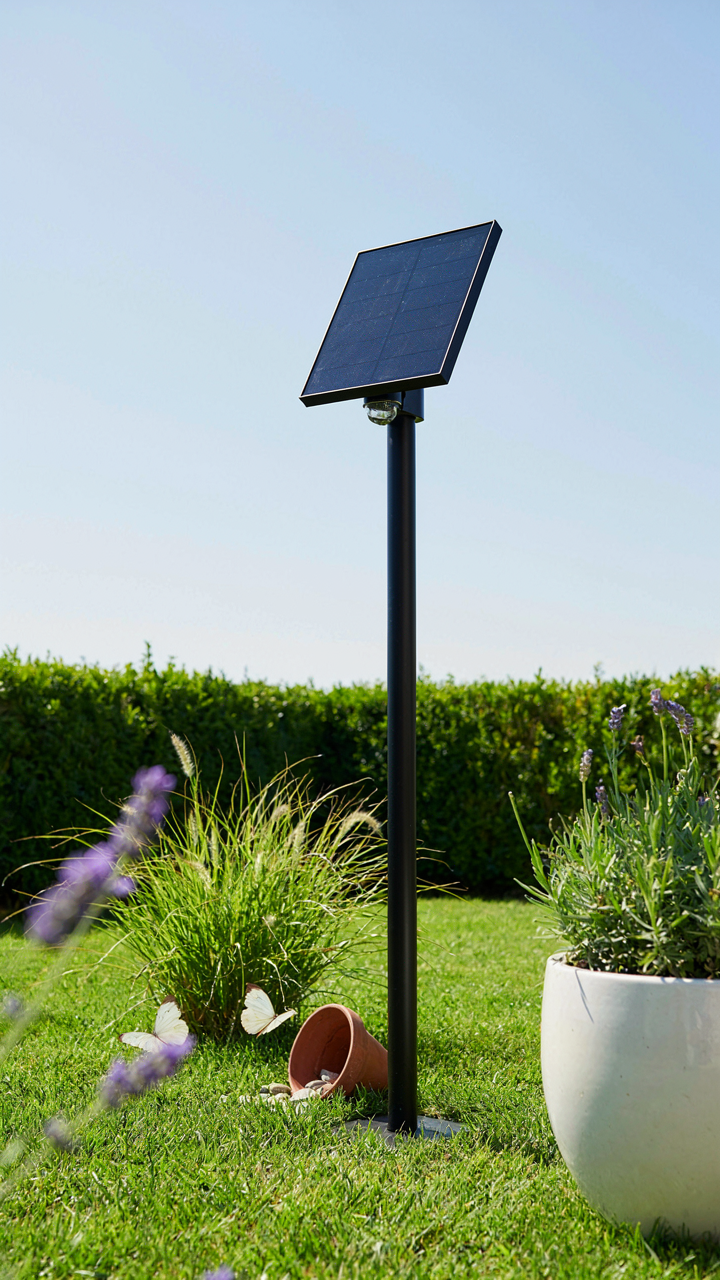
You want your solar garden lights to work, so you assume placement doesn’t matter much. It does. In physics, photon capture follows the inverse square law: light intensity drops with distance squared from the source. Your solar panel isn’t just collecting light, it’s converting electromagnetic radiation into electrical potential. Angle, orientation, and shadow obstruction determine the actual voltage your panel generates at any moment.
Most garden light placement advice ignores this entirely. People stick lights where they look nice, not where panels face the sun’s actual path. A panel angled at forty-five degrees toward the south captures more photons during peak hours than a vertical panel facing east. The mechanism is simple: more perpendicular surface area to incoming rays equals higher energy conversion. Install panels to track the sun’s seasonal arc, not arbitrary cardinal directions.
Where Battery Capacity Becomes Your Real Constraint
Energy storage efficiency isn’t a feature. It’s the bottleneck that decides whether your light runs eight hours or four. Lithium-ion and NiMH batteries in garden lights degrade charge capacity based on charge-discharge cycles and temperature. A ninety-percent efficient battery loses ten percent of energy to heat with each cycle. Over a year of daily charging, that compounds into measurable runtime loss nobody mentions in marketing specs.
The common mistake is assuming bigger batteries always win. They don’t, because poorly matched circuits waste stored energy through inefficient boost converters and unregulated discharge. A two-thousand milliamp-hour battery with a ninety-five percent efficient charging circuit delivers more usable light than a three-thousand milliamp-hour battery with eighty-five percent efficiency. Match your battery chemistry, circuit topology, and LED load carefully, or your panel’s energy gets squandered before the sun sets.
Beyond Lumens: The Psychology Of Effective Garden Lighting

The Darkness You Actually Want
You want people to think your space is intentional. That’s what this section is really about. Raw brightness—the number everyone obsesses over—tells your brain nothing about quality. Psychology borrowed from retail and hospitality design reveals that contrast, not wattage, drives perception. Battery operated garden lights work because they create zones of light and shadow, not uniform illumination. The moment you stop chasing lumens and start architecting darkness, your garden reads as designed instead of lit.
Retailers discovered decades ago that darkness between lit focal points makes those focal points feel more valuable. Your garden operates under the same mechanism. A single 200-lumen solar pathway light next to unlit planting beds creates perceived sophistication. That same light flooding a space uniformly feels cheap and accidental. Battery operated lights excel at this because their lower output forces intentionality. You can’t brute-force brightness, so you build hierarchy instead.
Attention Is The Only Real Currency
Light guides the eye before anything else reaches consciousness. This is basic neurobiology—your visual system prioritizes brightness and movement. Battery operated garden lights don’t compete with streetlights or porch floods, so they work within a narrower range where placement becomes everything. Guiding attention means deciding what matters: the pathway, the seating area, the texture of a feature plant, the water surface. The lights you don’t place are as important as the ones you do.
Most garden lighting fails because it tries to reveal everything at once. Effective lighting reveals one thing at a time as someone moves through the space. Position a single 150-lumen battery light on a tree trunk at eye level to draw focus upward. Place another near ground level across the path to clarify where feet should go. The second light doesn’t illuminate more—it choreographs movement and attention. This is directional design, not ambient coverage.
The “Set And Forget” Fallacy Of Solar Light Garden

Maintenance Is The Real Cost You Ignored
You bought solar garden lights because you wanted to stop thinking about your landscape. Here’s the mechanism: solar lights fail not from design defects but from entropy. Battery contacts corrode. Dirt accumulates on panels. Internal circuitry degrades from moisture and temperature swings. Calling these “maintenance-free” was never accurate, just convenient marketing language that let manufacturers avoid liability.
The actual cost of ownership includes regular cleaning and component replacement. Panel surfaces need wiping every 4-6 weeks in most climates, more often near salt water or heavy dust zones. Battery contacts require inspection for white corrosion buildup, which blocks charging. Most users discover this too late, after lights stop functioning and they assume the product failed rather than recognizing their neglect activated the failure.
Timing Your Adjustments Around Climate Patterns
Think of solar light performance through the lens of thermodynamics: battery efficiency tracks directly with temperature range. Winter reduces charging speed because lower sun angles hit panels at oblique angles, and cold temperatures slow chemical reactions inside batteries. Summer brings the opposite problem—excessive heat degrades battery lifespan faster than cold ever could.
Seasonal adjustments aren’t optional tweaks. In fall, reposition lights to catch lower-angle sunlight. Winter demands checking battery contacts monthly since humidity and temperature swings accelerate corrosion. Spring requires deep cleaning of all panels before peak season demands maximum charge. Summer calls for partial shade placement if possible, since overheating batteries by even 10 degrees Celsius cuts their effective lifespan in half. Track these adjustments on a calendar tied to your local solstice dates, not arbitrary months.
The Minimalist Matrix For Garden Lamps Placement

Strategic Placement For Maximum Impact
You want the garden to look intentional without looking like you tried. The real mechanism here borrows from signal processing: every light source creates a visual weight. In signal-to-noise ratio terms, battery operated garden lights function as signal. Too many create noise that flattens the entire landscape into visual static.
Place lights at thirds, not symmetrically. One fixture near the entry, one marking a focal point thirty feet back, one accent on a specimen plant. This spacing forces the eye to move through the space rather than stop at clutter. The battery runtime becomes irrelevant if the placement does the work first.
Less Is More Avoiding Visual Clutter
Common advice says “layer your lighting.” That’s wrong. Layering is what kills a garden visually. You’re confusing interior design with exterior space. Outdoors, layering creates competing focal points that paralyze the viewer’s attention.
Start with zero lights. Add one. Walk away for a week. Add one more only if the first one leaves a genuine gap. Battery operated garden lights have no installation cost, so the psychological barrier to restraint vanishes. This is why most gardens end up over-lit. Set a hard limit before you start: three fixtures for under 500 square feet, five for a half-acre. Stop when you hit the number.
The “Value Density” Metric For Outdoor Lighting Investment
What You Actually Pay Per Lumens Hour
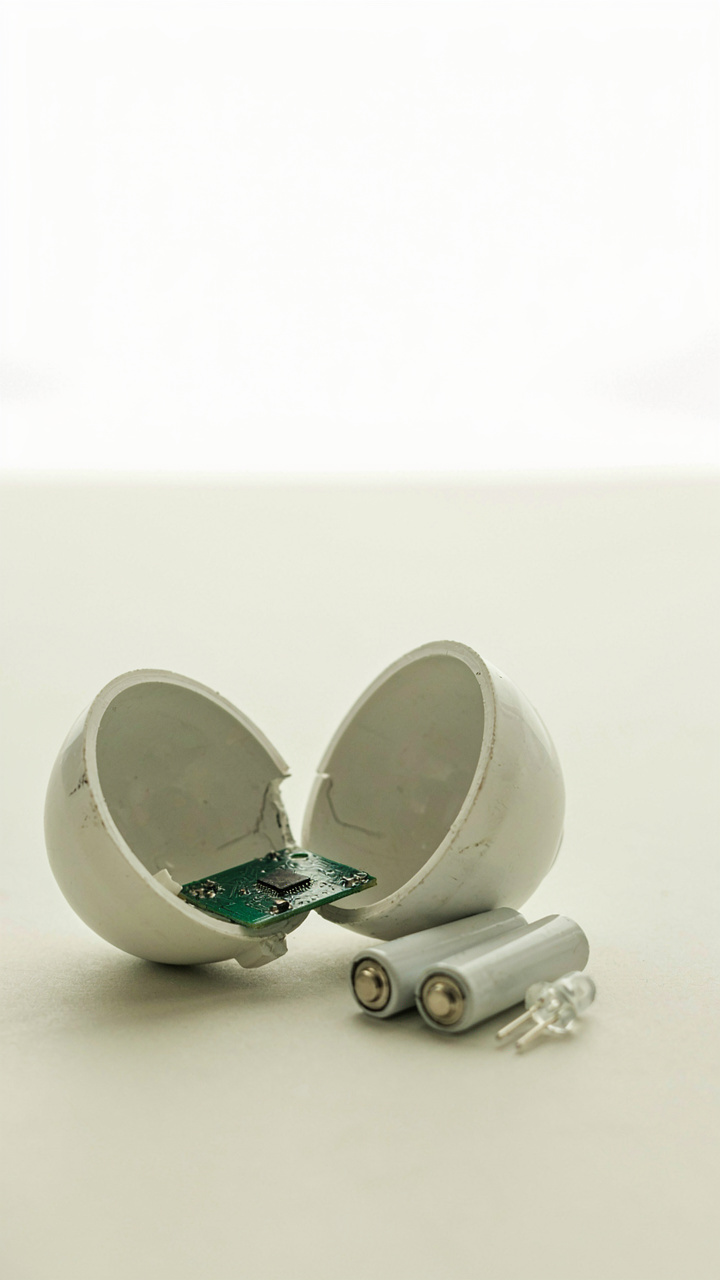
You’re buying these lights because you want to believe you’re making a smart financial move, not just another impulse outdoor purchase. Here’s the mechanism: economics borrows from thermodynamics the concept of efficiency, and battery lights function on the same principle—input versus usable output. Calculate true cost per hour of illumination by dividing the total upfront cost by the total lumens the battery delivers multiplied by burn hours before replacement. A $40 solar light lasting three seasons with 500 lumens at 6 hours nightly costs roughly $0.0018 per lumen hour. Most people stop at “batteries are cheaper than running wire” and miss this entirely.
The calculation exposes why cheap LED lights with weak batteries fail as investments. A $12 light with a depleted battery lasting one season at 100 lumens costs $0.027 per lumen hour—fifteen times worse. Track battery capacity in milliamp hours and light output in lumens on your purchase receipts. Divide total cost by (lumens × hours per night × nights the battery actually holds charge). This number tells you whether you’re buying performance or convenience.
Materials That Stop Battery Drain
Durability determines how many seasons your battery actually functions before self-discharge defeats the light entirely. Material science reveals that corrosion, not just time, kills batteries in outdoor fixtures. Sealed aluminum housings with silicone gaskets prevent moisture infiltration that accelerates internal discharge rates. Stainless steel contacts resist oxidation that increases resistance and wastes voltage. Cheap plastic fixtures allow water vapor to condense inside, corroding terminals and rendering the battery useless within months.
The real driver isn’t the battery chemistry—it’s the container. A quality fixture with proper gasket design keeps the battery healthy for years. Examine the seams, check for visible gaps around the solar panel attachment, and press on the housing to detect flex or poor construction. Poor materials mean you replace the entire unit instead of just swapping batteries, destroying your cost-per-hour calculation and making the investment worthless.
The Myth Of Universal Trends In Solar Lights Ideas Outdoor
Context Specific Design Beats Generic Advice
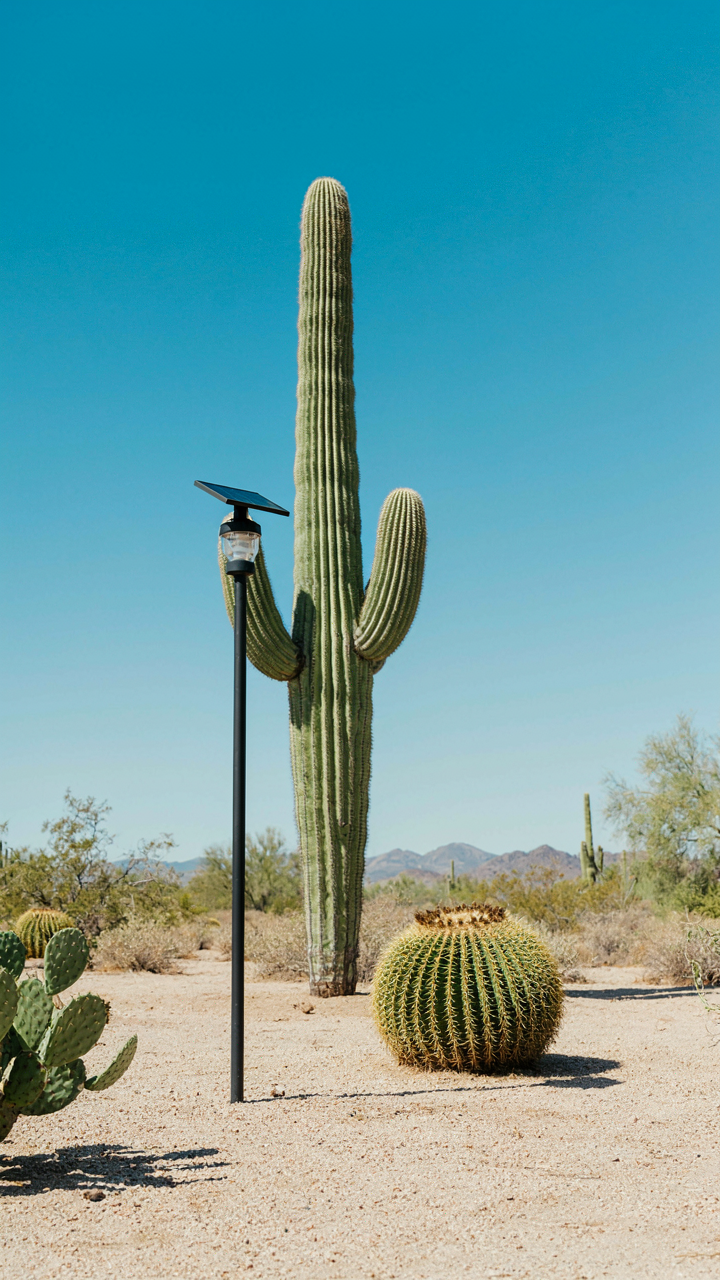
You want to know what everyone else is buying so you don’t pick wrong. That’s the real problem here. The consensus around battery operated garden lights treats every yard like it’s identical, and that’s where the advice collapses. Design works through constraint, not trend. Your soil pH, your tree canopy density, your moisture retention, your actual foot traffic patterns—these determine what lights function, not what Instagram shows. Generic trends ignore the mechanism: light performance depends on environmental specifics, not popularity.
Most advice skips this entirely. It lists “trending styles” without naming why one setup works in a coastal climate and fails in a desert one. Battery operated lights have runtime limitations tied directly to ambient temperature, humidity, and dust accumulation. A motion sensor light performs differently in a humid zone than a dry one because charging cycles shorten in moisture-rich air. You need to reverse-engineer your garden’s actual conditions first, then match the light type to those constraints. Skipping this step guarantees you’ll install equipment that looks right but underperforms within six months.
Tailoring Lighting To Your Specific Garden Ecosystem
Your garden operates like a microcosm with its own rules. Some zones stay wet, some bake in direct sun, some live under deep shade where solar panels never fully charge. Battery operated garden lights succeed when you map these zones before selecting hardware. A light rated for full sun will drain faster under a pergola because the panel charges incompletely. One placed near a water feature loses efficacy faster due to salt spray and moisture corrosion on the circuit board. Treat each placement as a distinct environment with its own requirements.
Start by documenting three things: average daily sunlight hours per zone, seasonal temperature swings, and proximity to water or high-humidity sources. Then match battery type and panel wattage to the worst-case scenario in that zone, not the best. A lithium battery handles temperature fluctuations better than NiMH in unstable climates. A larger panel compensates for partial shade better than relying on a smaller one and hoping for enough charge. This isn’t trendy. It’s mechanical. The light either charges adequately in your actual conditions, or it doesn’t, and that determines everything.
Your Battery Operated Garden Lights: An Extension Of Your Philosophy

What You Actually Want From Your Yard
You want people to think you have taste without admitting you’re tired of maintenance. That’s the real mechanism at work. Battery operated garden lights solve this by automating the appearance of intentionality. You place them, they work without intervention, and suddenly your outdoor space reads as designed rather than neglected. The physics principle here is visibility through constraint. Like a sculptor removing marble to reveal form, battery lights force you to choose specific locations and intensities because you can’t power everything. That limitation breeds better design decisions than unlimited wired power ever would.
The deeper truth: most people buy garden lights to solve a problem they won’t name. They want ambiance without the electrical infrastructure cost. They want seasonal flexibility without permanent installation. They want control without complexity. Battery operated lights deliver all three because the power source is built in and finite. You make decisions upfront about placement, brightness, and timer settings. Once deployed, the system stops changing. This constraint is the actual value proposition, not the light output itself.
The Curator’s Approach To Deliberate Selection
Stop treating garden lights as interchangeable products. You’re not shopping for generic illumination; you’re building a lighting strategy that reflects how you actually use your space. Real curation means understanding what your yard does at different times and lighting for that specific purpose, not for some abstract ideal. Walk your garden at dusk. Notice where you move, where you sit, where shadow creates problems. That observation phase determines everything else.
Once you’ve mapped the spaces, your selections become tactical. Are you lighting pathways for safety or planting beds for visual drama? Do you need warm color temperature to feel cozy or cool light to read or work? Battery capacity versus brightness becomes a trade-off you understand, not a spec sheet you ignore. Cheap lights with weak batteries create the illusion of a lit yard for maybe two hours before dimming to uselessness. Mid-tier lights with real capacity and proper optics deliver consistent output all night. Choose based on your specific use case, not on aesthetics alone. The moment you stop treating this like a decorating decision and start treating it like a functional system design, your results improve immediately.
Why “Future Proofing” Your Solar Powered Garden Lights Is A Delusion
Built To Fail, Not Last Forever
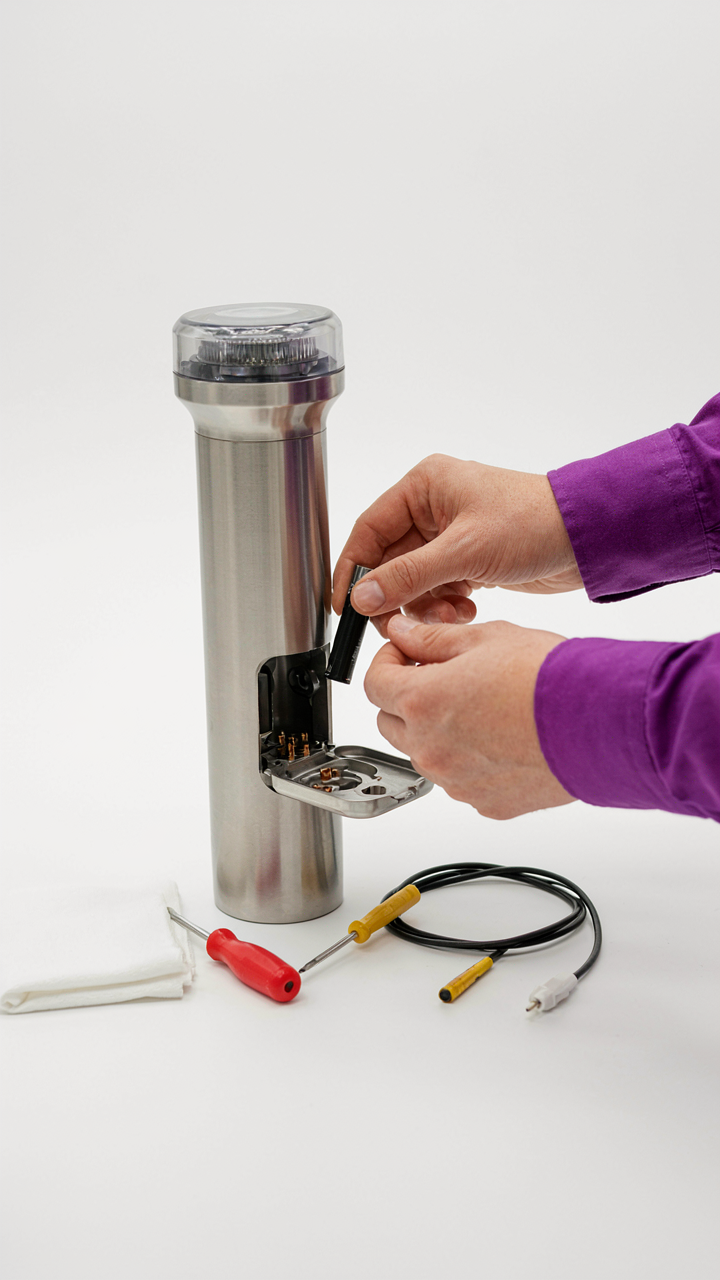
You want to believe you’re making a smart, long term investment. The truth is simpler and more useful: battery operated garden lights are consumables, not heirlooms. The battery dies. The LED dims. The plastic degrades under UV. Treating them as permanent fixtures wastes mental energy on the wrong problem. Obsolescence isn’t a flaw to engineer around. It’s the operating system you should design into your expectations from day one.
Economics borrowed the concept of planned obsolescence from manufacturing, but garden lighting operates under a different constraint: energy density. A solar powered light from five years ago had lower efficiency cells, weaker batteries, and dimmer LEDs than today’s equivalents. Building a “future proof” system around old components locks you into yesterday’s technology. The real move is accepting replacement cycles of three to five years and choosing lights built modular enough to swap batteries or heads without ditching the entire stake.
Switching Strategies Over Rigid Specifications
The standard advice says pick a light and stick with it. Wrong. Rigidity kills adaptation. Your garden changes. Your needs change. Shadows shift as trees grow. You move. Your budget fluctuates. Battery operated garden lights that lock you into one aesthetic, one brightness level, or one stake design create friction when circumstances demand a pivot. Adaptability means choosing systems, not products.
Start by separating the stake from the head. Some quality solar lights let you swap the light assembly while keeping the ground anchor. Others use standardized battery compartments that accept common sizes like AA or 18650 cells. These small design choices aren’t minor conveniences. They’re the difference between upgrading when efficiency improves and buying an entire new system. Your protocol: before purchasing, identify what part you’ll actually replace within three years, then verify that part is accessible or swappable without replacing the whole unit.
Your Garden Isn’t Failing Because Of Bad Lights; It’s Failing Because Of Bad Systems Thinking
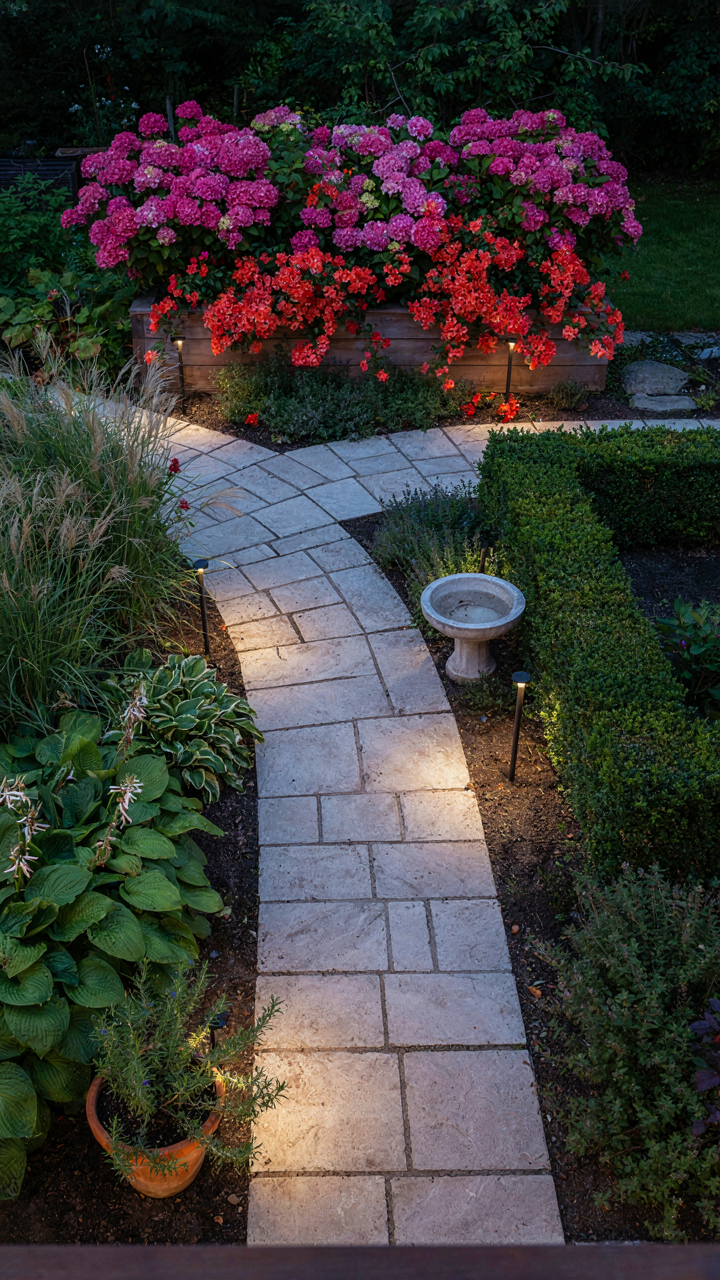
Most people buy battery operated garden lights like they’re buying gas. They grab whatever glows and wonder why their space feels disconnected three months later. The real move is treating your lighting as part of an ecosystem, not an accessory. Pick one zone in your garden today. Map it out. Place lights where they solve a problem, not where they look pretty. Your garden transforms when you stop decorating and start designing.



