
The Pest Free Illusion: Why Your “Beautiful” Greenhouse Is A Lie
When Looks Become The Enemy
You want your greenhouse to look clean. That’s the real reason you’re reading this. But a pristine greenhouse is often a sign you’re ignoring the actual problem. Aesthetic pest control prioritizes visual cleanliness over functional protection. You remove visible insects but leave the conditions that breed them. You install decorative traps that match your greenhouse frame color instead of placing them where pest populations actually concentrate. The mechanism is simple: you’re optimizing for an audience that doesn’t exist instead of for the biology happening in front of you.
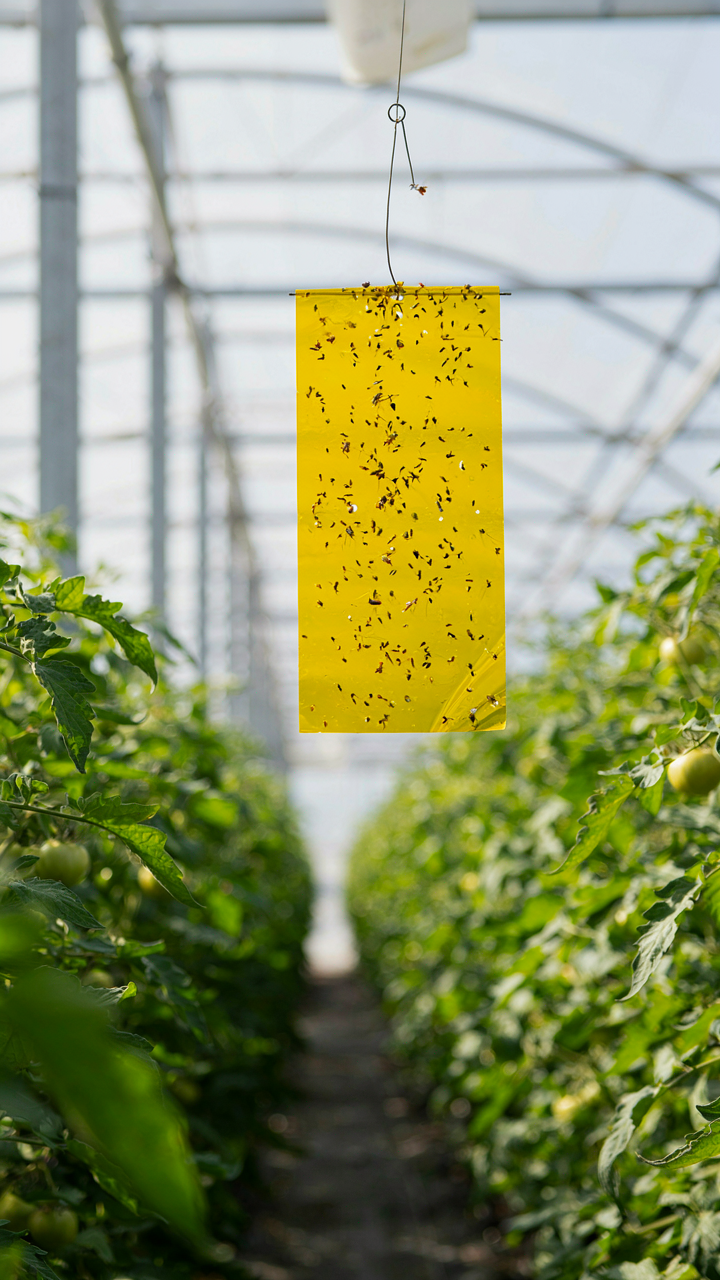
Most advice tells you to hide your pest management tools. That’s backward. Visible sticky traps, correctly positioned, catch more pests than concealed ones ever will. Yellow traps hung at crop height in high-traffic areas work better than designer traps mounted for photograph angles. The greenhouse owner who accepts visible management tools outperforms the one who subordinates function to appearance every single time. Position traps where air movement carries pest populations, not where they photograph well.
The Real Cost Of Waiting
Complacency in pest control works like compound interest in reverse. You miss early infestations because populations stay small enough to ignore visually. By the time damage becomes obvious, you’ve lost weeks of control window. A single spider mite colony can explode from undetectable to crop-destroying in fourteen days. Hidden damage accumulates in plant tissue, root systems, and soil before you see external symptoms. The cost isn’t just the lost yield. It’s the chemical applications you’ll need later, the replanting, the extended treatment protocols that a early detection would have prevented entirely.
The mechanism operates on lag. Your eye detects pest damage three to four weeks after population pressure peaks. This delay means you’re always fighting the last infestation, never the current one. Systematic scouting on a fixed schedule catches populations at exponential phase one, not phase five. Scout your greenhouse every three to four days in growing season, not when you remember or when visible damage appears. Early intervention costs one application. Late intervention costs five, plus lost production and crop replacement.
The Biological Arms Race: Beneficial Insects As Your First Line

Predator Introduction: Strategically Deploying Allies
You want this to work without chemicals because you believe you’re protecting something. The real mechanism is predation pressure: you’re not eliminating pests, you’re making your greenhouse an unprofitable hunting ground for them. Borrow this from military strategy: you need overwhelming force at the right coordinates. Introduce predatory mites, parasitic wasps, or ladybugs only when pest populations are already present and establishing. Timing matters more than volume. Release too early and your allies starve. Release too late and the infestation compounds faster than predators can consume it.
The species you choose depends on your specific pest. Phytoseiulus persimilis hunts spider mites on tomatoes and peppers. Encarsia formosa parasitizes whiteflies on ornamentals. Cryptolaemus montrouzieri targets mealybugs on woody plants. Source from reputable suppliers who ship live cultures and provide installation guidance. The insects arrive in dormant or semi-dormant states. Release them directly onto affected plants in low-light hours when predators are most active.
Habitat Creation: Attracting Natural Enemies
Most growers ignore this entirely because it feels passive, but passivity is precision here. You’re not attracting insects randomly. You’re building a survival ecosystem inside your greenhouse so beneficial predators and parasitoids stay, reproduce, and establish permanent populations instead of departing once pest populations drop. This requires specific plant architecture and pollen sources within the greenhouse itself, not hope.
Introduce flowering plants that bloom year-round: alyssum, calendula, or cilantro flower. These provide nectar and pollen that sustain adult parasitic wasps between hunts. Leave small sections of the greenhouse slightly overgrown or unmulched to create microhabitats for ground-dwelling predators. Install shallow water dishes with pebbles so insects can drink without drowning. Monitor temperature and humidity in these zones because beneficial insects perform better at 65-75 degrees Fahrenheit with moderate moisture. Consistency in these conditions keeps populations stable.
The Neem Oil Imperative: Not A Cure, But A Control Lever

When To Spray And Why Timing Breaks Most Strategies
You want neem oil to feel like a silver bullet. It isn’t. The real motive here is convenience, and that kills results. Neem operates on a biological timing mechanism: it disrupts insect nervous systems and reproduction cycles, but only when pests are in vulnerable life stages. Spraying randomly is waste.
Early morning or late evening applications work because most greenhouse pests feed during low light. Spray when temperatures sit between 60 and 85 degrees Fahrenheit. Heat above 85 degrees causes neem to break down faster and can burn plant tissue. Cold below 60 degrees slows its effectiveness. Consistency matters more than volume: spray every 7 to 10 days during active infestations, targeting the undersides of leaves where most pests hide.
Concentration Precision Prevents Damage And Failure
The standard advice is “follow the label.” That’s incomplete. Labels give safe ranges, not optimal ranges. Too dilute and neem oils sit on leaf surfaces without penetrating pest populations. Too concentrated and you scald foliage, then blame the product.
Mix neem concentrate at 1 to 2 percent solution by volume. One percent handles mild infestations and regular maintenance. Two percent targets heavy pressure but only on hardier plants like peppers or tomatoes. Always test on a small section first. Add a surfactant (insecticidal soap or light horticultural oil) to break surface tension so neem spreads evenly. Apply until leaves drip but don’t puddle. Spray every 7 days for three weeks minimum to interrupt pest life cycles completely.
The Greenhouse Micro Ecosystem Engineering For Resilience

When Air Movement Becomes Your Pest Barrier
You want pest control that doesn’t require constant intervention because you’re tired of spraying. The mechanism is this: pests exploit stagnant air and high humidity. Ventilation removes the moisture layer insects need to reproduce and move. Low humidity (50-60% range) breaks their life cycle. Fans create air turbulence that disorients flying insects and prevents them from landing on plants. This isn’t pest control by killing. It’s pest control by making the environment hostile to reproduction.
Humidity control matters more than most growers realize. Spider mites, whiteflies, and fungus gnats thrive in still, wet air above 70% relative humidity. Install intake vents at the base and exhaust vents at the peak. Use a circulation fan to move air across plants without creating wind damage. Monitor humidity with a basic hygrometer. When humidity climbs, increase ventilation immediately. The lag between detecting humidity and correcting it is where pest populations explode.
Soil Biology As Your First Line Of Defense
Soil health is not about making soil pretty or rich. It’s about building a microbial army that outcompetes the pathogens that create pest vulnerability. Plants weakened by root disease attract pests at rates healthy plants don’t. Beneficial microbes in living soil crowd out harmful fungi and bacteria. This borrows from ecology: competitive exclusion means one organism dominates resources so competitors starve. Apply this to soil by feeding biology, not just feeding plants with synthetic salt nutrients.
Build soil microbial density through compost and fungal inoculants. Use well-aged compost (at least 6 months old) mixed into your substrate at 20-30% by volume. Add mycorrhizal fungi at planting. These fungi extend root surface area and trigger plant immune response against foliar pests. Check soil moisture weekly. Soil that stays waterlogged kills beneficial aerobic microbes and triggers root rot, which invites secondary pest infestations. Drain excess water within 24 hours of watering.
The Contamination Protocol: Stopping Invasions Before They Start

Inspect New Plants Like Border Security
You want to believe your new plants are clean so you can skip the waiting period. They’re not. The mechanism is simple: most greenhouse pest problems don’t originate indoors—they hitchhike on infected stock. Borrowing from epidemiology, think of quarantine as the “incubation period” before a pathogen reveals itself. A two-week isolation catches spider mites, whiteflies, and fungus gnats before they colonize your entire operation. Set quarantined plants in a separate space with no airflow connection to your main greenhouse.
Inspect leaf undersides, soil surface, and stem joints with a hand lens before moving anything. Look for eggs, webbing, sticky residue, or visible insects. Don’t assume a plant looks healthy because it appeared fine in the nursery. Pest populations double every seven to fourteen days depending on temperature. Quarantine isn’t paranoia—it’s math.
Sterilize Tools And Clothes Between Zones
Most growers miss this because it feels obsessive. It’s not. One contaminated pruner transfers scale insects, mites, and fungal spores from an infested plant to a clean one in seconds. The action is mechanical: pests and their eggs move on surfaces. Keep a spray bottle of 70 percent isopropyl alcohol at your workstation. Wipe pruners, scissors, and gloves after each plant. Change clothes or wear a dedicated greenhouse apron that never leaves the space. Pests travel on fabric fibers as easily as they travel on metal.
Establish one entry and exit point for your greenhouse. Store tools inside, not outside. If you work multiple growing areas, move from the cleanest zone to the dirtiest zone, never backward. This prevents you from carrying problems into healthy plants. The protocol takes three minutes per session. Skip it once and you’ll spend months fighting an infestation you introduced yourself.
Beyond Organic Pest Control: When “Natural” Isn’t Enough
Know Your Enemy Before You Move
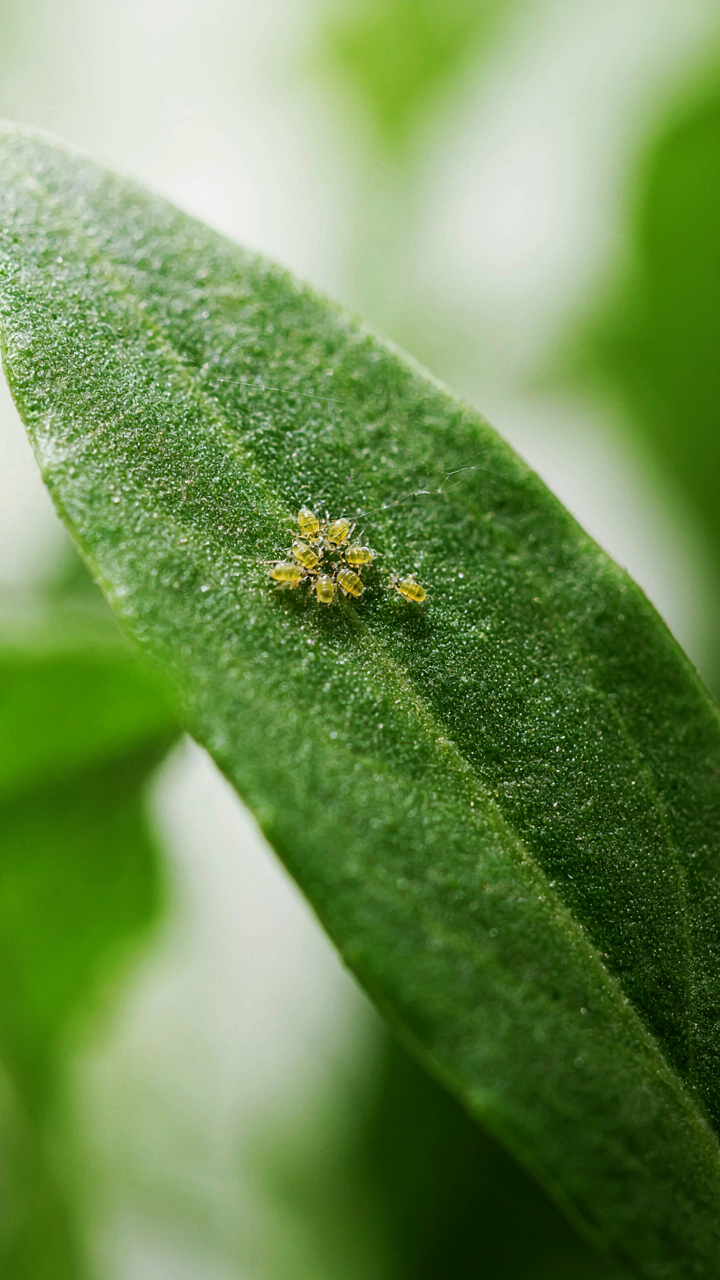
You want organic solutions because they feel safer and make you look conscientious, but that moral satisfaction kills infestations slower than the pest kills your crops. Military strategy calls this “target identification”—you don’t deploy resources without knowing what you’re fighting. In greenhouse pest control, this means species confirmation before treatment. Spider mites behave differently than whiteflies. Fungus gnats require different intervention than thrips. Misidentification sends you down a six-week rabbit hole of ineffective sprays while populations compound.
Most growers guess. They see damage and spray what worked last time or what the garden center recommended. This is how resistance builds and why “nothing works anymore” becomes the refrain. You need magnification, scouting protocol, and accurate identification. Check leaf undersides, stems, and soil surface. Count pest density on sample leaves. Document what you see. This takes an hour per week, not per day. The mechanism is simple: you can’t kill what you haven’t named.
Strategic Application Over Saturation
Applying more product doesn’t increase kill rates past a threshold—it wastes product and creates runoff into your soil. Precision application mirrors how surgeons approach anatomy: minimal entry, maximum effect. In greenhouses, this means targeting life stages and vulnerable exposure points rather than blanket spraying everything. Eggs on leaf undersides need different coverage than mobile adults. Nymphs clustered on new growth need different timing than dispersed populations.
Scout before you spray. Identify where the pest concentrates. Apply only to affected zones first, then expand if needed. Drench soil for root-feeding pests. Spray foliage for leaf feeders. Use wetting agents to increase coverage without increasing volume. Document application dates and which pest stage you targeted. This data tells you when to reapply and whether the strategy worked. One precise treatment beats three scattered ones every time.
The Biological Feedback Loop: Monitoring And Adapting

Daily Scans Catch The Inflection Point
You want to feel like you’re doing something proactive, but most growers skip this because it feels tedious. The real mechanism is simple: pest populations follow exponential curves, not linear ones. A thrip colony doubles every five to seven days under greenhouse conditions. Catching them at fifty insects instead of five hundred means the difference between one spray and five. Daily visual inspections of leaf undersides, stem joints, and new growth are where you break the curve before it breaks your yield.
A five-minute walk through your greenhouse each morning trains your eye to spot the anomalies. Look for stippled leaves, sticky residue, webbing, or distorted growth before populations establish colonies. The goal is spotting the outbreak at the moment it starts, not after it spreads across half your plants. This habit compounds because early detection means lighter intervention and less chemical buildup in your soil.
Pattern Recognition Reshapes Your Next Move
Feedback loops are borrowed from systems biology, and your pest control strategy is a system that either learns or repeats the same mistakes. Each monitoring session generates data: which pests appeared when, where they clustered, what environmental conditions preceded the outbreak. You’re building a personal map of your greenhouse’s vulnerabilities that no generic advice can provide.
Most growers treat every pest sighting the same way. Wrong. If spider mites spike in summer but whiteflies peak in spring, your responses need to shift with the seasons and your specific microclimate. Track what you observe, note which control methods actually worked versus which just seemed busy, and adjust your threshold for intervention. Document whether humidity, temperature, or crop rotation patterns correlate with outbreaks, then use that data to prevent the next cycle before it starts.
The Greenhouse Maintenance Guide: A Proactive Defense Matrix

Cleaning Cycles Minimize Breeding Grounds
You want to feel like you have control, but most growers skip this because it feels invisible compared to spraying something. Here’s the mechanism: pests need organic debris to survive between host plants. Remove that debris and you remove their food source and shelter. This is basic ecology applied to greenhouse management.
Weekly cleaning targets the high-reproduction zones. Fallen leaves, dead plant material, and algae accumulation on benches and floors create pest nurseries. Thrips, aphids, and fungus gnats reproduce fastest in warm, moist environments packed with decaying matter. You eliminate reproduction cycles by eliminating habitat, not just individual insects.
- Bench Surfaces: Wipe down with water and mild detergent weekly. Remove leaf debris immediately after pruning. Pests lay eggs in crevices and under organic matter accumulation on wood or metal.
- Floor Management: Sweep and dispose of fallen leaves and plant waste daily. Do not leave piles overnight. Standing debris accelerates fungus gnat populations exponentially in humid conditions.
- Water Management: Empty saucers and catch trays regularly. Stagnant water breeds mosquitoes and fungus gnats. Check drip lines for algae buildup that harbors spider mites.
- Air Circulation Zones: Clean vents, fans, and louvers monthly. Dust accumulation blocks airflow, creating pockets of high humidity where mites thrive and fungal spores settle.
- Perimeter Inspection: Remove weeds growing outside greenhouse walls and clear gutters monthly. Weeds serve as alternate hosts for pests that move into the greenhouse seasonally.
The timing matters more than the effort. A ten-minute daily sweep prevents a two-week infestation cycle. Consistency breaks the pest reproduction pattern faster than any single spray application.
Structural Integrity Seals Entry Points
Borrowing from epidemiology, a greenhouse is a closed system, and pest entry is your vector of infection. The concept translates directly: eliminate pathways and you eliminate transmission. Most growers leave gaps thinking pest pressure comes from inside the soil. It comes from outside, through cracks, vents, and poorly fitted doors.
Screen mesh on vents and exhaust fans stops adult insects from entering while maintaining airflow. Standard insect screening is 18 to 20 mesh per inch. Anything larger than this allows whiteflies and small thrips through. Check doors for gaps at the base and sides. Weatherstripping deteriorates after one season in greenhouse heat and humidity. Replace it annually. Seal any holes in the frame or skin with caulk rated for moisture environments.
The “Efficient Greenhouse Management Tips” Lie: Focus On System, Not Hacks
Feedback Loops Beat Single Actions
You want the quick fix because it feels like control. Here’s what nobody says plainly: greenhouse pest control is a cybernetics problem, not a tactics problem. Cybernetics studies how systems self-regulate through feedback. Your greenhouse needs measurement, response, and adjustment built into its structure, not scattered interventions you apply when you remember.
Most growers treat pest management like firefighting. They spray when they see damage, then stop paying attention. The mechanism that actually works runs opposite: you measure pest populations consistently, adjust conditions based on those measurements, then watch populations stabilize automatically. Temperature, humidity, plant density, air circulation—these variables create the feedback loop. Miss one measurement cycle and you lose the signal that tells you what to change next.
Niche Design Prevents Pest Entry
Designing a greenhouse against pests works better than killing pests inside it. Ecological niche construction means building an environment where the pest cannot establish itself, period. You’re not fighting the pest. You’re removing the conditions it needs to reproduce.
Start with barriers, not sprays. Screening at intake vents, sealed door frames, and exclusion netting remove 80 percent of your pest pressure before it enters the structure. Then manage plant density and air movement so the remaining pests cannot find the humidity or stagnant zones they require. Whiteflies need still air. Mites need drought stress. Spider mites explode under heat above 85 degrees with low humidity. Remove those niches and the pest population crashes without chemical input. The protocol: audit your current conditions against what each pest requires to thrive, then eliminate one condition at a time.
How To Avoid Greenhouse Mistakes: Your Biggest Enemy Is Ignorance

Misidentification Kills Your Treatment Plan
You want to believe you can eyeball a pest problem and fix it fast. The mechanism is simple: wrong identification leads to wrong spray, wrong spray wastes time and money while the actual pest multiplies. Borrowing from diagnostic medicine, pest identification is your differential diagnosis—you eliminate what it’s not before confirming what it is. Most growers spray broad-spectrum insecticides at shadows instead of naming the actual pest.
Spider mites look nothing like aphids under magnification, but both damage leaves. Thrips hide inside flowers. Fungus gnats breed in wet soil, not on foliage. You need a 10x hand lens and a basic field guide specific to your region’s common greenhouse pests. Taking a clear photo and cross-referencing it against extension office databases takes fifteen minutes and saves weeks of failed treatments. Misidentification is expensive ignorance wearing confidence.
Turn Losses Into Repeatable Data
Defeat teaches faster than success, but only if you document it. Record what pest you found, what you sprayed, how long it took to see results, and whether it worked. Include the date, temperature, and humidity because environmental conditions change how pests respond to treatments. After three cycles of control attempts, patterns emerge that guessing never reveals.
A spray that failed in winter humidity might work perfectly in spring dryness. A population you didn’t catch early enough teaches you the reproduction timeline of that specific pest in your greenhouse. Write this down. The greenhouse that keeps a one-page pest log outperforms the one that relies on memory every single time. Your real enemy wasn’t the pest—it was starting over from zero each time instead of building a system based on documented outcomes.
The Only Truly Impenetrable Defense Is A System That Can Heal Itself
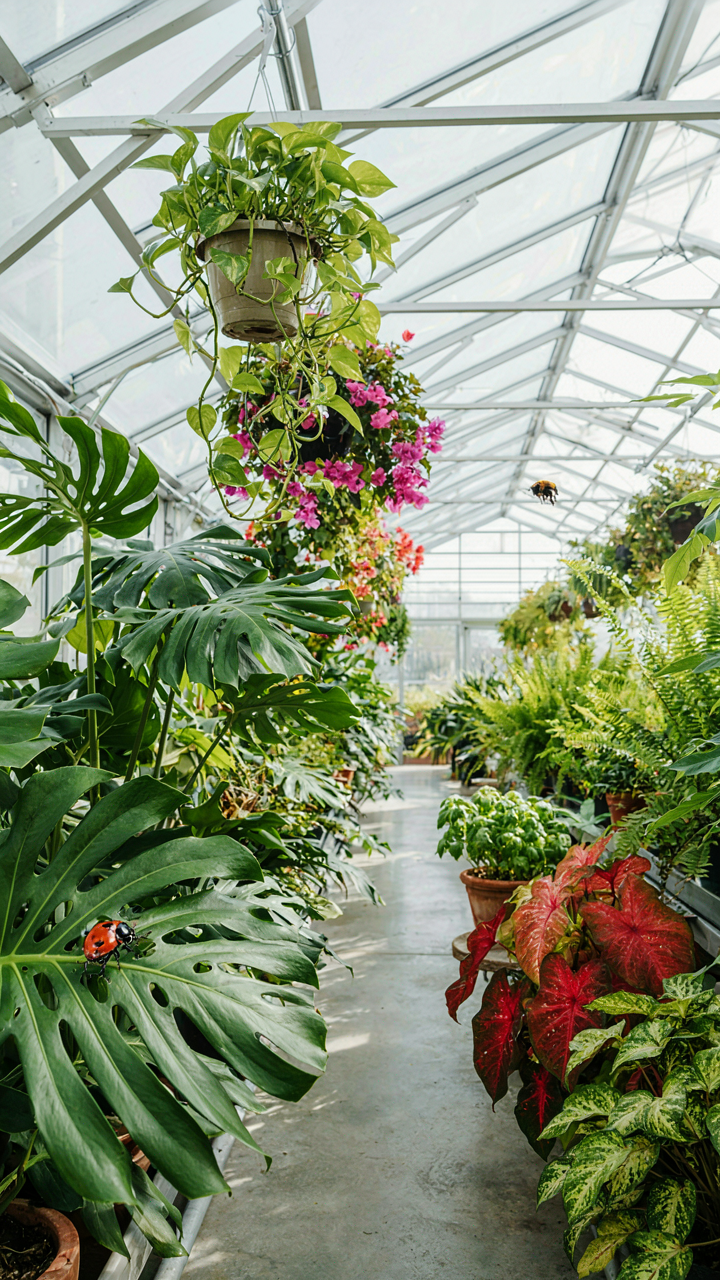
Stop treating greenhouse pest control like a game of whack-a-mole. The growers winning aren’t the ones spraying harder. They built ecosystems that recover faster than pests multiply. Your move today: introduce one beneficial insect species that preys on your current problem. Not tomorrow. Today. A resilient greenhouse doesn’t need you to fight every battle because the system fights for you.



