
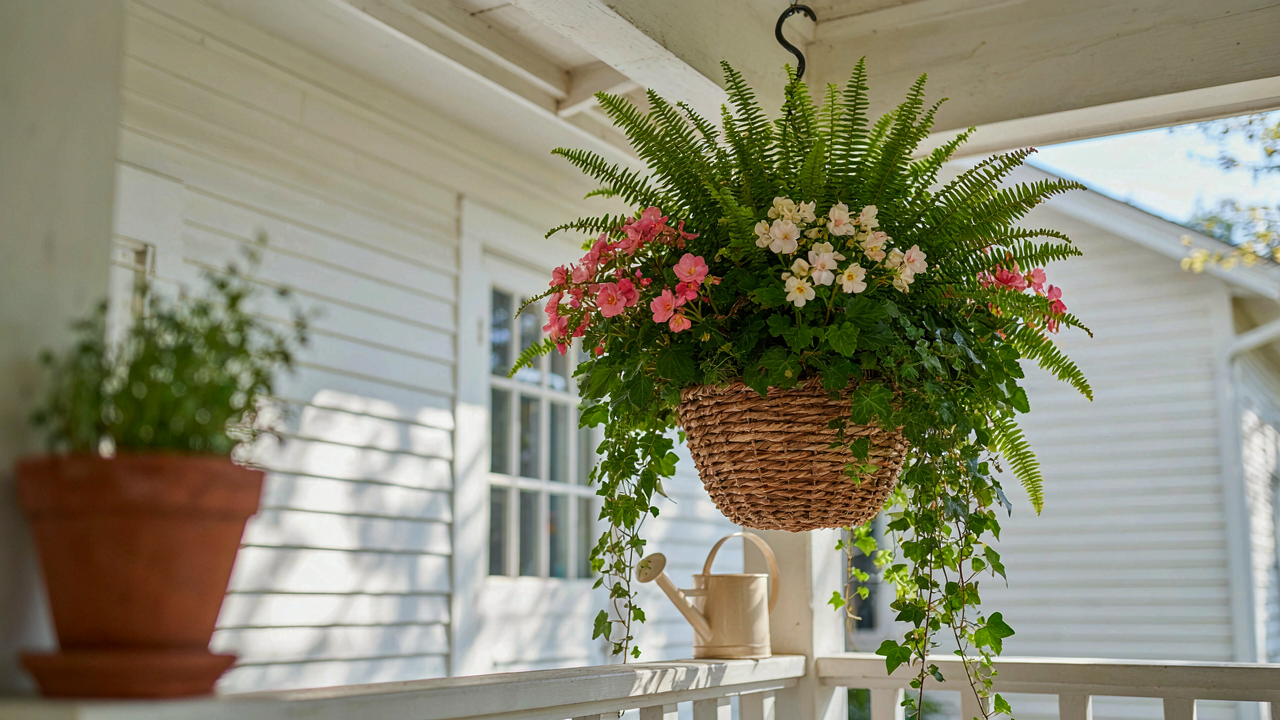
Beyond The Buzzwords: Deconstructing “Shade”
What Shade Actually Means
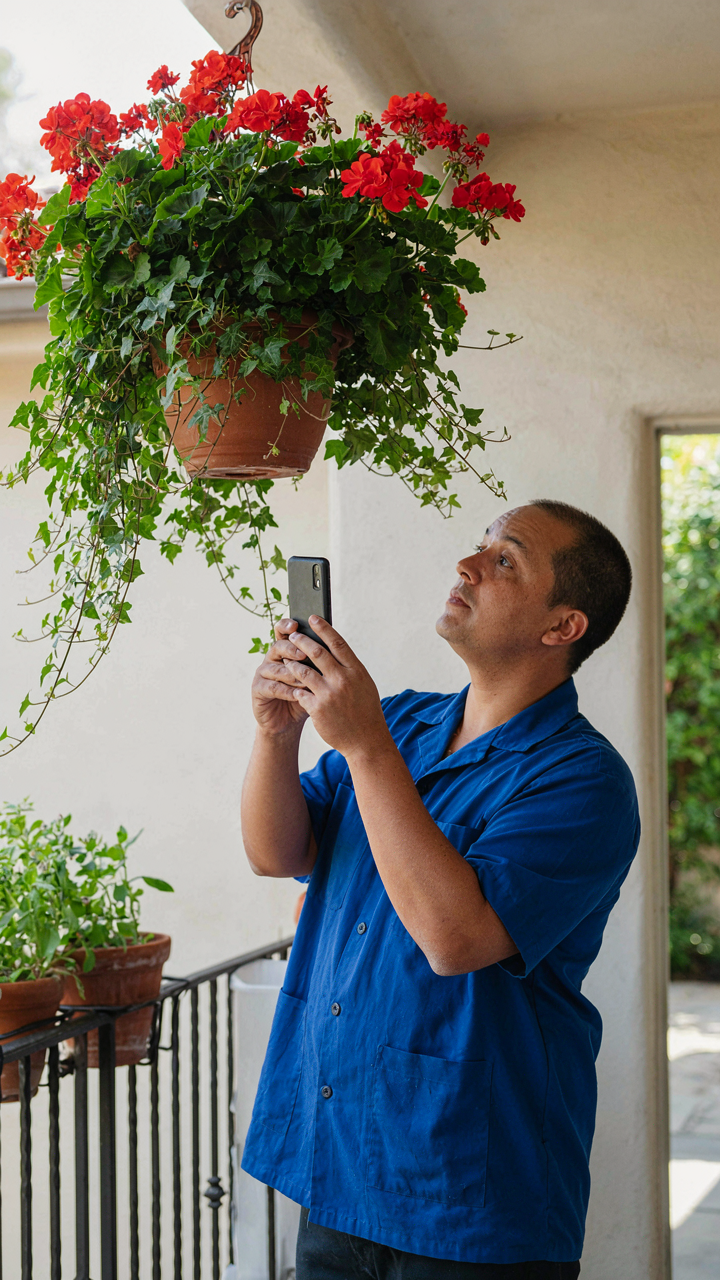
You want permission to buy expensive plants without doing the work to understand what kills them. Here’s the mechanism: shade isn’t a binary state. It’s a measurement of light intensity, and the gardening industry muddles this on purpose because clarity would shrink their market. True shade means under 2 hours of direct sunlight daily, typically under 100 foot-candles of light. Part shade means 2 to 4 hours of direct sun or dappled light all day. Most hanging baskets sold as “shade plants” actually need part shade, not true shade.
The difference matters because true shade plants have adapted to extract maximum energy from minimal light through larger leaves and different chlorophyll structures. Put them in part shade and they grow sparse. Put part-shade plants in true shade and they yellow, weaken, and collapse within weeks. Measure your space before you buy. Count actual hours of direct sun from spring through fall. If you can’t see a shadow on the ground, you’re not getting direct sun, and your light measurement is lower than you think.
The Microclimate Shift Nobody Mentions
Hanging baskets sit in air that moves differently than ground-level plants experience. Physics calls this the boundary layer effect, and it’s your actual competitive advantage. Warm air rises, cool air pools at ground level, and wind channels around structures and trees differently at 6 feet than at ground level. A hanging basket on a north-facing porch in true shade still receives more air movement and reflection from surrounding structures than you’d expect. That reflected light from white siding, light-colored mulch, or a patio adds real light intensity without being direct sun.
Baskets hung near a south or west-facing wall trap heat differently than baskets hung in the open, even in shade. This changes moisture evaporation, which changes watering frequency and plant stress. Map your hanging spots by time of day. Note where morning sun hits, afternoon heat builds, and evening light comes in. Watch for 2 weeks before planting. The spot that looks uniformly shaded at noon might get 90 minutes of golden hour reflection at 5 PM. That shift changes which species actually survive in that specific location.
The Shade Plant Alchemist: Transforming Limitations
How Shade Plants Actually Survive
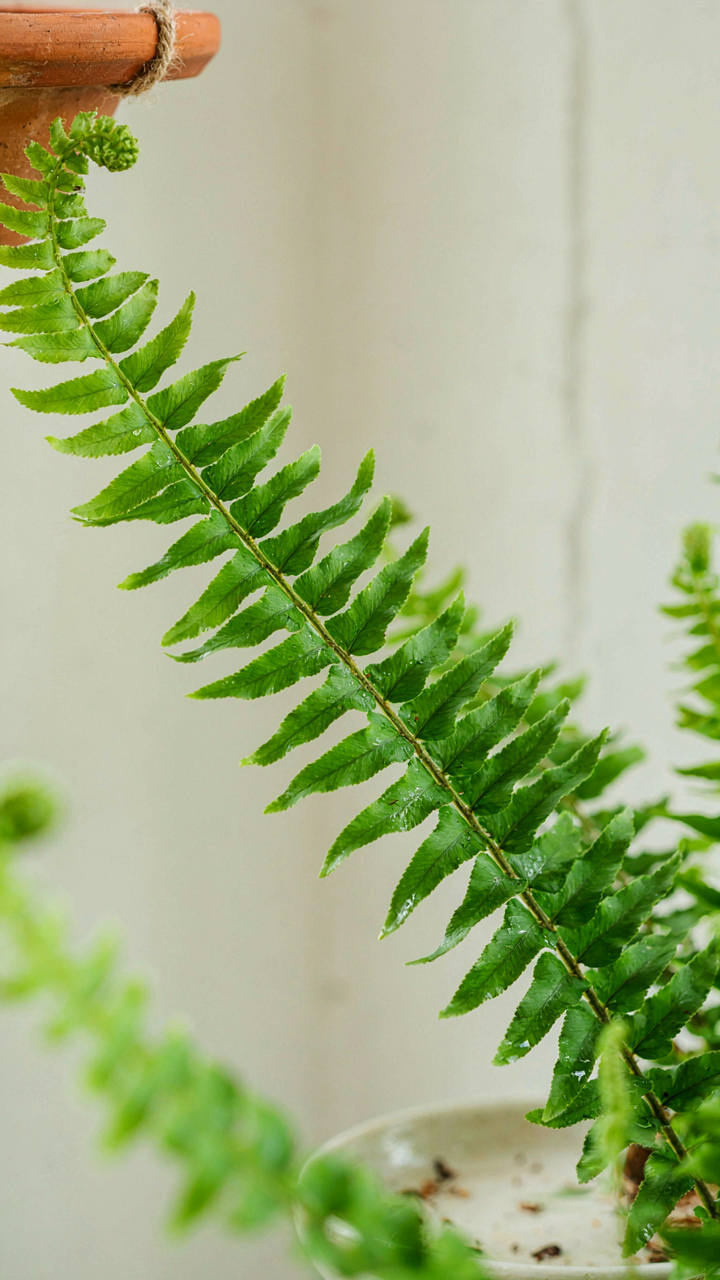
You want shade plants because you think it makes gardening easier. It doesn’t. Shade plants work harder, not less. Borrow from plant physiology: shade plants exhibit what’s called shade adaptation, the same survival mechanism that drives a plant to stretch toward any available light source. A shade hanging basket plant trades growth speed for efficiency. It develops larger leaves with more chlorophyll density to capture scattered photons. Thinner cell walls let more light penetrate deeper into the leaf. The plant essentially rewires itself to extract maximum value from minimal input.
This is why you can’t just stick any plant in low light and expect results. The plant must possess the genetic hardware already built in. Ferns, begonias, and philodendrons didn’t evolve in full sun then adapt to shade. They evolved in forest understories where shade was the default condition. Their leaf structure, chlorophyll production, and metabolic rate were engineered for that environment. Match the physiology to the light level your hanging location actually receives, not the light level you wish it received.
Plants Nobody Expects In Hanging Baskets
- Dischidia: A rare trailing succulent that thrives in dappled shade and tolerates neglect. Produces tiny heart-shaped leaves and adapts well to humidity without waterlogging in hanging format.
- Alocasia Micans: The velvet-leaved alocasia handles moderate indirect shade better than most tropical plants. Compact varieties trail gracefully and prefer consistent moisture with excellent drainage from basket elevation.
- Scindapsus Pictus: The satin pothos has darker, mottled leaves that don’t bleach in low light. Slower grower than standard pothos but maintains pattern integrity in shade environments.
- Hoya Carnosa Compacta: Waxplant variety produces tight spiral leaves and blooms indirectly in shade. Minimal watering needs make it reliable for hanging positions where soil dries unevenly.
- Rhaphidophora Tetrasperma: Mini monstera tolerates shade better than full-sun recommendations suggest. Fenestration develops properly without intense light, and trailing habit suits basket placement perfectly.
- Epipremnum Pinnatum: Grown primarily as a foliage plant, this cousin of pothos handles shade and develops larger leaves as it matures. Often overlooked because it looks generic until established.
The conventional list of shade hanging baskets stops at ferns and begonias. This limits you to predictable, slow-growing options. The plants above perform in shade because their leaf structure evolved to process low-light conditions. They also move water and nutrients differently than sun-adapted plants, which changes your watering protocol. Plant them in baskets suspended at eye level or higher, where air circulation prevents the fungal issues that plague low-light baskets sitting on benches.
The Ignored Variable: Soil As The Shade Matrix
Drainage Over Nutrient Density
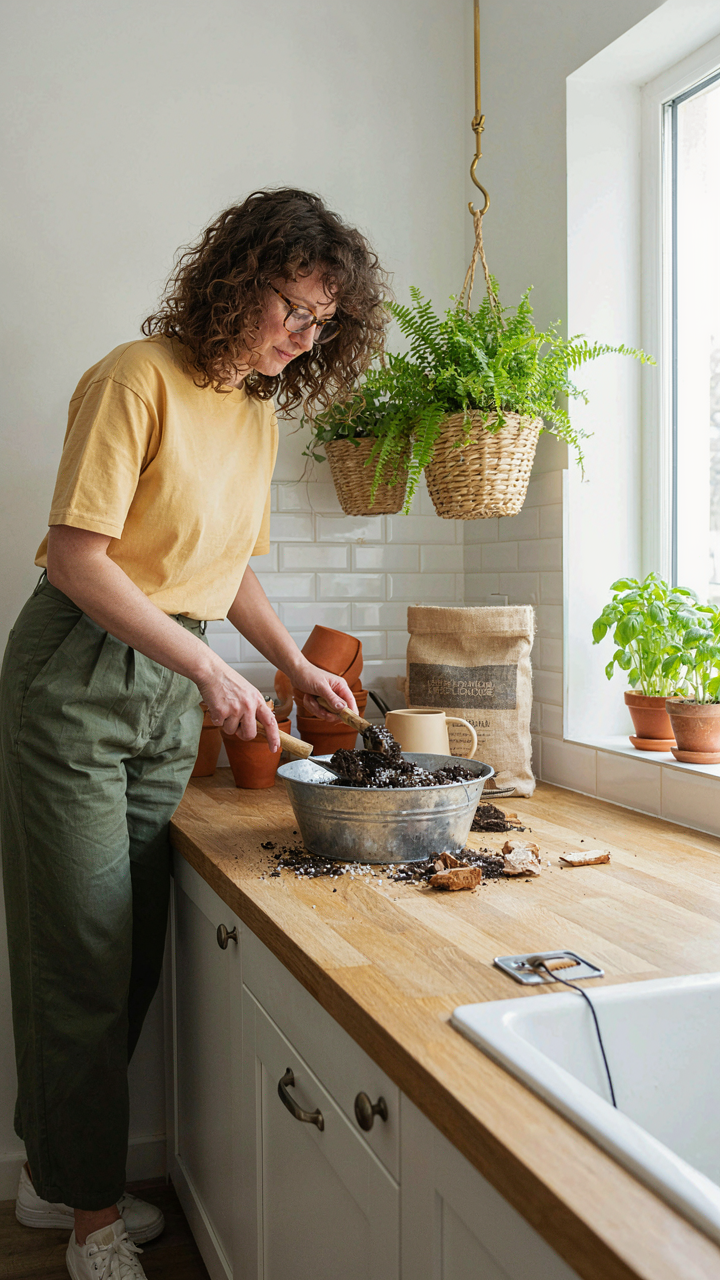
You want your shade hanging basket to look full and lush without touching it every week. The mechanism that makes this possible isn’t the plant or the light—it’s the soil structure beneath the surface. Drainage and nutrient content live in direct opposition in shade conditions. Most growers obsess over feeding shade plants richer soil, then watch them rot because water stalls in the root zone where there’s no heat or air circulation to move it through.
Shade slows evaporation. That’s the non-negotiable physics at play. A hanging basket in full sun dries fast enough that slightly dense soil won’t trap lethal moisture. In shade, that same soil becomes a sponge that releases water so slowly the roots suffocate before they starve. You need aggressive drainage in shade baskets. This means perlite, orchid bark, or coarse peat should comprise 40 to 50 percent of your mix. Feed the plant through liquid fertilizer applied on a schedule instead of relying on soil nutrients to dissolve on demand.
The Moisture Trap That Isn’t What You Think
Most advice tells you to keep shade basket soil moist but not wet. That’s incomplete because it ignores the real problem: shade plants need oxygen more than they need constant water. The distinction matters tactically. A soil that retains moisture while allowing air exchange is not the same as soil that stays uniformly damp. You achieve this through particle size variation, not through organic matter alone.
Layer your shade basket soil with coarse and fine components. Use chunky bark or perlite at the base for air gaps, then add finer peat or coco coir above it. This creates zones where water moves through quickly enough to prevent anaerobic decay while still holding available moisture for the roots. Check soil moisture by inserting your finger two inches down every three to four days. If it feels like a wrung-out sponge rather than dry or waterlogged, you’ve hit the target. Water only when the top inch feels dry to the touch, not on a calendar.
Shade Hanging Basket Plants: The Visual Algorithm
When Opposites Actually Work
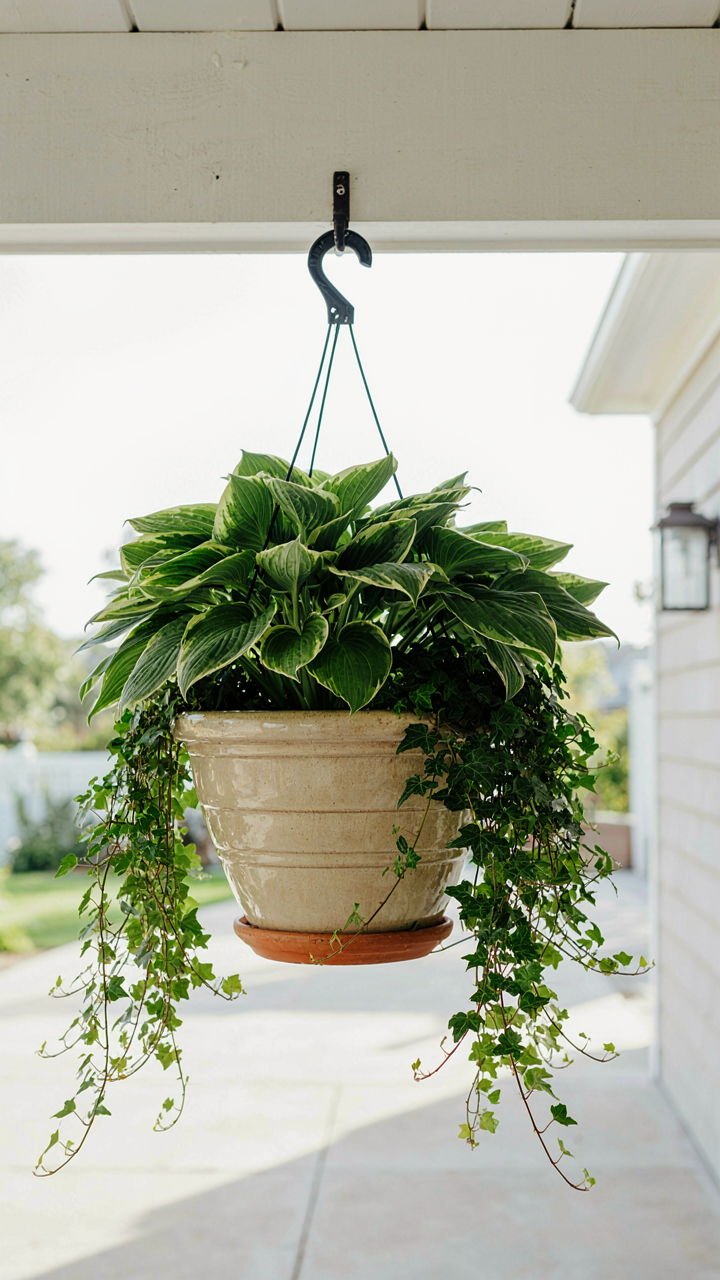
You want your hanging basket to look intentional, not like you grabbed whatever survived at the garden center. The mechanism is contrast: your eye needs a reason to stop moving across the arrangement. Light against dark. Fine texture against broad leaves. Upright against trailing. This isn’t decoration theory. It’s basic visual hierarchy, borrowed from graphic design, where the principle is that without contrast, nothing reads. A shade basket full of similar-colored, similar-textured foliage becomes visual noise. You’re not arranging plants. You’re creating entry points for the viewer’s attention.
Start by choosing one dominant textural element. Hosta or caladium provides broad, structural leaves that anchor the composition. Then introduce a fine-textured counterpoint: creeping fig, trailing ivy, or fern fronds break up the mass and create visual rhythm. The color pairing matters equally. Deep green foliage with silver or chartreuse accents forces the eye to register depth. Begonias with pale leaf undersides work here because the movement exposes contrasting tones. Plant the structural element slightly higher in the basket so trailing plants can descend without burying it. This simple protocol prevents the flattened, undifferentiated look that kills most amateur arrangements.
Building Depth Without Packing Things In
Most people solve visual flatness by overcrowding. Wrong move. Depth comes from arrangement position, not plant count. Think in layers the way a photographer uses foreground, middle ground, and background. In a hanging basket, this translates to three tiers: back (upright or cascading elements), middle (your main textural anchor), and front (trailing plants that hang lowest). Each tier should be visible from the viewing angle. Cramming ten plants into a twelve-inch basket means each one competes for light and root space, and visually they merge into one undifferentiated blob.
Choose three to five plants maximum for a standard ten to fourteen-inch basket. Position the tallest plant slightly off-center, not dead middle. Layer a medium-height plant with contrasting form beside it. Let trailing plants cascade from the outer edges, not the center. This creates the illusion of depth because your eye travels through space rather than stopping at a flat wall of green. Space between plants allows light to penetrate, making individual forms readable. The mechanism: negative space creates perceived volume. You’re not designing fullness. You’re designing the visual path that makes people sense there’s something happening beneath the surface.
The Xeriscaping Imperative: Water In Shade

Observation Before Action
You want to think watering shade baskets is simple because it makes you feel like you have control. You don’t. The mechanism here borrows from systems biology: feedback loops. In shade hanging basket plants, the feedback loop is soil moisture to drainage to air circulation to evaporation rate. Miss one variable and your watering schedule becomes fiction.
Shade slows evaporation dramatically. Full sun baskets dry in days. Shade baskets take weeks. The mistake most people make is watering on a fixed schedule instead of reading the soil. Check weight by lifting the basket. Soil should feel light but not brittle. Water only when the top inch is dry to touch. This creates actual feedback, not guessing.
Matching Water Frequency To Plant Type
Different shade hanging basket plants have completely different water demands. The generic advice to water deeply but less frequently ignores this reality. Ferns and begonias want consistent moisture. Trailing ivy and philodendron tolerate drying between waterings. Succulents need the soil to dry fully before watering again.
Build a watering protocol around plant type, not around what sounds balanced. Check your basket’s specific plants, assess their native habitat conditions, then water accordingly. For mixed baskets, group plants with similar moisture needs together. When you can’t, choose the plant with the highest water demand as your watering trigger. Start there, then adjust based on what you observe in the soil over two weeks.
The Forgotten Element: Airflow & Humidity

Where Shade Plants Actually Die
You want your hanging baskets to survive because you don’t want to admit you killed them again. Here’s the mechanism: shade amplifies still air. In full sun, convection and wind movement naturally dry leaf surfaces and soil. Shade blocks direct heat, so air doesn’t rise and move. Moisture stays trapped around foliage and roots. Fungi and bacteria don’t need light—they need dampness and stagnation. Your basket becomes a petri dish.
The biology here is straightforward. Fungal spores germinate in environments below 50% airflow velocity. Most gardeners obsess over soil moisture while ignoring air velocity entirely. They kill plants from the inside out without realizing it. Moving air directly suppresses fungal colonization. Dead air in shade is not neutral—it’s hostile.
Placement Strategy For Real Ventilation
Stop hanging baskets directly against walls or in enclosed corners. Air needs a path to move through and away from the plant. Position baskets where prevailing indoor or outdoor air currents pass through the canopy, not around it. East-facing positions catch morning air. Open shelving near windows creates cross-ventilation that walls block entirely. Distance matters more than direction.
Test airflow by holding a lighter or incense stick near your basket location. Smoke should move visibly, not pool. If air feels dead at that spot, your plant will struggle regardless of watering discipline. Reposition before fungal problems emerge. Spacing baskets six to eight inches apart when grouping them prevents one diseased plant from contaminating neighbors through stagnant air pockets.
Shade Loving Hanging Baskets: The “Set And Forget” Fallacy

How Shade Plants Actually Adapt
You want a hanging basket that survives on neglect. That’s the real reason you’re reading this. But low-light adaptation isn’t passive survival—it’s an active metabolic choice. Plants in shade don’t just tolerate darkness; they restructure their physiology to capture whatever photons arrive. This means larger leaf surface area, thinner cell walls to reduce light scatter, and increased chlorophyll concentration. The trade-off is real: shade-adapted plants grow slower and demand less water, but they also become fragile in direct sun.
Impatiens, ferns, and begonias didn’t evolve for your porch. They evolved in forest understories where competing for light meant dying. Their leaf arrangement spreads horizontally to maximize capture. Their root systems shrink because less photosynthetic output means less energy to support growth. When you hang one in actual shade, you’re recreating that forest environment—not making the plant lazy. The mechanism is simple: lower light triggers lower metabolism across the entire organism.
Energy Scarcity Creates Performance Rules
Biology teaches us that organisms under resource constraint minimize expenditure. Apply that principle directly to your hanging baskets. A shade plant survives by spending less energy on growth, transpiration, and nutrient cycling. This doesn’t mean it’s dormant. It means every system operates at reduced capacity. Watering a shade-adapted plant on the same schedule as a sun-lover is the mistake everyone makes. You’re flooding a system built to expect scarcity.
The actual rule: shade baskets need less water because they photosynthesize less, transpire less, and cycle nutrients slower. Check soil dryness before watering, not the calendar. Fertilize at half strength or half frequency. Your hanging basket isn’t forgiving—it’s efficient. It fails when you treat it like a plant that needs constant input. Success comes from matching input to the plant’s actual metabolic rate, not from hoping it tolerates neglect.
The Minimalist Protocol For Part Shade Hanging Baskets

Match Light Conditions To Plant Demand
You want to skip the dead plants and the second trips to the nursery. The real mechanism is this: part shade means 2 to 4 hours of direct sun, and most people treat it as a dumping ground for whatever didn’t sell. Light is a biological currency, not a suggestion. Plants adapted to part shade have evolved lower photosynthetic rates and thinner leaf structures to extract what little light reaches them. When you force a sun-demanding plant into part shade, it doesn’t fail dramatically—it just starves slowly, producing weak growth that invites disease and pest pressure.
Stop guessing about “shade tolerant” and start measuring your specific microclimate. Morning sun from an east-facing wall differs sharply from dappled afternoon light under a tree canopy. The former supports Impatiens and Begonias well; the latter struggles with consistent photosynthesis. Assess your hanging location at three time points: 9am, noon, and 3pm. Count the direct sun hours. Plants don’t negotiate. Once you know what you’re actually working with, the selection becomes obvious instead of experimental.
Fewer Plants, Maximum Root Competition
The minimalist move isn’t about aesthetics—it’s about resource concentration. In a hanging basket, root space is finite and non-renewable. More plants mean shared water, shared nutrients, and shared oxygen in the soil. This isn’t decorative philosophy; it’s basic ecology. One strong specimen outperforms three mediocre ones because it claims the available resources without negotiation. You see lush hanging baskets fail because people pack them like they’re competing for shelf space, not because the plants themselves are weak.
- Fuchsia: Single trailing specimen grows 12 to 18 inches, flowers continuously in part shade with consistent moisture and no root competition for nutrients.
- Torenia: One plant reaches 18 inches across, produces dense purple or white flowers, thrives alone with weekly watering in dappled light.
- Begonia Grandis: Single tuber produces cascading stems up to 24 inches, handles part shade better than rex varieties, roots shallow so basket crowding kills it.
- Ivy Geranium: One plant trails 24 to 36 inches, blooms consistently, demands less frequent watering than Impatiens when given sole occupancy of container.
- Tradescantia: Plant one cutting per basket, reaches 3 feet within season, propagates easily from stem tips, prefers solo positioning to avoid root rot from overwatering neighbors.
The basket design itself matters. Use a 10 to 12 inch hanging basket for one specimen, 14 to 16 inches for two maximum. Drainage holes must be present and clear. One strong plant in proper conditions beats three struggling competitors fighting for water every single time. This is the protocol: select one specimen matched to your light, give it a properly sized container with drainage, then step back and let it work.
Winterizing For Perennial Shade Hanging Baskets

Preparing Shade Plants For Dormancy
You want your baskets to survive winter so you don’t rebuy plants every spring. That’s not laziness—it’s economics. The mechanism is simple: shade plants enter dormancy when daylight drops and temperatures fall, but most people trigger early death by either watering too much or abandoning the basket entirely. Both are mistakes.
Reduce watering frequency now, not after frost hits. Shade plants in dormancy consume minimal water because they’re not photosynthesizing at full capacity and growth has stopped. Soil should dry between waterings—not bone dry, but noticeably drier than summer. Check moisture by hand before adding water. Overwatering in cold months causes root rot faster than freezing does because roots can’t dry out in low light and cold temperatures.
Overwintering Strategies For Longevity
Moving baskets to a sheltered location beats leaving them exposed. Sheltered means against a south or west-facing wall, under an eave, or in an unheated garage where temperature stays above your zone’s hard minimum. Hardy perennials like hellebores and astilbe survive outdoors with protection, but tender perennials like impatiens and begonias die without moving indoors or to frost-free conditions.
Prune dead foliage before winter storage. Remove all brown or yellowed leaves and trim back leggy growth by one-third. This reduces disease pressure during dormancy and forces compact regrowth when spring arrives. Dormant plants don’t need fertilizer—they need zero fertilizer. Stop feeding entirely once growth stops in fall. Resume feeding only after new growth emerges in spring and plants have acclimated to warmer conditions.
The Only Real Obstacle? Your Refusal To Abandon Outdated Sun-centric Gardening Dogmas
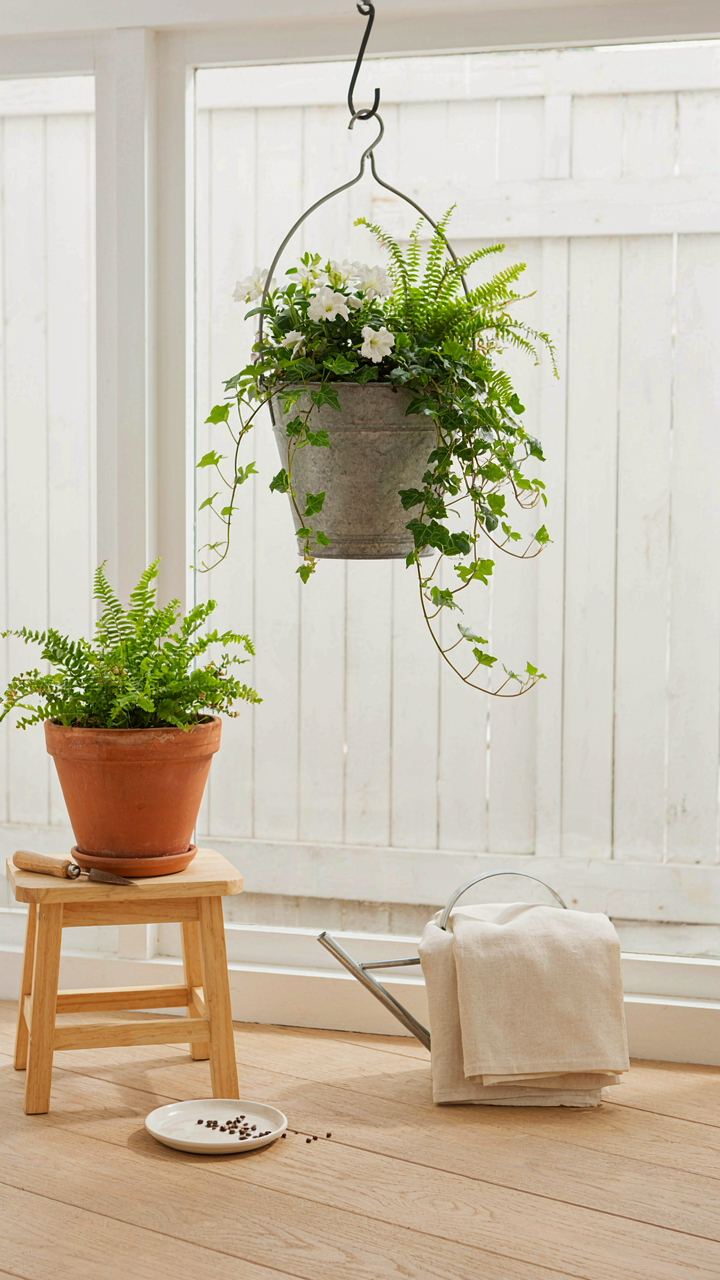
You’ve been told full sun equals thriving plants. That’s the lie holding you back. Shade hanging basket plants don’t need rescuing from darkness. They thrive there. Your one move today: pick one trailing plant from this guide, hang it where sunlight barely reaches, and watch it explode with growth. Your yard doesn’t need saving. Your assumptions do.



