
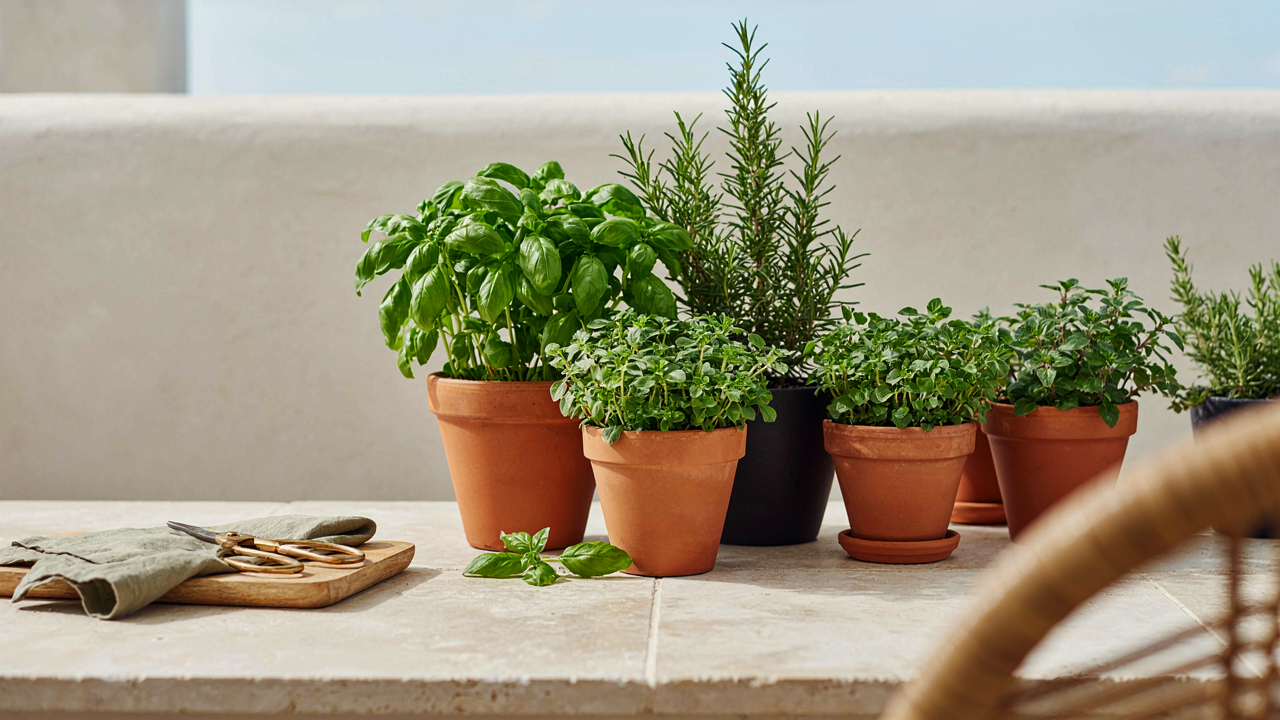
The Performance Imperative: Why Most Container Herb Gardens Fail
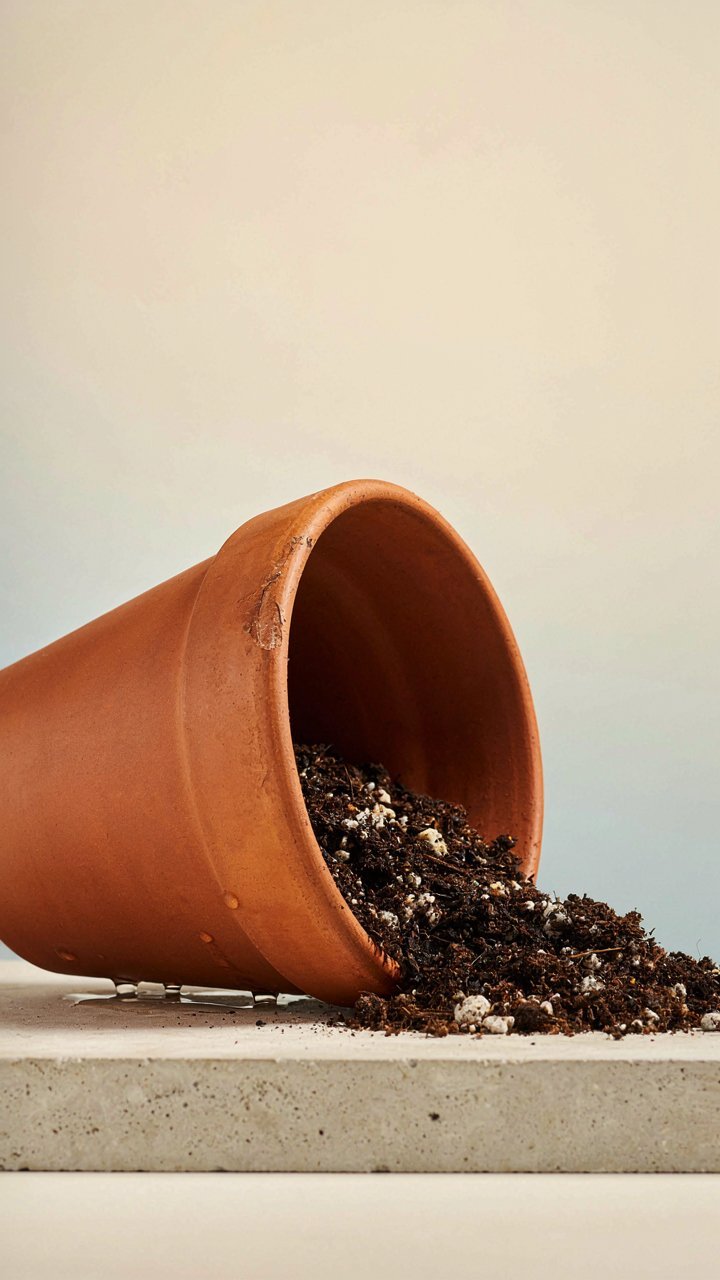
Where Water Goes To Die
You want the Instagram photo without the dead plant in frame. That’s the real reason you’re reading this. Here’s what actually happens: drainage isn’t optional decoration—it’s the difference between a living system and a petri dish for fungal rot. Apply hydrology here. In open soil, water drains through gravitational pull and capillary action. In a container, water has nowhere to go but down, then pools at the bottom, suffocating roots in anaerobic conditions within days.
Most container failures trace to a single mistake: assuming soil alone handles drainage. It doesn’t. A pot without drainage holes guarantees root rot. Even with holes, poor soil composition compounds the problem. Terracotta accelerates evaporation and helps somewhat, but ceramic and plastic trap moisture. The soil must be porous. Use a mix of perlite, coarse sand, or bark chips mixed into potting soil at a 30-40 percent ratio. Check drainage by watering once and observing water flow—if it sits or drips slowly, your medium is too dense.
When Nutrients Run Out
Limited soil volume means nutrient depletion accelerates in ways open-ground gardening never requires you to think about. A five-liter container has finite reserves. After four to six weeks of active growth, container herbs exhaust available nitrogen, phosphorus, and potassium faster than most gardeners expect. The confusion is widespread: people assume weekly watering replenishes nutrients. Water moves through soil but doesn’t create nutrients. It moves what’s already there.
Feeding becomes mandatory, not optional. A diluted balanced fertilizer applied every two to three weeks sustains performance. Organic matter like compost, mixed into the top soil layer monthly, extends the timeline but doesn’t eliminate the need for supplemental feeding. Track your feeding schedule in writing—this is non-negotiable for containers. Without it, leaves yellows, growth stops, and you’re left wondering why your basil went flat by mid-July.
The Bio Optimized Container Protocol For Robust Rosemary And Basil
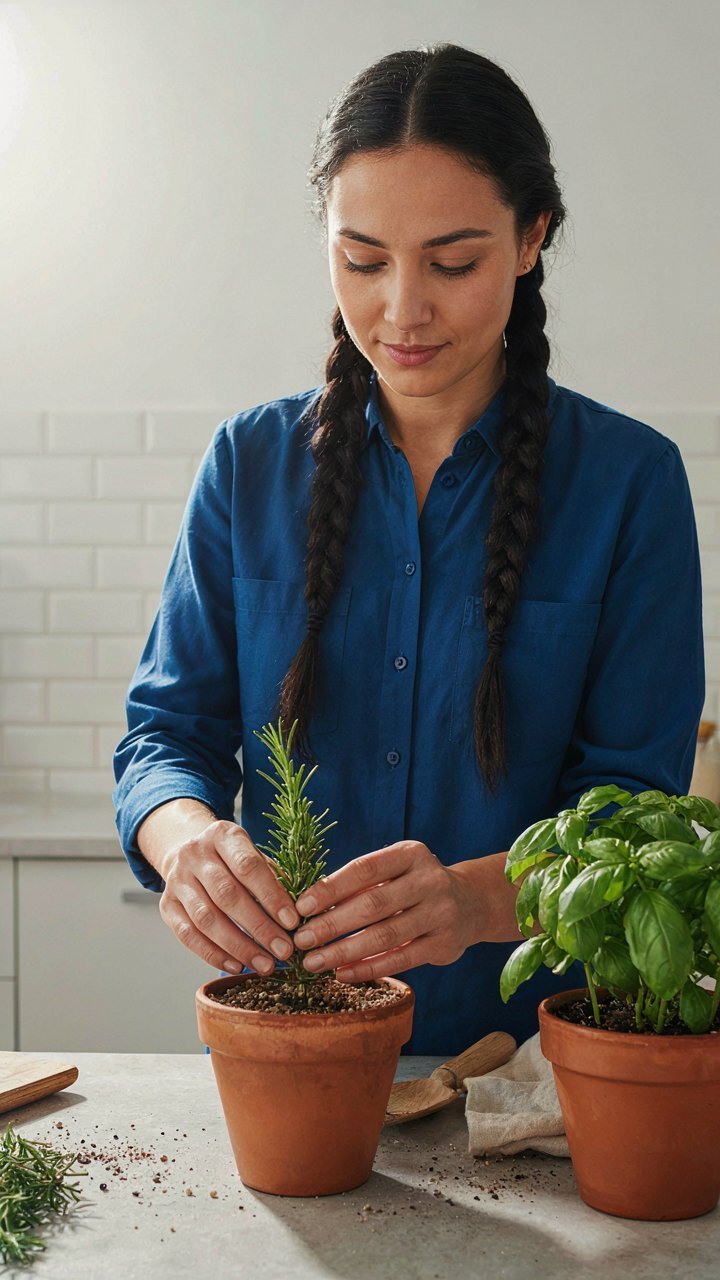
Match Your Soil To The Plant’s Origin
You want your herbs to look abundant at the dinner party. Here’s what nobody says plainly: most container herb failures trace back to soil density, not watering schedules. Think of soil composition through the lens of hydrology—water retention versus drainage. Rosemary evolved in Mediterranean limestone terrain where water moves fast. Basil comes from tropical regions with richer, wetter substrates. One soil formula kills both.
Use a base of 40 percent peat moss or coconut coir, 30 percent perlite, and 30 percent compost. This ratio mimics rosemary’s lean drainage while giving basil enough organic matter to hold moisture without waterlogging. Rosemary roots rot in dense soil within weeks. Basil wilts rapidly in gritty, fast-draining mixes. The container itself matters less than the substrate you fill it with—ceramic, terracotta, plastic, or metal all work if the soil underneath performs its job.
Spacing Determines Your Airflow Tax
Container gardeners cluster plants until leaves touch. This is a visibility problem disguised as abundance. Crowding creates a humidity dome that invites fungal disease and powdery mildew. Each plant needs air circulation around its leaves to regulate moisture and temperature at the leaf surface.
Position rosemary and basil at least 6 to 8 inches apart in the same container, or grow them separately. Rosemary tolerates dry air and prefers airflow. Basil needs humidity but not stagnant air. Both demand direct light for at least 6 hours daily—preferably 8 to 10. Light access matters more than container size. Overcrowded herbs stretch toward light, become leggy, and produce weaker stems. When stems lose density, your arrangement looks thin and wilted within days of harvest.
Environmental Control: The Microclimate Advantage For Herb Garden Ideas Patio

Sunlight Mapping And Strategic Placement
You want your herbs to look thriving on display, but that’s secondary to the actual mechanism: light determines whether your herbs photosynthesize or wilt. Sunlight mapping is borrowed from agriculture’s crop science—specifically, the concept of light saturation point. Each herb variety has a threshold where more light becomes wasted energy rather than productive growth. Basil hits saturation around 6 to 8 hours of direct sun. Mint and parsley tolerate 4 to 6 hours. Rosemary and thyme demand 6 to 8 hours. Place containers where morning sun reaches them first, which dries dew and reduces fungal pressure. Afternoon shade in hot climates prevents leaf scorch and reduces water loss.
The mistake most people make is thinking “sunny spot” means anywhere bright. It doesn’t. You need to track shadow patterns across your patio throughout the season because the sun’s arc changes. A spot that receives full midday sun in June will be partially shaded by August if trees or structures block it. Move your containers to test positions for 3 to 5 days before committing them to permanent placement. This takes 10 minutes of observation and saves weeks of stunted growth or unnecessary watering.
Wind Protection And Water Retention
Wind accelerates evaporation faster than most gardeners account for, and evaporation rate determines how often you refill containers. This is a physics problem: wind increases surface area exposure to dry air, pulling moisture from soil and leaves simultaneously. A container in a sheltered spot loses water through evaporation at roughly half the rate of one in open wind. Patio corners, against walls, or behind low barriers create microclimates where air movement drops sharply.
Position containers against south-facing walls or fence lines where they trap reflected heat and block crosswind. If your patio is exposed, use physical barriers like trellises, planters, or low screens to disrupt wind flow before it hits your herb containers. This single change cuts watering frequency by 30 to 40 percent depending on your climate and season. That’s not convenience—that’s direct control over whether your display survives neglect or thrives.
The “Scarcity Economics” Of Container Gardening: Maximizing Oregano Yields

Water And Nutrient Allocation Under Constraint
You want to believe a bigger pot solves everything. It doesn’t. Economics teaches us about resource scarcity, and a container garden operates under hard scarcity: finite soil volume means finite water retention and nutrient availability. You cannot add more without consequence. A six-inch pot holds roughly one liter of water. A twelve-inch pot holds eight liters. The math dictates everything else.
Oregano tolerates drought better than most herbs, but tolerance is not preference. In containers, the soil dries faster than ground beds because air exposure increases evaporation on all sides. Nutrient depletion accelerates proportionally. Feed oregano every two to three weeks with diluted balanced fertilizer during growing season. Watering depth matters more than frequency: saturate until water drains from the bottom, then let the top inch dry before watering again. Shallow daily sprinkling produces weak root systems and mineral lockup.
Pruning For Compound Production
The common advice says prune regularly to encourage bushiness. That’s incomplete. Strategic pruning cuts specific growth nodes to redirect energy toward the branches that produce harvestable leaf mass. Oregano produces small flowers at branch terminals. Remove these before they open. Flowering redirects thirty to forty percent of the plant’s resources into seed production instead of leaf expansion.
Pinch back the top quarter-inch of stem every seven to ten days during active growth. This forces lateral branching below the cut point. Each new branch becomes a future harvest point. Harvest mature leaves from the outer edges of the plant first, moving inward. This keeps the center dense and photosynthetically efficient. Harvest no more than one-third of total foliage per week, or you’ll starve the root system faster than it recovers.
Strategic Specialization: Herb Box Garden For Event Impact
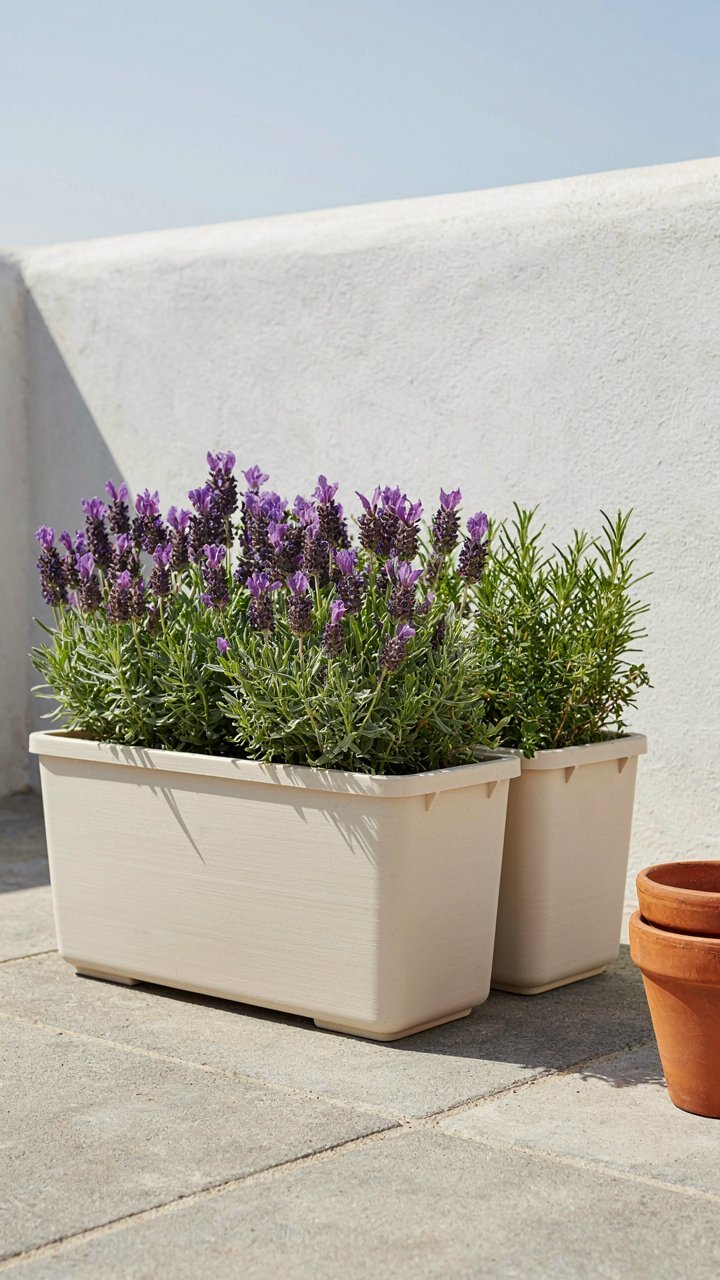
Match The Herb To The Moment
You want people to notice your setup and assume you have taste. That’s the real play here. The mechanism is constraint: forcing yourself to grow only herbs that serve the specific event’s purpose eliminates the noise of a generic mixed container. Weddings demand fragrant herbs that cut through competing scents. Corporate events need visual density and zero maintenance during the event window. Dinner parties require herbs guests actually recognize and want to taste.
This isn’t about being precious. It’s about reverse engineering from the outcome. If your event has a theme, a cuisine, or a specific sensory goal, your herb selection becomes a tool for that outcome, not a decoration that happens to be there. You eliminate basil because it’s popular and choose it because your menu uses it. That decision compounds into a container that looks intentional instead of assembled.
Container Architecture For Logistics
Portable containers fail most people because they confuse “easy to move” with “survives being moved.” The engineering term is load distribution: weight concentration points create instability during transport and display. A box garden for events uses a wide, low footprint rather than tall and narrow. This centers the gravitational load and prevents tipping when guests brush past or when you’re moving it into position.
Material choice matters here. Resin or fiberglass boxes weigh half what ceramic does and won’t crack if dropped on pavement. Metal frames with fabric liners compress flat for transport but still hold soil depth for root systems. The real requirement is testing the full rig under event conditions: move it three times, leave it sitting for four hours in sun, then move it again. If it survives that cycle intact, your display won’t collapse mid-event.
Beyond Decor: The Architectural Principles Of Container Herb Garden Ideas
Weight Distribution Beats Visual Balance
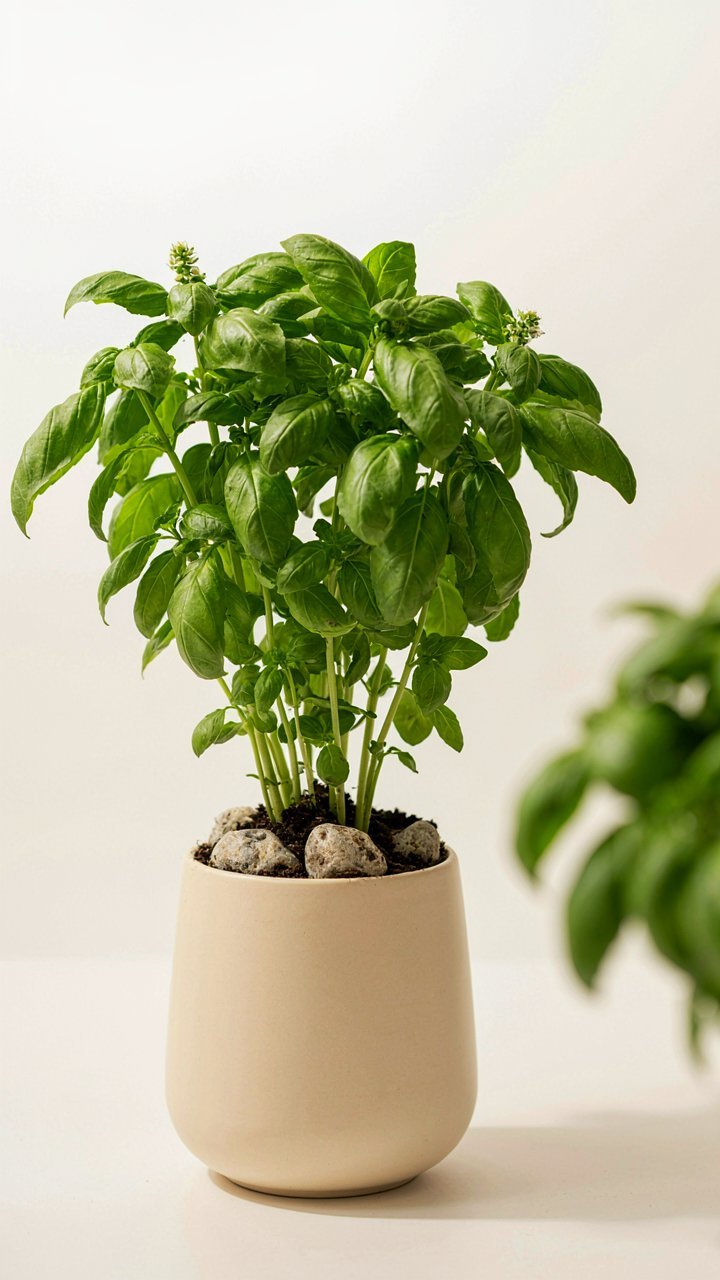
You want your herb garden to look intentional at the dinner party. What actually matters is preventing root failure and soil collapse under real growth pressure. Structural support in containers operates like load-bearing walls in architecture: the container material and shape determine how weight distributes, not aesthetics. Terracotta spreads force outward through thickness. Plastic concentrates it. Tall narrow containers create leverage problems that shallow wide ones eliminate. The mechanism is simple: tall plants in undersized bases topple because the center of gravity moves up faster than the base can anchor it.
Most people stack containers vertically without calculating the load chain. Each tier adds weight above and sideways pressure. The bottom container must handle not just its own soil mass but everything stacked on it. Use wide, heavy materials at the base, lighter materials higher up. Metal trellises built into the container frame work better than post-planting supports because they distribute stress before it concentrates. Anchor tall herb varieties like rosemary to the container’s structure at multiple points rather than relying on soil grip alone, which fails as roots expand and the root ball shifts inside the container during watering cycles.
Form Follows Function In Living Systems
Biomimicry in design takes patterns from nature, not decorative inspiration but structural logic. Hexagonal cells in honeycombs use minimal material for maximum volume, a principle that translates directly to drainage patterns in container design. Containers with honeycomb or latticed base structures drain faster and more evenly than flat bottoms because they mimic how water moves through soil in natural environments. Nature doesn’t use containers, but it does use stratification: different soil densities at different depths determine water flow and air pockets. Replicate this layering deliberately.
Tapered containers that narrow toward the top mimic how trees naturally funnel water to their roots and how ant colonies shape their chambers for structural stability. The taper creates a zone where roots compress slightly as they grow outward, triggering the plant’s natural response to strengthen its own root system. This makes the herb harder, more aromatic, and more resilient to stress. Combine a tapered container with layered substrate (rocks at bottom, coarse soil, fine soil at top) and you don’t need to manage watering as aggressively because the system self-regulates. Build your container design around these pressure points, then add surface decoration.
The Krydderurter Udendørs Reframe: Scandinavian Pragmatism In Container Gardening
Plants That Survive Without You
You want containers that look intentional at a dinner party without dying the moment you forget about them for two weeks. The mechanism here borrows from biology’s concept of stress tolerance: hardy plants store energy and water internally, so they demand less frequent intervention. This isn’t about finding rare specimens. It’s about selecting species that thrive in your climate zone regardless of neglect.
- Thyme: Drought-tolerant perennial that grows woody stems, survives freezing temperatures, and produces year-round. Minimal watering needed once established in containers.
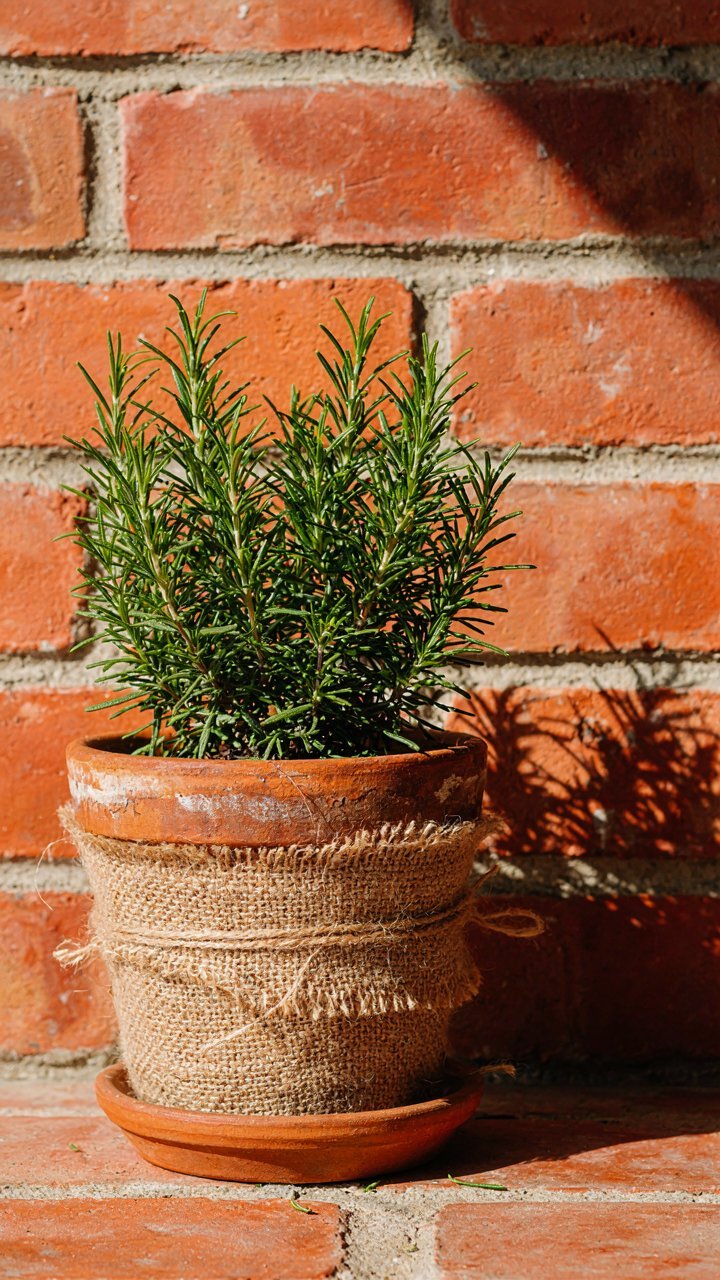
- Rosemary: Mediterranean origin means it handles cold down to zone 6 and thrives in poor soil. Container growth actually improves flavor concentration through stress.
- Sage: Perennial with deep root systems that tolerate inconsistent watering. Survives multiple seasons in the same container with minimal care.
- Oregano: Spreads aggressively, handles cold climates, and bounces back after cutting. Dies only from overwatering, not underwatering.
- Chives: Returns every spring without replanting. Tolerates shade, cold, and neglect better than most herbs sold as “low maintenance.”
Scandinavian gardening philosophy rejects the idea that containers are temporary displays. These cultures treat herb containers as infrastructure, not decoration. You pick species that outlast a season, then let them live. The practical result: your containers work harder and cost less to maintain between occasions.
Building Rhythm Into Your Rotation
Most advice treats winter as the problem and suggests moving everything indoors or replacing stock. That’s wrong. The real mechanism is seasonal dormancy: hardy perennials need cold periods to reset their growth cycles. Container gardening in Scandinavian climates works because gardeners plan for this, not against it.
Overwintering containers outdoors requires three specific actions. First, move pots against south-facing walls or structures to capture residual heat. Second, wrap the container itself (not the plant) with burlap or straw to insulate the root zone from temperature swings that kill more plants than sustained cold. Third, reduce water frequency in fall but don’t eliminate it completely—frozen soil still needs minimal moisture. The container placement and wrapping matter more than what you do with the plant. Your herbs survive the dormant season, then produce aggressively in spring because they’re established in place.
The Feedback Loop: Iterative Improvement In Your Herb Garden
Watch What Actually Happens
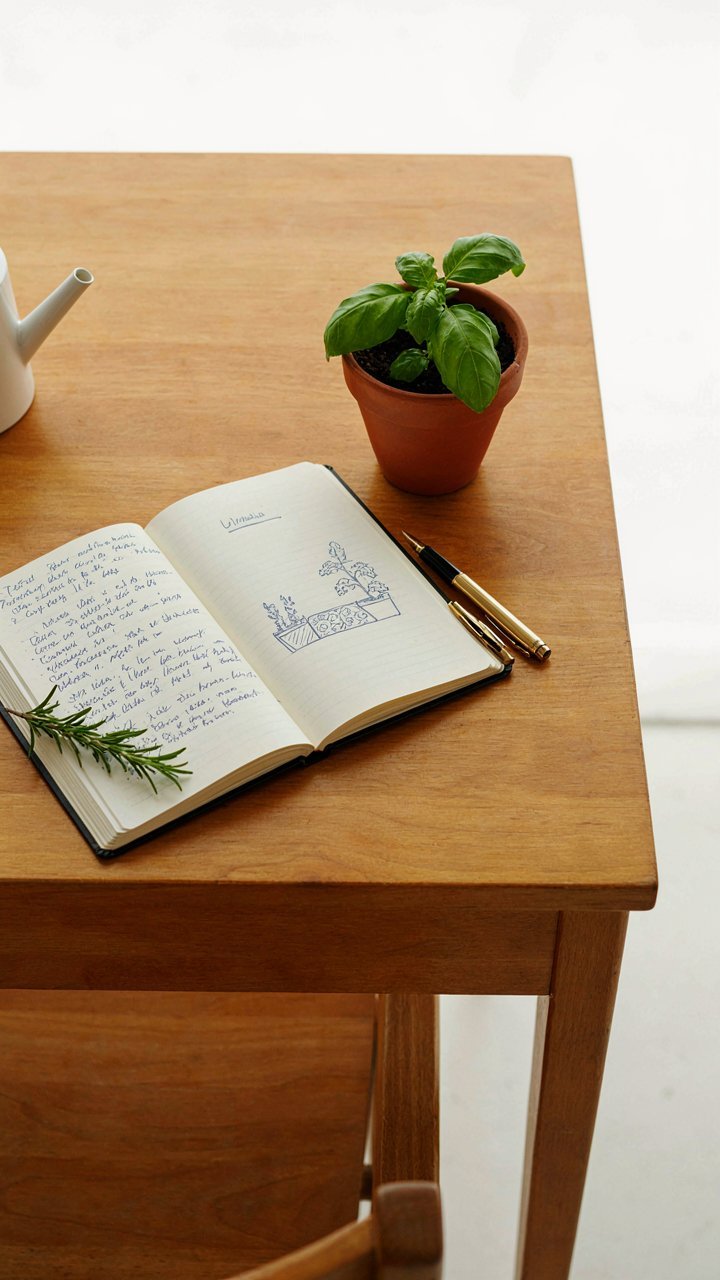
You want proof your container setup works because admitting trial and error feels like failure. Here’s the mechanism: observation is a system borrowed from agriculture and biology. In crop rotation, farmers don’t guess what soil needs next—they measure yield against inputs. Your herb containers operate the same way. Track which ones produce harvestable volume. Document which materials retain moisture without rot. Note which drainage holes stay clear versus which clog. Data replaces opinion.
The real work starts after you plant. Most people set containers and ignore them until something dies. Instead, spend five minutes every three days noting what you see. Does basil in terra cotta dry faster than basil in ceramic? Does the container in morning sun outpace the afternoon-only spot? Drainage behavior, pest pressure, growth rate, leaf color—these observations are your actual feedback. They’re what make the next iteration defensible instead of random.
Build A Replication Template
Recording success isn’t sentimental journaling—it’s creating a protocol you can repeat without thinking. Note the container material, soil blend, drainage setup, water frequency, sunlight hours, and harvest timing for whatever actually worked. Don’t just remember it. Write it down in one place. This becomes your template for special occasions that require specific herb volumes or aesthetics.
When you plan next year’s event containers or scale production for a catering project, you pull this template instead of starting from scratch. You know exactly which 12-inch glazed ceramic held parsley without waterlogging. You know the potting mix ratio that prevented root rot while keeping moisture consistent. You know how many days before harvest the growth plateaus. This removes guesswork from your next build. The container that performed becomes your standard, your reference point for all future iterations.
Your Biggest Obstacle Isn’t A Lack Of Creativity, But A Surplus Of Unexamined Assumptions About What Truly Matters
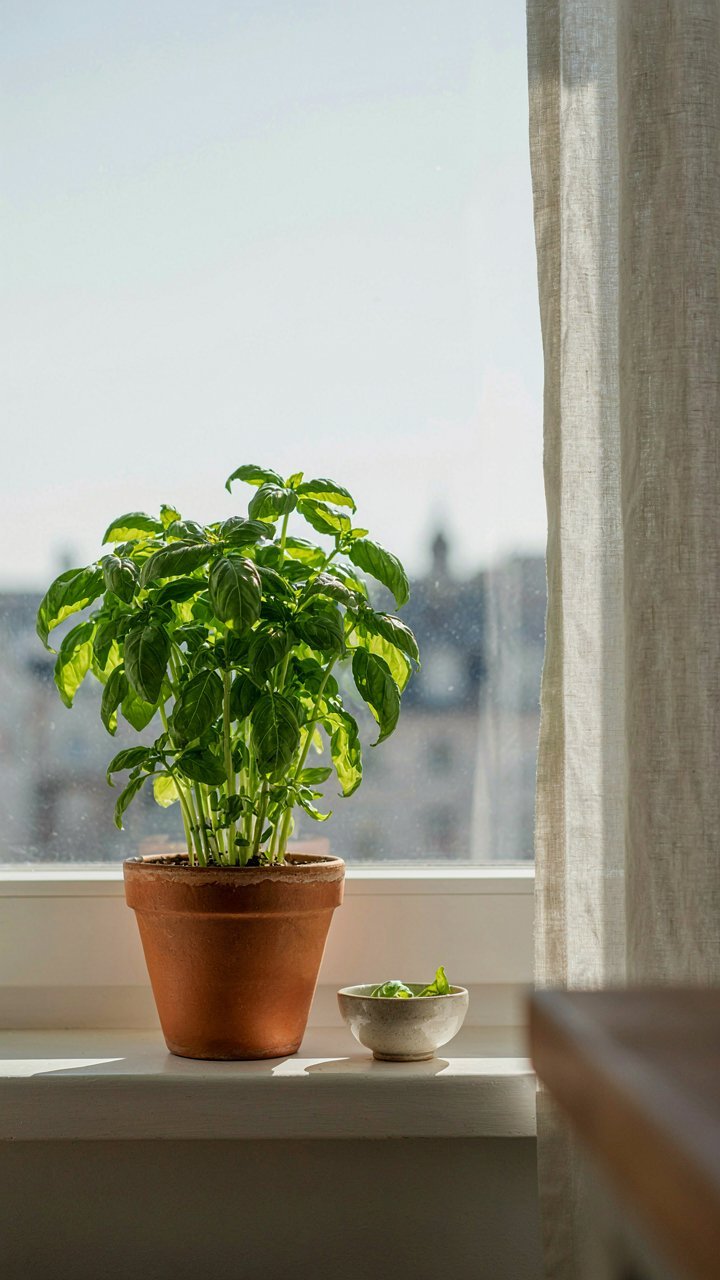
You’ve been trained to believe herb garden containers must match your decor or impress guests. They don’t. They exist to grow herbs you actually use. Stop optimizing for aesthetics and start asking what you’d harvest from every single day. Pick one container today. Fill it with basil. Use it tomorrow. The gap between thinking about growing herbs and actually eating them is where 90 percent of people fail.