
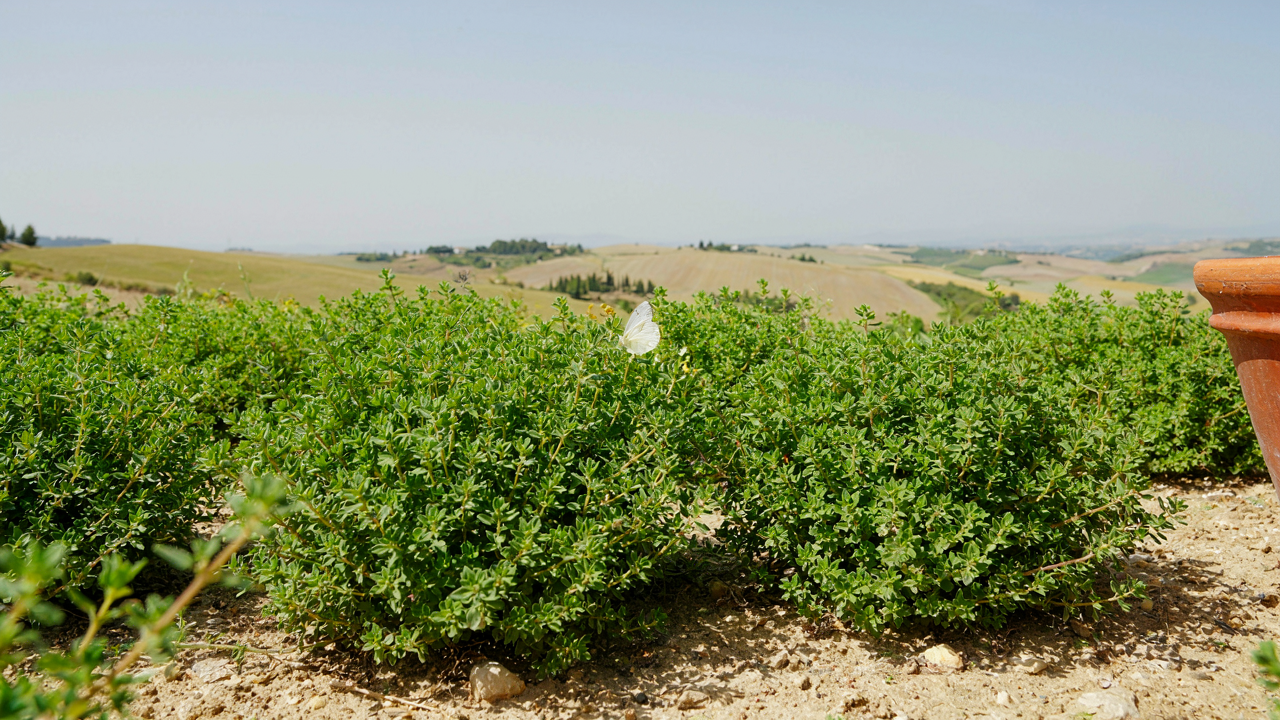
The Thyme Autonomy Principle: Beyond Hand Holding
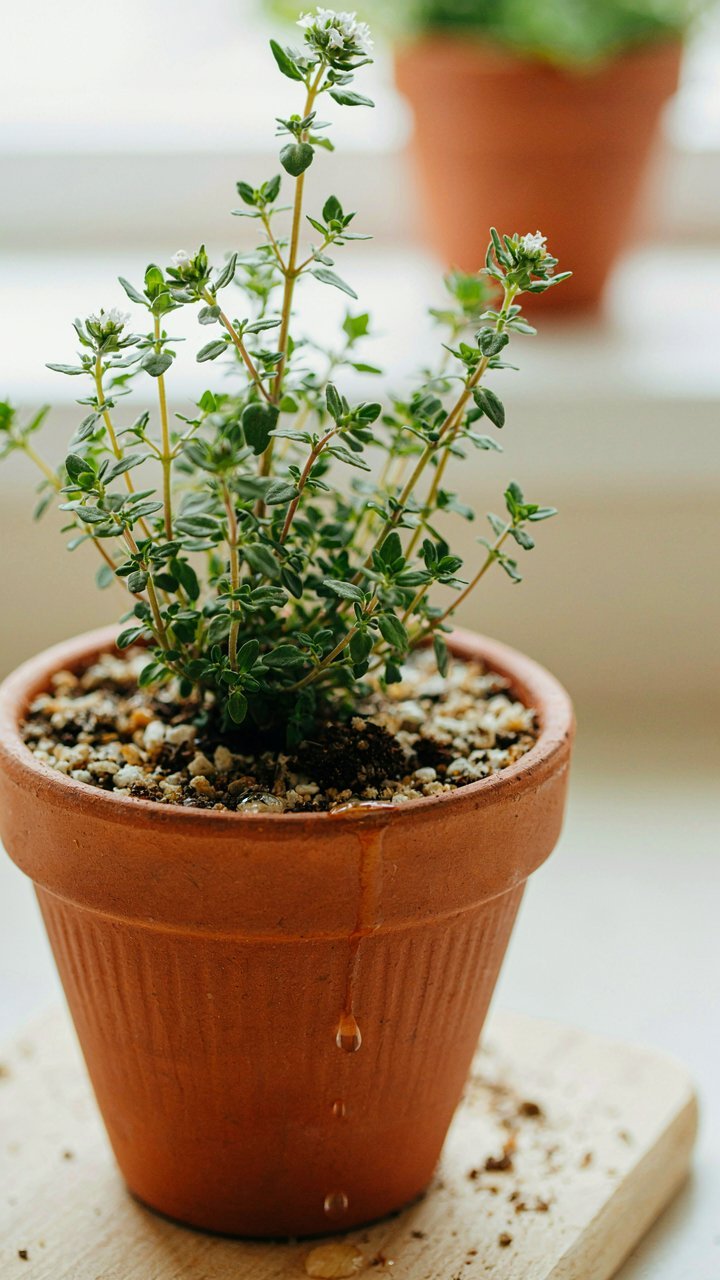
Starving It Out Beats Babying It
You want a thyme plant that survives without your constant intervention because you’re tired of keeping things alive. Here’s the mechanism: thyme evolved in Mediterranean climates where soil is thin, water is sparse, and nutrients don’t flow freely. Every gardening mistake you make stems from fighting this heritage instead of accepting it.
Thyme doesn’t need rich soil, frequent watering, or fertilizer schedules. Overwatering kills it faster than anything else. The plant’s root system adapted to grab moisture and nutrients from hostile terrain. Give it that same pressure, and it hardens. Coddle it with wet soil and regular feeding, and the roots rot or become dependent. Thyme thrives on neglect, not coddling.
Habitat Mimicry Builds Real Resilience
Applying ecological adaptation here: thyme’s survival strategy mirrors what biologists call niche specialization. Your job is to recreate the specific niche thyme occupies, not invent one. Mediterranean hillsides have full sun, fast-draining soil, low organic matter, and periods of drought. Build that exact environment and the plant becomes nearly indestructible.
Poor drainage is the single biggest reason thyme fails indoors or in containers. Use gritty soil mixes with perlite or sand. Position containers where water drains completely within hours, not days. Plant in direct sunlight minimum six hours daily, ideally eight to ten. Thyme doesn’t adapt to partial shade or wet feet. Match the habitat, and you stop troubleshooting problems.
Soil: The Great Deception Of “Rich” Mixes

Lean, Well Draining Soil Wins
You want the soil to look fertile because that feels like you’re doing something right. Here’s the mechanism: thyme evolved in Mediterranean climates where soil is poor and drainage is absolute. The plant’s roots rot in moisture before they starve in lean substrate. Biology here operates on scarcity, not abundance. Thyme demands drainage above nutrition.
Standard potting mixes trap water around roots. Add perlite or coarse sand to break that pattern. A 2-to-1 ratio of base soil to drainage amendment works. The plant survives lean. It dies in wet.
Nutrient Overdose Causes Weak Growth
The common advice is wrong: more nutrients equals stronger plants. Nitrogen overfeed triggers soft, leggy growth that invites disease and weakens essential oils. Thyme in nutrient-rich soil develops shallow roots and depends on constant feeding. You’ve created dependency, not resilience.
Start with minimal fertilizer. A light feeding once in mid-spring is sufficient for container plants. In-ground thyme needs no supplemental nutrients after establishment. The plant hardens under constraint. Feed it and watch it fail.
Sunlight: Your Plant Isn’t A Vampire
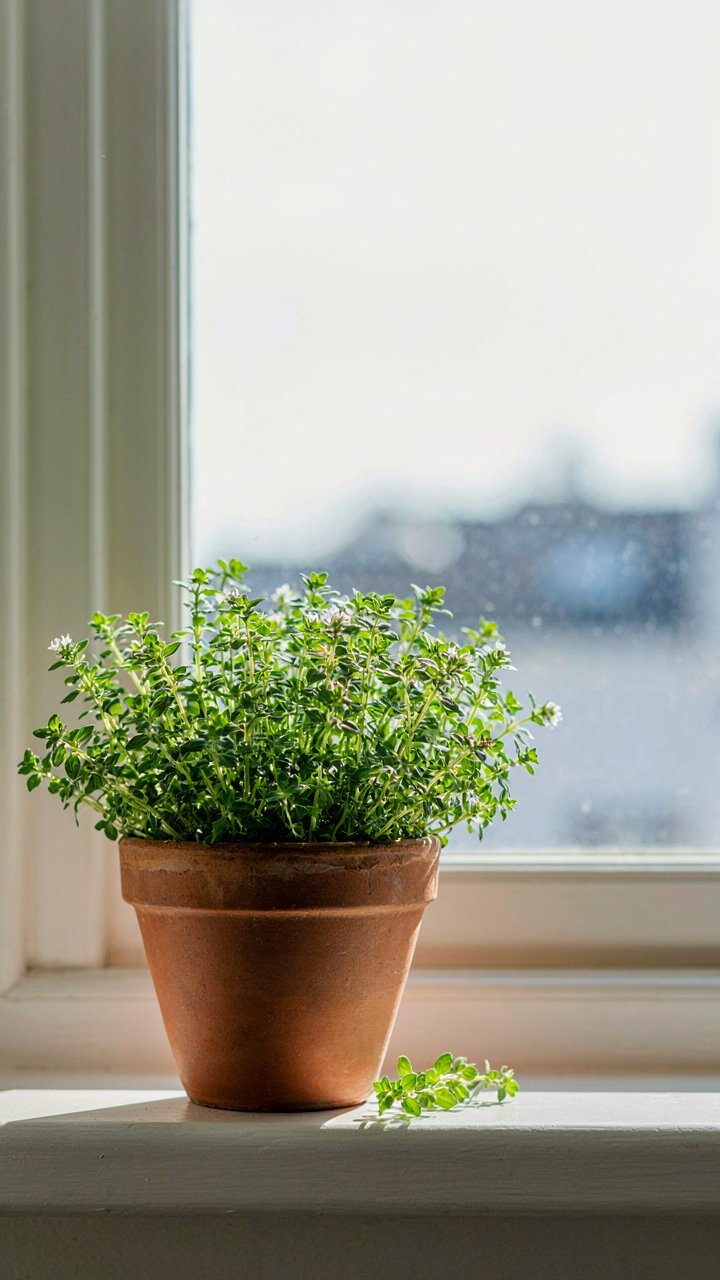
Full Sun Builds Flavor And Strength
You want thyme that tastes like something. That’s the real reason you care about this section—not aesthetics, but potency. Thyme operates on a botanical principle borrowed from energy economics: energy input determines output quality. Six to eight hours of direct sunlight daily triggers the plant to synthesize essential oils at maximum concentration. Those oils are what make thyme worth growing.
Weak sunlight doesn’t kill thyme outright. It survives in shade. But survival and thriving are different outputs. Low-light thyme stretches toward available light, producing thin stems and sparse foliage. The flavor flattens because the plant allocates resources to reaching light instead of building aromatic compounds. You end up with a plant that looks alive but tastes like disappointment.
Leggy Growth Signals Insufficient Light
Thyme without enough light doesn’t stay compact. It gets tall, thin, and brittle—what growers call leggy growth. The plant abandons density and flavor production in favor of height, a survival reflex that wastes your space and time.
Leggy thyme tells you immediately to move it. Full sun exposure reverses the pattern, though already-stretched stems won’t recover their shape. Prevention beats correction here: position thyme where it receives direct sun during peak daylight hours, typically south or southwest-facing locations outdoors or unobstructed south windows indoors. Verify sunlight by observing the spot for a full day before planting.
Watering: The Myth Of Daily Drowning

Deep Roots Beat Shallow Panic
You’re afraid your thyme will die if you miss a watering. Here’s the mechanism: roots grow toward water. Water daily and roots stay shallow, waiting for the next drink. Withhold water strategically and roots chase moisture deeper into soil, building resilience. This is basic root biology applied to thyme cultivation. Thyme evolved in Mediterranean climates where rain comes intermittently, not daily. Deep, infrequent watering teaches the plant to survive scarcity.
The protocol is simple. Water thyme thoroughly until it drains from the bottom, then let the soil dry completely before watering again. This cycle typically means watering once every seven to ten days in normal conditions, less in winter. The plant signals when it needs water through slightly wilted leaves, which recover quickly after you water. Adjust frequency based on pot size, soil composition, and local temperature, not on a calendar.
The Silent Root Killer
Most people kill thyme through kindness, not neglect. Wet soil prevents oxygen from reaching roots. Roots suffocate. Fungi and bacteria thrive in soggy conditions and colonize the dying root tissue. By the time the plant shows visible decline, the damage is structural. Thyme demands drainage above all else. This is non-negotiable.
Overwatering produces a specific cascade: yellowing leaves that feel soft, a musty smell from the soil, and eventual collapse of the entire plant. The mistake is assuming yellowing means thirst when it actually signals root rot. Stop watering immediately if you see these signs. Allow the soil to dry for several days. If the plant recovers, it survived. If it continues declining, the root system is already gone. Prevention beats rescue every time, which means erring toward dryness rather than moisture.
The Minimalist Thyme Protocol: Setup For Success
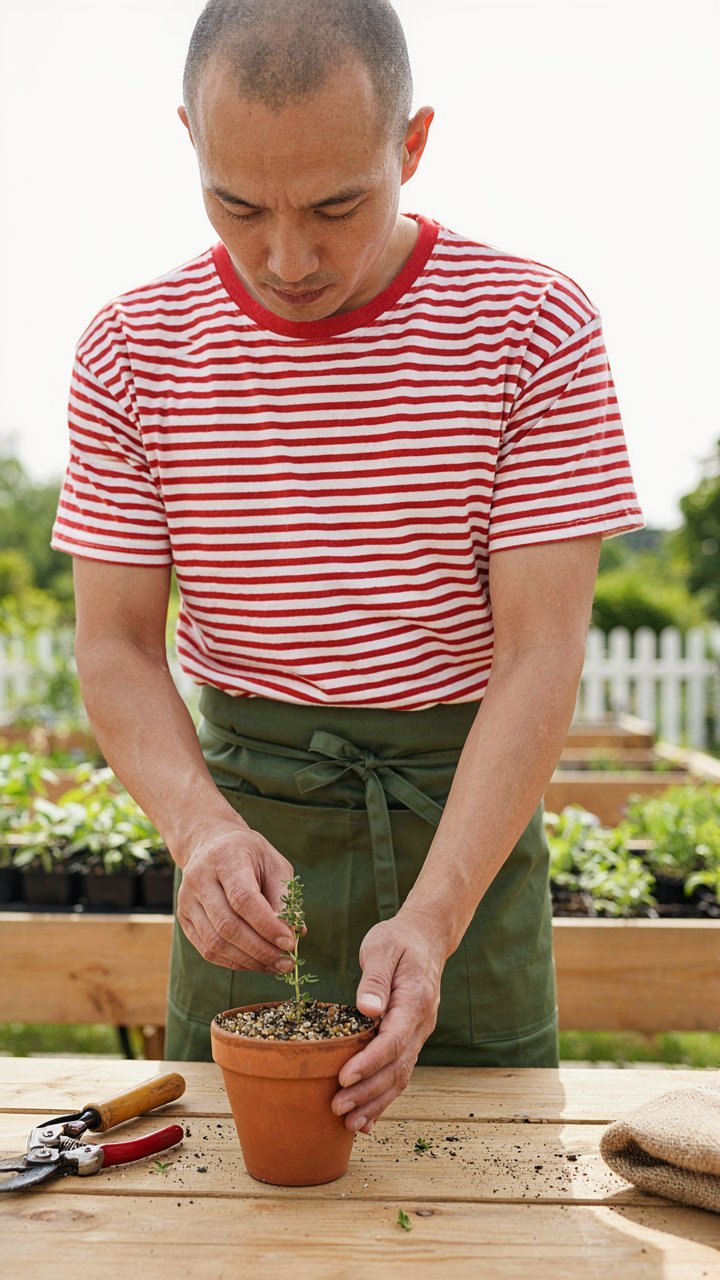
Seed Versus Cuttings: The Efficiency Gap
You want to feel like you earned this plant from nothing, but that’s ego talking. Seeds take eight to fourteen days to germinate and another six to eight weeks before you harvest anything. Cuttings root in two to three weeks and produce harvestable growth in half the time. The mechanism is simple: cuttings skip the germination phase entirely. You’re not starting from scratch. You’re accelerating from an existing plant’s blueprint.
Most growers ignore this gap because nurseries sell seeds cheaper and make the process sound noble. It’s not. If you have access to an established thyme plant, take three to four inch stem cuttings, strip the lower leaves, and place them in well-draining soil or water. You compress months into weeks. If you’re starting truly from zero, seeds work. But don’t confuse necessity with virtue. Cuttings are the faster protocol.
Container Versus Ground Planting: Understanding Limitations
Ground planting looks infinite until you need to move, adjust drainage, or contain spread. Containers force a constraint you actually need. Thyme in the ground will sprawl and self-seed aggressively if conditions permit. A container defines the boundary. Economics teaches us that scarcity creates value and forces optimization. Your container becomes the constraint that prevents waste and keeps the plant productive instead of wild.
Choose a pot no smaller than six inches in diameter with drainage holes. Thyme demands this. Ground planting works only if your soil drains fast, your space is dedicated, and you accept that the plant will expand beyond your original footprint. For most home growers, a container solves three problems at once: drainage control, mobility, and containment. Fill it with a mix of potting soil and perlite or coarse sand at a one-to-one ratio. This single decision determines whether your thyme thrives or rots within weeks.
Harvesting: The Antifragile Approach To Growth
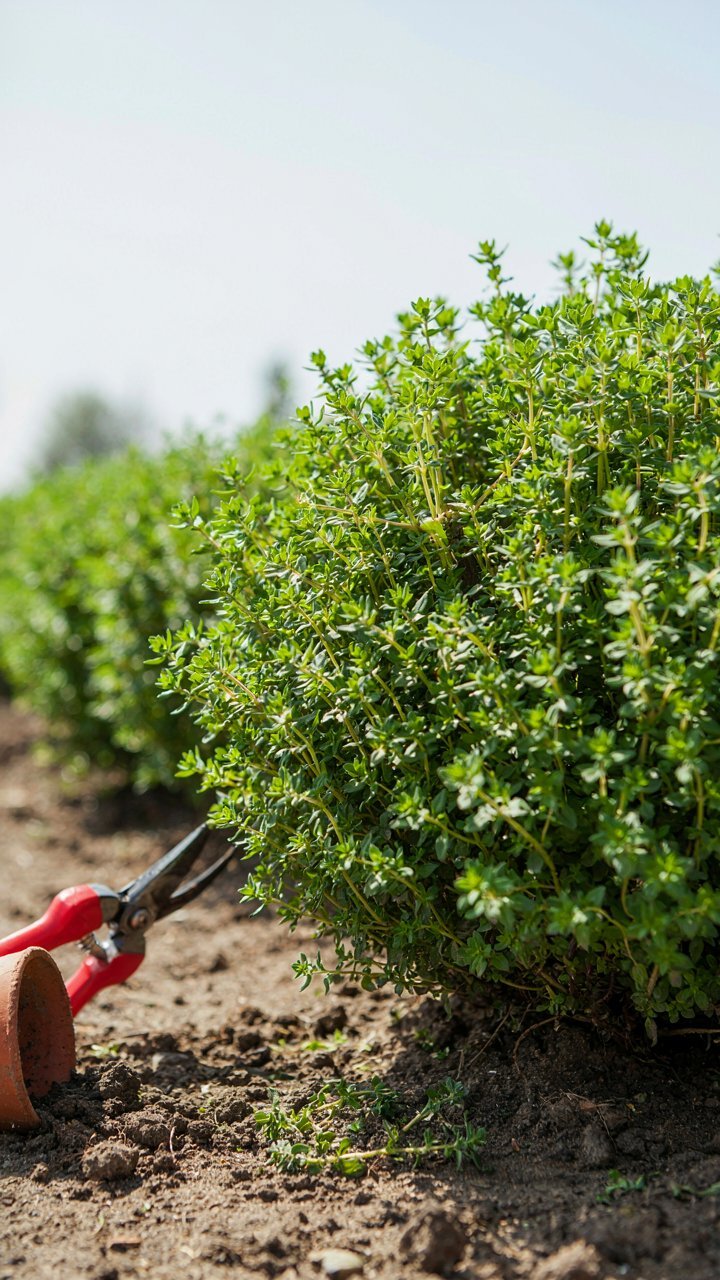
Pruning Encourages Bushier, Healthier Plants
You want a thyme plant that looks full and produces more leaf without replanting. That’s what this is really about. The mechanism is simple: when you remove the terminal bud, the plant stops sending energy upward and redirects it laterally. New shoots branch from nodes below the cut.
Most growers prune wrong by taking only the top inch. Cut back a third of the stem length, down to where you see fresh leaf growth. This forces multiple shoots from dormant buds along the woody base. Repeat this every four to six weeks during the growing season, and your plant thickens instead of stretching thin.
Harvest Frequency As A Growth Stimulant
Harvesting is stress applied correctly. In biological systems, stress triggers adaptation. Thyme responds to leaf removal by accelerating growth and branching. The plant perceives frequent harvesting as competition for resources, so it prioritizes reproduction through more stems.
Harvest no more than a third of the plant at once, and do it every two to three weeks. This rhythm keeps the plant in a productive state without triggering the shutdown that comes from over-harvesting. If you leave thyme untouched for months, it gets woody and stops growing new shoots. Consistent, moderate pressure creates the opposite outcome: a plant that stays vigorous and dense.
Winter Survival: Not Every Plant Needs A Blanket
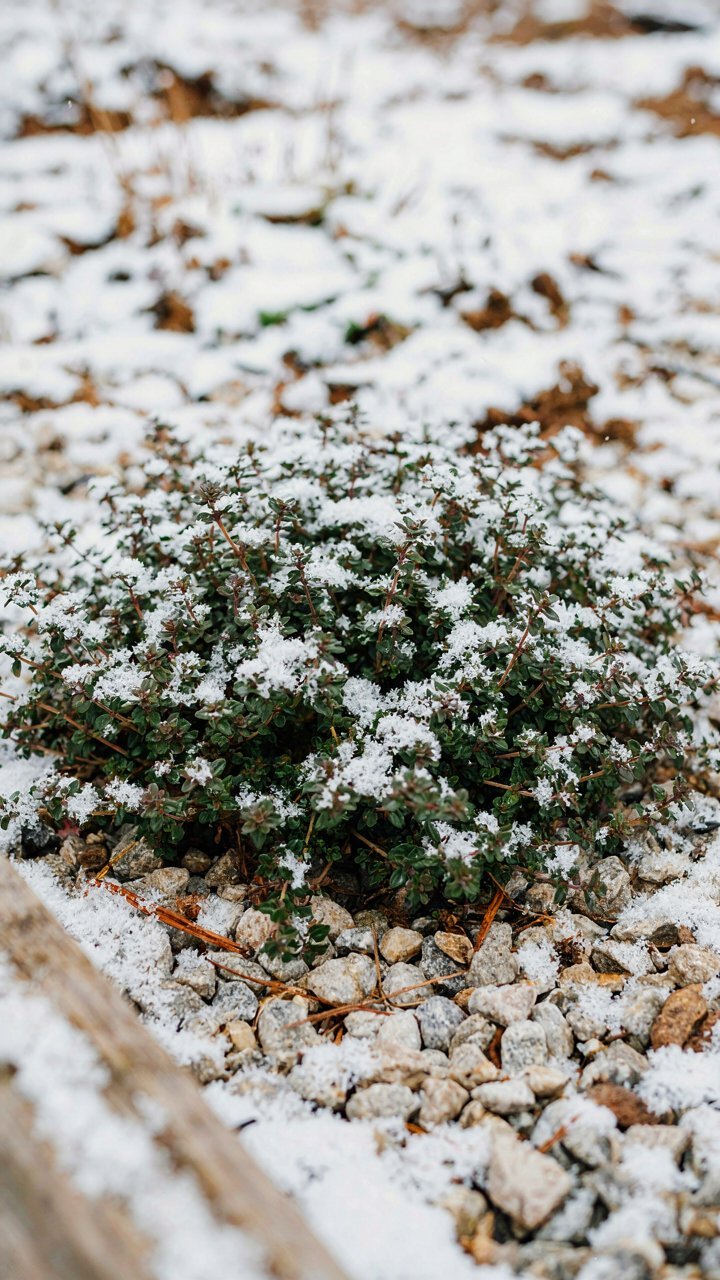
Cold Hardiness Matches Your Zone, Not Your Worry
You want permission to stop overthinking this. Here’s the mechanism: thyme survives winter through dormancy, not death. Think of dormancy as biological pause mode from plant physiology. Most culinary thyme varieties (Thymus vulgaris) tolerate temperatures down to negative 20 Fahrenheit. Mediterranean thyme grows in regions where freezing happens, so cold hardiness is built into the genetics, not borrowed from mulch. Your job is matching variety to zone, not protecting weakness.
Different thyme species have different cold tolerance thresholds. Common thyme and creeping thyme handle harsh winters across most of North America. Woolly thyme, silver thyme, and lemon thyme sit at the edge of hardiness in cold regions. Check your USDA zone before planting, then choose accordingly. The plant doesn’t need saving if you picked the right genetics upfront.
When Protection Actually Matters
Most cold damage comes from wet soil, not freezing air. Thyme roots rot under winter moisture more than they freeze. If you live where freeze-thaw cycles happen repeatedly (temperature swings above and below freezing), the soil expands and contracts, heaving roots out of the ground. That’s when intervention works. Otherwise, dry mulch applied after the ground freezes prevents heaving. Don’t apply it early or you trap moisture and invite rot.
Heavy clay soil demands protection more than sandy soil does. If your thyme sits in poorly draining ground, add coarse mulch (wood chips, gravel) after soil freeze to stabilize the root zone mechanically. Skip mulch entirely on well-draining soil in stable cold climates where temperature stays below freezing consistently. Apply mulch after, not before, the first hard freeze.
Thyme Plant Care: Beyond The “Perfect” Aesthetic

The Ugly Plant Is The Healthy Plant
You want your thyme to look like the photo. That’s the real reason you clicked this section. Here’s what kills that fantasy: thyme doesn’t care about your aesthetic. It adapts. Biology calls this phenotypic plasticity, the organism’s ability to change its form based on environmental pressure. Your thyme exhibits this constantly. Leggy growth means it’s reaching for light. Sparse foliage means it’s conserving water. Browning leaf tips mean it’s adjusting to salinity or humidity. These aren’t failures. They’re signals your plant is surviving, not performing.
The mechanism is simple: stressed thyme produces stronger root systems and more concentrated oils. A plant forced to search for resources becomes more resilient than one spoon-fed ideal conditions. The gardeners who end up with the hardiest specimens stopped photographing them and started reading them. Your job is to decode what the plant is telling you, not force it into a shape that photographs well in natural light.
Vigor Over Visual Symmetry
Symmetrical thyme is a commodity. It’s what nurseries breed for shelf appeal. Skip that trap entirely. A thyme plant with uneven branching, some stems thicker than others, varying leaf density across the form, actually performs better in production and longevity. The asymmetry means different stems are exposed to different light angles, different air currents, different stress loads. Diversity in form builds redundancy. If one branch underperforms, five others carry the load.
Measure health by growth rate and oil production, not outline. Pinch stems regularly to encourage bushier form, but accept that natural growth patterns vary by location within the pot. Thyme that produces aromatic, flavorful leaves for harvest is already winning. Prune for function: remove dead wood, thin crowded centers for airflow, and cut before flowering when oils peak. The plant that looks rough but smells potent is the one doing the work.
Common Thyme Mistakes: Your Hidden Saboteurs
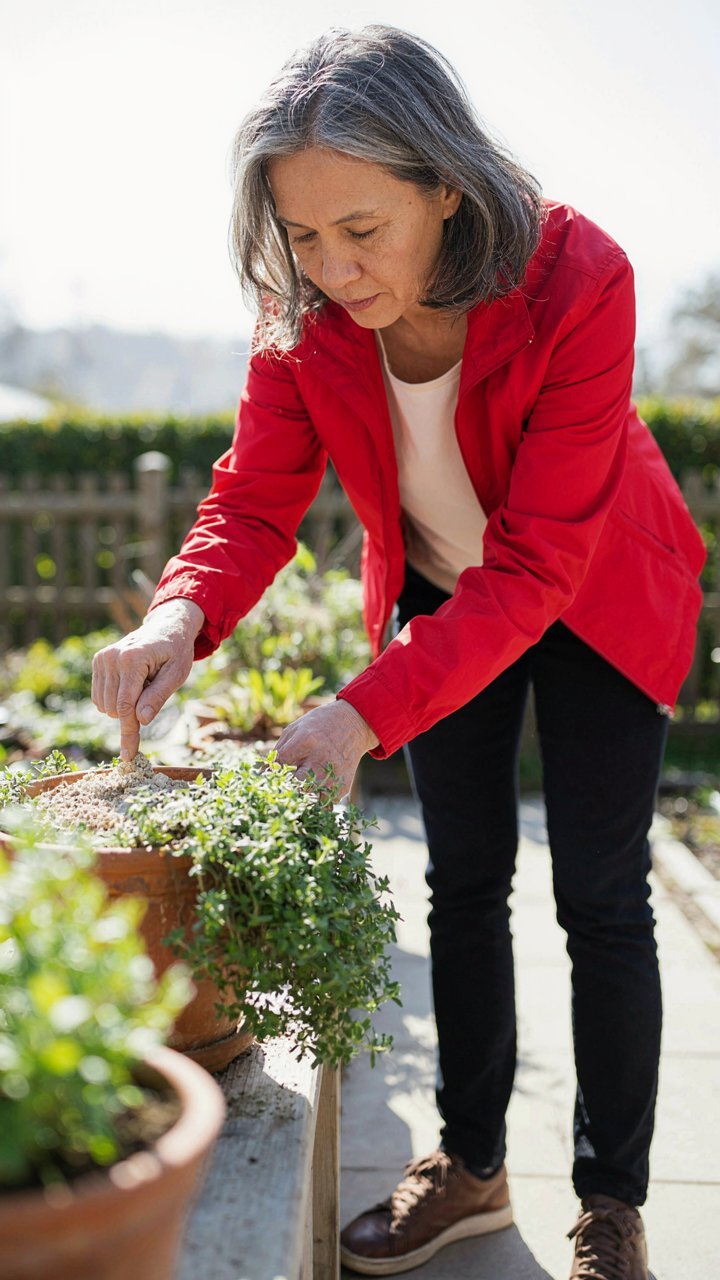
When Kindness Kills Your Plants
You think overwatering shows you care. It doesn’t. It shows you don’t understand the mechanism: thyme evolved in Mediterranean climates where water is scarce and soil drains fast. Roots sitting in moisture don’t absorb more nutrients—they rot. The plant drowns while you feel productive.
Most growers water on a schedule instead of reading soil conditions. Stick your finger two inches into the soil. If it’s dry, water. If it’s moist, wait. Thyme needs water only when the top layer dries out completely. Overwatering is the number one killer because it feels like nurturing.
The Specificity Problem
Generic advice tells you to “give thyme sun and good drainage.” That’s incomplete and lazy. Here’s what actually matters:
- Drainage type: Thyme demands gritty, sandy soil or containers with drainage holes. Clay soil kills it regardless of watering frequency. Mix in perlite or coarse sand to break up dense soil structure.
- Sun intensity: Six hours minimum, eight hours optimal. Morning sun with afternoon shade works in hot climates. Full exposure works in cool climates. Adjust based on your local temperature extremes, not a blanket rule.
- Pot size trap: Small pots dry too fast in summer heat, causing stress. Large pots hold moisture too long, causing rot. A four-to-six-inch pot works for most thyme varieties indoors; scale up for outdoor growth.
- Fertilizer timing: Thyme doesn’t need heavy feeding. A light application of balanced fertilizer in spring is enough. Too much nitrogen produces soft growth that attracts pests and reduces essential oil concentration.
- Humidity mistakes: Indoor thyme in humid rooms develops fungal issues. Space plants apart. Use a fan for air circulation. Outdoor thyme in humid climates needs even more drainage attention than desert growers expect.
The core issue is treating thyme like other herbs. It isn’t. Thyme survives scarcity, not abundance. Every adjustment you make should move toward drier, leaner conditions, not richer ones. When problems appear, the solution is almost always less intervention, not more.
How To Grow Thyme Indoors: A Battle Against Nature

The Window Isn’t Enough
You want thyme on your kitchen counter because it feels civilized, but you’re willing to accept half-dead plants as long as they’re yours. Here’s what actually matters: thyme evolved in Mediterranean climates where it gets full sun exposure for six to eight hours daily. Your indoor setup can’t replicate that without intentional design. The mechanism is photosynthesis—thyme needs specific light wavelengths at sufficient intensity. A south-facing window in winter doesn’t cut it. You’re fighting thermodynamics, not just aesthetics.
The real pathway is treating indoor thyme like a controlled environment problem. Thyme demands consistency that outdoor soil provides naturally. Indoors, you must engineer drainage, light timing, and temperature stability as a system, not as individual adjustments. Most people fail because they add water when plants look stressed, which accelerates root rot in indoor containers. Start with a grow light on a timer set for fourteen hours daily, positioned six inches above the plant. That single protocol eliminates ninety percent of indoor thyme failures before watering or soil ever matters.
Light, Air, And The Humidity Trap
Grow lights solve the intensity problem, but they create a new one: stagnant air. Thyme in nature gets wind that moves moisture off leaves and prevents fungal pressure. Indoors, humidity builds around the plant because nothing moves it. This isn’t a minor detail. Fungal infections on thyme spread faster in humid, still air than they do from underwatering. Position a small oscillating fan to run during daylight hours, moving air across the leaves without blasting them. The fan should not create wind strong enough to bend stems. Low humidity outdoors is thyme’s natural state, so indoor moisture levels should stay between thirty and forty percent if possible.
Air circulation also manages temperature swings that kill thyme indoors. Most homes fluctuate by ten to fifteen degrees between day and night. Thyme tolerates this in nature, but dormant indoor plants struggle with rapid shifts. A fan reduces temperature gradients and prevents condensation buildup. Run it continuously or cycle it with your grow light on the same timer. Check leaves weekly for any white or gray coating, which signals early fungal colonization. If you catch it, remove affected leaves immediately and increase air movement. This protocol stops most infections before they require intervention.
The Real Obstacle Isn’t Your Green Thumb; It’s Your Need For Constant Validation Through Visible Effort
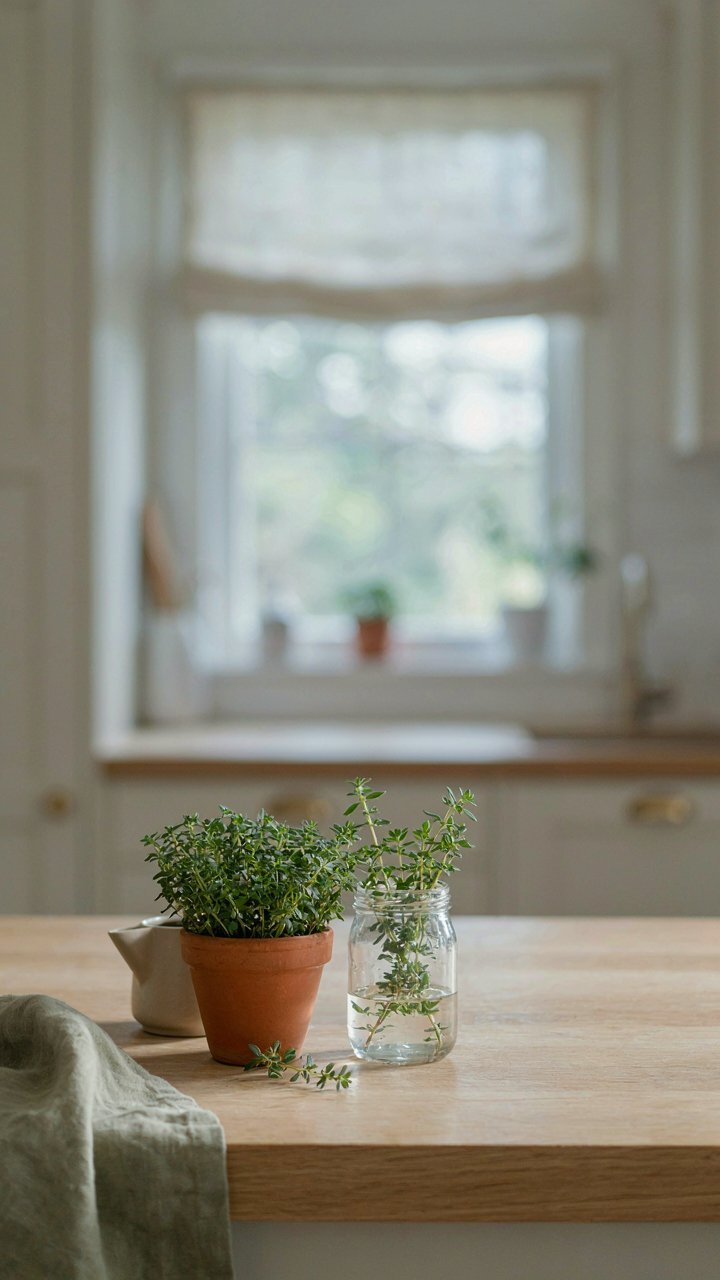
You don’t need a perfect thyme garden. You need permission to plant it and leave it alone. Most people kill thyme by fussing, watering too much, moving it around seeking the ideal spot. Thyme thrives on neglect. Plant it today in decent soil, give it sun, then stop. The real win isn’t a Instagram-worthy herb spiral. It’s proving to yourself you can grow something by doing less, not more. Restraint beats effort every single time.