
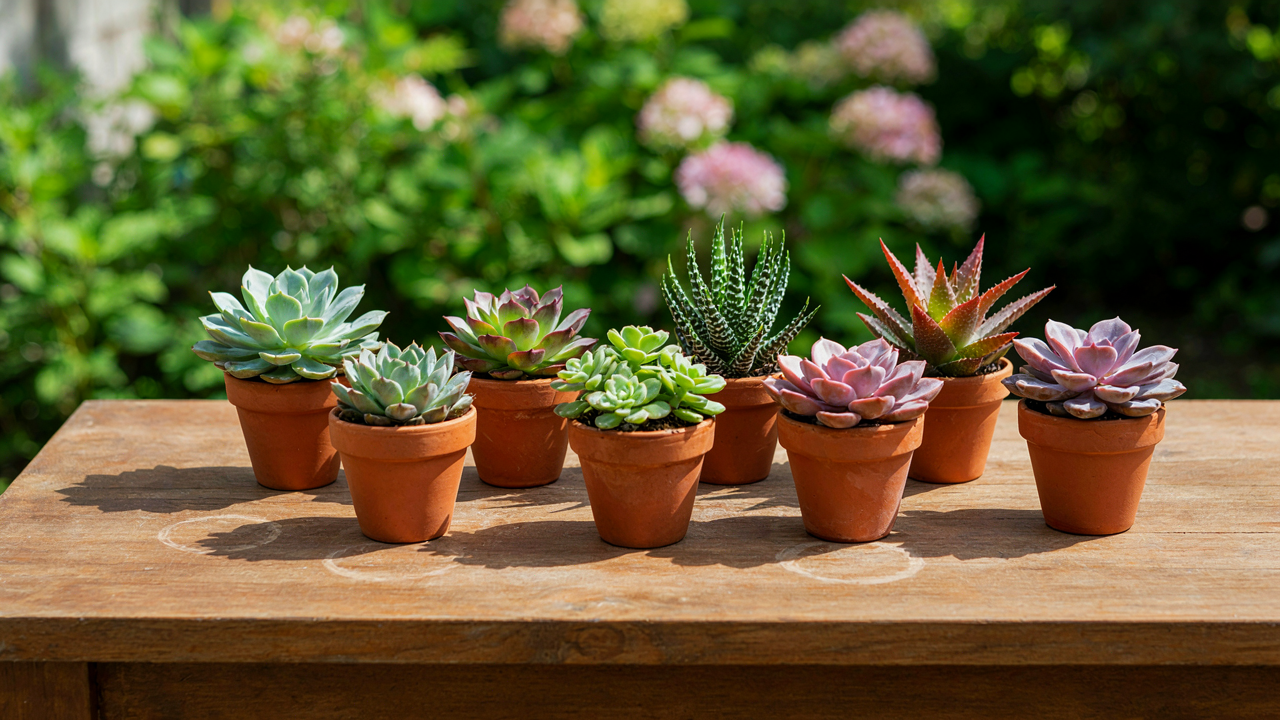
The Succulent Darwinism: Why Most “Trends” Die
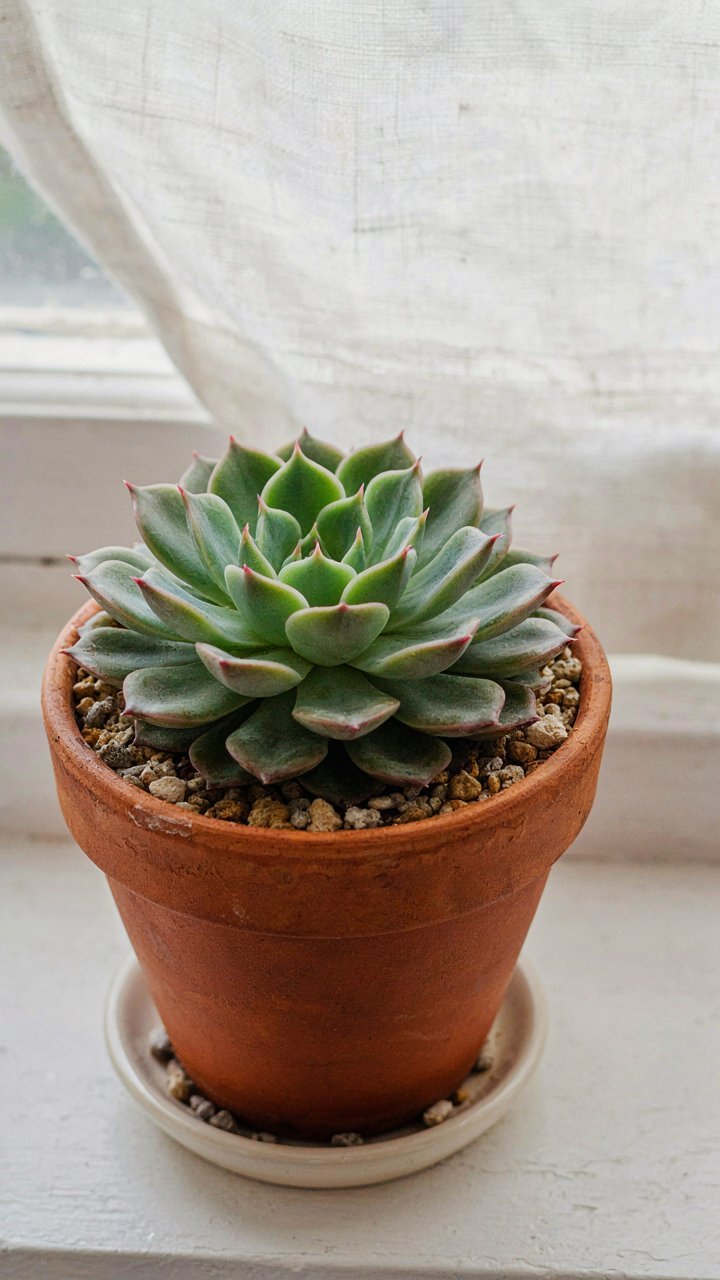
What Echeveria Actually Survives
You want to know which rosette succulents will stay relevant so you don’t waste money on something dead in six months. Here’s the mechanism: Echeveria species survive trends because they tolerate the specific mistakes hobbyists make. They’re not trendy because they’re pretty. They’re trendy because they’re forgiving.
Echeveria evolved in Mexican highland scrubland where water arrives sporadically and soil drains fast. The genus developed thick leaves that store water and a rosette structure that sheds excess moisture. Most people kill Echeveria through overwatering or poor drainage, not through neglect. The species that trend longest are the ones that survive indoor conditions closest to their native state: Echeveria elegans, Echeveria pulvinata, and Echeveria agavoides. They tolerate temperature swings and mediocre light that would collapse more fragile types.
Habitat Mismatch Is The Real Killer
The common advice says “give succulents bright light and let them dry out.” That’s incomplete. It misses the actual problem: people replicate one condition while ignoring the others, creating an ecosystem mismatch that accelerates decline.
Rosette succulents decline fast when you separate them from the environmental package that built them. A Sempervivum tolerates freezing because it evolved in Alpine conditions with dormancy cycles. Move it indoors and switch the temperature inconsistently, and it stretches. An Aeonium comes from Canary Island cliffs with consistent temperatures but intense sun. Put it in a warm apartment with filtered window light, and it etiolates within weeks. The mechanism isn’t one missing factor. It’s the gap between the complete habitat and your partial replica. Check your rosette’s native elevation, seasonal rainfall pattern, and nighttime temperature range, then match at least two of those before buying.
The “Mother Plant” Fallacy: Beyond Propagating Hype
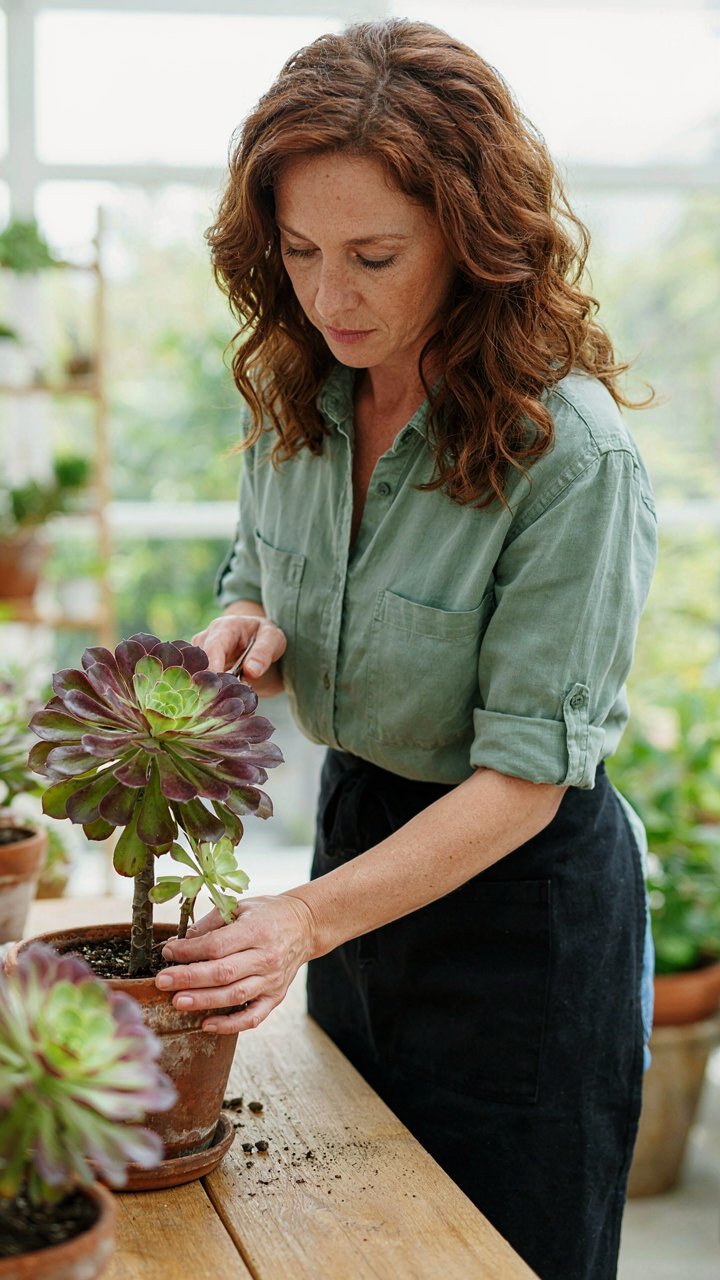
The Hidden Cost Of Prolific Reproduction
You want to believe one plant feeds an infinite garden. That’s the real draw here, and it blinds you to what’s actually happening. Think of it in biological terms: reproduction carries a metabolic debt. Every leaf you remove, every offset you separate, drains the mother plant’s stored energy reserves, weakening its structural integrity and resilience for the next cycle.
Most growers skip this part because it complicates the narrative. Aeonium, Sempervivum, and Echeveria can propagate aggressively, yes, but each propagation event taxes the parent. A mother Aeonium arboreum that produces ten offsets annually will show declining vigor by year three. The plant diverts resources away from root depth, disease resistance, and photosynthetic efficiency. You’re harvesting future survival for present abundance.
Breeding For Durability Over Display
The common advice pushes you toward color morphs and rare variegations as if genetics only matter for Instagram. Wrong. Resilience is written into DNA. When selecting rosette succulents for propagation stock, prioritize parents that show thick leaves, compact growth without stretching, and slow offset production, not fast. These traits signal efficient nutrient use and structural soundness, not weakness.
Test your stock plants for stress tolerance before propagating widely. Expose candidates to three weeks of reduced watering, temperature variance between 45 and 75 degrees Fahrenheit, and low light. The plants that recover without leaf drop or color fade carry superior genetics. Propagate from those individuals only. One season of vetting your mother plants eliminates years of cultivating weak lines.
Echeveria Types: The Illusion Of Variety
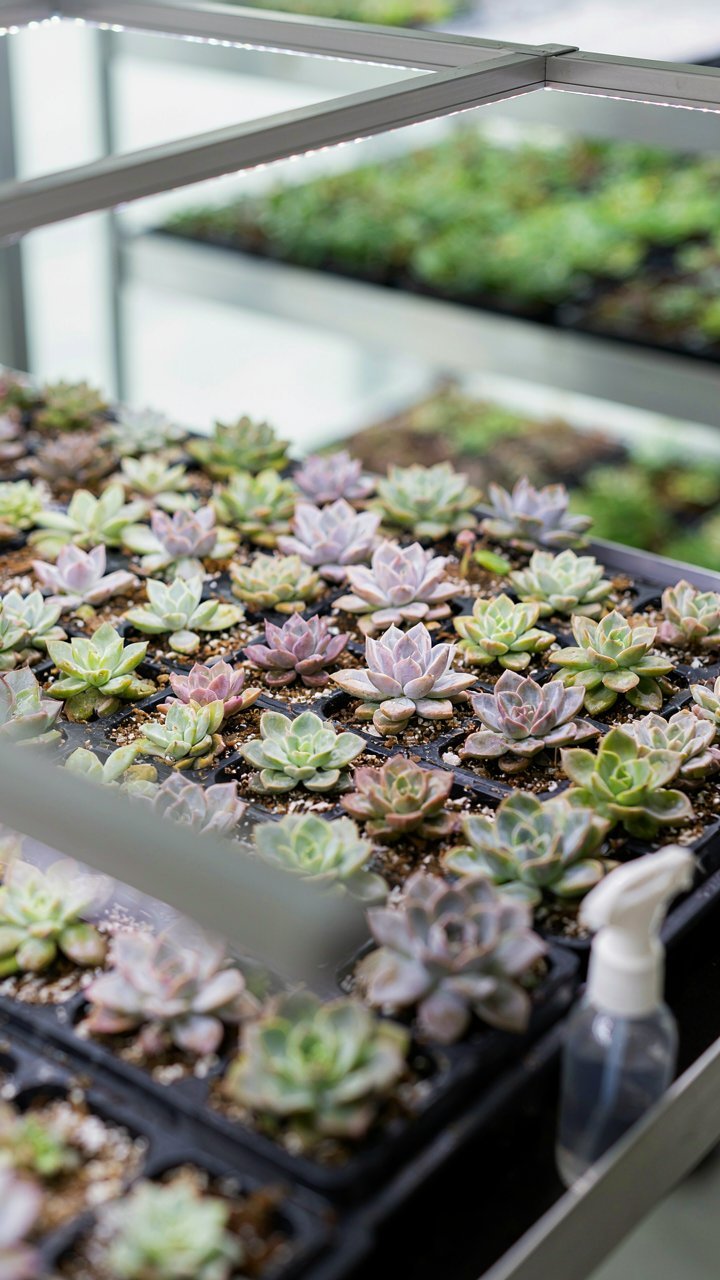
When A Name Means Nothing
You want to believe the plant you bought is rare. That’s the real reason you’re reading this. Here’s the mechanism: the succulent industry uses cultivar names to create perceived scarcity where genetic reality shows none. A single Echeveria parent plant produces hundreds of seedlings with minor color and size variations. Growers select a few, name them, photograph them under ideal conditions, and sell the story instead of the plant. You’re paying for a marketing layer, not a botanical breakthrough.
Echeveria naming operates like securities trading with hidden fundamentals. Two plants with different cultivar names might share 95 percent identical genetics. What changes is light exposure, water stress, and soil composition during growth. The nursery doesn’t tell you this because the story sells better than the science. A “rare” Echeveria becomes common the moment you grow it in normal conditions. The cultivar distinction exists primarily in the catalog, not in the specimen.
Genetic Bottlenecks In Mass Distribution
Wide distribution creates genetic collapse, not diversity. Every Echeveria variety you see in big-box retailers came from a single tissue culture or propagation line. Tissue culture clones one parent plant thousands of times. This eliminates genetic variation that naturally occurs in seed-grown populations. Once a cultivar enters mass production, growers maintain it through vegetative propagation indefinitely. The plant stops evolving the moment it enters commercial multiplication. Genetic bottlenecks don’t mean weakness in this case, they mean stagnation dressed as consistency.
Propagators select for traits that survive shipping and neglect, not traits that indicate health or vigor. A cultivar that survives two weeks in a dark warehouse with minimal water wins distribution contracts. This filters out the plants that actually perform well under real growing conditions. The genetics that make Echeveria thrive in your home never make it into mass production lines. Inspect the propagation method when you purchase, not just the cultivar name. If you can’t confirm the source is seed-grown or early-generation propagation, you’re buying a cloned marketing asset.
The Ghost Plant Effect: Undervalued Resilience

How Graptopetalum Paraguayense Exposes Your Real Problem
You want a succulent that works without you, which is really about wanting proof you’re not incompetent at keeping things alive. Here’s what actually matters: Graptopetalum paraguayense operates on a biological principle called phenotypic plasticity, the ability to shift its physical traits based on environmental stress. This species compresses or extends its rosette, darkens or pales its leaves, and adjusts water storage based solely on what it receives. No drama, no signal flares. It just adapts or dies quietly.
The plant doesn’t need you to understand it to survive your mistakes. It tolerates erratic watering, low light, temperature swings, and poor soil. Most growers fail because they overinterpret these tolerances as permission to neglect everything at once. Graptopetalum paraguayense teaches a specific lesson: resilience isn’t about thriving in hostile conditions. It’s about remaining alive during your learning phase while you figure out which variables actually matter.
Survival Through Strategic Indifference
Conventional advice tells you to water succulents sparingly and forget them. That’s incomplete. The real mechanism is that Graptopetalum paraguayense stores water in leaf tissue at a ratio that lets it survive longer than most rosette types between waterings. You don’t earn points for neglecting it. You earn efficiency by establishing a rhythm that matches its actual demand, not its capacity to tolerate your absence.
Minimal intervention doesn’t mean no intervention. It means predictable, infrequent action. Water when soil dries completely. Repot every two years. Expose it to bright light four to six hours daily. The plant thrives because you’ve removed friction from the system, not because you’ve disappeared. Stop watering on a schedule and start watering when the soil is dry an inch down. That protocol separates people who keep Graptopetalum paraguayense alive from people who watch it rot or desiccate.
The Blooming Rose Protocol: Strategic Succulent Care

Where Your Investment Actually Goes
You want rosette succulents to look like the Instagram versions without admitting you’re optimizing for status. Here’s what matters: economics teaches resource allocation, and your rosette succulents operate the same way. Every drop of water, every lumen of light, every nutrient molecule gets distributed based on what the plant prioritizes in that moment. Stop treating care like a routine and start treating it like a budget.
Rosette types demand different allocations depending on their origin. Aeonium needs more water than Sempervivum. Echeveria tolerates drought better than most. The error most people make is applying one watering schedule to all rosettes, which wastes water and kills the plant through either root rot or desiccation.
- Light: Six to eight hours direct sun daily for most rosettes. Insufficient light triggers etiolation, where the plant stretches and loses its compact form permanently.
- Water: Water deeply but infrequently. Most rosettes need moisture only when soil dries completely. Summer frequency differs drastically from winter dormancy needs.
- Soil composition: Use gritty, well-draining mix with perlite or coarse sand at 40-50 percent ratio. Standard potting soil retains too much moisture and causes crown rot.
- Nutrients: Feed sparingly during active growth only, spring through early fall. One diluted feeding per month prevents nutrient burn while supporting rosette formation.
- Container drainage: Every pot must have drainage holes. No exceptions. This is not negotiable for rosette survival.
The allocation game shifts when you understand container size affects both water retention and nutrient availability. Larger pots hold moisture longer, requiring fewer waterings but increasing root rot risk if you’re careless. Smaller containers dry faster, demand more frequent attention but give you tighter feedback loops on plant health.
The Compounding Power Of Forced Rest
Most growers sabotage themselves by treating succulents as plants that need constant activity. They don’t. Dormancy cycles are where the real growth happens, and skipping them guarantees weak rosettes that never achieve their genetic potential.
Winter dormancy isn’t a survival mode for rosettes. It’s the mechanism that triggers blooming and compact growth for spring. When temperatures drop and daylight shortens, hardy rosettes like Sempervivum actually require the cold stress to produce flowers and develop their characteristic tight rosette form. Aeonium species similarly need a pronounced winter rest to consolidate energy. You force this by dropping temperatures to 40-50 degrees Fahrenheit and cutting water frequency to near nothing for 8 to 12 weeks. The plant redirects resources from leaf production to root strengthening and flower bud formation.
The compounding payoff emerges across seasons. A rosette that received proper dormancy produces denser, more pigmented leaves in spring. It flowers on schedule. It divides more reliably. Skip dormancy and you get leggy plants that never achieve their genetic color expression or flowering capacity, no matter how much light or nutrients you throw at them. One missed dormancy cycle costs you two years of aesthetic quality. This is why greenhouse growers and serious collectors never skip this phase, even though it requires discipline and patience most casual growers lack.
The protocol is simple: reduce water in October, drop temperatures by November, maintain minimal moisture through February, then resume regular watering in March when growth resumes. That cycle repeats annually and compounds into specimens that actually look like something worth growing.
Year Round Color: The Environmental Equation

Stress Triggers Pigment Production
You want Instagram-worthy color shifts without admitting you’re chasing status through plant aesthetics. Here’s what actually happens: anthocyanins and carotenoids aren’t always present in rosette succulents. They activate only under physiological stress, borrowed from plant biology’s stress response mechanism. Low temperatures, intense light, and nutrient scarcity signal the plant to produce these pigments as protective compounds against UV damage and oxidative stress.
The common advice says “just expose your plant to cold.” That’s incomplete. Temperature drop alone won’t guarantee color unless light intensity accompanies it. A Sempervivum in shade at 40 degrees stays green. The same plant in full winter sun at 40 degrees produces deep reds and purples within weeks. Stress requires multiple variables aligned simultaneously, not one factor in isolation.
Wavelength Selection Controls Output
Light spectrum operates like a tuning dial on pigment production in rosette types. Blue and red wavelengths trigger different biochemical pathways: blue stimulates anthocyanin production, red drives cartenoid accumulation. Most growers rely on ambient sunlight and hope. You can instead measure and control this.
Full-spectrum LED panels with adjustable ratios let you push specific color outcomes. An Aeonium arboreum ‘Zwartkop’ exposed to higher blue wavelengths deepens its already dark burgundy tones faster than unfiltered light alone. Positioning plants to receive 4-6 hours of direct morning and midday sun while blocking afternoon heat prevents color fade that comes from photoinhibition. Install measurement: expose your rosette collection to maximum direct light during peak hours, then filter intensity during heat stress windows.
Succulent Display: Beyond The Instagram Aesthetic
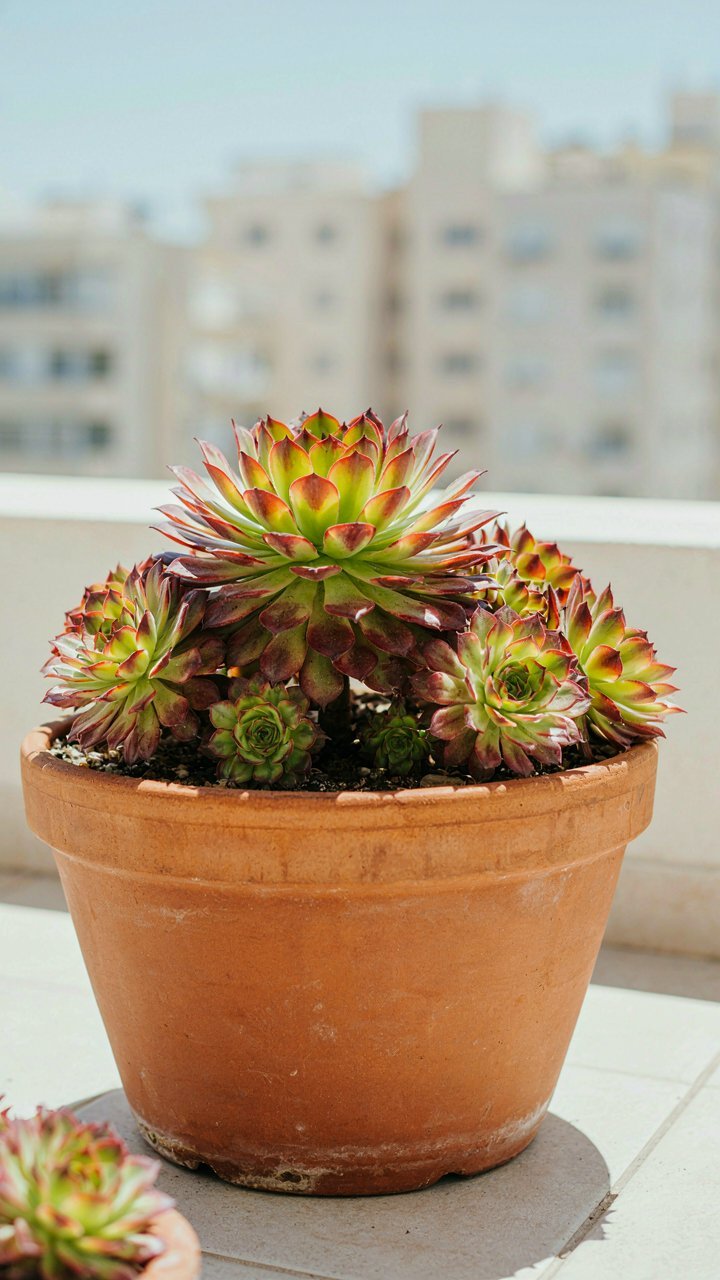
Growth Habits Trump Visual Symmetry
You want your rosettes to look perfect in a single frame. That’s the real reason you’re reading this. But here’s the mechanism: rosette succulents follow the biological principle of apical dominance, where the central meristem controls growth direction and pace. Aeonium arborescens grows vertically and branches laterally over years. Sempervivum spreads via offsets horizontally. Design for the actual trajectory, not the moment.
A rosette in a shallow bowl looks stunning for eight months, then either strangles itself or stretches into asymmetry as it seeks light. The common advice to “just rotate it” ignores that growth habits are predetermined. Echeveria elegans expects vertical space above its crown. Aeonium ‘Sunburst’ demands room to the sides for offset babies. Your container must accommodate the species’ own growth program, not fight it.
Container Materials Determine Longevity
Drainage material choice isn’t aesthetic preference. It’s the difference between a plant that thrives for five years and one that rots in eighteen months. Terracotta breathes and evaporates moisture fast, favoring plants like Sempervivum that tolerate dry roots. Ceramic glazed pots retain moisture longer, working for Aeonium species that prefer slightly more hydration. Plastic holds water longest and sits at the opposite end, creating root conditions incompatible with most rosette types unless you adjust watering frequency downward by 40 percent.
The hidden cost of Instagram-optimized containers is accelerated root decay. Ceramic pots without drainage holes aren’t display pieces for living plants. They’re death traps dressed in aesthetic appeal. If you use them, you must either place a nursery pot inside or remove the rosette quarterly to inspect roots. The protocol: terracotta for arid-preference rosettes like Sempervivum, ceramic with active drainage holes for temperate species like Aeonium, and plastic only when you’ve committed to precise watering intervals.
Landscaping Plants: The Scale Of Ignorance

Designing For Resilience In Large Beds
You want your rosette succulent bed to look intentional and permanent, but you’re buying plants based on pictures at peak maturity instead of their actual growth rate and spread. Ecosystem resilience in landscaping borrows from biology: it means your design survives stress through diversity and strategic spacing, not monoculture density. Aeonium arboreum grows into a three-foot shrub. Sempervivum arachnoideum spreads eight inches wide. Echeveria elegans caps out around four inches. Plant them as if they will reach those sizes because they will.
The gap between installation and year-three reality kills most landscape plans. Most designers compress spacing to hide bare soil during planting, then never revisit spacing decisions. Rosettes planted six inches apart will strangle each other within eighteen months. Calculate mature spread, add twenty percent for healthy growth, then space accordingly. Your bed looks sparse now. That is correct. Document the install date and check it again in two growing seasons.
The Hidden Costs Of Misjudging Mature Size
Underestimating mature size wastes time, money, and plant life through overcrowding, repeated transplanting, and nutrient competition nobody acknowledges upfront. Aeonium sedifolium reaches four feet tall and three feet wide. Most people plant it three feet from a pathway or structure, then remove it three years later because it has consumed the space. Removing established rosettes damages surrounding plants and requires soil rework that spreads fungal spores or compacted earth.
Overcrowded rosettes compete for water at the root level, forcing you to water more frequently or watch slow decline. More frequent watering invites root rot in succulents that evolved for drought. The real cost is not the plant replacement. It is the corrective work: excavation, soil amendment, replanting at correct spacing, and the two-year recovery period before the bed looks intentional again. Space for mature size on installation day, or pay in remediation later.
Types Of Echeveria Succulents: The Unseen Potential

Which Echeveria Species Actually Survives Neglect
You want to know which Echeveria won’t die on you because you’re betting your collection’s reputation on picking the right one. Here’s the mechanism: cold hardiness and drought tolerance operate like biological redundancy in systems design. Echeveria imbricata and Echeveria agavoides survive temperature swings and extended dry periods because their leaf structure stores water efficiently and their root systems activate dormancy rather than fail. Most growers chase aesthetic traits and ignore survival architecture, then blame the plant when it collapses under normal conditions.
The species nobody mentions are the ones doing the work. Echeveria secunda thrives in poor soil and irregular watering because it evolved to handle mineral-heavy, unpredictable environments. Echeveria pulvinata tolerates temperature fluctuations down to freezing that would devastate the popular hybrids. Skip the trending cultivars if your growing conditions are marginal. Pick the species built for stress, not the ones built for Instagram.
Genetic Stability For Propagation Success
Breeding pressure toward novelty has fractured Echeveria genetics. When you select Echeveria from established species lines rather than hybrid crosses, you stabilize traits across generations of propagation. Pure species produce predictable offspring. Hybrids don’t. Echeveria elegans, Echeveria setosa, and Echeveria peacockii hold genetic fidelity through leaf and offset propagation, meaning your second and third generations stay true to type. This matters if you’re scaling a collection or trading with others who need consistency.
The real move is maintaining a stock plant from each stable species line. Take offsets only from the healthiest rosettes, not random leaves scattered across your bench. This builds a genetic reserve that adapts to your specific light, humidity, and soil conditions over time. After three cycles of propagation from your best performers, you’ll have Echeveria that outperforms commercial stock because it’s selected for your environment, not a greenhouse in California.
Your Real Obstacle Isn’t A Lack Of Trends; It’s A Lack Of Understanding How Plants Truly Thrive
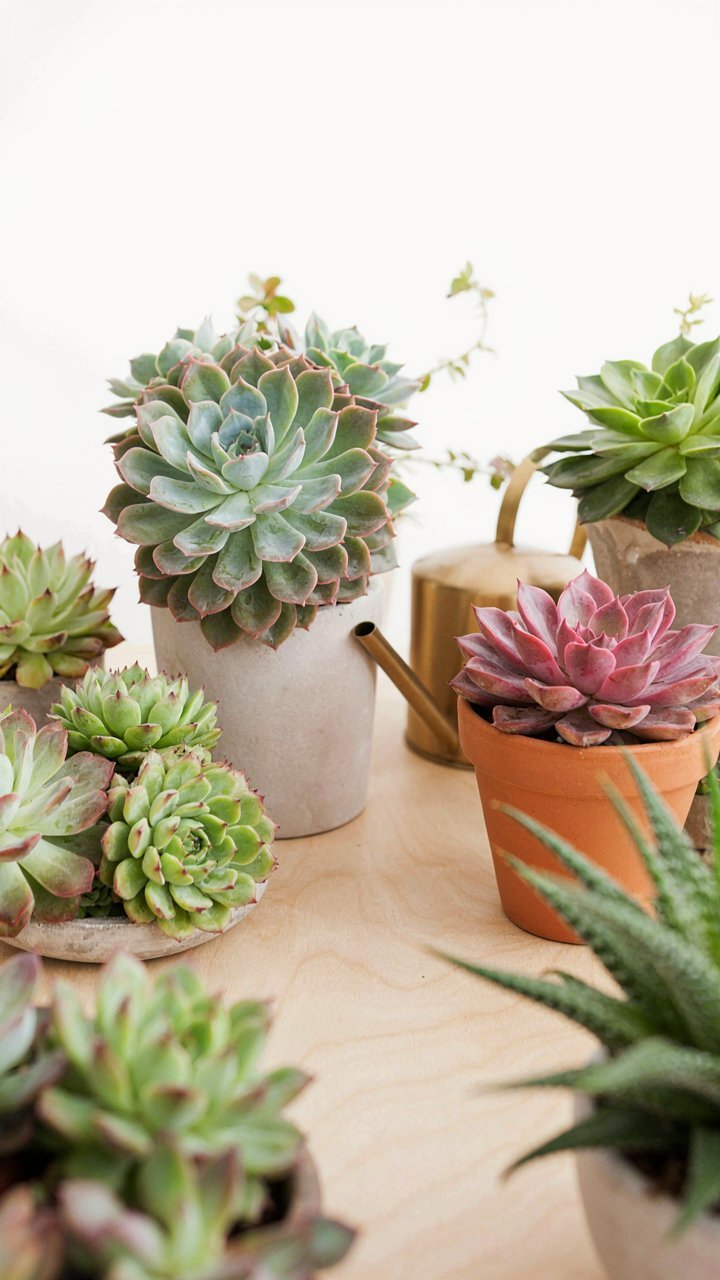
Stop chasing rosette succulent types like they’re fashion trends. Every variety you’ve seen thrives under the same brutal principle: stop watering, start observing. The Echeveria doesn’t care about your aesthetic. It cares about drainage and light. Pick one rosette type today. Place it in direct sunlight. Wait two weeks without touching it. You’ll learn more than any trend article teaches you. The plant that survives your indifference becomes your teacher.