
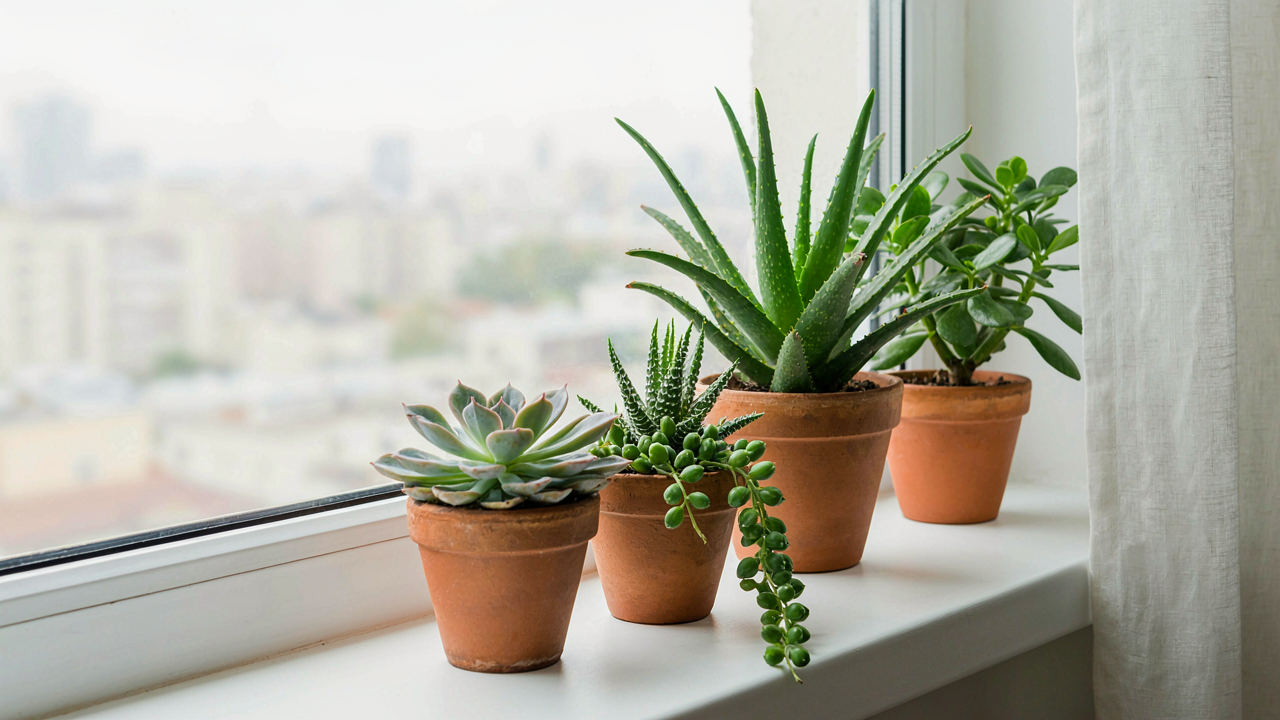
The Succulent Autonomy Principle: Beyond Your Green Thumb
Succulents Don’t Need Your Permission To Survive
You want to believe propagating succulents requires skill because it makes you feel less ordinary if you succeed. The truth is simpler. Succulent biology operates on a self-preservation mechanism borrowed from evolutionary biology called redundancy. Every leaf, every segment, every root system carries genetic instructions to rebuild the whole plant. Succulents evolved in resource-scarce environments where a single broken leaf could become tomorrow’s backup organism. This isn’t magic. It’s metabolic insurance written into cellular code.
The mechanism works because succulents store water and energy in specialized tissues. When you detach a leaf or cutting, you’re not creating something new. You’re releasing a dormant program that always existed. The plant already knows how to root, how to photosynthesize, how to survive without the parent organism. Your job isn’t to teach it. Your job is to stop preventing it from working. Remove interference, and propagation happens on schedule.
Why Most Guides Miss The Real Failure Point
Every propagating succulents guide tells you the same stale list: use well-draining soil, don’t water immediately, place in indirect light. None of this is wrong. But it’s incomplete because it focuses on what to do rather than what kills propagations. The real failure point isn’t underwatering or poor light. It’s bacterial and fungal rot from moisture trapped against the wound site before calluses form. Conventional wisdom treats water like the enemy when moisture timing is the actual mechanism.
Here’s what actually matters: the propagation window between detachment and callus formation. During this phase, a fresh cut or wound site is exposed tissue with zero defense against pathogens. Callus formation seals that wound and starts the rooting process. This takes three to seven days depending on species and air humidity. Until the callus forms, your only job is keeping that wound dry while maintaining enough ambient moisture for the plant not to desiccate completely. Stop treating every succulent propagation like it needs wet soil. The callus formation phase demands airflow and dryness, not soil contact.
Minimalist Propagation: The 3 Step “Lazy Gardener” Protocol

Pick Your Starting Material
You want this to work because you don’t want to buy more plants. That’s fine. The mechanism is simple: different plant parts have different survival odds because they carry different resource reserves. A leaf has minimal stored energy. A stem has more. An offset is basically a pre-formed baby plant with roots already initiated. Start with offsets if you want the highest success rate. Stems come next. Leaves take longest but cost you nothing to experiment with, so use them to learn the process without guilt.
The part you choose determines your timeline and failure risk, nothing else. Offsets root in two to four weeks. Stems take four to eight weeks. Leaves can take two to three months before roots appear. Pick based on your plant species and how much time you’re willing to spend waiting. If you’re working with Echeveria or Jade plants, any of these three work. If you have Aloe or Haworthia, stems and offsets are more reliable than leaves.
Callus Formation Before Water Or Soil
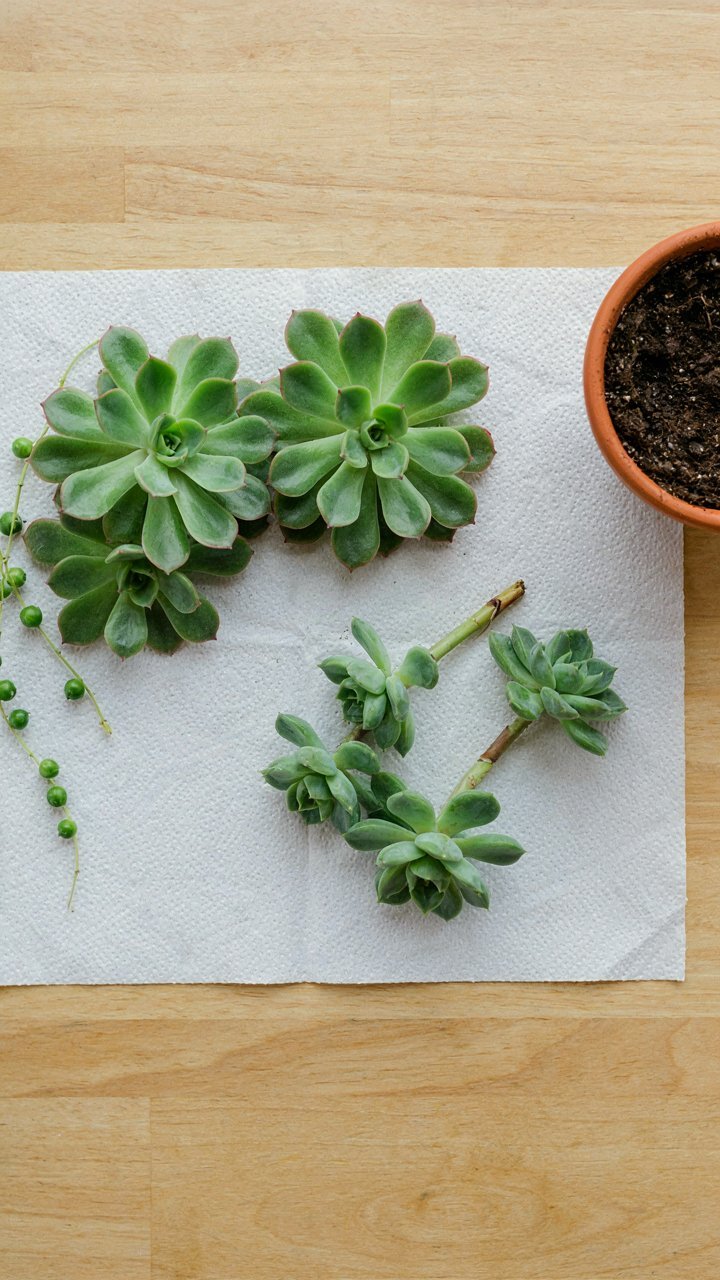
Everyone says to plant immediately or water right away. They’re wrong. Your cutting needs to dry first. This is wound closure in botanical terms, borrowed from how trees seal themselves after branch damage. The cut end of your material needs to form a callus, which is a protective barrier of dead cells. Without it, bacteria and fungi colonize the fresh wound and the cutting rots before roots can form.
Leave your cutting in a dry location for three to seven days depending on humidity in your space. Low humidity speeds callus formation. High humidity slows it. Place cuttings on a plate indoors, out of direct sun. The callus looks like a thin, papery seal forming over the cut. Once visible, you’re ready to propagate. This single step cuts your failure rate in half because most people skip it entirely.
Soil, Not Water, Gets You There Faster
Water propagation works but it’s slower and creates a false root system that struggles to adapt to soil later. Use well-draining soil instead. Cactus or succulent soil works. If you can’t find it, mix regular potting soil with perlite or coarse sand in a 1:1 ratio. The goal is fast drainage, never soggy conditions.
Place your calloused cutting on the soil surface. For leaves, press the cut end lightly into the soil. For stems and offsets, bury the bottom one-third to one-half. Water once, then wait five to seven days before watering again. Keep the soil barely moist, not wet. Roots emerge in two to four weeks. Once you see new growth on top, you have functional roots below.
Soil Or No Soil? The Great Succulent Propagation Deception
What Actually Drains
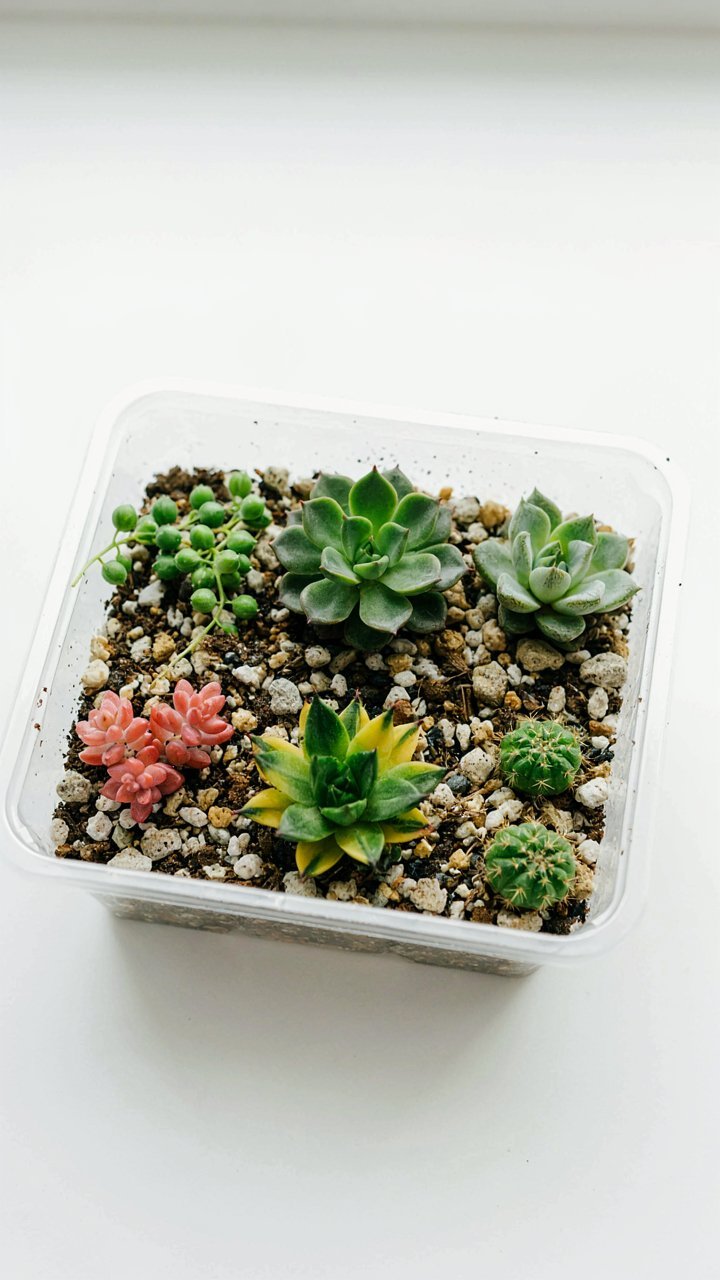
You want to know the “right” soil so you feel in control of an outcome that still fails half the time. The real mechanism is drainage speed, not soil type. Succulents store water in leaves and stems, so the medium must move moisture away from roots fast. Think of it like osmotic pressure in biology: water moves toward density gradients. Your soil needs to create a gradient that pulls water away from the propagule, not toward it. Standard potting soil holds too much moisture. Coarse sand, perlite, and pumice break up dense particles and create air pockets that water passes through without pooling. Mix one part cactus soil with one part perlite or pumice, or use pure horticultural sand. The goal is a medium that dries completely between any watering.
Your propagation medium must feel gritty, not spongy. If you squeeze it and water comes out, it fails the test. Touch the mix after three days without watering. It should feel dry to the second knuckle. This is your baseline. A coarse blend lets you propagate without babysitting constantly, which is the actual advantage nobody mentions.
Why Moisture Kills Propagules
Common advice says mist your propagations regularly. This is incomplete and expensive advice that creates fungal rot. Fungal rot happens because you maintain constant humidity while roots don’t exist yet to absorb that moisture. The fungus doesn’t care about your intentions. It colonizes dead tissue in wet conditions, and propagules have exposed wound sites where leaves separate from stems. Fungi need three conditions: moisture, organic matter, and stagnant air. Succulents provide the organic matter. Misting provides the moisture. Most people forget air movement entirely, creating the third condition.
Stop misting propagations after the first day. Let the soil dry fully between waterings. Water sparingly, only when the medium is bone dry, then wait five more days before checking again. Callus tissue (the protective seal that forms on cut ends) requires dry conditions to harden properly. Fungal infection accelerates when you interrupt this process with moisture. Use a fan on low speed pointed at your propagation tray to keep air moving. This single protocol change stops most propagation failures faster than any soil amendment ever will.
Light, Not Love: Fueling Succulent Growing With Precision
Indirect Vs. Direct: Matching Species Needs
You want to believe light doesn’t matter much because you don’t have a perfect setup. It does. Light is the energy currency that determines whether your propagations build tissue or rot. Different succulent species have evolved under different sun intensities, and that history dictates what they need now.
Echeveria and Jade plants tolerate partial shade but perform better with 4-6 hours of direct sun daily. Aloe and Lithops demand 6-8 hours minimum. The mechanism from botany is photosynthetic efficiency: plants adapted to intense sun developed smaller leaves and denser growth to handle the radiation load. Move those same plants to shade, and they stretch and weaken because they’re maximizing surface area to capture scarce light. Your propagations inherit these genetic preferences. Match the light intensity to the species, not your convenience.
Indirect light means the sun reaches the plant through a window but not in a straight beam. Direct light hits without obstruction. East or west-facing windows provide morning or afternoon direct light without the midday intensity that burns tender propagations. North-facing windows rarely produce enough light for most succulents, especially young plants still building their stress tolerance. Rotate containers every two weeks if they sit in partial direct light to prevent uneven growth patterns that make propagations lean toward the stronger side.
Grow Lights: Efficiency Over Natural Light
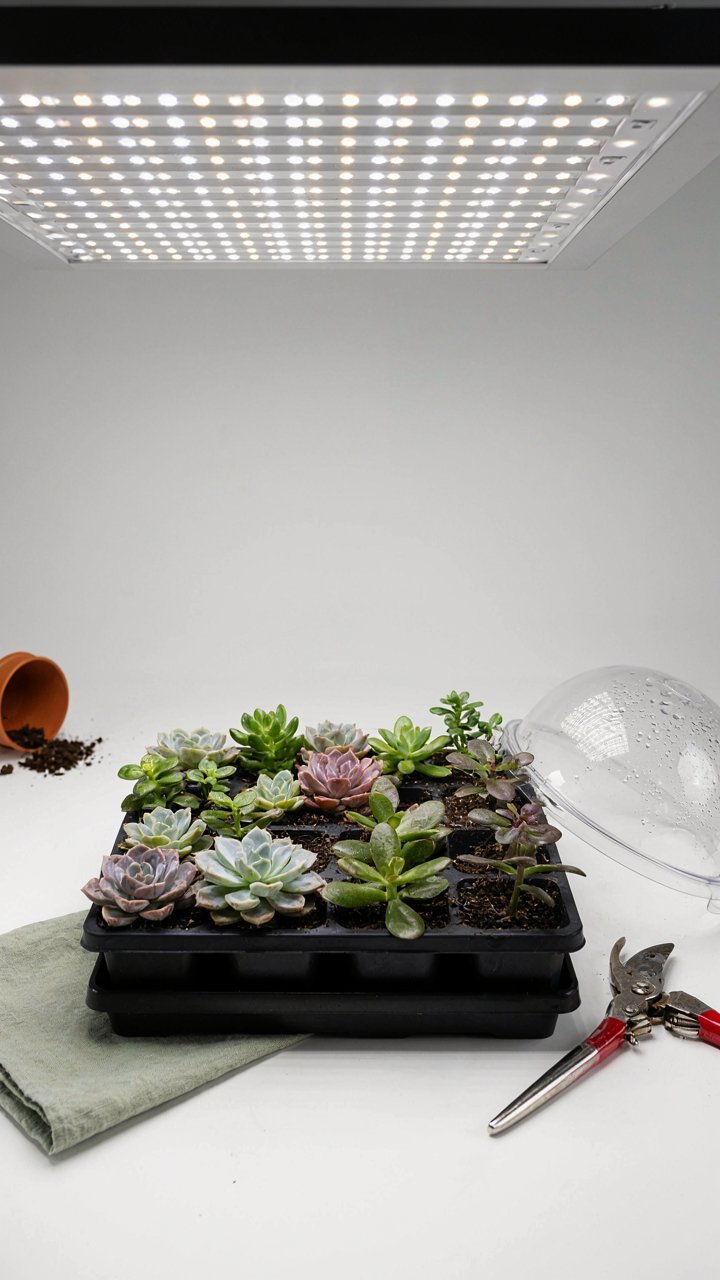
Grow lights are not a trendy accessory. They are the mechanism that separates people who propagate consistently from people who get lucky once. A standard 2-foot LED grow light running 12-14 hours daily delivers more usable light energy to propagations than a north-facing window and costs less than the failed attempts you’ll make without one.
Spectrum matters less than people claim. Succulents thrive under 5000-6500K color temperature (white or neutral light). Red spectrum light accelerates flowering and stem elongation in some species, but your propagations need vegetative growth first. A basic full-spectrum LED panel is sufficient. Distance is the actual leverage point: keep lights 6-12 inches above propagations to deliver intensity without heat stress. Too far away and the light intensity drops exponentially by the inverse square law from physics. Measure your setup once, then maintain that distance as plants grow.
Watering Wisely: The Desert Plant Paradox Of Household Plants
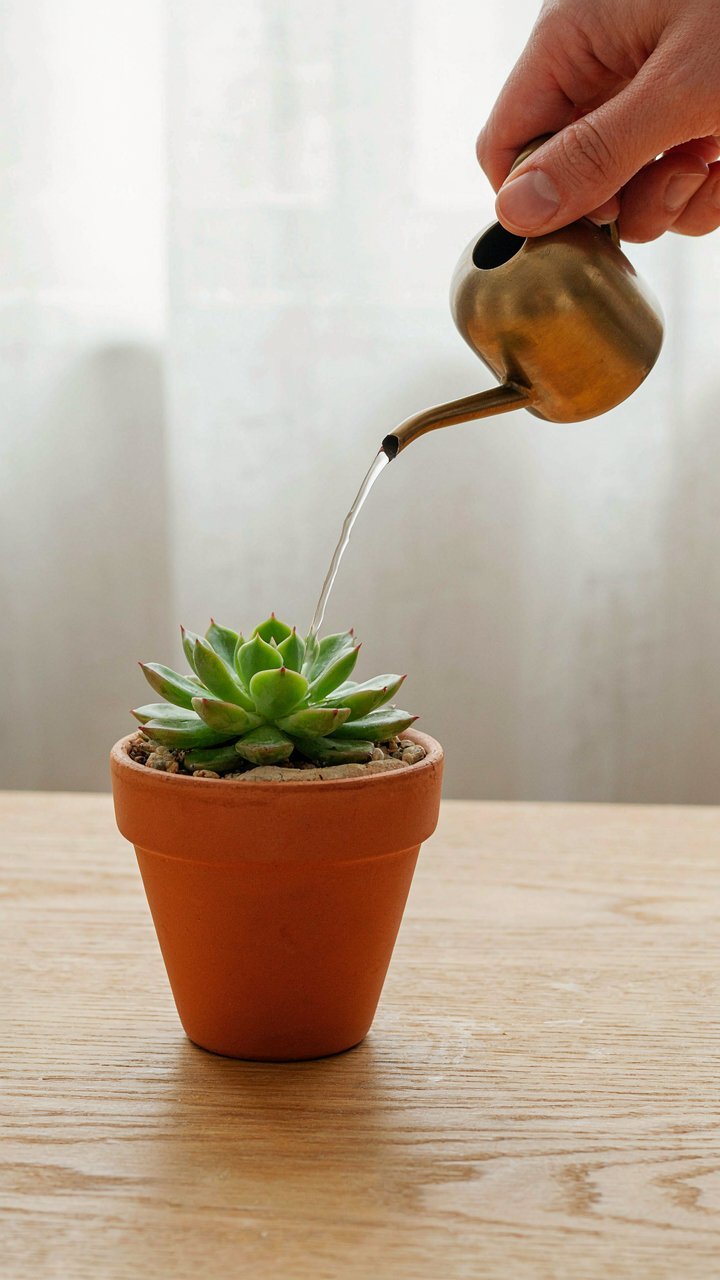
The Soak And Drought Cycle
You’re nervous about killing your propagations because you’ve attached permanence to them. Here’s the mechanism: succulents evolved in environments with irregular rainfall. They don’t need consistent moisture. They need stress followed by recovery. Think of it like periodization in athletic training: intense stimulus, then complete rest, then adaptation. This pattern builds resilience in the propagation faster than steady watering ever will.
Water your propagations thoroughly until it drains from the pot’s bottom. Then wait until the soil is bone dry before watering again. This typically takes seven to fourteen days depending on your climate and pot size. Never water on a schedule. Water only when the soil is completely depleted. The plant pulls moisture from storage tissue during drought, which triggers root development and strengthens the propagation.
What Overwatering And Underwatering Actually Look Like
Overwatering kills propagations through rot, not because water is bad but because constant moisture prevents the roots from developing strength. Underwatering is harder to damage a succulent propagation than overwatering is. A propagation that’s too dry will shrivel slightly and pull inward. You can recover from this. Rot from moisture sits in tissue and spreads internally before you see it.
Check for rot by inspecting the base and lower leaves for soft, translucent patches. These indicate tissue breakdown from sustained moisture. Underwatered propagations show wrinkled, paper-thin leaves that feel deflated. They recover within hours of a proper soak. The real tell is stem softness at the soil line. If it’s mushy, the propagation has already failed at the root level, and you need to salvage leaves for a restart.
The Evolutionary Economics Of How To Grow Succulents From Cuttings
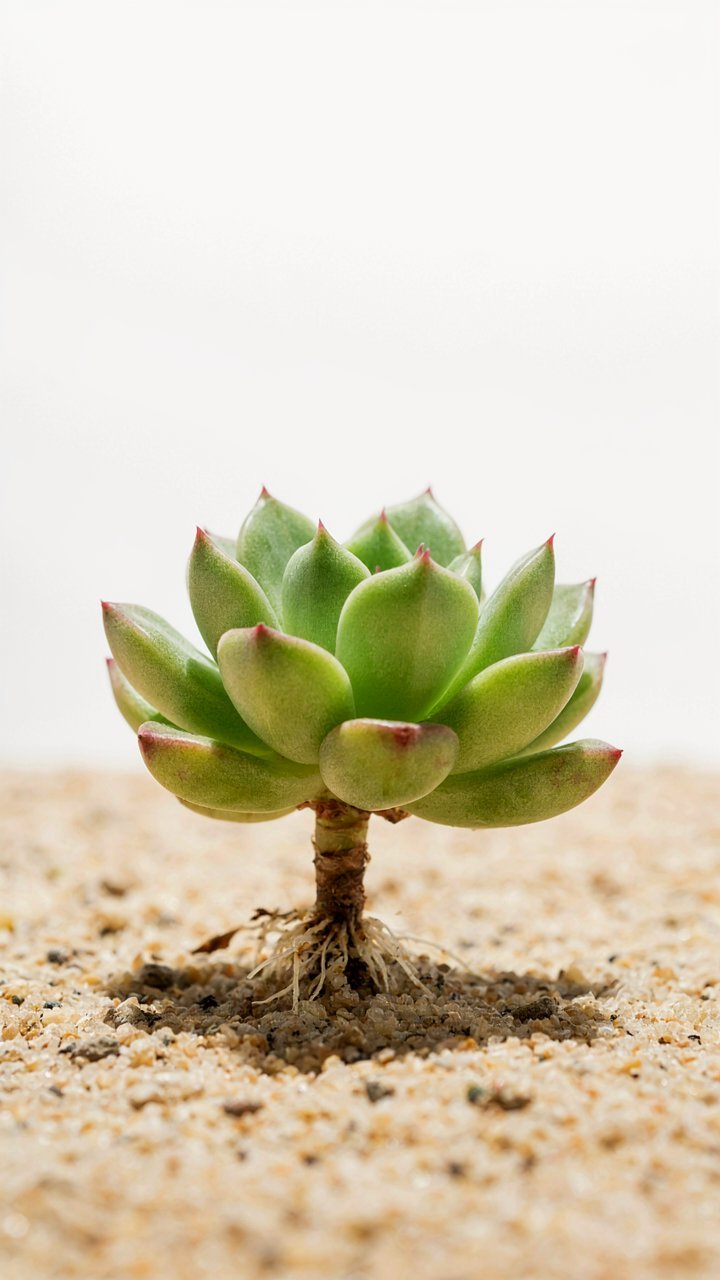
Energy Allocation For Root Development
You want to believe propagation is passive, like you just stick a leaf down and nature handles it. It doesn’t work that way. In biology, opportunity cost describes how an organism allocates finite resources between competing survival needs. A succulent cutting faces the same trade-off: energy spent on callus formation is energy not spent on leaf maintenance or photosynthesis.
The cutting doesn’t prioritize roots because roots are noble or necessary. It prioritizes roots because the existing leaf tissue becomes a liability in dry air. The plant shifts resources toward root development only when the cost of staying leafy exceeds the cost of investing in absorption. You accelerate this by controlling humidity and light, forcing the cutting’s internal economy to favor roots faster. Lower humidity triggers callousing. Bright, indirect light sustains photosynthesis without exhausting stored reserves.
Weak Propagations Don’t Survive By Accident
Most advice on propagation fails because people assume failure is random. It isn’t. Natural selection operates on succulent cuttings the same way it operates on any organism: genetic and phenotypic variance determines who survives. Cuttings from weak parent plants, cuttings with damaged tissue, and cuttings stored in wrong conditions all have lower survival probability.
You can’t reverse genetics, but you eliminate phenotypic weakness through brutal triage. The propagations that don’t callus within two weeks won’t survive. Remove them. The leaves that show rot or discoloration won’t contribute to the root system. Discard them now. The cuttings that don’t produce roots by week four are competing with viable ones for space and resources. Separate the viable propagations from the failing ones, and your success rate climbs because you stop wasting effort on genetically or environmentally damaged material.
Accelerating Growth: Beyond Basic Succulent Gardening

Rooting Hormones: When And If Necessary
You want rooting hormone to work like magic so you can skip the hard part: actually understanding why roots form. It doesn’t work that way. Rooting hormone is a tool that addresses one specific problem: auxin deficiency in certain plant tissues. Most succulent leaves and stems have enough natural auxin to root without synthetic help. The mechanism is simple: auxin concentration triggers cell differentiation, and succulents already produce sufficient levels on their own.
Use rooting hormone only when working with woody stems, stressed cuttings, or species prone to rot before rooting (like some Echeveria). For standard leaf propagation from healthy plants, it’s unnecessary overhead. When you do apply it, dust the cut surface lightly before placing it on soil. Excess powder wastes product and can actually inhibit rooting by concentrating too much hormone at the wound site. The protocol: minimal application, dry powder, one quick coat only.
Temperature And Humidity Control For Propagation
Propagation setup operates by the same biological principle as fermentation: microorganisms and enzymes respond predictably to temperature and moisture conditions. Your propagation environment is a controlled chamber where you’re managing substrate moisture and air temperature to optimize cell division in developing roots. Most succulents root fastest between 65 and 75 degrees Fahrenheit. Below 60 degrees, root development slows dramatically. Above 80 degrees, moisture evaporates faster than roots can absorb it, creating a false sense of progress.
Humidity should sit between 40 and 60 percent during the rooting phase. This range prevents the cutting surface from drying too quickly while avoiding the fungal pressure that comes with saturated air. After roots emerge, lower humidity gradually to acclimate the young plant to standard indoor conditions. Place propagation trays in a spot with indirect light, stable temperature, and air circulation from a fan on low speed. This prevents stagnant pockets where mold colonizes. Once calluses form visibly on cut edges, reduce watering frequency by half.
Common Mistakes: What “Succulent Garden DIY” Guides Miss

You’re Waiting For The Wrong Thing
You want proof your propagation worked before it actually did. That’s the real issue here. Most guides say “be patient,” which is useless because patience without a target is just procrastination. The actual mechanism is cellular. Succulents root through callus formation, a protective scar tissue that takes 3 to 14 days depending on species and temperature. You cannot rush this. Checking constantly doesn’t speed it up—it exposes fresh wounds and introduces contamination risk.
The mistake people make is treating rooting like germination. Seeds sprout visibly. Roots on propagations form internally first. You see nothing for two weeks, then suddenly a white nub appears. Most people abandon leaves or stems at day 10 because they confuse “no visible progress” with “dead propagation.” The protocol is simple: place the propagation on dry soil, wait 10 days minimum before watering, then check weekly. Impatience kills more propagations than any environmental factor.
Seasonal Timing Changes Everything
Dormancy isn’t just a pause. It’s a biological state where metabolic demand drops to near zero. Most succulents from arid climates follow a growth pattern tied to their native seasons: active growth in spring and fall, dormancy in summer heat and winter cold. Propagating during dormancy is like trying to build a house during a power outage. The plant cannot allocate energy to root formation because it’s conserving reserves.
Standard advice ignores this entirely. The real protocol requires matching propagation timing to active growth cycles. Start propagations in spring or fall when soil warms and day length changes trigger growth signaling. Never propagate a dormant succulent in midsummer or midwinter. The rooting timeline stretches from weeks to months, and failure rates spike. Check your specific species’ dormancy window, then schedule propagations two weeks before active growth begins.
Stop Seeking Special Methods; Embrace The Inherent Resilience. Your Real Obstacle Is Impatience, Not Inadequacy
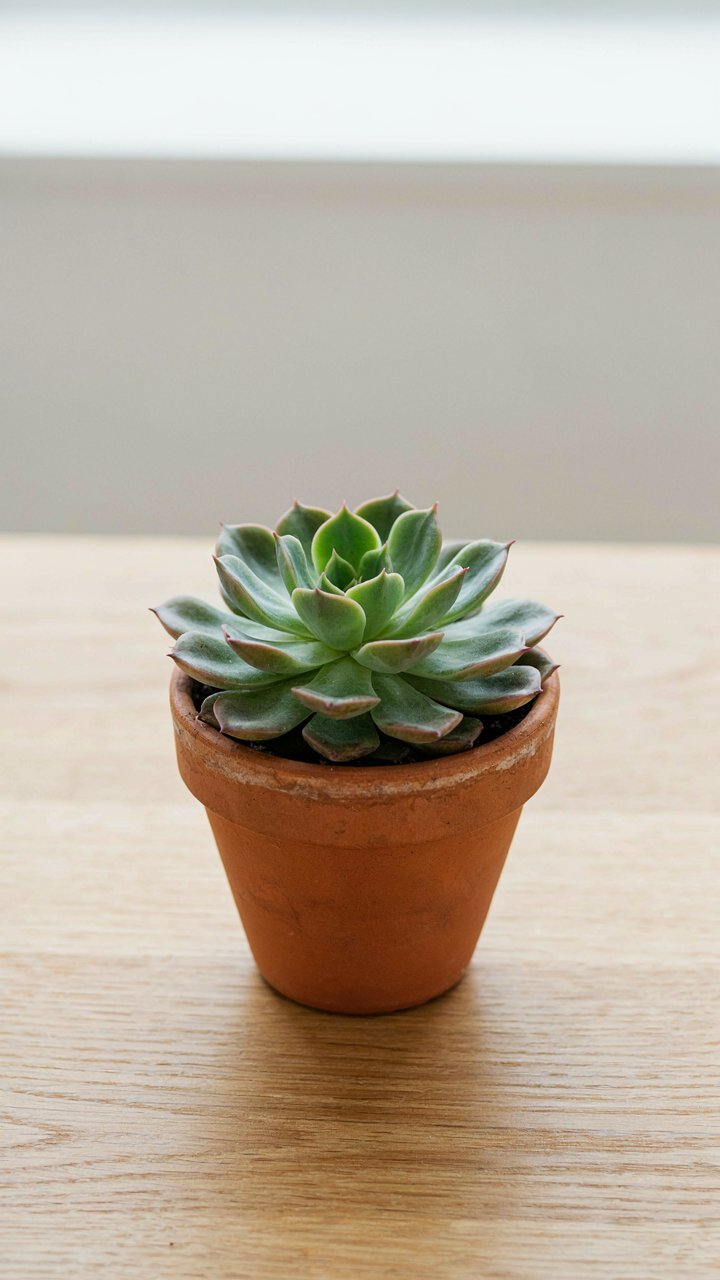
You don’t need a better technique. You need to stop checking your propagations every three days like they owe you money. Succulents don’t fail because you lack skill. They fail because you suffocate them with attention. Grab a leaf from a plant today, drop it on soil, and walk away for two weeks. That’s it. The plant does the work. You just have to get out of the way.