
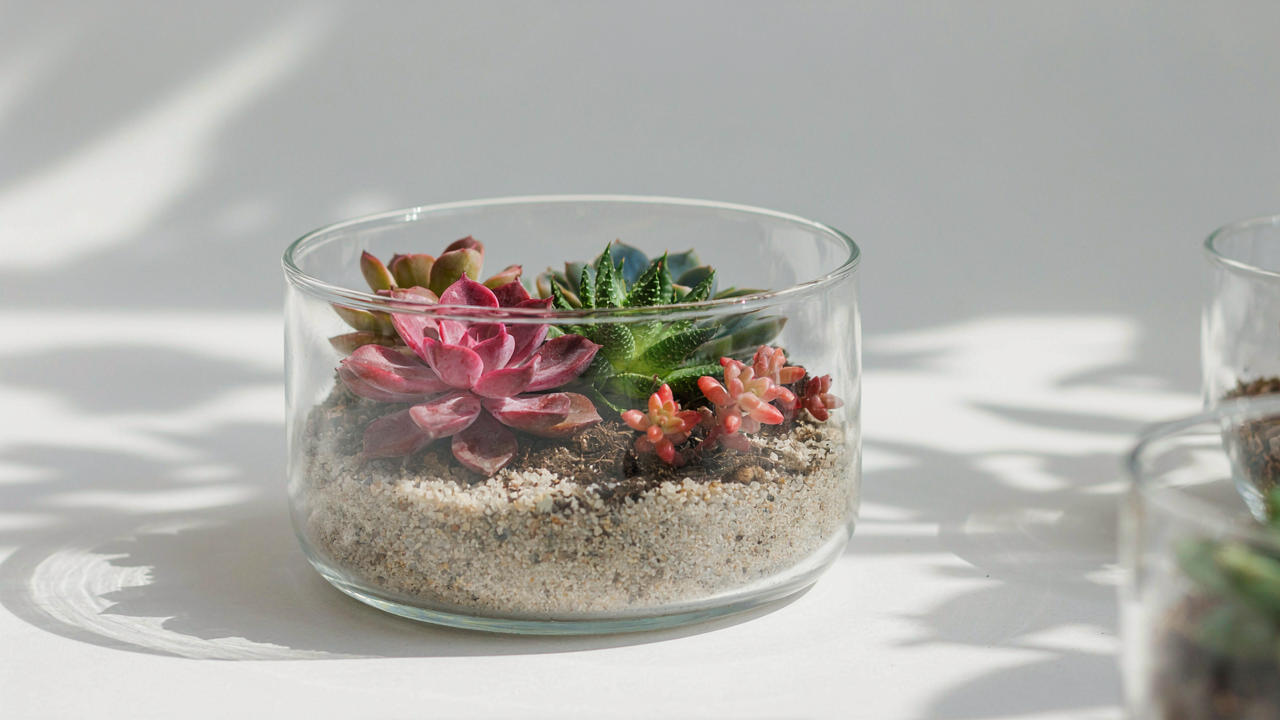
Beyond Instagram: Why Your Succulent Terrarium Fails
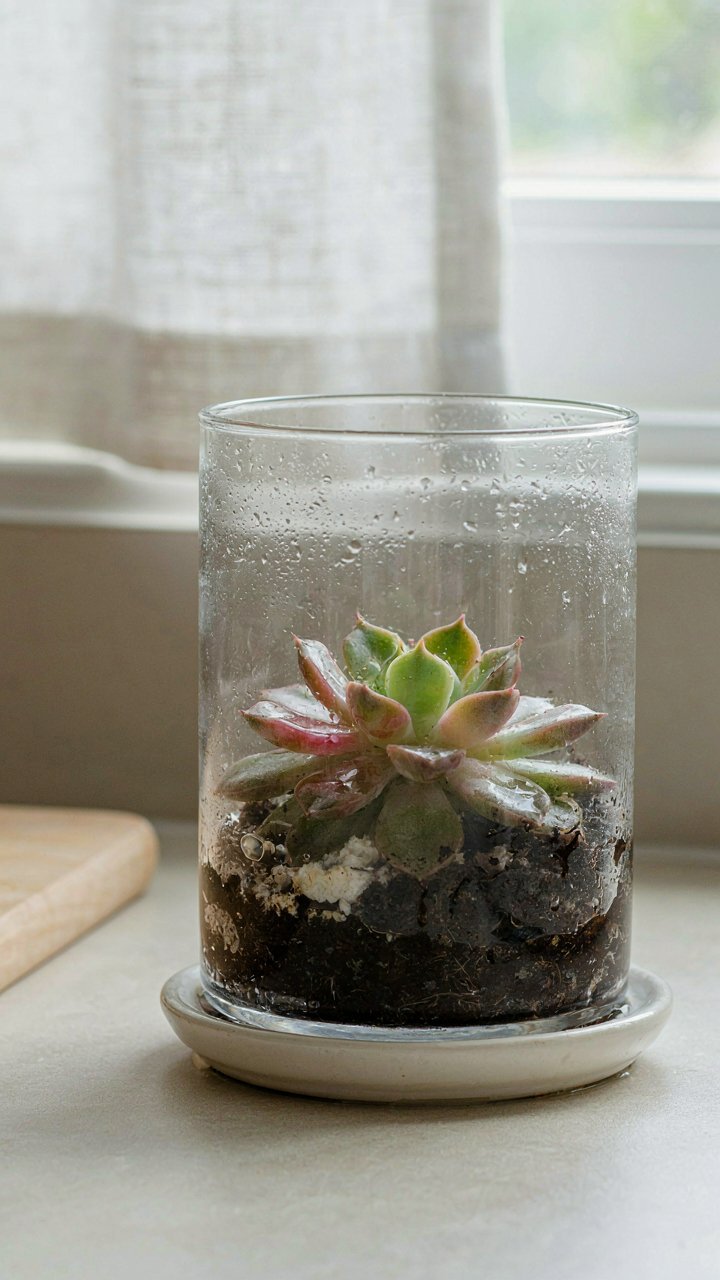
What You Think Succulents Want
You want proof you can grow something living without killing it. That’s why you’re here. The real issue isn’t that succulents are fragile. It’s that every piece of advice treats them like desert plants, period. That framing is incomplete. Succulents store water in leaves and stems to survive drought, but terrarium conditions don’t replicate drought. They replicate the opposite. Your terrarium is a closed system mimicking tropical humidity. Succulents suffocate in that contradiction.
The consensus says succulents need “bright light and minimal water.” Technically true, useless. What kills terrariums is the assumption that less water solves the problem when the real enemy is moisture retention. You can underwater a terrarium succulent and it still dies if air can’t move. People blame themselves for overwatering when they should blame their container design. The mechanism is gas exchange, not thirst.
Humidity, Stagnation, And What Actually Kills The Plant
Think of a terrarium as a sealed pressure system. In thermodynamics, equilibrium is when pressure inside matches pressure outside. A closed terrarium traps moisture and heat, creating an environment where humidity climbs and air stops moving. Succulents evolved in low-humidity, high-airflow conditions. They’re built to shed excess moisture fast. In a sealed terrarium, that moisture gets trapped in the soil and around the roots. Rot begins because the plant can’t dry out.
Stagnant air is the invisible killer. Even with drainage holes, if air doesn’t circulate, moisture pools around the base of the plant and in the substrate. Fungal spores and bacteria thrive in stagnation. The plant’s cells soften and collapse. You see mushy leaves and assume you overwatered. You halve your water next time. The plant still rots because the air never moved. Stop treating your terrarium like a closed display case. It needs ventilation or it becomes a petri dish.
The Arid Ecosystem Protocol: Succulents In Glass, Not A Swamp

Drainage Over Decoration: Essential Layers
You want your terrarium to look finished, polished, Instagram-ready on day one. That instinct will kill your plants. The mechanism here comes from hydrology: water moves downward through soil until it hits a barrier, then pools and stagnates. A terrarium is a sealed barrier. Without deliberate drainage layers, you create a swamp, not an ecosystem.
- Coarse gravel base layer: Creates air pockets and prevents soil from compacting directly onto glass. Use quarter-inch gravel or larger stones, about one inch deep minimum.
- Activated charcoal: Absorbs odors and excess moisture that accumulates in closed containers. A half-inch layer sits between gravel and soil. Buy horticultural-grade only.
- Perlite mixed into soil: Expands when fired, creating permanent voids in your soil medium. Mix at roughly thirty percent by volume into cactus soil to maintain air channels.
- Sand layer separation: A thin layer of sand between charcoal and soil prevents fine particles from sifting down and clogging your drainage zone. Coarse sand works best.
- No solid base container: Use glass with an open bottom or drill drainage holes if possible. If sealed, accept that watering becomes monthly rather than weekly.
These layers are not decoration. They are the operating system. Stack them in order from bottom: gravel, charcoal, sand, then amended soil. Skip any layer and you’ve handed control to mold and root rot. The depth of your gravel base should equal the depth of soil you’re adding to your succulents.
Right Plants For Enclosed Glass
Most beginner advice names popular succulents and calls it done. That’s incomplete. Enclosed glass changes the game because humidity and air circulation differ radically from open containers. Pick species that tolerate—or prefer—slightly higher moisture and lower airflow than their outdoor cousins.
Echeveria varieties handle enclosed conditions well because they shed water cleanly from waxy leaves and don’t store excessive moisture in their stems. Jade plants adapt slowly to terrariums but perform adequately if you water sparingly. Avoid Aloe vera and most Haworthia species in sealed glass; they evolved in extremely arid conditions and rot when humidity climbs. Crassula ovata tolerates moderate humidity better than most. Lithops and other “living stones” belong in open containers or dry terrariums only, never sealed ones. The key is matching the plant’s natural habitat moisture level to the microclimate your glass container creates.
Light As Fuel: The Photosynthesis Mandate
How Much Light Your Succulents Actually Need
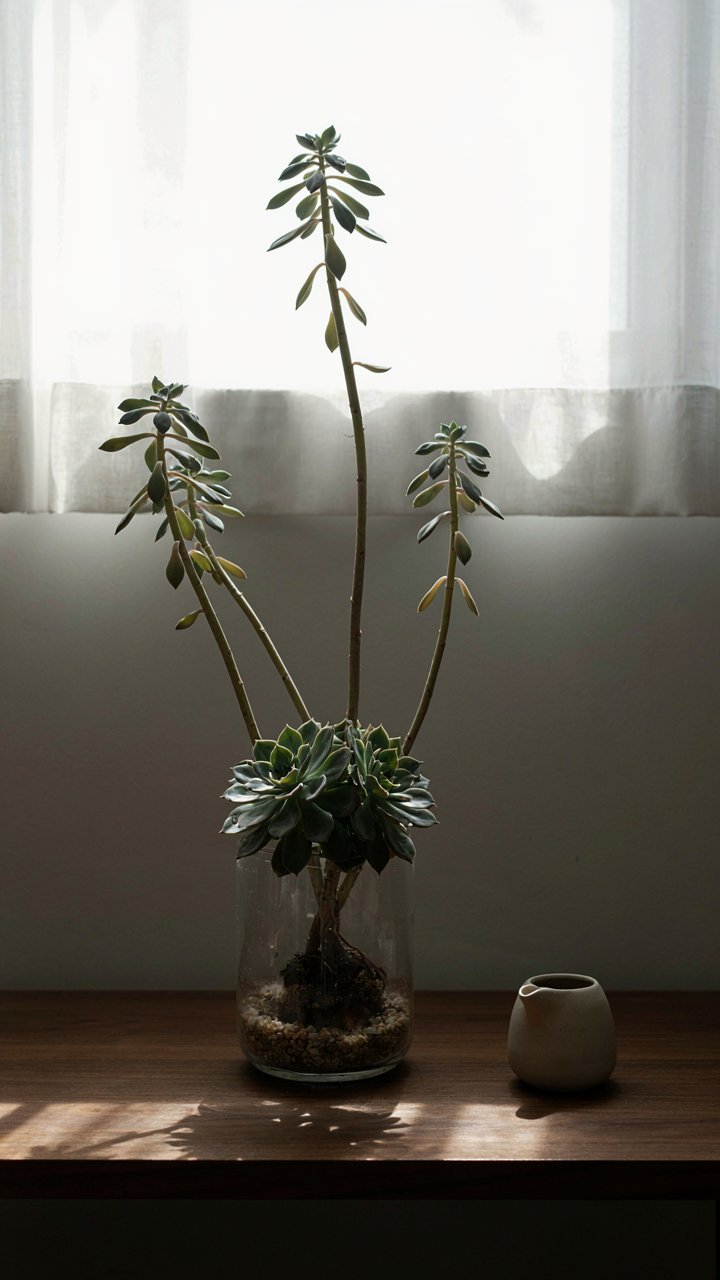
You want your terrarium to look alive without effort. That’s the real reason you’re reading this. Here’s the mechanism: succulents photosynthesize using light wavelengths between 400 and 700 nanometers. Think of it like currency. Your terrarium consumes light to produce glucose. Intensity and duration are the variables you control. Most succulents need between 14 and 16 hours of light daily to maintain compact growth and color saturation. Less than this, and they etiolate—they stretch and pale, reaching for light sources like desperate vines.
Intensity matters more than people admit. Succulents thrive under 1000 to 2000 lux of light. Direct sunlight measures around 32000 lux on a clear day. Your windowsill isn’t direct sunlight all day. That’s why many beginners fail. They place a terrarium on a shelf and wonder why their echeveria turns translucent. The plant isn’t dying. It’s starving for photosynthetically active radiation. Measure what you actually have, not what you assume.
Where To Position Your Terrarium
The advice to “put it in a bright spot” is lazy and incomplete. Real placement strategy depends on your climate, season, and glass thickness. South and west-facing windows deliver the most consistent intensity in most climates. East-facing windows provide gentler morning light. North-facing windows rarely work unless you supplement with grow lights. The terrarium glass itself filters 10 to 20 percent of incoming light depending on thickness and clarity. That matters.
Scorching happens when heat builds inside the enclosed glass and light intensity becomes extreme. This occurs most during peak summer months when midday sun angles are high. Move your terrarium back 3 to 6 inches from the windowpane if leaves start turning orange or translucent. Afternoon shade during peak heat seasons prevents this. Rotation matters too. Turn your terrarium 180 degrees every three to five days so all plants receive equal exposure and grow evenly instead of leaning toward the light source.
The Minimalist’s Approach To Terrarium With Succulents

Restraint Beats Decoration Every Time
You want the terrarium to look full and impressive without admitting you’re afraid of empty space. Here’s the mechanism: succulents store water in their tissues, so they don’t compete for resources like flowering plants do. Density kills them faster than underwatering. One mature rosette takes up real estate. Three crowded together fight for air circulation and light penetration. The substrate layer, the plants, the rocks, the moss—each addition multiplies moisture retention. Subtract, and you extend the terrarium’s functional life by months.
Start with a single drainage layer of coarse sand or perlite, roughly one inch deep. Then one inch of gritty potting mix. That’s your foundation. Pick two to three succulents maximum for a standard six-inch container. Space them so air moves between them. Rocks and decorative elements should occupy less than twenty percent of the visible surface. The goal isn’t visual abundance—it’s survival mechanics.
When More Space Beats More Plants
Overcrowding is the default advice given to beginners, and it’s wrong. You’ll hear people recommend packing terrariums tight for a “lush look.” What they don’t mention is the humidity trap this creates. Moisture gets trapped between plants. Fungal growth follows. Rot accelerates. In ecological systems, density determines competition intensity. In a terrarium, density determines disease velocity.
Leave gaps between specimens. Position them so their edges don’t touch. This gap creates an airflow corridor. Light reaches the soil surface. Humidity drops to sustainable levels between waterings. Water every three to four weeks in a minimalist setup, not weekly. The empty space isn’t wasted—it’s the operating margin that keeps your terrarium functional instead of a petri dish for mold.
The Cybernetic Loop: Feedback For Open Terrariums
What Your Plants Tell You Before They Die
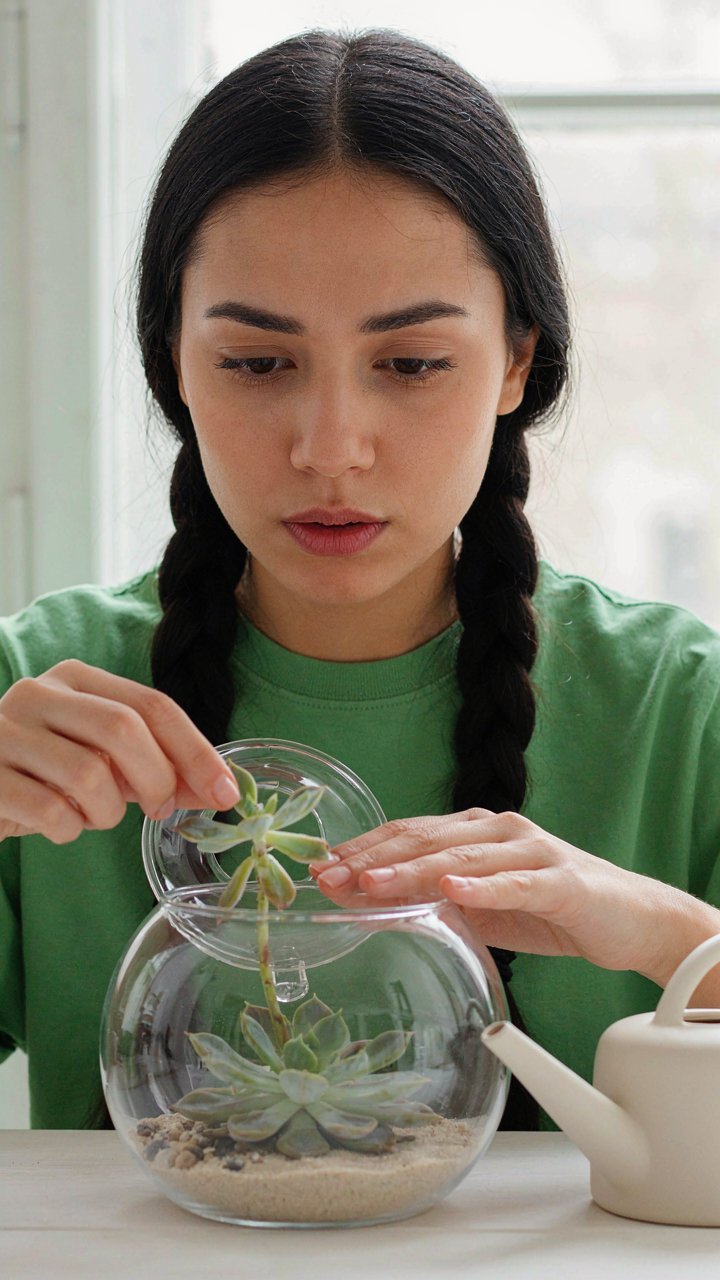
You’re checking your terrarium hoping it looks fine so you don’t have to think about it. That’s the real reason this matters. But plants don’t work on hope. They work on feedback loops, the same mechanism cybernetics uses to keep systems stable: a plant reads its environment and signals stress through visible changes. You read those signals and adjust. That cycle either stabilizes the system or lets it collapse. Most beginners miss the signals entirely because they expect plants to fail dramatically. They don’t.
Wilting in an open terrarium almost always means water stress, but the direction matters. Soft, translucent wilting indicates overwatering. Crispy, papery wilting means drought. Discoloration reveals nutrient problems or light issues. Pale or bleached leaves signal too much direct sun exposure. Brown leaf edges point to low humidity or salt buildup in soil. Pests in open terrariums are rare but visible: mealybugs appear as white cottony clusters, fungus gnats hover above soil, and scale insects attach to stems as brown bumps. Catching these early is simple because they’re exposed to air, unlike closed terrariums where humidity masks problems.
When To Change What
The mistake everyone makes is waiting too long between checks. You need to inspect your open terrarium weekly, not monthly. Weekly observation takes two minutes and prevents eight weeks of damage.
Corrective action depends on the specific signal. Overwatered soil means stop watering and increase airflow by positioning the terrarium near a fan or open window for a few days. Underwatered plants need deeper watering but only when soil is completely dry an inch down. Discoloration from light issues requires moving the terrarium closer to indirect light or away from hot afternoon sun. Pest infestations demand isolation from other plants, then spot treatment with neem oil or insecticidal soap applied directly to affected areas. Pruning removes dead or diseased leaves immediately, preventing rot spread and redirecting the plant’s energy to healthy growth. Execute each correction the same day you identify the problem, not later.
DIY Terrarium Ideas: Engineering For Self Sufficiency

The Container Shape That Actually Matters
You want the terrarium to look intentional so people think you have your life together. The real issue is simpler: container geometry determines whether your succulents survive or rot. Wide, shallow vessels beat tall narrow ones because they maximize the soil surface area exposed to air, reducing the moisture trap that kills most beginner setups. A rectangular or hexagonal container works better than a sphere because flat sides create edge zones where air naturally circulates faster than in curved dead zones.
The opening matters more than material. Terrariums with wide mouths and minimal lids perform better than sealed glass domes, which trap humidity and create a stagnant microclimate. Unglazed ceramic or raw concrete containers wick moisture away through their walls, which helps. Closed glass containers look finished but require active management to prevent fungal decay. If you choose glass, leave the lid off most days or drill ventilation holes to maintain gas exchange.
Gas Exchange Dynamics In Enclosed Spaces
Borrowing from atmospheric physics, think of your terrarium as a closed system where diffusion is the enemy. Air molecules move randomly, but in a sealed container they accumulate on one side while stale air pockets form near soil level where your plants actually need fresh oxygen. Carbon dioxide and excess moisture get trapped at the bottom where roots sit, poisoning the growing environment. This isn’t a problem with open terrariums because convection moves air naturally, but sealed containers require you to manually introduce fresh air cycles.
The soil layer acts as the diffusion barrier. Wet soil blocks oxygen from reaching roots and traps carbon dioxide in the root zone. You solve this by never watering sealed terrariums the same way you water potted plants. Use the “observation method” instead: watch the glass for condensation buildup, and only water when the soil appears completely dry and no beads form on the interior walls. Open your sealed terrarium for five minutes every three to five days to reset the gas balance inside.
Watering The Desert: Precision For Succulents In Terrarium
The Soil Decides Everything
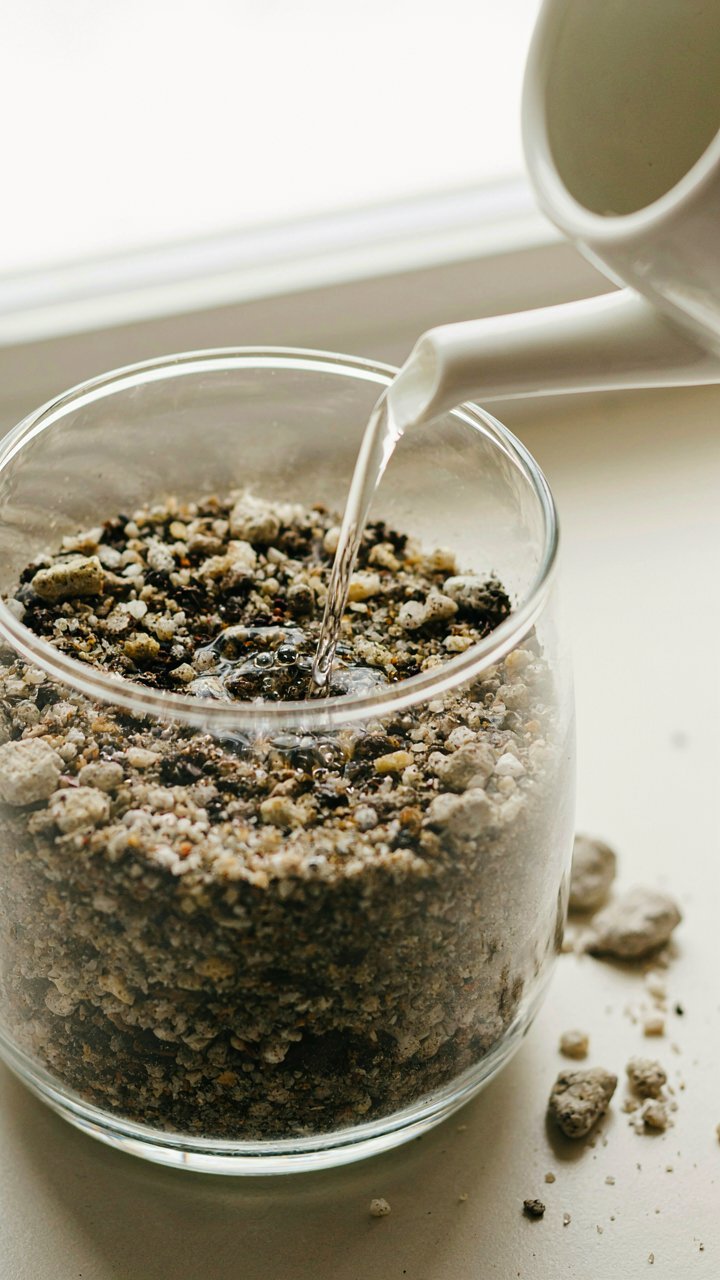
You’re worried about killing your terrarium because you’ve heard succulents are “easy” and you’re terrified of being the person who proves that wrong. Here’s the mechanism: soil drainage determines watering frequency, not some universal schedule. Think of soil like a hydraulic system in engineering. Water moves through it at different rates based on particle size and density. Standard potting soil holds too much moisture. Succulents need a substrate that drains fast and air-dries within days, not weeks.
Mix your terrarium soil with 60 percent inorganic material. Use pumice, perlite, or coarse sand. The remaining 40 percent can be cactus soil or coconut coir. This ratio prevents root rot, the actual killer of terrarium succulents. When soil dries fast, you can water more confidently because the risk window is narrow. Poor soil forces you into guessing mode where overwatering happens by accident.
Evaporation Windows And Climate Reality
Enclosed terrariums trap humidity, which changes everything about water loss. A terrarium in a humid room loses water slower than one on a sunny windowsill in dry climates. Don’t follow generic “water every three weeks” advice. That kills more plants than it saves. Instead, check soil moisture by inserting a thin stick two inches deep. If it feels dry, water thoroughly until water drains out the bottom. If soil still holds moisture, wait another week.
Winter slows growth and evaporation. Many terrarium owners water on the same schedule year-round and wonder why rot appears in colder months. Reduce watering frequency by 50 percent from November through February in most climates. Watch the plants themselves. Shriveled leaves mean thirst. Translucent or mushy leaves mean excess water. Adjust based on what you see, not a calendar.
Long Term Maintenance: The Evolution Of Your Cacti Terrarium
When To Cut And Why It Matters
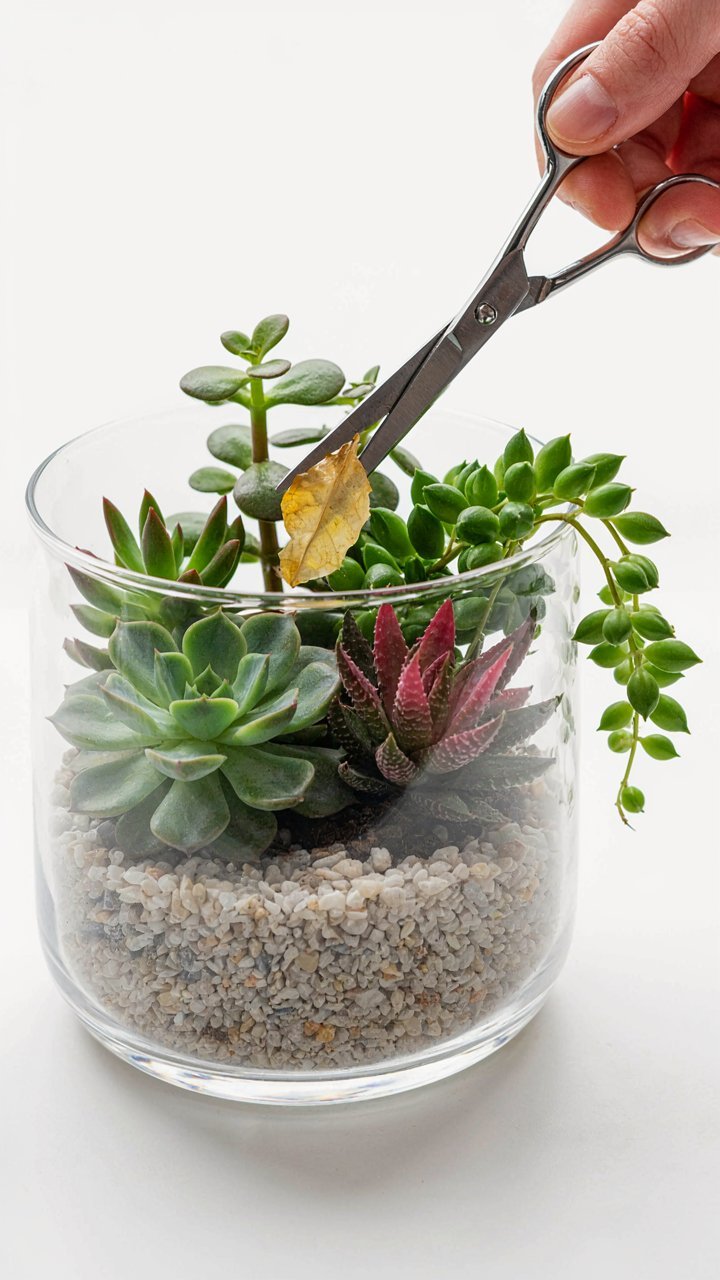
You want your terrarium to look intentional, not neglected. That’s the real reason you’re reading this. Pruning works like selective pressure in biology: you remove the weak signal to amplify the strong one. Succulents in terrariums don’t need pruning for survival. They need it because density compounds. Left alone, they sprawl, shade each other, compete for water they don’t need, and create rot zones. Pruning forces growth downward and outward strategically instead of upward toward light that’s already adequate in a closed system.
Cut dead leaves at the base where they meet the stem. Remove any leaf showing translucent soft spots or discoloration. If a rosette grows taller than one and a half inches above its neighbors, trim the stem back by half to reset its growth pattern. Use clean scissors or a blade. Don’t tear. Make cuts flush against the stem, not a half-inch away. The goal is to maintain a flat silhouette and prevent one plant from monopolizing airflow.
Knowing When Your Terrarium Needs A Larger Home
Repotting is not about making plants happy. It’s about breaking the growth ceiling before your terrarium becomes a stagnant system. The signal arrives when roots emerge from the drainage hole or circle the soil surface visibly. Some people wait for the plant to stop growing. That’s backwards. A plant stops growing when it runs out of root real estate, not the other way around. By then, you’ve wasted a full growth cycle.
Tip the terrarium on its side gently and work the soil free with a chopstick. Loosen the root ball without breaking it. Move the plant and soil together into a container one-third larger. Backfill with fresh, fast-draining mix around the sides. Water once lightly, then wait five days before watering again. The fresh soil holds moisture differently than compacted old soil. Don’t ignore this timing gap or you’ll create the exact rot condition you were trying to prevent.
Your Terrarium Failures Aren’t About A Lack Of Green Thumb; They’re A Symptom Of Ignoring Foundational Biological Principles
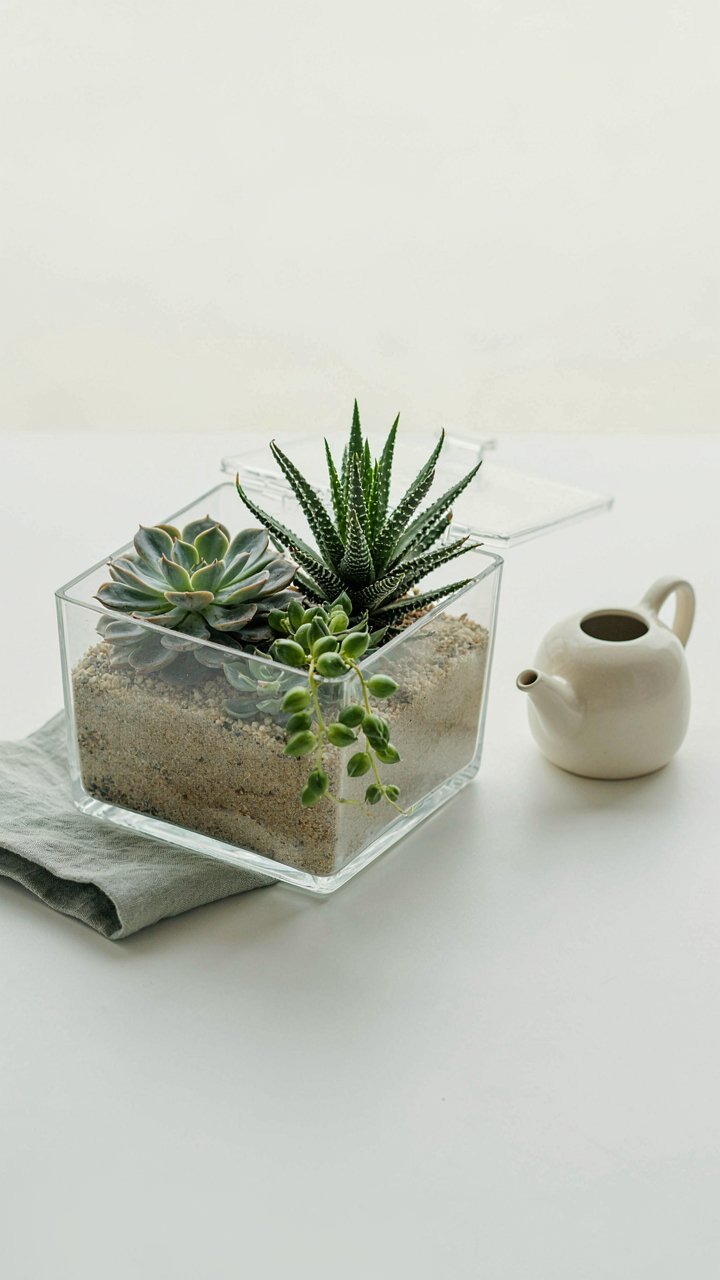
Most people kill their succulents because they treat them like pets instead of systems. You’re overwatering, overcomplicating, and ignoring the actual environment you’ve created. Stop guessing. Today, pick one terrarium and deliberately underdry it for two weeks. Watch what happens. You’ll see that succulents don’t need your help as much as they need your restraint.