

The Succulent Soil Lie: Why Conventional Wisdom Fails
What Everyone Gets Wrong About Drainage
You want the simple answer so you can feel confident you’re not killing your plants. The mechanism nobody states plainly: most people confuse drainage speed with drainage reliability, and generic potting mixes exploit that confusion by prioritizing the first while ignoring the second.
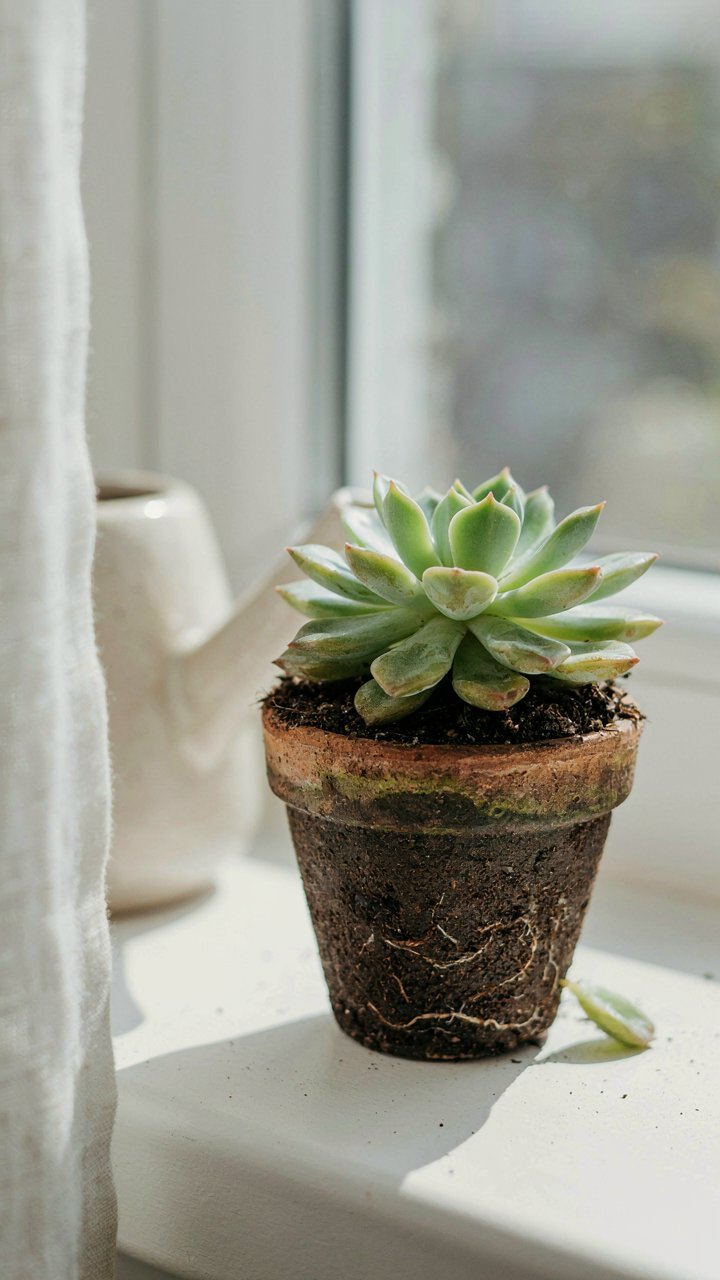
Standard “cactus mixes” from big retailers drain fast initially. But they compact over months, trapping water where roots live. The perlite breaks down, the bark pieces settle, and the soil collapses into a dense mat. You end up with the worst outcome: fast initial drainage masking slow chronic moisture retention. The plant rots anyway, and you blame yourself instead of the soil architecture.
The Real Cost Of Convenience
Generic potting mixes prioritize shelf stability and shipping weight, not plant survival. Manufacturers add filler materials that cost nothing to source but actively work against succulent health by retaining moisture longer than marketed. You pay the same price for soil that fails in six months as you would for soil engineered to stay functional for years.
The hidden cost compounds over time. Every repot with failing soil sets your plant back. Root rot doesn’t reverse quickly. A single year of incorrect soil chemistry and structure can stunt growth permanently. Buy once and replace quarterly, or engineer the mix once and maintain it reliably. The arithmetic is brutal when you count dead plants.
Beyond Drainage: The Aeration Imperative For Succulent Soil
Why Roots Actually Need To Breathe
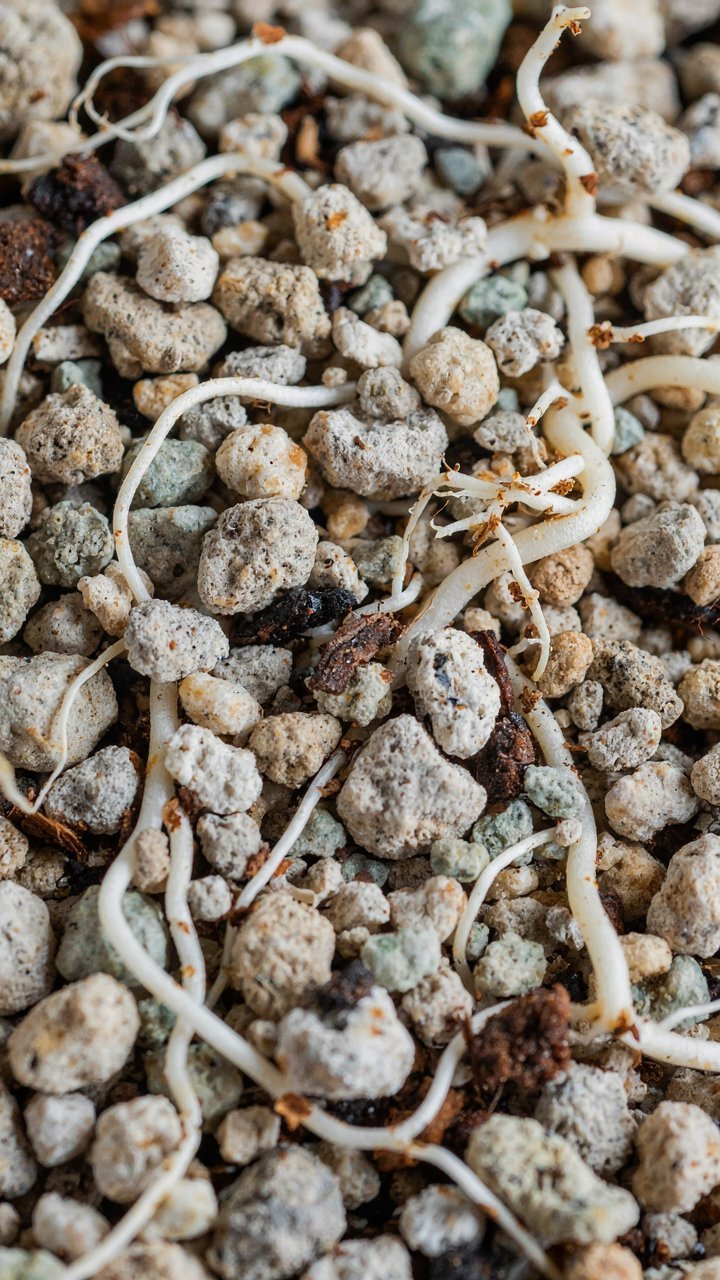
You want drainage because you think it prevents rot. That’s the surface reason, and it’s incomplete. The real mechanism is aerobic respiration. Roots consume oxygen to convert stored sugars into usable energy. No oxygen means no energy production, then cell death, then collapse. Drainage alone doesn’t guarantee oxygen availability if the soil compacts or lacks sufficient pore space. The soil structure itself must hold air pockets. Dense, fine particles suffocate roots even when water drains away because air can’t reach the root surface.
Think of this through biology’s lens: a root is an organism with metabolic demands. Anaerobic conditions don’t just sit there passively. They trigger fermentation pathways that produce toxic byproducts, which kill cells faster than simple oxygen starvation would. Succulents evolved in mineral-rich substrates with massive air gaps. They expect constant oxygen availability. Replicate this expectation or watch the plant fail silently from the inside out. The kill happens before you see symptoms on the leaf.
Pore Space Beats Particle Size Every Time
The common advice says use coarse sand or perlite for particle size. It’s not wrong, but it misses the priority. Pore space is what matters. A mixture of differently sized particles creates varied pore shapes and sizes. Large pores hold air. Small pores retain minimal water. The balance between them determines both aeration and water availability. You can achieve this with medium-sized particles if you layer them correctly. Particle size is a tool, not the goal.
One compacted cubic inch of fine soil holds almost no air pores. One loose cubic inch of medium particles creates pockets throughout. The difference in root oxygen availability is orders of magnitude. Test this yourself: hand-mix a batch, then machine-mix it. The hand-mixed version stays looser longer because machines compress particles together. That compression is the enemy. Your mixing method, how you fill the pot, and what you don’t add all matter more than picking the “perfect” particle diameter.
The Arid Zone Protocol: Replicating Nature’s Blueprint
What Geology Actually Teaches You
You want this section because you’re tired of killing succulents and need permission to stop overthinking it. Here’s the mechanism: succulents evolved in environments where soil composition mirrors the physics of drainage systems, not fertility. Geology calls this permeability. In your pot, permeability means water moves through the medium fast enough that roots don’t sit in moisture. Most soil guidance ignores this entirely. They focus on what nutrients exist instead of what happens to water the moment it hits the medium. That’s backwards.
The desert doesn’t build soil like a forest does. It accumulates broken rock, mineral debris, and minimal organic matter. Rain hits, drains immediately, and leaves behind only what doesn’t dissolve. Replicate this structure exactly. Your mix should mimic fractured stone more than it mimics earth. The particles themselves matter less than the air gaps between them. A succulent in dense, nutrient-rich potting soil drowns not from the nutrients but from the water retention those dense particles create.
Components Work By Position, Not Presence
Everyone says “add perlite for drainage” like perlite is magic. It’s not. Perlite works because it creates pores that interrupt water’s downward path just enough to let air follow behind it. That interruption is the whole game. You could use pumice, coarse sand, or broken terracotta for the same reason. The mechanism is physical interruption, not brand chemistry.
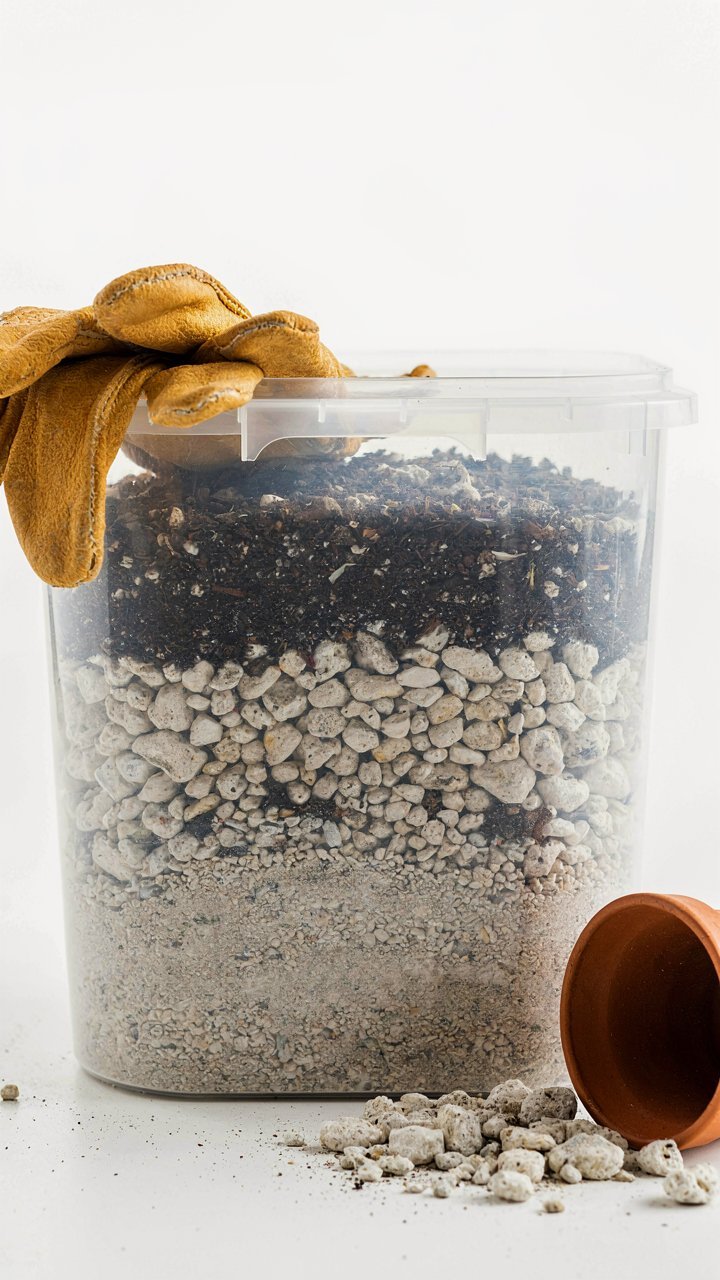
Start with a base: 50 percent inorganic material. Perlite, pumice, or coarse sand all function identically here. Add 40 percent mineral-based grit like chicken grit or horticultural sand. The remaining 10 percent handles the single job organic matter must do in this system: temporary moisture retention between waterings, nothing more. Coconut coir or peat moss works. The ratio isn’t sacred, but the principle is: structure first, then fill in the gaps with just enough organic material to prevent the medium from drying so fast you water constantly.
Components Of A Functional Succulent Potting Mix

Inorganic Grit Drives Drainage Architecture
You want your mix to look “professional” online, but what actually matters is preventing root rot before it starts. Think of drainage physics here: water moves through soil via pore spaces, and inorganic materials create the permanent channels that organic matter alone cannot maintain. Grit doesn’t decompose. It stays put. That’s the entire mechanism.
- Perlite: Volcanic glass expanded by heat. Creates large air pockets. Lightweight and pH neutral. Degrades slowly over years but remains structurally sound longer than most organic alternatives.
- Coarse Sand: Silica particles that wedge between organic particles and prevent compaction. Use horticultural or construction sand, not play sand. Adds weight and ballast to containers.
- Pumice: Porous volcanic rock. Absorbs water temporarily then releases it. Denser than perlite, so it won’t float to the surface during watering. Lasts indefinitely without breakdown.
- Crushed Granite: Angular mineral particles that create tortuous drainage paths. Adds minerals as it slowly weathers. Heavy enough to anchor shallow-rooted plants upright.
- Turface Or Calcined Clay: Heat-treated clay pellets engineered for athletic fields. Maintains structure for years. Absorbs water on demand without retaining excess moisture at the soil base.
Most guides say “use 50% grit” without explaining why. The ratio matters because inorganic material percentage determines whether water drains in seconds or minutes. Below 40% grit, water pools around roots regardless of pot drainage holes. Aim for 50 to 70% inorganic material by volume depending on your climate humidity and watering frequency.
Organic Matter Serves A Single Function
Organic components don’t improve drainage. They store water and nutrients your succulents can access during extended dry periods. This sounds backwards because cactus soil advice usually frames organic matter as “optional filler,” but that’s incomplete thinking. The mechanism is simple: organic matter is a water reserve, not a structural element.
Coir, peat, and compost break down over time. As they decompose, they release nutrients and gradually reduce pore space in the mix. This is why succulent soil mixes separate from standard potting soil. Standard mixes stack organic matter because they need nutrient continuity for fast-growing plants. Succulents store their own nutrition in leaves. They need decomposing organic matter to stay minimal, usually 20 to 40% by volume. Add it strategically, then plan to refresh the entire mix every two to three years when the organic portion has degraded enough to reduce drainage performance.
The PH Paradox: Optimizing Succulent Soil PH

Why Neutral Isn’t Always Right
You want neutral pH because someone told you it works everywhere, and neutral feels safe. Here’s the mechanism: pH controls nutrient availability. In alkaline soil, iron and manganese lock up. In acidic soil, aluminum becomes toxic. Succulents don’t need neutral—they need the pH window where the nutrients they actually use stay soluble and accessible. Most succulents thrive in slightly acidic to neutral range: 6.0 to 7.0 pH. Below 6.0 and nutrient uptake accelerates past utility. Above 7.5 and calcium carbonate binds phosphorus into unavailability. The real play isn’t hitting a single number. It’s understanding that your soil pH determines which minerals your plant can eat, regardless of whether those minerals are physically present.
Different succulent species have different windows. Echeveria and Jade plants tolerate 6.5 to 7.5. Aloe and Haworthia prefer 6.0 to 7.0. The variance matters because tap water minerals, your potting components, and water chemistry all drift your mix over time. A slightly acidic starting point gives you buffer room before alkalinity becomes a problem. Most commercial succulent mixes ship at 6.5 to 7.0 pH, which is why they work adequately out of the bag. But “adequate” isn’t optimal. If you’re adjusting, test first. Guessing wastes money and creates problems you’ll diagnose three months late when growth stalls.
Measuring And Adjusting Soil Acidity
Testing soil pH requires a simple meter or kit, not guesswork. Digital pH meters cost fifteen to forty dollars and read in seconds. Soil test kits use color comparison and cost less but demand more precision in mixing and timing. Take a sample from the middle of your prepared mix, not the surface. Distilled water is crucial here—tap water skews results. Mix one part soil with three parts distilled water, let it settle for thirty minutes, then measure. The reading tells you where you stand. If you get 7.5 or higher, your mix leans alkaline. If you drop below 5.5, it’s too acidic for most succulents.
To acidify, add peat moss or sulfur. Peat moss lowers pH gradually and adds organic matter that holds water slightly longer, which succulents don’t need but won’t hurt in small amounts. Sulfur works faster but requires soil bacteria to convert it into sulfuric acid, a process that takes weeks. Mix sulfur into your soil and let it sit for three to four weeks before planting. To raise pH, add horticultural lime or wood ash. Lime reacts immediately. Add small amounts, mix thoroughly, and retest after a week. Most adjustments require less than you think. A half cup of peat moss per gallon of mix typically shifts pH down by half a point. Measure your adjustment, document it, and retest. Don’t rely on feel or assumption.
Watering Succulents: The Soil Water Feedback Loop
How Water Moves Through Soil
You want watering instructions because you’re afraid of killing your plant with the wrong amount of water. Here’s what matters: soil physics determines whether water reaches roots or stalls in dead zones. Think of soil structure like hydraulic resistance in engineering, where particle size and packing density control flow rate and water retention. Large particles create macropores that drain fast. Small particles pack tight and hold water longer. Succulent soil mixes use coarse components specifically to force water downward instead of pooling where roots sit.
Water moves through soil in two modes: saturated flow when soil is wet and unsaturated flow as it dries. Saturated flow happens immediately after watering, when gravity dominates and water fills all pores. Unsaturated flow takes over after drainage stops, as water adheres to particles through capillary action and moves slowly toward dry zones. Most succulent deaths happen during unsaturated flow because people re-water before the soil fully dries, trapping moisture around roots and breeding rot. A proper succulent mix accelerates the transition from saturated to unsaturated flow so you hit a true dry state faster.
The Drying Cycle Mimics Desert Conditions
The standard advice is to water thoroughly then let soil dry completely. This is incomplete, not wrong. The real mechanism is about oxygen availability, not water deprivation. Between waterings, air fills the pores that water vacated. Roots need both oxygen and moisture, and they get neither if you keep soil constantly moist. Desert plants evolved in cycles of fast drainage followed by extended dry periods. Your succulent soil must compress this cycle into days instead of weeks, which means it has to dry all the way through, not just the surface.
This is where particle size ratio becomes non-negotiable. Soil that contains too much organic material or fine particles stays damp in the center long after the top feels dry. You water again thinking it’s ready, but the core is still wet. Repeat this five times and you have root rot. A proper mix uses inorganic particles like pumice, perlite, or coarse sand to ensure water drains to the bottom within 24 to 48 hours and air refills those pores completely. Check soil moisture 2 inches deep before watering again. If it still holds moisture, wait another 3 to 5 days.
The Custom Blend Fallacy: When DIY Succulent Mix Backfires
Complexity That Solves Nothing
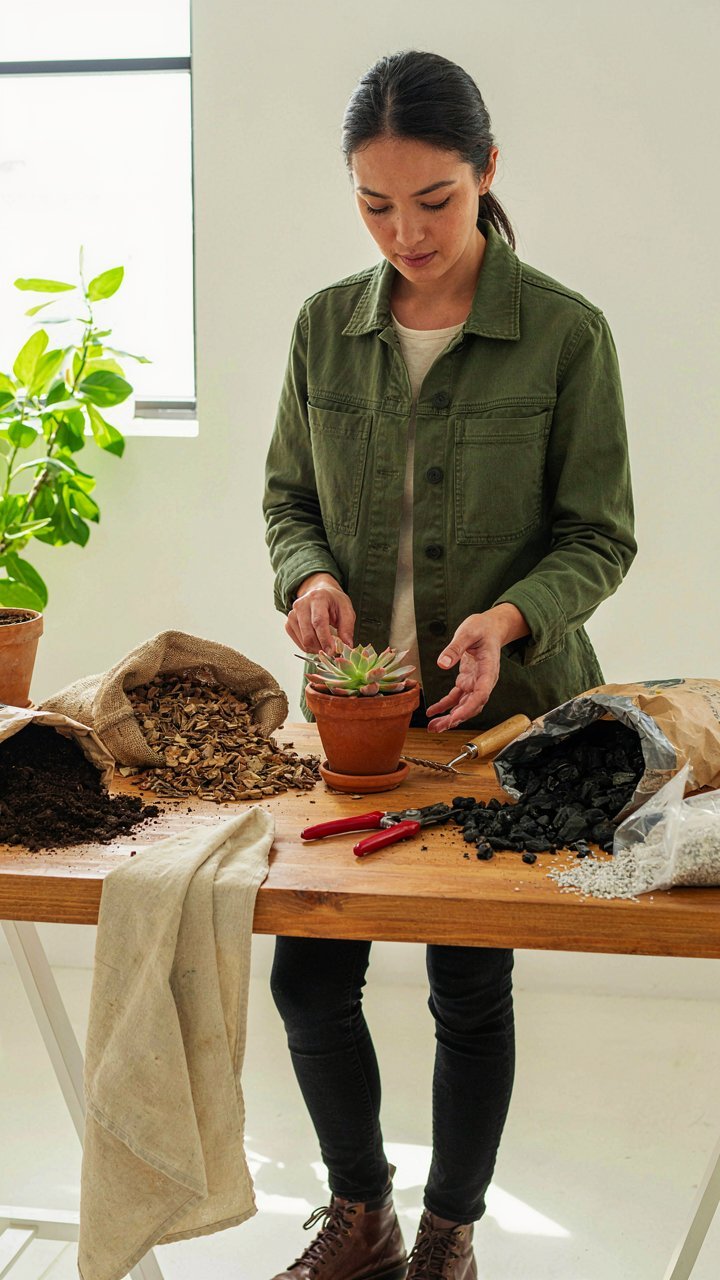
You want to feel like you’re doing something sophisticated. That’s the real reason most people obsess over custom blends. Here’s the mechanism: adding more components to your soil mix doesn’t improve drainage or aeration past a certain point. It just increases variables you can’t control.
Most growers treat soil design like cooking, assuming more ingredients equal better results. This fails because succulent soil has one job: move water through fast. Three components—base medium, drainage material, and amendment—do that completely. Everything beyond that is optimizing for a problem you don’t have. Perlite, pumice, bark, sand, charcoal, worm castings. Stop. You’re creating a recipe with six variables when two would work.
Component Quality Determines Everything Else
The source of your materials matters more than the ratio. This applies the manufacturing principle of tolerance stacking to soil composition: small variations in each ingredient compound into unpredictable results.
Cheap potting soil from a big box store contains peat that breaks down at different rates depending on its origin and processing. Perlite from one supplier has different particle size distribution than another. Garden-center pumice often contains fines that clog drainage. If you’re mixing components sourced randomly, you’re gambling with consistency. One batch stays wet for days. The next dries in 36 hours. Your plants respond to the soil condition, not your intention. Source from horticultural suppliers, not general retailers, and test your mix on a single plant for an entire growing season before scaling.
Troubleshooting Succulent Soil Issues: Beyond The Obvious
When Root Rot Starts Underground
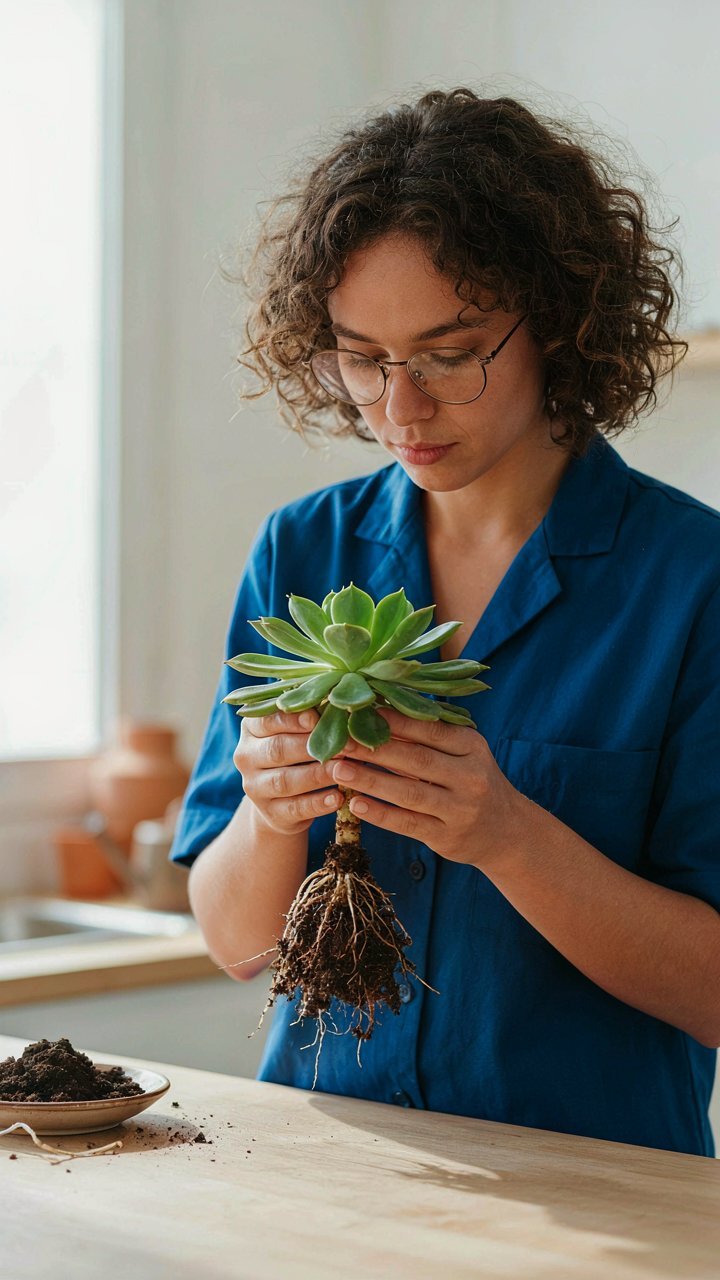
You want to catch this before your plant dies so you don’t feel stupid for wasting money. Root rot is a plumbing problem. Water enters soil, stays too long, and anaerobic bacteria colonize the root system. Your soil’s drainage speed determines how fast this happens. Compacted soil, clay content above 15 percent, or organic matter that breaks down into sludge all trap moisture. The mechanism is simple: stagnant water plus time equals dead roots.
Most growers check roots too late because the plant looks fine above soil for weeks while collapse happens below. Inspect roots at the first sign of soft stems or color loss. Healthy roots are firm, tan or white, and smell earthy. Mushy brown roots that smell sour mean the anaerobic process is active. At this stage, repot immediately into completely fresh, coarse soil. Cactus mix or 70 percent inorganic material works. Don’t reuse old soil from the infected plant.
Soil Borne Pests And Root Feeders
Bad soil doesn’t cause pests, but it creates the conditions pests exploit. Mealybugs and root scale insects thrive in dense, moisture-retaining soil because they need humidity to reproduce and soft decaying roots to feed on. Soil that stays wet longer gives them a breeding window. Loose, well-draining soil dries faster and reduces their lifecycle. The real leverage point isn’t killing pests after they arrive, it’s building soil conditions that make colonization harder.
If pests appear, suspect your soil first. Repot into fresh, coarse material immediately. Inspect roots for white cotton-like clusters or tan bumps, which indicate active infestation. Quarantine the plant separate from others for two weeks. Water less frequently after repotting to avoid recreating the humid environment pests need. Prevention beats treatment because pests in soil spread to leaves and nearby plants before you see them.
Long Term Succulent Care: The Soil’s Evolving Role
When To Repot And Why Soil Breaks Down
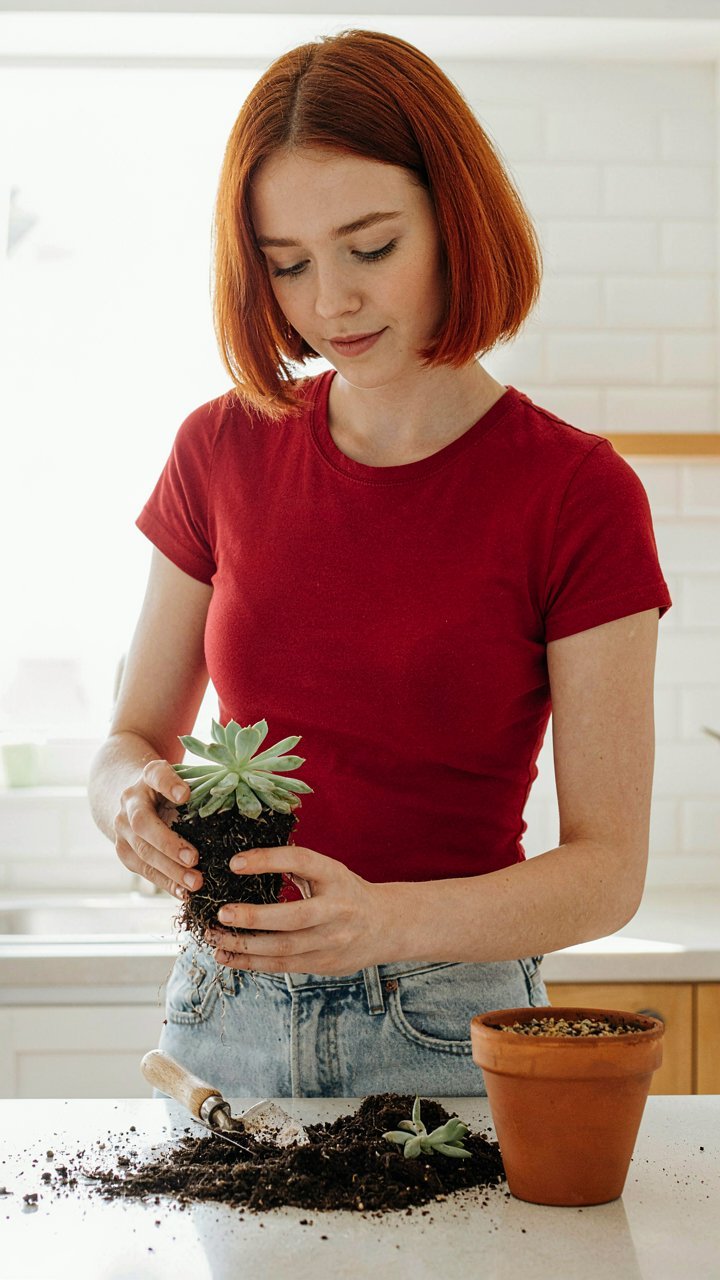
You want to believe one bag of soil lasts forever. It doesn’t. Soil in containers degrades—mineral particles break apart, organic matter compacts, drainage channels collapse. This happens regardless of watering habits. After 12 to 18 months in a pot, succulent soil loses structural integrity. The pore space that once moved water fast becomes dense. Roots start sitting in moisture longer than they should, and rot accelerates even with perfect watering technique.
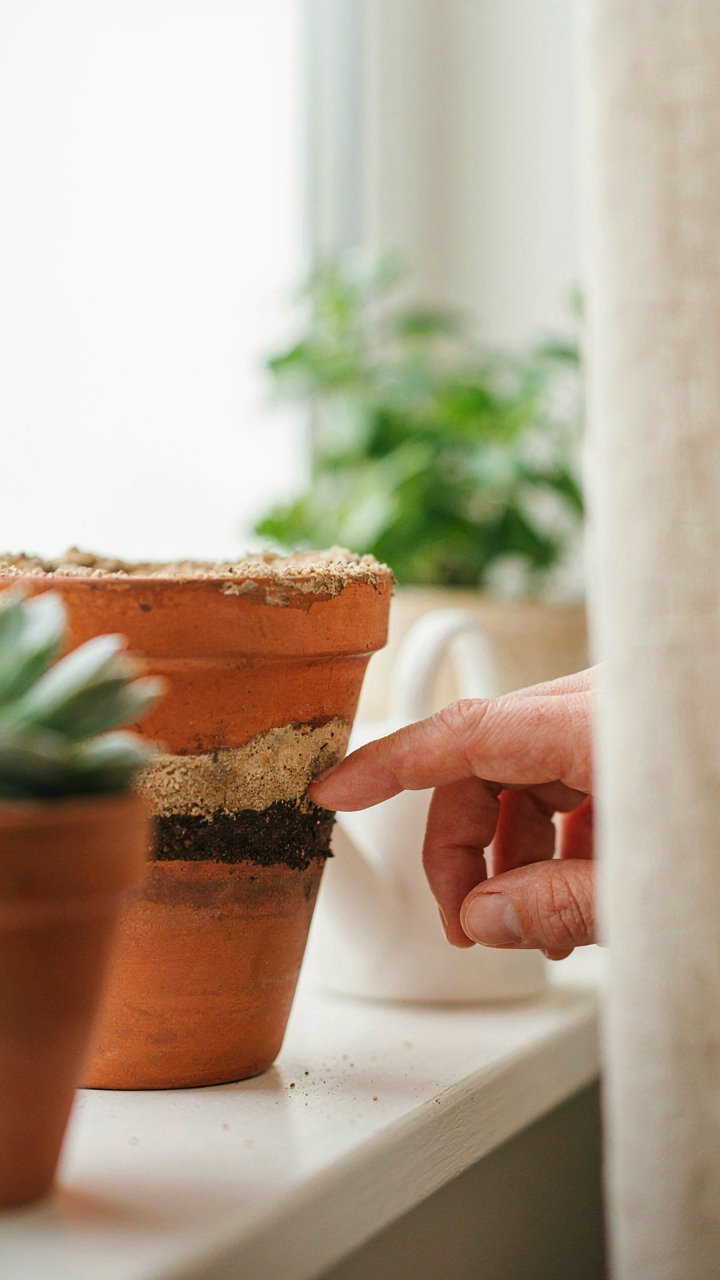
Repot every two years minimum, or when the soil visibly compacts and pulls away from pot edges. Remove 40 to 50 percent of the old soil during repotting, then replace it with fresh mix. Don’t just add new soil on top—that layers different drainage rates and creates a water trap. The plant needs full substrate renewal to reset the drainage clock. Timing matters most in early spring when growth resumes.
Nutrient Depletion In A Closed System
Think of a pot like an enclosed economy. In the ground, nutrient cycling happens through decomposition, microbial activity, and weathering of minerals over years. A pot has none of that—it’s a finite nutrient bank with a fixed supply. Every watering event leaches minerals through drainage holes. Every growth cycle depletes what’s there. After one full growing season, most commercial succulent soil mixes retain only 60 to 70 percent of their original nutrient content.
Fertilize every four to six weeks during the active growing season with a diluted, balanced fertilizer formulated for succulents. Use 25 to 50 percent of the recommended strength to avoid salt accumulation in confined soil. Without this intervention, older plants plateau—they maintain size but stop producing new growth. The soil doesn’t magically replenish itself, so you have to feed what the substrate can no longer provide. This is why repotting with fresh mix resets growth momentum faster than fertilizing alone.
Your Perceived Complexity Is Just Disguised Inaction
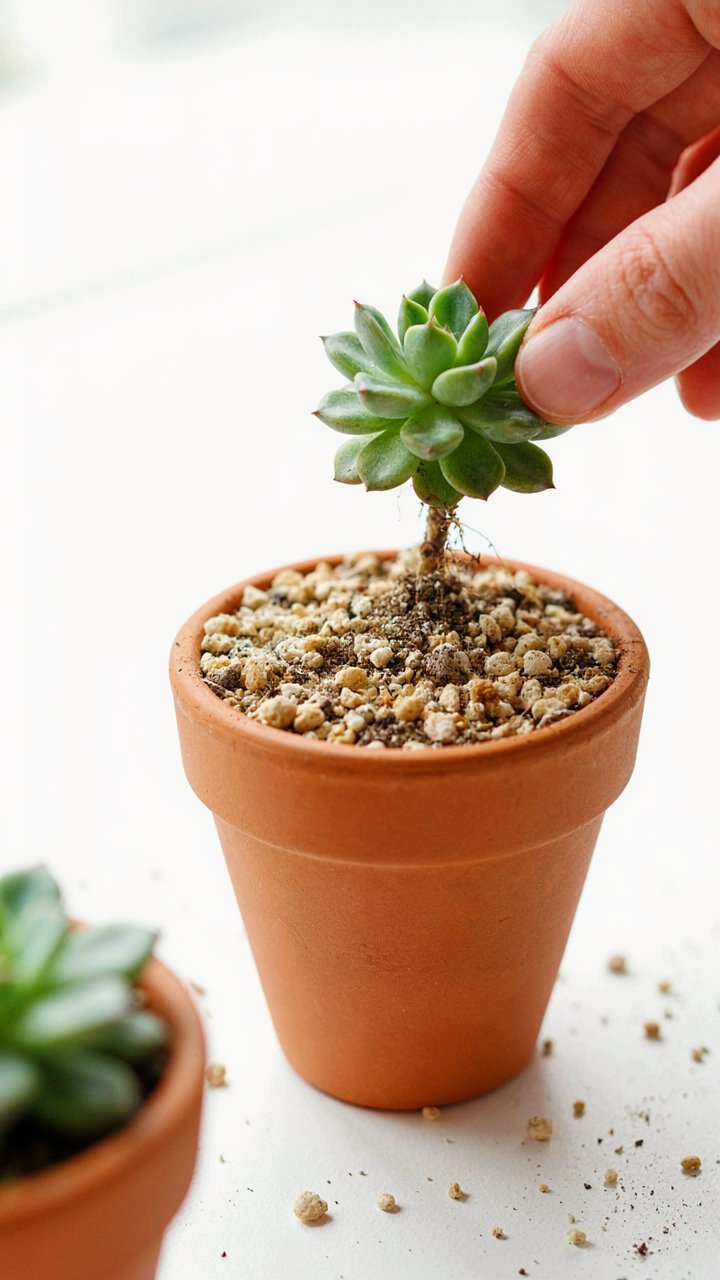
You don’t need to overthink succulent soil mix. You need to stop waiting for permission to experiment. Buy perlite, grab some cactus soil, mix them today, and plant something. Your plants will tell you what works through their survival, not through another article. The only mistake isn’t getting it perfect on the first try. The mistake is never trying at all.