
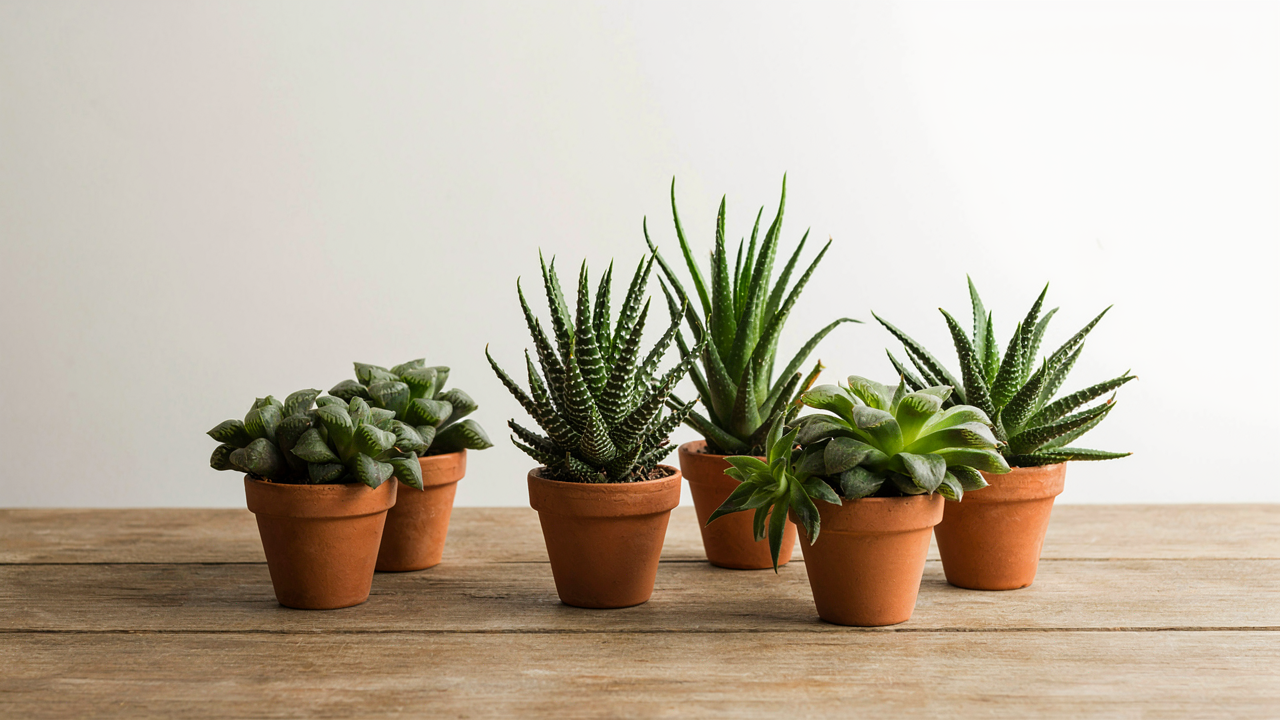
The Myth Of The “Must Have” Haworthia: Why Chasing Trends Fails

Instagram Scarcity And The Manufactured Urgency
You want the rare one because everyone else wants it. That’s the actual mechanism at work here, and pretending otherwise wastes your money. Social media uses scarcity economics, the principle that perceived rarity drives perceived value. With Haworthia, a single variegated or striped cultivar gets reposted enough times that collectors convince themselves owning it matters. The trend isn’t organic demand. It’s algorithmic amplification creating artificial scarcity around plants that nurseries could propagate in volume if the markup incentive disappeared.
The real cost isn’t the price tag. It’s the shift in how you evaluate what plant to buy. Once you’re hunting trends instead of assessing your growing conditions, light levels, and watering setup, you’ve already lost. Sellers know this. They photograph rare Haworthia under perfect studio lighting, never under the actual conditions a buyer’s home provides. You end up with an expensive plant in the wrong environment, dying slowly while you scroll for the next trend to chase.
Skipping Fundamentals For Status
The common advice is to start with hardy species. That’s incomplete because it doesn’t explain why people ignore it. Hardy species don’t generate engagement on social platforms, so the incentive structure punishes the grower who picks H. cooperi or H. fasciata first. Everyone’s posting H. emelyae var. major or rare variegated forms. Nobody gets likes for mastering the basics.
This reversal kills collections. A Haworthia in wrong soil, wrong pot drainage, or inconsistent watering fails identically whether it costs thirty dollars or three hundred. But the expensive one makes the failure feel worse, so you abandon the hobby or blame the plant. The protocol is non-negotiable: master soil composition, pot size relative to root mass, and watering frequency on common species before buying anything with scarcity attached to its name. Skip this and you’re paying for education you’ll never finish.
The Substrate System: Mastering Root Zone Ecology
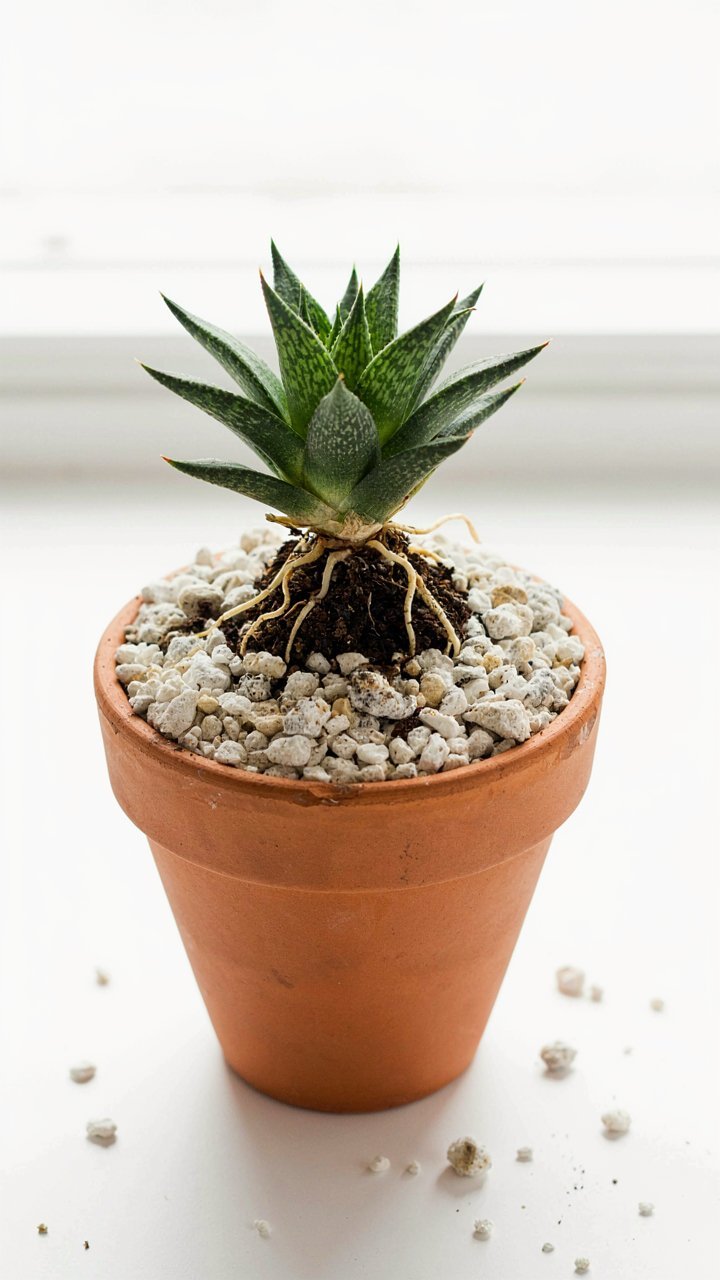
Soil Composition As Biological Infrastructure
You want your Haworthia to look pristine on the shelf without thinking about what happens below the soil line. That’s the real motive here. But here’s the mechanism: soil isn’t inert filler. It’s a living network that either supports or sabotages root function.
Haworthia roots are engineered for scarcity. In their native South African habitats, they evolved in granitic sand mixed with decomposed rock and minimal organic matter. Commercial potting soil fails because it retains too much moisture. The standard recommendation to “add perlite” is incomplete laziness. You need a substrate that mimics the original ecology: coarse mineral base with aggressive drainage, not just amendment cosmetics.
Aeration And Drainage The Plant’s Breathing Room
Drainage isn’t about water leaving faster. It’s about oxygen access to the root zone. Take this principle from soil physics: gas exchange in substrates works like capillary action in reverse. Tight, dense soil suffocates Haworthia roots before rot even starts.
Mix your base at roughly 60 percent inorganic material (pumice, perlite, coarse sand) to 40 percent organic matter (cactus soil, bark). The inorganic portion creates air pockets. Water moves through quickly, oxygen enters, roots stay viable. Repot every two to three years to prevent substrate degradation and compaction, which collapses the aeration structure that keeps your plant alive.
Light Protocol: Calibrating For Optimal Growth, Not Just Survival
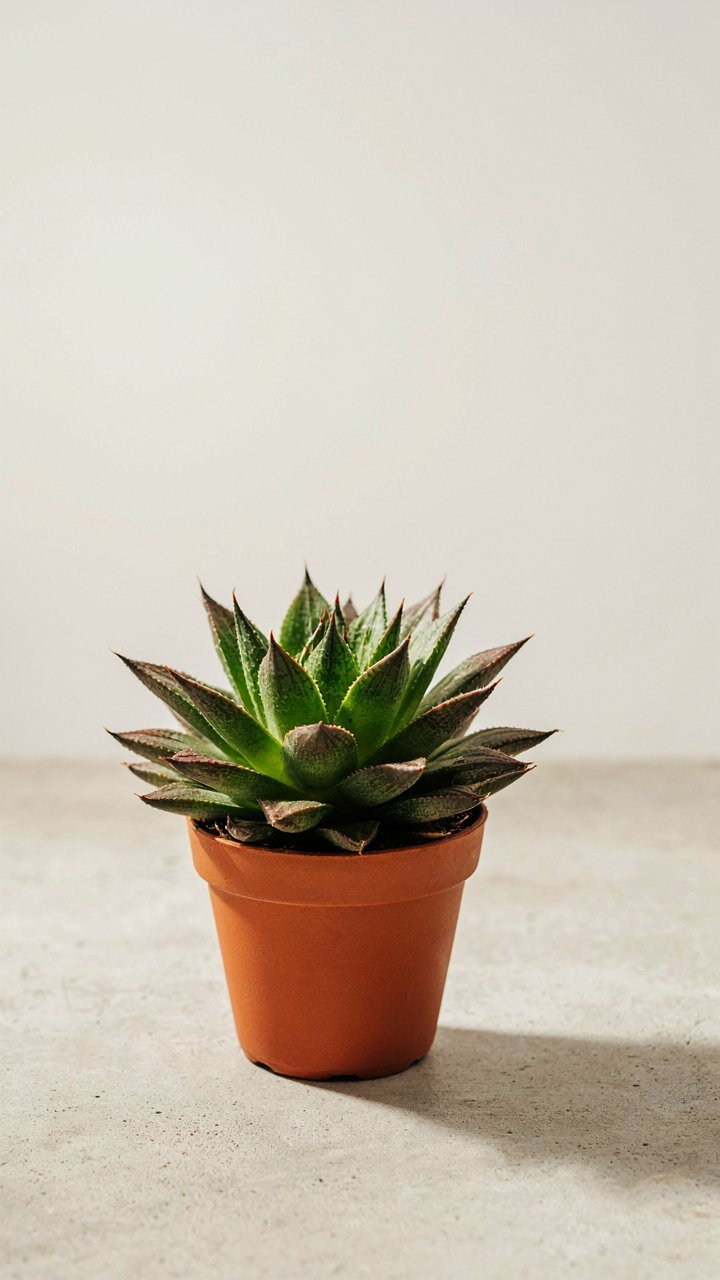
Energy Conversion In Living Tissue
You want your Haworthia to look impressive without admitting you don’t know what you’re doing. Here’s the mechanism: light drives photosynthesis, which converts electromagnetic radiation into chemical energy that powers cell division and structural growth. Haworthia doesn’t need bright light to survive. It needs enough light to manufacture the sugars that build new tissue faster than decay breaks it down.
Most growers confuse “surviving low light” with “thriving.” Haworthia species originated in South African succulent karoo regions where they evolved under intense seasonal sun, then retreated underground during harsh months. They photosynthesize efficiently in moderate light because they adapted to extract maximum energy from limited exposure. Indoors, insufficient light doesn’t kill them. It stalls growth, thins leaves, and wastes your time waiting for a plant that isn’t actually growing.
Coloration Stress Versus Adaptive Response
The common advice here is wrong. People think red, orange, or bronze coloration in Haworthia means the plant is stressed and suffering. That’s backwards. Pigmentation changes signal active photoadaptation, the same biological response where plants produce anthocyanins and carotenoids to protect chlorophyll under intense conditions. Your plant is adapting, not dying.
Haworthia species display vivid coloration under bright indirect light or controlled direct morning sun. This isn’t sun stress in the pathological sense. It’s optimization. The plant produces protective pigments to manage energy it’s actually using for growth. Under insufficient light, Haworthia stays pale green because it doesn’t need the metabolic investment in photoprotection. Move your plant gradually into brighter conditions over two to three weeks, observe if new growth tightens and colors deepen, then anchor it there. That’s your growth protocol.
Water Dynamics: The Art Of Strategic Hydration For Haworthia Plants

Mimicking Natural Rainfall Cycles
You want your Haworthia to look pristine without actually understanding what keeps it alive. The real mechanism here borrows from hydrology: recharge and dormancy. In their native South African habitat, Haworthia species experience distinct wet and dry seasons. They don’t get steady moisture year-round. They absorb aggressively during rains, then endure long dry spells. Your watering schedule must reflect this pattern, not fight it.
Most growers water on a calendar. Wrong approach. Water when soil dries completely, then saturate thoroughly. In growing season (spring and summer), this means every two to three weeks depending on pot size, soil composition, and ambient humidity. In dormancy (fall and winter), stretch intervals to four to six weeks or stop entirely. The plant enters metabolic shutdown. Feeding it water during dormancy triggers soft growth that invites disease and weakens the structure you’ve built.
Stopping Root Rot Before It Starts
The common advice says “use well-draining soil” and calls it done. That’s incomplete. Root rot isn’t about drainage alone. It’s about water duration against root tissue. Haworthia roots cannot tolerate standing moisture. They lack the aerenchyma tissue that other plants use to survive waterlogged conditions. Even quality soil fails if you water before the previous watering dries out completely.
The protocol is mechanical. Use a pot with drainage holes. Use soil mixed with perlite, coarse sand, or pumice at a 50-50 or 60-40 ratio with potting base. Water only when soil is bone dry two inches down. Check with your finger or a wooden stick. If soil sticks to it, wait another week. This single discipline stops ninety percent of Haworthia failures before they happen.
Nutrient Economy: Feeding Your Haworthia Without Overindulgence
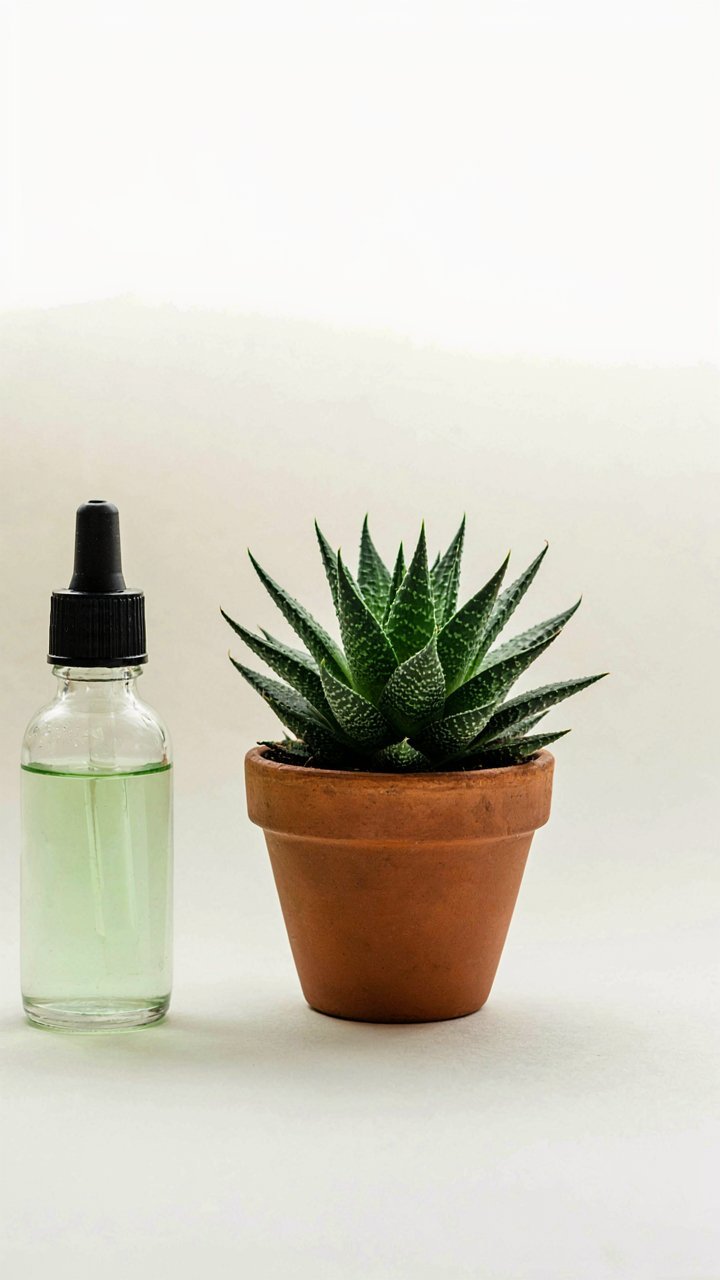
The Case For Deliberate Starvation
You want to know the feeding schedule because you’re afraid you’ll kill it through negligence. The real mechanism is this: Haworthia evolved in nutrient-poor soil, so regular fertilization actually works against the plant’s survival instinct. Think of it as an economics problem. Your Haworthia operates on a scarcity model, not abundance. Most growers feed too often, mistaking growth rate for health. The plant doesn’t need constant input.
During the growing season, spring through early fall, apply diluted fertilizer once every four to six weeks. Use a balanced, water-soluble formula at quarter strength, or go with a low-nitrogen option designed for succulents. Never fertilize during winter dormancy. The plant isn’t growing then, so nutrients sit in the soil and cause salt buildup, which damages roots. This isn’t complicated. Feed rarely, feed weak, and stop completely when temperatures drop.
Reading The Plant’s Actual Signal
Nutrient deficiency shows up as pale, stunted growth and slow color development. The plant won’t collapse dramatically. It slows down. Excess nutrients damage faster and harder. Overfeeding causes root rot, mushy tissue, and salt crusting on the soil surface. You’ll see white or tan mineral deposits around the pot rim or on the substrate itself. The distinction matters because both look like problems at first glance, but they demand opposite fixes.
Deficiency requires a single weak feeding cycle. Excess requires flushing the soil with distilled water to leach out accumulated salts, then repotting into fresh substrate if damage is severe. Skip fertilizer entirely for the next two growing seasons if you’ve overfed. Haworthia tolerates neglect better than correction. Run a flush cycle every twelve months regardless as preventive maintenance, using distilled water only.
The Haworthia Propagation Matrix: Scaling Your Collection With Intent

Offset Division As Biological Replication
You want a bigger collection without buying more plants. That’s the real reason you’re reading this. Haworthia species reproduce through offsets, which are genetically identical clones that emerge from the base. This is biology’s term for asexual reproduction, and it’s the mechanism that makes scaling predictable. Unlike seeds, offsets skip genetic variation entirely. You get the exact plant, every time.
Most Haworthia species produce offsets naturally as they mature, usually after 2-3 years. Remove offsets when they develop their own root structure, even if those roots are minimal. Separate them with a clean cut, let the wound callus for 3-5 days, then plant in fast-draining soil. This removes guesswork. You’re not propagating; you’re just harvesting what the plant already built.
Leaf Cuttings: Risk Vs. Reward
Leaf propagation works on Haworthia, but most guides skip the failure rate. A single leaf can generate a new plant, but success depends on precise conditions that most people don’t maintain. Haworthia leaves are dense and store water, so they rot more often than they root if conditions are humid or the soil stays wet. This is why offsets are the default move for serious collectors.
If you attempt leaf cuttings anyway, use individual leaves from healthy plants, dry them completely for one week, then place them on bone-dry soil without burying them. Mist every ten days only. The payoff is low volume but high satisfaction if successful. The real protocol is: prioritize offsets for speed and reliability, reserve leaf cuttings for experimentation when you’ve already built your core collection through division.
Pest & Disease Defense: Building Resilience, Not Reacting To Attacks
Stop Waiting For Disaster
You want to feel like you have control. The truth is simpler: most growers wait until bugs appear or rot spreads, then panic-buy fungicide. That’s expensive and ineffective. Integrated pest management borrowed from agriculture means you stack small preventive systems so pests never reach population threshold. The military intelligence model applies directly. Early signals matter more than firepower after invasion starts.
With Haworthia, the real mechanic is environmental control before pest pressure builds. Overwatering creates mold and soft rot conditions. Poor airflow concentrates spider mites. Dense leaf clusters hide mealybugs until infestation explodes. Your job is removing the conditions pests exploit, not reacting once they’ve established. This costs almost nothing and works.
Routine Inspection Without Hysteria
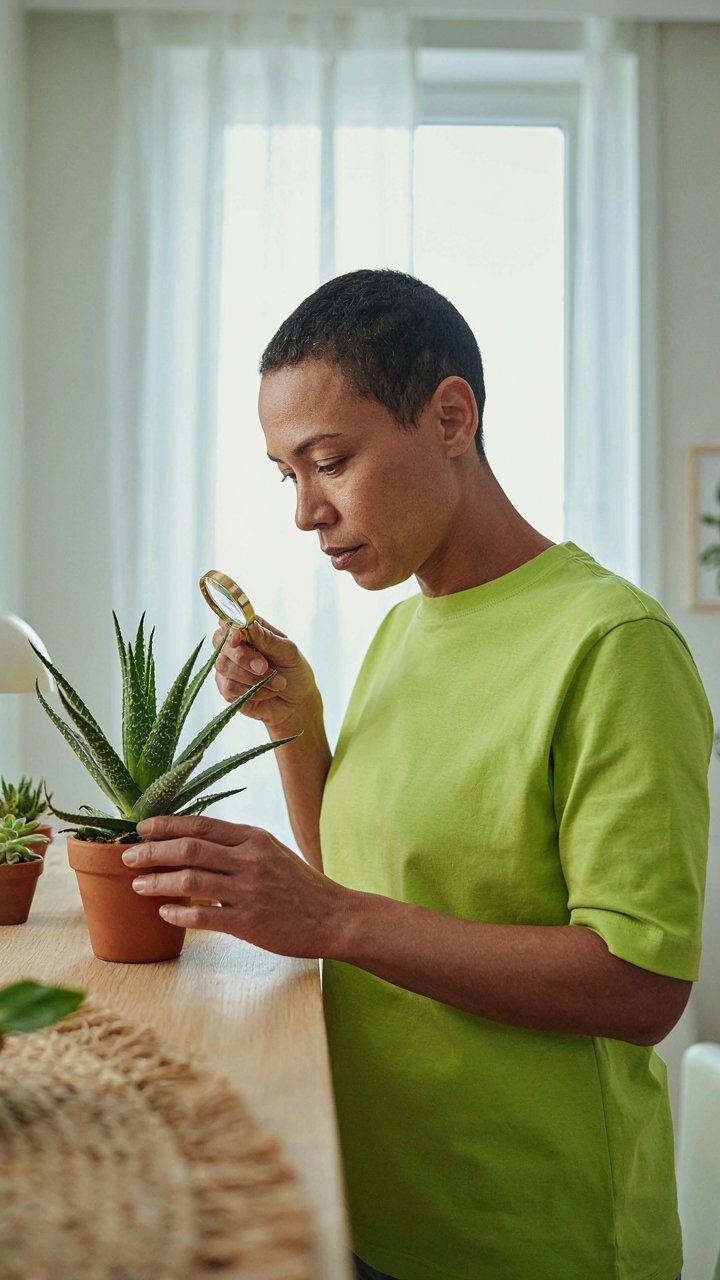
Stop waiting for visible damage. Scout your Haworthia every seven to ten days using simple steps: check leaf undersides for webbing or cotton-like clusters, inspect the soil line for sudden softness, look for discolored patches on rosette centers. Mealybugs and scale appear in predictable spots. Spider mites thrive in hot, dry rooms. Fungal issues start at soil level. The mechanism is pattern recognition before threshold breach.
Once you spot early signals, isolation and targeted treatment work. Move infected plants away immediately. Remove affected leaves manually if mealybugs appear in low numbers. Spray the rosette center and soil surface with isopropyl alcohol diluted fifty-fifty with water if you detect pest activity. The cost of catching mealybugs on two leaves is nothing compared to treating a fully infested collection.
Haworthia Plant Care Comparison: Decoding The Environment
Where You Grow Them Actually Matters
You want the shortcut that tells you which Haworthia thrives without thinking about it. Here’s the mechanism: light intensity and air circulation are the two variables that kill most Haworthia indoors, not watering. Biology teaches us that transpiration rate drives nutrient uptake and cell function. For Haworthia, transpiration rate determines whether roots absorb moisture or it pools and rots.
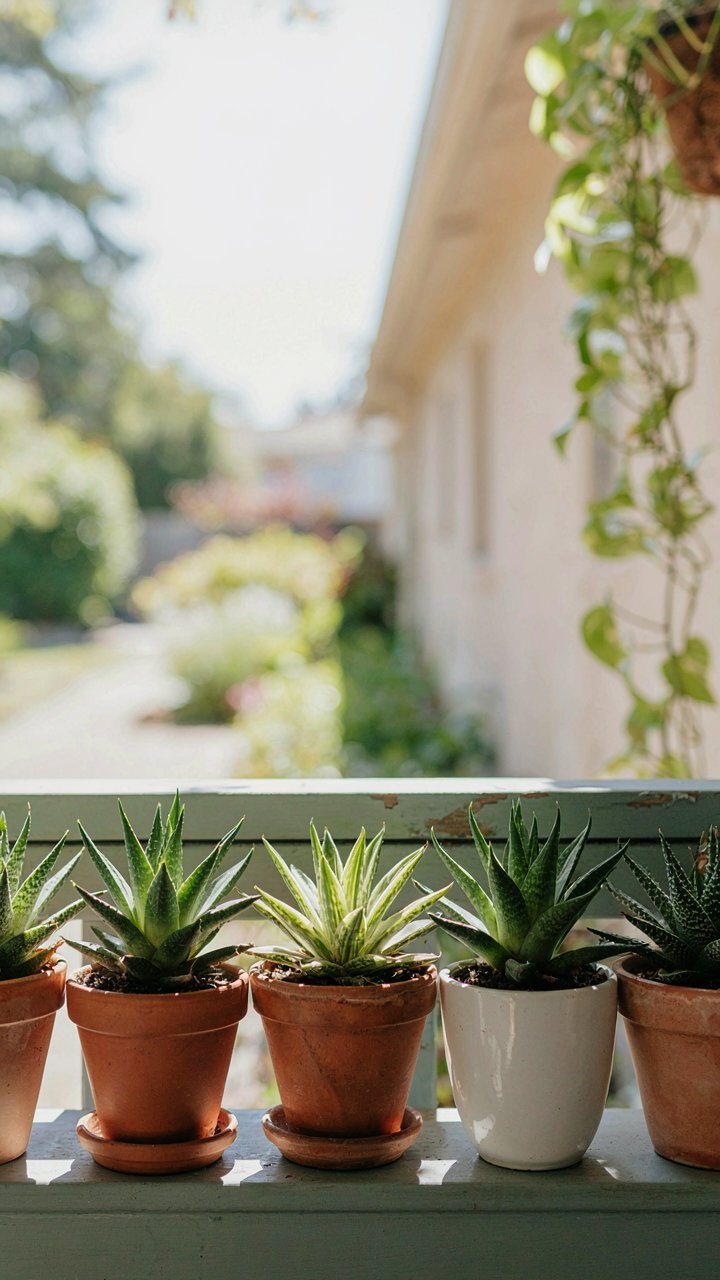
Indoor environments trap humidity and reduce airflow. Outdoor setups in partial shade with breeze exposure create the conditions Haworthia evolved for in South African semi-arid regions. The difference is measurable. Indoor Haworthia need brighter indirect light (east or west-facing windows, never direct afternoon sun), while outdoor specimens tolerate morning sun without stress. Air movement prevents fungal issues indoors demand fans or regular repositioning.
- Bright Indirect Light: Indoor Haworthia require 1000 to 2000 lux. East-facing windows provide this without burning foliage. South-facing windows need sheer curtains to filter intensity.
- Outdoor Partial Shade: Place containers under trees or shade cloth providing 30 to 50 percent light reduction. Morning sun exposure strengthens plants without desiccation risk.
- Air Circulation Indoors: Stagnant air breeds rot. Position plants near open windows or run a low-speed fan 2 to 3 hours daily to move air across foliage and soil.
- Humidity Control: Indoor environments often exceed 60 percent humidity. Haworthia prefer 20 to 40 percent. Use terracotta pots to wick moisture and avoid clustering plants together.
- Temperature Stability: Indoor environments maintain 65 to 75 degrees Fahrenheit year-round. Outdoor plants experience natural temperature swings that trigger dormancy cycles necessary for flowering.
Outdoor Haworthia still need protection from extreme heat above 90 degrees Fahrenheit and hard freezes below 50 degrees. Container planting outdoors lets you move specimens based on season. The advantage: you control the mechanism directly rather than working against an indoor climate.
Adjusting For What Time Of Year Does
Seasonal dormancy is not a suggestion. Winter dormancy drops metabolic demand by 60 to 80 percent, which means Haworthia need almost no water and minimal light from November through February in the Northern Hemisphere. Most growers ignore this and water year-round, treating their plants like annuals that need constant feeding.
Reduce watering frequency to once every four to six weeks during winter. Move indoor plants to cooler locations if possible, around 50 to 60 degrees Fahrenheit at night. This temperature drop signals the plant to enter dormancy and prepares it for spring growth. Spring brings increased light duration and warming temperatures. When new growth emerges in March or April, resume regular watering schedules and increase light exposure gradually over two weeks. Summer temperatures above 80 degrees Fahrenheit slow growth and demand afternoon shade even for outdoor plants. By late summer, reduce watering again as the plant prepares for fall dormancy. Track your local sunrise and sunset times. Haworthia respond to photoperiod shifts before temperature changes. Align your care schedule to seasonal light duration, not just your watering habit.
Advanced Cultivation: Beyond Basic Haworthia Succulents

Breeding Toward Desirable Traits
You want this section because you’re tired of ordinary plants and crave the rare specimens nobody else owns. Here’s what matters: selective breeding in horticulture works like natural selection but compressed. You identify the trait you want—window patterning, specific coloration, compact growth—and cross plants that express it strongly. Haworthia species breed true enough that deliberate crossing produces predictable offspring with concentrated traits.
The mechanism is simple. Haworthia plants produce seed after flowering. Hand-pollinate flowers from two parent plants chosen for your target trait, collect the seed, and grow them out. You’ll see variation in the offspring. Select the seedlings that express your desired characteristic most intensely, then breed those together again. After three to four generations, you lock in the trait. This takes years, not months.
Lineage Maintenance For Decades
Long-term Haworthia health isn’t about perfect conditions. It’s about understanding that these plants live forty to sixty years in cultivation, and you’re building a lineage, not owning a commodity. The real cost isn’t watering frequency or light placement—it’s structural root failure from stagnant soil that most growers ignore until it’s terminal.
Repot every two to three years into fresh, coarse substrate. Don’t top-dress or add organics. Use a 60-40 ratio of inorganic to organic material, prioritizing drainage over nutrition. The plant stores energy in its leaves, not its roots. Your job is to prevent root rot and pest colonization. Rotate parent plants into propagation at year eight to ten, even if they’re healthy. Use offsets to restart the line. This keeps genetics viable and prevents the slow decline from accumulated pathogens that settle into old soil systems.
Haworthia Plant Care: Avoiding The Common Pitfalls

Where Water Kills Your Plant
You want proof you’re doing something right. That’s why you water. The real mechanism here is vapor pressure deficit. When soil stays wet, the roots cannot absorb water faster than it moves through the plant tissue, so osmotic pressure collapses and root cells die. Haworthia are adapted to arid environments where soil dries completely between rare rain events. Wet soil for days straight is not a stress response your plant can survive.
The standard advice says “let soil dry between waterings.” That’s incomplete. Haworthia in containers need drainage holes that actually function, and you need to use soil that drains in minutes, not hours. Use a 60/40 mix of inorganic material like perlite or coarse sand with potting soil. Water until it runs from the bottom, then do not water again until the soil is bone dry and the pot feels light. In winter, extend this interval to every three to four weeks. This protocol stops the majority of Haworthia deaths before they start.
Dormancy Is Not Optional
Most people skip dormancy because they don’t understand that Haworthia actually need it to survive the next growing season. This is basic plant physiology. Dormancy triggers metabolic shifts that rebuild root strength and prepare the plant for active growth. Without it, your Haworthia enters a slow decline where it looks fine for months, then suddenly collapses when you try to propagate it or move it to a new pot.
Haworthia require a winter dormancy period of roughly three months, typically November through January in the Northern Hemisphere. Drop temperatures to 50 to 60 degrees Fahrenheit and reduce watering to once every four to six weeks with no fertilizer. This is not negotiable if you want multiseason health. Resume normal watering and maintain 65 to 75 degrees in spring. Skip this step and you lose the plant’s ability to flower, regenerate roots after repotting, and build enough energy reserves to handle stress.
The Real Obstacle Isn’t The Trends You Miss, But The Foundational Truths You Ignore

You’re chasing haworthia trends when you should master one thing first: soil drainage. Every trend dies. Every collection fails. But a plant that sits in wet soil will kill itself regardless of what’s fashionable. Stop researching varieties and start obsessing over grit ratios. The growers winning aren’t following trends. They’re following physics. Your haworthia doesn’t care what’s trending this season. It only cares if you let it drown.