

The Volume Constraint Protocol: Why Standard Potting Mix Fails

Root Space Creates A Hard Ceiling On Nutrient Availability
You want your window box to look full and thriving without having to think about it constantly. The problem isn’t the soil itself—it’s the physics of confined space. In hydraulics, flow rate depends on cross-sectional area. Here, nutrient availability depends on root surface area available to absorb it. A window box typically holds 10 to 20 liters of soil. That volume constrains how much root mass can develop, which directly limits how many nutrient ions the plant can intercept as water moves through the soil.
Standard potting mixes assume adequate root expansion. They’re formulated for containers where roots can spread laterally and downward without hitting a hard boundary every few inches. A window box forces roots to turn back on themselves within weeks. This compression means roots exhaust localized nutrient pockets faster than they would in larger containers. The soil chemistry hasn’t changed, but the mechanical reality has. Your plant hits a nutrient plateau not because the mix lacks nutrients, but because root density maxes out before water fully distributes them through the available volume.
Compaction Accelerates Water Pooling And Root Suffocation
Most gardeners blame drainage holes when soil stays wet. They’re wrong. The real culprit is how water moves through compressed soil. When you pack potting mix into a confined box and water it repeatedly over weeks, the organic matter breaks down. Particles settle. Capillary action intensifies at the base. Water no longer percolates—it pools. Compaction and water retention are mechanical consequences of volume constraint, not independent failures.
Standard potting mixes contain peat, coco coir, or bark as their organic base. These materials decompose. As they shrink, they compact under their own weight and the weight of water above them. In a window box, you can’t fluff the soil or turn it over like you would in garden beds. The soil gets harder to rewet, water channels down the sides instead of through the center, and roots in the lower third suffocate from poor oxygen diffusion. Your fix: replace or amend the soil annually before the growing season. Do not add fresh mix on top of old mix. Remove the top third of the old soil, then fill with fresh potting mix enriched with perlite or pumice at a 3:1 ratio.
Deconstructing “Good Soil”: Components Beyond Organic Matter
Air Space Is Your Real Foundation
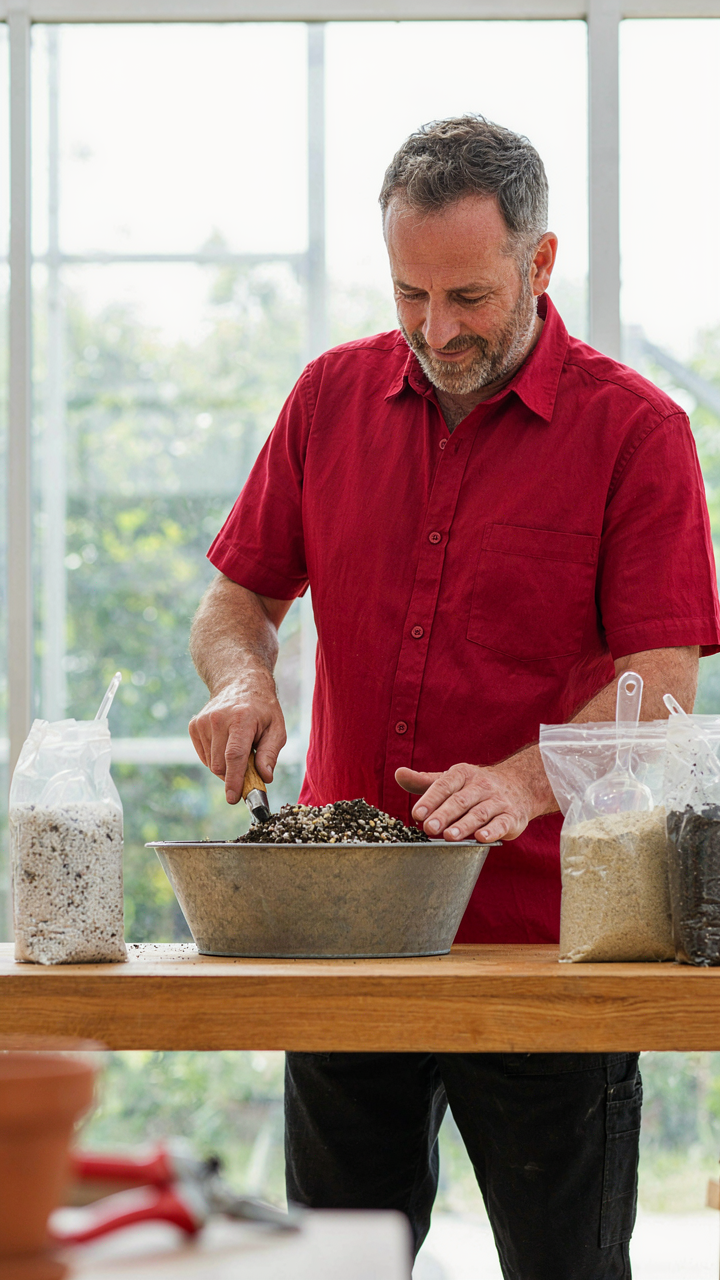
You want your window box to look full and lush without killing the plants. That’s the real motive. But aeration wins because it controls what happens at the microscopic level where roots actually live. Think in terms of civil engineering: soil is infrastructure. Without pore space, you’re building on bedrock instead of a foundation that breathes. Most gardeners dump compost into a box and call it done. That’s wrong. Compacted soil suffocates roots, traps water, and breeds root rot faster than anything else.
Aeration determines water infiltration speed, oxygen availability, and microbial activity in the root zone. You achieve this through particle size diversity, not volume of organic matter. Sand, perlite, or coconut coir create pathways. Without them, even premium potting mix becomes concrete when watered. Most window boxes fail within two months because nobody addresses pore structure. Add drainage material deliberately, measure it by volume, and your survival rate doubles.
Minerals Shape The Structural Game
Organic matter gets all the credit in gardening circles. Minerals do the real work. Minerals create the stable matrix that holds water at the right tension, prevents compaction, and provides the chemical anchors plants need to absorb nutrients. Here’s what actually matters: the mineral-to-organic ratio determines whether your soil acts like a sponge or a brick.
- Sand (coarse particles): Creates large pores that drain fast. Use 20-30% of your mix to prevent waterlogging in confined spaces.
- Silt and clay (fine particles): Hold water and nutrients longer. Include 10-20% to buffer against frequency fluctuations between waterings.
- Perlite or vermiculite: Mineral-based amendments that expand under heat, creating permanent air channels even after soil settles.
- Compost or bark (organic matter): Feeds microbes and improves structure temporarily. Use 40-50% max or soil compacts as it breaks down.
- Limestone or gypsum (trace minerals): Adjusts pH and provides calcium. Add sparingly based on your water source and plant needs.
The mistake is treating organic matter as the solution to every problem. It decomposes, which means your mix loses structure every season. Minerals stay stable. Build a window box soil with 40% organic matter, 30% sand or coarse material, 20% perlite, and 10% minerals or base material. Test your drainage by pouring water and timing how long it takes to drain. If it pools, reduce organic matter and add perlite.
The Elemental Blend Method: Custom Mixes For Window Box Flower Ideas
Match Soil Composition To Plant Needs
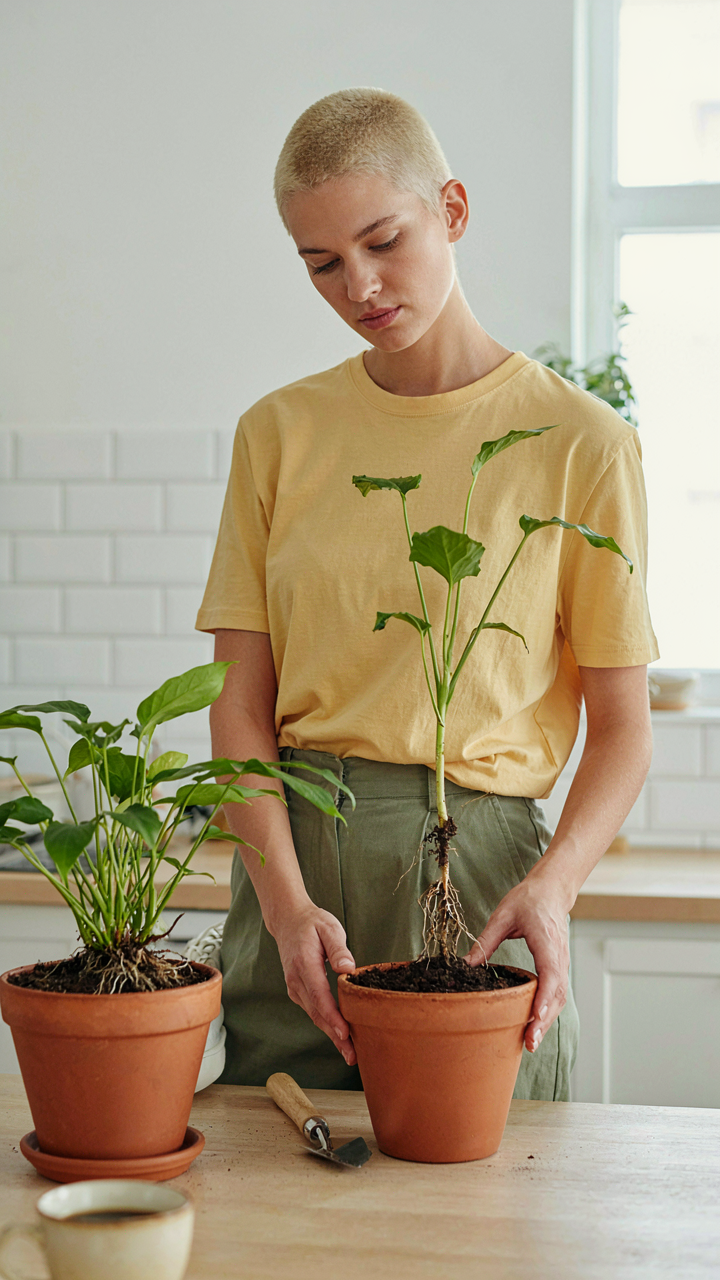
You want to look like you know what you’re doing, so you buy premade potting mix and hope it works. Here’s the mechanism nobody states plainly: different flowers have radically different root behaviors, and soil composition is load-bearing infrastructure for those behaviors, not decoration. Shallow-rooted annuals like petunias need different physics than deep-rooting perennials. Think of soil like load capacity in engineering. You’re not matching “good soil” to flowers. You’re matching particle size distribution and water-holding capacity to root depth and metabolic demand.
The common advice says “use quality potting mix for everything.” Wrong. A trailing verbena drowns in the same moisture profile that a geranium needs to thrive. Verbena roots sit in the top two inches and hate waterlogging. Geraniums go deeper and tolerate denser soil. Study the specific flower’s root architecture first. Measure how deep roots establish. Then build the soil to that depth, not to vague ideas of “drainage” or “fluffiness.”
Build Your Own Mix Formula
Stop buying bags without knowing what’s inside. The formula that works combines three variables: base material for structure, amendment for water management, and mineral component for aeration. Most people get one right and bungle the other two. A working baseline is 40 percent compost or aged bark, 40 percent peat moss or coconut coir, and 20 percent perlite or coarse sand. This shifts the soil’s capillary action and pore space toward balance, not extremes.
Adjust from that baseline based on flower type and your local humidity. In dry climates, increase coir to 45 percent and drop perlite to 15 percent. In wet climates, flip it: reduce coir to 35 percent and push perlite to 25 percent. Test the mix by filling a window box, watering it fully, and checking drainage time. If water sits for more than two minutes, increase perlite. If soil dries in under eight hours, increase coir. Soil composition controls whether your flowers live or decline before you notice the problem.
Microbial Warfare: Cultivating A Thriving Root Biome

Soil As Living Infrastructure
You want your window box to look effortless. The real reason you’re reading this is you’re tired of plants dying for reasons you can’t name. Here’s the mechanism: soil isn’t a static medium. It’s an active ecosystem. Ecology teaches the concept of “niche”—a role an organism fills in a system. Your window box soil contains dozens of microbial niches. When those niches stay empty, pathogens colonize them instead. A sterile or depleted soil is an invitation.
Most gardeners treat soil like inert dirt. They don’t. Living soil self-regulates pH, breaks down nutrients plants can’t access raw, and physically blocks disease. The difference between dead potting mix and living soil shows up in plant vigor within weeks. You build this by introducing biology intentionally and protecting it from disruption. Temperature swings, constant drying, and chemical fertilizers destroy the network faster than you build it.
The Unseen Allies Winning Your War
Beneficial microbes aren’t mystical. They’re bacteria and fungi that outcompete harmful species for resources and space. Mycorrhizal fungi colonize roots and exchange carbohydrates for mineral nutrients the plant couldn’t extract alone. Bacillus and Pseudomonas species produce compounds that suppress root rot pathogens directly. Trichoderma degrades dead plant material into available nutrients while aggressively competing against fungal diseases. These aren’t supplements. They’re the operating system your window box runs on.
The standard advice says compost adds these microbes. Partially true but incomplete. Commercial compost is often heat-treated, killing much of the biology. You need active compost or compost tea made fresh, or you inoculate with specific species. Add perlite or coconut coir to your base soil, then introduce biology through finished compost, worm castings, or microbial inoculants. Moisture consistency matters more than anything else—microbes die in drought and anaerobic conditions in waterlogged soil equally fast.
The Hydration Paradox: Watering For Full Sun Window Box Ideas

Why Evaporation Wins Against Your Watering Schedule
You want a simple watering rule that works every time. It doesn’t exist, and that’s the real problem you’re avoiding. Physics governs water loss in window boxes—specifically, evaporation rate, the speed at which liquid transforms to vapor. Full sun exposure accelerates this conversion exponentially. Soil temperature, air humidity, wind exposure, and container material all act as variables that change the equation daily.
Dark containers absorb heat and raise soil temperature by 10 to 15 degrees Fahrenheit compared to light ones. Higher soil temperature increases evaporation velocity. A terracotta window box loses moisture three times faster than plastic in identical conditions because terracotta is porous—water escapes through the walls, not just the soil surface. Your watering frequency must account for these mechanics, not fight them. Ignore this and you’re watering blind.
The Real Irrigation Protocol
Most advice says “check the soil and water when dry.” That’s incomplete. You need a protocol that tracks actual water movement through the soil column, not just surface conditions. Here’s what actually works:
- Soil Depth Monitoring: Push a moisture meter or wooden dowel 2 to 3 inches into the soil. Surface dryness means nothing if the lower layer still holds water. Root rot starts in moist lower zones while the top appears parched.
- Container Drainage Verification: Ensure water exits the bottom within 5 to 10 seconds of watering. Standing water indicates compacted soil or blocked drainage holes. Replace or amend soil immediately if drainage stalls.
- Morning Watering Windows: Water between 6 and 9 AM when air temperature is lowest and soil can absorb moisture before peak evaporation hours. Afternoon watering in full sun loses 30 to 40 percent to vapor before roots access it.
- Soil Amendment Strategy: Mix in 20 to 30 percent compost or aged bark to increase water-holding capacity without reducing drainage. This slows evaporation from the soil surface and extends moisture availability to roots.
- Mulch Layer Application: Add a half-inch of fine mulch or shredded bark to the soil surface. This blocks direct sun exposure to soil, reducing surface evaporation by 40 to 50 percent while maintaining air circulation around stems.
Desiccation and root rot aren’t opposites—they’re both outcomes of timing failure. Watering too infrequently in full sun creates dust-dry conditions that kill feeder roots. Watering too frequently traps oxygen and suffocates them. The protocol above prevents both by matching water input to the container’s actual moisture profile and evaporation rate. Track these variables weekly, adjust every two weeks as temperature shifts, and your window boxes stay in the survival zone where plants actually thrive.
Nutrient Cycling: Feeding For Perpetual Bloom

Slow Release Vs Liquid: Precision Feeding For Window Box Perennials
You want to set it and forget it. That’s the real reason slow-release fertilizer appeals to you. But the mechanism is biochemistry, not magic. Slow-release granules dissolve based on soil moisture and temperature, not on plant demand. Liquid fertilizer hits roots immediately but depletes in days. Window box perennials need both, at different phases of their cycle.
Slow-release works for baseline nutrition during active growth. Apply it in spring when soil thaws and perennials break dormancy. Liquid feeding kicks in during peak bloom when nutrient demand spikes faster than granules dissolve. The real move: alternate them. Three weeks on slow-release, then one liquid dose when buds form. This prevents the nutrient crash that kills bloom cycles mid-summer.
What Your Plants Are Really Telling You
Most people blame soil pH for nutrient deficiency. That’s incomplete. Nutrient deficiency happens when available nutrients in the soil can’t reach roots fast enough or in the right form. Nitrogen shortage shows as pale lower leaves that yellow first. Iron deficiency yellows the new growth while veins stay green. Magnesium deficiency does the opposite. Window boxes intensify this because drainage flushes minerals faster than ground soil.
Match the symptom to the element, then verify with a soil test before dumping more fertilizer into the box. Over-fertilizing doesn’t fix deficiency, it locks up other minerals and burns roots. Deficiency visible on leaves means the soil ran low weeks ago. By the time you see it, you’re already playing catch-up. The protocol: soil test in mid-May, again in July, and adjust feeding based on actual numbers, not leaf color guessing.
The Seasonal Reset: Optimizing Soil Between Planting Cycles

Amending Soil For Long Term Stability
You want to believe you can just dump new soil on top and call it done. The real mechanism is biological debt: every season, roots break down organic matter, microbes die off, and nutrient density collapses. You’re not refreshing soil—you’re reversing entropy.
Amend by mixing existing soil with fresh compost at a 60/40 ratio. This preserves the microbial life already established in your box while introducing new organic matter and restoring nutrient availability. Don’t replace everything. Partial amendment costs less and maintains soil structure faster than starting from scratch. Add aged compost only, never fresh manure, which kills root systems through ammonia burn.
Sterilization Or Rejuvenation: The Strategic Choice
The common advice treats these as equals. They’re not. Sterilization is scorched earth. Rejuvenation is building on what works.
Sterilize only if you had disease or pest infestation the previous season. Heat the soil to 160 degrees Fahrenheit for 30 minutes to kill pathogens, or replace it entirely. For healthy soil, rejuvenate instead: remove the top 2 inches of spent material, add 2 inches of quality compost mixed with perlite for drainage, and water thoroughly. Rejuvenation takes half the effort and preserves the beneficial microbial colony you’ve already developed, cutting your reestablishment time by weeks.
The Expert Eye: Troubleshooting Common Soil Related Failures

When Plants Stall For Real Reasons
You’re looking for someone to tell you your plants failed because you’re bad at gardening. You’re not. The real mechanism at work is soil chemistry—specifically, the soil’s ability to hold and release nutrients based on pH and microbial activity. Poor growth rarely stems from vague causes. It stems from a soil environment that stopped functioning. Most gardeners blame light or water first because those are visible. Soil failure is invisible until the plant shows symptoms weeks after the problem started.
The distinction matters because water and sunlight are easy fixes. Soil is harder. A window box receiving adequate light and water can still underperform if the soil pH drifts outside the 6.0 to 7.0 range where most plants absorb nutrients efficiently. Nutrient lock-out happens when minerals exist in the soil but remain chemically unavailable to roots. Potting soil degrades over time too—compaction increases, water movement slows, and anaerobic zones develop where roots rot silently. Testing soil pH with a cheap meter costs five dollars and takes two minutes. Most people never do it.
Fixing The Broken Mechanism
Drainage problems and nutrient lock-out require different interventions, but both demand you stop treating the soil as inert filler. For drainage, the issue is usually soil compaction or an incorrect initial mix ratio. Repot with a fresh blend: one part peat or coco coir, one part perlite, and one part compost. This ratio resists compaction and maintains water movement. Water should drain completely within minutes, not pool.
For nutrient lock-out, test pH first. If pH is below 6.0, add dolomitic limestone in small amounts—half a teaspoon per five-gallon box, then retest after two weeks. If pH exceeds 7.5, sulfur works, but it takes longer to show results. Disease prevention means preventing anaerobic conditions. Root rot and fungal issues proliferate when oxygen levels drop. Water less frequently, increase drainage materials, and ensure airflow reaches the soil surface. Do not assume more frequent watering fixes weak growth.
The Soil Isn’t The Problem; Your Passive Approach To A Dynamic System Is

Most people buy soil, dump it in a box, and wonder why their plants die. They treat soil like a static container instead of a living ecosystem that demands constant attention. Your soil degrades. It compacts. It depletes. Stop waiting for the perfect mix to do the work for you. Go outside right now and physically test your current soil. Squeeze it. Smell it. Feel the texture. Then amend it based on what you actually have, not what some guide told you to buy. The only difference between thriving window boxes and dead ones isn’t the soil—it’s the person willing to treat it like it matters.



