

The Intentionalist’s Protocol: Beyond Basic Painted Terracotta Pots
Purpose Before Paint
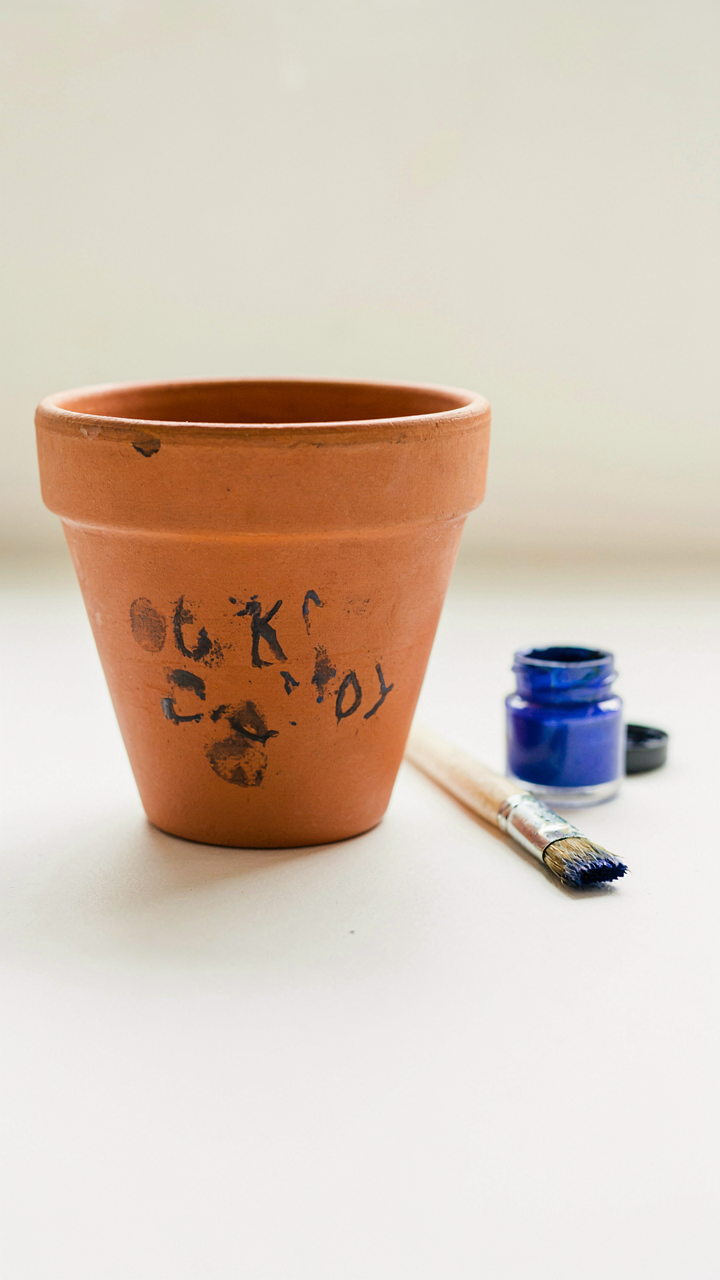
You want people to think you put thought into this. The real mechanism is simple: a painted terracotta pot without a defined occasion function becomes decoration that tries too hard. It signals effort without intention. Start by naming what the pot actually does at the event. Is it a centerpiece that anchors a table? A gift that marks a transition? A container that holds something the recipient needs? The pot’s visual design must serve that function, not fight it. When you reverse-engineer from purpose, every design choice becomes defensible. The clay body stays the same. The paint application stays the same. What changes is why you picked those colors, that imagery, that finish.
A wedding anniversary pot differs fundamentally from a new parent gift not in technique but in what the painted surface communicates about the relationship being marked. Terracotta’s porous surface absorbs pigment unevenly, which means your paint choices interact with the clay’s actual texture rather than overriding it. Use that friction. Don’t sand it away. The occasion-specific purpose should inform whether you embrace that texture or work against it. A milestone birthday pot might celebrate accumulated history through layered, visible brushwork. A condolence piece might use controlled, measured application. Same material. Different message. The pot becomes a translation of the occasion, not a decoration that happens to be there.
Narrative Architecture Into Design
Most people treat a painted pot like a blank canvas. That’s backward. The pot already has a narrative built into its form: it’s handmade, it’s temporary in the functional sense, it deteriorates visibly over time. Terracotta has been marked and painted for thousands of years across cultures, which means any design choice sits inside that history whether you acknowledge it or not. Layer your personal narrative onto that existing structure. Don’t try to erase it.
If you’re painting a pot for someone, the design should contain specific reference to their story, not generic symbols everyone recognizes. A painted image of an inside joke lands harder than a painted image of universal meaning. The recipient knows immediately whether you invested in understanding them or grabbed the nearest obvious design. Paint the actual details of their life: the street they moved to, the plant they keep killing, the book they quote, the coffee order nobody else knows. Terracotta accepts acrylic, oil-based paint, and specialty ceramic glazes differently. Choose the medium based on whether you want permanence or patina. That choice itself becomes part of the narrative you’re building into the object.
Deconstructing “Special”: Why Generic Flower Pot Art Fails

The Trend Trap
You want painted terracotta pots to feel elevated because you’re afraid cheap decoration will cheapen the occasion. The mechanism is simple: trends in pot decoration follow the same adoption curve as any consumer product. Early adopters find genuine gaps. Mass market catches on and flattens the idea. By the time you see a design everywhere, it’s already exhausted its signal value.
Terracotta pot painting hit a saturation point around 2015 when mandala patterns and boho motifs became algorithmically recommended everywhere. The designs aren’t bad in isolation, but repetition destroys their function. They stop communicating taste and start communicating compliance. A hand-painted pot that looks like five thousand others you’ve seen online doesn’t prove you care about the occasion. It proves you scrolled Instagram.
Design That Actually Lands
The common advice here is garbage: “Make it personal” and “Express yourself.” That’s motivational poster talk. The real mechanism is constraint. Tight constraints force specificity. Generic pot designs fail because they operate without any real limits. The painter has infinite color options, infinite themes, zero pressure to choose. That abundance creates blandness.
The best painted terracotta pots reference something only the gift recipient would recognize. A inside joke. A shared location. A specific date rendered as a pattern. That specificity is earned through restraint, not artistic freedom. This means you pick your color palette first (three colors max), then you design within it. You identify one symbol or scene that matters, then you paint it directly. No filler. No compromise. No pattern that could work on any pot, for any person, for any reason.
The Alchemist’s Palette: Transforming Terra Cotta Pots Ideas

Paint Selection Separates Results From Regret
You want this to last because you’re investing time and ego into the work. Here’s the mechanism: terracotta is porous. Cheap acrylics sit on the surface and flake. Oil-based and high-quality acrylics bond with the clay’s texture and cure harder. The difference is molecular adhesion, not marketing hype.
- Exterior-Grade Acrylic Paint: Formulated with UV inhibitors and flexible polymers. Resists weathering and adhesion failure better than craft-store alternatives. Brands like Benjamin Moore and Sherwin-Williams make versions rated for masonry and outdoor surfaces.
- Oil-Based Enamels: Slower drying but superior durability on porous substrates. Ideal for pieces that will face temperature swings and moisture. Cleanup requires solvents, so plan your workspace accordingly.
- Multi-Surface Acrylics: Engineered for both porous and non-porous materials. More reliable than standard craft acrylics but cost slightly more. Check the label for “terracotta” or “masonry” compatibility claims.
- Spray-Applied Urethane: Creates a uniform film thickness and bonds aggressively to clay. Best for fine detail work where brush marks matter. Requires ventilation and application skill to avoid runs.
- Milk Paint: Naturally porous finish that breathes with terracotta. Aesthetically period-accurate for vintage or rustic designs. Less water-resistant than acrylics, so reserve it for indoor seasonal displays.
The real filter: read the manufacturer’s data sheet and verify cure time at your climate’s temperature and humidity. Cheap paint dries. Quality paint hardens. They’re not the same.
Sealing Determines How Long Your Work Actually Survives
Painting the pot is half the job. Sealing it is the mechanism that stops your effort from deteriorating within months. Terracotta’s porosity works against you here: water penetrates gaps in paint and causes frost damage or mold bloom, especially on outdoor pieces. The seal must block moisture while allowing the clay to breathe slightly, or you trap condensation and accelerate failure.
Apply a clear polyurethane topcoat after the paint fully cures, following the paint manufacturer’s timeline exactly. Two thin coats outperform one thick coat because even application prevents wrinkles and ensures complete surface coverage. For pots that will endure direct rain or freeze cycles, use exterior-grade polyurethane with mildew inhibitors. Let each coat dry completely between applications, and sand lightly with 220-grit sandpaper to improve adhesion of the second coat. This process takes patience but directly extends the pot’s painted lifespan from one season to several years.
Minimal Art Painting: The Power Of Less On Painted Terra Cotta

Restraint Beats Complexity Every Time
You want minimal designs because you think they look sophisticated. That’s half the reason. The real reason is that your brain processes empty space faster than it processes clutter, so minimal work feels intentional instead of incomplete. In design psychology, this is signal-to-noise ratio: you remove noise to amplify signal. On terracotta, one brushstroke matters more when it stands alone. The vessel becomes the frame. The paint becomes the statement. Overworking a pot drowns its form and your concept in the same move.
Most people paint terracotta pots the way they decorate their homes: adding things until it feels “done.” That’s backwards. Start with the pot’s shape. Identify one element that contradicts or complements that shape. Paint only that. A single geometric band around the shoulder. A vertical stripe down the side. Two opposing dots. Terracotta’s porous surface accepts minimal pigment and still reads as intentional. The clay itself becomes part of the composition because you’re not hiding it.
Negative Space Works As Active Material
Negative space isn’t absence. It’s pressure. In architecture, unused square footage has cost. Unused space on a painted pot has purpose. One stripe on a terracotta vessel forces your eye to track the void around it. The empty space keeps the piece from collapsing into decoration. You’re not painting less because you ran out of ideas. You’re painting less because the unpainted clay does the heavy lifting.
The contrast between pigment and terracotta body creates hierarchy. A simple line in oxide red against buff clay reads louder than a busy scene painted across the same surface. This is restraint as amplification, not deprivation. On special occasion pots, minimal painting shifts focus to the vessel’s geometry and the occasion itself. The pot becomes an object people notice, not a surface people look at. Apply one color, one shape, one placement per pot. Let the terracotta earn its presence.
The “Memento Mori” Method: Crafting Significance, Not Just Decor

Impermanence As Design Principle
You want your painted terracotta pot to matter after the event ends. That’s the real driver here. The Stoics borrowed from terracotta a core truth: clay breaks, paint fades, objects decay. This isn’t depressing to them. It’s liberating. When you accept that your pot will deteriorate, you stop designing for permanence and start designing for impact. Terracotta accelerates this truth because the material itself ages visibly. Cracks appear. Colors shift. The pot documents time passing.
This mechanism flips how most people approach occasion decor. They want something that looks impressive in the moment and holds value forever. Wrong target. A painted terracotta pot designed with impermanence in mind becomes a narrative object instead of a status object. You paint it knowing it will change. You choose colors and patterns that degrade beautifully. You accept the flaws as features. The pot stops being a possession and becomes a record of the moment it was created.
Narrative Over Aesthetics
Objects need stories or they’re just things taking up space. Most painted terracotta pots fail here because they chase visual polish instead of meaning. A pot with scratches, fading paint, and visible brush strokes tells you something happened. Someone made it. Someone cared enough to do it imperfectly on purpose. That’s the narrative. You imbue a pot with deeper meaning by deciding what it’s actually supposed to do beyond decoration.
The protocol is direct. Before you paint, define what the pot represents about this specific occasion. A wedding pot isn’t just pretty flowers. It’s a record of two people choosing each other on a specific day. A memorial pot isn’t a tribute. It’s a container for grief that doesn’t disappear. Paint that intention directly into the design choices. Use colors tied to the person or moment. Etch names or dates. Make it impossible to look at the pot without understanding why it exists. When you sell or give away the pot, the story travels with it.
Beyond “Garden Pot Painting”: Durability As A Design Pillar

Paint Selection For Outdoor Survival
You want your painted pot to last because replacing it feels like failure, but the real mechanism is simple: most painters choose wrong because they don’t understand substrate compatibility. Terracotta is porous and alkaline. Acrylic latex paint, the consensus choice, bonds poorly to this surface and fails within one season outdoors. Acrylic latex expands and contracts at a different rate than terracotta, creating micro-fractures that accelerate peeling.
Use exterior-grade acrylic enamel or oil-based enamel instead. These formulations account for terracotta’s expansion patterns and cure to a harder film that resists UV breakdown. Apply a concrete bonding primer first, not a standard primer. This fills the porous structure and gives the topcoat something mechanical to grip. Two coats of enamel over a primed surface will outlast five coats of latex paint on bare clay.
Sealing And Maintenance Intervals
The mistake everyone makes: painting a terracotta pot and assuming the work stops there. Painting is the middle act, not the finale. Terracotta wicks moisture from soil and air constantly. This moisture migrates through the paint film over time, especially at the base where water pooling occurs.
After paint cures fully, apply a water-repellent clear seal rated for exterior masonry. Polyurethane or acrylic-based masonry sealers work. Reapply every 18 to 24 months if the pot sits outdoors year-round. In freeze-thaw climates, reduce this to 12 months. The seal doesn’t prevent all moisture penetration, it delays it enough to keep the painted surface intact through multiple seasons. Without sealing, you’re managing decay, not preventing it.
The DIY Furniture Restoration Mindset: Upcycling Terracotta

Seeing Broken Pots As Inventory
You want to believe old pots still have value so you don’t feel wasteful throwing them out. Here’s the mechanism: terracotta is inert. It doesn’t degrade chemically. A cracked pot from five years ago is the same material composition as a new one. The only difference is surface condition. Restoration borrows from furniture flipping logic: you identify salvageable geometry, assess damage severity, and determine if the repair cost justifies the end use. Terracotta’s low material cost means labor becomes your only variable.
The hidden advantage most people miss is that terracotta accepts paint over imperfect surfaces better than other ceramics. The porous clay body holds primer and paint mechanically, not just adhesively. A pot with hairline cracks, chips on the rim, or uneven wear becomes raw material for transformation, not garbage. You’re not restoring it to original condition. You’re converting it into something new with intentional character. That shift in framing changes what “acceptable” looks like.
Damage Assessment Before You Paint
Don’t sand everything smooth. That’s the generic advice, and it wastes time on pots that shouldn’t be saved. Structural integrity determines whether a pot holds soil and water or sits decorative. A vertical crack running the full height means water seeps out. Paint won’t seal it. Chips, discoloration, and surface roughness are cosmetic. They’re the opposite problem. Paint coverage and primer adhesion solve those in one step.
Start with the water-holding test for any pot destined for actual plants. Fill it, let it sit for thirty minutes, and watch the base and seams. If water leaks, the pot fails its primary function. Move it to decorative-only status or discard it. For surface prep on salvageable pots, you need primer that bonds to porous clay, not sandpaper. One coat of quality acrylic primer fills minor divots and creates uniform paint adhesion across the entire surface. Then your paint color goes on clean, regardless of the pot’s damage history.
The Counter Aesthetic Of Painted Pots Diy: Standing Out
Why Mass Production Kills Your Signal
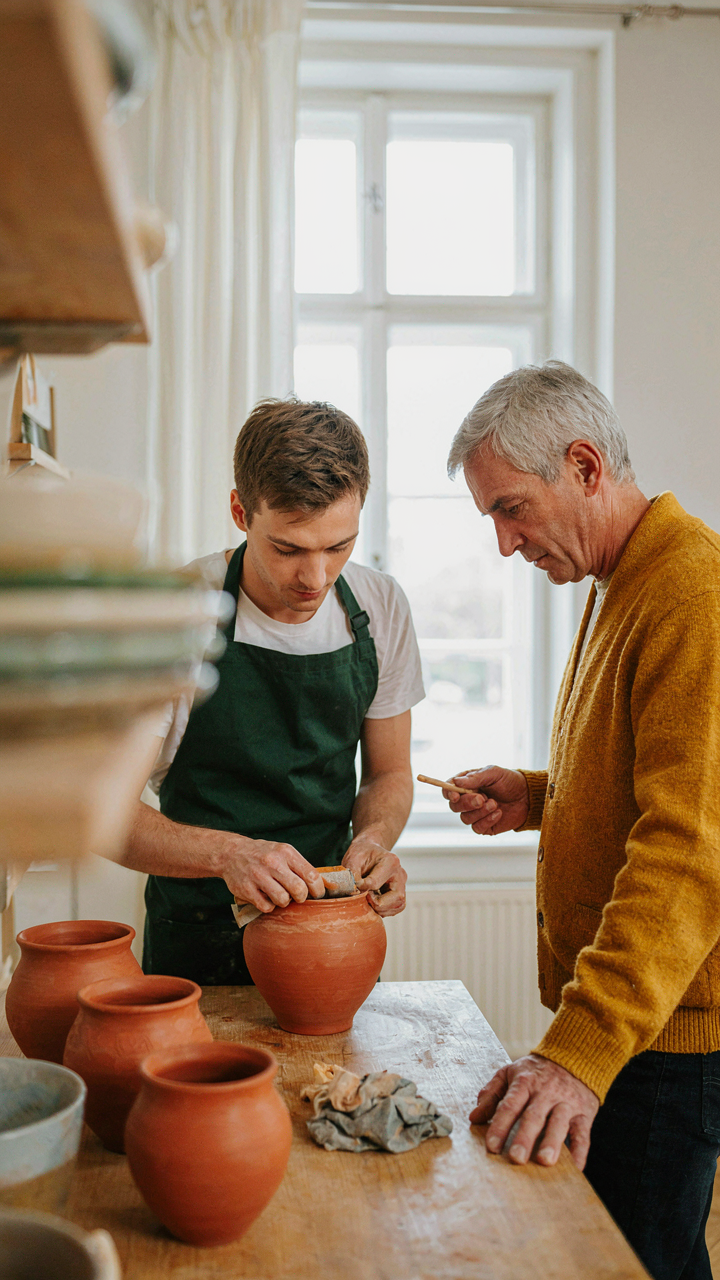
You want to stand out at the dinner table, not blend into what everyone else bought online. That’s the real motive here, and it matters because mass-produced painted terracotta pots all carry the same visual DNA. They’re manufactured at scale using identical molds, same glaze formulas, same color palettes. The mechanism is simple: uniformity kills distinctiveness. When a thousand people own the same hand-painted pot design from a factory, ownership becomes a liability, not an asset.
Breaking from factory output requires understanding one constraint: terracotta itself is porous and demands specific paint adhesion. That’s where DIY actually wins. You control the surface prep, primer choice, and paint quality in ways a manufacturer never does for cost reasons. The pot becomes genuinely yours because the execution reflects your decisions, not a production schedule.
- Surface preparation matters more than the paint itself: Factory pots skip proper sanding and sealing. DIY allows you to prime terracotta correctly, which changes how paint adheres and ages over time.
- Color combinations you choose will never exist in catalogs: Manufacturers test palette combinations through market research. You pick based on intuition and context, which naturally diverges from consensus.
- Imperfection becomes your trademark: Slight variations in brushwork or finish irregularities are flaws in mass production but become authenticators in DIY work.
- Layering and technique depth distinguishes handwork: Factory painters use spray application or single-coat methods. Multiple glazing layers, dry brushing, or detailed patterns take time but create visual complexity mass production avoids.
- Your specific occasion demands specific design: A birthday pot, anniversary gift, or seasonal display pot designed around an actual event will never match generic retail offerings.
The DIY path forces friction into the process, and that friction is exactly what stops you from looking like everyone else’s Instagram feed.
Building A Style That Lasts
Style isn’t about being weird for its own sake. It’s about consistent decision making across multiple pots until a pattern emerges that only you could produce. Start by picking a constraint: one color family across five pots, one design motif repeated with variations, or one technique mastered across different pot sizes.
Terracotta itself varies by clay source and firing temperature, which means even identical pot shapes have subtle texture differences. That natural variation becomes your foundation. Paint on top of genuine differences rather than trying to force uniformity. The pot’s existing character should inform your design choices, not fight against them. This is why painting your own pots beats buying them: you’re making decisions in real time based on what each specific pot shows you, not executing a predetermined pattern.
The Commerce Of Conviction: Selling Your Unique Painted Terra Cotta

The Reason People Pay More
You want permission to charge what your work actually costs. That’s the real question hiding under “articulating value.” Nobody buys a painted terracotta pot for the pot. They buy the decision made permanent. Terracotta itself is commodity material—fired clay costs pennies. What moves price is the intentional mark you leave on it. Economics calls this value capture: you extract margin by controlling the narrative around transformation, not the raw material. The mechanism is simple. You name what changes when someone owns your piece instead of a mass-produced alternative, then you price that change, not the object.
Most sellers lead with aesthetics because it’s safe and lazy. “Beautiful hand-painted designs” tells the buyer nothing they can’t see with their eyes. Instead, articulate the specific problem your pots solve. A custom piece for a milestone event becomes a permanent marker of that moment. A set commissioned for a garden becomes the reason the space feels intentional rather than decorated. A gift pot becomes the object someone keeps after the plant dies. You’re not selling paint and clay. You’re selling the fact that this decision reflects the buyer’s actual taste, not a algorithm’s guess at what sells.
Craft As The Barrier To Imitation
Building a brand around intentional craft means something specific: making your process visible enough that the buyer understands why duplication is impossible, not mysterious. Terracotta painting is a skill-bound medium. Hand-painted surfaces show micro-variations in glaze density, brush pressure, and clay absorption that machines cannot replicate at scale without cost parity. The asymmetry is your advantage. When you document your method—not the finished product, the actual work—you create a permission structure for premium pricing. Buyers recognize the difference between skilled repetition and algorithmic generation.
Most advice says “tell your story.” That’s vague and useless. Instead, document the specific constraints that make your work non-scalable. Show the drying time required between coats. Show how seasonal humidity affects paint behavior on terracotta. Show the hand-testing required before firing to prevent cracking. Show that your output is capped by hours, not materials. This positions you not as an artist but as a practitioner of a specific craft with built-in scarcity. Your pricing becomes a function of time invested and skill required, not market demand. When a customer understands that, they stop shopping for the lowest price and start shopping for the only source.
The Obstacle Isn’t Your Skill With A Brush; It’s Your Inability To See Beyond Mere Decoration

Most people paint terracotta pots and call it done. You need to see them as conversation starters, memory holders, gifts that actually mean something. The shift happens when you stop decorating and start communicating. Pick one person you want to impress this month. Design a pot specifically for them, not for Instagram. Paint it today. A painted terracotta pot stops being a decoration the moment someone realizes you made it thinking of them.



