
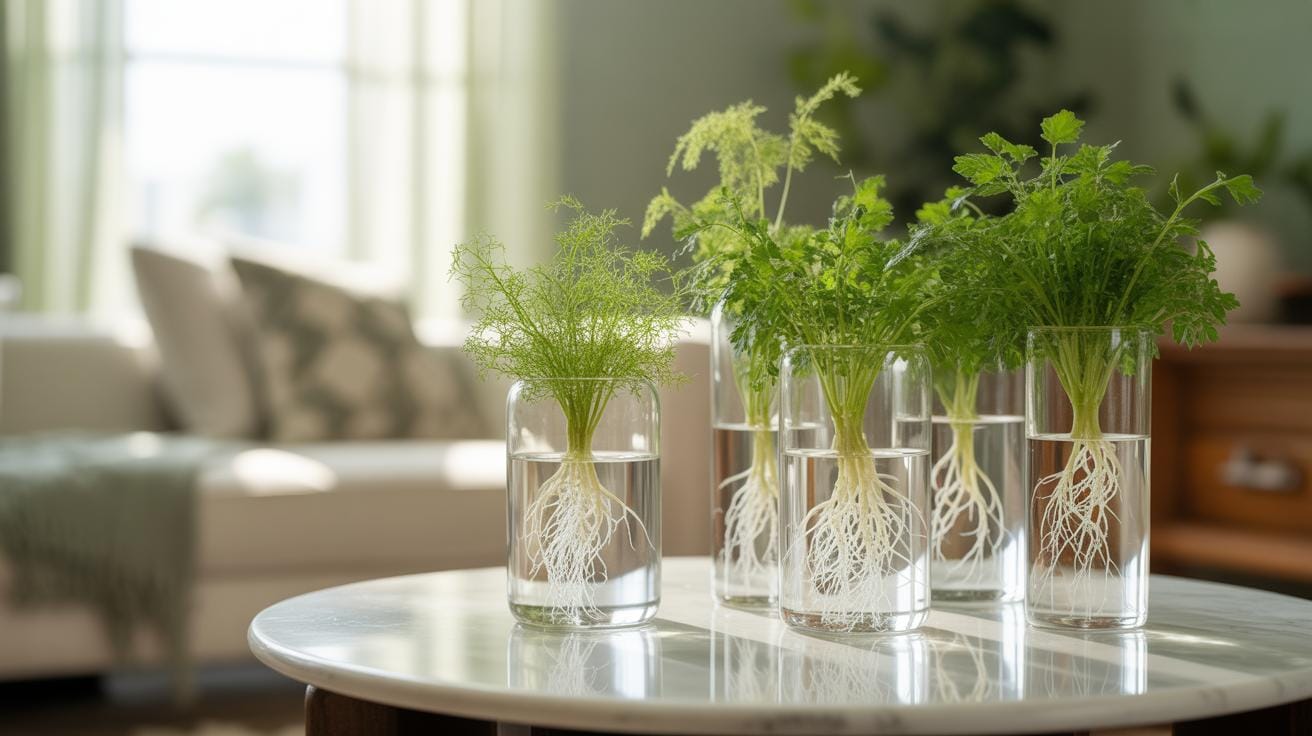
The Allure Of Modern Hydroponic Glass Centerpiece In Home Decor
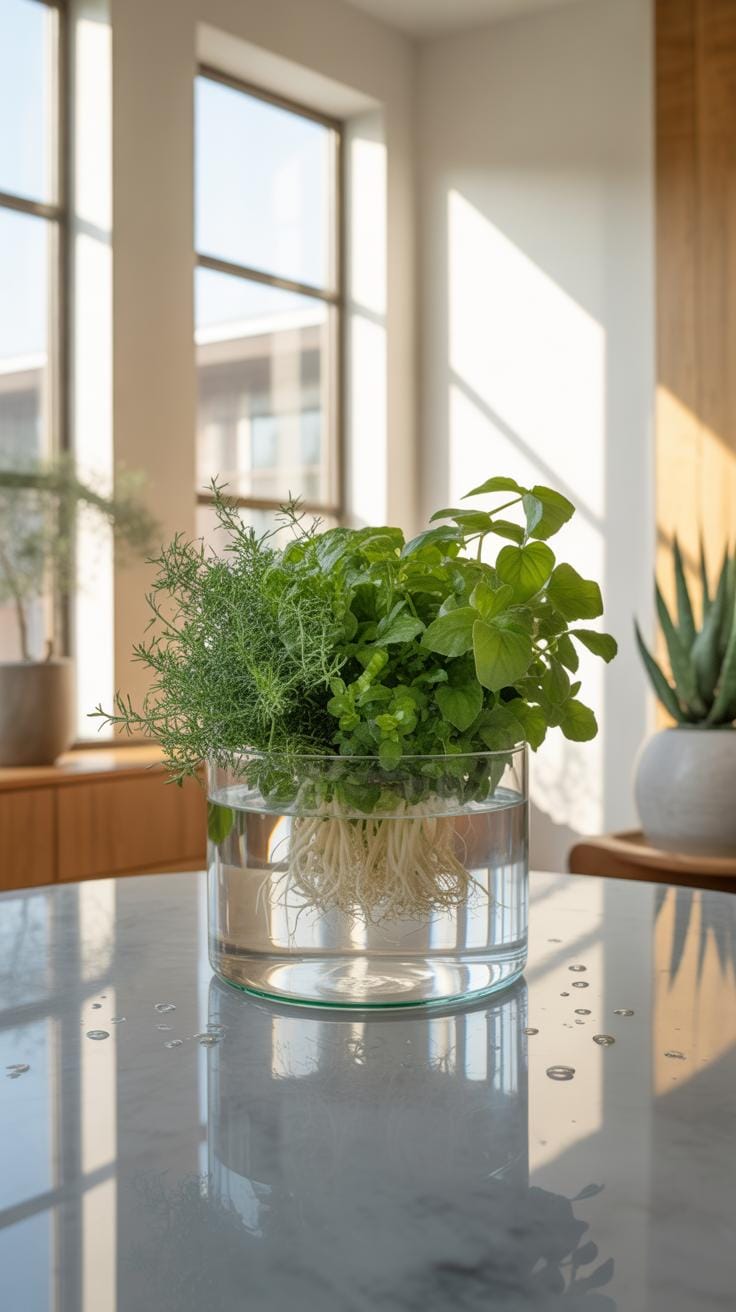
Minimalist Aesthetic
Clean lines and clear materials define the current shift toward open living spaces. A hydroponic glass centerpiece removes the bulky weight of ceramic pots and dark potting soil. This transparency allows natural light to pass through the plant vase, making small rooms feel larger. You can see every detail of the water plants indoor, creating a living sculpture that fits perfectly on a dining table or a fireplace mantle.
Modern designers often use a test tube vase held by a wooden stand to add warmth to sharp interiors. This combination of raw timber and glass creates a balanced look. Using a glass propagation vase allows you to showcase successful plant cuttings as they grow new roots. These small glass vessels turn simple green leaves into a focal point. A glass bowl decor piece provides a calm and orderly feeling.
Benefits Indoor Hydro
Choosing to grow plants in water makes home maintenance much easier for busy people. You do not have to worry about messy soil spills or hidden pests living in the dirt. A hydroponic glass centerpiece provides a constant hydration source for your greenery. This method ensures your hydroponic plants receive the exact amount of moisture they need. You simply refill the water level when it looks low to keep them healthy.
Growing water plants indoor also helps improve the quality of your living environment. Plants naturally release oxygen and increase humidity in dry rooms. Using a plant vase for plant cuttings allows you to multiply your collection for free. You stay connected to nature without the heavy labor of traditional gardening. This clean approach keeps your surfaces spotless and your air fresh. The simplicity of water cultivation supports a peaceful and organized home.

Designing Your Space With A Hydroponic Plant Vase
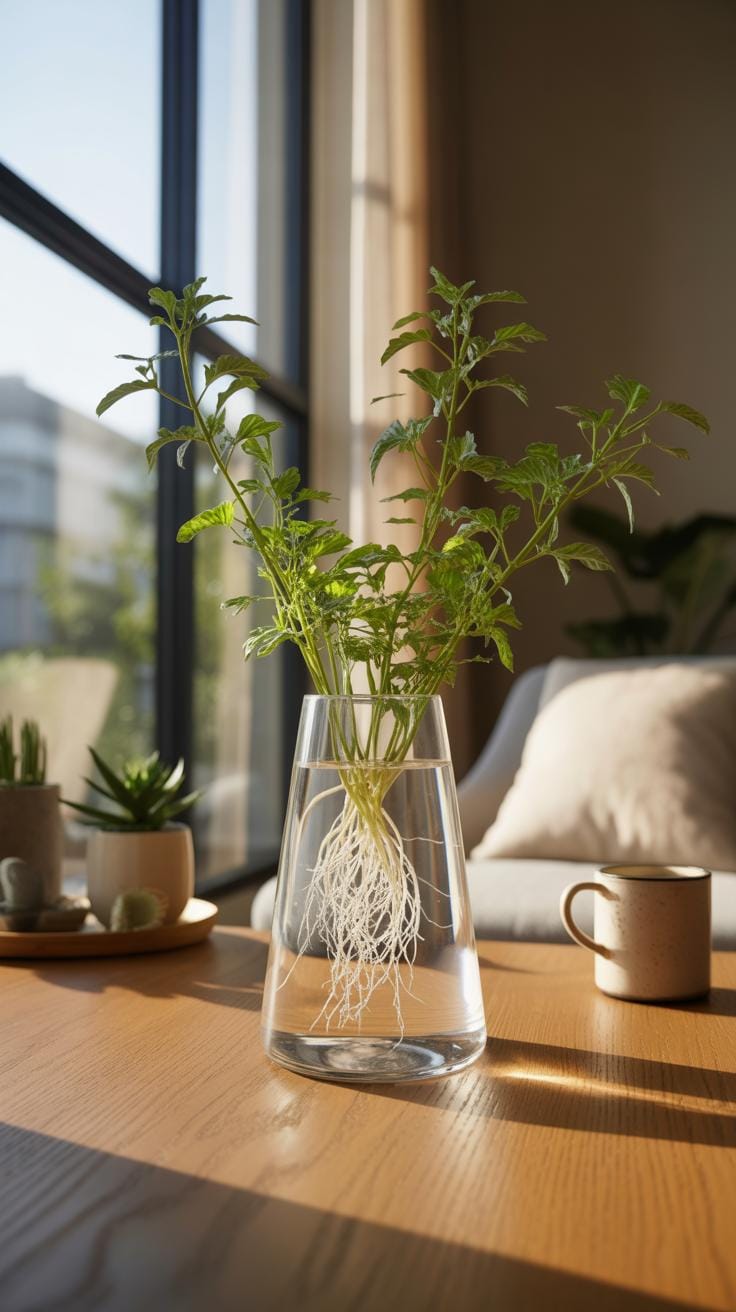
Glass Clarity
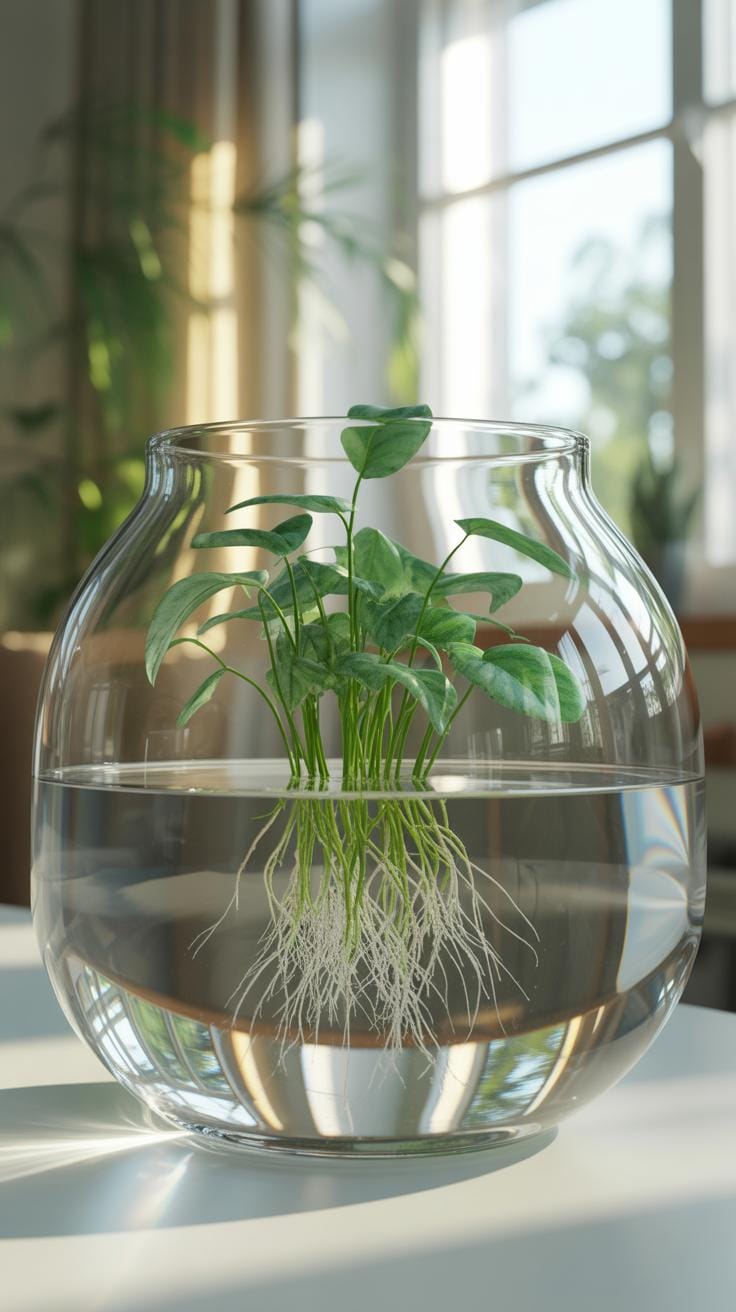
A hydroponic plant vase uses clear glass to show the hidden world of roots. This design choice draws inspiration from early botany studies where scientists needed to see growth. You can watch white roots grow through the water plants indoor during your daily routine. The glass allows light to pass through the plant vase while keeping the focus on the natural structures below the surface.
Clean glass maximizes the view of your plant cuttings as they develop. High quality material ensures that every tiny root hair remains visible to the eye. This transparency turns a simple arrangement into a living museum piece for your home. Using a glass propagation vase creates a sense of openness and calm in any room. It reminds us of the quiet strength found in simple biological processes.
Centerpiece Placement
Positioning your hydroponic glass centerpiece requires a spot with bright and indirect sunlight. A wooden stand provides a sturdy and warm base for your delicate test tube vase on a dining table. You should place the display where people gather to enjoy the view. A glass bowl decor style works best on lower surfaces like coffee tables. These locations allow guests to look down into the water.
Stable surfaces prevent accidental spills of the water plants indoor. Keep your arrangement away from cold drafts or hot heaters to protect the leaves. A sunny windowsill or a well lit shelf makes an ideal home for a glass propagation vase. Good placement ensures your greenery stays healthy and vibrant for a long time. Clear views of the roots provide a relaxing focal point for everyone in the house.
Selecting The Perfect Test Tube Vase For Elegance
Vial Variations
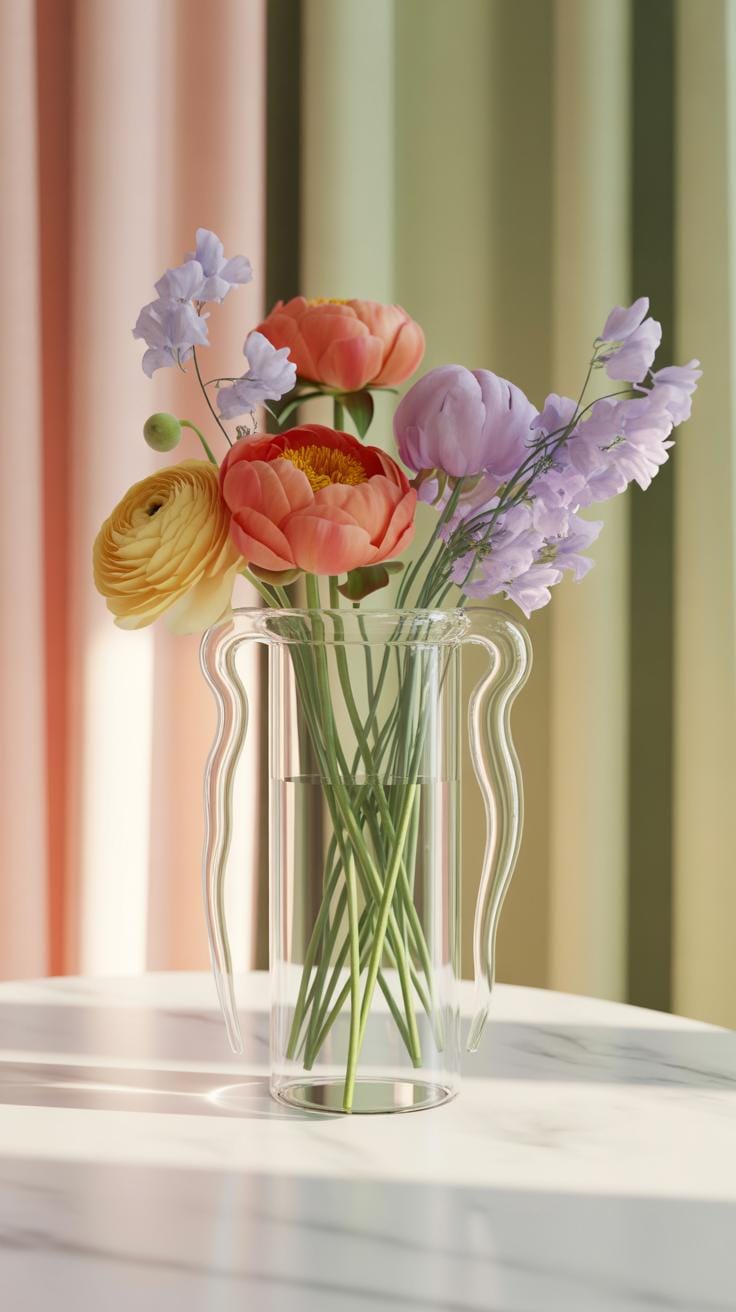
Choosing a specific glass shape dictates how your water plants indoor will grow. Tall and narrow cylinders support long stems like ivy or lucky bamboo. These thin shapes keep the plant upright and prevent the leaves from touching the water surface too quickly. Wider glass bowls allow roots to spread out in a circle. This creates a fuller look for your hydroponic glass centerpiece.
Rounder vessels mimic historical apothecary jars from the Victorian era. These vintage styles work best for small plant cuttings with soft stems. Short vials provide a stable base for heavy leaves like pothos. You should match the diameter of the glass opening to the thickness of your stem. This ensures the plant stays secure without falling into the liquid bottom of the plant vase.
Essential Materials List
Creating a hydroponic plant vase requires a few basic parts to keep your greenery healthy. You need clear glass to دیکھ the roots as they grow taller over time. A sturdy frame usually holds the glass propagation vase in place on your table. You should select materials that resist water damage and provide enough weight to prevent tipping.
- Glass Vials: These clear tubes hold the water and the plant cuttings while allowing sunlight to reach the root system. High quality glass ensures you can monitor water levels and root health clearly without any distortion from the material.
- Wooden Stand: A solid base made from oak or walnut holds the test tube vase steady on flat surfaces. This structure provides a natural look that mimics the forest floor. It keeps multiple vials organized in a clean and straight line.
- Filtered Water: Clean water provides the base for all hydroponic plants to survive indoors. Using water without chlorine helps the delicate roots grow faster. You must change this liquid every week to keep the display looking fresh and clear for guests.
- Liquid Nutrients: A small amount of plant food added to the glass bowl decor helps the greenery thrive. Since there is no soil, the plants need these minerals to grow new leaves. Only a few drops are needed for these small water containers.
- Long Tweezers: These tools help you position the stems inside the narrow glass propagation vase. You can use them to remove fallen leaves or debris from the bottom without getting your hands wet. They allow for precise placement of every single stem.
Once you gather these items, you can arrange them on any bright windowsill. The wooden stand protects your furniture from moisture and spills during maintenance. Proper spacing between each vial allows the leaves to breathe and receive equal light. This simple setup creates a beautiful focus point for your dining room or office. Using a dedicated plant vase makes indoor gardening clean and easy.
Best Water Plants Indoor For Your Glass Display
Hardy Varieties
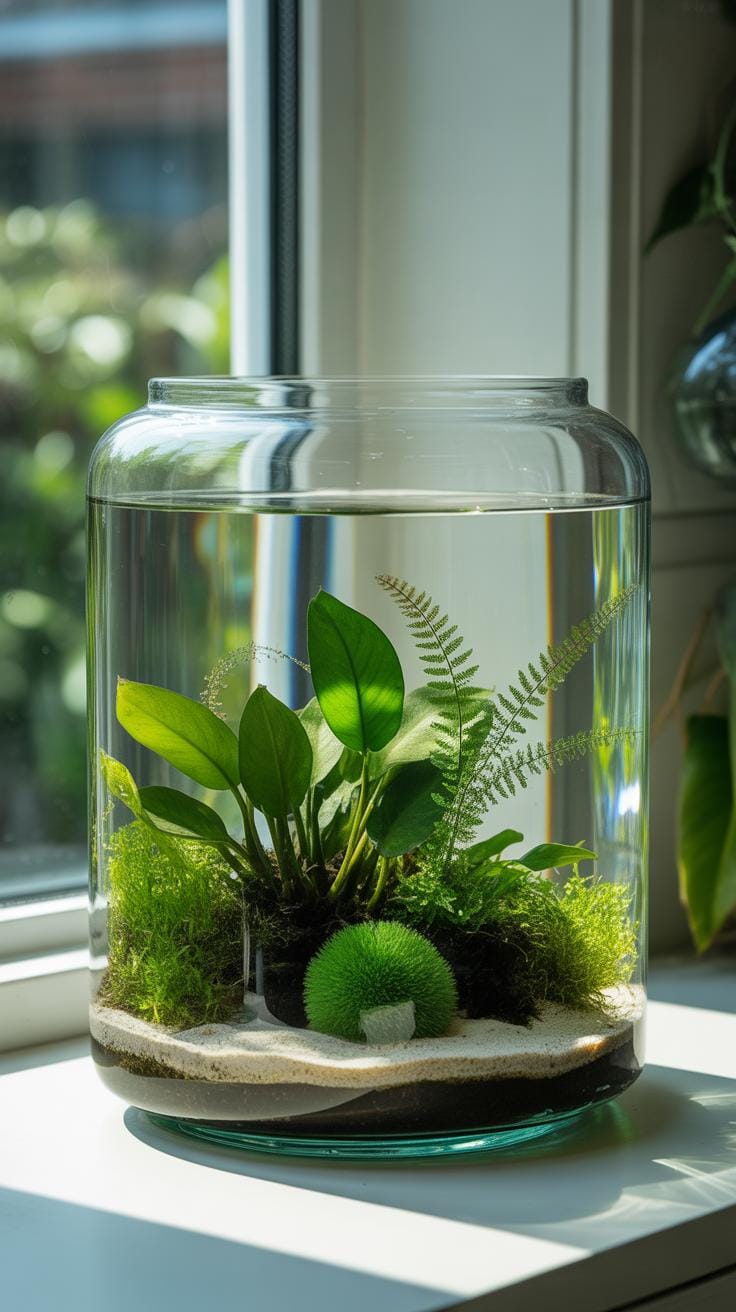
Pothos and Philodendron are the best candidates for a hydroponic glass centerpiece. These species grow roots quickly when you place plant cuttings into a test tube vase. They survive for years without soil because they absorb nutrients directly through their root systems. Their sturdy vines look beautiful when they drape over the edge of a wooden stand. These selections make indoor gardening simple for everyone.
Lucky bamboo is another classic choice for any glass bowl decor. You only need to keep the roots submerged in clean water to keep it healthy. This plant grows straight or in spirals to add height to your arrangement. It remains a favorite for a plant vase because it handles low light very well. These hardy species ensure your water plants indoor stay vibrant with very little effort.
Visual Texture
Mixing different leaf shapes creates a layered look for your hydroponic plants. Use the heart-shaped leaves of a Monstera cutting to provide a bold focal point. Pair these with the thin and delicate stems of spider plants to add light movement. A glass propagation vase allows you to see these distinct shapes clearly. The contrast between broad and narrow foliage makes the display feel full and professional.
Color choice also affects the mood of your hydroponic glass centerpiece. Use variegated species like Coleus or Tradescantia to bring purple and silver tones into the room. These colors pop against the clear surface of a plant vase. You can arrange different heights to create a mountain effect. This technique ensures your display captures attention from every angle in the home.
Choosing A Scuptural Plant Vase Or Glass Bowl Decor
Geometric Designs
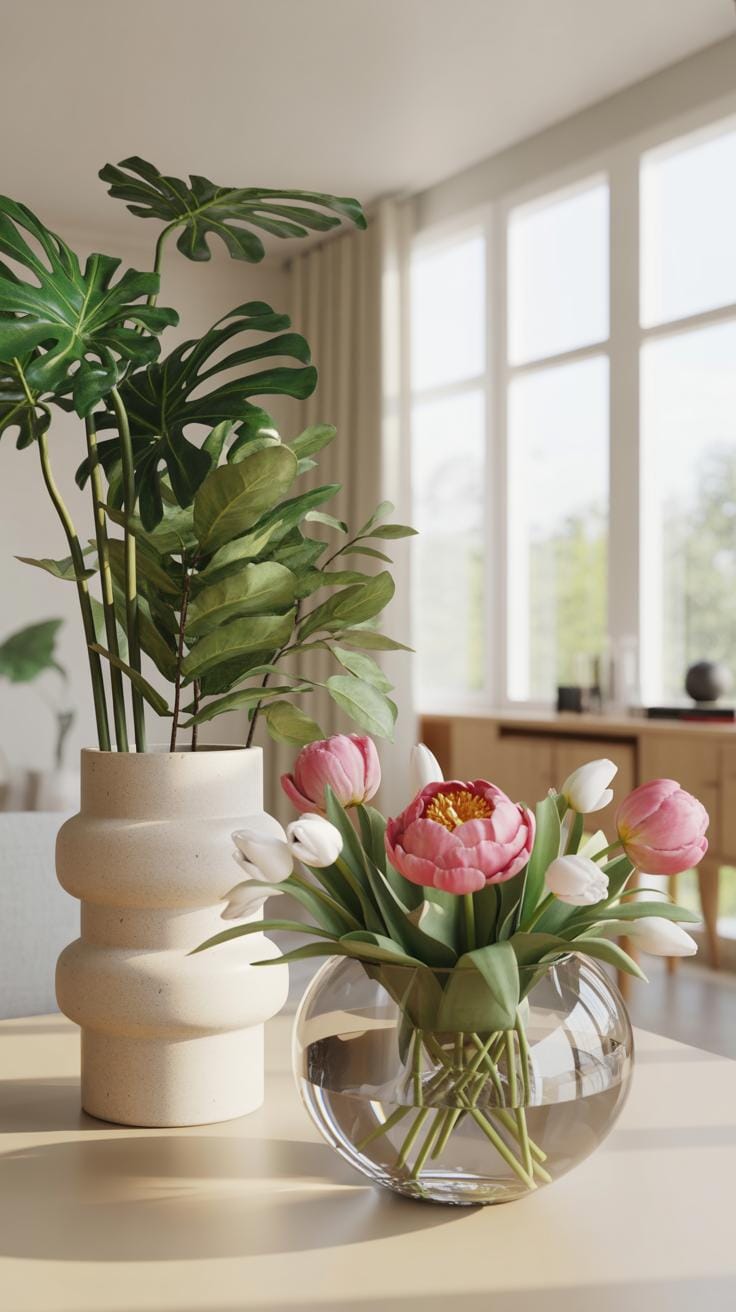
Modern interior design often uses sharp lines and bold shapes to create visual interest. Choosing a Hydroponic Plant Vase with a geometric frame brings a clean look to your living space. These pieces often feature glass containers held by a sturdy Wooden Stand. This setup creates a stable base for your Water Plants Indoor. The contrast between the natural wood and the structured glass looks professional and tidy on any table.
Many decorators prefer a Test Tube Vase for its slender profile and scientific roots. These narrow vessels hold Plant Cuttings perfectly while they grow new roots. You can arrange several tubes in a row to create a repeating pattern. This style works well for small spaces where a large Plant Vase might feel too crowded. Using organized shapes helps maintain a sense of peace and order throughout your home.
Light Refraction
Natural sunlight changes how we see a Hydroponic Glass Centerpiece during the day. When light passes through water, it creates beautiful patterns on your walls and furniture. A clear Glass Propagation Vase acts like a prism to catch every ray. This effect makes the water look sparkling and clean. Positioning your plants near a window allows the glass to glow brightly without needing any extra lamps.

Using a wide Glass Bowl Decor piece can amplify this natural glow. The curved surface of the glass bends light to highlight the delicate roots of your Hydroponic Plants. You can see every detail of the growth process clearly through the transparent walls. This bright display brings a fresh feeling to your room. It serves as a living lantern that brightens your mood while adding a soft touch to your decor.
The Art Of Sourcing And Preparing Plant Cuttings
Propagation Steps
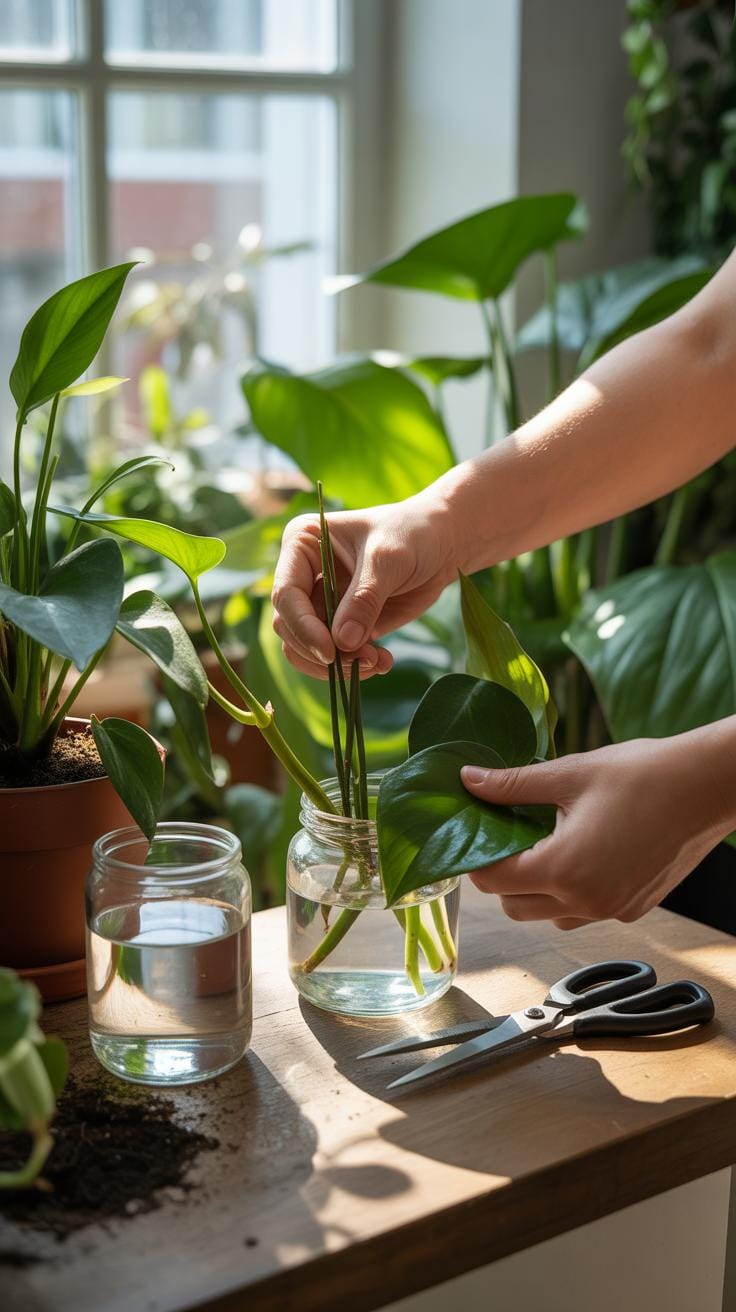
Successful water growth begins with selecting healthy stems from parent plants. You need sharp, clean shears to make precise cuts without crushing the delicate tissue. Taking plant cuttings during the spring or summer months usually yields the quickest results. Once you remove a stem, you must prepare it carefully before placing it into your glass propagation vase to ensure it stays healthy.
- Select a Stem: Choose a vibrant green stem with at least two or three leaves. Avoid any branches with flowers because they use too much energy. Healthy stems produce strong roots faster when growing hydroponic plants.
- Make the Cut: Use sterilized scissors to cut the stem at a forty-five degree angle. This creates more surface area for water intake. Clean cuts prevent disease from entering the parent plant or the new cutting in your glass bowl decor.
- Remove Lower Leaves: Strip away the leaves from the bottom two inches of the stem. Leaves left underwater will rot and create bacteria. This step keeps the water inside your hydroponic plant vase fresh and clear for weeks.
- Let it Dry: Some plants like succulents need a few hours for the cut end to callous. Most tropical water plants indoor can go directly into the liquid. This short rest prevents the stem from becoming mushy once it touches the glass.
- Position in Vase: Place the prepared stem into your test tube vase or plant vase. Ensure the bare nodes stay submerged while the remaining leaves sit above the rim. Secure the container on a wooden stand to keep it upright and stable.
Fresh water provides the necessary oxygen for new roots to form. Change the water every week to prevent algae and keep the oxygen levels high. A clear glass propagation vase allows you to monitor root progress daily. Watching the tiny white roots emerge is a rewarding part of creating a hydroponic glass centerpiece. Proper preparation ensures your new greenery thrives in its liquid home.
Node Identification
The node is the most important part of any stem when you grow plants in water. This specific spot looks like a small bump or a joint where leaves and spirits attach to the main branch. Root cells live inside these nodes and wait for the right conditions to emerge. If you cut a stem without a node, it will never grow roots.

Locating the node ensures your hydroponic glass centerpiece remains a living decoration. Most common houseplants have visible nodes that are easy to spot with your eyes. Cut just below this joint to give the plant the best chance to thrive. Place the cutting into a test tube vase so the node stays fully under the water surface. Healthy nodes will soon push out thick roots to support the plant.
Stability And Style With A Wooden Stand Foundation Charm
Material Contrast
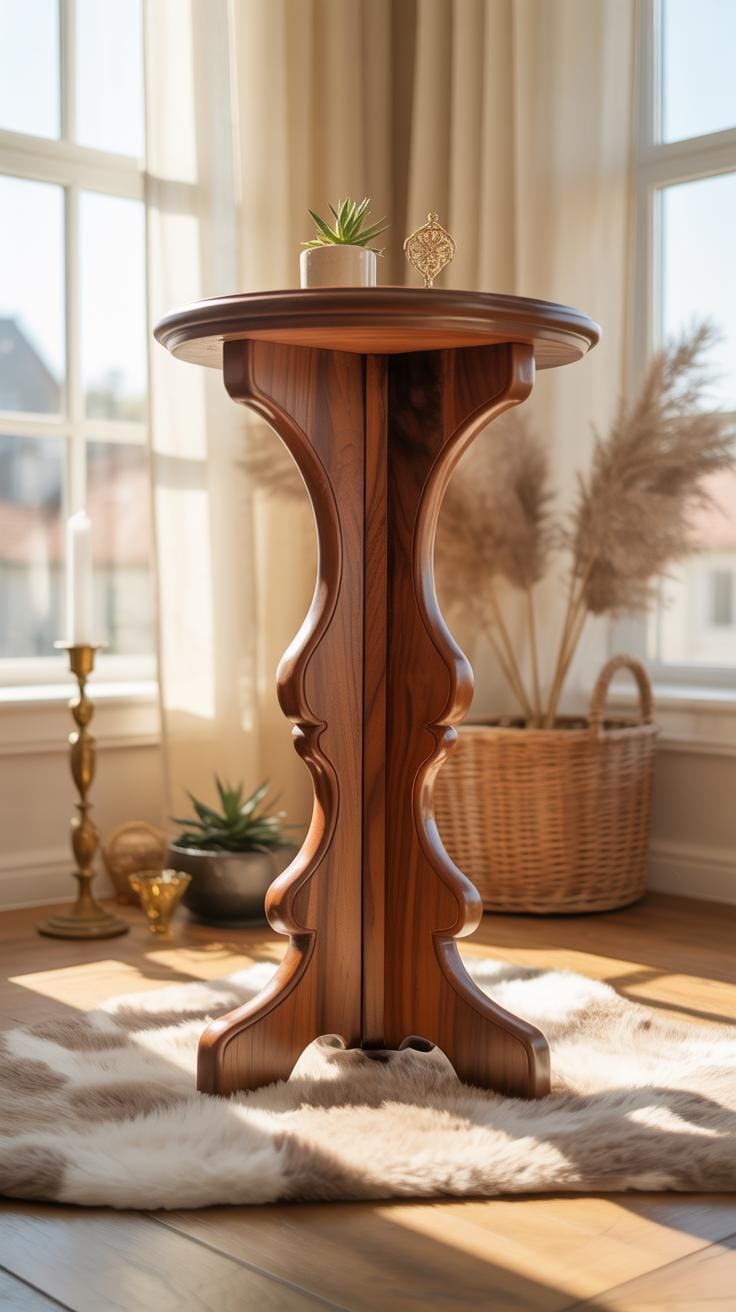
Modern design often pairs organic textures with smooth surfaces to create a balanced look. Using a Wooden Stand provides a grounded earthy base for your Hydroponic Plant Vase. This mix reflects the mid-century modern movement where natural materials met industrial glass. The grain of the wood adds a soft touch to the sharp clarity of your Plant Vase. It makes any Hydroponic glass centerpiece feel cozy and complete.
The transparent nature of a Glass Propagation Vase highlights the delicate roots of your Plant Cuttings. When you set this against dark walnut or light pine, the greenery pops with life. This contrast helps Water Plants Indoor feel like part of the furniture rather than just a science project. A Glass Bowl Decor piece sits well in these frames. You achieve a timeless look that fits any room style.
To plant a garden is to believe in tomorrow, even when that garden lives in the shimmering clarity of a simple glass vial. It is a quiet romance between the water’s grace and the bloom’s enduring hope.
Structural Integrity
A sturdy base keeps your Test Tube Vase from tipping over during daily activities. The Wooden Stand uses precisely drilled holes to hold each glass cylinder firmly in place. This prevents spills and protects your fragile Hydroponic Plants from accidental knocks. Proper weight distribution ensures the entire Hydroponic glass centerpiece stays upright on flat surfaces. A heavy base provides the necessary gravity for taller stems to grow straight.
Designing with security in mind allows you to display larger Plant Cuttings without worry. You can move the entire arrangement by grasping the wooden frame instead of the slippery glass. This setup provides a safe home for any Glass Propagation Vase in high-traffic areas like dining tables. Your Plant Vase remains stable even when the water levels shift or the plants grow heavy. Reliable construction creates a lasting display for your favorite indoor greenery.
Maintaining Vitality In Your Glass Propagation Vase
Water Hygiene
Crystal clear water keeps your Hydroponic glass centerpiece looking beautiful and healthy. Change the liquid every seven days to stop slime from forming on the stems. Use room temperature tap water that has sat out overnight to let chlorine escape. Wash the Glass Propagation Vase with mild soap if you see green algae growing on the inner walls. Scrubbing gently ensures your Water Plants Indoor stay vibrant and strong.
Clean glass allows sunlight to reach the Plant Cuttings and helps you spot new root growth quickly. If your Test Tube Vase sits on a Wooden Stand, wipe away spills immediately to protect the wood grain. Dust the outside of the Plant Vase often to maintain its shine. Fresh water provides oxygen which is vital for the life of your Hydroponic Plants. Simple habits prevent common issues and keep your display pristine.
Nutrient Balance
Living without soil means Hydroponic Plants need liquid food to grow big and green. Add a few drops of water-soluble fertilizer specifically made for indoor water gardening. Follow the instructions on the package to avoid burning the delicate roots of your Plant Cuttings. Using too much food can cause algae to grow faster in your Glass Bowl Decor. Balance is the secret to a thriving and long-lasting centerpiece.

A Hydroponic Plant Vase acts as a small world for your greenery to flourish. Monitor the leaf color to see if the plant needs more minerals or less light. Replace the entire nutrient solution every month to keep the minerals fresh and available. Healthy Water Plants Indoor create a calm feeling in any room of the house. Proper feeding keeps your Plant Vase looking like a professional designer piece for many years.
Frequently Asked Questions

What are the best plants for a beginner to use in a hydroponic display?
If you are new to water-based gardening, start with hardy varieties like Pothos, Philodendron, or English Ivy. These species adapt quickly to aquatic environments and develop beautiful root systems that look stunning through clear glass. Creating a hydroponic glass centerpiece with these resilient cuttings ensures your arrangement stays lush and vibrant with minimal effort, making it the perfect entry point for adding stylish, living decor to your home.
How do I prevent algae from growing inside my glass vials?
To keep your hydroponic glass centerpiece crystal clear, place it in a spot with bright, indirect light rather than harsh, direct sun, which accelerates algae growth. You should also refresh the water every one to two weeks and gently rinse the roots to remove any debris. For an extra clean look, use distilled or filtered water to prevent mineral buildup and cloudy residue from forming on the inside of the vials.
Is it expensive to create an elegant hydroponic arrangement at home?
Not at all! This DIY project is incredibly budget-friendly because you can easily repurpose vintage perfume bottles, laboratory test tubes, or even mismatched bud vases from thrift stores. Since you can take cuttings from existing houseplants, the only real cost is the glass itself and a little bit of water. It is an affordable way to achieve a high-end, sophisticated look without the recurring expense of buying fresh-cut flowers.