
Beyond Aesthetics: The True Purpose Of Herb Garden Design
Convenience Versus Output
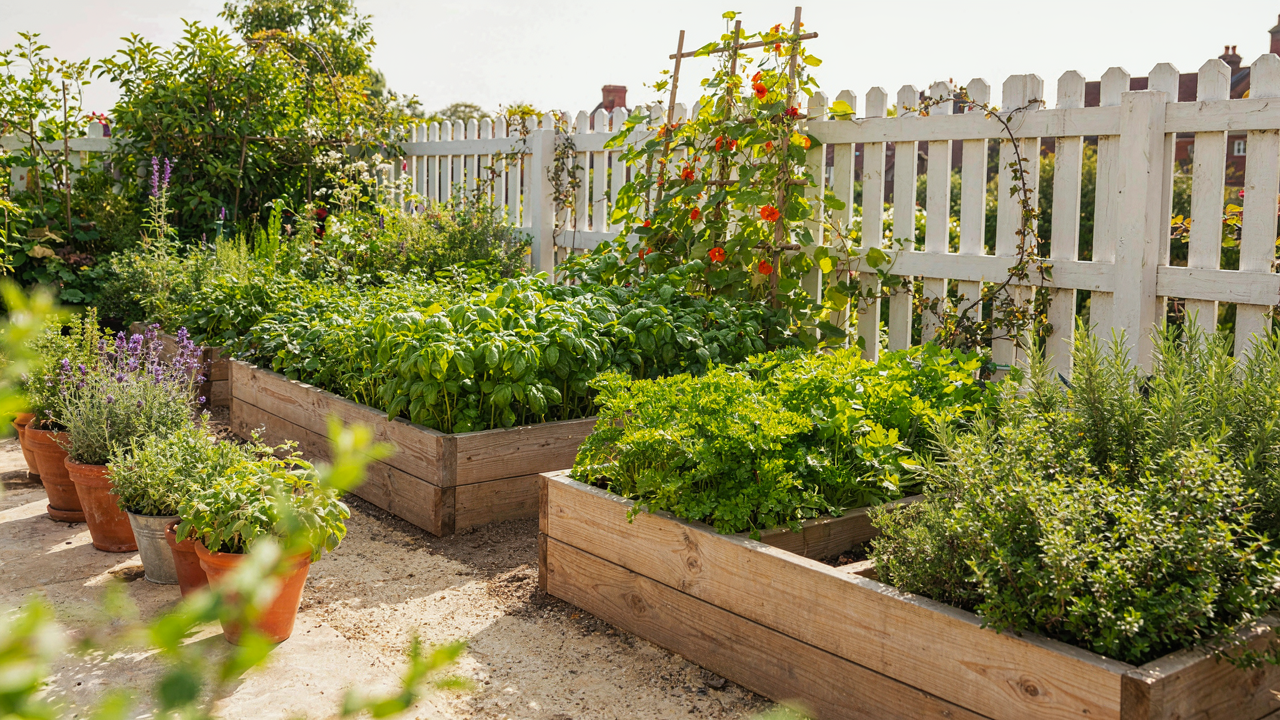
You want your herb garden to look intentional. But what you actually need is a layout that produces herbs you’ll harvest. Most designs fail because they optimize for how the garden looks from the kitchen window instead of how many usable plants you can maintain in the space you have. This distinction matters because a beautiful but inaccessible herb garden becomes ornamental dead weight within weeks.
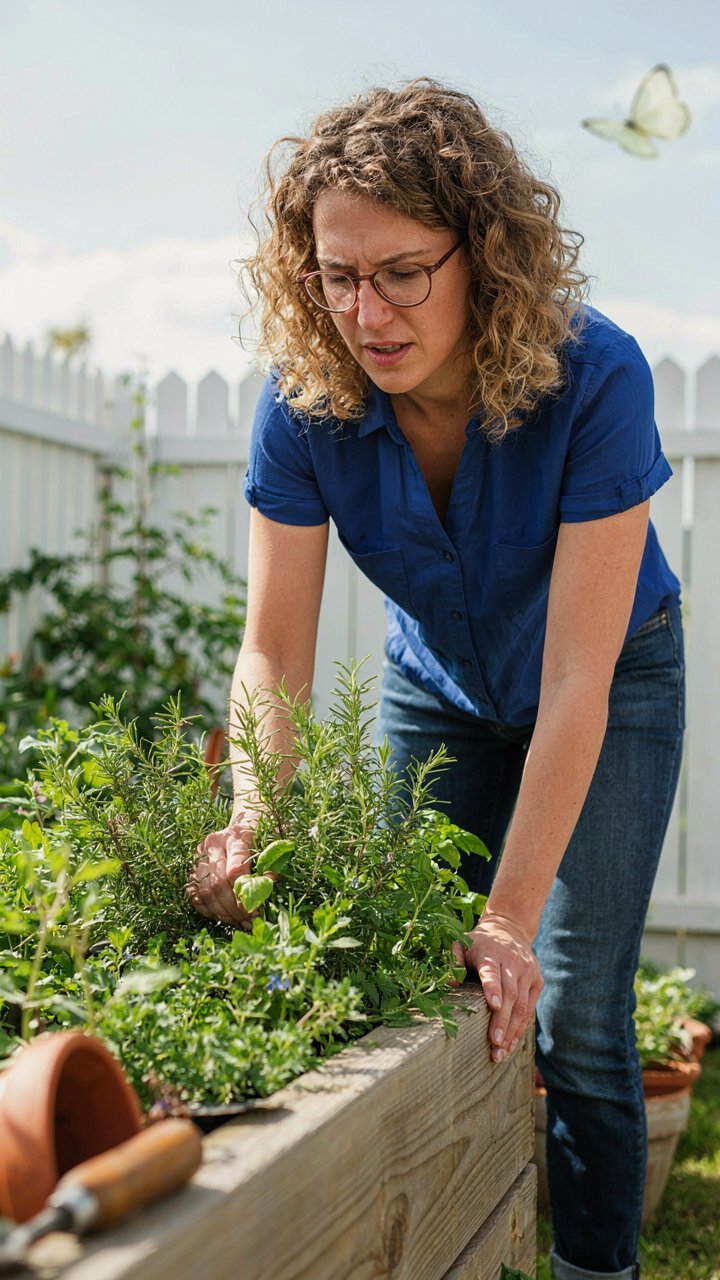
The mechanism here borrows from operations management: you’re optimizing for throughput, not aesthetics. Throughput in herb gardening means the volume of harvestable material you can sustain over a season without plant death or crop failure. When you arrange herbs by visual appeal or trend rather than by access and maintenance frequency, you create bottlenecks. You skip plants you can’t reach. You forget to water the ones hidden behind taller varieties. You harvest unevenly. The layout that looks polished in spring produces sparse, stressed plants by midsummer because the design never factored in your actual workflow.
The Real Cost Of Poor Design
An inefficient herb garden layout costs time you won’t get back. You walk farther for less yield. You spend mental effort remembering which plants need water and which tolerate drought because you grouped them by color instead of by water requirement. You replant spaces where plants died because they were positioned in poor light or got overshadowed. Over a season, a bad layout adds up to 30 to 50 percent more labor for the same square footage.
The hidden cost isn’t just labor. It’s abandonment. When harvesting requires navigating a dense, poorly organized bed, you stop harvesting. You let mature basil flower because reaching it means disturbing three other plants. You buy dried herbs instead of walking ten feet. The layout that didn’t account for ergonomics and workflow becomes the reason you stop using your own garden. Fix the design before you plant, or accept that you’re building a decoration, not a production system.
The Ecosystem First Herb Garden Layout Method
Read Your Microclimates Before You Plant
You want a herb garden that doesn’t need constant babying. That’s the real reason this matters. Most people plant herbs in rows like soldiers and wonder why half die. The actual mechanism is this: your garden isn’t one environment. It’s multiple distinct zones with different sun exposure, wind patterns, and temperature swings. Borrow from ecology here. In ecological terms, we call this “niche differentiation.” Your garden has niches. Map them before you place a single plant.
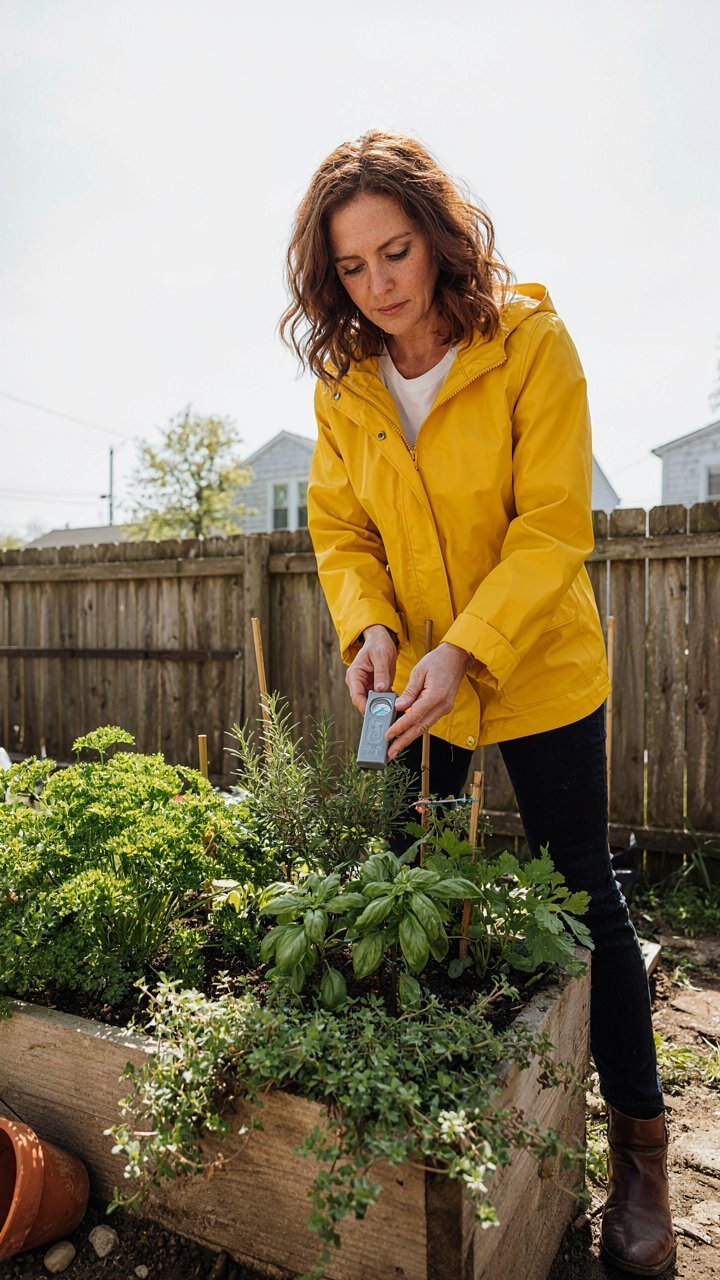
Start by tracking your space for three days. Note where direct sun hits at 9am, noon, and 3pm. Observe where wind funnels through gaps or gets blocked by structures. Mark low spots where cold air pools at dawn. Mediterranean herbs like rosemary and oregano demand six-plus hours of unobstructed sun and tolerate wind. Tender herbs like basil and cilantro need afternoon shade in hot climates and protection from gusts. This isn’t preference. It’s plant physiology. Your layout succeeds when you stop forcing herbs into the wrong microclimate and start placing them where they’re built to thrive.
Build Dense Soil As Your Foundation
Everyone says “good soil is important.” That’s useless. Dense soil is your actual operating system because it determines water retention, nutrient availability, and root establishment speed. Most people inherit depleted earth or clay and plant anyway. Bad move. Soil isn’t static. You engineer it from scratch or amend what exists until it matches what you’re growing.
Herb gardens thrive in soil with 25-40 percent organic matter by volume. This means physically working compost, aged leaf matter, or peat into your existing soil, not sprinkling it on top. Test your drainage first. Dig a hole six inches deep, fill it with water, and measure how long it takes to drain. Six to eight hours is ideal for herbs. Faster drains too quick. Slower holds too much moisture and rots roots. If your soil fails the test, amend before layout. Once your soil ecosystem is stable, your herb placement stays productive for years.
The Permaculture Blueprint For Herb Spiral Planting Guide
How Water Moves Down The Spiral
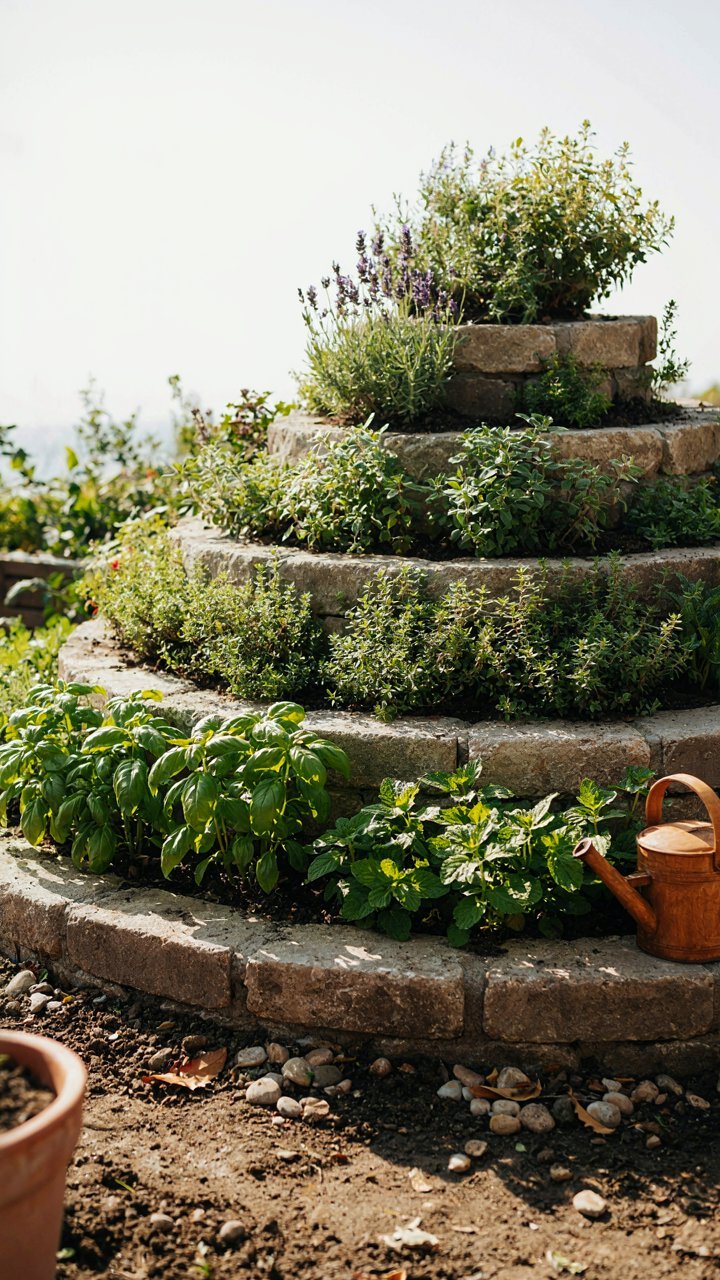
You want the spiral because it looks intentional and makes you feel like you’re doing permaculture instead of just gardening. The real mechanism is this: gravity irrigation works through elevation differential, not magic. Physics demands that water flows downhill. In a spiral, you exploit this by placing water-hungry herbs at the base and drought-tolerant varieties at the peak. The soil on each tier catches runoff before it exits the system entirely.
Build the spiral with a 1 to 2 foot elevation change from bottom to tier. This isn’t arbitrary. Steeper angles waste water through faster runoff. Shallower angles create stagnant zones where roots rot. Basil, mint, and parsley go low where soil stays moist. Thyme, oregano, and rosemary climb higher where drainage accelerates. Water enters at the top during rain or hand irrigation. Let gravity do the sorting.
Layered Functions On Vertical Space
Most people stack plants vertically and call it companion planting. That’s incomplete. The actual mechanism is stacking functions: using the spiral’s vertical zones to run pest control, nutrient cycling, and microclimate management simultaneously. Taller herbs like fennel shade sun-stressed basil below. Root structures at different depths mine different soil layers. Upper herbs deflect wind from delicate lower growth.
Place cilantro and dill at mid-height to attract parasitic wasps that hunt aphids threatening basil below. Strong-smelling oregano at the base deters slugs from mint. Chives around the perimeter release sulfur compounds that repel spider mites from the entire structure. This isn’t planting companions. It’s designing a system where each herb’s chemistry and structure work for the others. Stack function by choosing herbs whose pest-fighting and growth patterns complement their vertical position.
The 3 Zone Herb Garden Layout Protocol
The Daily Access Zone
You want this layout so you don’t have to think about where anything is. That’s the real driver. The mechanism is friction. Every step between your kitchen and your herbs is friction you’ll pay in repeated trips, forgotten harvests, and dead plants.
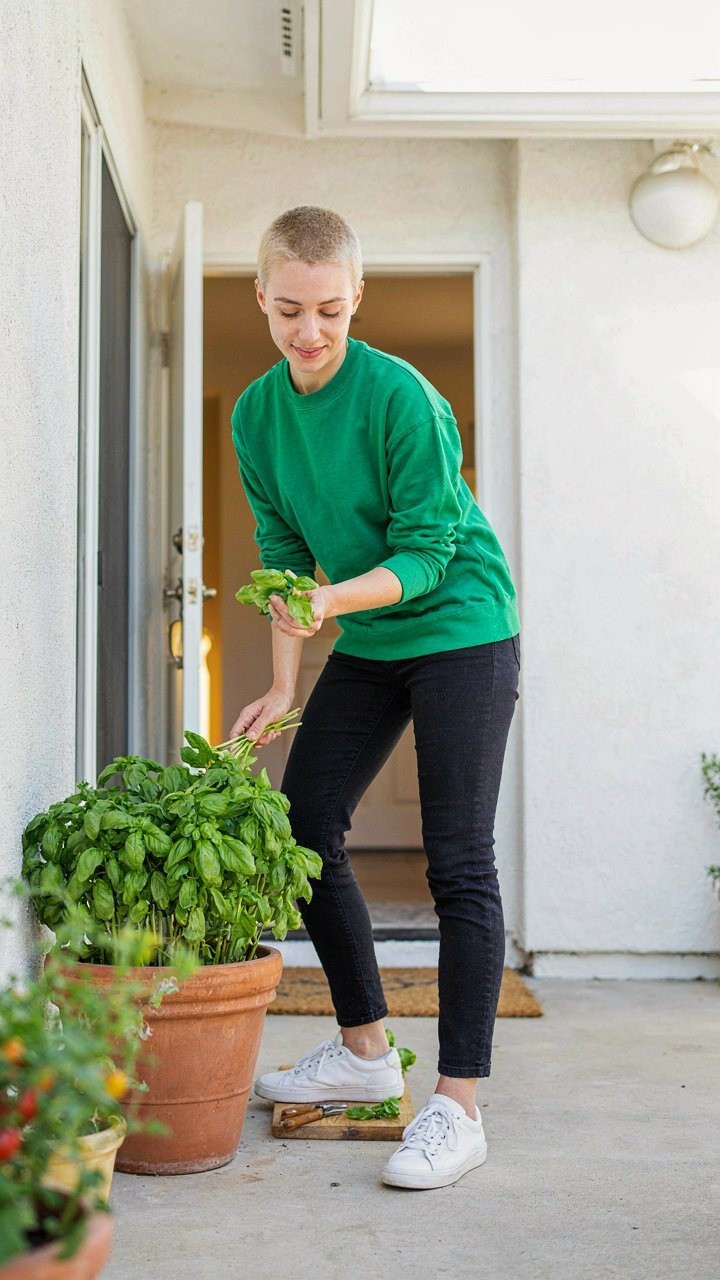
Zone 1 herbs live within ten feet of your kitchen door. Basil, parsley, chives, and thyme go here. These are the plants you’ll actually use in the next 48 hours. Position them where you’ll see them walking in or out. Visibility triggers use. Proximity kills the “maybe I’ll grab some” hesitation that tanks daily habit.
The soil in Zone 1 needs faster drainage and more frequent attention than backup zones. You’ll water these more often because you’re checking on them constantly. Plant them in containers or raised beds that dry out predictably. Predictability means you catch problems before they kill the plant.
The Perennial Buffer And Seasonal Reserve
Most guides stop after Zone 1 and call it done. That’s why most home herb gardens fail. You need overflow space for slower crops and plants that handle neglect.
Zone 2 sits 10 to 20 feet from the kitchen. This is where rosemary, sage, oregano, and lavender live. These herbs demand less water and tolerate sporadic harvesting. They’re perennials in most climates, meaning they stick around for years without replanting. Put them in ground soil, not containers. Their root systems need space to spread.
Zone 3 is the seasonal staging area, 20+ feet out. Start new herb seedlings here before moving them into permanent zones. Store dormant perennials here over winter if you’re in a cold climate. Keep tender annuals like cilantro and dill in this zone during peak heat. Rotate crops through Zone 3 so you’re never caught without backup plants ready to move forward.
The Physics Of Growth: Optimizing Herb Garden Layout With Biomimicry
Light Exposure Through Natural Pattern Stacking
You want this section because you’re hoping there’s a secret arrangement that makes herbs thrive without constant fussing. There isn’t. But there is a mechanism. In physics, light intensity follows the inverse square law: energy diminishes predictably as distance increases. Apply this to herb spacing. Herbs don’t grow based on total sunlight hours alone. They grow based on light angle, soil heat retention, and shadow cast by neighboring plants.
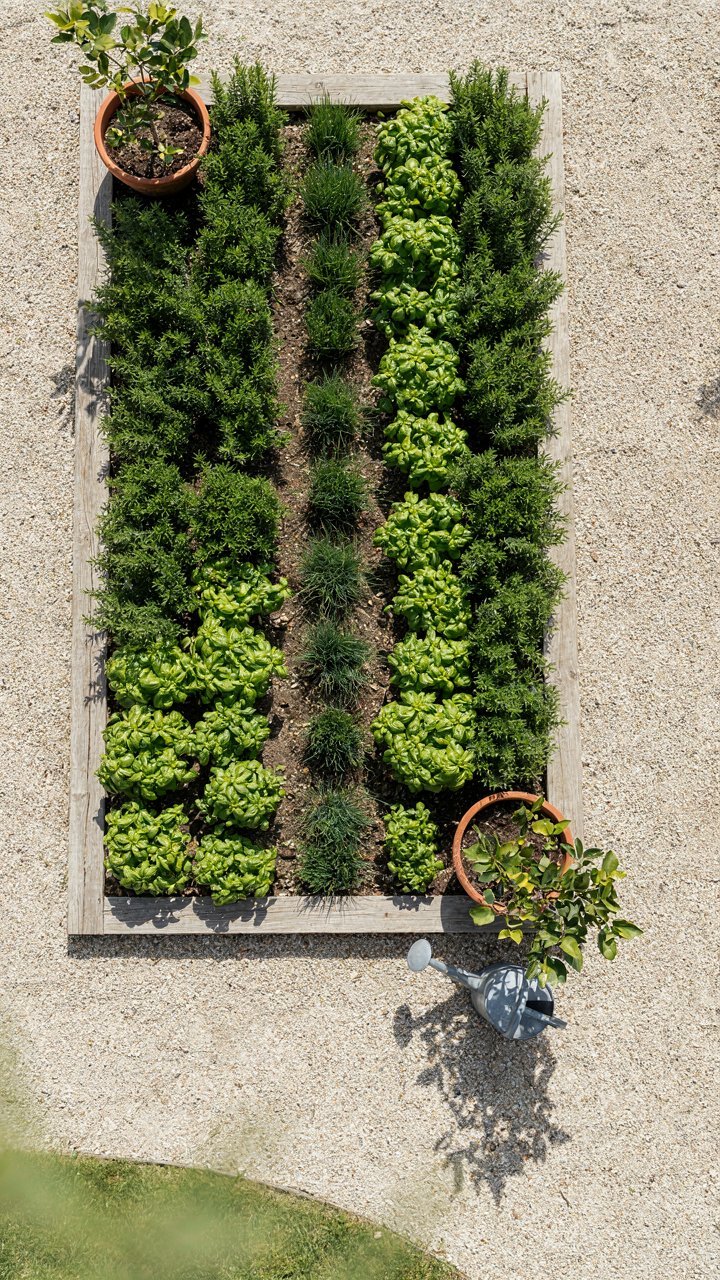
Arrange taller herbs on the north side of your garden. Basil, parsley, and chives tolerate partial shade better than oregano or thyme. This stacking prevents the tall herbs from blocking direct rays from shorter plants positioned south. Position heat-loving herbs like rosemary and lavender where afternoon sun hits soil directly. The soil temperature matters as much as leaf exposure. Warm soil accelerates root nutrient uptake, which accelerates visible growth. This isn’t optimization. It’s prevention of mutual sabotage.
Root Depth Creates The Real Competition
Biomimicry borrows from ecology, and ecology teaches that root systems compete for different soil depths, not just surface nutrients. Most gardeners plant herbs at random spacing and wonder why some fail. They miss the actual mechanism: root zone stratification. Shallow-rooted herbs like basil and cilantro occupy the top 8-12 inches. Deep-rooted herbs like rosemary, sage, and lavender push roots 18-36 inches down.
Plant shallow-rooted and deep-rooted herbs together without guilt. They’re not competing. They’re partitioning resources vertically. The danger lives in planting two deep-rooters adjacent: rosemary next to sage, or two oregano plants touching. They fight for the same soil layer and both weaken. Space deep-rooted herbs 18-24 inches apart minimum. Shallow-rooted herbs can live 8-10 inches apart. Measure from stem to stem, not edge to edge. This spacing protocol prevents silent root competition that kills herbs despite adequate light and water.
Vertical Expansion: Maximizing Yield With Hanging Herbs
Hanging Planters And Wall Gardens
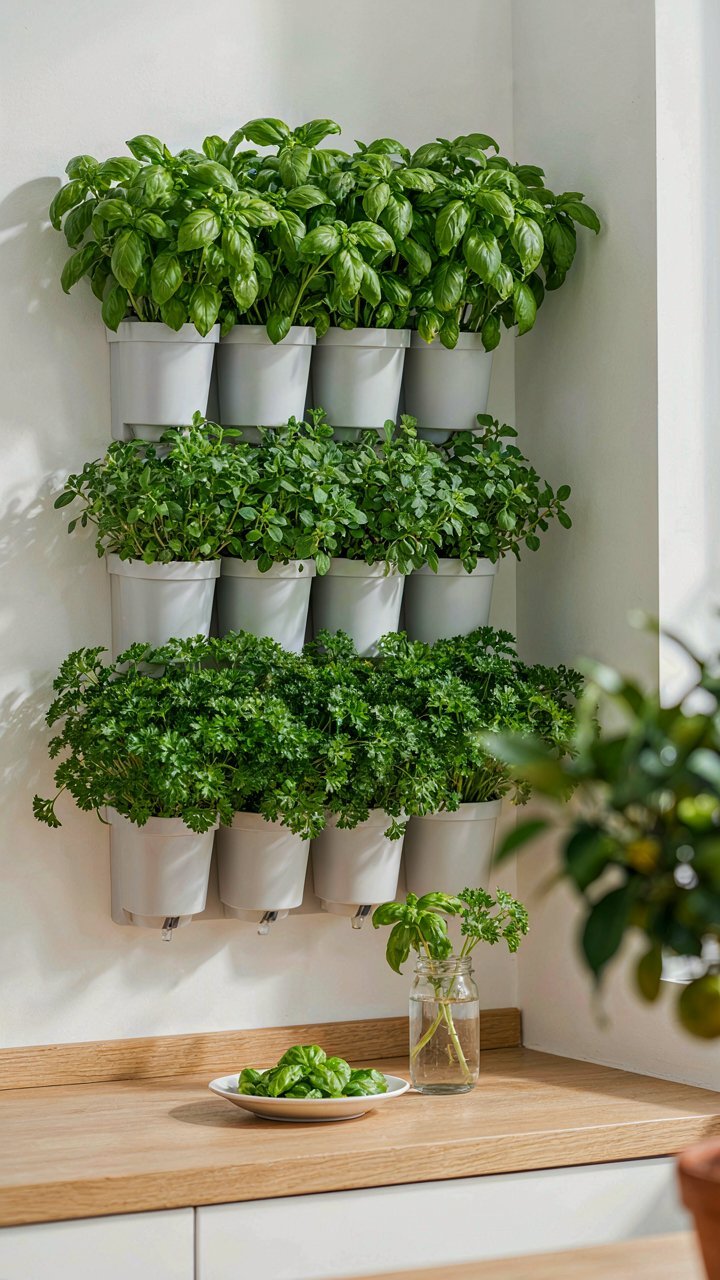
You want vertical gardens because you think they look impressive and save space. That’s half the equation. The real mechanism is density: vertical systems let you pack more productive square footage into the same footprint. Think of it through real estate economics. In property development, floor area ratio measures how much buildable space you fit on a lot. Hanging herbs work the same way—you’re stacking growing zones without expanding your footprint.
Hanging planters and wall gardens work best with shallow-rooted herbs that don’t need deep soil. Basil, oregano, thyme, and parsley thrive in 4 to 6 inches of substrate. Wall-mounted systems drain downward naturally, so water flows from top planters through lower tiers. This creates layers of production from a single wall section. You gain 200 to 300 percent more yield per square foot compared to ground-level arrangements.
- Pocket wall systems: Fabric or rigid panels with individual plant pockets. They mount flat against walls or fences and hold 12 to 20 plants per square yard. Best for frequent harvesting and tight spaces.
- Hanging basket arrays: Staggered pots suspended at different heights. Each basket needs drainage holes and sits 6 to 8 inches from the one below. Water drains through layers without pooling.
- Tiered tower planters: Conical or cylindrical stackable containers with side ports for each herb. Single central support pole holds the weight. Yields 15 to 30 plants in minimal footprint.
- Gutter systems: Aluminum or PVC troughs mounted horizontally on walls. Plants sit directly in growing medium with drip irrigation running along the line. Scalable to any wall length.
- Trellis-mounted planters: Small containers wired or bolted to vertical trellis frames. Combines climbing support with herb growing. Works for vining herbs like hops or climbing nasturtium.
The constraint you’ll hit first is weight distribution. Wet soil is heavy. A single wall-mounted 3-foot system can weigh 40 to 60 pounds when fully saturated. Mount systems to wall studs, not drywall alone. Verify your wall structure before installation. Herbs won’t grow if the system fails and crashes mid-season.
Automated Watering For Vertical Systems
Vertical herb gardens fail more often from inconsistent watering than from design flaws. Gravity affects water distribution unevenly when plants sit at angles. Upper pockets dry faster than lower ones. Lower plants receive runoff from above, creating waterlogging. Automated systems eliminate this variable and force consistency into the system.
Drip irrigation tuned to vertical layouts solves both problems. A single header line feeds individual drip tubes to each plant pocket or hanging basket. Timers deliver water for 10 to 15 minutes once or twice daily depending on climate and substrate type. Soil moisture sensors trigger watering only when the top inch dries out, cutting water waste by 30 to 40 percent. This matters at scale—a 20-plant vertical wall uses less water on schedule than five ground-level plants watered by hand.
Pressure regulators reduce line pressure from 40 to 60 PSI (standard household water pressure) down to 15 to 25 PSI. This prevents dripper lines from blowing out or creating geysers that saturate pockets unevenly. Mulch the top of each pocket with 1 to 2 inches of compost or straw. This buffers moisture fluctuations and slows evaporation from the top layer. The system then maintains stable moisture at the root zone, which is where herb roots actually access water and nutrients. Set drip lines on a timer that runs early morning before peak sun exposure, when evaporation rates stay lowest.
The Forgotten Power Of The Spiral Garden
How Elevation Fixes Your Microclimate Problem
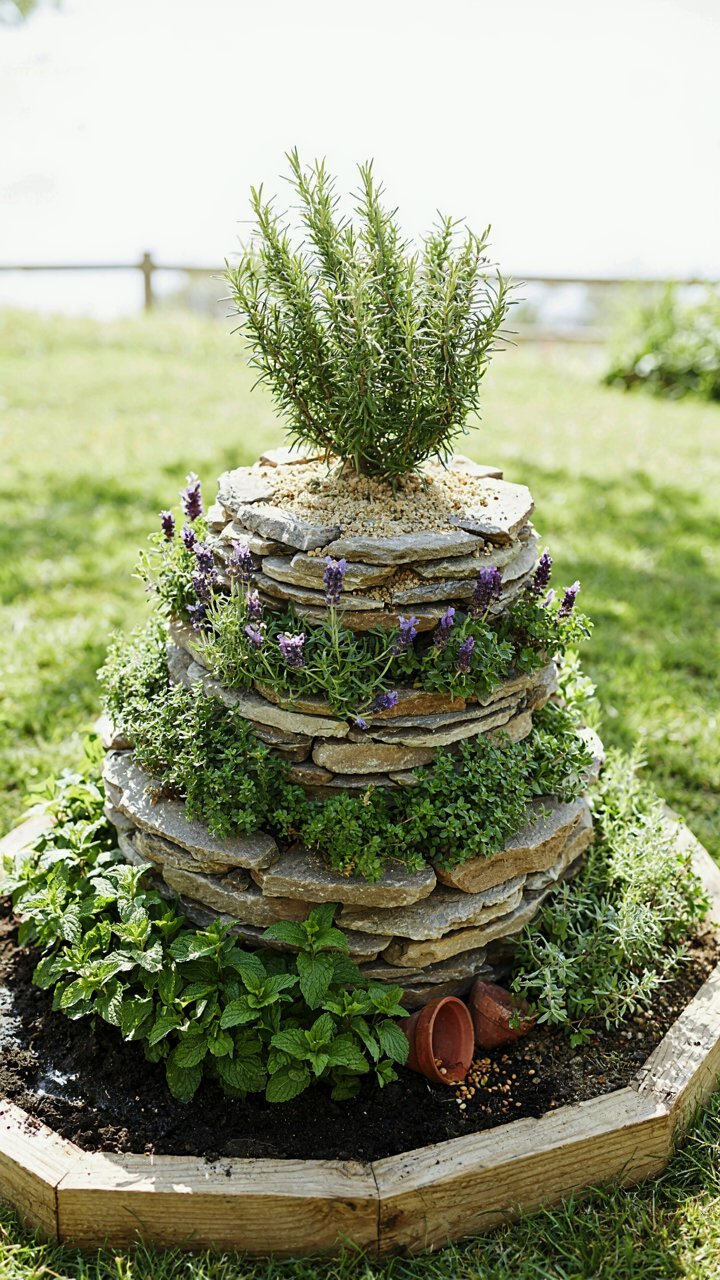
You want a spiral garden because you think it looks cool. That’s not the real reason it works. A spiral garden functions as a thermal and drainage gradient—stealing directly from landscape architecture’s principle of slope management. Each tier sits at a different elevation, so water drains downward and heat accumulates differently at each level. This isn’t decoration. It’s applied physics.
The base of a spiral stays cooler and wetter. Perfect for mint, parsley, and chives. The middle tiers dry faster and warm quicker. The top gets the most sun exposure and least water retention. You’re not planting randomly into zones. You’re mapping water and heat vectors onto elevation and then placing herbs into their optimal conditions. Most people build spirals and ignore this entirely, then wonder why half their plants die.
Plant Timing And Space Stacking
Everyone says spiral gardens save space. They do. But they save space through a mechanism most gardeners miss: vertical stacking lets you succession plant without replacing soil or waiting for bed turnaround. Bury your fast growers at the top tier where they’ll mature in weeks. Mid-tier herbs get medium-term rotation. The base holds perennials that persist across seasons.
You harvest from the top layers first. As those plants decline, you refill those spots with the next crop. This keeps your spiral producing across an entire season instead of peaking once and flattening. The spiral’s shape forces you to think in layers, not rows. Layer thinking creates natural succession timing. Plant basil at the summit in early summer. By late summer when it’s done, your oregano at mid-tier is established and taking over visual real estate.
Beyond Basil: Strategic Placement For Chamomile Growing & Specialized Herbs
When Sunlight Becomes A Constraint
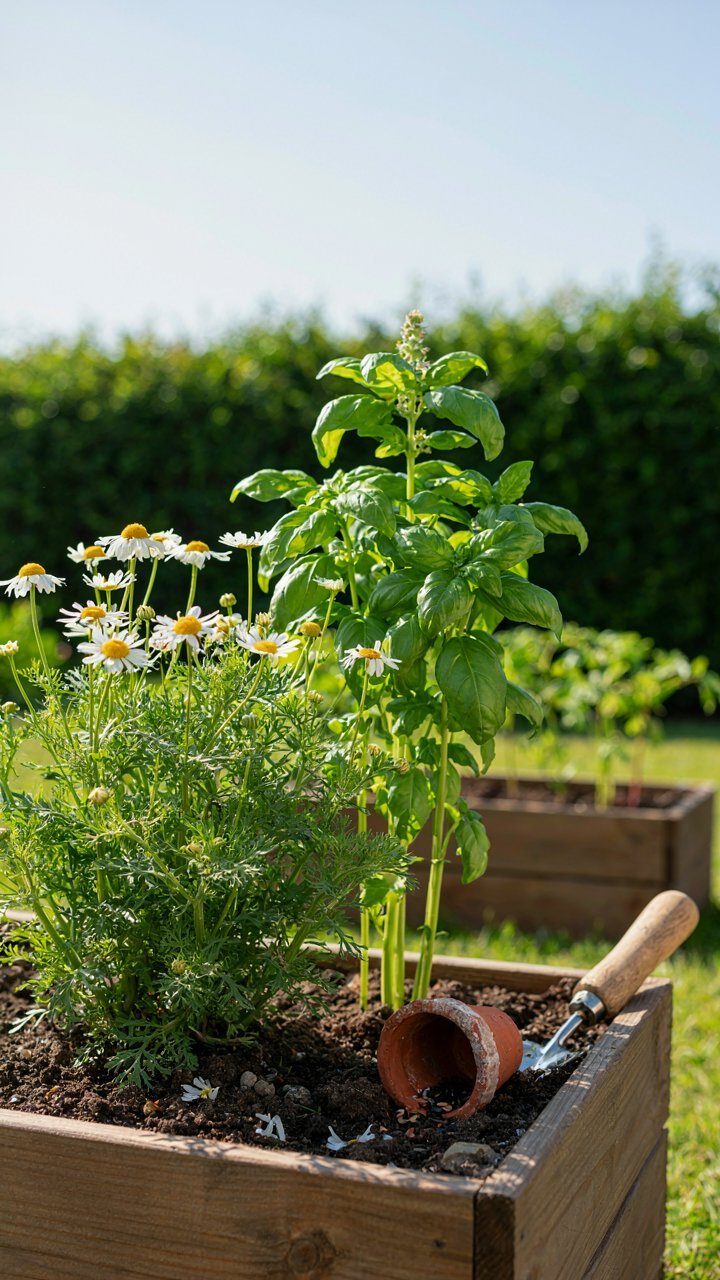
You want chamomile to thrive because you’ve heard it’s easy, but the real issue is you’re placing it where basil lives and expecting identical results. Here’s the mechanism: chamomile operates on partial shade tolerance that basil simply doesn’t have. Chamomile grows in meadows where it receives dappled light through taller grasses, not full sun. Plant it in 4-6 hours of direct light, not the 8+ that basil demands. Morning sun with afternoon protection works best. In hot climates, this shift prevents flowering delays and reduces water stress that makes the plant vulnerable to powdery mildew.
Your water schedule needs to flip too. Chamomile prefers drier soil than basil between waterings. Overwatering causes root rot faster than underwatering causes drought stress. The drainage matters more than frequency. Use a gritty soil mix with perlite or sand to prevent moisture accumulation. Check soil moisture by pressing your finger two inches down. Water only when that layer feels dry. This one change eliminates most chamomile failures in herb gardens.
Growing Problem Herbs With Protective Neighbors
The conventional advice says companion planting prevents pests, but that’s incomplete. It’s really about creating microclimates and reducing competition for the specific resources a difficult herb needs. Tarragon, for example, attracts spider mites in isolation because it dries out faster than surrounding plants. Place drought-tolerant neighbors like thyme or oregano nearby. They don’t compete for water and they shade the soil, which slows evaporation. This is the principle of ecological buffering: using friendly species to dampen the environmental swings that stress vulnerable plants.
Mint requires the opposite strategy. It spreads aggressively and exhausts nitrogen in surrounding soil. Container mint within the garden perimeter solves this. If you insist on in-ground mint, plant it with chives or garlic, which tolerate nitrogen depletion and actually benefit from mint’s vigor. Dill, which bolts under stress, grows steadier next to cilantro because cilantro’s shallow roots leave deep soil undisturbed for dill’s taproot. Match problematic herbs to neighbors with different root depths and water needs, then monitor soil nutrients monthly to prevent secondary deficiencies.
Automation & Efficiency: The Future Of Herb Garden Ideas
Smart Irrigation Removes The Guessing Game
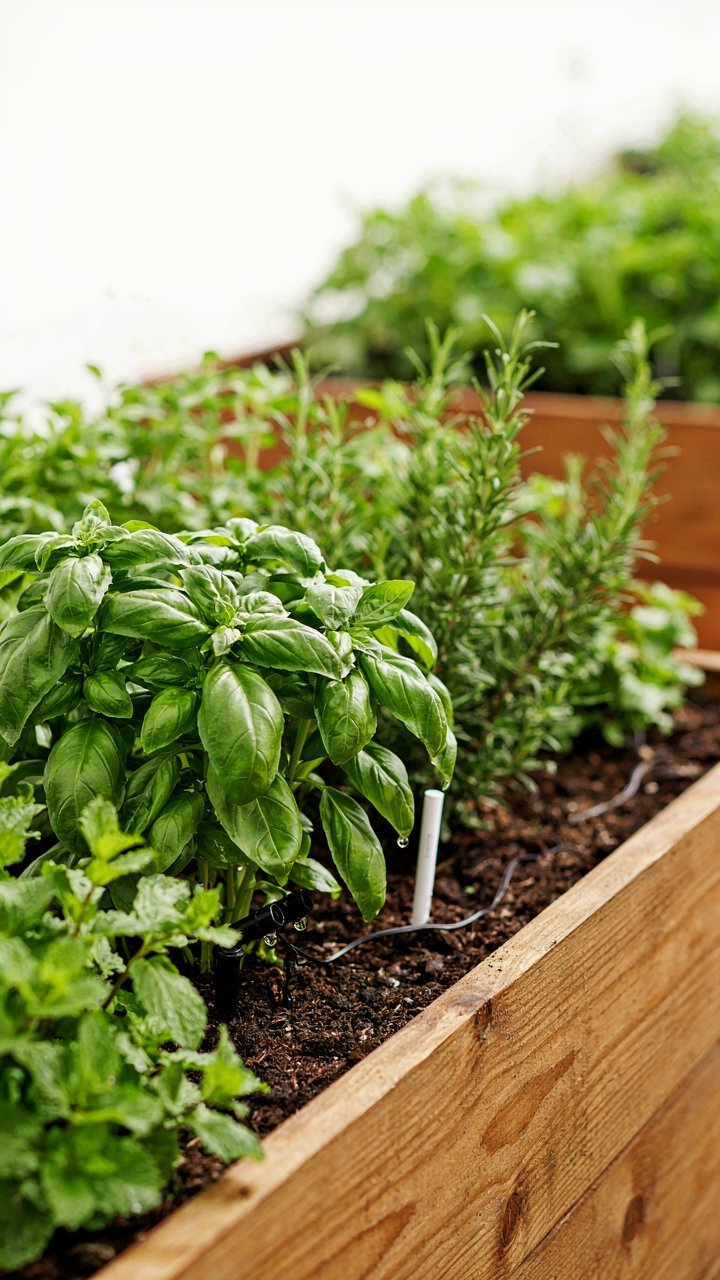
You want automation because you’re afraid you’ll kill your plants through neglect or forget watering exists. The real mechanism is this: soil moisture sensors give you data instead of intuition, and drip systems deliver water directly to roots, cutting waste by 50% compared to overhead watering. This is borrowed from agricultural engineering, which treats water delivery as a precision problem, not an art form.
Most gardeners run irrigation on timers alone, which wastes water during rain and underwatering during heat waves. Smart systems measure soil moisture in real time and adjust frequency accordingly. Drip lines eliminate runoff and foliar diseases caused by wet leaves. Install a sensor every three to four plants in distinct microclimates, then connect to a controller that opens and closes valves based on actual soil conditions, not calendar dates.
Low Maintenance Design Cuts Labor Without Cutting Yield
The common advice says “choose drought tolerant herbs and you’re done.” Wrong. Low maintenance design is about reducing decision frequency, not just picking tough plants. Perennial herbs like rosemary, thyme, and oregano regrow yearly without replanting. Annuals like basil demand replanting. By clustering perennials in one zone and annuals in another, you eliminate the cognitive load of remembering which plants need what.
Raised beds with quality soil amendment reduce weeding by 70% because you control what goes in. Mulch suppresses weeds and retains moisture without daily monitoring. The protocol: design beds by plant lifespan, mulch all zones within two weeks of planting, and set a quarterly soil check instead of weekly maintenance rounds. This shifts you from constant management to scheduled audits.
The Minimalist Herb Garden Layout: Do More With Less
Pick The Herbs That Actually Work
You want to feel productive without the work. That’s the real reason you’re reading this. The mechanism is simple: most herb gardeners grow what looks good in magazines, not what they actually use. You end up with dead cilantro and forgotten tarragon while basil overgrows everything.
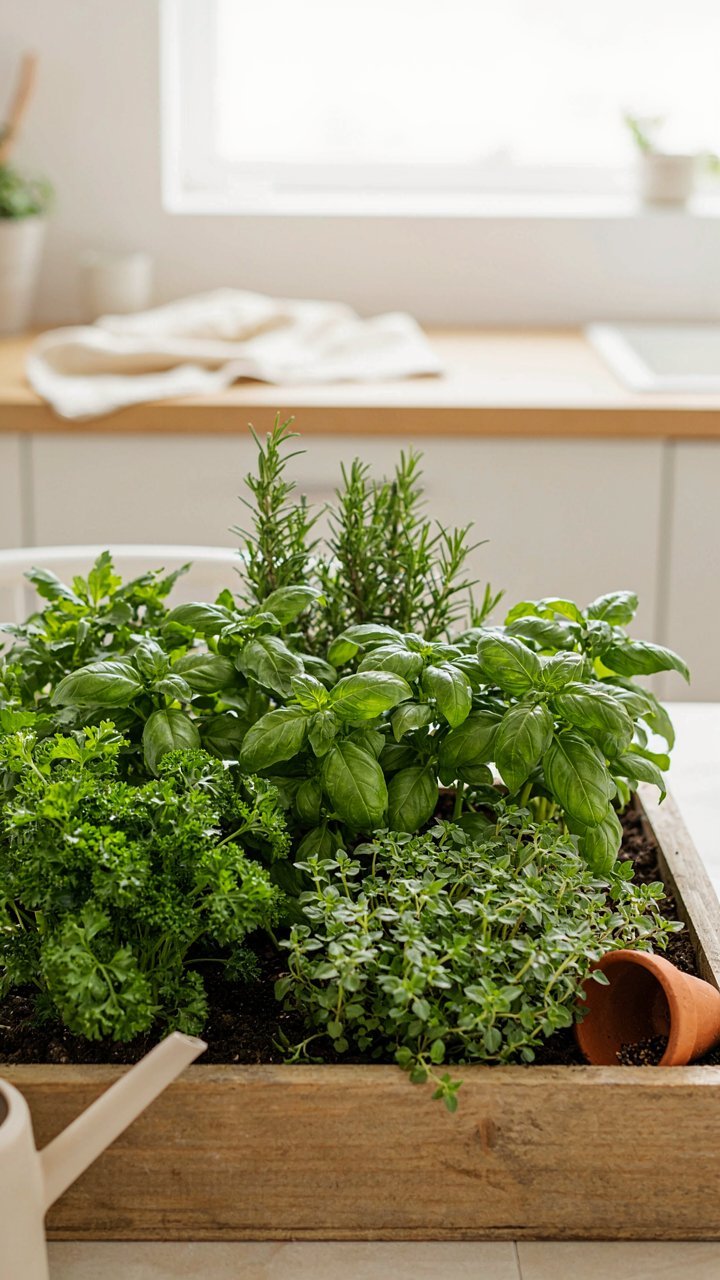
Start with herbs you cook with weekly. Basil, thyme, rosemary, and parsley cover 80 percent of culinary needs across most cuisines. These plants are also forgiving. They tolerate poor soil, skip waterings, and produce prolifically. Mint stands alone because it spreads aggressively, so isolate it in a container. Your layout expands only after you prove you’ll harvest what grows.
The Economics Of Garden Footprint
Economics teaches scarcity and efficiency. Apply that principle directly: treat your garden space as a fixed budget and each plant as a cost against output. This cuts through the fantasy that more plants equal a better garden.
A three-by-four-foot bed produces more usable herbs than a sprawling ten-by-ten layout if you eliminate waste. Dense spacing (not crowded, dense) means faster canopy coverage, which shades out weeds. Tall perennials like rosemary and thyme occupy vertical space without consuming square footage. Annuals like basil go in front, where they get full sun and don’t shade slower growers. This arrangement demands you harvest regularly, which accelerates growth through apical dominance. One focused bed beats three neglected ones. Prune ruthlessly each week, and your layout sustains itself.
The Real Obstacle Isn’t Your Layout; It’s Your Inability To See Beyond Aesthetics

Most people design herb gardens like they’re decorating Instagram. They chase pretty arrangements and forget that herbs exist to solve problems. Your layout means nothing if you can’t reach what you need or if half your plants die from neglect. Stop optimizing for photos. Walk outside today and plant one herb you actually use in cooking. Put it where you walk past it every single day. That’s the only layout rule that matters.