
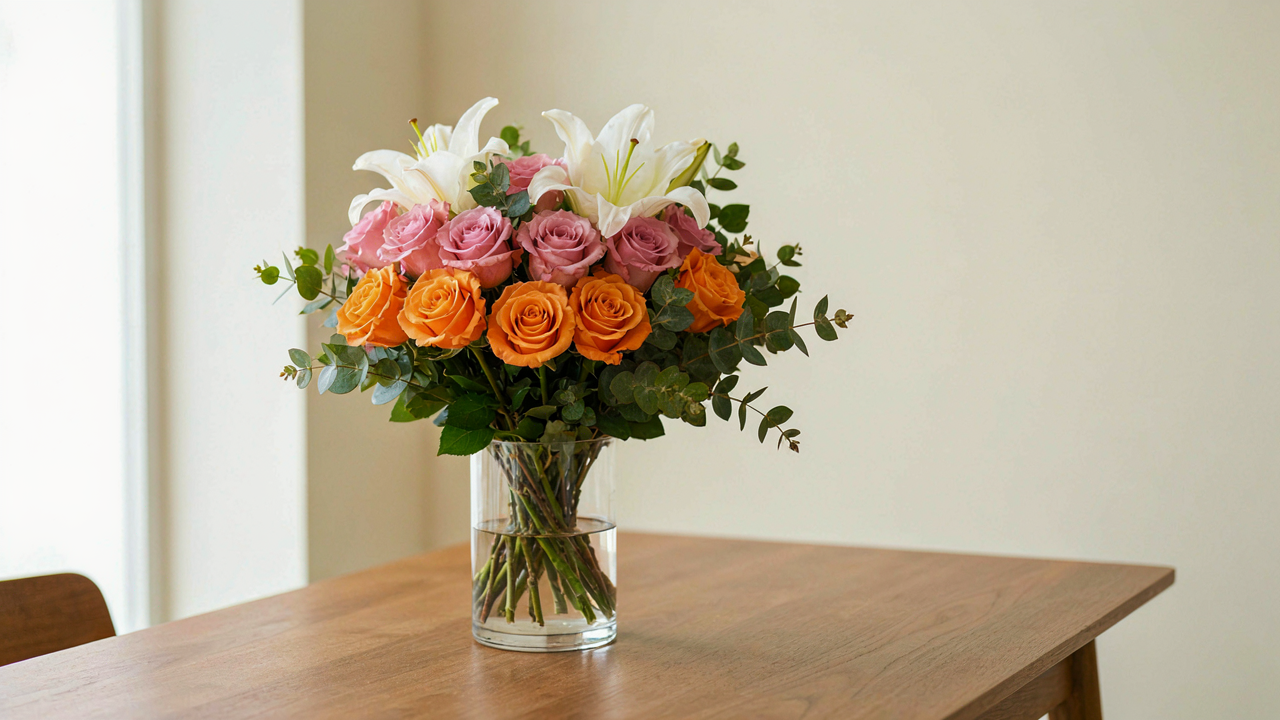
The Unspoken Value Proposition Of Flower Subscription Service
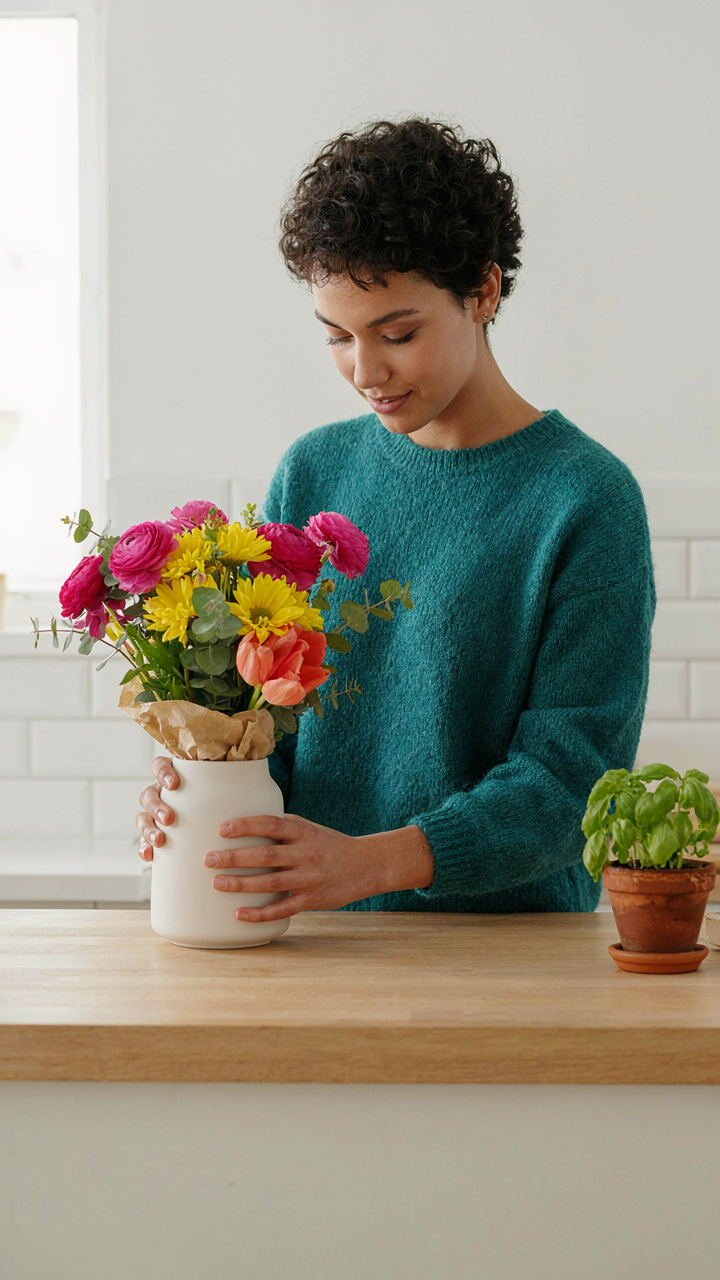
Why People Actually Buy Recurring Flowers
You care about this because flowers signal that your life is intentional, not neglected. The real mechanism: a subscription creates visible proof of consistency. You’re not the person who forgets to buy flowers. You’re the person flowers arrive for, every week or month, without effort. This mirrors status signaling in economics, where recurring purchases communicate wealth and taste more effectively than one-time spending. The subscription model weaponizes frequency as a status marker.
The payoff isn’t the flowers themselves. It’s the narrative they tell about your household. Fresh flowers on a table every seven days means you have standards, attention to detail, and the disposable income to maintain it. This works in home environments and professional spaces. Colleagues notice. Guests notice. Your own brain notices each time you see them. The subscription removes the friction that kills the signal—you never miss a delivery cycle, so the status marker never lapses.
How Curated Beauty Stabilizes Your Nervous System
Everyone peddles the tired “flowers make you happy” angle. Wrong. The real mechanism is regulation through environmental design. Neurobiology shows that novelty paired with natural elements reduces cortisol and activates the parasympathetic nervous system. Flower subscriptions weaponize this by delivering controlled novelty. You don’t choose the arrangement. You receive it. This removes decision fatigue, which is the tax that drains your nervous system daily.
The curation matters more than the flowers. A subscription service filters out the cognitive load of selection, color matching, and vase decisions. You unbox an arrangement someone trained selected for seasonal color theory and structural balance. Your brain processes beauty without processing choice. This happens every delivery cycle, creating a predictable rhythm your nervous system adapts to and anticipates. The subscription transforms flowers from a random purchase into a rhythm that your body learns to rely on.
Deconstructing The “Convenience” Myth Of Flower Subscription

What You’re Really Paying For
You think convenience means lower total cost. It doesn’t. The subscription model works because it hides expenses across months so you never see the real number. Most flower subscriptions charge between $35 and $70 monthly, but the actual cost per arrangement runs 40 to 60 percent higher than buying the same flowers from a local florist once. Delivery fees, subscription markup, and seasonal scarcity pricing stack on top of the base fee. The convenience tax is real and substantial.
Beyond the monthly charge, you pay for water treatments and vases if you don’t already own them. Many services charge separately for upgrades like premium flower selection or larger arrangements. If you skip a month, you often lose that month’s value instead of rolling it forward. Cancellation fees hide in the terms. You’ve traded a single transaction you control for recurring charges you’ve stopped noticing, which is the entire point of subscription design.
Maintenance Becomes Hidden Labor
Display work requires time most people underestimate. Like the economics principle of opportunity cost, every hour spent trimming stems and changing water is an hour spent not doing something else that matters to you. Flowers need fresh water every two days. Stems need cutting at forty-five degree angles. Dead petals must be removed to prevent bacterial spread. Vases need cleaning between deliveries to avoid cloudiness and odor. This isn’t passive decoration.
The physical space demand also increases without notice. Fresh flowers require room away from direct sunlight, heat sources, and ripening fruit. You need counter or table space dedicated to a vase. If you live in a small apartment or your home lacks ideal conditions, the flowers deteriorate faster, wasting the money you already spent. The subscription arrives on schedule regardless of whether you have the capacity to maintain it properly that week.
The OODA Loop Of Flower Subscription Boxes
Observe Your Aesthetic Needs And Desired Impact
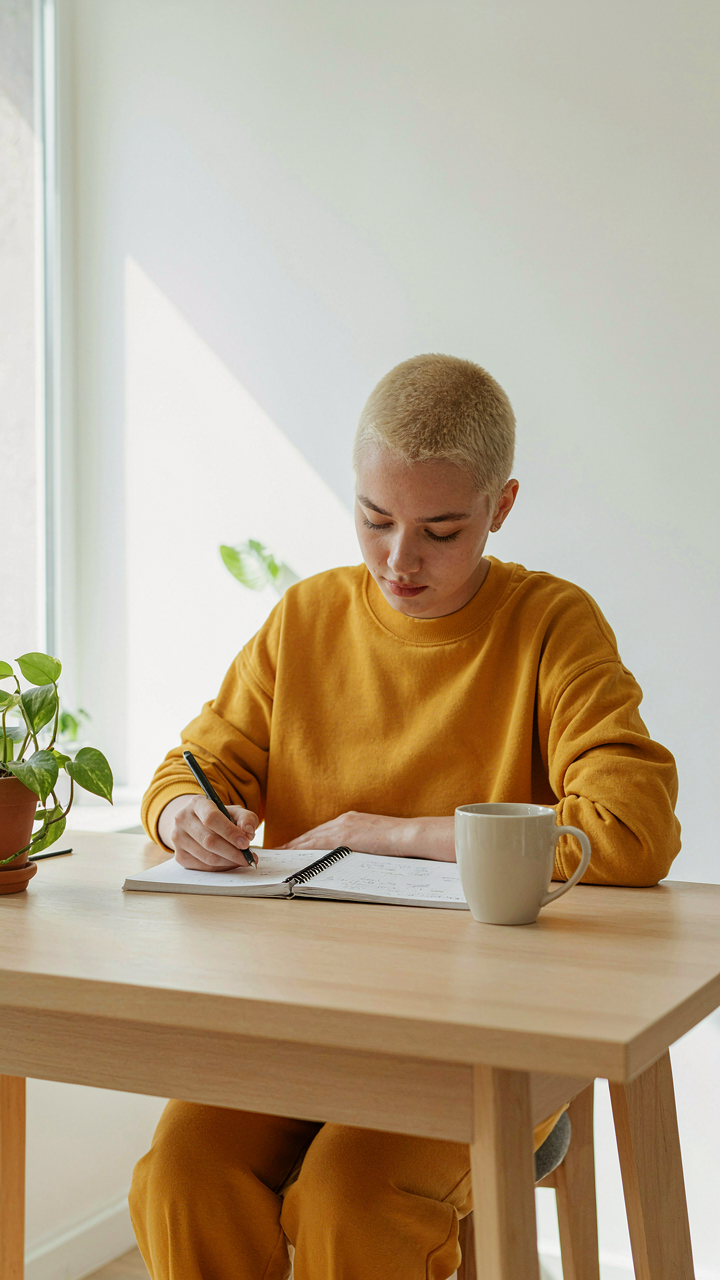
You’re reading this because you want to look like someone who thinks systematically about flowers, not someone who buys them panic-stricken at the gas station. The mechanism is simple: you don’t know what you actually want until you name what you’re trying to signal. Are you solving a problem (recurring fresh flowers for a desk) or buying status (premium arrangements that say something about your taste)? The distinction matters because it determines every decision after this one. Spend fifteen minutes writing down why flowers matter to you right now. Not generically. Specifically. What room do they sit in? Who sees them? What emotion should they trigger?
Most people skip this step and wonder why their subscription feels like a tax. You’re not choosing flowers. You’re choosing the version of yourself flowers will communicate to others and to you. The frequency, color palette, and vessel type all flow from this single observation. If you’re decorating a corporate office, arrangements should stay structured and last long. If you’re using them for a rotating gallery in your home, you can chase trends and experiment. This distinction shapes whether you need commercial-grade conditioning or artistic variety. Write it down. It becomes your filter for every provider decision ahead.
Orient To Provider Options Via Military OODA Loop
Military strategists call this the OODA loop: Observe, Orient, Decide, Act. Flower subscription selection mirrors this exactly. You observe your needs (step one), then orient by researching provider models, delivery schedules, and price structures before committing. Most people skip orientation and jump straight to deciding, which is why they cancel after two shipments. The real mechanism is this: providers have built different business models for different customer types, and picking the wrong model breaks the relationship immediately, not gradually.
Your orientation phase should map three variables: delivery cadence (weekly, bi-weekly, monthly), arrangement complexity (simple stems versus full designs), and price per delivery. Then cross-reference these against what you actually wrote down in the observation phase. A provider offering premium monthly arrangements won’t work if you need fresh flowers weekly. A service built for event designers won’t work if you just want living color on your nightstand. Orientation tells you which provider types even exist and which ones match your stated need. This prevents wasted trials and decision paralysis. Once you’ve oriented to the actual options available, deciding becomes mechanical.
How To Subscribe To Flower Delivery: The Vetting Protocol
Where Your Flowers Actually Come From
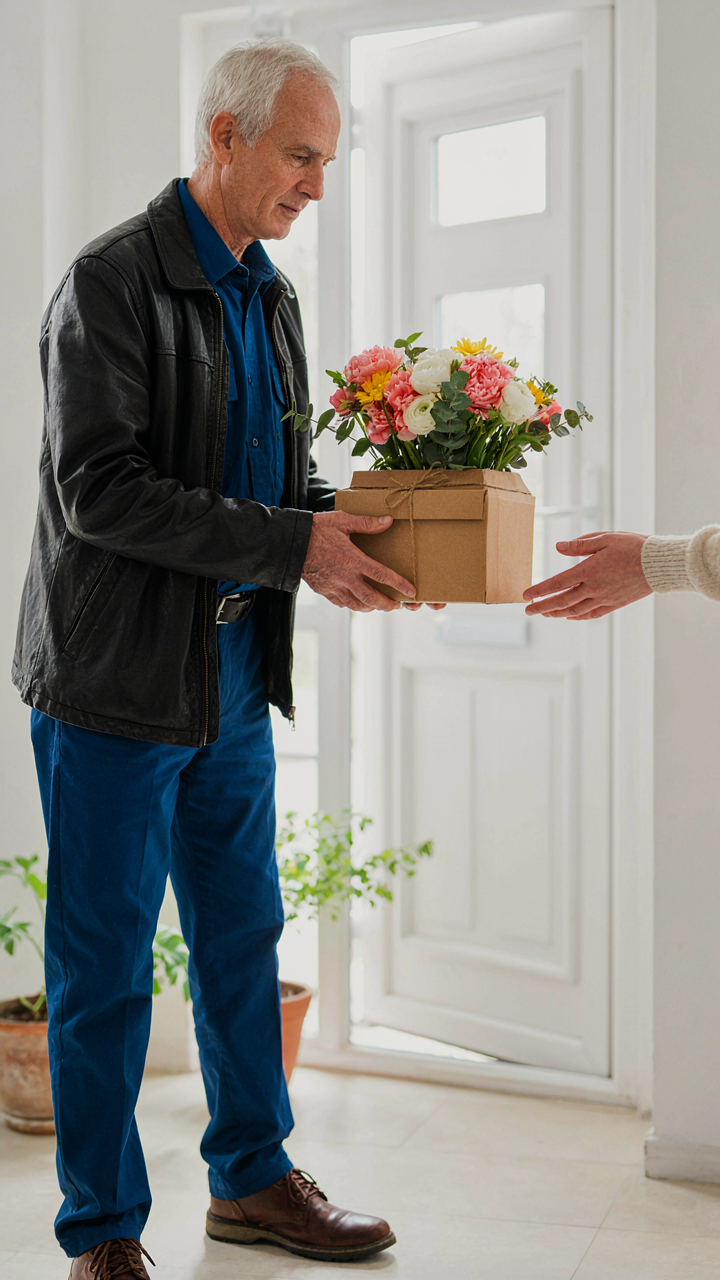
You want to believe the bouquet arrived fresh that morning. That’s the fear driving this section: you’re paying premium prices and receiving mediocre product. Transparency about sourcing works like supply chain economics—the fewer intermediaries between grower and your door, the fresher the flowers and the better the margin allocation. Most boxes hide this on purpose.
Ask the provider directly where flowers originate. Domestic growers ship faster than international imports, which spend days in transit and cold storage before reaching you. Request specifics: Which farms? What percentage of their inventory comes from their own operations versus bulk wholesalers? A company confident in quality answers these questions without friction. If they deflect or claim “seasonal sourcing” without detail, you’re buying from a middleman reselling commodity flowers.
Escape Clauses Matter More Than Price
The real cost of a flower subscription isn’t the weekly charge—it’s the friction required to cancel. Most providers embed cancellation rules in terms of service nobody reads, which is intentional. Flexibility isn’t a nice feature; it’s the mechanism that lets you exit when the service stops delivering value, without penalty.
Check three specific policies before subscribing: Can you pause without losing your subscription? How many days notice do you need to cancel? Will they charge you for a week you don’t want? Some boxes require 7-day notice; others force a full month. Read the cancellation process itself—some require email to a specific address or a phone call during business hours. The easier the cancellation, the more confident the company is in retention through quality, not friction.
Beyond Generic: Curating Unique Flower Subscription Ideas
The Real Trade Off Between Local And Scaled
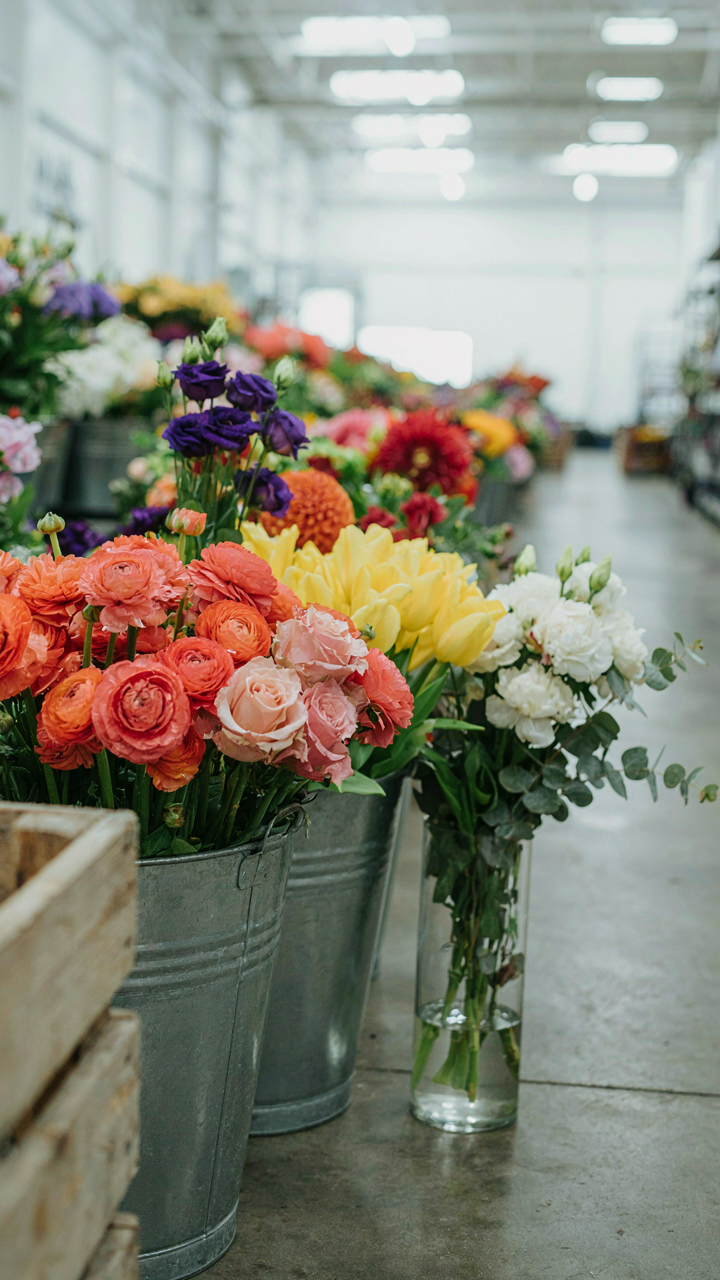
You want to believe a small florist can deliver the same consistency as a national operator. They can’t, and that gap costs you money or time every month. The mechanism here borrows from supply chain economics: inventory risk scales inversely with operator size. A niche florist holds dead stock. A mass-market provider distributes that risk across hundreds of subscribers and geographic zones.
Niche florists win on one dimension only: sourcing specificity. They’ll chase rare varietals, work with local growers, and skip the commodity flowers entirely. Mass-market providers source from consolidated distributors, cut costs, and guarantee availability. Pick based on what you’re actually paying for. If you want reliability and predictable quality week to week, scale matters. If you want obscure blooms and a relationship with a person, accept inconsistency as the trade.
Bloom Calendars Beat Surprise
The common advice says “year-round subscriptions keep your space fresh.” That ignores how plants actually work. Seasonal specialization lets subscribers align with what grows well in each quarter, not force tropical blooms through a cold snap or pay premiums for out-of-season imports. Here’s what specialized approaches actually deliver:
- Spring (March-May): Tulips, hyacinths, peonies, ranunculus. Peak domestic supply drives down cost and extends vase life. Growers harvest at peak ripeness.
- Summer (June-August): Sunflowers, zinnias, dahlias, garden roses. Heat-tolerant varieties dominate. Subscription boxes often include volume discounts from oversupply.
- Fall (September-November): Chrysanthemums, celosia, hypericum berries, dried grasses. Harvest transitions support natural color palettes without forced dyes.
- Winter (December-February): Amaryllis, hellebores, spray roses, evergreen foliage. Limited blooms increase foliage percentage, reducing per-stem cost while maintaining visual density.
- Year-Round Hybrids: Services that shift 60% of offerings seasonally but maintain 40% consistency. Subscribers get predictability without monotony. Most premium subscriptions operate this model.
Year-round subscriptions charge a seasonal premium you don’t see labeled. They import what doesn’t grow locally, eat the transportation cost, and pass it to you. Seasonal specialization forces the provider to plan sourcing four months ahead. That planning discipline either saves you money or funds better quality within your price bracket. Choose based on whether you value novelty or economics.
The Underestimated Art Of Flower Care For Longevity
What You Do In The First Hour Matters Most
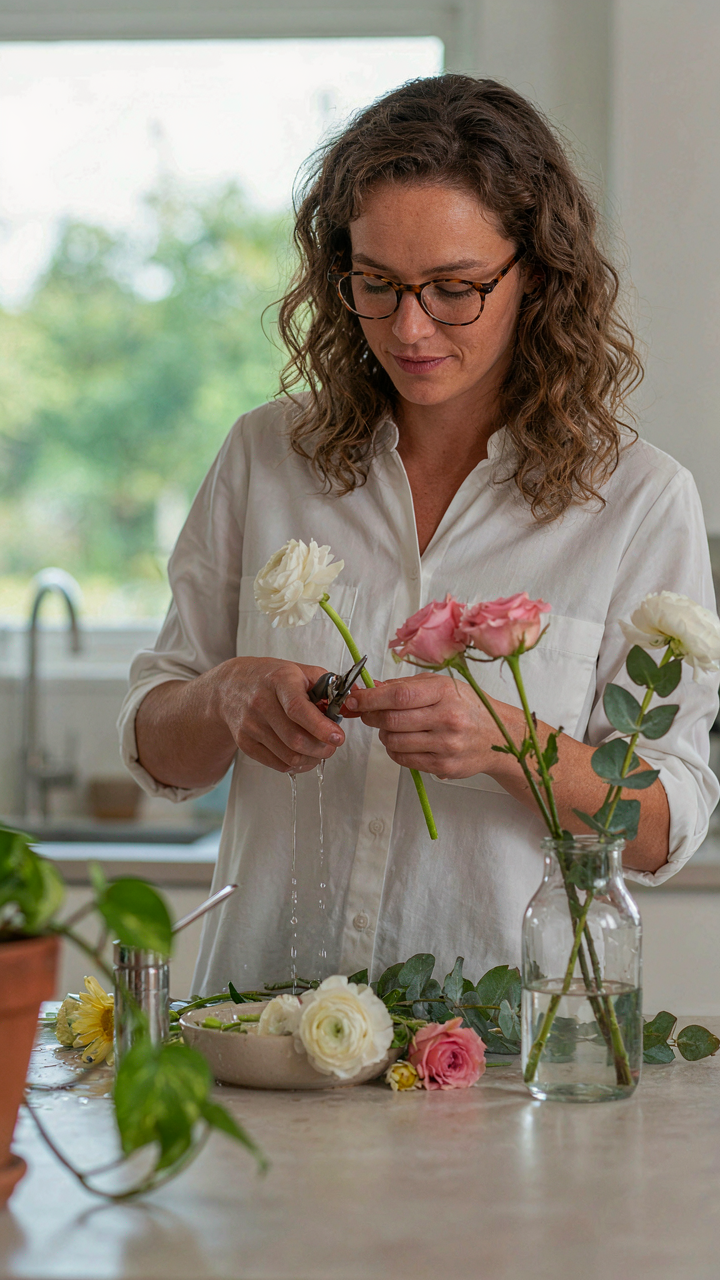
You care about this section because flowers die on your watch and that feels like failure. The mechanism is simple: the moment flowers leave the farm, they enter water debt. They’ve been cut, so their vascular system starts pulling air instead of water. The first sixty minutes determine whether you reverse this or accelerate the damage.
When your box arrives, unpack immediately and cut the stems at a forty-five degree angle under running water. Remove all foliage below the waterline, then place stems in room-temperature water mixed with the food packet included in your box. That packet contains sugars and biocides. The sugar feeds the flower, the biocide kills bacteria that clogs the vascular channels. Skip this protocol and you’re running on borrowed time.
Environment Controls How Long They Actually Last
Temperature and humidity are borrowed concepts from agriculture. Think of them as your supply chain for water movement. Flowers lose moisture through their petals, and warm dry air accelerates that loss. The common advice says “keep them cool,” but that’s incomplete. Cool matters less than stable. Flowers handle fifty-eight degrees as well as sixty-five degrees. They don’t handle swings from sixty to seventy-five in a single day.
Place your vase away from direct sunlight, heating vents, ripening fruit, and gas stoves. All four actively dehydrate flowers or release ethylene, which triggers premature senescence. Change the water every two days and recut the stems by a quarter inch each time. This simple action keeps the water-absorbing channels open. The vase itself must be clean, because bacteria regrows in old water and clogs the stems all over again.
Decoding Flower Delivery Packaging: A Durability Index
How Packaging Materials Actually Work
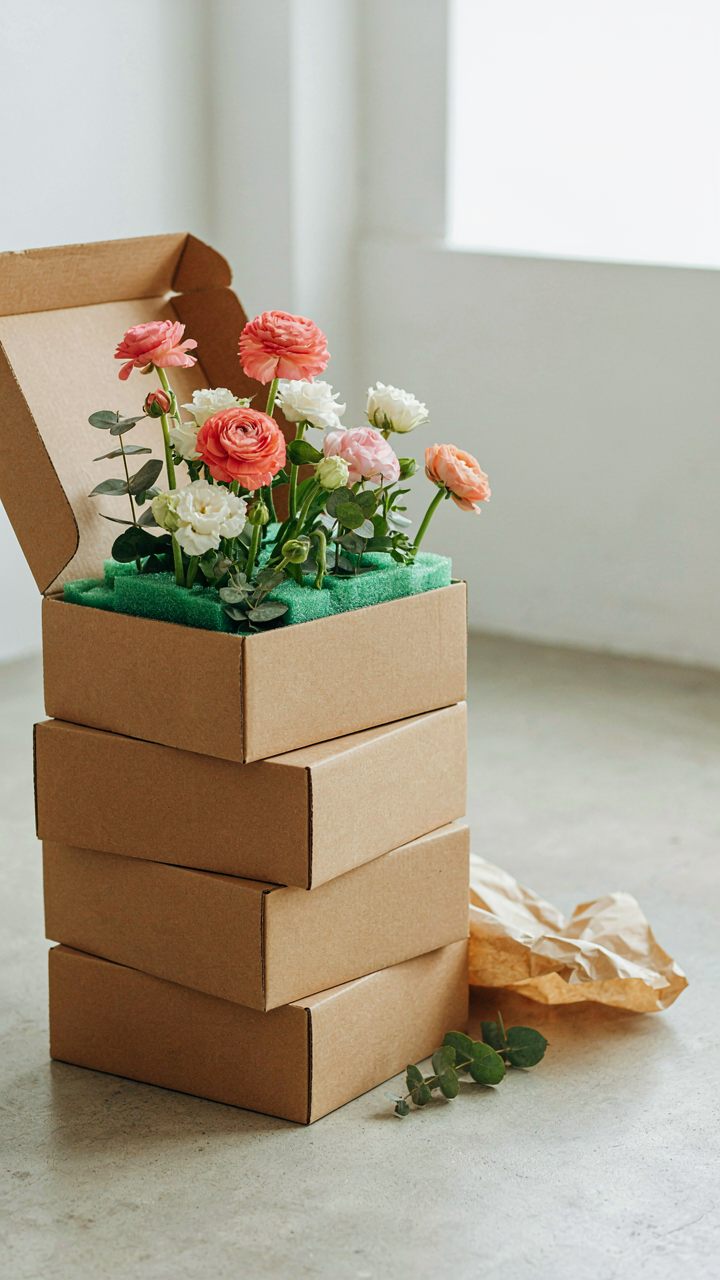
You care about this because dead flowers feel like a personal failure, even though the real culprit sits in a warehouse. Material science applies shock absorption theory to packaging design: florists use materials to manage force distribution, the same principle that protects aircraft cargo. Kraft paper, water-absorbent floral foam, and corrugated cardboard aren’t chosen for aesthetics—they’re chosen because they redirect and absorb impact energy before it reaches stems and petals.
Most packaging talk focuses on what looks good online. The mechanism nobody mentions: density matters more than thickness. A thin layer of dense foam stops damage better than thick, cheap bubble wrap. Water retention capability determines how long blooms survive transit. Florists select materials based on expected transit time, seasonal temperature swings, and whether the box will sit in direct sunlight or truck beds. The subscription box you receive has already been engineered around failure points that occurred in previous shipments.
Bloom Condition From Box To Vase
Packaging directly determines presentation integrity on arrival. Here’s what separates working boxes from boxes that fail the moment you open them.
- Moisture barrier layers: Double-wall corrugated cardboard with wax coating prevents water seepage into outer layers while internal floral foam maintains stem hydration throughout transit.
- Ventilation design: Strategic perforations allow air circulation without creating temperature swings that dehydrate petals or encourage mold in humid conditions.
- Protective column structure: Tall boxes with reinforced corners reduce lateral movement during transport, preventing stems from snapping against walls during acceleration and braking.
- Foam placement geometry: Floral foam positioned in rectangular grids rather than loose chunks keeps each stem isolated and prevents collision damage between flowers.
- Sealed water reservoirs: Tubes or packets containing water gel maintain hydration for 48-72 hours without leaking into packaging materials during rough handling.
When flowers arrive bruised or wilted despite good packing, the failure point wasn’t the materials—it was the timing. Boxes held in sorting facilities or delivery trucks for extended periods exhaust water reserves and allow ethylene gas buildup inside sealed containers. Quality subscription services use seasonal carriers and adjust packaging density based on whether shipments move through heated hubs in summer or frozen zones in winter. The durability index isn’t a rating; it’s a calculation of how long materials can sustain bloom life under the actual conditions the box will face during that specific delivery window.
The Economic Arbitrage Of Flower Subscriptions

What You Actually Pay Per Stem
You’re drawn to this section because you suspect you’re overpaying somewhere, and you want proof you’re not the sucker in the room. The arbitrage works like this: subscription boxes exploit information asymmetry between retail florists and bulk wholesalers, then pass fractional savings to you while keeping their margin.
A grocery store florist charges $2 to $4 per stem for standard roses. A subscription service pays $0.30 to $0.60 per stem from wholesalers, arranges them cheaply, and charges you $35 to $50 monthly for 10 to 15 stems. Your effective cost per stem drops to $2.33 to $5 depending on quantity and service tier. The math favors subscriptions only if you’d otherwise buy flowers weekly.
The Hidden Cost Of Making Arrangements Yourself
Common advice says DIY arrangements save money. This misses the real cost entirely. Economics calls this “opportunity cost” – the value of what you give up to do something else. Every hour spent gathering supplies, conditioning stems, and arranging flowers is an hour you don’t spend on revenue-generating work or higher-leverage tasks.
If you earn $50 per hour, a two-hour arrangement project costs you $100 in forgone income, not $15 in flowers. Subscription services price this labor into their model and eliminate the decision friction. You receive arranged flowers on schedule without negotiating your time away. The subscription pays for itself the moment you’d otherwise hand-arrange more than twice monthly.
Avoiding The Common Pitfalls Of A Bad Flower Subscription
When Quality Becomes Predictably Worse
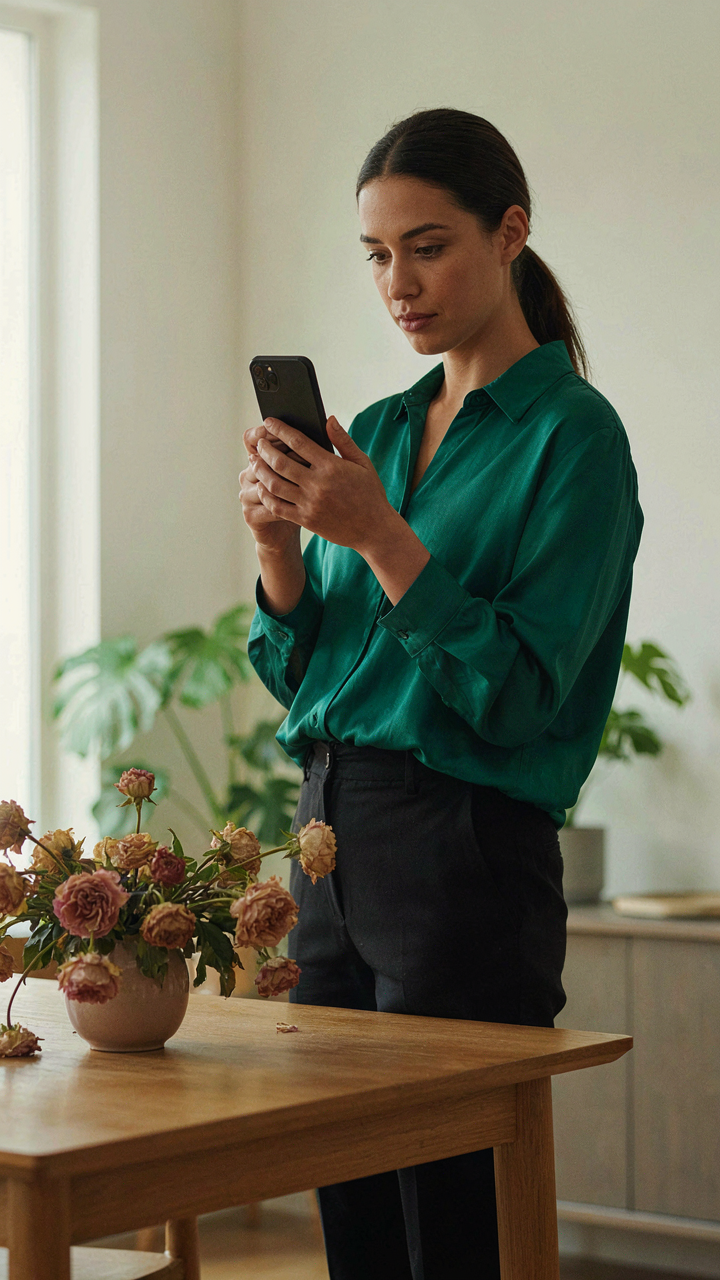
You’re worried you’re paying for something that doesn’t exist yet. That fear is rational because most subscription services use what economists call “adverse selection” to manage their margins. Here’s the mechanism: the company locks you in at a price, then systematically reduces cost per arrangement by thinning stem count, cutting stems shorter, or sourcing flowers further down the freshness curve. You don’t notice week one. By week four, you notice everything.
The real tell isn’t one bad delivery. It’s the pattern. Wilting within two days instead of five. Flowers arriving already browning at the edges. Stems so short they barely fit a vase. Filler greenery substituted for actual flowers to pad volume. These aren’t accidents. They’re cost controls wearing a subscription mask. Track your arrangements in a photo log for three weeks. You’ll see the degradation arc instantly.
Speaking Up Actually Works
Forget the generic advice about “communicating with your provider.” That’s incomplete. Subscription boxes treat complaints in tiers. Your first issue gets a full replacement because they still believe you’re profitable long-term. Your third issue gets a credit. Your fifth gets ignored because the math says you’re high-maintenance. The mechanism is simple: they segment based on complaint frequency, not legitimacy.
Document everything with photos and dates before you contact them. Send one complaint per issue, not a rant listing five problems at once. Include the photo and specific details: “Roses arrived on March 15th, wilted by March 17th, stems were two inches.” This tells them you’re tracking their output, which changes their response. Follow up with cancellation intent if they don’t resolve it within one cycle. They offer discounts to retain subscribers who actually leave.
The Self-Imposed Aesthetic Discipline: Your True Flower Subscription Payoff
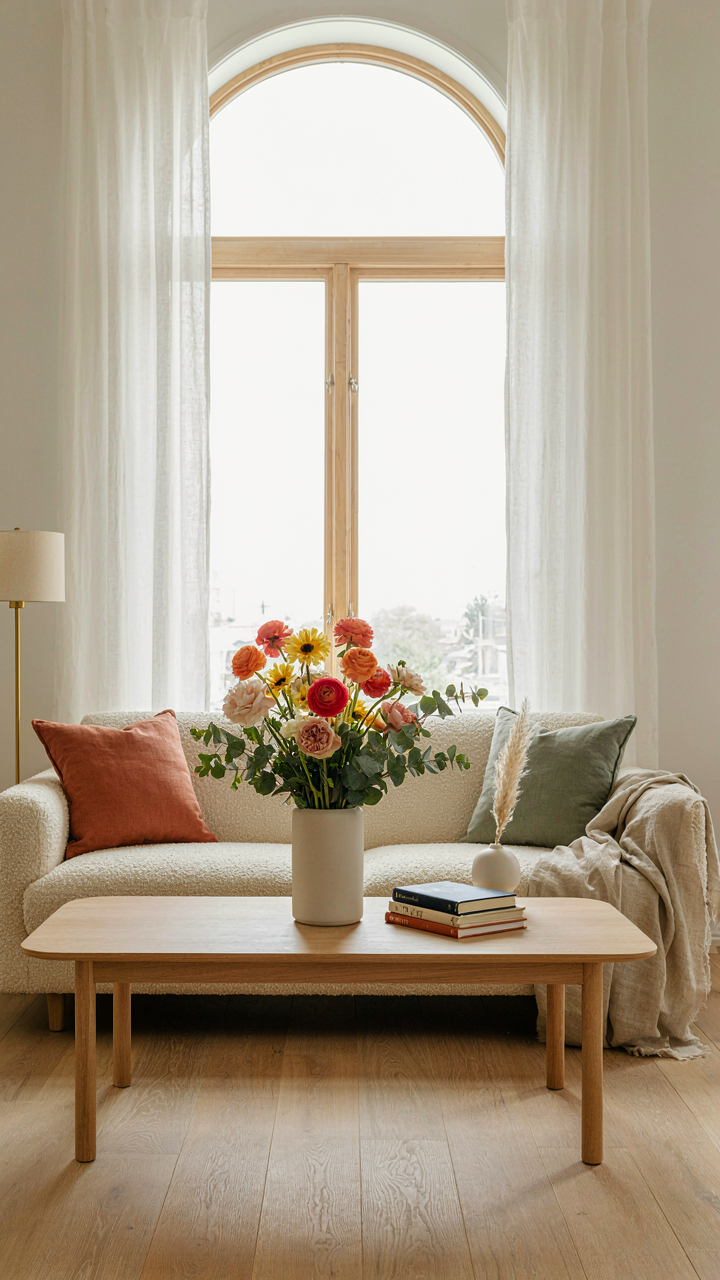
The real game of a flower subscription isn’t the flowers. It’s the forced decision to care about something alive in your space every single week. That friction builds taste. That discipline builds identity. Pick one box today, commit to it for three months, and watch what changes in how you see your environment. Your surroundings shape you far more than you shape them.



