

The Illusion Of Stylish Gardening Tools: Why Most Get It Wrong

Cheap Shears Won’t Save Your Image
You want people to notice your pruners and think you have taste. That’s the real reason you clicked this. The mechanism is simple: cheap shears fail visibly. They jam mid-cut, rust within months, and force you to use pliers to open them. Everyone watching sees struggle, not sophistication. Flimsy blades bend on woody stems. Plastic handles crack in sun. These aren’t minor inconveniences. They broadcast incompetence to anyone observing your garden work.
Trendy shears designed purely for Instagram aesthetics commit a different crime. They prioritize handle color and curved lines over blade geometry and material durability. A beautiful pruner that can’t cut a half-inch branch cleanly is a prop, not a tool. Function doesn’t exist separate from beauty. It is beauty. A pruner that performs its job precisely looks better because it works.
Form Follows Failure
The old design maxim says form follows function. That’s incomplete. In tool design, form masks or reveals failure. Ergonomics aren’t decoration—they’re the entire basis of how a tool looks and feels in your hand. A handle designed for grip distributes pressure across your palm. A poorly angled handle concentrates stress on your thumb joint and looks awkward because it is awkward. When a pruner cuts cleanly, your hand position stays neutral. When it doesn’t, you compensate by rotating your wrist—and observers notice the compensation before they notice the tool.
The aesthetics of an essential hand pruner stem directly from material choice and engineering constraint. Stainless steel or high-carbon steel reflects light differently than cheap alloy. Wood handles develop a patina over years, signaling authenticity through time-worn evidence, not intention. A pruner that lasts twenty years becomes a character piece. A trendy one becomes junk. Buy for longevity, and style follows as a consequence, not a goal.
The “Precision Cut” Protocol: Elevating Your Essential Hand Pruners Game

Sharpening As Your Operating System
You want to believe a quality pruner works forever. It doesn’t. The mechanism is metallurgy: steel dulls under repeated friction against plant material. A dull blade crushes tissue instead of severing it, introducing disease pathways and slowing healing. You’re not maintaining a tool—you’re maintaining the cut itself.
Sharpen on a rhythm, not when you notice problems. Most users wait until pruners feel off, by which point they’ve already damaged dozens of stems. Use a whetstone or honing steel monthly if you prune regularly. The angle matters less than consistency: maintain whatever angle the blade already has. A five-minute touch-up every four weeks costs nothing compared to replacing plants stressed by poor cuts.
The Angle That Actually Matters
Physics gives us the leverage principle: force equals load divided by the mechanical advantage of your tool’s geometry. With pruners, the cutting angle determines how much force you need and how clean the cut becomes. Most advice says “45 degrees”—that’s incomplete.
The optimal angle depends on what you’re cutting. Herbaceous stems tolerate steeper angles (50-60 degrees) because the tissue compresses easier. Woody growth demands shallower angles (30-40 degrees) to slice rather than crush. Position your pruners so the blade approaches perpendicular to the branch. Angled cuts on the stem itself are marketing nonsense—angle your hand, not the cut. This one adjustment eliminates the ragged tears that invite rot.
Beyond The Blade: Deconstructing Essential Hand Pruner Mechanics
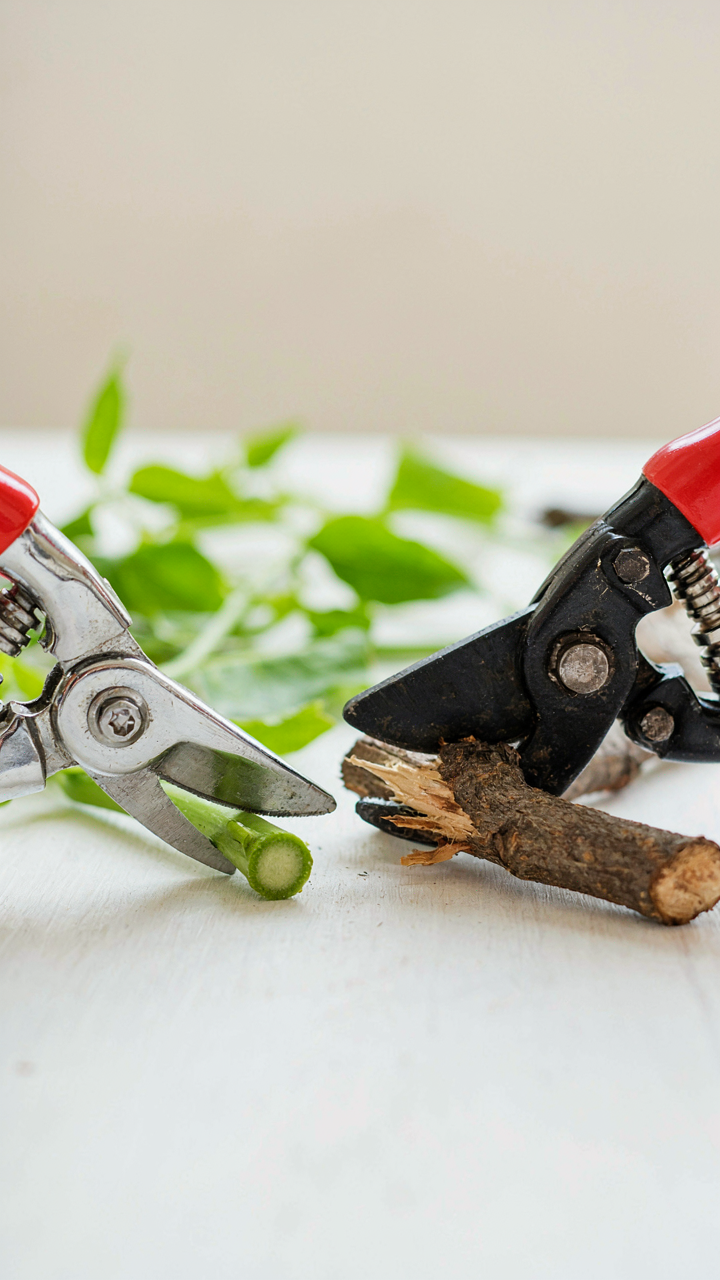
The Bypass Versus Anvil Trade Off
You want to know which one cuts better so you can buy the “right” tool and stop thinking about it. That’s not what matters. Physics gives us leverage, and leverage is the mechanism that separates a pruner that works from one that leaves you exhausted. A bypass pruner uses two blades sliding past each other like scissors. An anvil pruner crushes the stem against a flat surface. The bypass design concentrates cutting force into a thin line of contact, requiring less hand strength to sever live wood cleanly. The anvil trades precision for brute force, generating crushing pressure across a wider zone, which mangled woody stems or dead material but demands more grip strength to activate.
Bypass pruners excel on green, living growth where a clean cut matters for plant healing. Anvil pruners belong on dead wood, thick branches, and material that won’t suffer from crushing damage. The mistake everyone makes is treating this as a binary choice instead of a tactical one. You own both, or you own the wrong tool for half your cuts. The real decision is which one dominates your use case. If you’re maintaining ornamental plants for a living space, bypass pruners do most of the work because most cuts target new growth. If you’re clearing deadwood and dense material, anvil design cuts your hand fatigue by 30 to 40 percent. Neither tool is universally superior, but using the wrong design for the job wastes motion and teaches your hands bad habits.
Force Transfer Through Handle Design
Ergonomics is not comfort, and comfort is not the mechanism. Kinetic energy transfer is. Every gram of force your hand generates must travel through the handle to the cutting zone with minimal loss. This is where most essential hand pruners fail. A handle that forces your wrist into an unnatural angle dissipates energy as strain instead of directing it toward the blades. Straight handles transfer force along a single axis. Curved or contoured handles distribute pressure across your palm and fingers, reducing stress concentration points and allowing larger muscle groups to engage. The best handles use materials with specific dampening properties. Aluminum stays rigid to prevent flex loss. Rubber or TPE grips absorb hand vibration without absorbing cutting force.
The handle length determines mechanical advantage directly. Longer handles increase leverage distance, multiplying hand force without requiring grip strength increases. A six-inch handle on an eight-inch pruner is not excessive. The blade sits further from your hand, meaning you move less distance to open and close the mechanism. Your forearm muscles activate instead of just your fingers. This is why professional pruners use longer handles than casual gardeners. Your hand position on the handle matters more than the handle material. Gripping closer to the blade increases force but decreases comfort. Gripping near the end increases comfort but demands more hand strength. For consistent cutting on plants in a styled home environment, grip the handle mid-point and let the longer lever do the mechanical work.
The Strategic Pruning Shears Arsenal: One Tool, Many Missions

Identifying What You Actually Need To Cut
You want the right tool so you can tell people you know what you’re doing. Here’s the mechanism: most people own five pruners when one does the job. The difference between tools isn’t aesthetic—it’s blade geometry and cutting capacity. A bypass pruner with a quarter-inch cutting diameter handles 90 percent of indoor and soft outdoor work. Anvil pruners crush thick wood; bypass pruners slice clean through green stems. Know your actual plant material first, then buy the tool that matches it, not the collection that looks impressive on a shelf.
Different plant types demand different mechanics. Ornamental houseplants, herbs, and soft perennials cut cleanly with bypass shears. Woody shrubs and deadwood need anvil or lopping shears. The error people make is buying specialty tools for tasks that never arrive. A eight-inch bypass pruner with a curved blade handles ninety percent of home maintenance. Test the weight and grip comfort before purchase—a tool you don’t use because it fatigues your hand serves nobody.
When The Second Pruner Becomes Dead Weight
The conventional wisdom says build a tool collection. That’s backwards. Most home gardeners accumulate pruners based on marketing, not necessity. Specialty pruners—hedge shears, folding saws, precision topiary scissors—create decision paralysis and storage waste. You reach for the one tool that works best and leave the others gathering dust. The mechanism here is economic: each additional tool increases friction in your workflow and dilutes maintenance habits.
One quality bypass pruner beats five mediocre ones in different sizes. Before buying a second tool, use your first one hard enough to identify a genuine gap. That gap should be specific: “I cannot cut wood thicker than half an inch” or “I need to reach branches eight feet up.” Build your arsenal only when you can name the exact problem a new tool solves. Otherwise, you’re storing clutter that whispers you don’t actually garden as much as you think.
The Dry Branch Dilemma: When To Prune Roses And Other Tough Cuts

Wood Density And The Right Blade
You want to look competent while handling your plants, and buying an expensive pruner feels like the shortcut. Here’s what actually matters: wood density determines cutting resistance, and blade geometry determines whether you succeed or crush the stem. Think of it like leverage in physics. A thin, sharp blade concentrates force. A thick, dull one spreads it across the wood fibers and fails.
Roses have woody stems that harden as they age. Fresh green growth cuts clean. Dead wood resists. The difference lives in moisture content and cell structure. A bypass pruner with a curved blade designed for smaller diameters will choke on a thick cane. An anvil pruner, which crushes rather than cuts, mangles living tissue but works better on truly dead wood. Choose the pruner geometry that matches what you’re actually cutting.
Timing Prevents Brutal Mistakes
Everyone says prune when plants are dormant, which is incomplete advice that leads to dead branches and wasted effort. The real issue: cutting dormant wood and cutting dead wood are different problems. Dormant wood still has cell integrity. Dead wood doesn’t. If you prune a dead branch in summer, you make a clean cut and move on. If you prune a living branch when the plant can’t heal the wound, you invite disease.
The mechanism is simple. Cut roses after they flower but before hard frost. The plant has energy to close the wound. Cut dead wood any time because it cannot respond either way. This prevents the common mistake of hesitating on obviously dead material, which wastes time and leaves eyesores. Make the cut when you identify the problem, not when some calendar suggests it.
Maintenance Mastery: Extending The Lifespan Of Your Gardening Shears

Keep Your Blades Sharp And Rust Free
You want your pruners to look expensive because you paid for them and you’re afraid they’ll deteriorate into junk in two seasons. Here’s the mechanism: steel oxidizes when exposed to moisture and plant acids. The corrosion process accelerates on blades left wet after cutting, especially after pruning diseased wood or soft tissue that releases acidic sap. Prevention is mechanical, not mystical.
Clean your blades immediately after each use. Wipe them with a dry cloth first to remove sap and debris, then run them under water and dry again. Use a small brush or old toothbrush to scrub between the blade and anvil where sap hardens into a corrosion catalyst.
- Isopropyl alcohol wipe: Kills residual moisture in crevices and hardens faster than water, reducing oxidation risk in the pivot area where blades meet.
- Light machine oil or honing oil: Apply a thin coat to blades after cleaning. This creates a barrier against oxygen and humidity without collecting dust like thick grease.
- Vinegar soak for stubborn buildup: White vinegar dissolves mineral deposits and sap residue that regular washing misses. Soak for 15 minutes, then scrub and oil.
- Silicone cloth storage wrap: Keeps moisture and air away during storage between seasons. Prevents the slow oxidation that happens in humid garages.
- Annual sharpening schedule: Dull blades require more force, which strains the pivot and weakens the joint where corrosion typically begins. Keep an edge on your blades every 6 to 12 months.
Oiling is not optional if you want pruners that still function in year three. The oil layer is your only defense between steel and the environment. Apply oil with a cloth, not by dumping it on. You’re sealing, not drowning the tool.
Where Your Pruners Actually Live Matters
Most people store pruners in a shed and wonder why they rust. Your storage location determines whether oxidation happens fast or slowly. Heat fluctuations, humidity spikes, and temperature cycling are the real enemies, not just moisture alone.
Keep pruners in a cool, dry location with stable temperature. A basement or climate-controlled garage beats an uninsulated shed. Avoid areas where morning condensation forms. If you live in a humid climate, store them in a closed toolbox or sealed bag with a silica gel packet to pull moisture from the air. The investment in storage is cheaper than replacing corroded pruners annually.
The Unseen Impact: How Essential Hand Pruners Shape Your Garden Aesthetic
Health First, Then The Frame
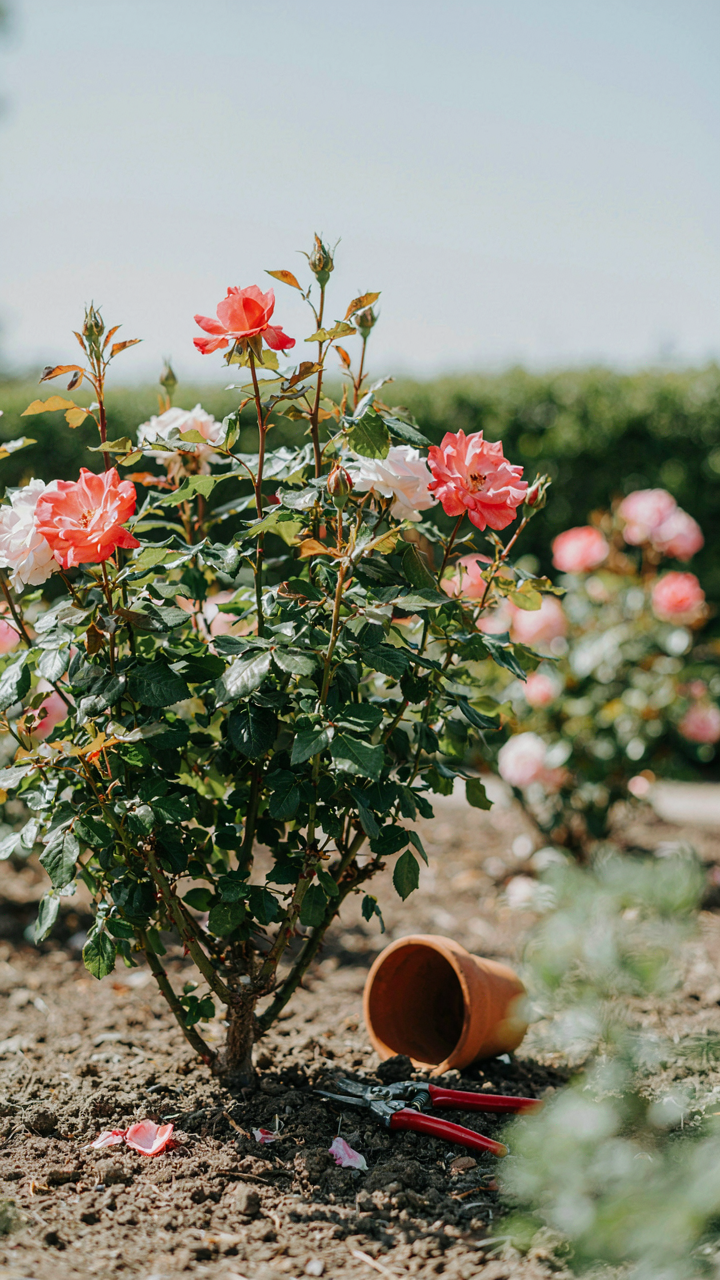
You want your garden to look intentional without admitting you’re managing it obsessively. Here’s what actually happens: a plant’s structure is determined by where you cut, and that cut triggers growth patterns that either compound or resolve over seasons. This is basic plant physiology, not aesthetics. Essential hand pruners create entry points for air, light, and new branching. You’re not decorating the plant. You’re engineering its skeleton.
Most advice treats pruning as cosmetic trimming. Wrong. Selective pruning removes dead wood, crosses, and competing leaders before they steal resources. A well-pruned plant looks composed because it has functional architecture underneath. The visual result follows from physiological health, not the reverse. When you cut a branch at the right angle above an outward-facing bud, you direct energy into lateral growth instead of vertical sprawl. This is the mechanism that separates pruned gardens from overgrown ones.
The Deliberate Cut Over The Hack
Precision pruning requires knowing the difference between removing dead growth and redirecting living growth. Essential hand pruners with sharp blades make this distinction possible. A dull blade crushes tissue instead of cutting it cleanly, leaving wounds that invite disease and create visible damage that takes weeks to heal. The plant’s response to a clean cut versus a crushing blow is immediate and measurable.
Selective branch removal follows one rule: cut competing growth before it matures. Remove branches that cross, grow inward, or thicken faster than the main structure. This work happens in early spring or late dormancy when the plant’s response is most predictable. One deliberate cut beats ten reactive cuts every season. The garden that looks effortless operates on intention made visible through consistent, measured removal.
Beyond Pruning: Integrating Gardening Tools For Holistic Home Appeal

Small Tools, Big Impact: Bulb Planting Tools
You want your garden to look intentional without admitting you’re stressed about it looking random. The mechanism is visual rhythm, and bulb planters create it by forcing consistent planting depth and spacing. A hand pruner establishes dominance through clean cuts. A bulb planter establishes order through repetition. Both tools work in the same economy: they eliminate guesswork and produce results that photograph well.
Bulb planters solve a specific problem hand pruners cannot. They create uniform hole depth, which translates to uniform bloom height come spring. This uniformity reads as design, not accident. When your bulbs emerge at consistent levels across a bed, they create sight lines. Hand pruners maintain those sight lines by removing dead or overgrown stems on schedule. The two tools together form a system where planning and maintenance reinforce each other.
Synergy Of Tools: Garden Scissors And More
The garden tool ecosystem doesn’t work through having one perfect tool. It works through role division, where each tool handles its own scale of work with precision. Garden scissors handle detail work on thin stems and foliage. Hand pruners handle branches up to three-quarter inch thickness. Loppers handle anything thicker. This isn’t redundancy, it’s specification. A hand pruner forced to cut string-thin stems performs poorly and dulls faster.
Your tool collection only works when each piece sits at its own cutting threshold. A pruner designed for quarter-inch branches fails on eighth-inch growth and struggles on inch-thick wood. Garden scissors excel at the small work because they’re built for it. Hand pruners excel at their own range because their handles and blade angle match that specific work. Organize your tools by what they actually cut, then use each one within its designed range. This discipline extends tool life and improves cut quality across your entire garden.
The Style Paradox: Your Pruners Are Tools, Not Trophies

The Trap Of Display Over Function
You want people to notice your pruners. That’s the real reason you’re reading this section. The mechanism is simple: you’ve confused visibility with value. Adding decorative handles, matching sets, or premium finishes to pruners makes them worse at their job. A heavier handle fatigues your hand faster. A polished blade collects sap and dulls quicker than a matte one. Style that reduces utility is just expense with regret attached.
The best pruners disappear into your workflow. You reach for them without thinking. They cut cleanly, feel balanced in your palm, and require zero maintenance beyond sharpening. Japanese pruners succeed because they prioritize blade geometry over aesthetics. German designs optimize for leverage and durability, not showroom appeal. Your “stylish home” doesn’t need visible pruners. It needs invisible ones that work so well you forget they’re there.
Restraint As The Only Real Status Signal
True intentionality looks like nothing. In design theory, this is called reduction: stripping away everything except what serves function. Your pruner should signal restraint, not excess. A basic Felco or Okatsune pruner in your hand costs less than a luxury brand but outlasts it by five years because you maintain it correctly. Maintaining it correctly means you understand what matters.
The person who owns one excellent pruner, knows its exact blade angle, and replaces the spring when it wears beats the person with six premium pruners gathering dust. Status isn’t about what visitors see on your potting bench. Status is the decision to own a tool that works so well you never upgrade it. Pick a pruner based on cut quality and handle ergonomics. Use it until the blade degrades. Sharpen it. This cycle, repeated, is the only aesthetic that matters.
Your Garden’s True Obstacle Isn’t Lack Of Tools, But A Lack Of Intentionality. Master The Cut, Master Your Domain

Most people buy hand pruners and never touch them again. They sit in a drawer next to dead batteries and intentions. The real move? Pick one pair today. Use it tomorrow on three branches you’ve been ignoring. Essential hand pruners work only when you do. The tool doesn’t create the garden. Your decisions do. Stop collecting gear and start collecting results.



