
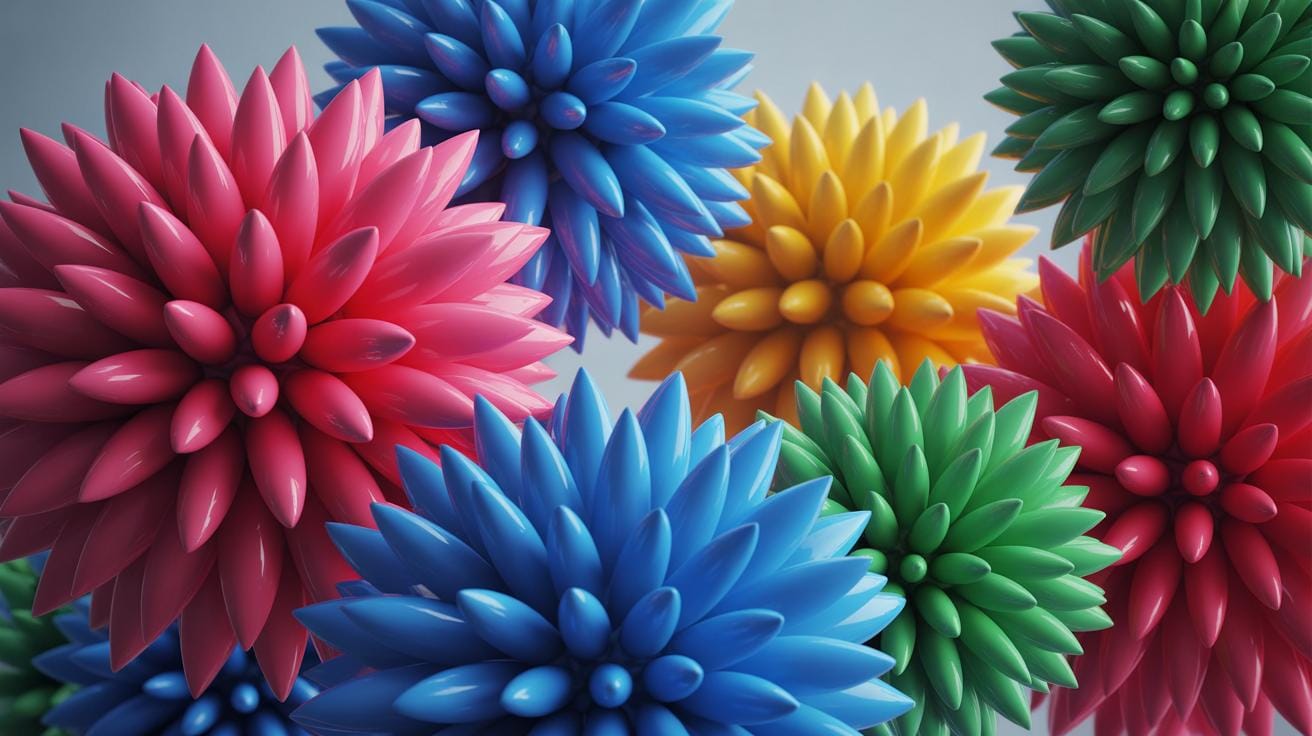
The Evolution Of Abstract Petal Art
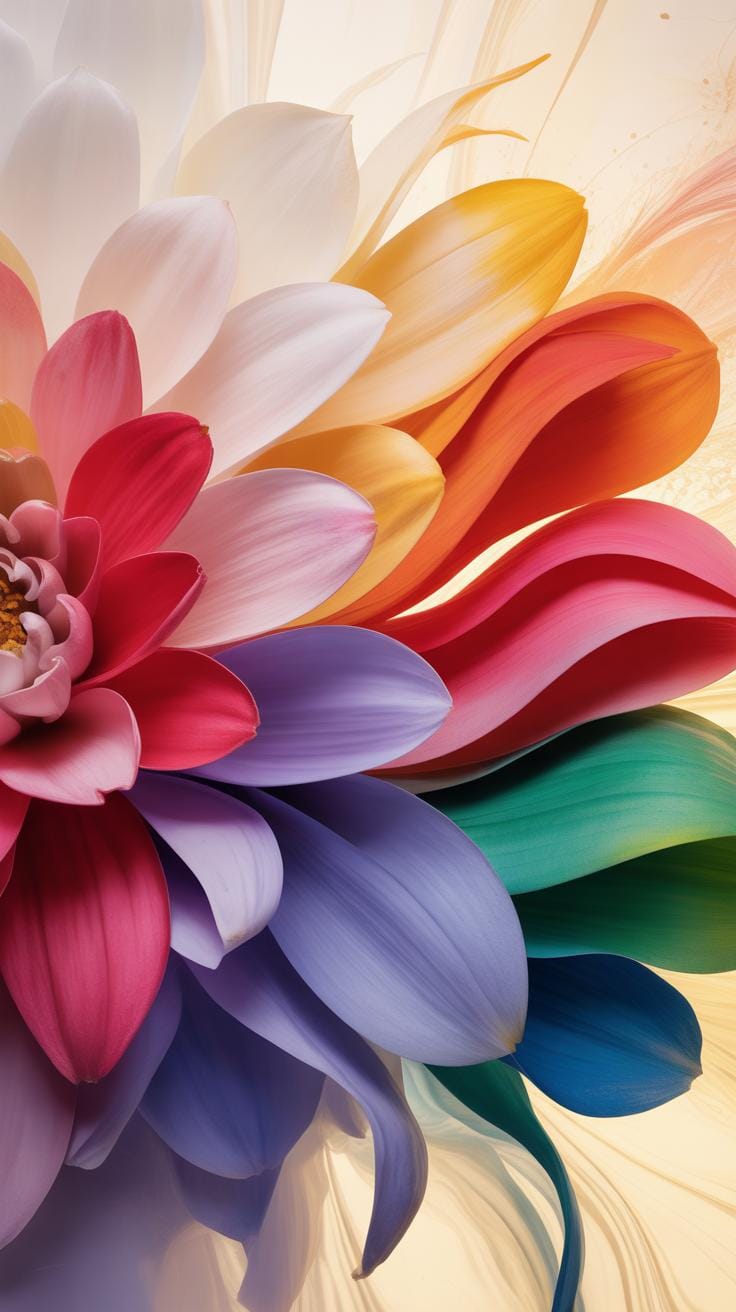
Historical Roots
During the Renaissance and through the Victorian era, botanical illustration dominated artistic representation of flowers, with artists meticulously documenting every vein and stamen with scientific precision. These detailed renderings celebrated nature’s intricate beauty through realism, serving both artistic and educational purposes. However, as the nineteenth century progressed, artists began questioning whether exact representation truly captured a flower’s essence. This philosophical shift planted seeds for Abstract Petal Art, encouraging creators to explore what lay beneath surface appearance.
The transition from botanical realism gained momentum in the early twentieth century as artists sought emotional and spiritual expression through simplified forms. Simplified petals transformed into geometric shapes, curves became angular lines, and natural colors gave way to unexpected palettes. This liberation from representational constraint allowed Abstract Petal Art to flourish, enabling sculptors and painters to deconstruct floral forms into their fundamental elements. Artists discovered that abstraction could convey the feeling of petals—their delicacy, movement, and ephemeral nature—more powerfully than photographic accuracy ever could.
Modern Influence
Modernism fundamentally revolutionized how artists approached floral representation, challenging centuries of tradition with radical new perspectives. The Cubist movement, pioneered by figures like Picasso and Braque, fragmented familiar objects into geometric planes and multiple viewpoints, inspiring Abstract Petal Art practitioners to disassemble flowers into unexpected compositions. Simultaneously, movements like Futurism and Constructivism introduced dynamic energy and industrial materials to art. These philosophical upheavals demonstrated that flowers could be reimagined entirely, liberated from botanical accuracy and reimagined as pure form.
Contemporary Abstract Petal Art continues modernism’s legacy by embracing diverse materials and unconventional techniques:
- Metal fabrication creating three-dimensional petal structures
- Resin casting for translucent, layered floral effects
- Mixed media combining traditional and contemporary materials
- Digital design influencing sculptural creation
- Sustainable materials reflecting environmental consciousness
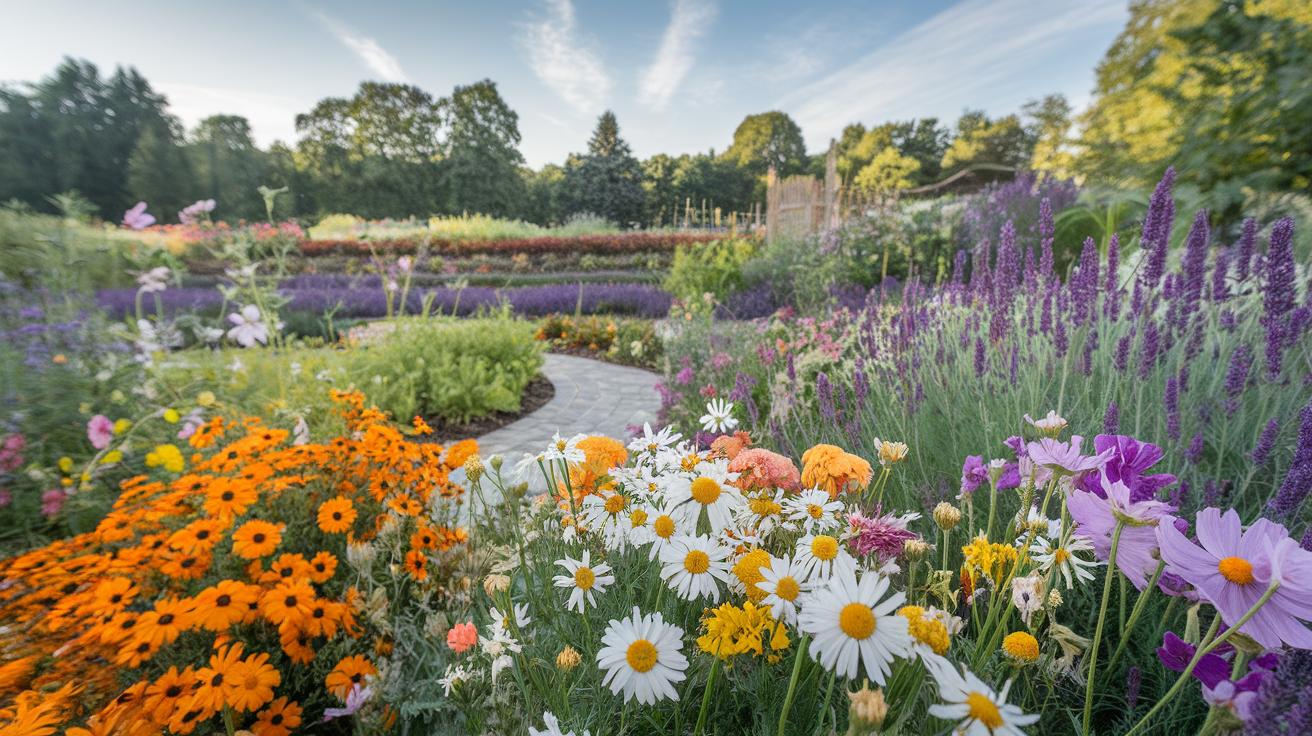
Today’s Abstract Petal Art represents a mature synthesis of modernist principles with contemporary sensibilities, proving that flowers inspire endless creative possibilities. Artists continue exploring how geometric abstraction can distill a flower’s essence into its purest visual form, creating sculptures and installations that resonate emotionally despite their departure from natural representation.
Geometric Principles In Floral Sculpting
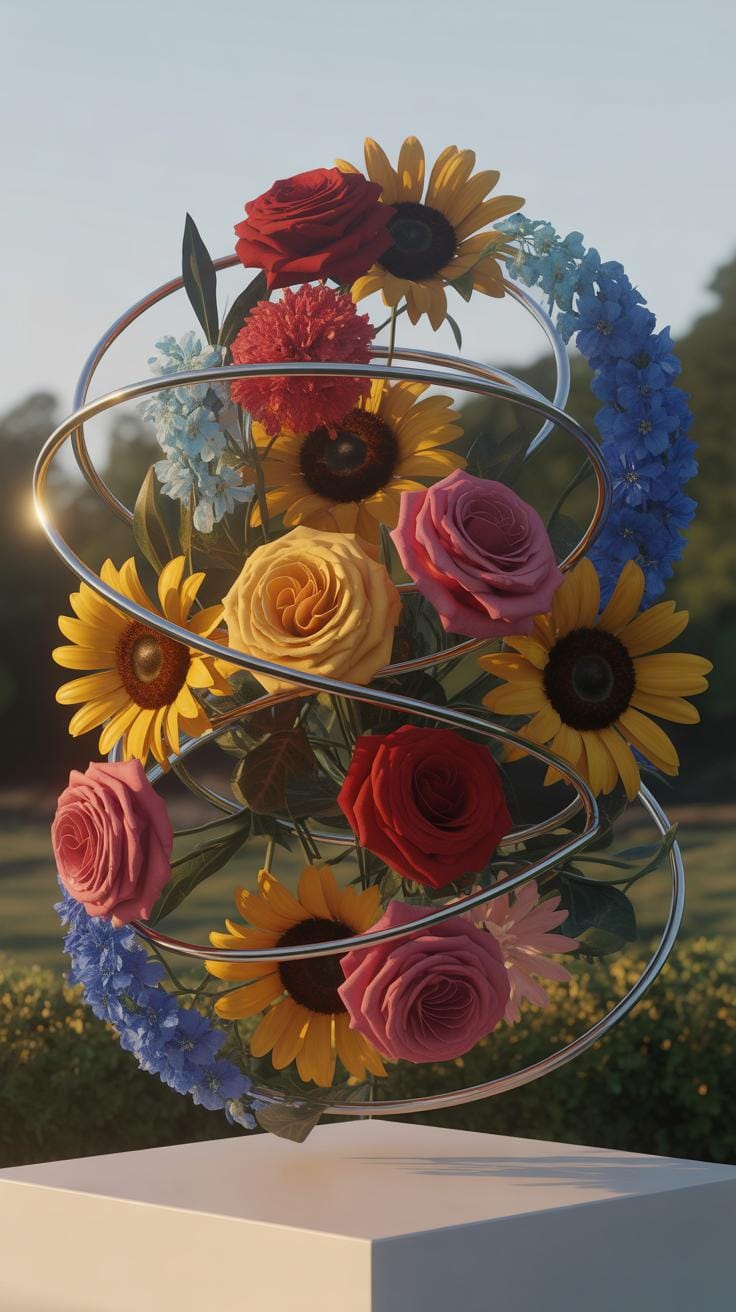
Mathematical Symmetry
The Fibonacci Sequence has long captivated artists and mathematicians alike, appearing naturally throughout botanical structures. In Abstract Petal Art, sculptors harness this mathematical pattern to create visually harmonious arrangements where petal placement follows the golden ratio’s elegant proportions. This sequence, originating from medieval mathematics, offers a blueprint for achieving organic yet perfectly balanced compositions that feel both deliberate and naturally occurring, bridging the gap between precision and artistic intuition.
When artists apply Fibonacci principles to petal arrangement, they discover remarkable visual coherence. Spacing petals according to these mathematical intervals creates sculptures that possess an inherent aesthetic appeal, even before considering color or material. This approach transforms Abstract Petal Art from purely intuitive creation into a discipline grounded in mathematical understanding, allowing sculptors to achieve symmetry that resonates deeply with viewers on both conscious and subconscious levels, creating works of enduring elegance.
Angular Forms
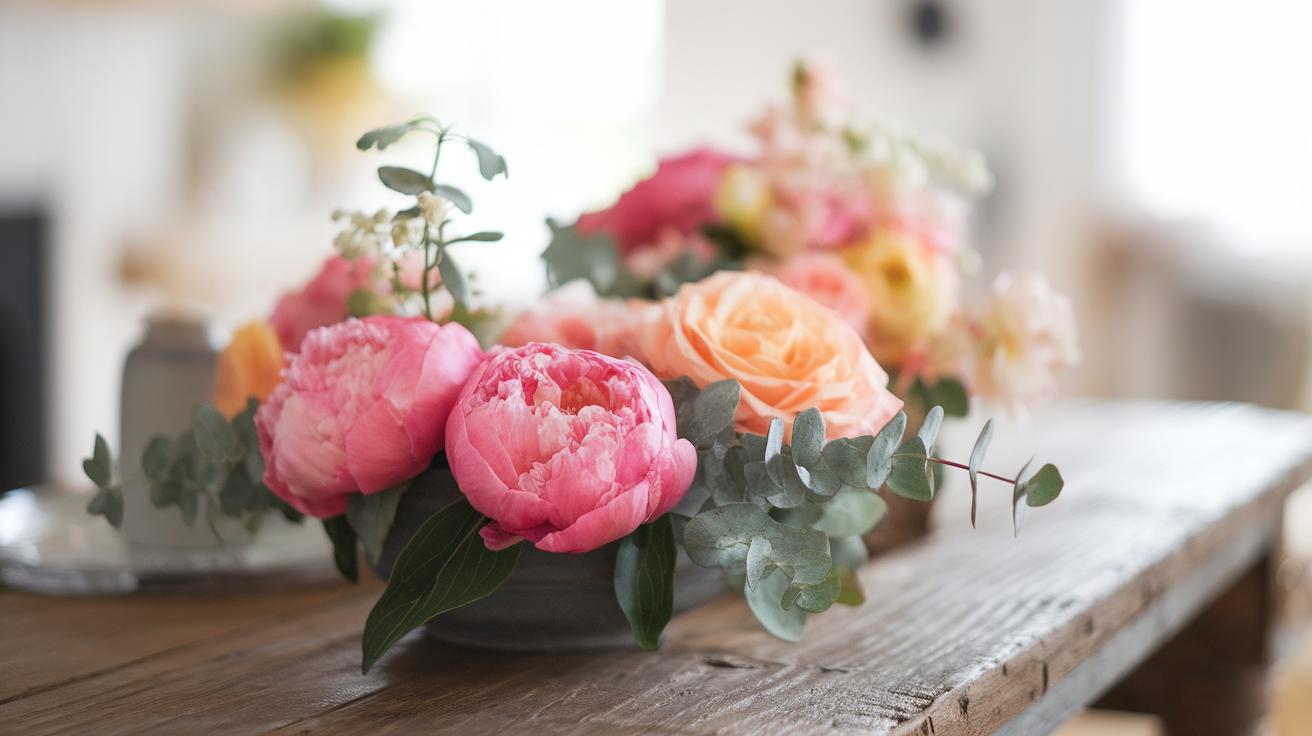
Polygons offer sculptors a sophisticated method for deconstructing floral complexity into manageable geometric components. Rather than attempting organic curves directly, artists translate petals into triangular, hexagonal, or pentagonal shapes, simplifying the inherent intricacy of flower forms. This reductionist approach to Abstract Petal Art allows for clearer structural planning and execution, while paradoxically revealing the essential geometric architecture that nature employs in botanical design itself.
Utilizing polygonal frameworks liberates sculptors from traditional realistic representation constraints. By reducing petals to angular planes, artists can explore material properties more dynamically—whether working with paper, metal, stone, or composite materials. This geometric abstraction encourages viewers to contemplate the underlying mathematical beauty within natural forms, transforming perceived simplicity into profound artistic statements about nature’s fundamental design language and the intersection between order and organic growth.
Materials Used In Abstract Petal Sculptures
Industrial Metals
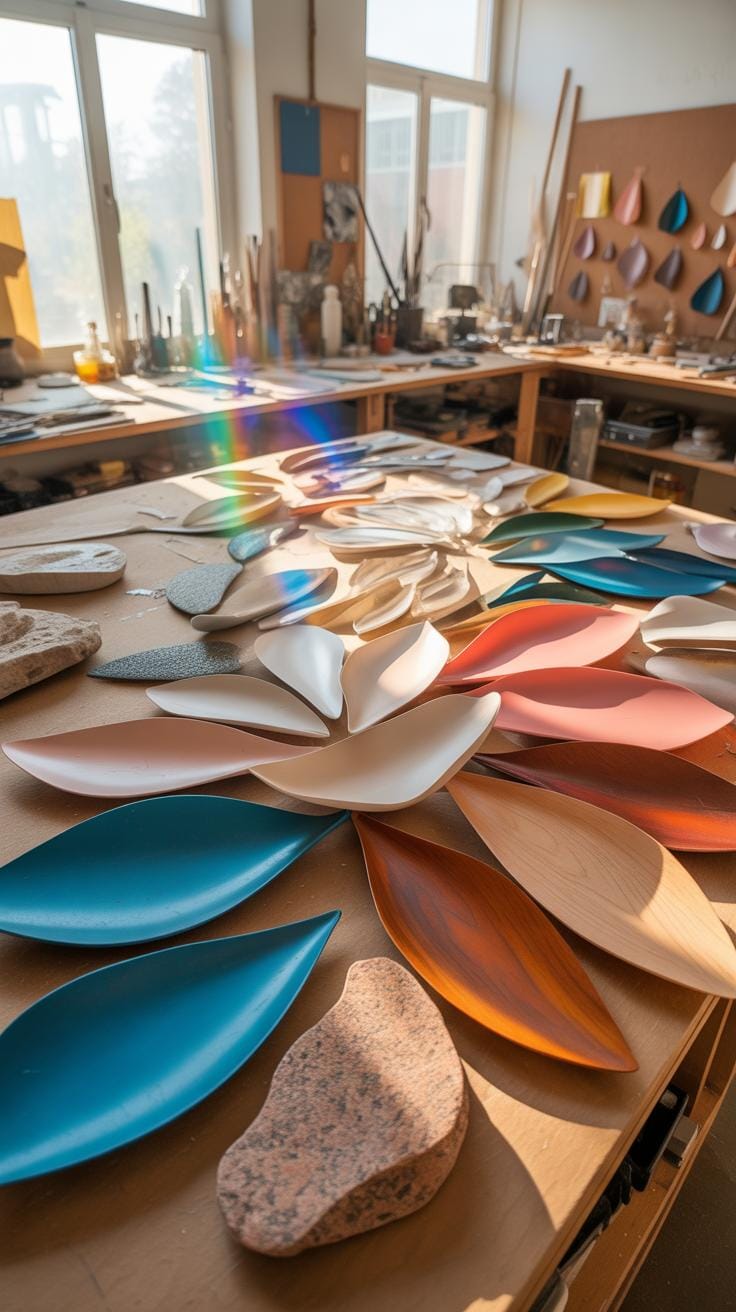
Steel and aluminum have become foundational materials in contemporary Abstract Petal Art, offering sculptors the structural integrity needed for ambitious floral interpretations. Steel’s weight and durability allow artists to create large-scale installations that maintain their geometric precision over decades, while its dark patina evokes an industrial aesthetic that contrasts beautifully with delicate petal forms. These metals transform traditional floral imagery into bold statements that challenge our expectations of nature-inspired art.
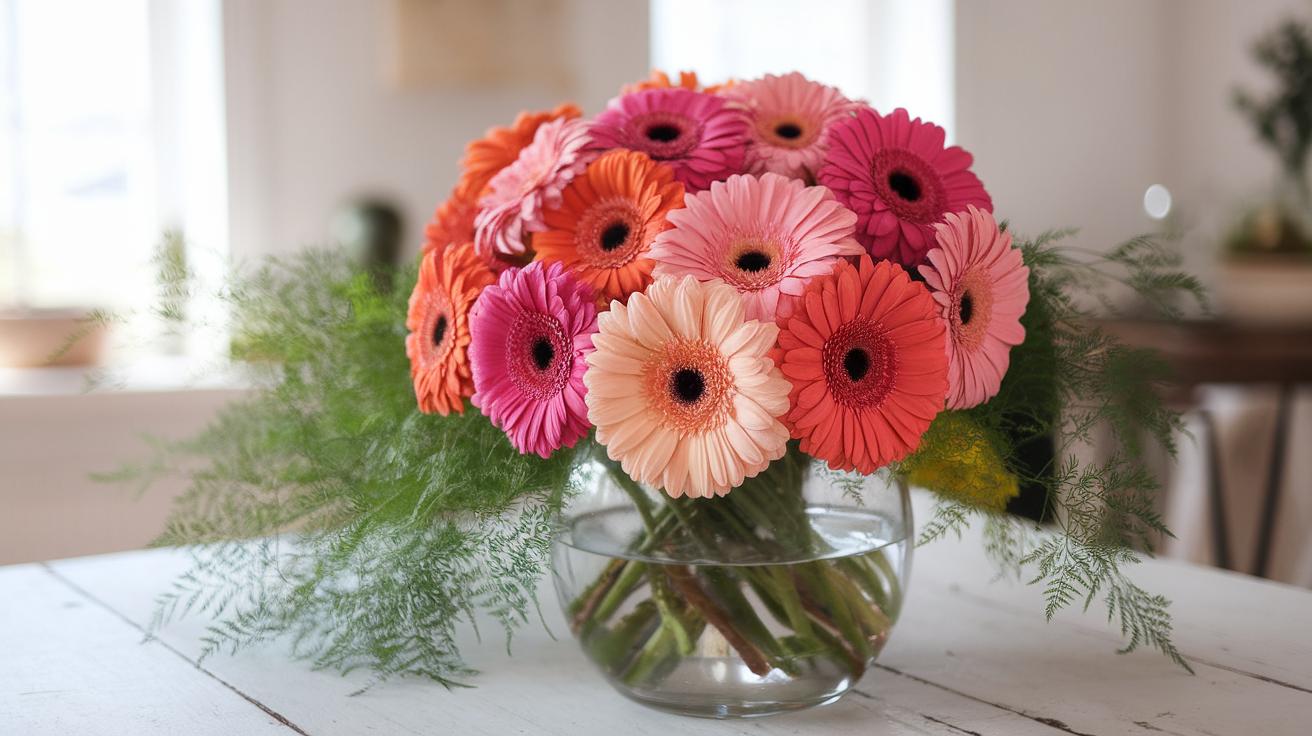
Aluminum presents an equally compelling choice for abstract sculptors seeking lighter alternatives without sacrificing strength. Its natural silver tone and ability to be anodized in various colors make it particularly versatile for creating contemporary pieces. Welding and metal fabrication techniques enable artists to craft intricate petal shapes with sharp angles and smooth curves, establishing aluminum as a preferred medium for outdoor installations and gallery exhibitions showcasing Abstract Petal Art.
Synthetic Mediums
Acrylics and polymers have revolutionized how contemporary artists approach abstract floral sculpture, offering unprecedented creative freedom and accessibility. These synthetic materials can be cast, molded, and painted to achieve vibrant colors and translucent effects impossible with traditional mediums. Acrylic resins particularly excel at capturing light, allowing sculptors to create pieces that shift appearance throughout the day, adding dynamic dimension to Abstract Petal Art compositions.
Polymers provide durability and weather resistance essential for installations in diverse environments, from galleries to outdoor gardens. Modern artists appreciate how these materials respond to contemporary fabrication techniques including 3D printing and laser cutting, enabling precise geometric petal forms that define current sculptural trends. The versatility of synthetic mediums has democratized abstract floral sculpture, allowing emerging artists to experiment with bold interpretations without the equipment demands of traditional metalworking.
Color Theory In Abstract Floral Design
Monochromatic Schemes Petals
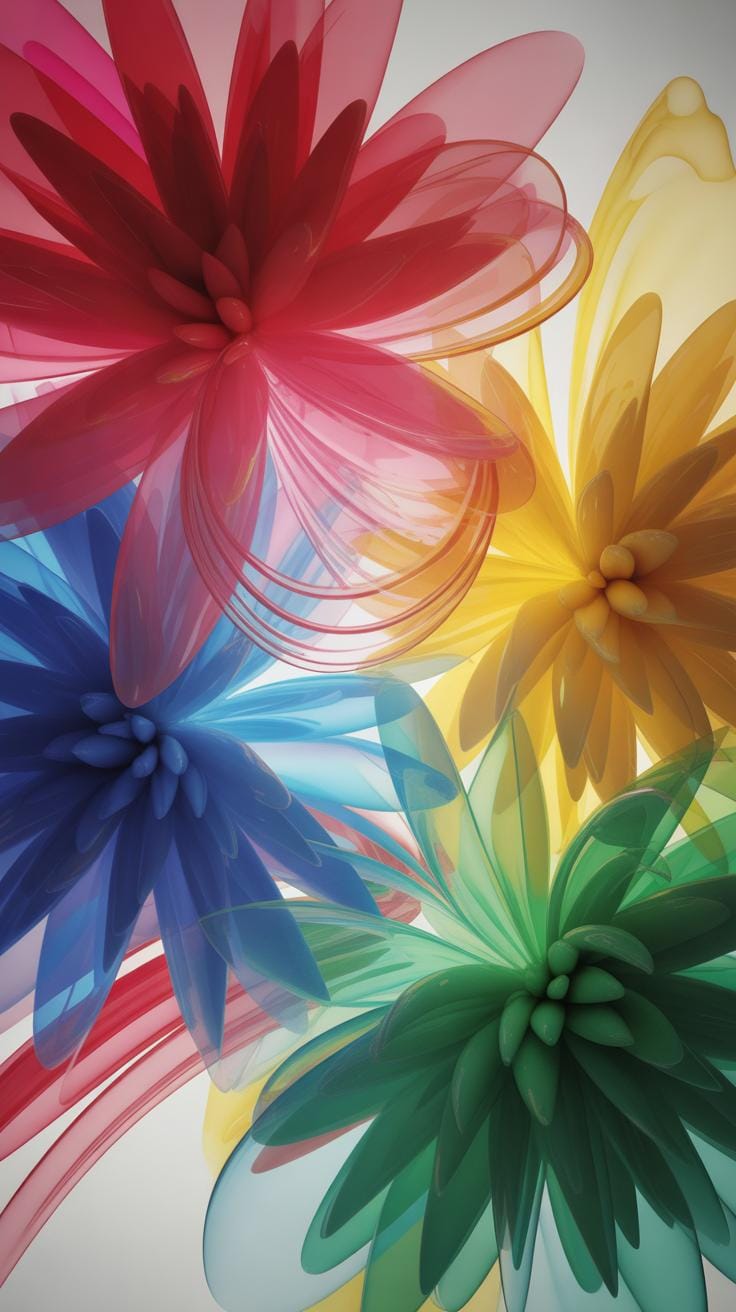
Monochromatic color schemes in Abstract Petal Art offer a timeless approach to emphasizing sculptural form and dimensional complexity. By restricting the palette to variations of a single hue, artists create visual depth through tonal shifts rather than chromatic contrast. This technique echoes minimalist design principles that gained prominence during the mid-twentieth century, proving particularly effective for highlighting intricate petal geometries and spatial relationships within three-dimensional compositions.
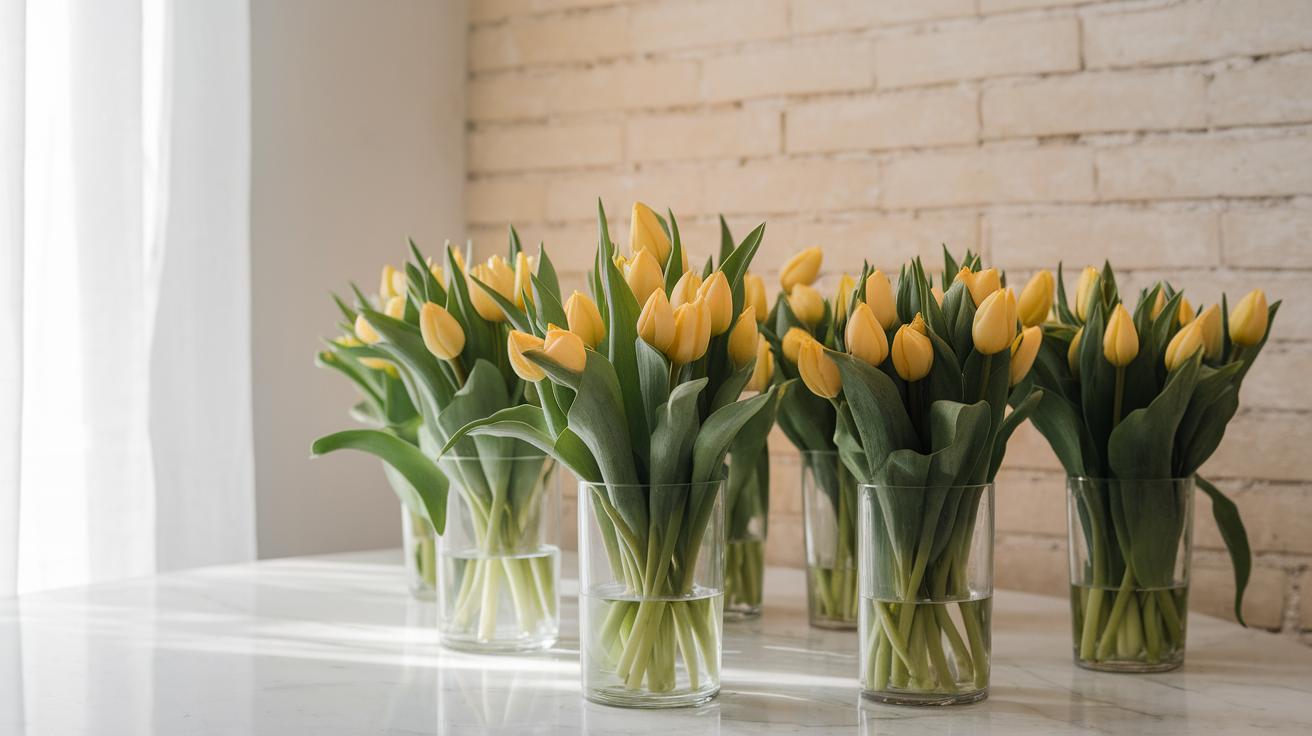
The restraint of monochromatic design encourages viewers to engage more deeply with the sculpture’s underlying structure and texture. When working with white, grey, or black tones, each shadow and highlight becomes a storytelling element. This approach transforms Abstract Petal Art into a study of light interaction, allowing the physical form itself to become the primary focal point. Many contemporary sculptors appreciate this strategy for its meditative quality and sophisticated visual impact.
Gradient Applications
Gradient applications in abstract floral design create a sophisticated bridge between monochromatic restraint and full chromatic expression. By blending subtle color transitions across petal surfaces, artists simulate the natural luminosity found in living flowers while maintaining conceptual abstraction. This technique requires understanding color temperature, saturation progression, and how human perception interprets color movement across three-dimensional forms, making it essential knowledge for Abstract Petal Art practitioners.
Gradients evoke organic vitality within geometric frameworks, suggesting growth and transformation without literal representation. Modern digital tools and traditional hand-painting techniques both facilitate gradient creation, each offering unique aesthetic possibilities. When applied thoughtfully, color gradients enhance the sculptural experience, drawing attention through warm-to-cool transitions or light-to-dark progressions. This method honors nature’s subtle complexity while maintaining the deliberate, intentional quality that defines contemporary abstract floral sculpture.
The Intersection Of Nature And Technology
Digital Fabrication

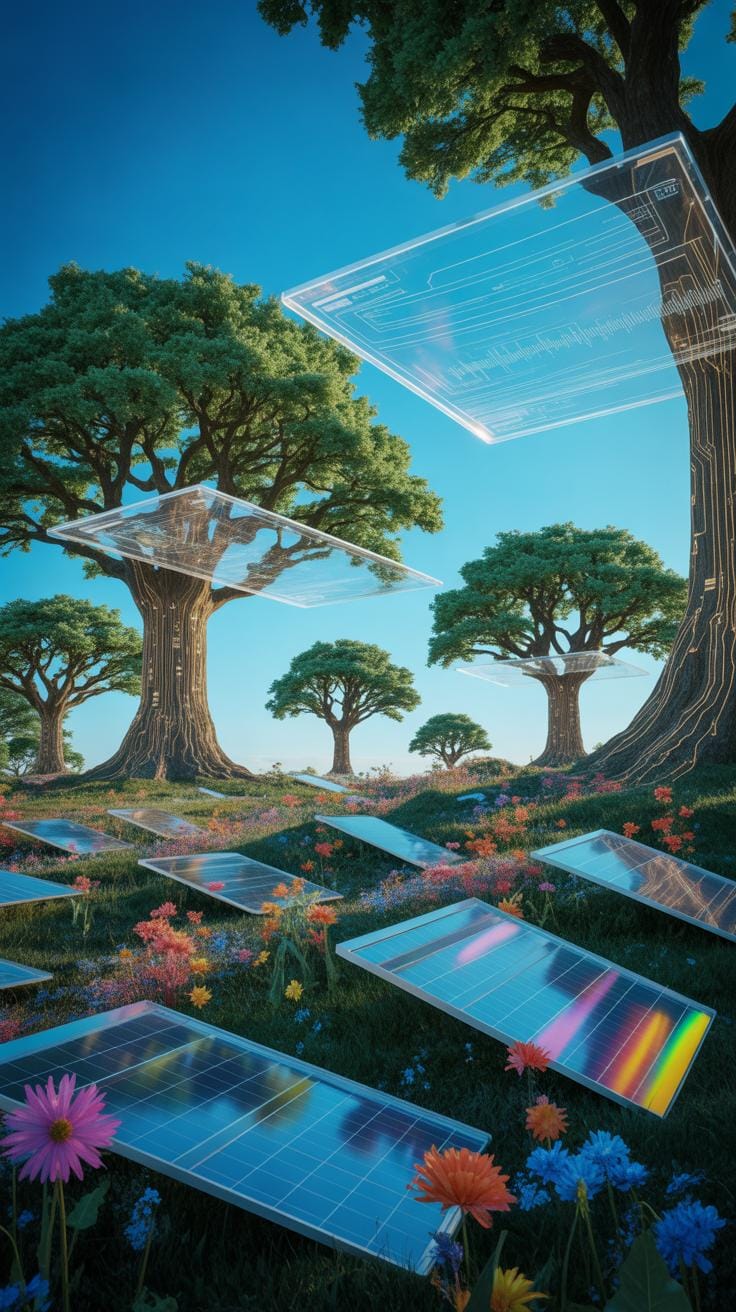
Three-dimensional printing has revolutionized how artists approach abstract petal art, allowing sculptors to translate delicate botanical forms into tangible structures with unprecedented precision. Advanced 3D printing technologies enable designers to capture the organic irregularities of petals—the subtle curves, layered textures, and asymmetrical edges—with remarkable accuracy. This digital fabrication process begins with detailed computer modeling, where each petal’s geometry is meticulously crafted before being sent to printing equipment that builds the sculpture layer by microscopic layer.
The beauty of 3D printing for petal geometry lies in its ability to realize mathematically complex designs that would be nearly impossible to achieve through traditional sculpting methods. Materials like resin, nylon, and specialized ceramics allow artists to experiment with varying translucencies and finishes that evoke the natural delicacy of real flowers. This technology has democratized abstract petal art creation, enabling emerging artists to produce gallery-quality pieces while reducing production time significantly compared to hand-carving or molding techniques.
Generative Design
Generative design algorithms offer artists a fascinating pathway to create artificial botanical forms that grow organically through mathematical rules rather than manual intervention. These systems use computational processes to evolve petal shapes based on parameters inspired by nature—growth patterns, environmental pressures, and biomechanical principles. The resulting abstract petal art often surprises its creators, producing unexpected yet harmonious forms that feel authentically botanical despite their algorithmic origins.
Using algorithms to design floral sculptures bridges the romantic world of organic nature with the precision of computational thinking. Artists input initial conditions and constraints, then allow the software to generate thousands of variations, selecting the most aesthetically compelling results. This collaborative relationship between human intuition and machine intelligence has created entirely new aesthetic possibilities within abstract petal art, producing sculptural forms that couldn’t emerge through either human creativity or computer processing alone.
Spatial Impact Of Large Scale Floral Sculptures
Architectural Integration
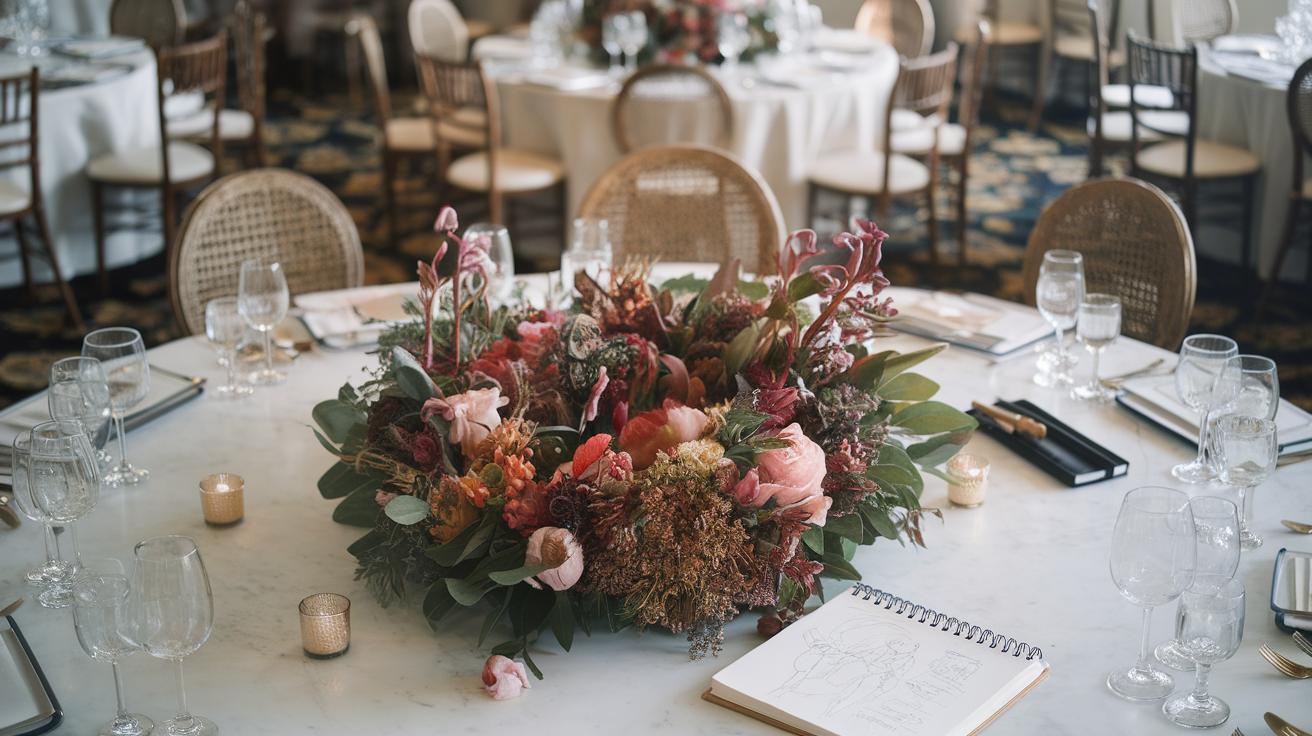
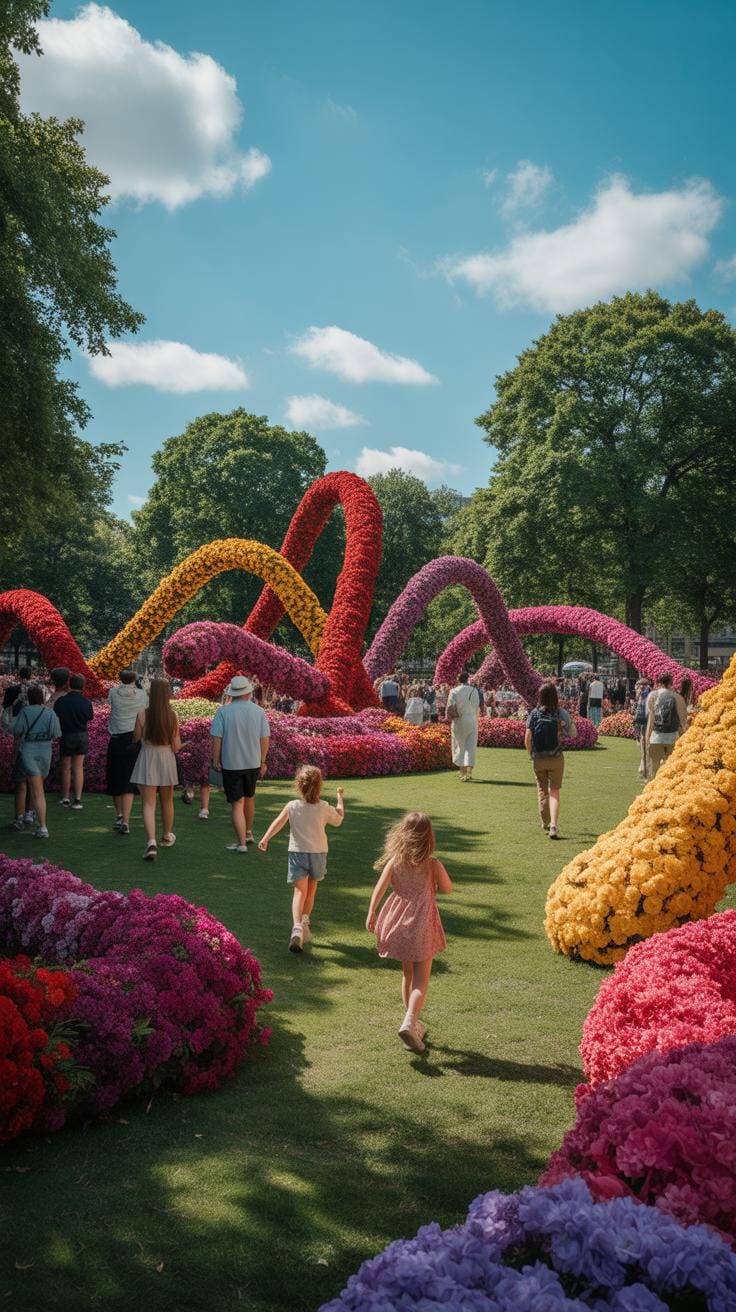
Large-scale floral sculptures have become transformative elements in contemporary urban design, bridging the gap between nature and the built environment. Abstract Petal Art installations in public spaces create dynamic focal points that soften harsh architectural lines and humanize concrete landscapes. These monumental pieces encourage cities to reconsider how organic forms can coexist harmoniously with modern infrastructure, creating welcoming gathering spaces that invite community engagement and reflection.
The integration of petal-inspired sculptures into architectural settings draws inspiration from modern art movements and biomimetic design principles. Urban planners increasingly recognize that Abstract Petal Art can serve functional purposes beyond aesthetics, providing shade, acoustic benefits, and psychological comfort to city dwellers. Successful installations demonstrate how carefully positioned floral forms can frame views, guide foot traffic, and establish visual hierarchies that enhance overall spatial organization and environmental quality.
Viewer Interaction Art
The relationship between monumental scale and human perception fundamentally reshapes how viewers engage with Abstract Petal Art. When petal sculptures tower above observers, they create immersive experiences that encourage viewers to move around and beneath the installations, discovering new perspectives and details from different vantage points. This kinetic engagement transforms passive observation into active exploration, allowing individuals to become participants rather than mere spectators in the artistic narrative.
Human proportionality plays a crucial role in determining the emotional resonance of large floral sculptures. Artists working with Abstract Petal Art carefully calibrate dimensions to evoke wonder without overwhelming viewers, ensuring sculptures remain psychologically accessible. The interplay between monumentality and intimacy creates memorable encounters that linger in memory, demonstrating how scale strategically employed can elevate artistic impact and foster deeper connections between viewers and the creative vision embodied within public spaces.
Symbolism In Geometric Flower Art
Metaphorical Growth
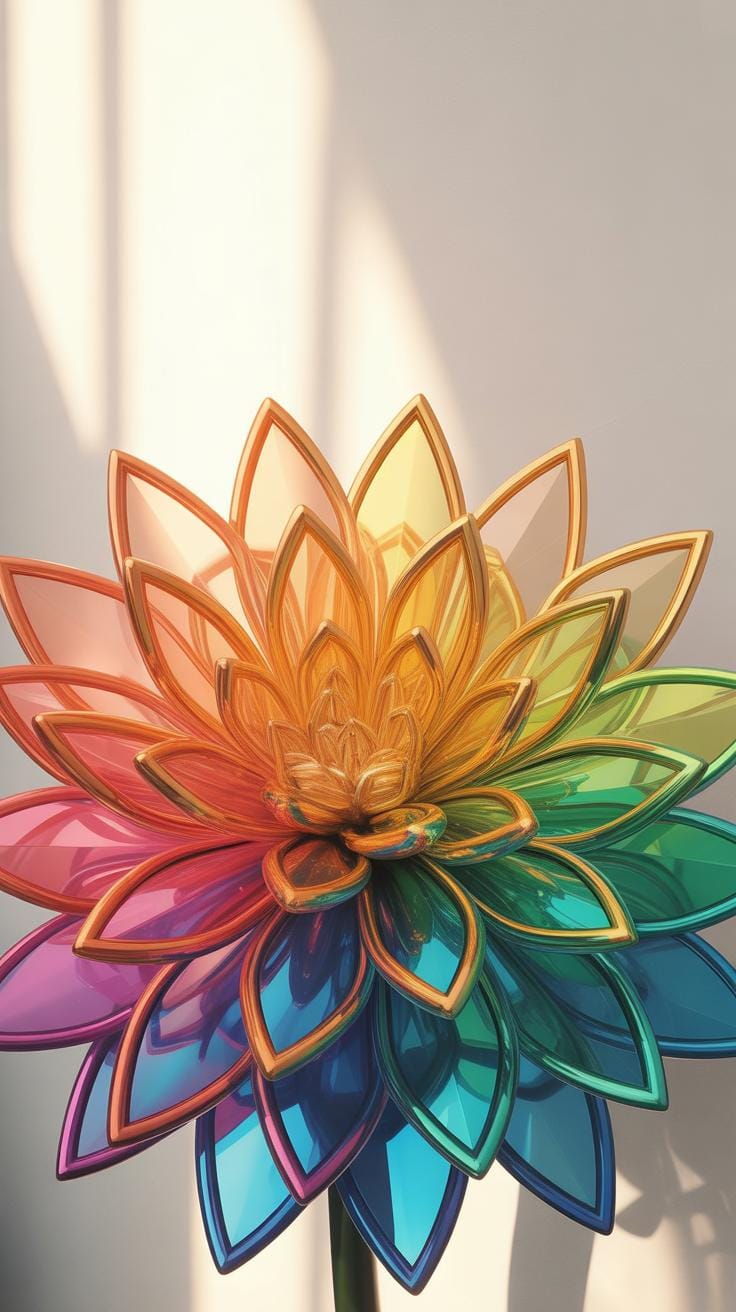
Abstract Petal Art transforms the botanical world into visual metaphors for human experience and transformation. By reducing flowers to their essential geometric components—triangles, circles, and angular planes—artists capture the essence of growth without literal representation. These sculptural forms suggest movement frozen in time, evoking the quiet determination of petals unfurling toward light. The static nature of geometric sculptures paradoxically conveys dynamic energy, inviting viewers to contemplate life’s perpetual cycles through abstraction.
The progression from bud to bloom becomes a meditation on resilience and potential when expressed through geometric mediums. Sculptors working with Abstract Petal Art create pieces that suggest metamorphosis, using sharp angles and smooth curves to represent different life stages. Stone, metal, and ceramic materials age gracefully, mirroring nature’s own transformative processes. These works remind us that growth isn’t always visible or linear; sometimes profound change happens quietly within geometric boundaries, much like flowers preparing beneath the soil.
Cultural Interpretations
Floral symbolism carries profound meaning across cultures, and Abstract Petal Art reimagines these traditions through contemporary geometric language. In Eastern aesthetics, the lotus represents spiritual awakening and enlightenment, concepts that translate beautifully into minimalist geometric forms. Western traditions associate roses with love and passion, transformed in abstract contexts into bold sculptural statements. By divorcing flowers from their photorealistic appearance, artists invite multicultural dialogue about universal symbols and shared human meanings.
Abstract Petal Art serves as a bridge between ancient floral symbolism and modern artistic expression, creating pieces that transcend geographical boundaries. The cherry blossom’s ephemeral beauty becomes eternal in stone or metal, while the sunflower’s vitality translates into striking angular compositions. These geometric interpretations honor cultural heritage while speaking to contemporary audiences, proving that symbolic meaning survives abstraction. Viewers from different backgrounds recognize emotional resonance in geometric petals, discovering personal connections within universal floral language.

Techniques For Creating Depth In Petal Art
Layering Petals
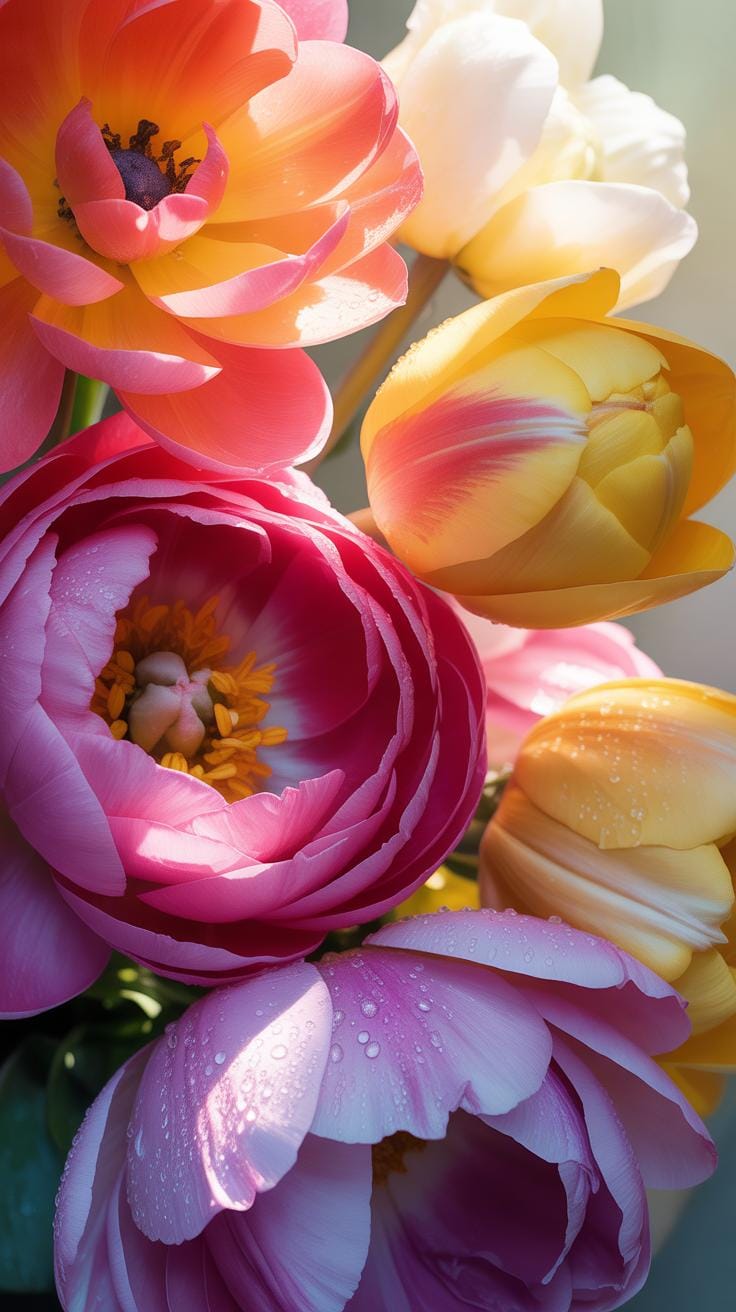
The foundation of compelling Abstract Petal Art rests upon understanding how overlapping planes create visual complexity and dimensional richness. By strategically positioning petal forms at varying distances from the viewer, artists establish a sense of movement and spatial progression that transforms flat surfaces into immersive sculptural experiences. This layering technique draws inspiration from modernist sculpture movements, where artists discovered that carefully arranged geometric elements could suggest infinite depth within confined physical spaces. The careful orchestration of these overlapping petals invites viewers to explore the work from multiple angles.
When executing layered petal compositions, consider these essential approaches:
- Stack petals at graduated intervals to create distinct spatial zones
- Rotate each layer at different angles for dynamic visual interest
- Vary material thickness to emphasize foreground and background elements
- Alternate between translucent and opaque materials for enhanced dimensionality
- Use color gradation across layers to reinforce depth perception
- Combine curved and angular petal forms within the same composition
The interplay between advance and receding elements within Abstract Petal Art creates a sophisticated visual dialogue. As viewers’ eyes navigate through layered petals, they experience a temporal journey through the sculpture, discovering new relationships and proportions with each perspective shift. This technique transforms static objects into dynamic narratives.
Shadow Play Geometry
Negative space functions as an invisible partner in creating sculptural volume within Abstract Petal Art. By deliberately designing voids between geometric petals, artists craft shadows that become as significant as the material elements themselves. These shadowed intervals expand the perceived dimensions of the work, suggesting volumes that don’t physically exist. The contrast between illuminated surfaces and shadowed recesses generates visual tension that draws viewers into contemplative observation, encouraging them to question boundaries between form and emptiness.
Strategic use of negative space elevates Abstract Petal Art beyond mere decoration into the realm of sophisticated spatial investigation. When petals curve away from their neighbors, creating deliberate gaps, light filters through these openings and casts intricate shadow patterns across surrounding surfaces. These ever-changing silhouettes respond to natural and artificial lighting conditions, making the artwork appear to breathe and transform throughout the day. The interplay of geometry and shadow creates an experience of infinite complexity within elegant simplicity.
Prominent Artists In Abstract Petal Art
Pioneering Sculptors
The foundations of Abstract Petal Art were established by visionary sculptors who dared to reimagine botanical forms through geometric abstraction. These pioneers emerged during the mid-twentieth century, a transformative period when modernist movements challenged traditional representation across all artistic disciplines. Their work honored nature’s essential beauty while embracing angular planes, curved intersections, and mathematical proportions that transcended literal flower depiction.
These sculptors experimented extensively with materials ranging from marble and bronze to increasingly innovative substances like resin and cast metals. Their groundbreaking approach demonstrated that floral subjects could convey profound emotional resonance through abstraction rather than realism. By deconstructing petals into fundamental geometric components, they created sculptures that invited viewers to perceive flowers anew, finding grace in simplified forms and considering how nature itself follows mathematical principles underlying all creation.
In geometric petals, we rediscover the tender geometry of cherished gardens from yesteryear, where every angle blooms with timeless beauty.
— Santiago Calatrava
Contemporary Voices Petals
Today’s Abstract Petal Art practitioners continue expanding the movement’s boundaries with fresh perspectives and diverse methodologies. Contemporary artists incorporate mixed media, digital fabrication techniques, and unconventional materials including recycled elements and sustainable resources. Their work reflects current sensibilities about environmental consciousness while maintaining the sophisticated geometric language established by their predecessors.
Modern sculptors working in this genre often blend traditional handcraftsmanship with technological innovation, creating pieces that feel simultaneously timeless and distinctly contemporary. These artists exhibit internationally and contribute significantly to public art installations, gallery exhibitions, and private collections worldwide. Their commitment to exploring the intersection between nature’s organic beauty and geometry’s rational structure ensures Abstract Petal Art remains a vital, evolving discipline that resonates with audiences seeking meaning within abstract forms and structural elegance.
Future Trends In Abstract Botanical Sculptures
Kinetic Florals
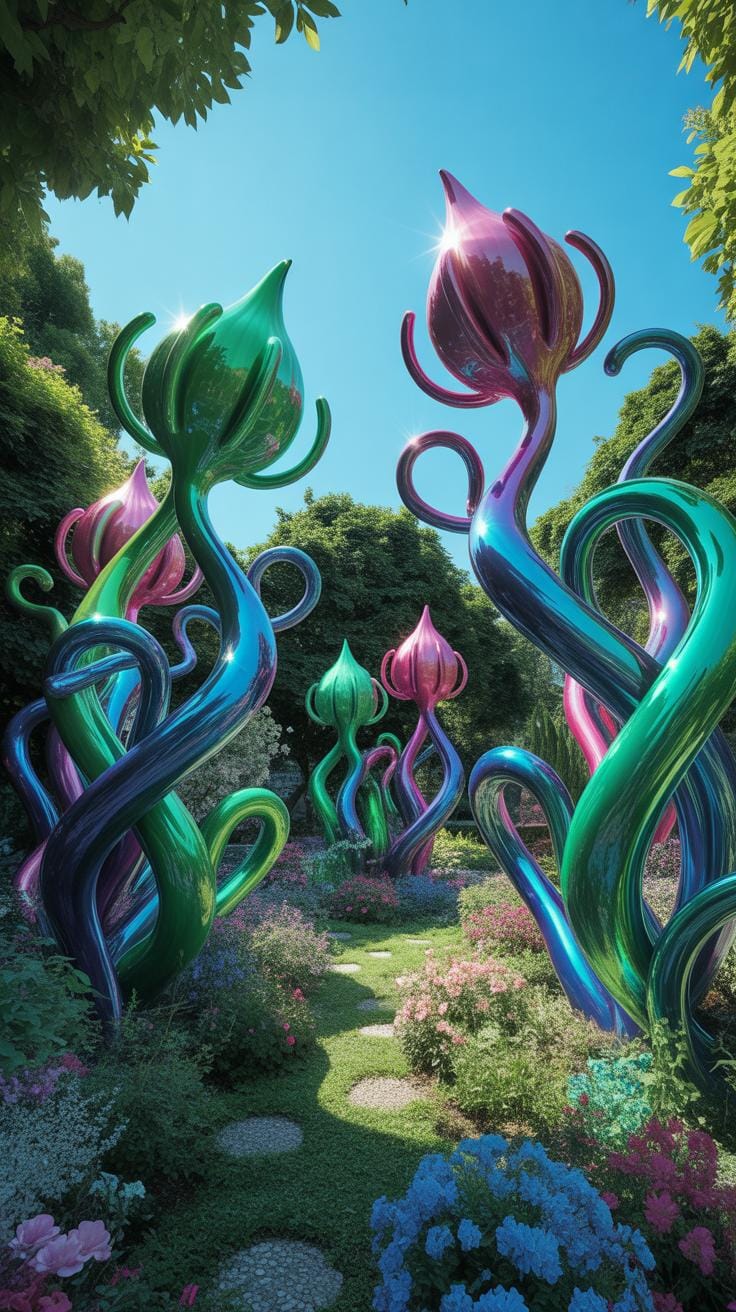
The art world increasingly embraces movement as a fundamental element of Abstract Petal Art. Contemporary sculptors are incorporating motorized components, wind-responsive mechanisms, and interactive elements that transform static installations into living, breathing compositions. These kinetic pieces challenge traditional notions of sculpture, inviting viewers to experience petals in perpetual motion, where form and function dance together in mesmerizing rhythms.
Responsive petal structures represent the intersection of technology and artistic expression. Artists now employ sensors, automation, and programmable systems to create sculptures that react to environmental stimuli—light, sound, touch, and air currents. This evolution honors nature’s own responsiveness while elevating Abstract Petal Art into immersive experiences that engage multiple senses and encourage deeper contemplation of movement, time, and botanical transformation.
Sustainable Sculpture
Eco-conscious artists are revolutionizing Abstract Petal Art by embracing sustainable materials and circular design principles. Reclaimed metals, recycled plastics, reclaimed wood, and biodegradable composites now feature prominently in contemporary petal sculptures. This shift reflects broader movements toward environmental responsibility while maintaining artistic integrity, proving that beautiful, meaningful abstract botanical work need not compromise ecological values or sustainability commitments.
The circular economy influences modern sculptural practice profoundly. Artists design pieces with longevity and eventual renewal in mind, selecting materials that age gracefully, require minimal maintenance, and can be repurposed or naturally decomposed. This thoughtful approach to Abstract Petal Art creation ensures that tomorrow’s collectors inherit not only stunning visual experiences but also responsibility toward planetary health and the preservation of natural systems.
Frequently Asked Questions

What is abstract petal art?
Abstract petal art refers to modern sculptures and designs inspired by flower petals, reimagined through geometric shapes and bold forms. Unlike realistic florals, these pieces blend organic curves with sharp angles, creating striking, contemporary decor. Geometric petals in abstract floral sculptures add a unique, artistic flair to any space, evoking nature’s beauty in an innovative way. They’re perfect for elevating home interiors with minimalism and elegance.
How can I incorporate abstract petal art into my home decor?
Start by placing a geometric petals abstract petal art sculpture on a console table or shelf as a focal point. Pair it with neutral tones or metallic accents for balance. For larger pieces, mount on walls in living rooms or entryways to draw the eye. Experiment with lighting to highlight textures—LED spots enhance shadows and depth. This approach seamlessly integrates abstract petal art into modern or eclectic styles.
Is abstract petal art affordable and accessible for beginners?
Yes, abstract petal art comes in various price points, from budget-friendly prints under $50 to custom geometric petals sculptures around $200. Shop online at Etsy, Amazon, or local craft fairs for accessible options. DIY versions using wire, paper, and paint offer even cheaper entry—tutorials abound on YouTube. Start small to test your space without big spending, building your collection over time.