

Finding Beauty In The Backyard With Dead Grass Crafts
Sustainability In Crafting
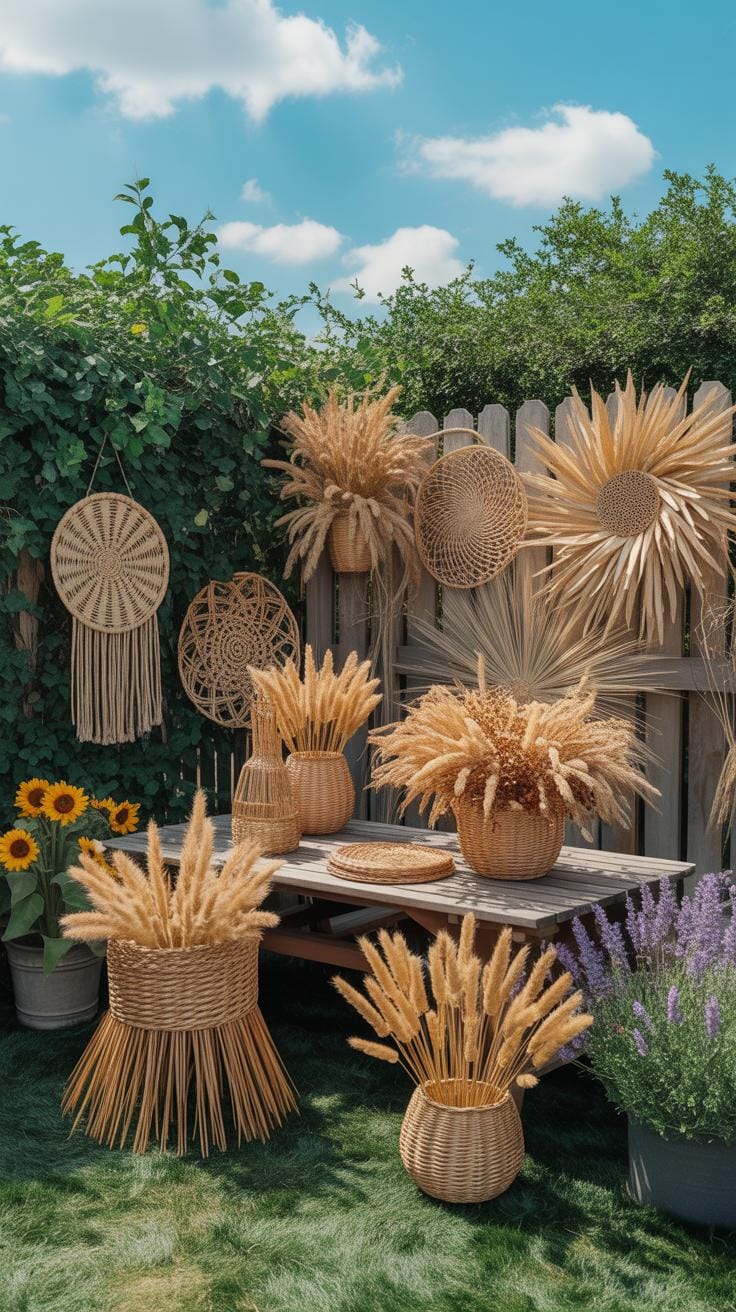
Using natural materials from your lawn encourages a deep connection to the earth. Instead of buying plastic supplies, you collect what nature provides for free. This eco-friendly approach works well for Nature Crafts For Preschool programs. Children learn to value the environment while they play. Choosing organic items like stalks and stems reduces waste. It keeps your carbon footprint low during every Grass Diy Craft session.
Collecting straw and dried lawn clippings supports local ecosystems. You observe the seasonal changes in your own garden. This practice offers a great Grass Activity For Kids who want to understand life cycles. Parents often use these resources for Natural Crafts For Kids to teach patience. Foraging requires no shipping or manufacturing. You simply step outside to gather materials for your next Grass Paper Craft project.
The Aesthetic Of Dried Botanicals
Dead grass offers a warm palette of gold, tan, and bronze tones. These muted colors fit perfectly into modern farmhouse and rustic interior designs. The brittle texture provides a tactile element that fresh plants lack. You can learn How To Make Dried Flower And Leaf Art by layering these different shades. This sophisticated look brings a touch of the outdoors into your living room throughout the entire year.
Artists use dried blades to create intricate shapes and patterns. These fine lines add a delicate feel to handmade cards and wall hangings. Small children enjoy making a Grass Craft For Kids using these sun-bleached fibers. You can even combine them with a Flower Made Out Of Nuts for a complete woodland theme. These Nature Crafts For Kids Preschool projects turn simple backyard debris into thoughtful gifts that celebrate the quiet beauty of autumn.
Essential Materials For Your Grass DIY Craft Project
Must Have Supplies For Success
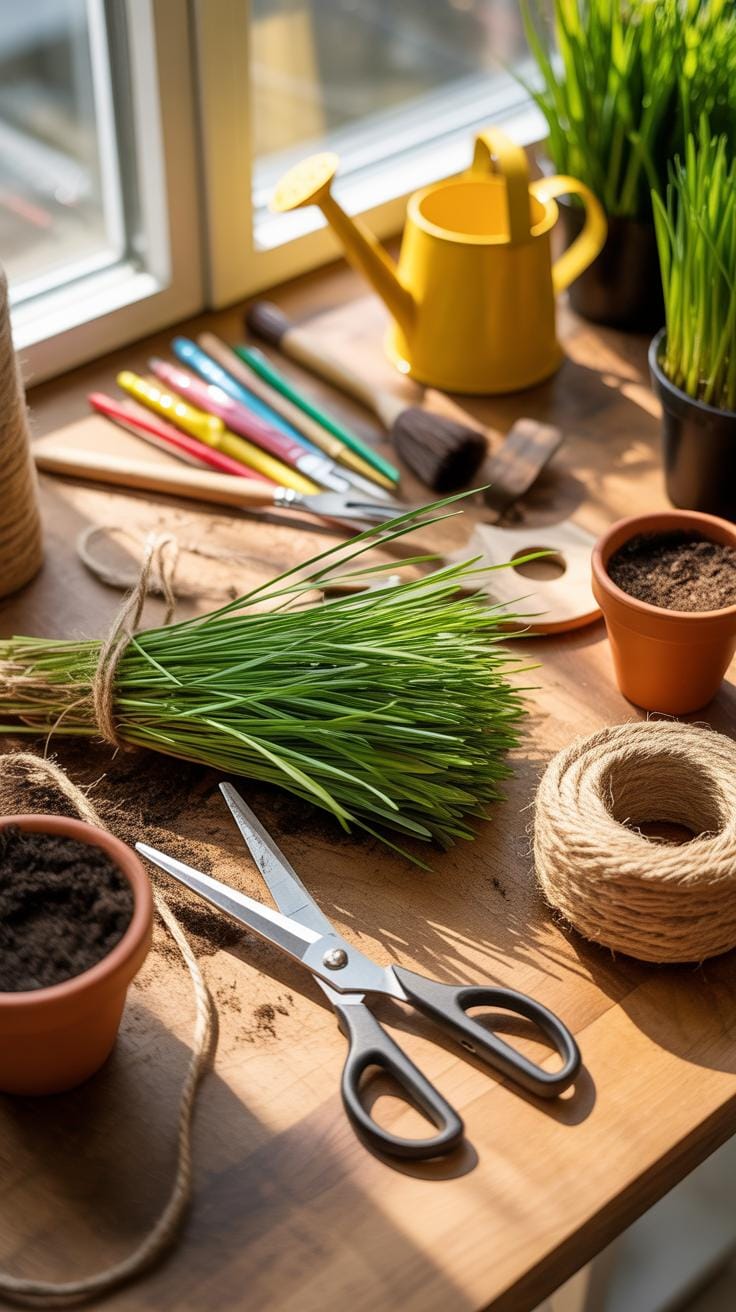
Gathering the right tools turns weathered yard clippings into beautiful art. You need sticky binders and sturdy backings to hold brittle fibers in place. Standard white glue works well for a Grass Craft For Kids because it dries clear and stays flexible. Heavy cardstock or recycled cardboard provides a flat surface that prevents the natural materials from snapping or shedding during your creative session.
- Garden Snips: Soft bypass pruners or sharp craft scissors allow for clean cuts through thick hay and dried stalks. Dull blades will crush the hollow stems of the grass and make the edges look frayed or messy on your final art piece.
- Tacky Glue: A thick craft adhesive holds heavier items like a Flower Made Out Of Nuts or thick twigs firmly to your board. This glue sets faster than school glue and prevents the dried grass from sliding around while you work on your layout.
- Tweezers: Small metal pick-up tools help you place tiny seeds and thin blades of grass with extreme precision. You can arrange delicate patterns without getting sticky fingerprints on your work or accidentally crushing the fragile materials with your hands.
- Sealant Spray: A clear matte fixative protects the finished project from moisture and dust over time. Spraying your work ensures the Natural Crafts For Kids stay intact and maintain their golden color instead of turning grey or falling off the page.
- Heavy Books: Flat weights are useful for pressing grass flat before you start gluing. Pressing the materials for a few hours removes unwanted curves and makes it much easier to attach the stalks to a flat piece of paper or wood.
Young creators enjoy a simple Grass Activity For Kids that uses local textures. This project serves as a perfect Nature Crafts For Preschool setting where students learn about textures. You can also teach how to make dried flower and leaf art by layering different heights of vegetation. Use these items to build a unique Grass Paper Craft that celebrates the subtle colors of the changing seasons.
Harvesting Tips For Dried Materials
Select stalks that feel stiff and hollow to ensure they last. Look for golden or tan colors that indicate the plant has fully dried on the stem. Avoid any pieces with black spots or fuzzy mold because these will ruin your Nature Crafts For Kids Preschool projects. Strong stems from ornamental grasses or wild hay provide the best structural support for your handmade designs.
Pick your materials on a sunny afternoon after the morning dew has vanished. Dry fibers prevent rot and help the glue bond instantly to the surface. Clean materials are vital when you create a Grass Diy Craft for indoor display. Knowledge of these natural cycles helps when teaching Natural Crafts For Kids. Crisp materials ensure your artwork stays beautiful and preserved on the wall for many years.
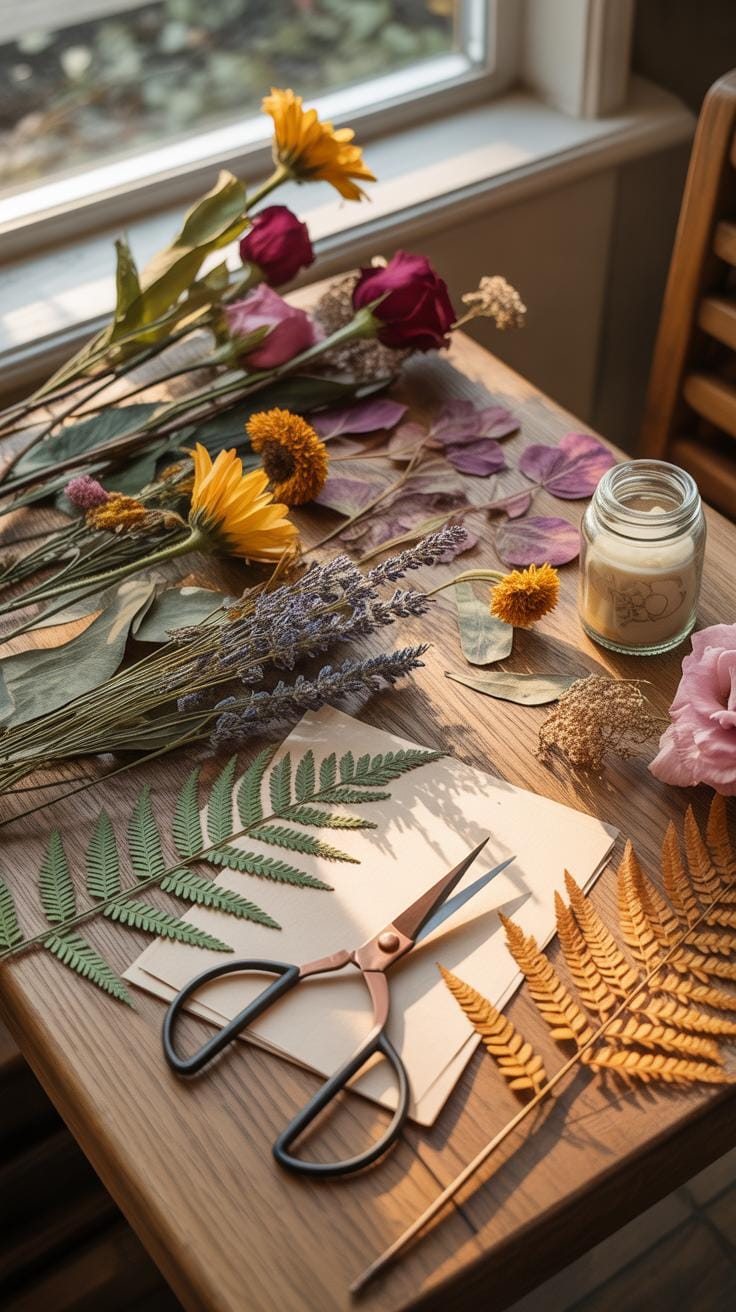
A Quick Guide On How To Make Dried Flower And Leaf Art
Pressing And Drying Techniques
Mastering moisture removal keeps your Nature Crafts For Preschool projects looking vibrant for years. You must sandwich fresh specimens between absorbent sheets like blotting paper or plain cardboard. Place a heavy weight on top to flatten the fibers. This process stops decay and ensures the material stays thin enough for a traditional Grass Paper Craft. Proper airflow prevents mold from ruining your delicate harvest during the drying phase.
Scientific methods like using silica gel or a microwave press speed up the preservation for a Grass Activity For Kids. These tools pull water out fast while locking in the natural pigments of the petals. Learning How To Make Dried Flower And Leaf Art starts with selecting specimens at their peak dryness on a sunny day. Always avoid picking plants after it rains because excess water causes browning and structural failure.
Designing Multidimensional Arrangements
Successful Natural Crafts For Kids rely on building depth through smart layering. Start with a flat base of large leaves to create a sturdy foundation for your design. Add a Grass Craft For Kids element by tucking thin stalks behind colorful petals. This technique mimics how plants grow in the wild. Placing smaller items on top creates a 3D effect that makes your Grass Diy Craft stand out.
You can combine textures by adding a Flower Made Out Of Nuts to the center of your arrangement. Use clear glue to secure each piece without obscuring the organic details. Contrast rough dead grass with smooth pressed petals for visual variety in Nature Crafts For Kids Preschool. These layers give your artwork a professional look while staying simple. Every artist can achieve great results by following these basic layout principles carefully.
Creating Texture With A Grass Paper Craft Approach
Incorporating Fibers Into Pulp
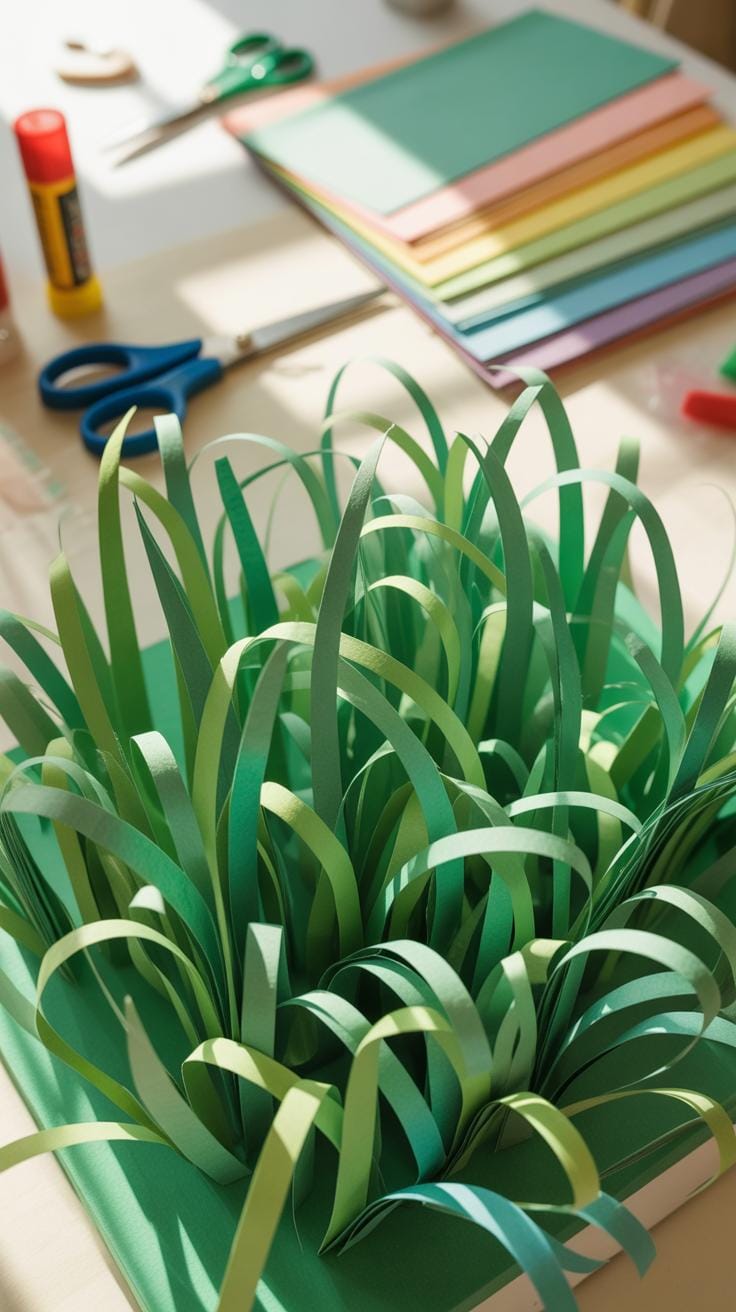
Mastering a grass paper craft involves mixing chopped dried lawn clippings into a wet slurry. You first blend recycled scraps of paper into a thick liquid. This method creates a sturdy base for grass activity for kids because the organic matter binds tightly to the fibers. Watching the green and tan strands settle into the screen teaches pupils how Natural Crafts For Kids rely on physics.
The resulting sheets show off a speckled finish that mimics antique handmade stationery. This process works well for nature crafts for preschool students who enjoy sensory play. You can teach them how to make dried flower and leaf art to press into the wet sheets before they dry. This technique turns a simple grass diy craft into a piece of art that smells like a summer afternoon.
Surface Application And Decoupage
Surface application uses dried strands to build raised patterns on flat boards or journals. You brush clear glue onto a surface and press the grass craft for kids into place. This style fits perfectly within nature crafts for kids preschool programs because it requires no heavy tools. It creates a tactile experience that helps young learners appreciate the different shapes and sizes of local wild plants and stalks.

Decoupage techniques allow you to layer these materials to create complex scenes. You can even include a flower made out of nuts to add a 3D element to your design. This approach works beautifully for greeting cards or scrapbooks. It provides a simple way to practice grass paper craft skills without needing a blender. These projects keep hands busy and celebrate the beauty found in every backyard throughout the changing seasons.
Engaging Tiny Makers With A Grass Activity For Kids
Sensory Exploration Of Nature
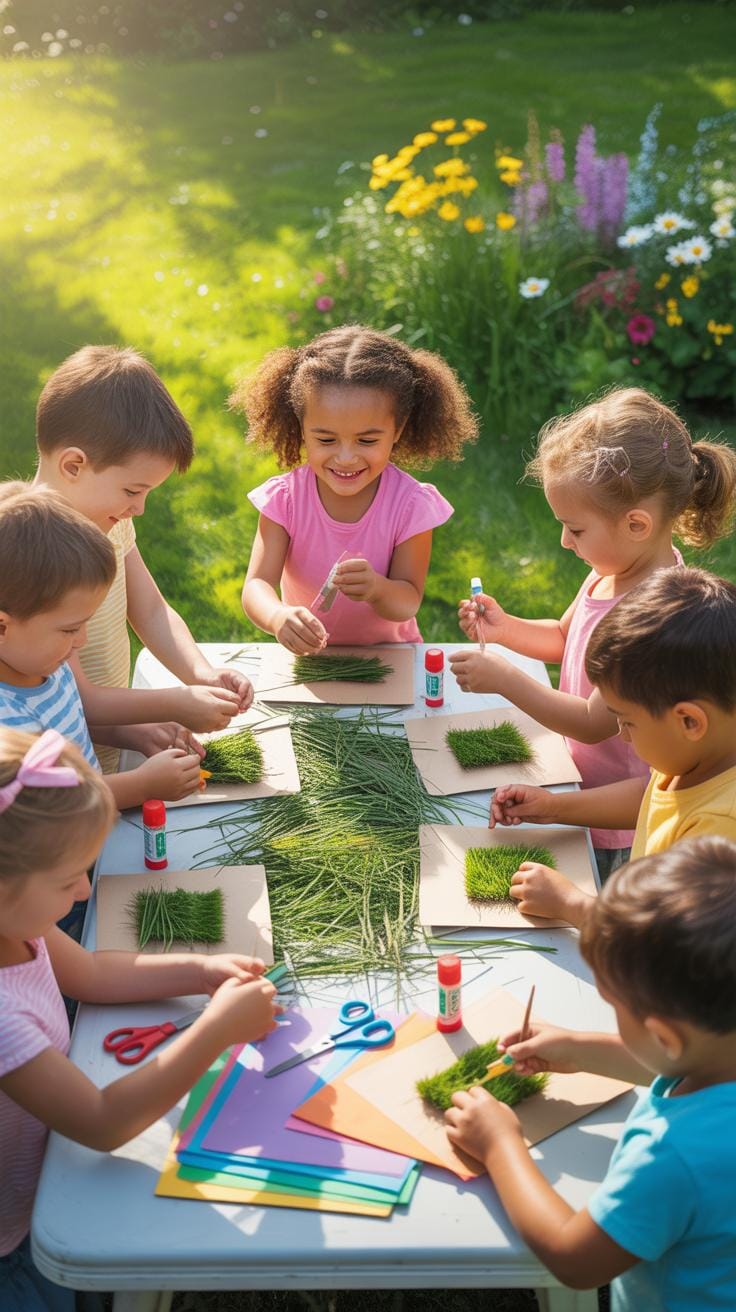
Young children learn best through their hands and hearts. When they touch brittle stems and soft seed heads, they develop essential motor skills. A Grass Activity for Kids provides varied textures that encourage gentle handling. Kids feel the difference between rough straw and smooth reeds. These Natural Crafts For Kids spark curiosity about the environment while strengthening small finger muscles through sorting and rearranging natural materials.
Working with sun-bleached stalks teaches kids about the change of seasons. They observe how green plants turn golden and dry over time. This process helps them understand the lifecycle of plants during Nature Crafts For Preschool sessions. Teachers can show them how to press these materials down. This preparation is the first step toward a more complex Grass Paper Craft or a collage that tells a story about the backyard.
Even the simplest blades of sun-dried grass hold the golden memory of summer and the magic of new beginnings. There are always flowers for those who want to see them.
Building Dried Grass Crowns
Creating a crown from withered stems is a simple Grass Diy Craft that fosters imagination. Children select flexible pieces to weave together into a circle. They can add bits of bark or a Flower Made Out Of Nuts to decorate their headpieces. This Grass Craft For Kids encourages them to use what they find on the ground. It turns a simple walk outside into a search for royal building materials.

Parents can guide children on How To Make Dried Flower And Leaf Art by layering different specimens onto the crown base. This creative play builds confidence as children see their ideas take physical shape. Nature Crafts For Kids Preschool help little learners connect with ancient traditions of wearing woven vines. It is a peaceful way to spend an afternoon. This project turns garden waste into a beautiful piece of wearable art for everyone.
Natural Crafts For Kids Developing Artistic Expression
The Importance Of Open Ended Art
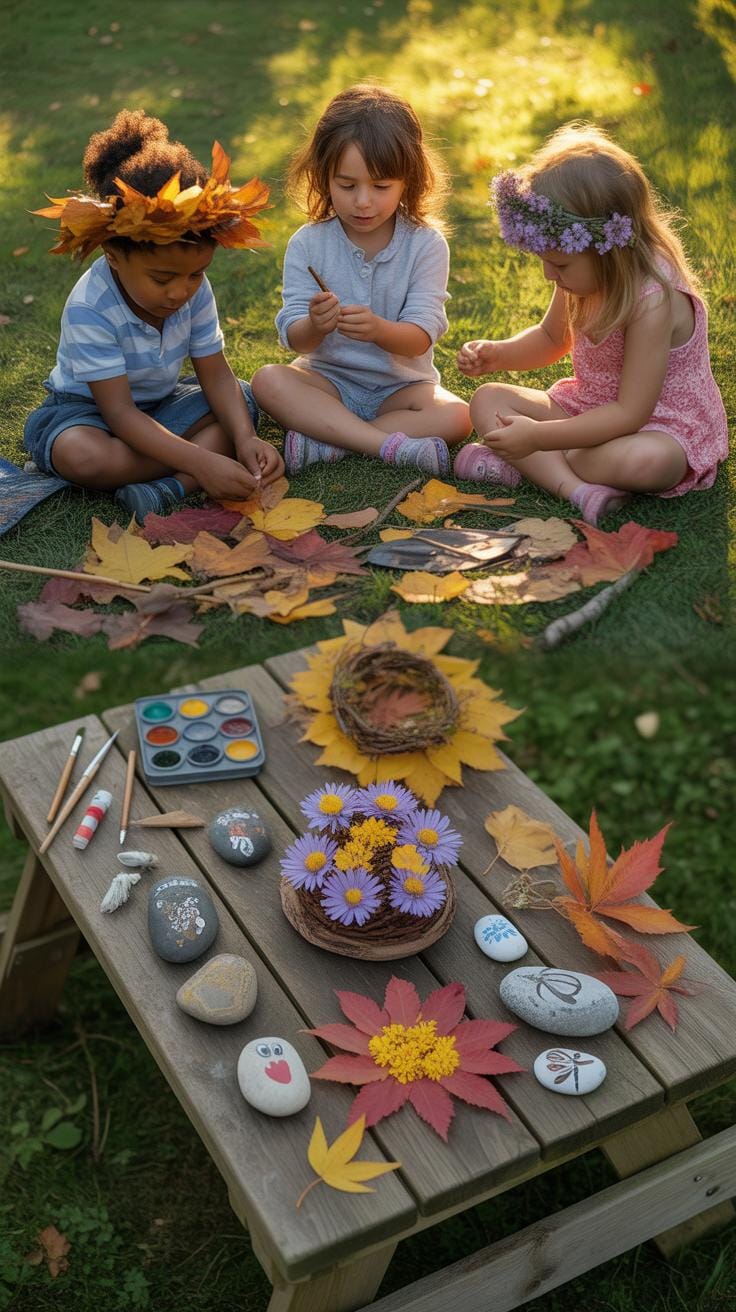
Using dead grass crafts encourages children to use their imagination. Kids look at a bundle of dried stems and see possibilities instead of waste. This process helps them learn how to make dried flower and leaf art without following a strict map. They pick up stalks and seeds to create unique patterns. Simple materials like these support nature crafts for kids preschool by letting them experiment freely.
Artistic freedom builds confidence in young learners. A nature crafts for preschool lesson gives children the space to solve problems. They must decide how to attach thin blades of grass to paper. Working on a grass paper craft teaches them about texture and strength. These natural crafts for kids turn basic elements from the backyard into tools for learning. Young artists develop real skills through trial and error.
Collaborative Nature Projects
Group settings turn a grass activity for kids into a social lesson. Children share their gathered materials and trade ideas while they work. They might combine different pieces to build a larger grass craft for kids. One child might create a flower made out of nuts while another builds a stem from hay. Working together teaches them how to communicate and help their peers reach a common goal.
Creating a grass diy craft with friends helps children understand perspective. They see how others use the same materials in different ways. This interaction is a vital part of nature crafts for kids preschool. It reinforces the idea that everyone has a unique vision. A shared grass activity for kids strengthens community bonds. These moments teach children to respect the environment and each other through hands on creative play.
Simple Grass Craft For Kids And Families
Step By Step Grass Weaving
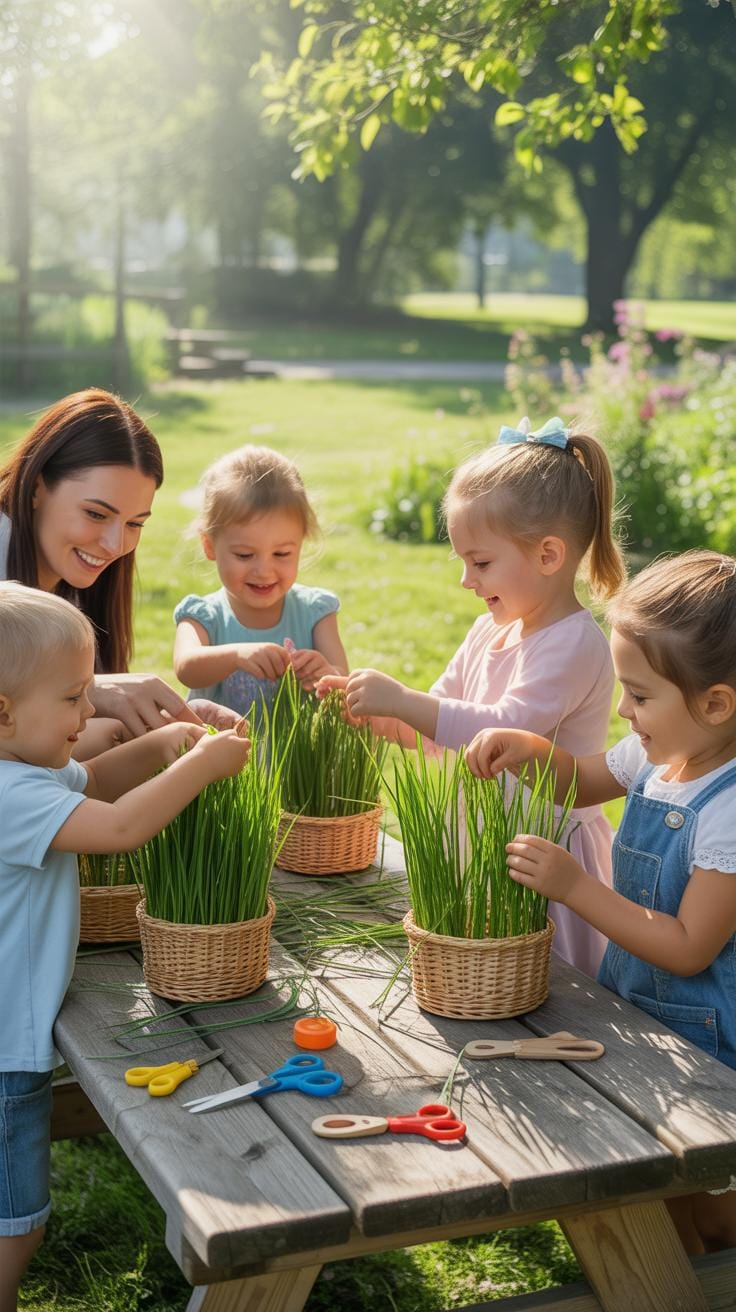
Grass craft for kids offers a tactile way to connect with the landscape during any season. This grass diy craft uses long stalks of dried fescue or rye to create small mats. These simple weaving projects serve as excellent nature crafts for preschool students because they build fine motor skills. You only need a few handfuls of brown grass and some basic twine to begin.
- Select Sturdy Stalks: Choose long pieces of dried grass that feel flexible rather than brittle. Avoid stalks that snap instantly when bent. These will form the base of your woven mat or coaster.
- Set The Warp: Lay four to six long stalks vertically on a flat surface. This vertical foundation acts as the warp. Space them evenly to ensure a consistent weave as your project grows larger and stronger.
- Begin Weaving: Take a single horizontal grass blade and thread it over and under the vertical stalks. This over-under pattern is the core of this grass activity for kids. Alternate the starting position for each new row.
- Secure The Edges: Use thin cotton twine or colorful yarn to tie off the ends once the weaving reaches the desired size. Tightly knotting the corners prevents the dried grass from sliding out of the structural grid.
- Trim Excess Material: Use safety scissors to clip any stray ends hanging off the sides of the mat. Trimming provides a clean finish and makes the final piece look like a professional decorative coaster or small pad.
This activity fits perfectly into sessions focused on natural crafts for kids of all ages. Parents often use these mats as a base for a grass paper craft or to hold a flower made out of nuts. Teaching children to gather materials from the backyard makes every project unique. This method respects the environment while providing a fun and educational afternoon activity for the whole family.
Shadow Box Nature Displays
Creating a shadow box is another excellent nature crafts for kids preschool activity for long afternoons. These boxes protect delicate objects like brittle stems and petals from dust or breakage. You can learn how to make dried flower and leaf art by arranging different textures inside a deep frame. Use a small dab of clear glue to hold each piece of dead grass against the backing board.

These displays allow families to preserve memories of their outdoor walks through the woods. Many parents find this to be an ideal grass craft for kids who enjoy collecting small botanical specimens. You can mix different heights and colors of dried foliage to add depth to the frame. Labeling each item with the date and location helps children document their local environment through creative art.
Advanced Decoration Adding A Flower Made Out Of Nuts
Combining Grass With Harder Elements
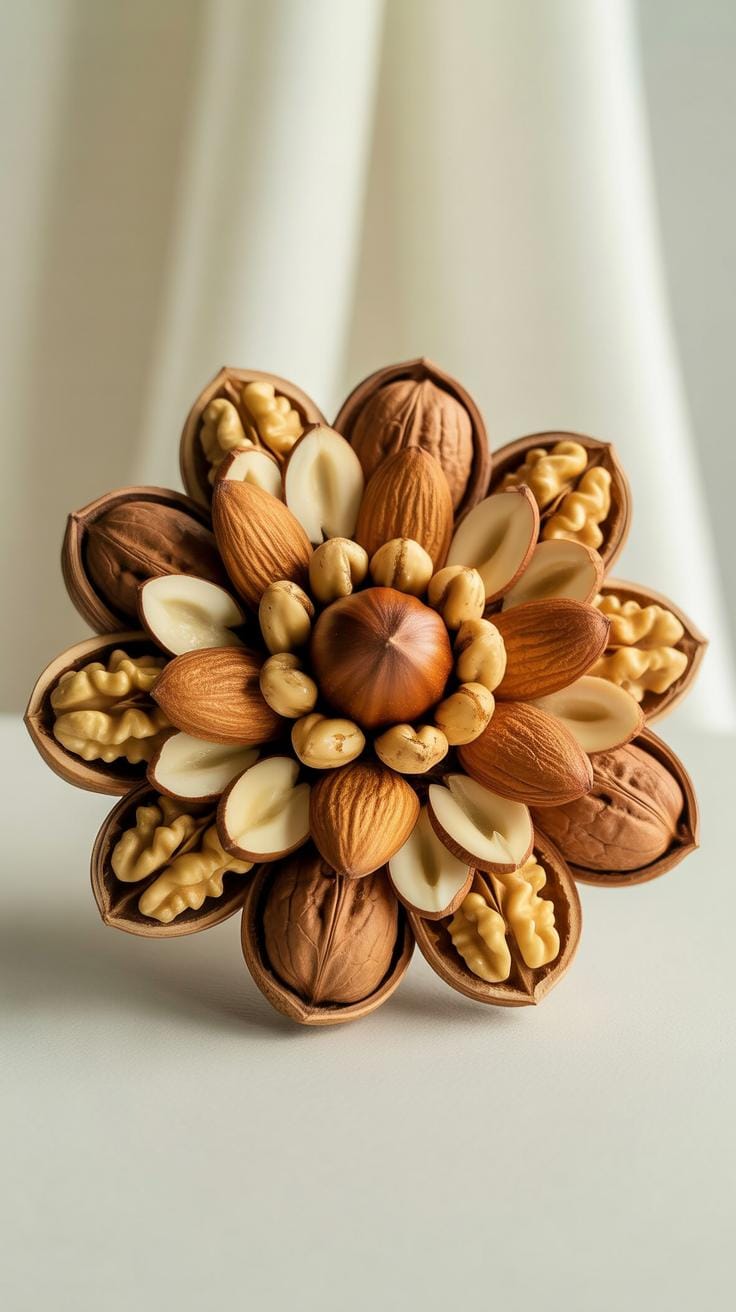
Working with grass craft for kids often focuses on soft textures found in your backyard. You can balance these wispy blades by adding walnut shells or almond husks to your design. This contrast creates a tactile experience similar to a grass paper craft. Using different weights helps the child understand balance. The rough surface of the nut shell acts as a sturdy base for delicate grass diy craft projects.
Mixing these materials brings a grounded feel to your grass activity for kids. You can arrange the shells in a circle to form a flower made out of nuts on top of the dried grass. This technique reflects older folk art traditions that use every part of nature. It teaches students about natural crafts for kids by showing how solid and soft items coexist. Your art gains a three dimensional quality.
Securing Mixed Media Elements
Success with nature crafts for preschool depends on using the right glue. Heavy nut shells require a strong craft adhesive to stick to fragile grass stems. Apply small dots of glue to the shell edges rather than the grass. This keeps your nature crafts for kids preschool tidy and prevents paper warping. Firm pressure ensures the heavier elements stay in place as they dry during your session.

Learning how to make dried flower and leaf art involves understanding structural integrity. You must layer the grass beneath the shells to hide the bonding points. This method creates a professional look for your grass diy craft that lasts a long time. Clear drying glue remains invisible and keeps the focus on the organic colors. Proper bonding makes these natural crafts for kids durable enough to display on a shelf at home.
Adapting Nature Crafts For Preschool Learning Environments
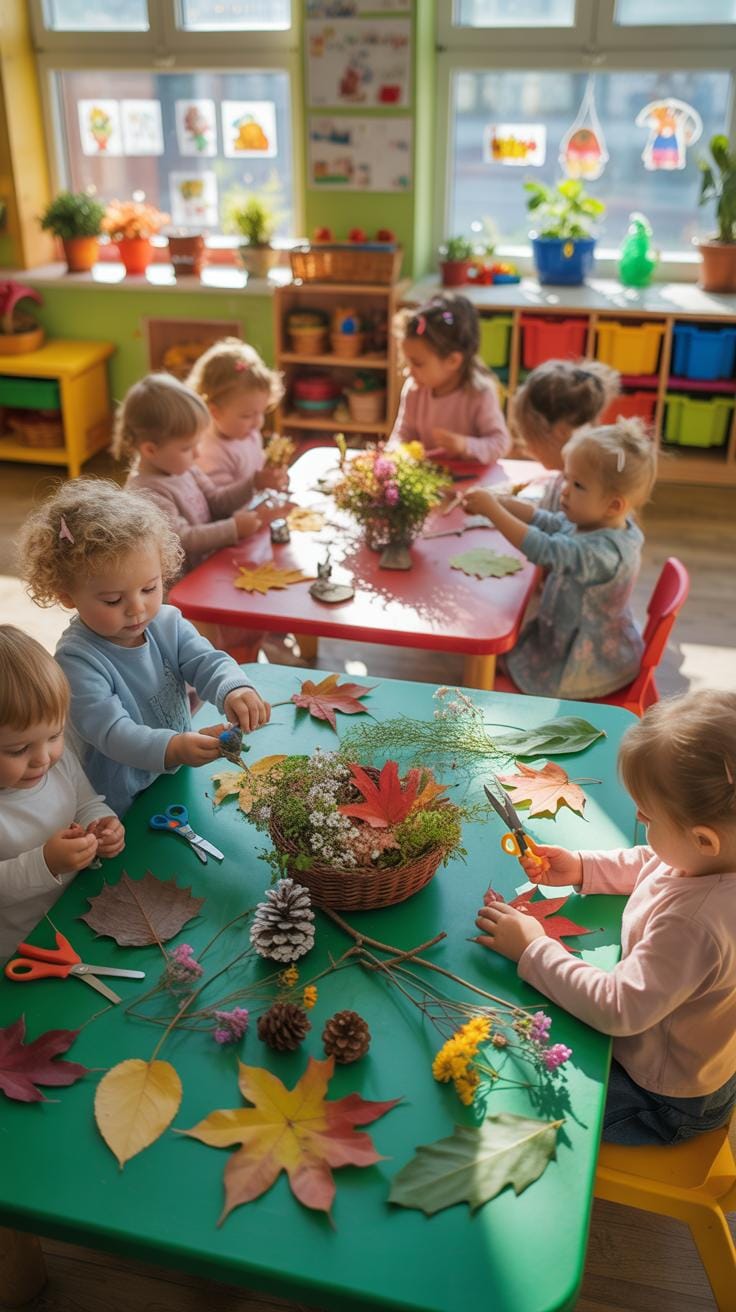
Low Mess Preschool Nature Art
Teachers often avoid messy glue when planning nature crafts for kids preschool. Clear contact paper offers a sticky surface that holds dried materials securely without any spills. Children place stalks of golden straw and flat stems onto the adhesive sheets to create textures. This simple grass craft for kids helps young learners build fine motor skills while keeping the classroom tables clean and organized.
Students can layer their findings to mimic a grass paper craft without using watery pulp. Placing a second sheet of contact paper on top seals the design for display. This method teaches kids how to make dried flower and leaf art by preserving the natural colors and shapes forever. Parents enjoy these nature crafts for preschool because the finished projects do not shed organic bits around the home later.
Educational Benefits Of Plant Biology
A grass activity for kids serves as a physical lesson about the seasons. Students observe how green blades turn into brittle golden strands during the natural life cycle. This natural crafts for kids project helps them identify different species found in local parks or backyards. Educators use these moments to explain how plants provide seeds for birds and shelter for small insects during the cold winter months.
Hands on segments show children how to build a flower made out of nuts or seeds found on the ground. This tactile grass diy craft encourages students to ask questions about growth and decay in the garden. Children learn that dead vegetation provides nutrients for new sprouts in the spring. Using these materials supports a deep connection to the environment while fostering a love for sustainable art practices in early childhood.
Frequently Asked Questions

Is dead grass actually safe and sturdy enough for home decor projects?
Absolutely! Dried ornamental grasses, often referred to as dead grass, are beloved by designers for their organic texture and durability. When properly harvested and dried, these natural fibers become surprisingly resilient. Incorporating dead grass crafts into your home brings a sophisticated, bohemian aesthetic that mimics high-end pampas grass displays. It is a sustainable way to celebrate nature’s lifecycle while adding airy, sculptural elements to your favorite interior spaces.
How do I prepare foraged materials to ensure my crafts last a long time?
Preparation is key to successful dead grass crafts. Once you harvest your foliage, gently shake it to remove loose debris or insects. To prevent shedding and preserve the golden color, lightly coat the plumes with an unscented, aerosol hairspray. This simple trick seals the delicate blades, ensuring your handmade wreaths or floral arrangements remain intact and dust-free for months while maintaining their beautiful, wispy silhouette on your mantle.
Do I need to buy expensive supplies to start making these natural decorations?
One of the best things about working with foraged flora is the minimal cost involved. Unlike expensive store-bought stems, you can find your primary materials for free in your own backyard or local fields. Most projects only require basic household items like twine, floral wire, or a hot glue gun. This makes it an incredibly budget-friendly hobby that allows you to create high-impact, professional-looking decor without spending a fortune.