
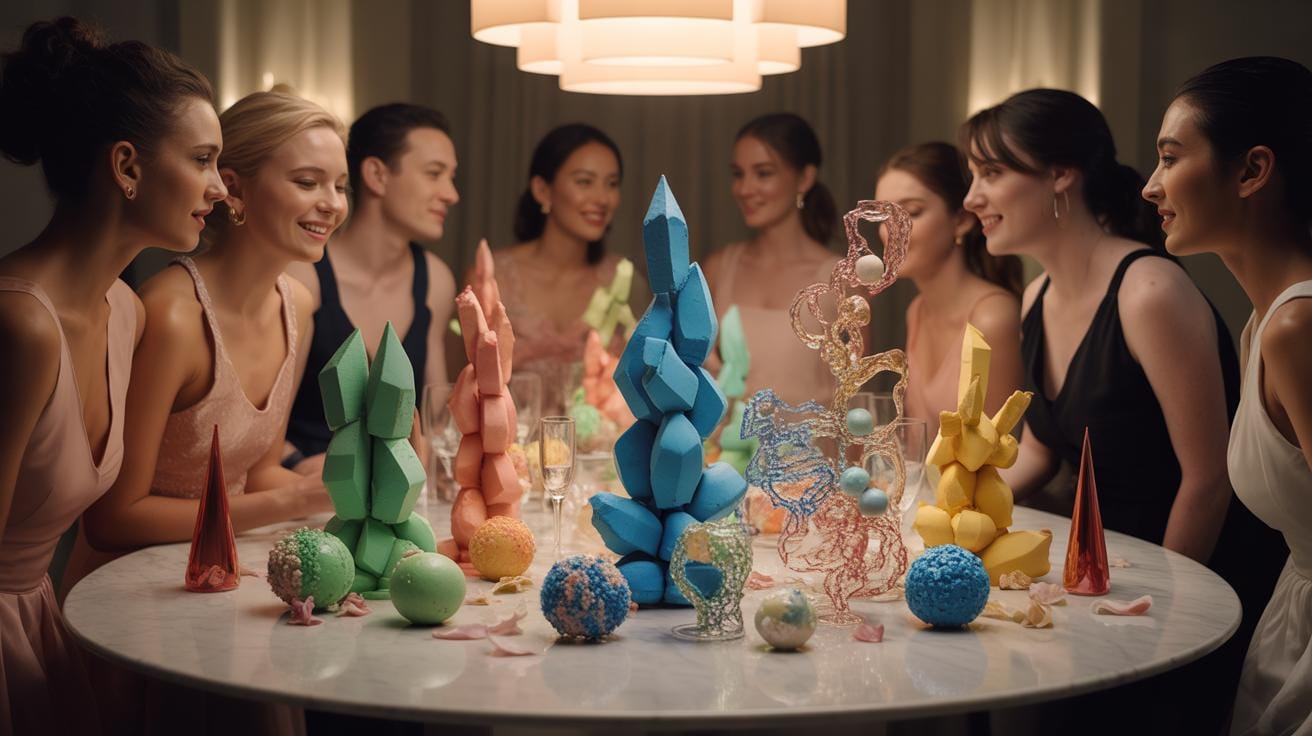
The Evolution Of Edible Art In Modern Gastronomy

Historical Roots
Sugar work began centuries ago in Europe. Pastry chefs created elaborate decorations for royal banquets. These sugar sculptures became status symbols at fancy tables. They showed wealth and skill. Over time, chefs added spun sugar, pulled sugar, and molded pieces. These techniques passed down through generations of bakers. Edible art started as pure craft and decoration.
The 1800s and 1900s saw sugar art reach new heights. Chefs competed to create the most impressive displays. They made entire landscapes from sugar and marzipan. These creations told stories and amazed guests. Food became more than fuel. It became a way to express creativity and impress people. Traditional edible art set the foundation for modern practice.
Modern Movement Impact
The 20th century brought major changes to how we think about food. Artists began treating ingredients like paint and canvas. They questioned what art could be. Food fit into this new thinking perfectly. Chefs started studying fine art and design principles. They applied these ideas to plating and presentation. Edible art moved into galleries and fine dining restaurants.
Contemporary edible art reflects today’s values and ideas. Chefs now use molecular gastronomy, foam, and spheres. They work with unusual ingredients and bold colors. Food installations appear in museums and art shows. Some pieces last only minutes before guests eat them. This temporary nature makes edible art special and urgent. Modern chefs see food as a complete art form equal to painting or sculpture.
Molecular Gastronomy The Science Behind The Spectacle
Chemical Transformations
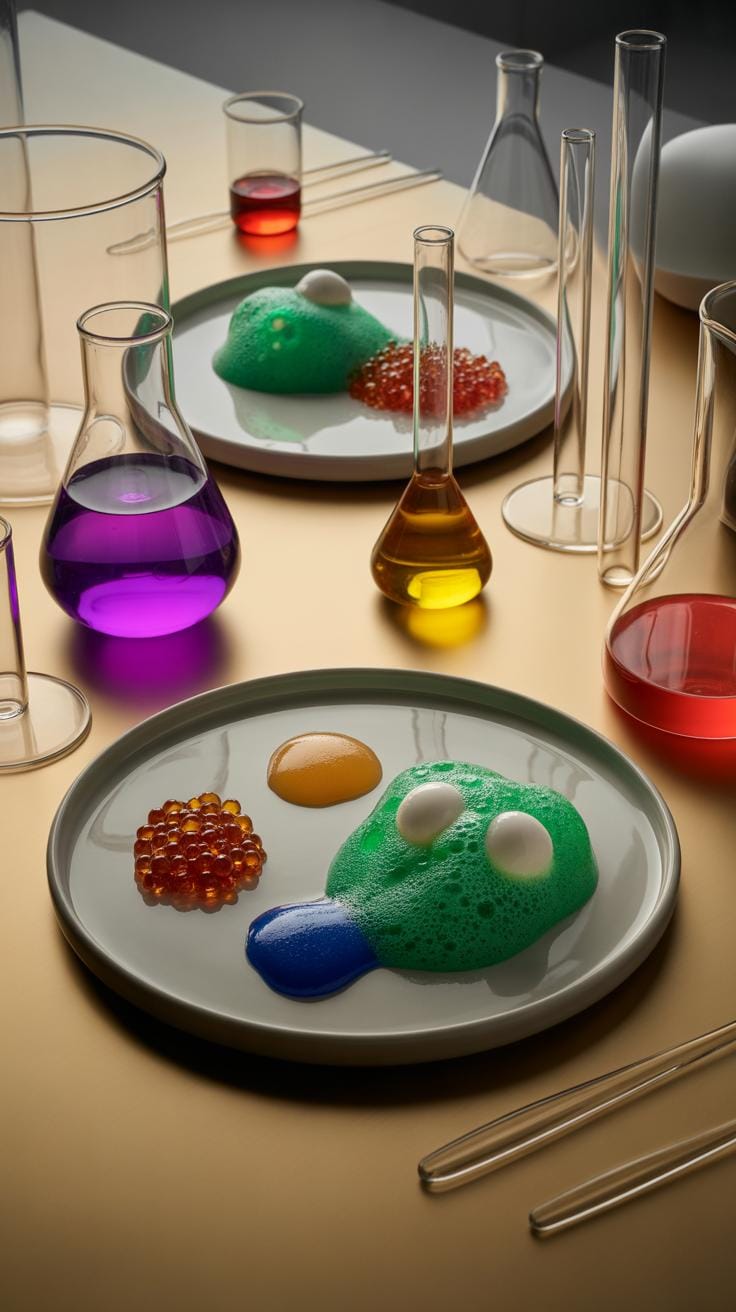
Spherification and gelification are two core techniques that chefs use to create edible art with stunning textures. Spherification involves placing liquid inside a thin gel membrane. This creates small, bubble-like spheres that burst with flavor when you eat them. Gelification turns liquids into solid or semi-solid forms using special ingredients. These methods transform ordinary ingredients into visual masterpieces on the plate.
- Spherification: Drops of flavored liquid form perfect spheres using sodium alginate and calcium chloride to create surprising bursts of taste.
- Gelification: Liquids thicken into gel using gelatin, agar, or other gelling agents to hold shape and create unique textures.
- Foams: Air is whipped into liquids using lecithin to create light, airy clouds of flavor that melt on your tongue.
- Caviar Pearls: Tiny liquid spheres mimic fish eggs, adding visual interest and bursts of concentrated flavor to edible art presentations.
- Transparent Sheets: Gelatin or agar creates thin, see-through layers that showcase colorful ingredients underneath for dramatic visual effect.

These chemical transformations let chefs play with texture in ways that traditional cooking cannot. When guests encounter edible art using these techniques, they experience something unexpected and memorable. The visual appeal combines with the surprising texture change to create a moment of wonder on every plate.
Like cherished family recipes reimagined with loving creativity, serve your guests avant-garde edible art to warm their hearts with surprise and delight.
Sensory Experience
Temperature shifts create powerful moments during the edible art experience. Hot and cold elements on the same plate wake up your taste buds in new ways. A warm soup paired with a cold foam or gel creates contrast that makes flavors pop. These temperature differences also add visual drama as steam rises from hot components.
Unexpected flavor pairings challenge what your mouth thinks it knows about food. Sweet paired with salty, savory with floral, bitter with umami creates complex layers. Your brain works to understand these new combinations, making each bite an active experience. This engagement turns eating into an event. Guests remember edible art not just because it looks beautiful, but because it tastes like nothing they have tried before.
Sculptural Masterpieces Designing With Sugar And Cocoa
Sugar Pulling Techniques
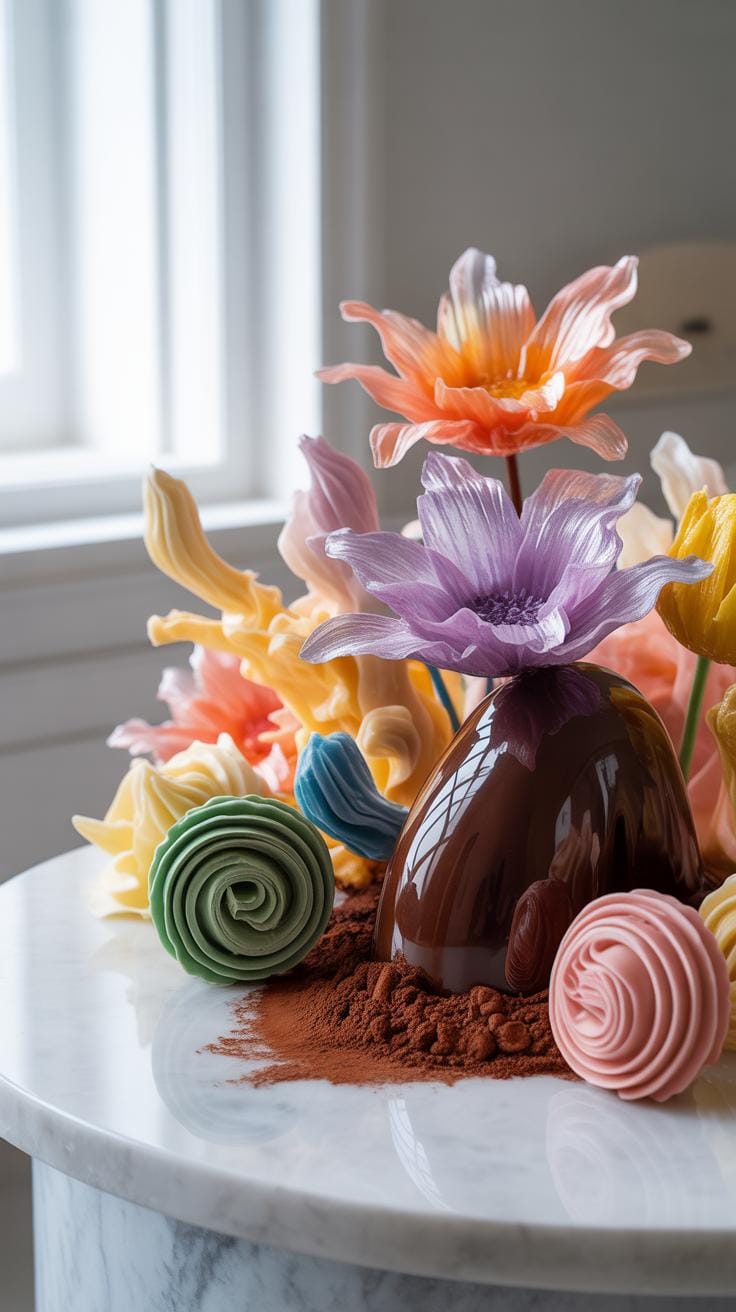
Sugar pulling is an ancient craft that transforms simple sugar into delicate, transparent structures. Pastry chefs heat sugar to specific temperatures, then pull and stretch it into thin strands and sheets. This demanding technique creates incredible edible art for your tablescapes. The pulled sugar becomes hard and glass-like when cooled, allowing chefs to build elaborate decorative pieces that catch light beautifully.
Blown sugar takes this craft further by combining heat and air. Chefs use a hollow pipe to blow air into heated sugar, creating hollow spheres and organic shapes. These translucent forms float above desserts like delicate sculptures. Both techniques require steady hands, perfect timing, and deep knowledge of sugar chemistry to prevent crystallization and breakage during creation.
Chocolate Sculpting
Chocolate sculpting begins with proper tempering, a critical step for creating smooth, glossy structures. Tempering involves heating and cooling chocolate to specific temperatures, which aligns the cocoa butter crystals correctly. This process ensures your chocolate pieces snap cleanly and have the perfect shine. High-quality chocolate contains more cocoa solids, making it ideal for building architectural dessert structures that hold their shape.
Molding and hand-shaping techniques let chefs create walls, towers, and intricate patterns from tempered chocolate. Pastry artists pipe melted chocolate into molds or directly onto parchment paper to form pieces. These individual components stack together to build impressive edible art installations. Chocolate’s natural richness adds both visual drama and delicious flavor to your guest’s dining experience.
Interactive Installations Engaging Your Guests Directly

Live Plating Events Art
When chefs plate dishes right in front of your guests, something special happens. The knife work, the sauce drizzle, the final garnish—all become part of the show. Live plating turns edible art into theater. Guests watch skilled hands create beauty on a plate. They see the care behind each element. This moment creates memory and connection before anyone takes a bite.
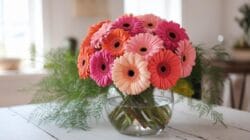
Live plating stations work best with smaller groups or flowing events. Guests can gather around and ask questions. They learn why ingredients go where they do. The chef becomes a teacher and performer at once. This approach to edible art makes your event feel exclusive and thoughtful. People remember watching their food come to life.
Edible Galleries
Think of a gallery, but instead of paintings on walls, you display edible creations. Arrange small bites and pieces on different heights and surfaces. Use cake stands, wooden boards, and floating shelves. Each section tells a story through color, texture, and flavor. Guests move through the space like they’re visiting an art show. They pick and choose what appeals to them most.
Edible galleries work well for cocktail parties and open-house events. The setup encourages guests to walk around and mingle. Each display becomes a conversation starter. You can organize by color, by cuisine, or by ingredient. Edible art displayed this way feels less formal than plated service. Guests enjoy the freedom and discovery that comes with this style.
Botanical Aesthetics Incorporating Nature In Edible Art

Pressed Flower Design
Edible flowers bring real beauty to your plates. Pressed flowers create delicate decorations that look like tiny works of art. You can use pansies, violets, and roses. These flowers are safe to eat when grown without pesticides. They add color and elegance to cakes, desserts, and savory dishes. The pressing process keeps their shape and color intact for your guests to enjoy.
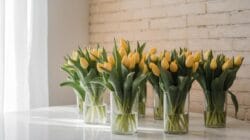
Natural pigments work alongside pressed flowers to build stunning designs. Beet juice creates deep reds. Spinach makes green tones. Turmeric gives bright yellows. You can paint these colors on plates or mix them into frostings. Combined with pressed flowers, these pigments tell a story. Your edible art becomes a gallery on every guest’s plate.
Organic Composition
Raw ingredients create landscapes on your serving dishes. Microgreens form tiny forests. Edible moss carpets the base. Colorful vegetables stack into mountain ranges. Seeds and sprouts add texture and depth. This approach to edible art mimics nature itself. Guests see a beautiful scene before they taste anything. The food becomes a natural landscape they can eat.
Building organic compositions takes planning and creativity. Start with a base layer of greens or grains. Add height with vegetables or fruits standing upright. Place smaller elements like herbs and flowers on top. Step back and look at your creation. Does it look like a place in nature? The best edible art tells a story through its natural arrangement.
The Role Of Color Theory In Gourmet Presentation
Vibrant Natural Shades
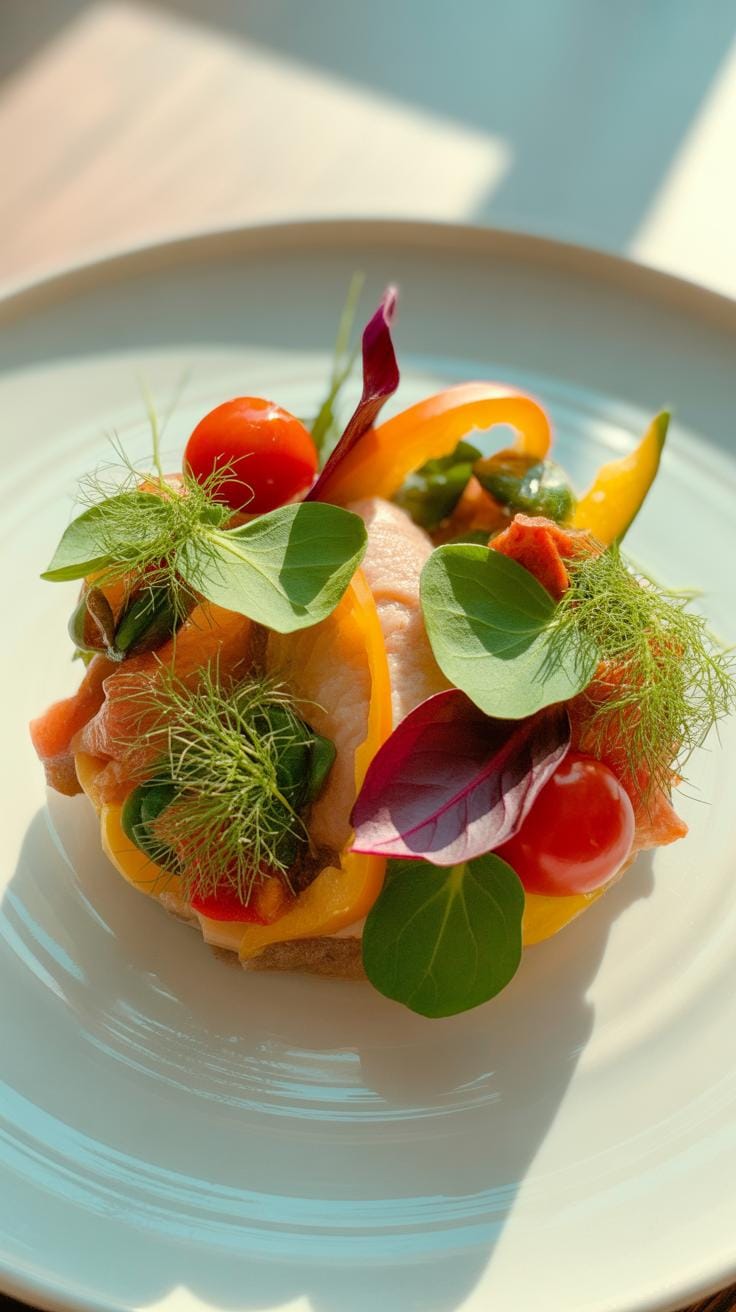
Nature provides chefs with a rich palette of natural pigments for creating edible art. Vegetables like beets, carrots, and red cabbage offer deep reds, oranges, and purples. Herbs such as spinach and parsley deliver vibrant greens. Turmeric brings warm golden tones. These ingredients work as both flavor and color, making them perfect for avant-garde presentations that guests will remember.

Natural pigments create authentic colors that synthetic dyes cannot match. Butterfly pea flower produces stunning blue hues that change with pH levels. Charcoal from activated sources creates striking blacks. Beet powder delivers consistent reds and pinks. Using these real ingredients makes your edible art taste better while looking stunning on the plate.
- Beets and red cabbage: Produce deep crimsons, purples, and burgundy tones perfect for elegant plating.
- Turmeric and saffron: Deliver warm golds and yellows that suggest richness and sophistication to guests.
- Spinach and herbs: Create fresh greens that add natural vibrancy and life to any edible art display.
- Butterfly pea flowers: Offer brilliant blues that shift colors when exposed to acidic ingredients.
- Charcoal and squid ink: Provide dramatic blacks and deep tones for bold, modern presentations.
Layering these natural colors builds visual interest on the plate. A red base with green accents and golden details creates balance. Your guests see a finished dish that looks like art before they taste it. This approach makes edible art both beautiful and genuine.
Emotional Response Color
Color affects how guests perceive taste before they ever take a bite. Red stimulates appetite and suggests sweetness or intensity. Blue and purple feel luxurious and rare. Yellow conveys warmth and energy. Green feels fresh and clean. Smart color choices in your edible art make meals feel more special and memorable than they actually are.
Luxury dining uses specific colors to guide emotion and expectation. Gold accents suggest prestige. Deep purples mean elegance. Rich reds indicate boldness and confidence. When guests see these colors on their plate, their minds prepare for a premium experience. Your edible art becomes more than food. It becomes an experience that costs money and means something.
Miniature Masterpieces Small Bites With Big Impact
Canapes Design Art
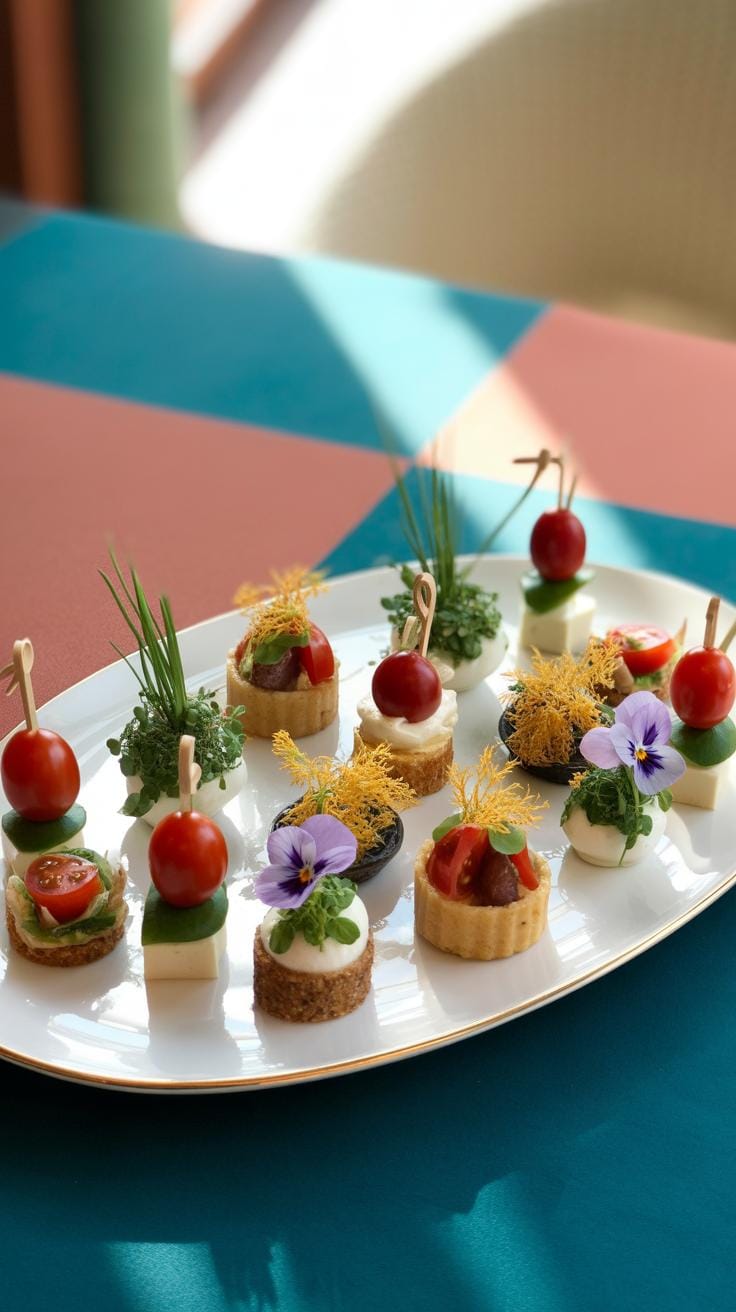
Canapes offer the perfect canvas for creating edible art on a small scale. Each piece becomes a work that guests admire before eating. You layer flavors and textures on a single bite-sized base. The base might be a thin cracker, toasted bread, or crispy wafer. On top, you add spreads, proteins, vegetables, and garnishes with careful placement. Every element serves a purpose both visually and in taste.
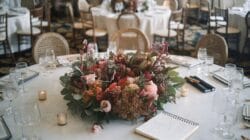
Creating canapes for edible art requires planning your design ahead of time. Sketch out your pattern or color scheme on paper first. Think about balance and symmetry as you arrange each topping. You can pipe creams into delicate shapes. You can arrange micro vegetables in geometric patterns. The goal is making each canape look like a tiny painting that tastes amazing.
Precision Garnish Tools Art
The right tools make detailed edible art work possible on small surfaces. Tweezers help you place tiny elements with exact control and precision. A offset spatula spreads creams smoothly across your canape base. Fine piping tips create thin lines and delicate designs from purées. Microplane zesters add shaved garnishes for texture and visual interest. These tools transform ordinary bites into gallery-worthy edible art pieces.
Investing in quality tools improves your results dramatically when creating miniature edible art. Look for stainless steel tweezers with flat, smooth tips for gripping. Choose piping bags with flexible tips that let you control pressure easily. A small sharp knife cuts herbs and vegetables into precise pieces cleanly. Round plating spoons help you portion and shape spreads neatly. These tools become your trusted helpers for achieving professional-quality detail work.
Sustainable Edible Art Beauty With A Conscience
Zero Waste Artistry
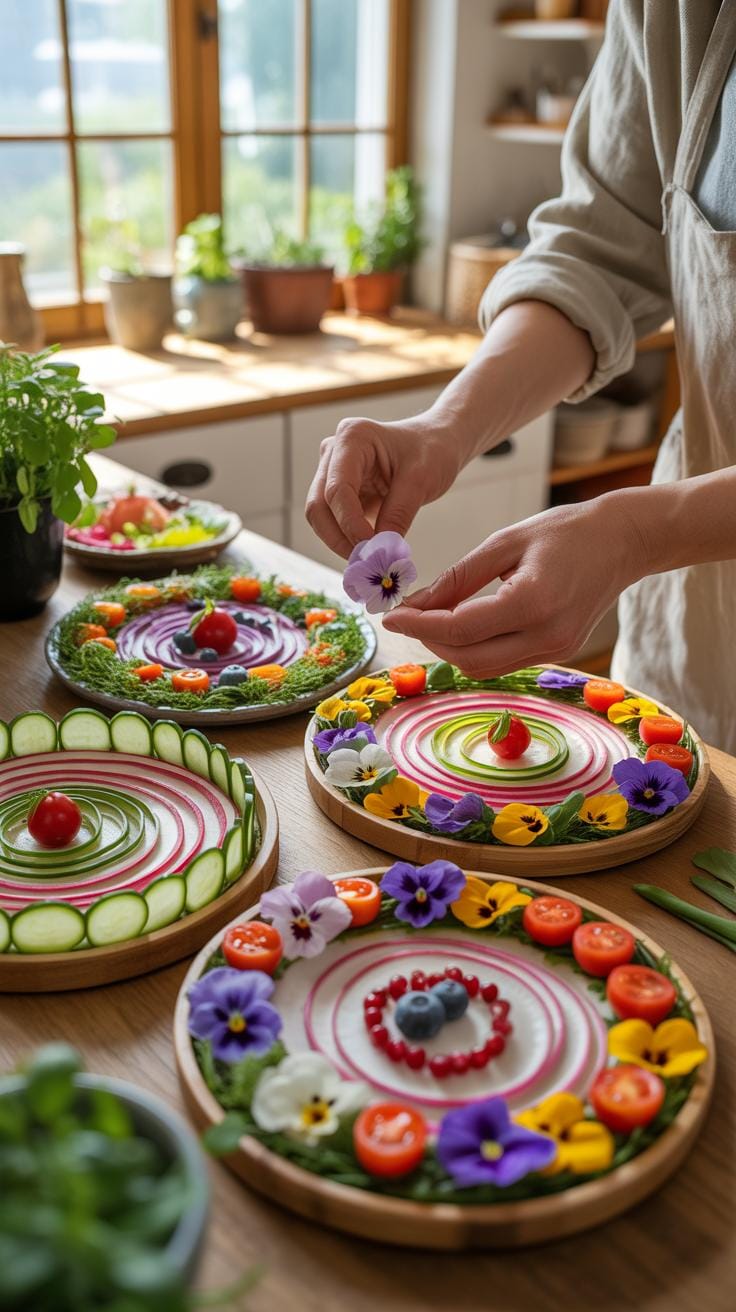
Creating edible art from food scraps shows respect for ingredients and nature. Vegetable peels become delicate ribbons. Herb stems transform into textural garnishes. Bread crusts turn into crunchy elements. This approach to edible art reduces waste while adding depth to your presentation.
- Vegetable peels: Thin strips of carrot, beet, or cucumber skin create elegant swirls and layered decorations on plates.
- Herb stems: Small leaves and tender stems from basil, cilantro, or parsley add color and freshness without waste.
- Bread scraps: Toasted and seasoned crusts become crunchy crumble toppings for elegant edible art displays.
- Citrus zest: Dried peels from lemons and oranges offer color and flavor to garnish platters beautifully.
- Fruit leather: Overripe fruit purees dried into sheets become sculptural elements for artistic food presentations.
Smart cooks know that scraps hold hidden potential. Your guests notice the thoughtfulness behind zero waste edible art. It tells a story of intention and care.
Locally Sourced Canvases
Seasonal ingredients inspire authentic edible art that connects guests to their region. Spring brings tender greens and edible flowers. Summer offers vibrant berries and stone fruits. Fall provides squashes and root vegetables. Winter showcases citrus and preserved elements. Each season changes what your edible art can become.
Local sourcing strengthens community bonds through food. Your guests taste the flavor of nearby farms. Edible art made from local produce sparks conversations about where food comes from. This practice turns dinner into an educational moment that celebrates regional agriculture and sustainability.
Technology And The Future Of Culinary Artistry

3D Food Printing Impact Art
Three-dimensional food printing technology creates edible art with shapes that would be difficult or impossible to make by hand. Chefs use special printers that layer food materials like chocolate, dough, and sugar paste. The machines build structures one thin layer at a time. This technology lets artists design geometric patterns and intricate details. Edible art becomes more precise and creative with each printer generation.

Restaurants and pastry chefs use 3D food printers to make custom desserts for special events. Guests receive personalized treats printed with their initials or favorite patterns. The process takes minutes instead of hours of hand crafting. Complex towers and abstract shapes now appear on fine dining plates. Technology makes edible art more accessible to creative chefs everywhere.
Augmented Reality Dining Art
Augmented reality transforms how guests experience edible art at the table. Diners use their phones or tablets to see digital images layered over their food. Hidden animations appear when pointed at the plate. Edible art combines with glowing effects and moving pictures on screens. This blend of real and digital creates memorable dining moments.
Restaurants use augmented reality to tell stories about their edible art. A cake might show its ingredients or the chef’s process when viewed through an app. Guests become part of an interactive experience. The technology adds wonder and entertainment to meals. Edible art becomes a full sensory experience that guests remember long after dinner ends.
Frequently Asked Questions
What is avant-garde edible art?
Avant-garde edible art pushes the boundaries of traditional food presentation, turning everyday ingredients into stunning, thought-provoking sculptures and installations that guests can eat. It’s a fusion of culinary skill and artistic expression, perfect for wowing dinner party crowds. Imagine chocolate shards mimicking modern sculptures or vegetable mosaics inspired by abstract painters—delicious and visually captivating!
How can I create simple edible art for guests at home?
Start with fresh fruits, veggies, and chocolates to craft edible art that delights your guests. Slice fruits into geometric shapes, arrange them into avant-garde patterns on platters, or pipe colorful icings into abstract designs on cupcakes. Use cookie cutters for precision and herbs for texture. Practice on a small scale first—your edible art will impress without overwhelming your prep time.
What’s the best way to make edible art on a budget?
Edible art doesn’t require fancy tools; use pantry staples like carrots, apples, nuts, and rice for affordable avant-garde creations. Shop sales for seasonal produce to keep costs low, and repurpose leftovers into sculptural veggie towers or fruit mosaics. Focus on creativity over expense—guests love the wow factor of budget-friendly edible art that looks gourmet!