
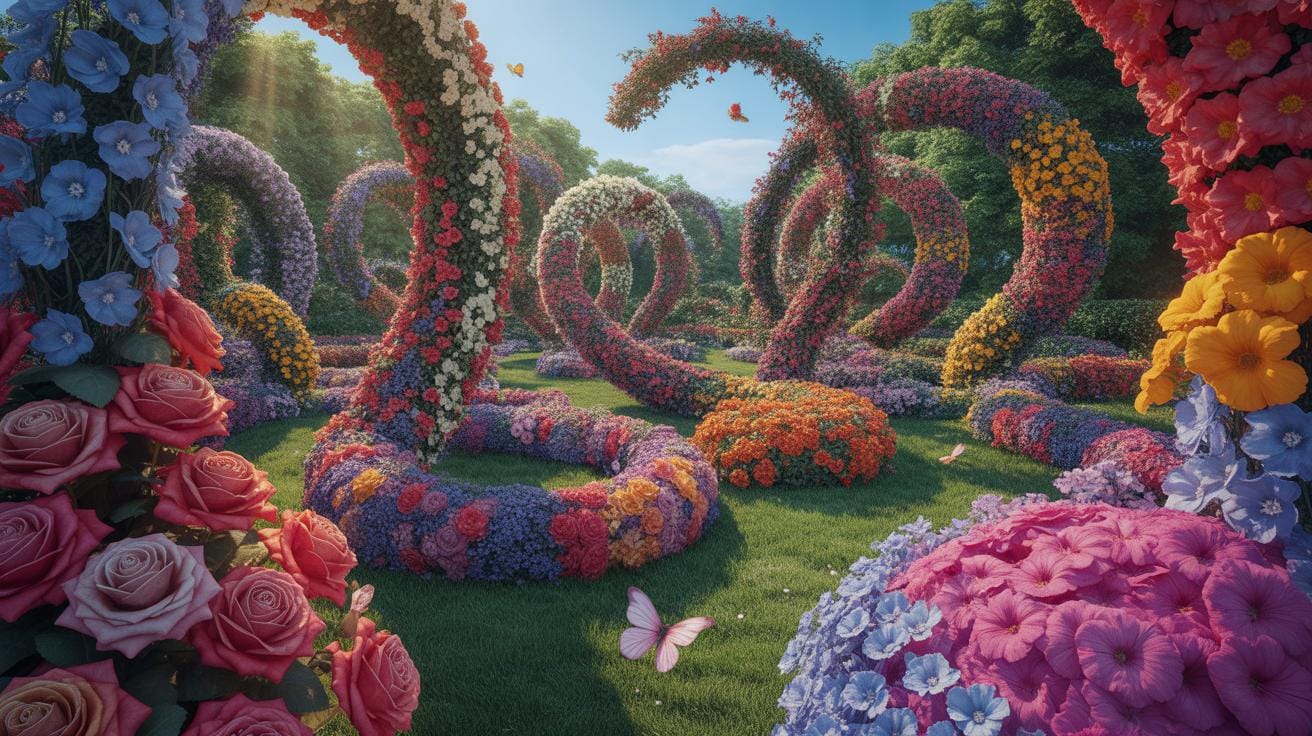
The Spiritual Roots Of Ikebana And Japanese Floristry

History Of Kadō
Kadō, literally meaning “the Way of Flowers,” emerged as a refined flower art form deeply intertwined with Japanese spiritual traditions. Its origins trace to Buddhist temple offerings, where monks arranged flowers as sacred tributes during religious ceremonies. These early practices blended with Shinto beliefs about yorishiro—objects believed to attract and house divine spirits. Over centuries, this spiritual foundation transformed flower arrangements into a meditative discipline, eventually becoming recognized as one of Japan’s traditional arts alongside calligraphy and tea ceremony.
The evolution of Kadō reflects Japan’s cultural synthesis of Buddhist and Shinto philosophies. Practitioners viewed arranging flowers not merely as aesthetic expression but as spiritual practice connecting the earthly and divine realms. By the fifteenth century, formal schools emerged, systematizing these flower art forms with specific techniques and philosophical frameworks. This professionalization elevated floral arrangement from simple temple decoration to an esteemed discipline requiring years of dedicated study, cementing its place within Japanese artistic heritage.
Principles Of Heaven, Earth, And Humanity
The foundational structure of ikebana arrangements rests upon three primary lines representing the cosmos’s fundamental forces. The tallest line symbolizes Heaven, reaching upward with aspiration and spiritual elevation. The middle line represents Humanity, connecting the earthly and celestial realms with graceful balance. The shortest line embodies Earth, grounding the composition with stability and rootedness. These three elements create visual harmony while expressing profound philosophical concepts, transforming simple flower art forms into three-dimensional representations of universal balance and interdependence.
Understanding these principles reveals ikebana’s deeper significance beyond mere decoration. Each line’s placement and proportion must reflect intentional symbolism and spatial awareness. Practitioners spend years mastering the subtle adjustments that distinguish amateur arrangements from masterpieces. The interplay between Heaven, Earth, and Humanity teaches that beauty emerges through deliberate balance rather than abundance:
- Heaven line extends upward at approximately 45 degrees, commanding visual attention
- Earth line angles downward, creating foundational stability and visual weight
- Humanity line bridges the two, establishing proportional relationships and narrative flow
- Empty space between elements carries equal importance as the plant materials themselves
- Asymmetry and minimalism reflect nature’s authentic imperfection rather than rigid formality
Through mastering these structural principles, students of Kadō cultivate deeper appreciation for natural materials and spatial relationships. The disciplined approach to flower art forms encourages contemplation and mindfulness, transforming the arrangement process into meditation rather than mere craft.
Oshibana The Delicate Art Of Pressed Flower Craft

Samurai And The Discipline Of Patience
The samurai class of 16th-century Japan discovered profound value in flower pressing as a meditative practice. Beyond mere botanical preservation, oshibana became intertwined with Zen philosophy, offering warriors a counterbalance to their martial training. This delicate flower art form required the same focus and discipline cultivated through sword practice, channeling aggression into contemplative artistry. The practice embodied the samurai code’s emphasis on harmony between strength and sensitivity, transforming pressed flowers into spiritual exercises rather than simple crafts.
Within the rigid hierarchies of feudal Japan, oshibana provided samurai with an unexpected sanctuary for artistic expression. The meticulous process of selecting, arranging, and pressing flowers demanded unwavering concentration and patience—virtues essential to both warrior culture and aesthetic refinement. This flower art forms practice allowed practitioners to achieve mental clarity and emotional balance, bridging the seemingly contradictory worlds of combat and beauty. The tradition endured as a respected pursuit among the warrior class, demonstrating that true strength encompassed artistic sensitivity.
Victorian Era Revival And Modern Techniques
The Victorian era rediscovered oshibana with fervent enthusiasm, elevating pressed flower arrangements into fashionable parlor decorations and cherished keepsakes. European collectors meticulously documented botanical specimens through careful pressing techniques, blending scientific interest with romantic sentimentality. This revival transformed traditional flower art forms into elaborate compositions framed behind glass, reflecting Victorian society’s fascination with nature and preservation. The era’s meticulous aesthetic sensibilities perfectly aligned with oshibana’s inherent demands for precision and artistic vision.
Contemporary flower art forms have revolutionized oshibana through technological advancement and innovative preservation methods. Modern practitioners now employ vacuum-sealing techniques that retain vibrant colors and delicate structures previously impossible to achieve through traditional pressing alone. These cutting-edge approaches preserve flowers with museum-quality archival standards while maintaining the meditative essence of the original craft. Today’s oshibana artists blend historical reverence with modern innovation, creating stunning compositions that bridge centuries of artistic tradition and contemporary design sophistication.
Botanical Illustration Documentation As High Art
Scientific Accuracy In Early Herbals
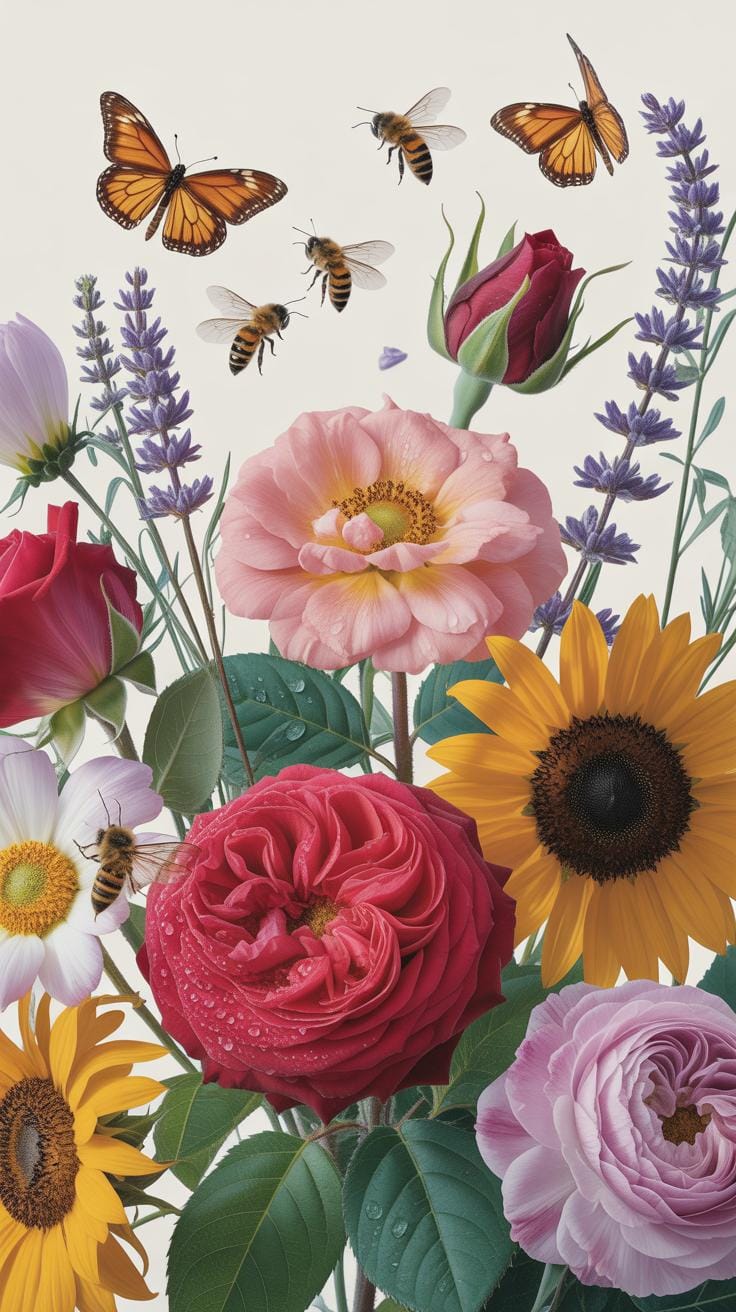
During the Renaissance and medieval periods, botanical illustration served a vital purpose beyond mere decoration. Detailed plant drawings became essential tools for physicians and apothecaries who relied on precise visual identification to distinguish medicinal herbs from toxic imposters. These meticulously rendered flower art forms documented plant morphology with scientific rigor, capturing leaf veins, petal formations, and root systems with remarkable accuracy. The herbals created during this era established foundational standards for botanical documentation that influenced scientific illustration for centuries to come.
The relationship between artistic skill and botanical knowledge created a fascinating synergy in early herbal manuscripts. Illustrators had to understand plant anatomy thoroughly to render specimens authentically, transforming flower art forms into windows for taxonomic research. These illustrations enabled scholars to classify species, share knowledge across distances, and preserve information about rare or seasonal plants. The dedication to accuracy in these works demonstrates that scientific documentation and artistic beauty were not opposing forces but complementary pursuits in the quest for understanding the natural world.
The Golden Age Of Floral Watercolors
The eighteenth and nineteenth centuries witnessed an extraordinary flourishing of botanical watercolor painting, where technical precision merged harmoniously with aesthetic refinement. Illustrators mastered the delicate balance between depicting exact morphological details and creating emotionally compelling compositions. These artists employed specialized materials and techniques that allowed them to capture the translucent qualities of petals and the subtle gradations of natural color. The resulting flower art forms transcended purely scientific purposes, captivating audiences with their combination of meticulous observation and artistic sensitivity.
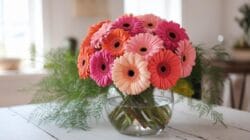
Creating accomplished botanical watercolors required specialized knowledge and refined materials:
- High-quality watercolor pigments derived from natural and mineral sources
- Specialized botanical paper with appropriate texture and weight
- Fine-tipped brushes for rendering intricate botanical details
- Preliminary pencil sketching for compositional accuracy
- Layering techniques to achieve luminous color effects
These golden age illustrations remain treasured examples of how flower art forms can simultaneously satisfy rigorous scientific standards and inspire aesthetic wonder. The careful documentation of plant specimens in their precise botanical detail, combined with the sensitive use of light and shadow, created works that continue to delight collectors and botanists alike. These watercolors represent a pinnacle moment when technical mastery and artistic vision achieved perfect equilibrium.
The Grandeur Of Ephemeral Flower Carpets
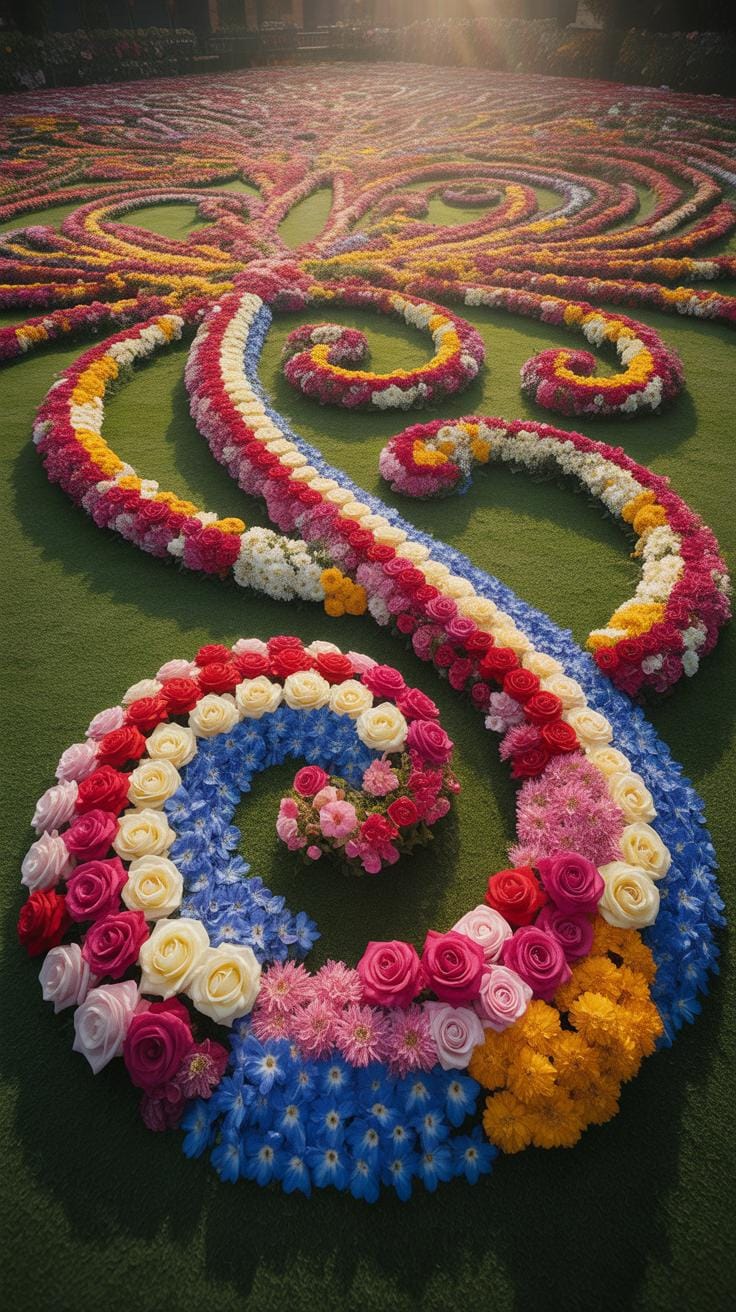
The Brussels Flower Carpet Tradition
The Brussels Flower Carpet stands as one of Europe’s most magnificent exhibitions of flower art forms, transforming the Grand Place into a breathtaking canvas every two years. Hundreds of thousands of begonias are meticulously arranged to create an immense floral tapestry covering the historic town square. This biennial spectacle draws visitors from across the globe who gather to witness the extraordinary display that typically lasts several days before being carefully dismantled, embodying the ephemeral nature of floral artistry.
This celebrated tradition reflects the rich horticultural heritage of Belgium and demonstrates the remarkable coordination required to execute such large-scale floral installations. The Brussels municipality works with dedicated teams of florists and volunteers who spend months planning the composition and arranging each individual bloom with precision. The begonias, chosen for their vibrant colors and resilience, create a living masterpiece that showcases how temporary flower art forms can achieve monumental cultural significance and leave lasting impressions on observers.
Cultural Themes And Patterns
The designs featured in these monumental flower carpets incorporate intricate arabesques, symmetrical geometric patterns, and thematic imagery that often celebrate Belgian heritage and international cultural narratives. Artisans employ time-honored principles from Islamic geometric design and classical tapestry work, adapting these traditional aesthetics into floral compositions. The resulting flower art forms blend historical artistic movements with horticultural innovation, creating designs that honor both botanical beauty and decorative traditions that span centuries of cultural evolution.
The selection of patterns reflects careful consideration of visual impact when viewed from elevated vantage points surrounding the square. Designers must account for perspective, color harmony, and the natural variations within each begonia bloom to achieve their intended artistic vision. These large-scale floral displays demonstrate sophisticated understanding of composition and design theory, elevating temporary flower art forms into serious artistic endeavors that rival permanent sculptural and architectural elements in their aesthetic sophistication and cultural resonance.
European Floral Design And The Language Of Flowers
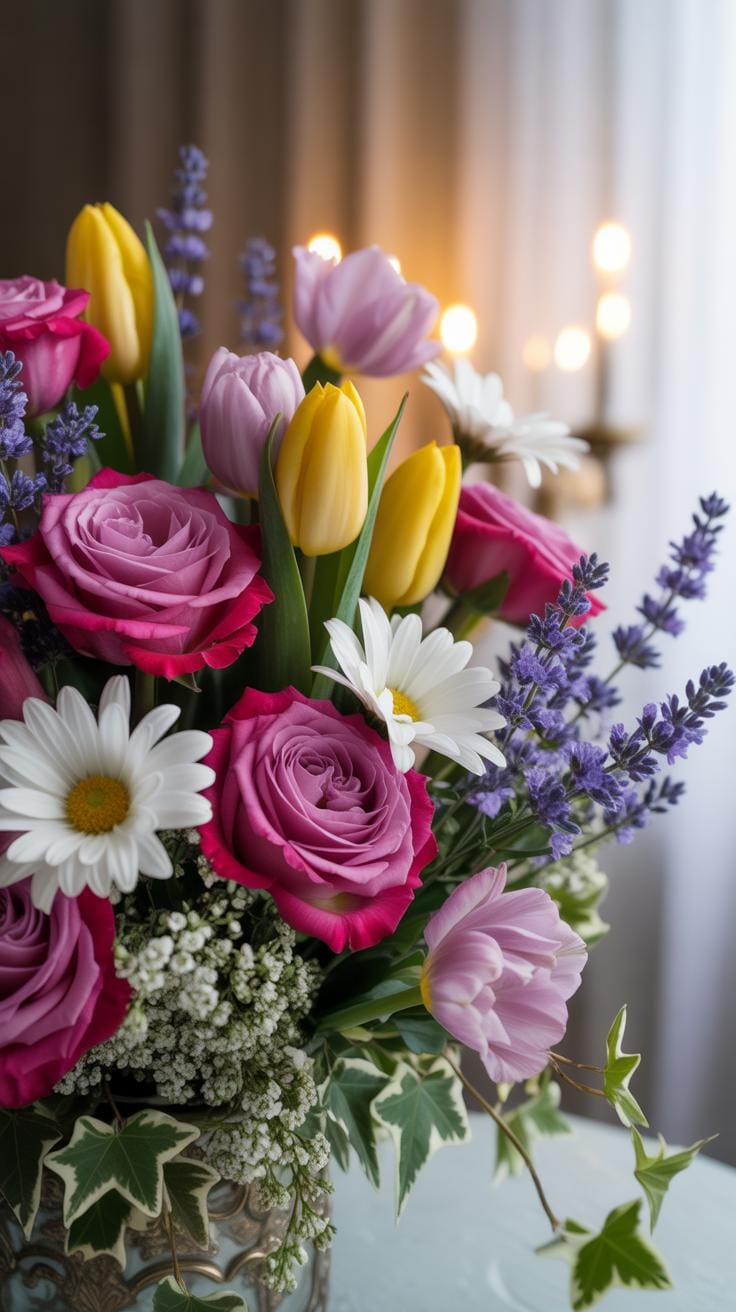
Victorian Tussie Mussies And Sentiments
During the Victorian era, flower art forms reached unprecedented heights of emotional expression through tussie-mussies—compact, circular bouquets wrapped in lace and ribbon. These “talking bouquets” became sophisticated vehicles for communicating feelings that social propriety forbade speaking aloud. Lovers, friends, and family members exchanged these carefully constructed arrangements, each flower selection carrying specific meanings understood within their social circles. The practice transformed floral design into a complex, almost coded language where color, type, and even the direction flowers faced conveyed distinct messages.
The symbolic language of Victorian tussie-mussies represented a remarkable evolution in flower art forms, allowing individuals to express affection, apology, congratulations, or even subtle warnings through botanical choices. Red roses declared passionate love, while yellow flowers might suggest jealousy or friendship. White represented purity and reverence, and the arrangement’s center typically featured the most important sentiment. This intricate system enabled eloquent communication during an era when direct emotional expression was considered improper, making every tussie-mussy a masterpiece of hidden meaning wrapped in fragrant petals and delicate greenery.
Renaissance Symmetry And Symbolism
Renaissance European floral design emphasized geometric precision and bold visual impact, establishing foundational principles still evident in contemporary flower art forms. Designers of this period favored symmetrical arrangements featuring triadic color schemes—combinations of three colors equally spaced on the color wheel—creating harmonious yet vibrant compositions. These formal displays incorporated richly textured plant materials including roses, tulips, carnations, and ornamental grasses arranged in classical urns and vases. The style reflected the era’s broader appreciation for mathematical proportion, classical aesthetics, and the celebration of nature’s abundance through carefully controlled artistic expression.
The Renaissance approach to floral arrangement prioritized visual balance and symbolic plant selection, with each element serving both decorative and meaningful purposes. Vivid plant materials were arranged to guide the viewer’s eye through the composition, while specific flowers conveyed virtue, prosperity, or divine favor. This methodical approach established the technical foundations for modern floral design, demonstrating how flower art forms could achieve both aesthetic sophistication and conceptual depth through intentional material selection and spatial arrangement.
Edible Flower Art A Feast For The Senses
Kulinary Aesthetics With Petals
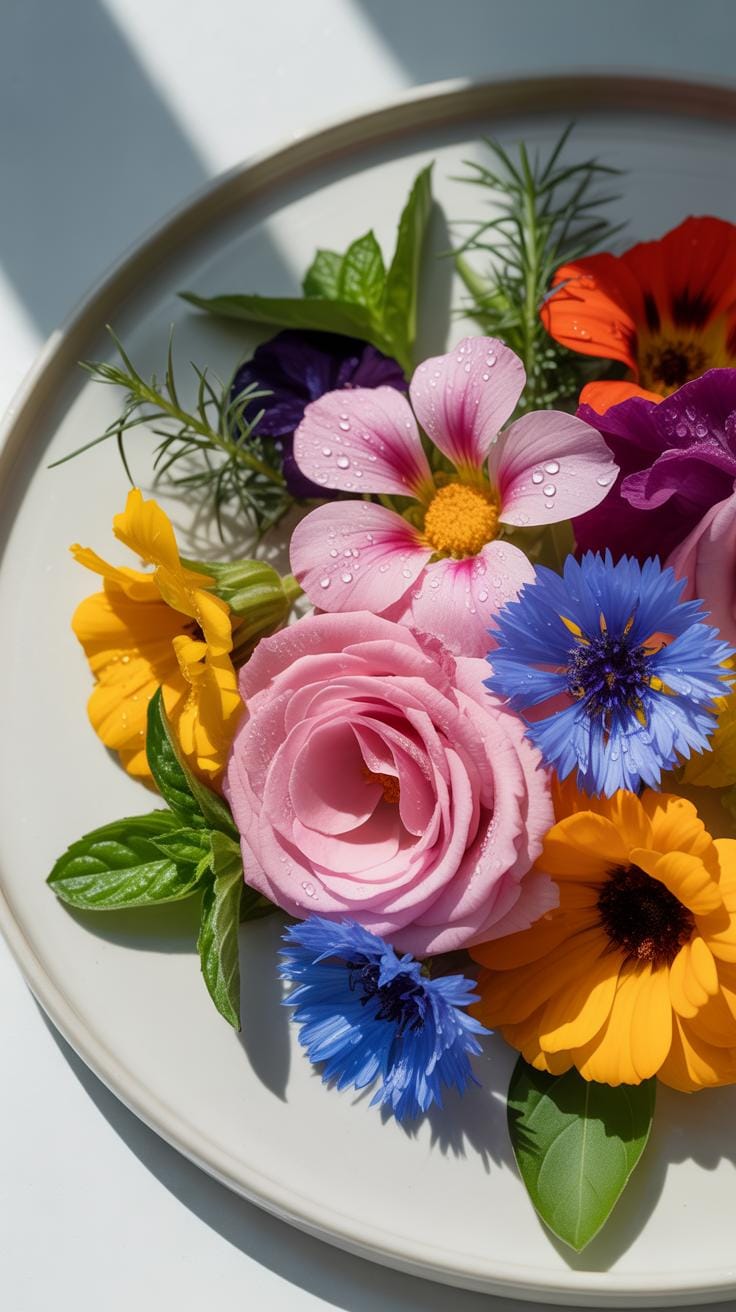
The intersection of gastronomy and flower art forms creates a stunning visual experience that elevates dining beyond mere sustenance. Chefs and home cooks alike embrace edible flowers to transform plates into canvases of color and elegance. Pansies offer vibrant purples and yellows, nasturtiums provide peppery notes alongside their striking orange and red hues, while lavender brings delicate purple tones and aromatic qualities. These botanical elements aren’t simply decorative—they contribute genuine flavor profiles that complement dishes thoughtfully.
Incorporating edible flowers requires understanding their flavor characteristics and appropriate pairings. Pansies deliver mild, slightly sweet undertones perfect for desserts and salads, while nasturtiums introduce a subtle peppery kick ideal for savory applications. Lavender’s floral notes work beautifully in both sweet and savory preparations, from baked goods to vinaigrettes. When selecting flowers for culinary use, sourcing from reputable growers ensures they’re free from pesticides and safe for consumption. This approach to flower art forms transforms ordinary presentations into memorable gastronomic experiences that delight multiple senses simultaneously.
Traditional Hwajeon And Flower Pancakes
Hwajeon represents a cherished Korean culinary tradition where flower art forms meet sweet indulgence in delicate pancakes adorned with seasonal petals. Dating back centuries, these colorful creations showcase pressed edible flowers, particularly chrysanthemums, rose petals, and violet blossoms, embedded within thin, chewy rice flour pancakes. The preparation involves coating batter with flower petals before pan-frying to golden perfection, creating an elegant presentation that celebrates nature’s beauty. Traditionally enjoyed during springtime festivals, hwajeon exemplifies how cultures honor seasonal blooms through food.
The art of creating hwajeon demands patience and precision, as each pancake becomes a miniature floral masterpiece. Cooks carefully arrange petals to ensure they remain visible and pristine throughout cooking, creating compositions as thoughtful as any visual artwork. Regional variations exist throughout Korea, with different areas favoring particular flowers based on local availability and preference. These flower pancakes are often served during celebrations and special occasions, accompanied by honey or traditional syrups that complement their delicate floral notes perfectly and preserve the cultural significance of this unique flower art forms tradition.
Floral Installation And Modern Abstract Forms
Breaking Rigid Patterns In Modern Design
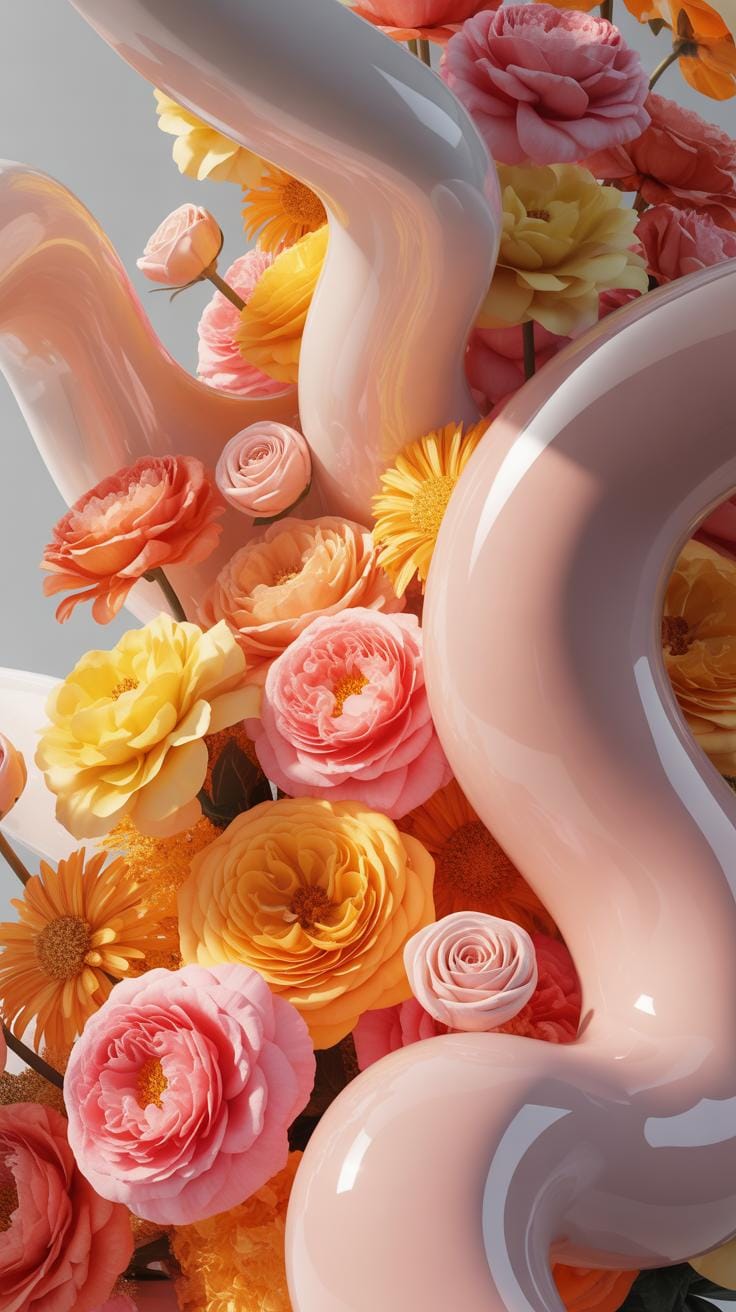
Contemporary flower art forms have evolved dramatically from Victorian-era symmetrical arrangements toward dynamic, asymmetrical compositions that challenge traditional aesthetics. Modern artists embrace negative space, unconventional materials, and sculptural dimensions to create installations that provoke thought and emotion. These abstract floral pieces often incorporate unexpected elements like industrial materials, living plants in non-traditional settings, and installations spanning entire rooms. Artists now view flowers as sculptural elements rather than decorative accessories, positioning arrangements at angles and heights that defy conventional arrangement principles, transforming flower art forms into immersive experiences.
The shift toward abstract floral design reflects broader movements in contemporary art that question established rules and invite experimentation. Designers draw inspiration from minimalism, maximalism, and conceptual art, creating pieces that explore themes of impermanence, growth, and decay. Rather than following rigid floral design principles, modern practitioners use flowers to construct thought-provoking installations in galleries, public spaces, and unconventional venues. This liberation from tradition has elevated flower art forms to fine art status, attracting collectors and art enthusiasts who appreciate the ephemeral beauty and innovative approaches contemporary floral artists bring to their work.
When you take a flower in your hand and really look at it, it’s your world for the moment. Fill your world with these timeless blooming masterpieces, evoking whispers of days gone by.
The Influence Of Commercial Floristry
Commercial floristry has transformed flower arranging from a domestic hobby into a globally recognized professional discipline with established standards and prestigious institutions. Throughout the twentieth century, florists evolved from simple decorators to skilled artisans, with professional organizations developing certification programs and competitions that elevated the craft’s status. Today’s commercial flower industry encompasses event design, retail floristry, and fine art practice, creating diverse career paths for practitioners. This professionalization has legitimized flower art forms as worthy of serious study, investment, and critical appreciation within both commercial markets and fine art communities.
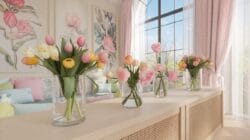
The professionalization of floristry has directly influenced the development of innovative flower art forms seen in contemporary practice today. Competition circuits, design schools, and industry publications showcase groundbreaking techniques and foster creative dialogue among practitioners worldwide. Commercial demand for distinctive floral installations has incentivized artists to push boundaries and develop signature styles that distinguish their work. As businesses increasingly commission bespoke floral art for corporate spaces, weddings, and installations, the financial viability of floristry as a profession has encouraged talented individuals to pursue advanced training, further enriching the landscape of modern flower art forms with fresh perspectives and technical excellence.
Symbolism And Tradition In Handheld Bouquets
Bridal Bouquets And Ceremonial Use
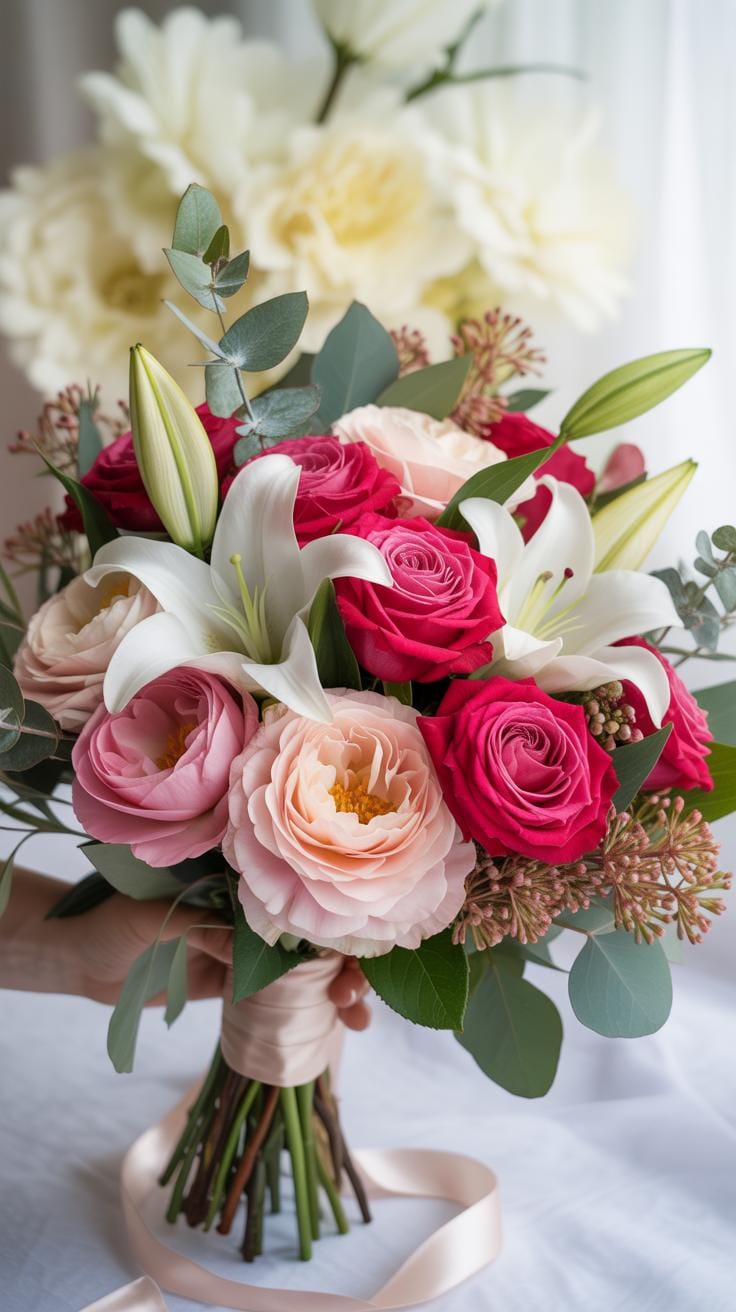
The tradition of bridal bouquets traces back centuries, evolving from practical protective bundles into cherished romantic symbols. Ancient civilizations carried aromatic herbs and flowers for their purifying properties, believing they warded off illness and negative spirits. As flower art forms developed through medieval and Renaissance periods, these handheld arrangements transformed into expressions of emotion and social status. Victorian era brides popularized elaborate bouquets with specific floral meanings, establishing conventions that influenced modern wedding aesthetics and ceremonial practices significantly.
- White roses symbolizing purity and new beginnings
- Orange blossoms representing fertility and innocence
- Lilies conveying devotion and refined beauty
- Ivy symbolizing fidelity and eternal love
- Myrtle traditionally representing love and prosperity
Contemporary bridal bouquets remain central to wedding ceremonies worldwide, blending historical symbolism with personal expression. Modern flower art forms incorporate diverse color palettes, unexpected textures, and sustainable practices while honoring traditional meanings. Bouquet design now reflects cultural heritage, seasonal availability, and individual aesthetics, transforming these handheld arrangements into meaningful artistic statements that accompany couples through their most memorable moments.
Seasonal Symbolism In Asian Art
Asian flower art forms have long celebrated natural cycles through carefully chosen botanical elements with profound seasonal significance. Plum blossoms, among the first spring flowers, symbolize resilience and hope in Japanese and Chinese traditions, representing renewal after winter’s hardship. Chrysanthemums mark autumn’s arrival, embodying longevity and devoted love across multiple Asian cultures. These seasonal flowers appear prominently in classical poetry, painting, and ceremonial handheld arrangements, creating visual narratives that honor the passage of time.
The four-season concept deeply influences traditional Asian aesthetics, with specific flowers representing each period’s unique character and meaning. Spring’s delicate plum blossoms contrast beautifully with summer’s vibrant peonies, autumn’s golden chrysanthemums, and winter’s resilient pine branches. These seasonal representations transform handheld bouquets and other flower art forms into philosophical statements about impermanence and natural harmony, reflecting Buddhist and Taoist principles embedded within Asian design traditions for millennia.
Frequently Asked Questions

What exactly are flower art forms and why are they becoming popular in home decor?
Flower art forms encompass creative arrangements and installations using fresh or preserved flowers as primary artistic mediums. These unique flower art forms have gained popularity because they combine natural beauty with artistic expression, offering personalized, Instagram-worthy decor that brings life and color to any space while promoting wellness through biophilic design principles.
How can I create my own flower art forms at home without professional training?
Start by learning basic techniques like spiral arrangements, pressed flower framing, and floral collages through online tutorials. Begin with affordable stems and greenery, experimenting with color combinations and shapes. Practice these flower art forms regularly to develop your style, then gradually invest in premium blooms. Focus on composition principles like balance and proportion for stunning results.
What are budget-friendly ways to explore flower art forms without breaking the bank?
Use seasonal and locally-sourced flowers to reduce costs significantly. Dried flowers and preserved botanicals offer lasting flower art forms at lower prices than fresh blooms. Visit farmers markets for bulk discounts, repurpose containers you own, and learn pressing or drying techniques to extend flower longevity and create affordable artistic pieces.