
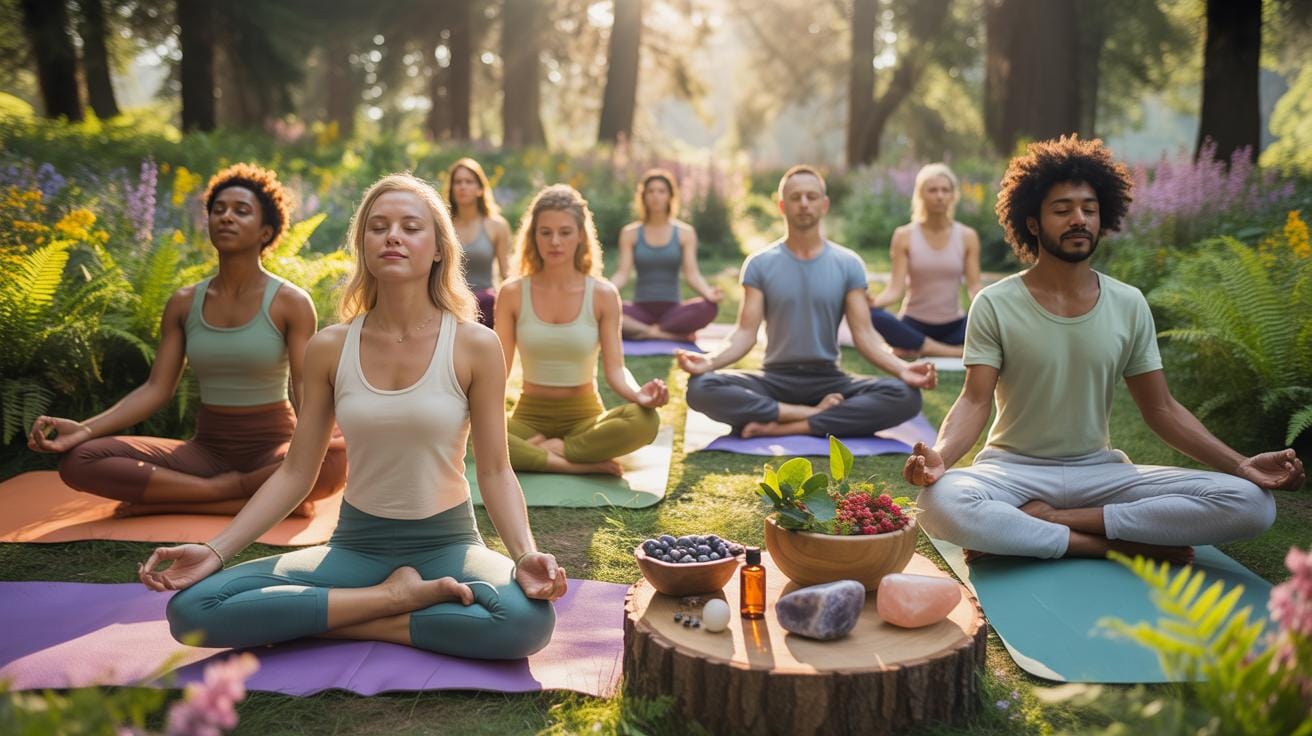
How a Holistic Lifestyle Aesthetic Shapes Wellness
The holistic lifestyle aesthetic combines natural, mindful, and wellness-centered choices into everyday living. This approach integrates beauty, health, and balance in a way that affects physical, mental, and emotional well-being. Adopting such a lifestyle means focusing not only on how things look but also on how they feel and contribute to complete wellness.
This article examines what the holistic lifestyle aesthetic involves, why it matters, and how it influences overall wellness. You will learn practical steps to adopt this lifestyle, challenges to watch for, and real-world examples that show its impact on your health and happiness.
Core Elements Of Holistic Lifestyle Aesthetic
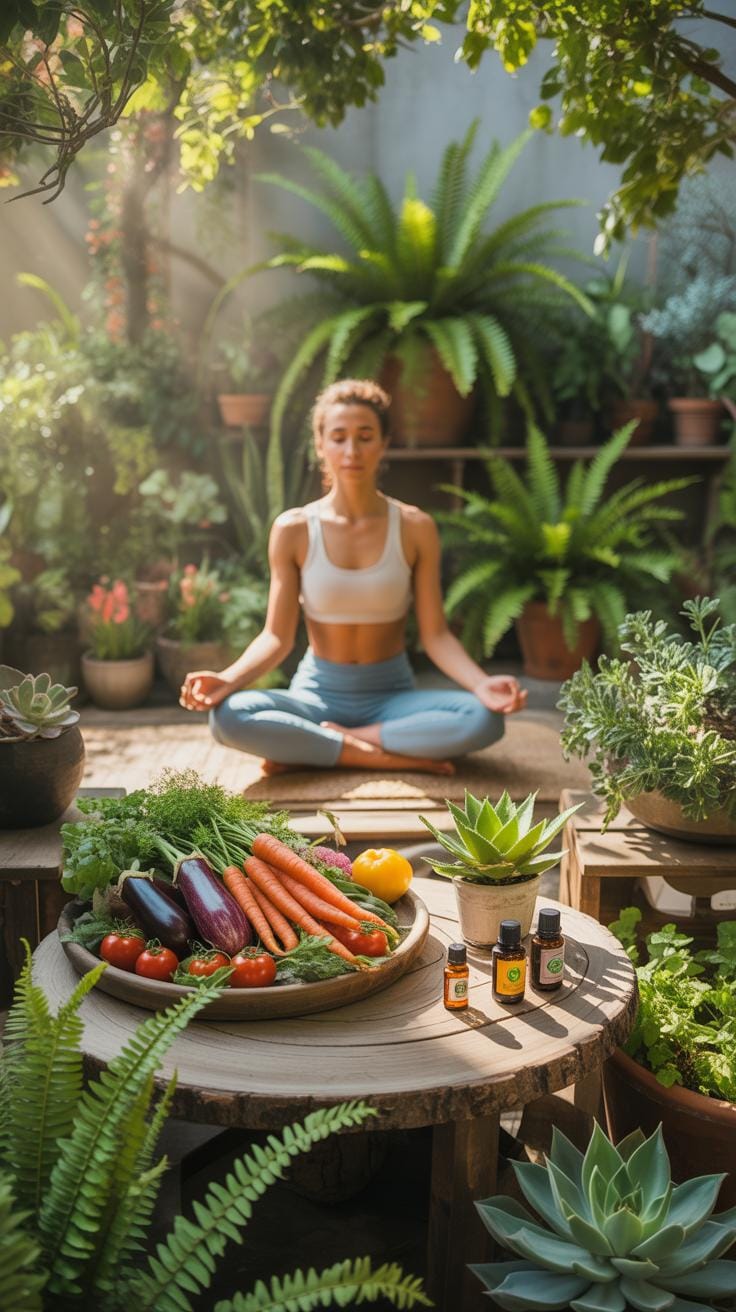
The holistic lifestyle aesthetic revolves around a simple yet profound idea: living in harmony with yourself and your surroundings. This means embracing natural materials like wood, stone, and cotton in your living space and daily items. These materials connect you to the earth, creating a calming effect that’s hard to overlook.
Mindfulness plays a quiet but significant role here. It’s not just about meditation but about being aware of the choice behind every object you bring into your life — from the food you eat to the clothes you wear. Balance is also key. You might notice it in your daily routines where work and rest have a rhythm, or in your environment where clutter is gently pushed out for clean, simple lines and open spaces. Simplicity guides this balance; it’s about letting go of excess, focusing instead on what truly serves your wellbeing.
Imagine swapping synthetic fabrics for organic cotton clothing or bringing a small plant into your work area to create a mini oasis amid busy tasks. Taking time to prepare food with fresh, unprocessed ingredients or setting aside moments to pause and breathe throughout the day are practical ways these elements shine. These choices, subtle yet impactful, shape an aesthetic that’s more than just a look—it’s a lived experience, aligned with natural beauty and wellness.
Holistic Lifestyle Aesthetic
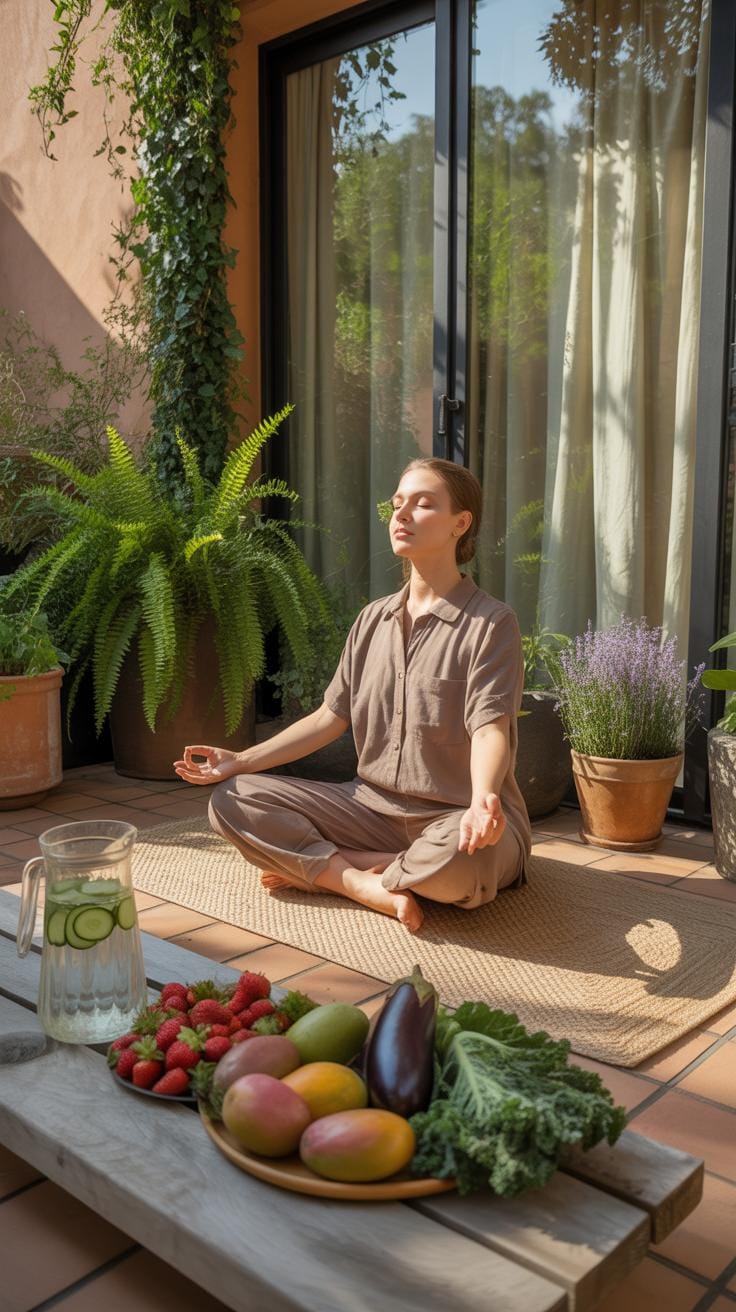
You might wonder what exactly “holistic lifestyle aesthetic” means beyond just looking good or having a neat space. It’s really about creating an environment and daily habits that support your overall wellness in a tangible, visible way.
Think about how your surroundings—the colors, the cleanliness, even the way you organize your things—affect your mood and stress levels. A tidy, natural space can calm your mind, while clutter or artificial materials may wear on your energy without you realizing it.
Adopting this aesthetic often means embracing simplicity and natural elements. Plants, earthy tones, and natural light aren’t just trendy—they play a role in reducing tension and boosting your sense of calm.

Diet fits here, too. Whole, nourishing foods arranged mindfully can make your meals feel special and satisfying, encouraging better choices and improved digestion, without strict dieting stress.
Also, your mindset plays in this tableau. Being intentional about your daily rituals—whether meditation, journaling, or simply pausing to breathe—makes these aesthetic choices more than surface level. They become anchors for mental balance.
Does adopting a more curated and mindful aesthetic actually change your health? I think it nudges you towards habits that support physical and emotional harmony. It won’t fix everything overnight, but it signals care and presence in ways that really add up.
Daily Steps To Adopt Holistic Lifestyle
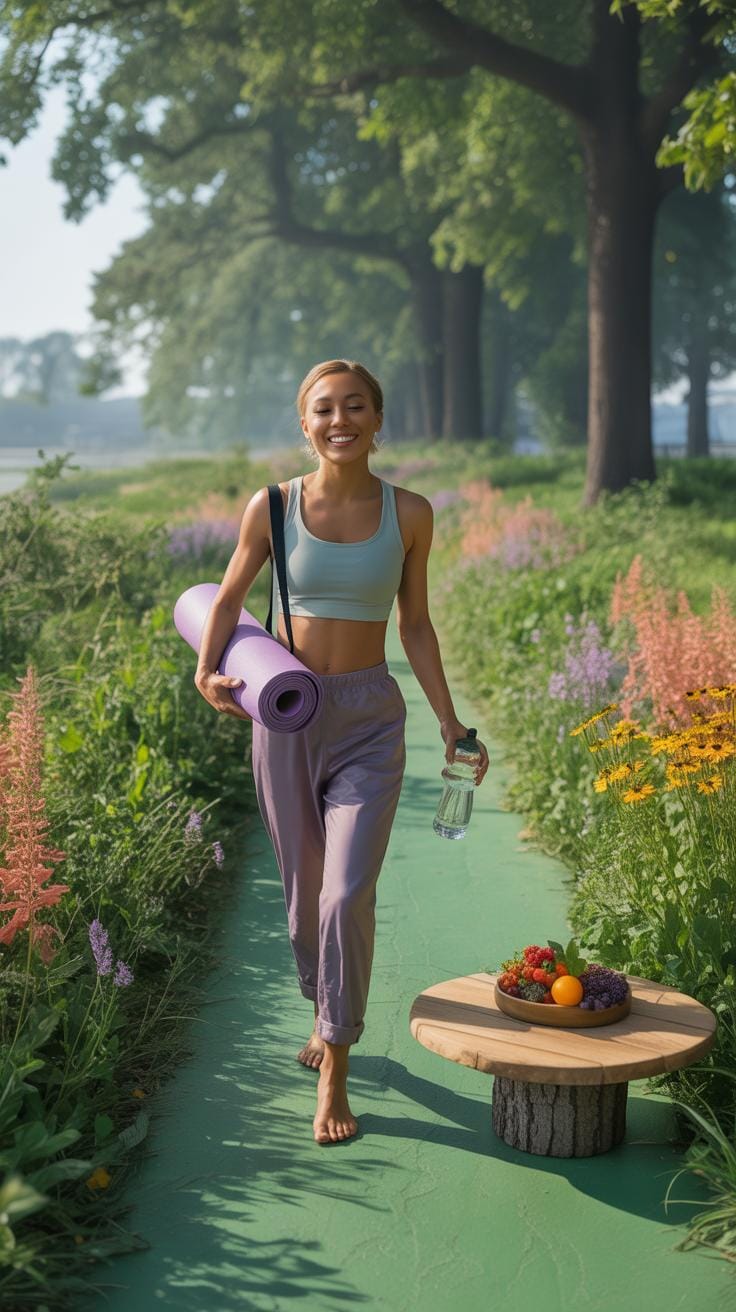
If you’re thinking about embracing a holistic lifestyle aesthetic, start small—really small. At home, try to clear clutter not just from sight but from your mind. It helps to designate a spot for daily items like keys and phones. Doing this daily can subtly shift your living space toward calmness.
Consider your diet next. Adding a serving of fresh vegetables, or a handful of nuts, isn’t a big stretch but it’s a step. You might find, after a few days, that you crave these natural foods more than processed snacks. There’s a quiet satisfaction in that, I think.
Mindfulness doesn’t need a formal meditation session every single time. It could be as simple as pausing for a breath before meals or while switching tasks at work. These pauses, brief as they are, can help ground your day.
Setting Up Your Space For Wellness
Organizing your space is more about creating gentle order than rigid control. Arrange furniture to allow easy movement; avoid overcrowding rooms. Use soft, neutral tones but don’t fret if a brighter piece creeps in here or there—it might add life.
Try incorporating elements that signal calm to you personally. Maybe it’s a small water fountain or a collection of books you love. Oddly enough, these personal touches make the aesthetic your own instead of just following a prescribed look.
Incorporating Natural Elements Daily
Plants are the go-to, but they aren’t the only option. A bowl of fresh fruit on the table, a wooden trinket, or even cotton throws can bring natural textures into your daily environment. You might be surprised how these small details shift the atmosphere.
Switching to organic or natural cleaning products is another simple way to connect with a holistic aesthetic. It doesn’t feel like much at first, but over time, it might change how you think about the chemicals in your home—and your health.
There’s a quiet joy in these small rituals. Maybe that’s why the holistic lifestyle aesthetic feels less like a style and more like a slow unfolding—a gentle invitation to notice and appreciate the natural world around us daily.
Holistic Lifestyle Aesthetic
The holistic lifestyle aesthetic combines an outward appearance with inner wellness practices, reflecting a balance of mind, body, and spirit. It’s not just about looking a certain way; it’s about creating an environment and daily routine that supports your overall health. You might think this means fancy products or expensive habits, but that’s not always true.
People often grapple with what to prioritize—should your space be minimal and calm or vibrant and full of energy? There’s no one “right” look. Take “That Girl” aesthetic, for example, popularized on social media, which blends wellness habits like eating healthy and staying active with a clean, simple visual style. Yet, it can feel out of reach or unrealistic for many, especially if life’s responsibilities don’t allow luxury of time or resources.
Still, the aesthetic inspires many to slowly introduce habits into their lives: morning rituals, mindful eating, or home organization. These small steps shape your personal version of a holistic lifestyle aesthetic, adapting it to your rhythm. The question is, how do you embrace this in a way that feels genuine and manageable, without falling into the trap of perfection?
Tools To Support Holistic Lifestyle Habits
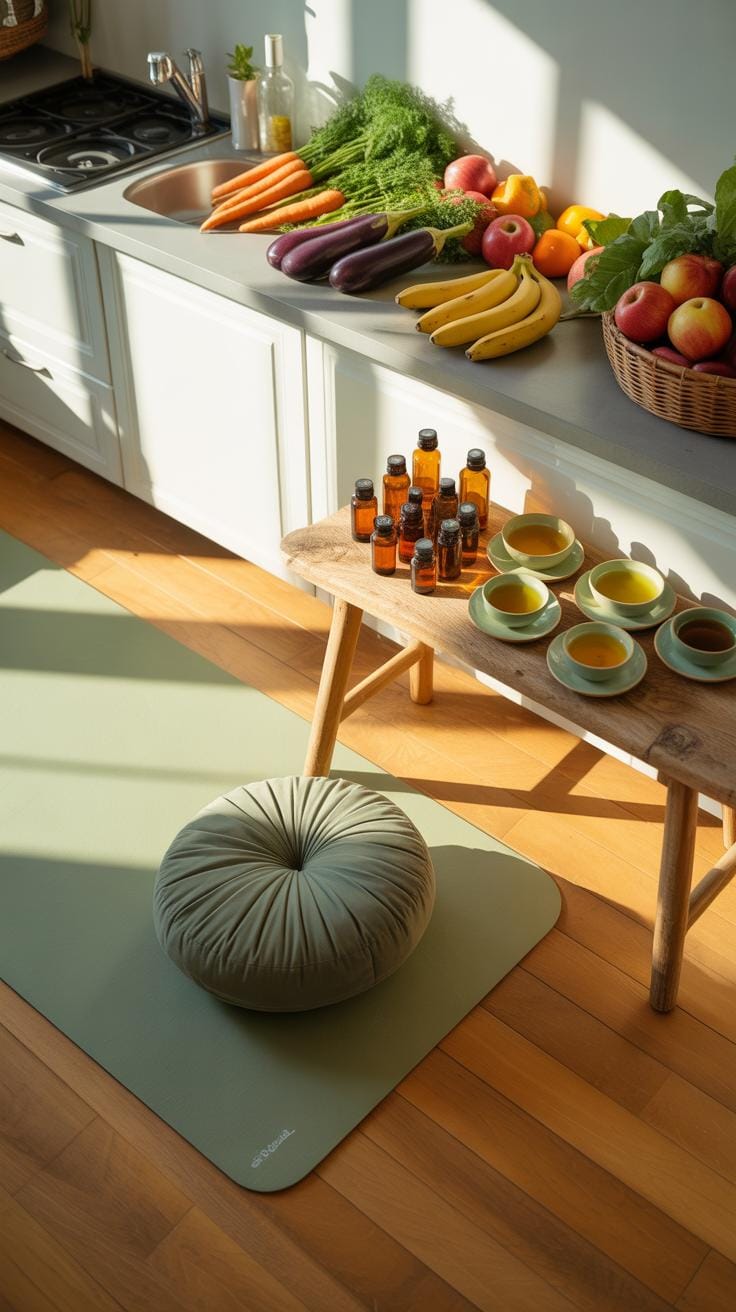
Adopting and sustaining a holistic lifestyle aesthetic can be supported by a range of practical tools. Planners designed specifically for wellness goals help you track habits like hydration, exercise, and meditation, making abstract intentions feel tangible. You might find yourself returning to a journal not just for scheduling but to reflect on how your mood shifts with these habits. Some people swear by habit-tracking apps — they nudge you when motivation dips, which honestly happens more often than we admit.
Community groups, whether local wellness circles or online forums, offer a space to share progress and setbacks. They’re more than just support networks; they create accountability and a sense of belonging. Maybe you’re skeptical about digital aids, but even simple apps geared towards mindful breathing or gratitude can subtly improve daily awareness. They’re small companions for what can sometimes feel like a big lifestyle change.
Digital Tools For Mindful Living
Mobile apps can be surprisingly effective for nurturing mindfulness and healthy routines. Meditation apps like Headspace or Calm guide you through breathing exercises and moment-to-moment awareness practices. They remind you to pause, even for a few minutes, in our fast-paced lives. Nutrition apps can align with holistic eating habits by helping you explore sustainable food choices or mindful eating.
Some online platforms offer courses for yoga, tai chi, or even holistic nutrition, suitable for all skill levels. They bring expert guidance to your living room, making it easier to engage consistently. That said, technology isn’t a magic solution — it requires intentional use, which is easier said than done when distractions abound. Yet, these tools can become valuable anchors if you allow them the space to grow with your routine.
Community Support And Learning Resources
Learning and motivation spring from connection. Local wellness groups, like meditation circles or hiking clubs, often foster a shared energy that’s hard to replicate alone. Online forums and social media groups dedicated to holistic living can provide daily inspiration and a platform to exchange tips or recipes. Websites offering blogs, expert interviews, and free courses also serve as constant resources to deepen your understanding.

Running into a motivational lull? Being part of a community or accessing fresh content might reignite your commitment. Courses—whether free or paid—offer structured learning journeys, which some find crucial for deeper transformation. Ultimately, these communal tools remind you that a holistic lifestyle is not a solo journey but a networked experience, with plenty of room to adapt to your unique pace and needs.
Role Of Nutrition In Holistic Wellness
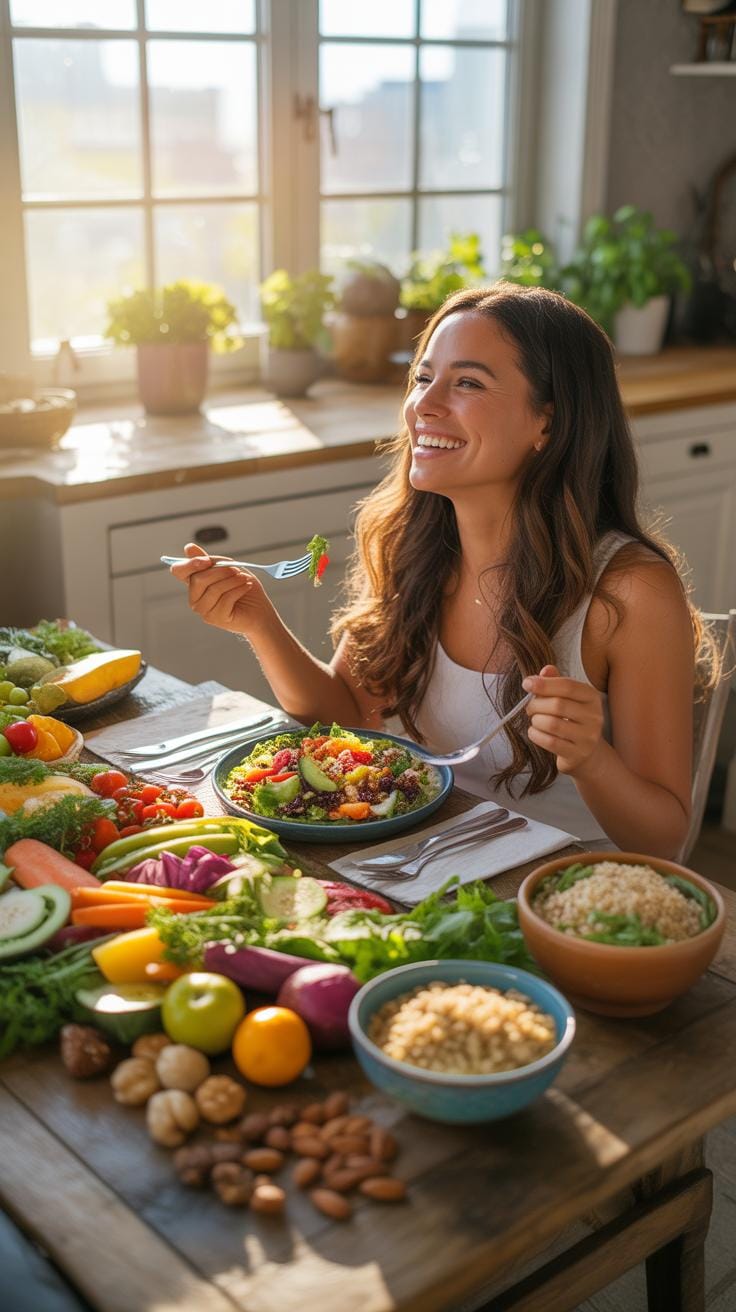
Food choices do more than fuel your body; they express your lifestyle and values. In a holistic lifestyle aesthetic, nutrition becomes a form of self-care and mindfulness, reflecting your commitment to overall wellness. For example, a balanced diet that includes seasonal vegetables, whole grains, and lean proteins often supports not just physical health but also mental clarity and emotional stability. Think of how choosing fresh fruits over processed snacks aligns with an intention to nurture yourself gently.
Beyond health, the aesthetic impact is visible—natural foods tend to enhance your skin’s glow, energy levels, and even mood, which contributes to a radiant appearance that embodies holistic well-being. It’s less about strict rules and more about tuning in to what makes you feel good inside and out, a subtle but powerful alignment between what you eat and who you are becoming.
Natural Foods And Their Benefits
Natural, whole foods—like leafy greens, nuts, seeds, and berries—offer clear benefits that go beyond basic nutrition. They provide antioxidants, fiber, and essential vitamins that help your body detoxify, repair, and thrive. These foods often support better digestion, improved immune function, and sustained energy, all of which reflect in your outward vitality.

On a visual level, incorporating whole foods can lead to clearer skin, healthier hair, and a more balanced weight, enhancing your holistic aesthetic naturally. This approach nudges you away from overly processed items that can cause inflammation or sluggishness, even if they may seem convenient or tasty at times. It’s about weighing immediate cravings against longer-term wellness and appearance.
Simple Meal Planning Tips
Meal planning doesn’t have to be complicated to be effective and pleasing. Here are some easy strategies to help make nutritious, balanced meals part of your routine:
- Start with a base of vegetables for color and nutrients.
- Add a source of lean protein like beans, fish, or chicken.
- Include whole grains such as quinoa, brown rice, or oats for sustained energy.
- Incorporate healthy fats from sources like avocado, nuts, or olive oil.
- Plan for variety—not every meal needs to be a masterpiece, but rotating different foods keeps it interesting.
Simple prep, like batch-cooking grains or chopping veggies in advance, can ease daily decisions. And remember, meals should still feel enjoyable, not like a chore. You might find that the right balance of nutrition and enjoyment reflects your holistic lifestyle aesthetic as much as the individual foods themselves.
Incorporating Physical Activity Elegantly

Physical activity is more than just a task in a holistic lifestyle—it’s part of the aesthetic, shaping how you move through your day and feel in your body. Exercise doesn’t have to feel like a chore; it can blend with your style and well-being naturally. Rather than intense workouts, think about graceful movements, disciplines that show care for the body as a whole.

Consider these ways to integrate physical activity that suits both your wellness and style:
- Choose activities with a calm rhythm, such as Tai Chi or Pilates, that enhance posture and fluidity.
- Wear comfortable, stylish activewear that makes moving feel positive and enjoyable.
- Set simple routines—perhaps a morning stretch or short walks that don’t overwhelm your day.
Yoga And Mindful Movement
Yoga fits into the holistic lifestyle aesthetic beautifully because it emphasizes the link between mind and body—and that calming presence feels like a form of art living. Yoga and gentle exercises help improve flexibility, reduce stress, and foster inner peace. They don’t demand extreme exertion but invite awareness and grace in each motion. Yoga can be a moment of stillness amidst a busy lifestyle, grounding you.
I often notice how even short sessions can subtly transform mood and presence, making it easier to carry that aesthetic of calm confidence throughout the day. It’s not just exercise; it’s a practice that feels intentional and personal.
Outdoor Activities To Boost Wellness
Living holistically often means reconnecting with nature. Outdoor exercises, such as hiking, forest bathing, or tai chi in a park, blend physical movement with a sense of natural harmony. The fresh air and natural surroundings add layers to wellness beyond what indoor workouts offer. These activities can feel refreshing and meditative, aligning with a lifestyle that values mindful presence.
Think about jogging along a tree-lined path or a casual bike ride at sunset. These are not just fitness choices—they are moments to slow down, breathe, and appreciate your environment while staying active. Does your current routine include moments to move outdoors with intention? Sometimes, that question alone helps shift priorities.
Tracking Your Holistic Lifestyle Progress
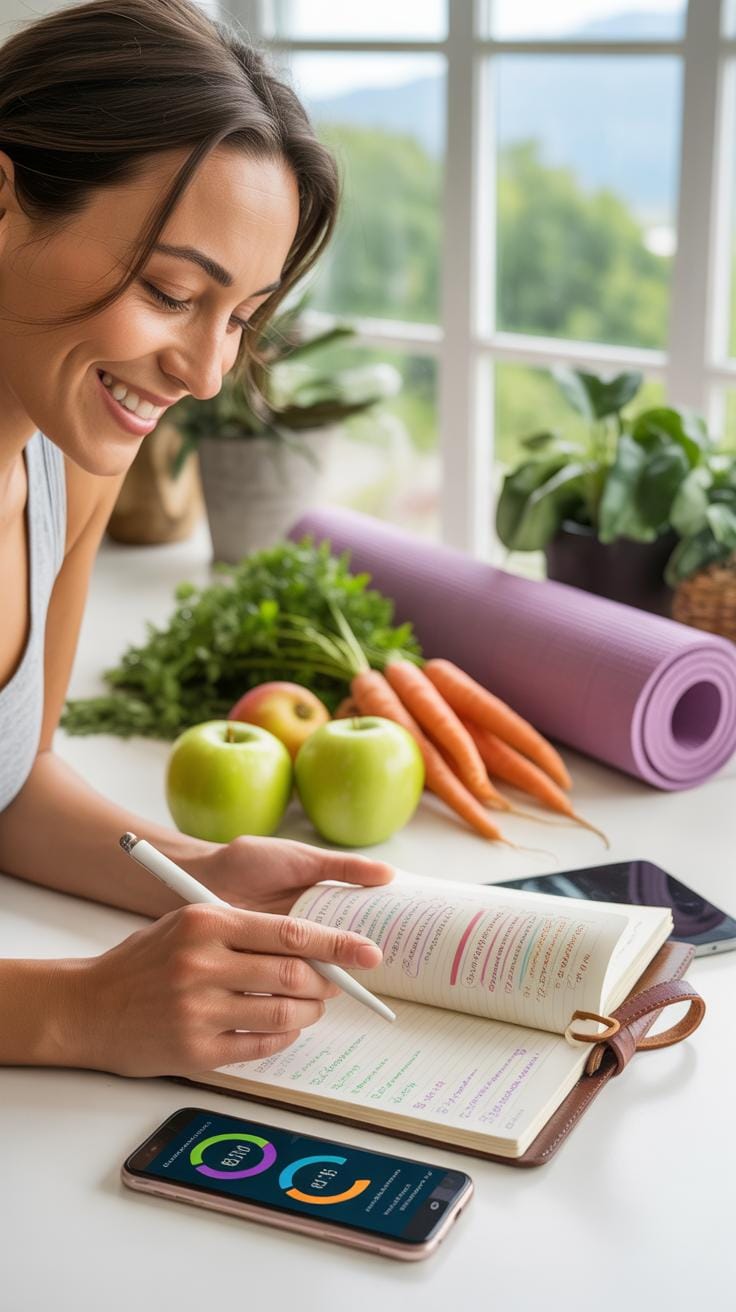
Keeping tabs on your holistic lifestyle aesthetic can feel tricky—it’s not just about ticking boxes, right? You want to see real shifts in how you feel in your body and mind. One practical tool? Journaling. Writing down your daily experiences, moods, meals, and energy levels reveals patterns you might miss otherwise. It’s like having a conversation with yourself that tracks growth and setbacks alike.
Beyond journaling, you can watch some simple health indicators. How’s your sleep? Quality and duration usually show lifestyle impacts quickly. Notice your digestion—regularity and comfort can signal good nutritional balance. Also, your skin’s condition often mirrors internal wellness. While stress and changes can throw these signs off abruptly, consistent positive shifts tell a genuine story.
Tracking isn’t about perfection, more about awareness and adjustment. Curious how your body responds when you tweak your routine? Pay attention to these subtle signals; they’re the best feedback you’ve got.
Examples Of Holistic Lifestyle Success Stories
When you look at the holistic lifestyle aesthetic, one thing that stands out is how real people have reshaped their lives by embracing it. There’s something refreshing about stories where individuals turn away from quick fixes and opt instead for a balanced approach that nurtures body, mind, and spirit.
Take, for instance, Mia, a graphic designer who felt drained and anxious until she adopted a morning routine blending meditation, wholesome meals, and mindful dressing. Her days became calmer, and her productivity improved—not just from the physical changes but from setting intentional rhythms. Her story isn’t unique.
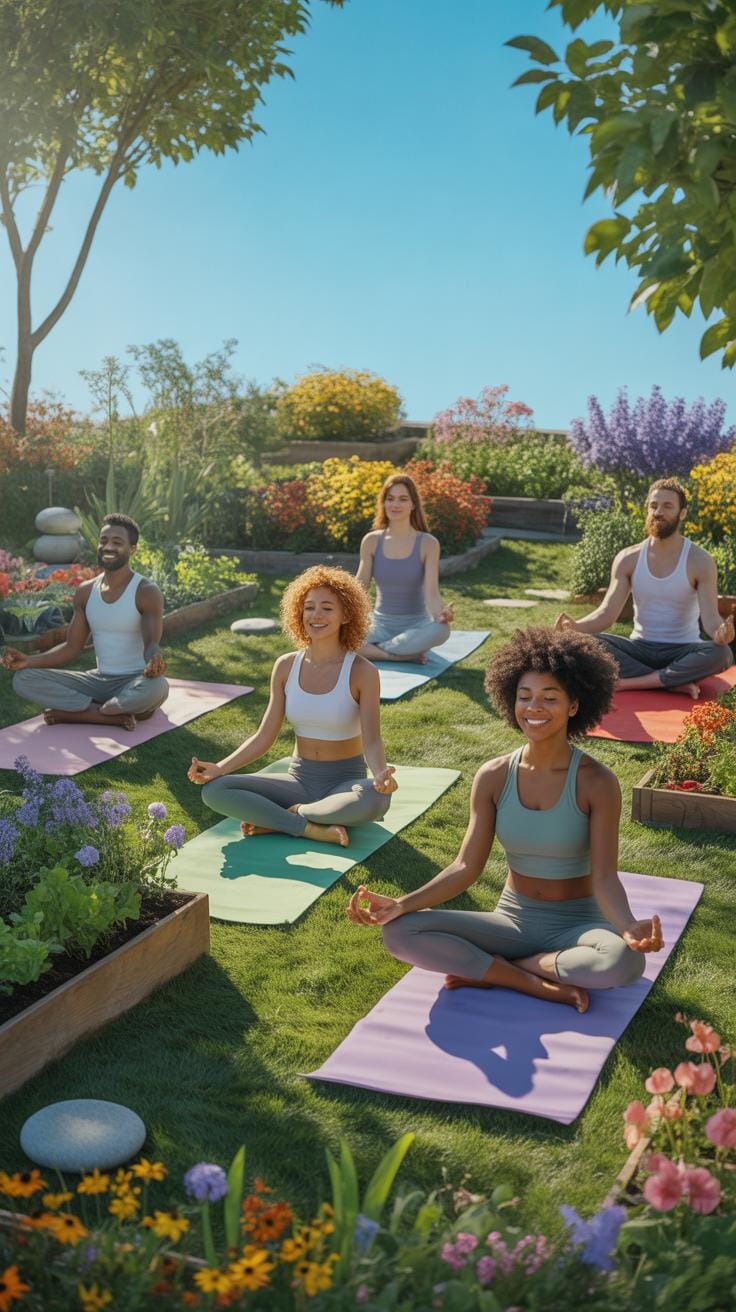
Or consider David, a teacher, who transformed his community by organizing weekly outdoor yoga sessions paired with local organic markets. Neighbors soon noticed reduced stress levels and stronger connections. The aesthetic here wasn’t just about self-care but about weaving wellness into daily social fabric.
These examples show holistic lifestyle aesthetics aren’t vague ideals but tangible, actionable living systems anyone can try. They highlight that success often isn’t about perfection but about consistent, thoughtful habits that shape a fuller life experience.
Conclusions
Living a holistic lifestyle aesthetic means making choices that support your mind, body, and environment. This lifestyle encourages balance through natural beauty, intentional living, and wellness practices that create harmony in daily life. By focusing on quality and meaning in your surroundings and habits, you promote lasting health benefits.
As you consider adopting this lifestyle, remember that change happens step-by-step. Assess your current habits and environments, then slowly introduce holistic elements. The positive effects on your health and well-being will grow over time, helping you feel more connected and whole.