
A Pilates Workout Plan for Weight Loss and Toning
Pilates is a unique form of exercise that helps you build strength, improve flexibility, and connect your mind and body. This workout plan focuses on weight loss and toning, guiding you to transform your body through controlled movements and breathing. Whether you are new to Pilates or looking to refine your routine, this article offers practical advice to reach your fitness goals.
By combining specific Pilates exercises with a balanced approach, you can enhance your body’s muscle tone and promote fat loss. We’ll explore a step-by-step workout plan tailored to help you lose weight and tone muscles effectively. This approach is designed to make exercise manageable and rewarding for you.
Pilates Workout Plan
Creating a Pilates workout plan that fits your weight loss and toning goals isn’t as straightforward as just following a set routine. It’s about balancing variety, intensity, and focus—something you might not realize until you try it yourself. You’ll likely want to mix different Pilates exercises that target various muscle groups while keeping sessions manageable and consistent.
For example, a weekly plan could look like this:
- Start with beginner mat Pilates focusing on core stability and breath control to set a foundation.
- Gradually include standing and balance exercises to improve posture and leg strength.
- Add resistance work using light bands or small weights to challenge muscles for toning.
- Finish with stretches and mobility drills to maintain flexibility.

This structure allows your body to adapt without overwhelming it, which might be more helpful than jumping into only intense moves every session. Pilates thrives on precision and control, so less can often be more when you’re mindful of technique.
Most importantly, pay attention to how your body responds. You might find some days your muscles feel tight and need lighter work, while others you can push yourself a bit more. That’s perfectly normal in Pilates plans designed for ongoing progress.
Don’t overthink the schedule, but keep a minimum of 3 sessions per week to see consistent improvement in muscle tone and weight balance. It’s the steady commitment rather than occasional bursts that truly moves the needle.
Pilates For Weight Loss Explained
Pilates might not be the first exercise you think of for losing weight, yet it can play a meaningful role in the process. The reason lies in how Pilates activates muscles—not just the big ones, but small, stabilizing muscles that often get ignored. When these muscles fire, your body works harder, which means more calories burned even during modest routines. This muscle activation isn’t just about strength; it nudges your metabolism upward, helping your body burn fat a bit more efficiently.
Think about holding a plank during a Pilates session—the constant engagement of your core muscles requires energy. That energy comes from calories, which supports weight loss over time if you keep challenging your body. Plus, Pilates movements often involve controlling your breath, which can subtly boost oxygen consumption and help regulate the nervous system, sometimes reducing stress-driven eating habits.
The Role Of Muscle Engagement
One key to Pilates’ effect on weight loss is muscle engagement. When you consciously activate specific muscle groups, your body expends more energy. This extra work speeds up metabolism even after you’ve finished exercising. It’s like turning on your body’s internal furnace in pockets, not blasting it at once but maintaining a steady burn.
For example, engaging the deep core muscles while performing rolls or leg stretches makes the body work harder to maintain form. Over several sessions, this repeated activation helps increase lean muscle mass, which can quietly boost your resting metabolic rate. More muscle means your body needs more fuel, which often translates to burning more fat, even when resting.
Complementing Pilates With Healthy Habits
Weight loss rarely hinges on exercise alone. Pilates works better when combined with mindful eating and daily habits that support your goals. You might find Pilates helps manage appetite or improve sleep, both important for weight control, but it’s still only one piece of the puzzle.
Maintaining a balanced diet rich in whole foods strengthens the effects of Pilates on your body composition. Also, staying hydrated and reducing prolonged sitting can prevent the slowdown of metabolism that often hinders weight loss.

Have you noticed how sometimes a solid Pilates session makes you want to choose healthier meals afterward? That connection, though subtle, shows how aligned habits can reinforce each other. If your lifestyle supports your workouts, you’ll find your weight loss journey less frustrating and maybe even a bit more enjoyable.
Muscle Toning With Pilates

Pilates tones muscles by focusing on muscle control, endurance, and posture, which together create a more refined and balanced physique. It’s not about bulking up but about sculpting your muscles through precise movements. You often hear that Pilates develops “long, lean muscles,” but what’s really going on is that slow, controlled movements encourage your muscles to engage deeply without relying on momentum. That engagement boosts endurance and sharpens your muscle response.
Major muscle groups targeted include the core muscles like the abdominals and lower back, which stabilize the body. The glutes and hip flexors frequently come into play, helping with hip stability and leg movements. Even the upper body isn’t left out—shoulders, arms, and upper back work too, often in subtle but effective ways. These muscles contribute to overall tone by promoting strength and balance.
Practicing Pilates safely means focusing on your form first. Rushing through exercises or pushing too hard can lead to strain rather than tone. Start slow, pay attention to your breathing, and prioritize alignment. Using a mirror or a certified instructor can help ensure you’re not compensating with other muscles. Building muscle tone takes time; don’t expect overnight results, and listen closely to your body’s feedback to avoid injury.
Structuring Your Pilates Workout Plan
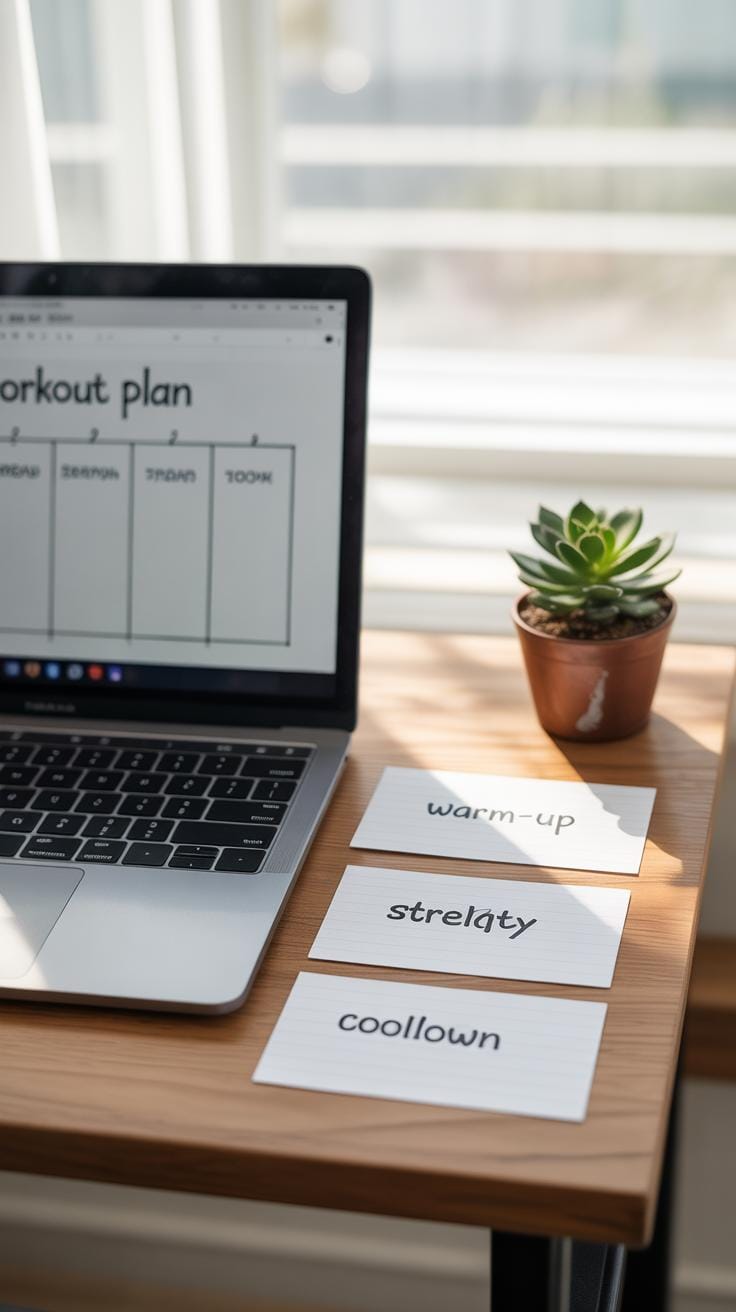
Building a Pilates schedule aimed at weight loss and toning calls for balance. You want enough sessions to keep the momentum but also space to recover. Most experts suggest starting with three Pilates workouts a week. This frequency tends to hit the sweet spot between effectiveness and avoiding burnout.
Each session can last anywhere between 45 to 60 minutes, depending on your fitness level and time availability. If you’re pressed for time, shorter sessions focusing on key muscle groups still count, though longer workouts often bring better results in toning and calorie burn. It might feel tempting to push every day, but your body needs rest to repair and adapt.
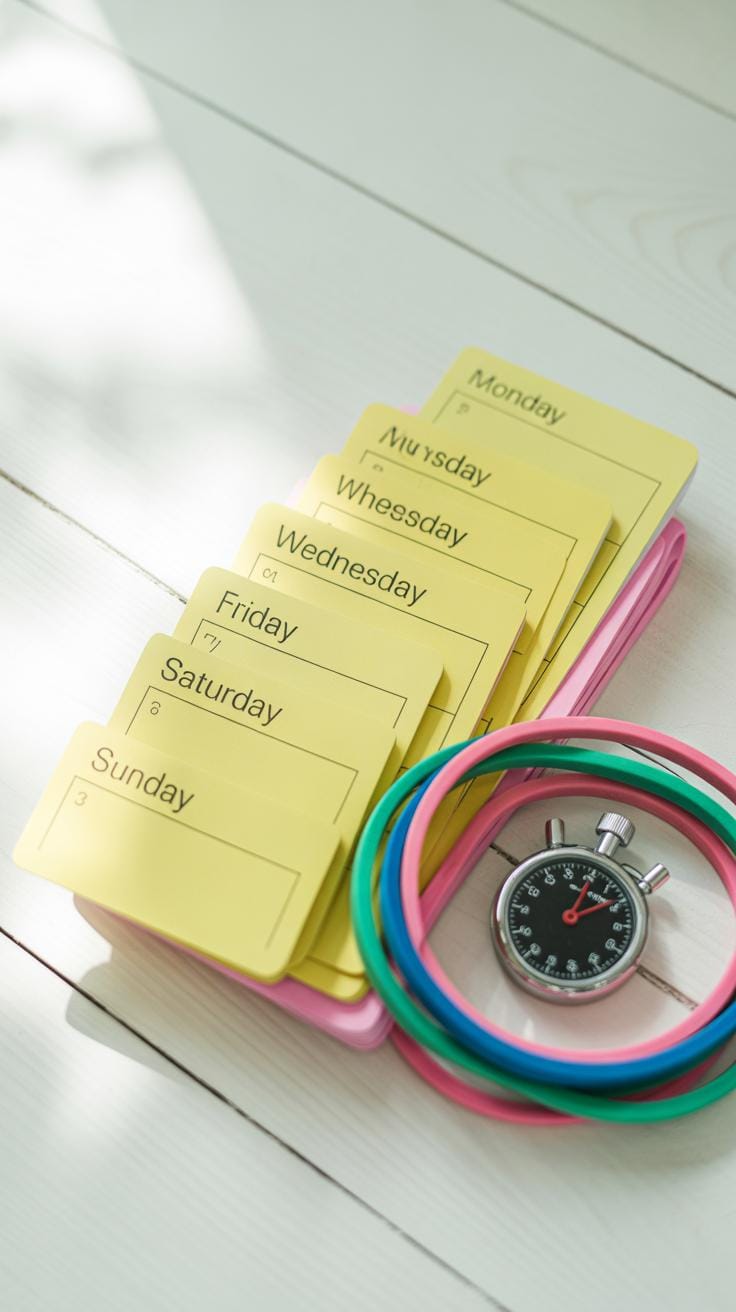
Spacing your Pilates days with at least one rest or low-intensity day in between helps. Some people prefer Monday, Wednesday, and Friday, for example, keeping a steady rhythm and room for muscles to rebuild. You might initially feel soreness—that’s normal—but if it lingers, consider adding extra recovery.
Tracking your progress is equally vital. Keep a simple log to note which exercises you do, how long your sessions last, and any changes in how you feel or move. Over time, you may notice improved endurance or easier execution of moves, signs it’s time to tweak intensity or switch up routines.
Progress isn’t always linear, so listening to your body matters. Sometimes, that might mean repeating a workout phase longer than planned or dialing back if fatigue sets in. Adjustments keep your plan realistic and adaptable as your fitness develops—so don’t hesitate to experiment a bit.
Essential Pilates Exercises For Weight Loss And Toning
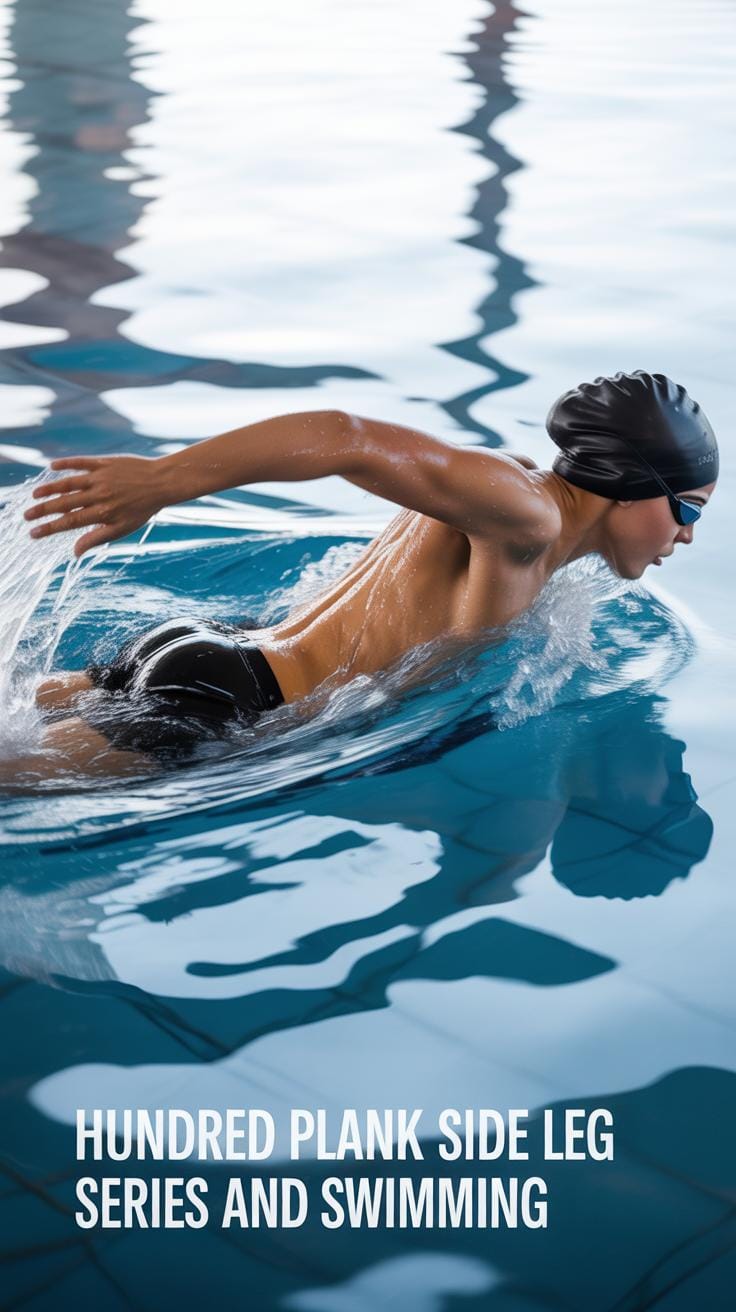
When you start Pilates for weight loss and toning, picking the right exercises is key. Beginner-friendly moves help you build a solid foundation without feeling overwhelmed. Try these to get a sense of what Pilates can do.
Core Focused Exercises
The core really drives Pilates. Strengthening it supports weight loss by improving your posture and movement efficiency. Think of these as the base for everything else.
- The Hundred: Lie on your back, pump your arms while keeping legs lifted. It’s simple but challenging—it gets your heart rate up a bit and wakes up the core. You might find it tedious at first, but the steady rhythm helps build endurance.
- Single Leg Stretch: Stretch one leg out, pull the other knee in while keeping shoulders off the mat. It’s a small move with surprising results, targeting abdominal muscles and improving coordination.
- Plank: Not just a gym cliché here. Hold a forearm plank or full plank, focusing on pulling your belly toward your spine. It works the core and shoulders, which is great for stability and burn.
Full Body Movement Exercises
Burning calories requires more than just core work. Exercises that involve the whole body help tone muscles while boosting energy expenditure. I’ve noticed these moves make sessions feel more balanced and less repetitive.
- Swan Dive: Lie on your stomach and lift your chest and legs off the floor, arms extended forward. It opens your back and strengthens your glutes and shoulders. A little tricky at first, but feels good after a few tries.
- Leg Circles: While lying on your back, extend one leg and circle it slowly. This hits the hips, thighs, and core all at once. It demands focus, and you might find your range of motion improves over time.
- Roll-Up: Start lying down, then slowly roll yourself up to sitting, reaching for your toes. It stretches the spine, tightens the abs, and—yes—made me realize how stiff I had gotten. It’s a tiny challenge that grows with your practice.
Which one of these feels doable to you right now? Maybe try mixing core and full-body moves in a session. By doing so, you might see both muscle tone and some weight loss gains. Don’t rush—let your body adjust and maybe surprise you along the way.
Combining Pilates With Other Fitness Activities
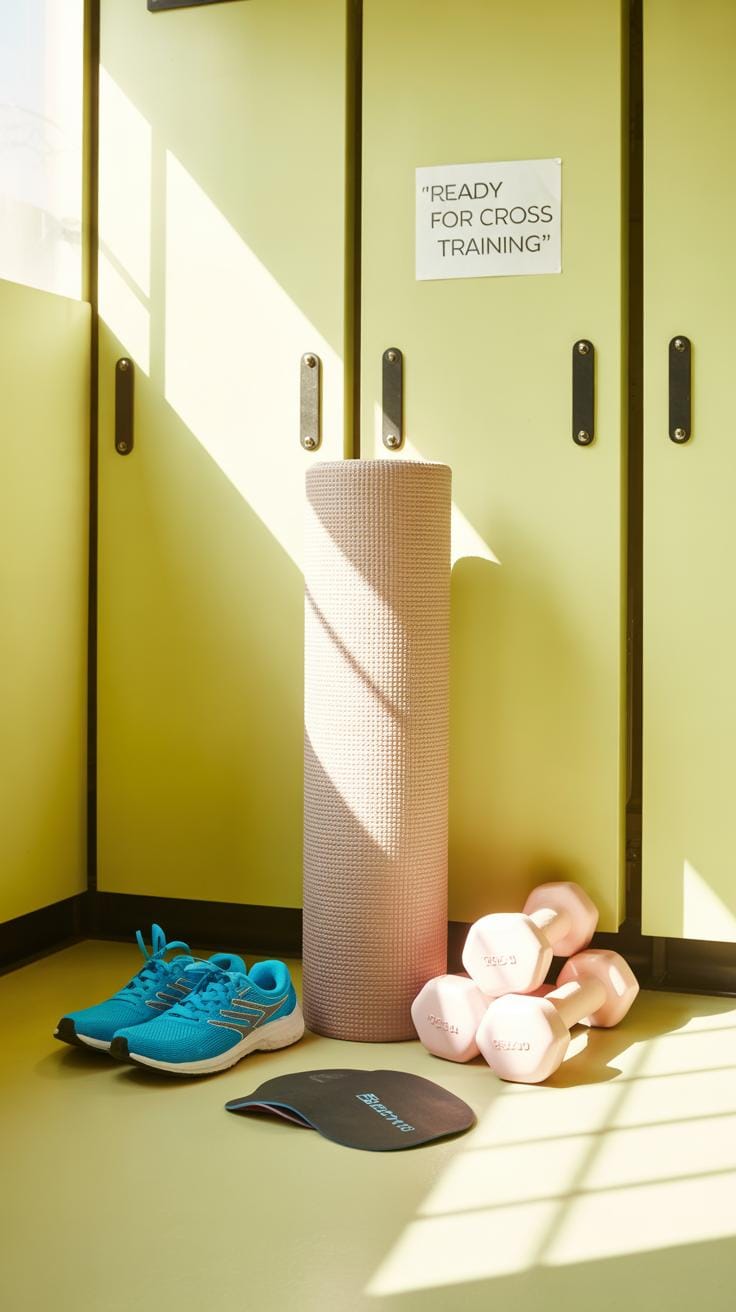

Pairing Pilates with other forms of exercise can give your fitness journey a more well-rounded touch. While Pilates focuses on core strength, flexibility, and controlled movements, adding cardio or strength training shifts the emphasis to calorie burning and muscle growth. This mix can make a noticeable difference in how your body changes over time.
Pilates And Cardio For Fat Loss
When you blend Pilates with cardio workouts—say, jogging, cycling, or brisk walking—you get two benefits at once. Cardio accelerates your heart rate, helping to burn calories quickly. Pilates then helps tone the muscles and improve posture, which can make your movements in cardio exercises more effective. It’s like one workout wakes up your metabolism, and the other refines your body’s shape. You might feel more energized during Pilates after cardio, but some find starting with Pilates loosens up the body for a better cardio session.
Strength Training Complements
Adding strength training to your Pilates routine can boost muscle tone beyond what Pilates alone offers. Free weights, resistance bands, or bodyweight exercises increase your muscle mass, which—believe it or not—can raise your metabolism even when you’re resting. That extra muscle makes weight loss feel less of a struggle because your body burns more energy naturally. But, watch out: it’s easy to overdo strength work and lose the fluidity Pilates brings. Balance is key.
Nutrition Tips To Support Your Pilates Workout

Your body needs more than just movement to respond well to Pilates, especially when weight loss and toning are the goals. The right foods don’t just fuel your workout—they also help your muscles recover and adapt. I’ve noticed that when I eat poorly before a session, my energy dips fast, and recovery feels slower.
Eating For Energy
Think of your Pilates session as a moderate-intensity workout that draws on both carbohydrates and protein for energy and muscle support. Simple carbs before working out can give you a quick boost—maybe a small banana or a slice of whole grain bread. But don’t stop there; combining those with a bit of protein, like a handful of nuts or Greek yogurt, helps keep energy steady throughout.
After Pilates, your body needs protein to repair tiny muscle fibers and some carbs to refill your energy stores. A balanced snack like cottage cheese with fruit or a small chicken salad can hit these targets well. Fat isn’t the enemy either but keep it in moderation because it slows digestion.
Balancing Calories For Weight Loss
Losing weight comes down to burning more calories than you consume, but it’s rarely straightforward. If you cut too many calories, you might lose energy and feel weaker during Pilates. If your intake is too high, progress slows or even stalls. Finding the right calorie balance means paying attention to what you eat and how you feel in your workouts.
A good practice is to track your meals and activity for a few days—not obsessively, just to get a sense of patterns. Notice if you feel hungry or tired during Pilates sessions and adjust accordingly. Sometimes, eating a bit more protein or healthy carbs actually helps you perform better and burn more calories overall.
So, could tweaking your plate help push your Pilates results further? Most likely, yes. Nutrition and Pilates go hand in hand, but both need individual attention to find what really works for your body and your goals.
Staying Motivated And Consistent
Setting Realistic Goals
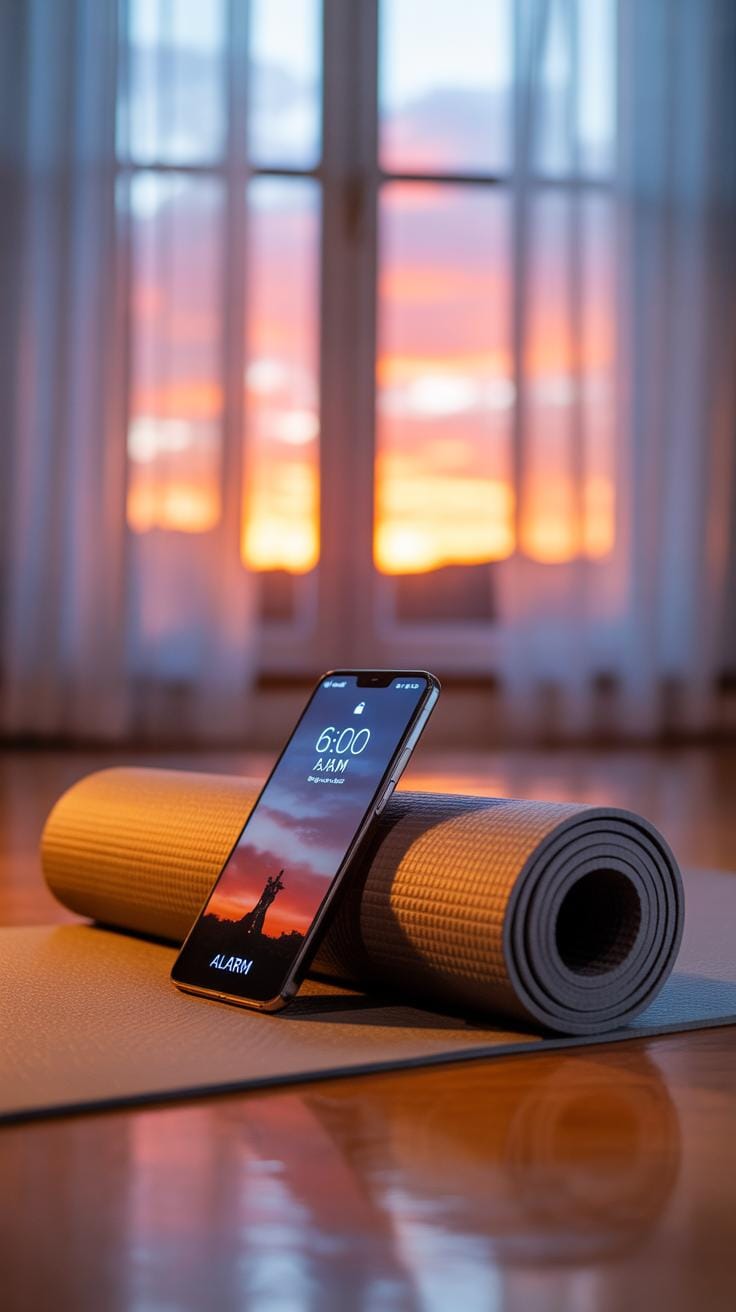
One of the hardest parts of any fitness routine is sticking with it over time. Setting clear, achievable milestones helps you keep up momentum, even on days when motivation dips. Instead of aiming to transform overnight, try breaking down your goals into small steps. Maybe focus first on mastering a few Pilates moves with good form, or gradually increasing your session length by five minutes each week.
Think about what feels doable and meaningful for you personally. It’s tempting to want quick changes, but when goals are too big or vague, it’s easier to get discouraged. You might want to reassess your progress every couple of weeks and adjust accordingly. Sometimes a goal you thought would keep you motivated suddenly feels overwhelming—that’s okay, just tweak it.
Enjoying The Journey
Making Pilates part of your life means finding ways to genuinely enjoy the practice. This doesn’t happen by accident. Try mixing different types of Pilates exercises or changing your environment—maybe outside when the weather’s nice, or in a calming corner at home. Music, natural light, or some quiet time beforehand can make a surprising difference.
Also, consider keeping a short journal of how you feel after each session. It’s interesting to see subtle improvements and notice what moves bring you energy or relief. Sometimes the best motivation is simply knowing you’ve carved out a small moment for yourself. Don’t push too hard or expect every session to be perfect. If you’re having an off day, cut yourself some slack and just do a little bit. Over time, those small choices build a habit that sticks.
Conclusions
Pilates offers a strategic path to weight loss and muscle toning by focusing on core strength, breathing techniques, and consistent practice. Using this workout plan, you can improve your posture, increase flexibility, and burn calories efficiently. Paying attention to proper form during exercises will maximize your results and keep you motivated.
Now that you understand how Pilates supports your fitness journey, you can start applying these workouts to your routine. Remember, progress comes with dedication and patience. Keep moving, listen to your body, and enjoy the changes that come from this mindful exercise method.