
High-Protein Meal Prep for the Week Ahead
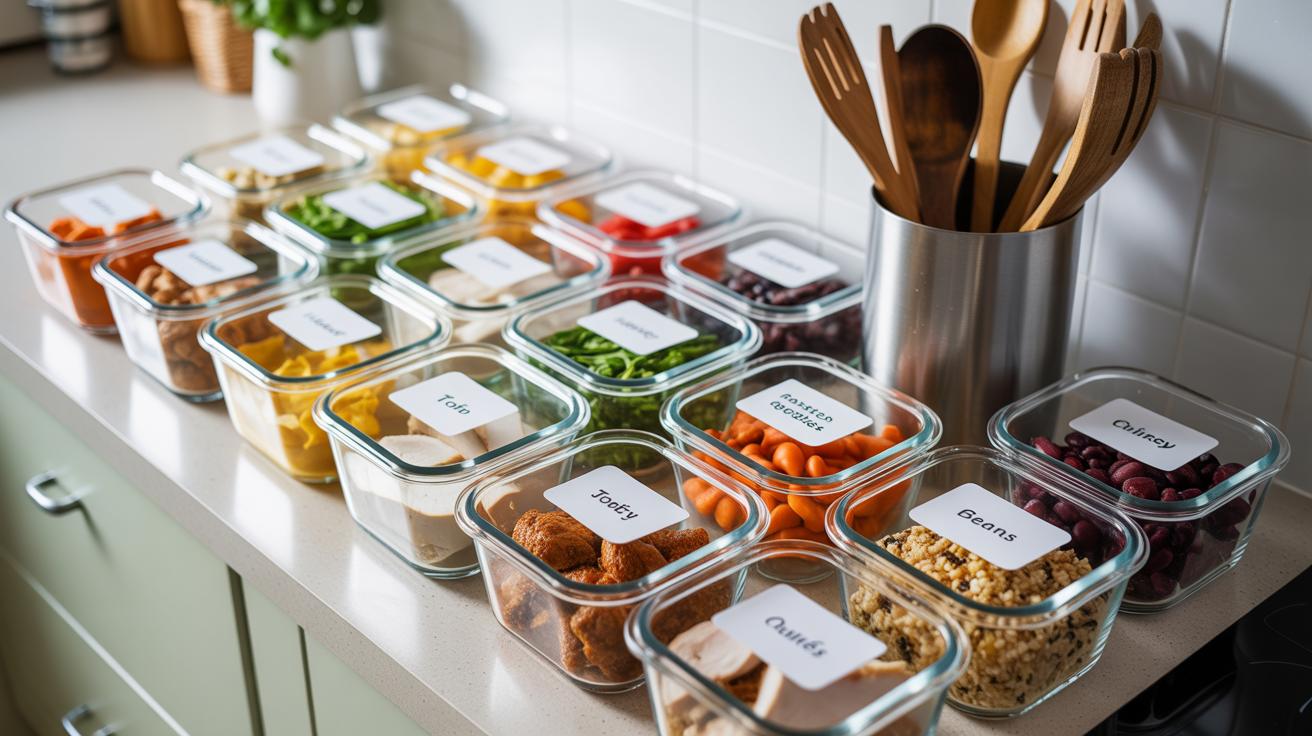
High protein meal prep can help you save time, eat healthy, and meet your fitness goals. Preparing meals ahead with a focus on protein lets you control what you eat. This avoids unhealthy fast food and snacking. It keeps your energy steady throughout the day.
In this article, you will learn how to build a high protein meal plan for the week ahead. You’ll see tips for shopping, cooking, and storing your meals. By the end, you will have practical advice to start your own meal prep routine. Let’s make meal prep simple and doable for you.
Understanding Protein And Why It Matters
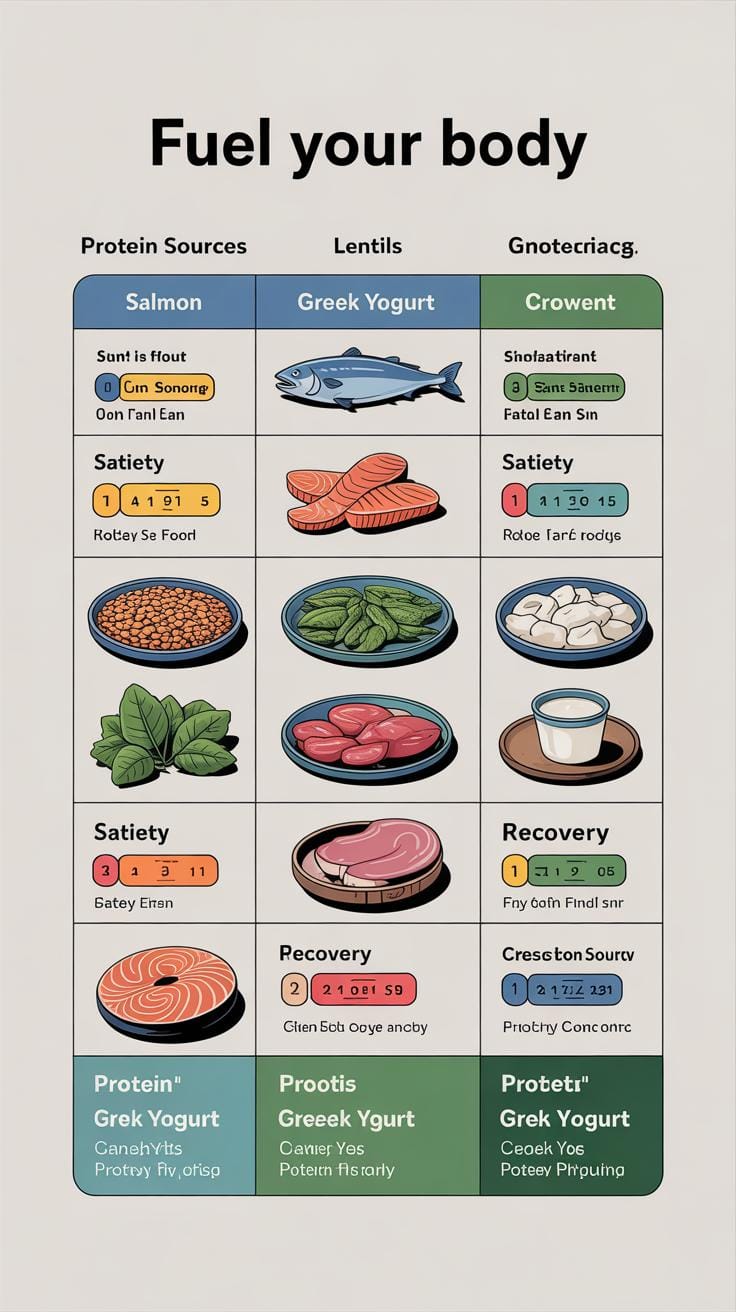
Protein is one of the essential building blocks of your body. It’s made up of amino acids, which your body uses to build and repair tissues. When you think about nutrition, protein often comes up connected to muscle building, but its role extends far beyond that.
Protein contributes to energy, but in a different way than carbs or fats. Your body prefers carbs for quick energy, but when those run low, protein can serve as backup, though that’s not its primary job. What’s more interesting is how protein influences hunger. Eating protein-rich meals typically keeps you feeling fuller for longer periods, which can help manage cravings or snacking habits.

Repair is probably the most straightforward benefit of protein. Every time you work out or simply go about your busy life, your cells endure some wear and tear. Protein steps in here, triggering repair and recovery at the cellular level. This is one reason why high protein intake is commonly linked to better muscle recovery after exercise.
How Protein Helps Your Body
Protein plays multiple roles once inside your body. One of its key jobs is muscle repair. For anyone active or trying to build muscle, protein provides the amino acids necessary to fix small tears that occur during exercise, helping muscles grow stronger over time.
Another role involves hormone production. Several hormones—like insulin and growth hormone—depend on protein. These hormones regulate metabolism, blood sugar levels, and overall growth. So, without enough protein, your hormonal balance might be off, which could impact energy and mood.
Satiety is another effect people often overlook. Protein tends to reduce hunger more than carbs or fats. I remember trying low-protein breakfasts and feeling snacky mid-morning, but when I switched to eggs or Greek yogurt, I stayed fuller much longer. So, including protein in meals can help control how much you eat throughout the day without feeling deprived.
Types Of Protein Sources
Protein comes from many sources—both animal and plant-based. Animal proteins usually have all the essential amino acids your body needs. Common examples include:
- Chicken breast
- Beef
- Eggs
- Dairy products like milk, cheese, and yogurt
- Fish, such as salmon and tuna

Plant proteins can be trickier because some lack certain essential amino acids. Still, combining different sources covers your bases. Notable plant sources include:
- Beans and lentils
- Tofu and tempeh
- Quinoa
- Nuts and seeds
- Peas
You might wonder if one type is “better” than the other. It depends. While animal proteins are complete, plant proteins bring fiber and other nutrients to the table. Many people do well mixing both. If you’re vegetarian or vegan, planning your sources thoughtfully becomes even more important.
Setting Your Protein Goals For The Week
Figuring out how much protein you actually need for the week can feel a bit like guesswork. But there are some straightforward ways to get close enough, so you’re not just throwing numbers out there. Most of all, think about your weight first—that’s usually the baseline. A simple starting point is about 0.8 grams of protein per kilogram of body weight if you’re mostly sedentary. For example, if you weigh 70 kilograms, you’d shoot for around 56 grams daily. That feels doable, right?
Now, if you’re moving more or trying to build muscle, those numbers shift. You might want to bump that up to somewhere between 1.2 to 2 grams per kilogram. So that 70 kilogram person aiming for growth could be eating anywhere from 84 to 140 grams daily. The range is wide because it depends on your workout intensity, frequency, and even how you respond to protein. Everyone’s a bit different.

Think about your goals, too. Are you leaning toward losing fat, maintaining weight, or gaining muscle? Each goal might pull your numbers in a slightly different direction, though it’s not an exact science. If you exercise regularly but not daily, you might average your protein needs between rest and active days. Don’t stress too much about hitting the exact number each day. What matters is consistency over time.
So how do you find your sweet spot?
- Start with your weight in kilograms and multiply by 0.8 for minimal needs.
- If you’re active or want muscle gain, multiply by 1.2 to 2, adjusting as you feel.
- Consider your weekly activity pattern, not just daily fluctuations.
- Keep an eye on how your body responds—are you feeling full, recovering well, seeing strength changes?
Maybe you’ll find that a constant number works easier for meal prep. Or maybe you like to tweak it based on the day’s workout. Both approaches have merit. Protein goals aren’t set in stone—they’re flexible enough to fit into your weekly routine without mess.
Planning Your High Protein Meals For The Week
When planning your weekly menu to meet protein goals, think beyond just numbers. Portion sizes matter, but so does variety. You might start by listing a few high protein recipes—say, grilled chicken breast, lentil stew, or scrambled eggs with turkey bacon. Then, map out how much protein each portion offers and how many servings you need daily. Sometimes I find that chunking my protein intake evenly across meals keeps energy steady, but other times a bigger protein dinner feels right.
Choosing recipes that fit your week shouldn’t feel like a chore. For example, baked salmon with quinoa and steamed broccoli is simple and quick, and it hits a solid protein target. Or, for something different, a chickpea curry with brown rice can serve up a plant-based boost. Try to swap these meals through the week—that way, you avoid burnout. Think about what can be doubled for leftovers and what might require separate prep to keep freshness.
Balancing protein with veggies, carbs, and fats creates meals that work well for your body. Vegetables add fiber and vitamins, but they need not overshadow your protein. Root veggies or whole grains like sweet potatoes and farro bring in carbs that fuel your muscles and brain. Adding fats like olive oil or avocado supports absorption of nutrients. That said, don’t overthink it—sometimes just a simple salad alongside your protein is enough to feel complete.
In practice, a weekly plan might look like this:
- Monday: Turkey meatballs, whole wheat pasta, spinach salad with olive oil
- Tuesday: Stir-fried tofu with mixed veggies and brown rice
- Wednesday: Grilled shrimp, quinoa, roasted asparagus
- Thursday: Beef chili packed with beans and peppers
- Friday: Egg white omelet filled with mushrooms and a side of avocado toast
Each meal combines a solid serving of protein with complementary nutrients. You might wonder—how strict do you need to be about portions every day? Well, it’s okay to be a bit flexible. The goal is meeting your protein needs over days, not down to the gram per meal.
Shopping Smart For High Protein Meal Prep
Creating A Protein Shopping List
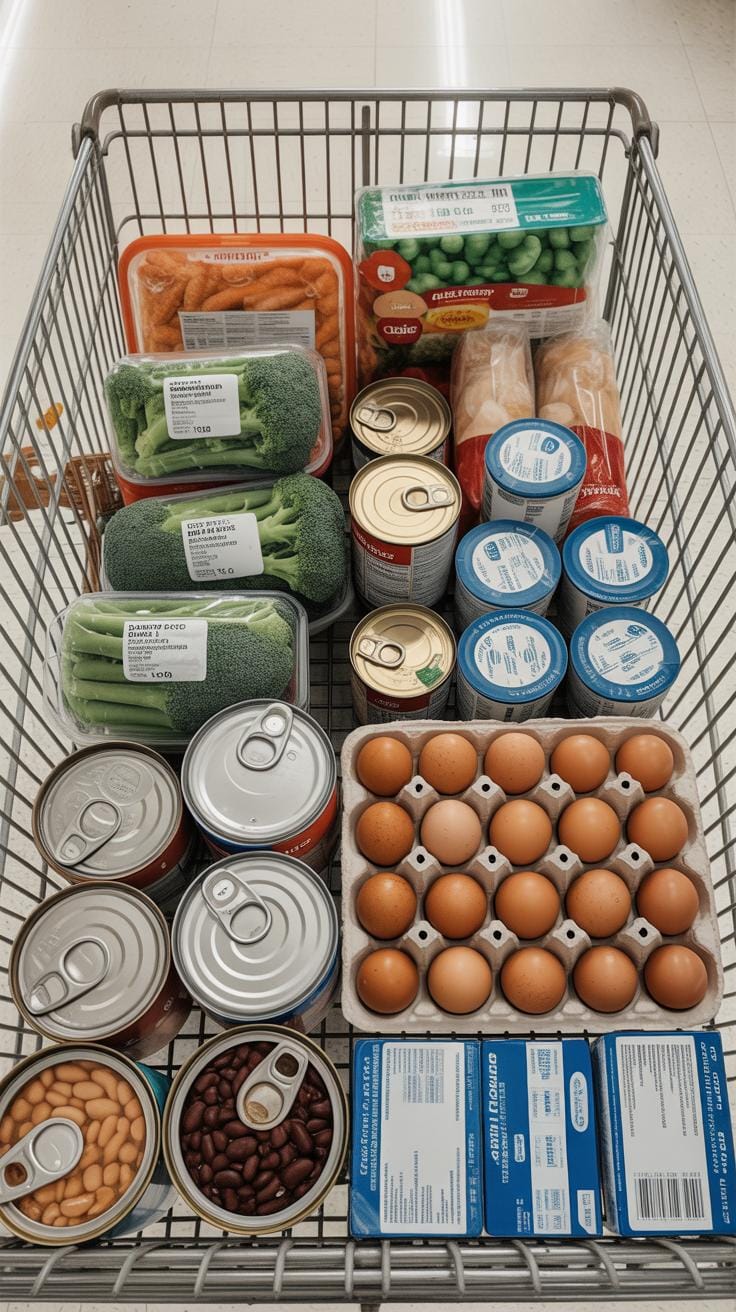
When you shop for high protein meal prep, having a clear list saves both trips and second guesses. Start with various protein types—mixing animal and plant sources can keep meals interesting and balanced. For meats, think chicken breasts, lean ground beef, turkey, and fish like salmon or canned tuna.

Don’t forget legumes—lentils, chickpeas, black beans—these can stretch your budget while packing in protein and fiber. Dairy options like Greek yogurt, cottage cheese, and eggs add versatility. Plant-based proteins like tofu, tempeh, and edamame deserve a spot too, especially if you want variety or are cutting down on meat.
This mix covers most tastes and setups. I’ve often realized I buy too much of one type and get stuck with boring meals, so spreading out your protein sources might help you avoid that.
Tips To Save Time And Money While Shopping
Shopping smart isn’t only about what you buy but how. Bulk is your friend here—buying larger packs of chicken or bags of dried beans can lower cost per serving. Still, be cautious about freezer space before you commit.
Frozen versus fresh protein sources create a chicken-or-egg scenario. Fresh feels better but frozen often lasts longer and might be cheaper. I usually lean on frozen veggies and proteins to save time and waste less, though some fresher choices can break up the monotony.
Also, comparing unit prices helps spot real deals. You might see a cheaper-looking pack but end up paying more per ounce—look closely. Finally, consider local farmers’ markets or warehouse stores if you have access; prices and quality vary, but sometimes the savings or taste make it worthwhile.
Prepping Your Protein Ingredients Quickly
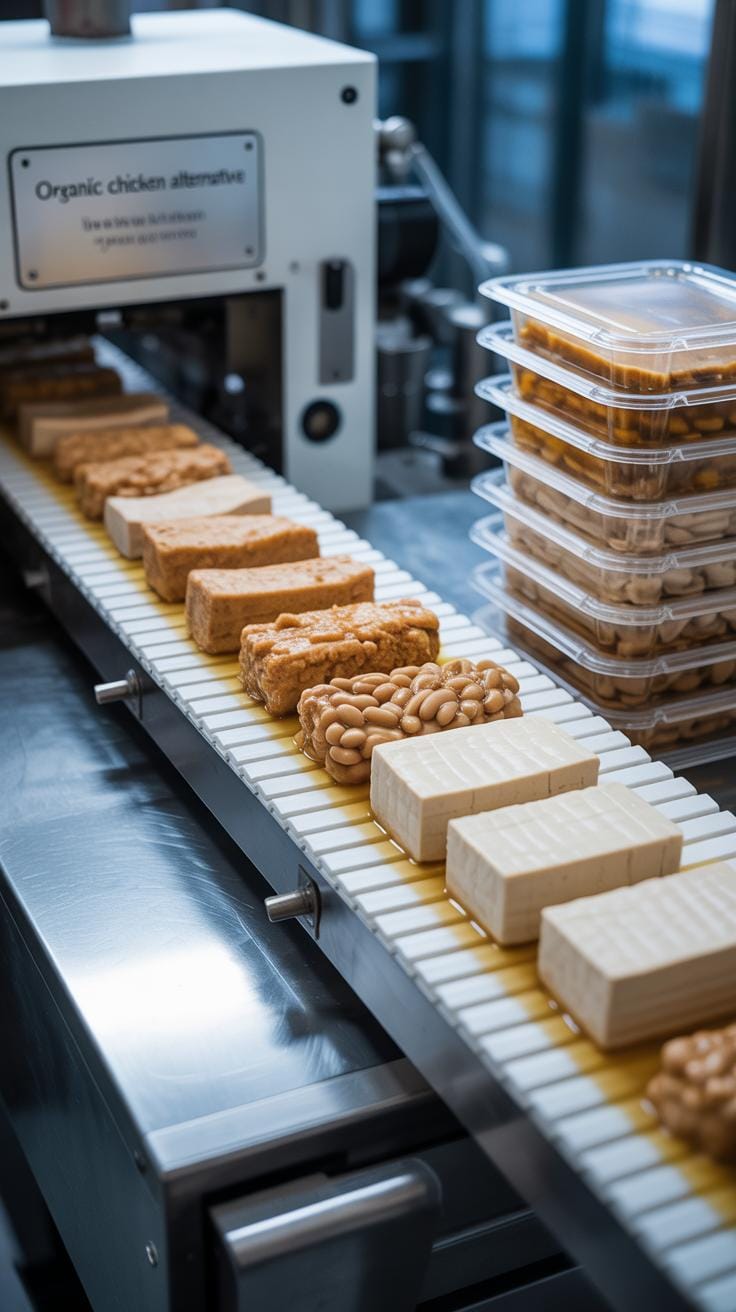
Getting your protein ingredients ready early can save a surprising amount of time later on. When you prep everything in one go, cooking during the week feels less like a chore. A good way to do this is to break down proteins into batch portions you can cook all at once and then store. This means fewer moments spent staring blankly into the fridge wondering what to eat.
Batch cooking works well for chicken, beef, tofu, and beans alike. For example, roasting a whole tray of chicken breasts, seasoning them simply with salt, pepper, and olive oil, lets you have ready protein for salads, wraps, or even quick stir-fries. Similarly, cooking a big pot of beans or lentils early on can make adding plant-based protein to your meals effortless. Tofu presses and marinates quickly in bulk too—then you just bake or pan-fry once and reuse throughout the week.
When it comes to keeping meals appealing, simple seasoning is your friend. Sprinkling garlic powder, smoked paprika, or dried herbs before batch cooking spices things up without added fuss. Even a little lemon zest or a dash of soy sauce can brighten flavors. The key is to resist overcomplicating it because sometimes, a pinch of salt and a grind of pepper are enough to keep things interesting.
Cooking And Assembling Your Meals Efficiently
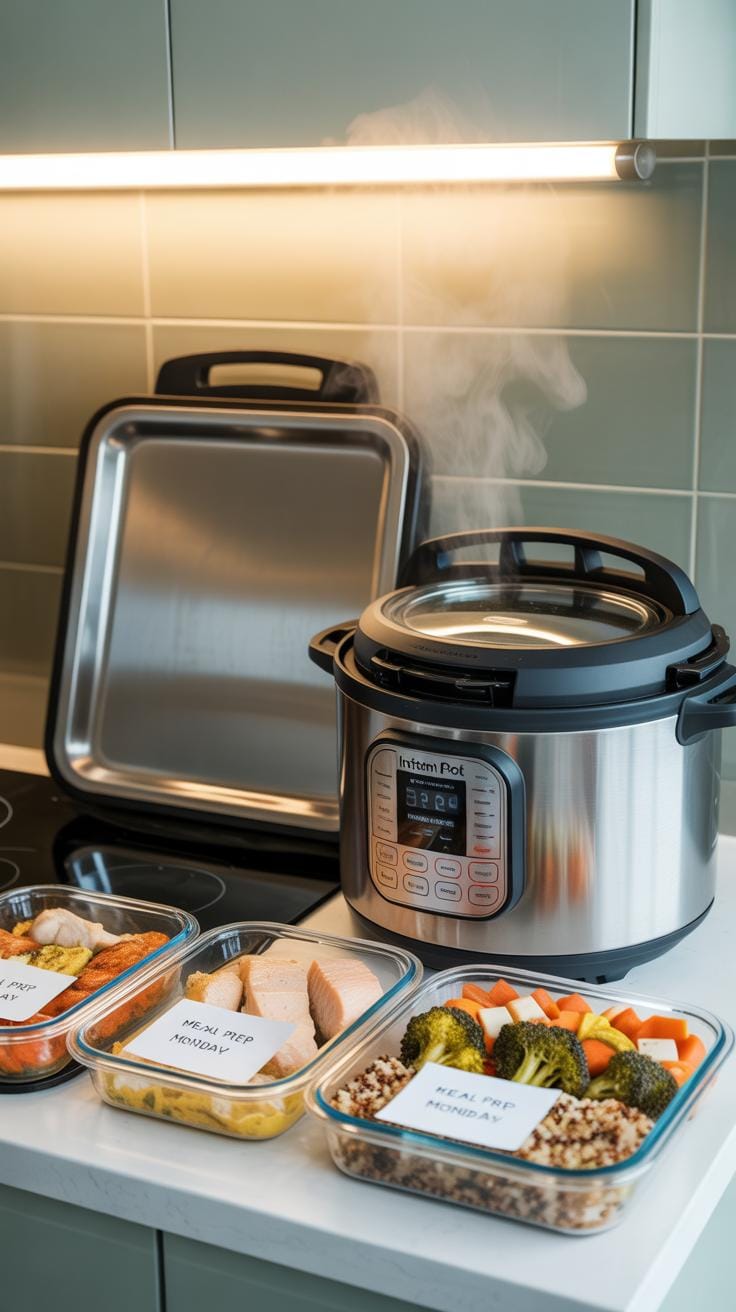
Once your proteins are ready, the next step is bringing everything together into meals that feel complete—not just thrown-together packages. Think about balance. You want to combine your cooked proteins with a variety of vegetables, grains, or salads to cover different textures and nutrients. For example, pairing grilled chicken with roasted sweet potatoes and steamed broccoli works well; the starch and fiber help you feel full beyond just protein.

Don’t be afraid to mix and match as you go, too. Sometimes a quinoa salad with chickpeas and sautéed greens fits the mood better than rice and beans. What matters is creating meals that satisfy and keep things interesting through the week.
When it comes to packaging, container choice plays a big role. Look for containers that seal tightly, but also have compartments or enough space to separate wet and dry ingredients. Glass containers with snap-on lids or BPA-free plastic ones are common picks. Portioning ahead saves time and avoids overpacking, which can lead to wasted food or soggy meals.
Try to fill each container with a balanced amount of protein and sides so you’re grabbing a ready-to-eat meal with no extra fuss. It can be tempting to overload one container with protein and skimp on veggies, but giving equal attention to each component makes reheating and eating more enjoyable.
Storing Your High Protein Meals Safely
Best Practices For Refrigeration
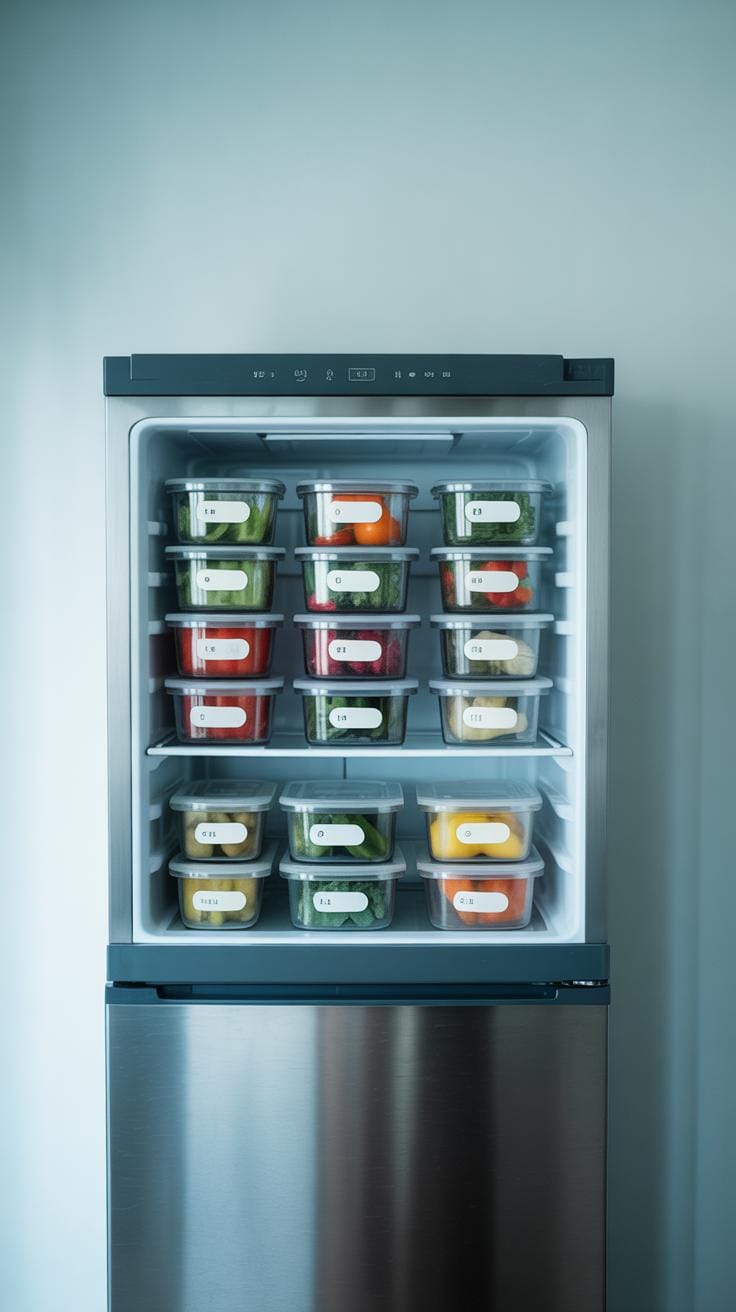
Once your meals are cooked and assembled, storing them properly in the fridge is key to keeping them fresh—and safe. Generally, high protein meals last about three to four days in the refrigerator before you might start noticing changes in taste or texture. Sometimes, I’ve had meals go a bit downhill after day five, even if they looked fine.

One trick I’ve found helpful is to use clear containers and label each with the date you prepared the meal. This makes it easier to track freshness without guessing. Also, organizing meals by types or days of the week helps—you don’t want to be digging through a jumble of containers when you’re rushing to eat.
Keep your fridge at or below 40°F (4°C) to slow bacterial growth. And try not to overcrowd it, since airflow matters too. You might think packing it to the brim is efficient, but it can trap heat and affect the longevity of your meals.
Freezing Meals For Longer Storage
If you want to prep even further ahead, freezing is where you turn. Almost all high protein meals freeze well, although sometimes things like sauces or rice can separate or get a bit mushy after thawing. Still, it’s a small price for weeks of convenience.
Use airtight containers or heavy-duty freezer bags to avoid freezer burn, and label everything with the freezing date. Meals generally keep well for up to three months in the freezer, though taste might decline after that, depending on the ingredients.
Defrost safely by moving your meal to the fridge the day before you plan to eat it. This slow thaw keeps textures better and limits bacterial risk. In urgent cases, the microwave’s defrost setting works too, but it might partially cook some parts, making the meal less appealing.
Have you noticed difference in flavor between fridge-stored and frozen meals? I sometimes find refrigerated ones taste fresher, but freezer meals win on saving time and reducing waste. It’s a tradeoff you might want to think about.
Reheating And Eating Your Prepped Meals
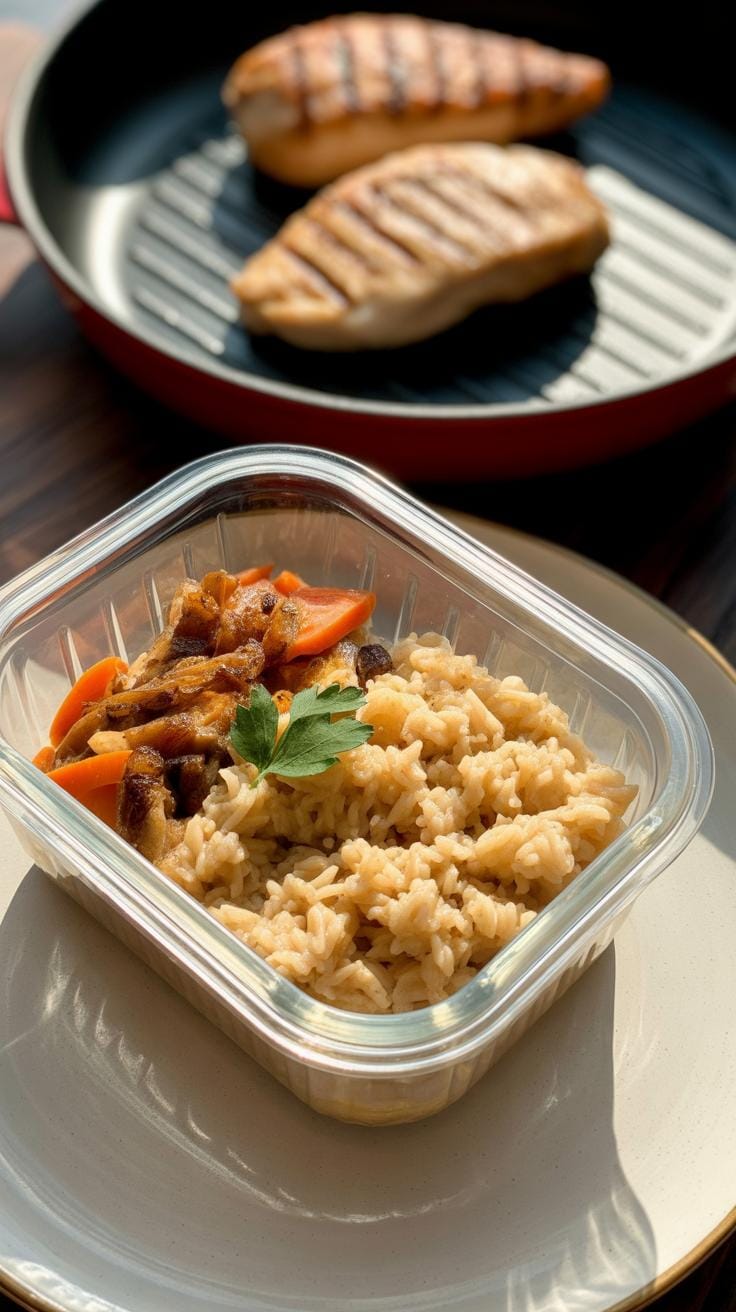
Reheating your high protein meals without turning them into dry, flavorless versions of themselves can be a bit tricky. It’s easy to overdo it, especially in the microwave, and suddenly your chicken or tofu feels more like cardboard than something you’d want to eat again.
Here are some ways to keep your food moist and tasty:
- Microwave: Use a microwave-safe cover or a damp paper towel over your dish. This traps steam and prevents drying. Heat in short bursts, stirring in between if possible.
- Oven: Place meals in an oven-safe dish, cover with foil, and heat at a lower temperature (around 300°F or 150°C) to gently warm the food without evaporating moisture.
- Stovetop: Reheat in a non-stick pan over low heat, adding a splash of water or broth if needed. Stir often to warm evenly and keep it from sticking or drying out.
Reheated meals can sometimes feel a bit dull, but tossing in fresh elements often restores that just-cooked appeal. Think about:
- Fresh herbs—cilantro, parsley, or basil can brighten flavors unexpectedly.
- A squeeze of lemon or a drizzle of olive oil adds a fresh note and richness.
- Slices of avocado or a dollop of yogurt bring creamy texture and freshness.
I’ve found that these little finishing touches change everything. Do you notice that too? Sometimes, the simplicity of a fresh twist makes the reheated meal almost as satisfying as the first time around.
Tracking Your Progress And Adjusting Your Plan
Noticing Changes In Energy And Fitness
Pay attention to how your body feels throughout the day. Do you find yourself less sluggish in the afternoon? Is your post-workout recovery quicker? These subtle shifts can signal that your meal prep is on the right track.
It’s not always dramatic at first—sometimes energy improvements come in small bursts, or strength gains don’t appear weekly but over a few weeks. Maybe your weight is stable while your clothes fit differently, or you feel more mentally alert. These signs matter as much as the numbers on a scale.
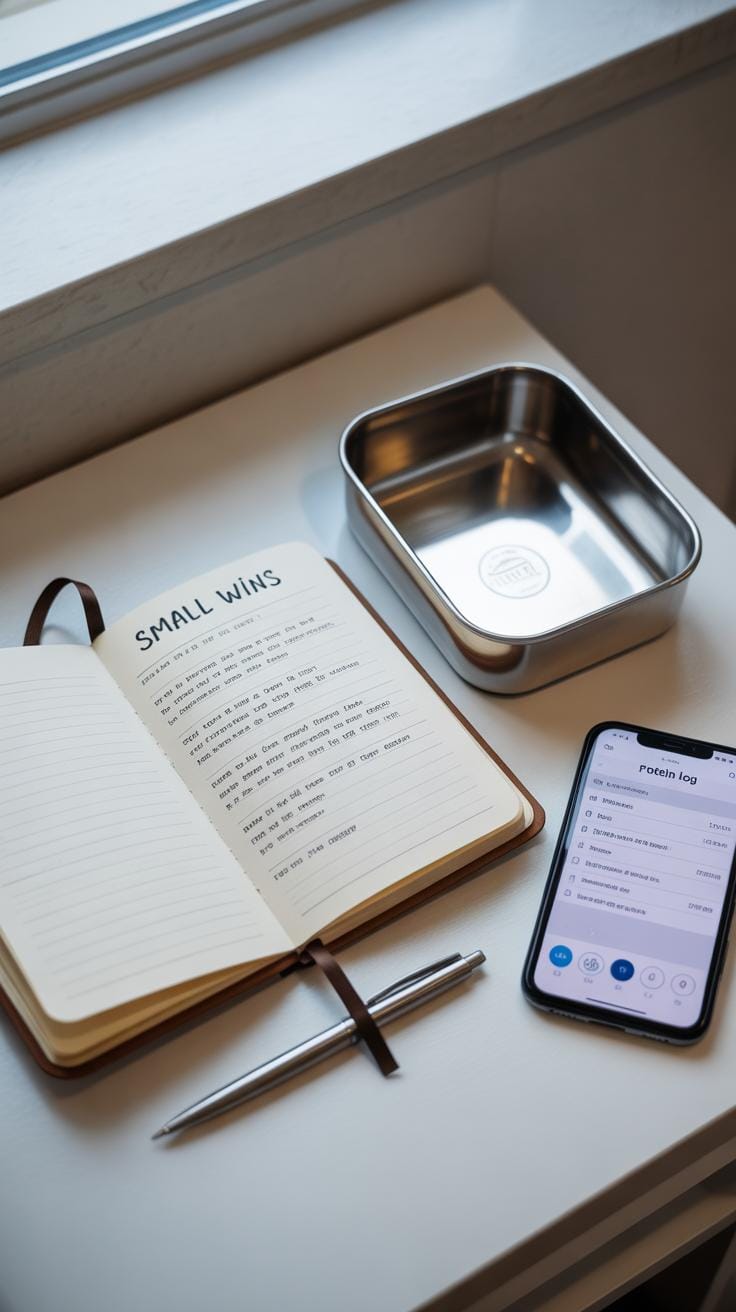
Keep a simple log if you like. Note how your meals impact your energy or workouts. This can be just a few notes after each day or a quick weekly recap. It helps you spot trends that might otherwise go unnoticed, making it easier to fine-tune your eating habits.
Tweaking Meal Prep For Better Results
When you notice a plateau or feel your energy dipping, consider adjusting your protein intake. Perhaps adding an extra portion to a meal or redistributing protein evenly throughout the day will help. Some days might call for more, especially around tougher workouts.
Variety plays a role too. If you get stuck eating the same protein sources, your motivation might stall, and your body might too—muscle needs novelty sometimes. Switching between chicken, beans, eggs, or fish can keep things interesting and your body responsive.
Don’t hesitate to experiment with timing or meal size. Maybe you feel better with a bigger breakfast or prefer smaller, more frequent protein servings. There’s no perfect formula, so give yourself permission to tweak what feels off. Your meal prep should flex with your needs, not the other way around.
Keeping Meal Prep Fun And Sustainable

Meal prep can sometimes feel like a chore you just have to get through. But keeping it enjoyable makes it stick. One way to do that is by mixing things up. Trying new high protein foods or recipes can break the monotony. Maybe you usually stick to chicken and eggs—why not explore lentils, tempeh, or cottage cheese for a while? Swapping out ingredients not only sparks interest, but also broadens your nutrient intake.
Another approach is to make meal prep less of a solo task. Inviting family or friends to join in can change the whole vibe. Cooking together is social, it turns prepping into shared time, and might even inspire you to try different dishes. Plus, it’s easier to stay motivated when you’re not doing it alone. You might find someone else’s favorite high protein recipe that you wouldn’t have considered otherwise.
Keeping prep fun often means staying flexible. If a recipe doesn’t thrill you, tweak it or move on. The goal is to create a routine that feels doable, not a rigid obligation. So, ask yourself: What new protein source could I add this week? Who could I invite over to help with cooking? Simple questions like these keep the habit from fading.
Conclusions
Planning and preparing high protein meals in advance can change the way you eat. It gives you control over your nutrition and saves time daily. By choosing the right protein sources, cooking in batches, and storing meals properly, you can stay on track with healthy eating.
Start small and keep it consistent. You will feel less stress around mealtime and enjoy better energy and health. High protein meal prep is a tool you can use to support your lifestyle and goals. Give it a try and notice the difference it makes.