
College Dorm Decor That Maximizes Storage
College dorm rooms often have little space, so decorating and organizing can feel tricky. But with the right ideas, you can make your dorm room look great and keep it tidy at the same time. This article explores how you can use clever storage solutions and decoration tips to create a space that feels comfortable and organized.
We will guide you through smart storage hacks, decorating on a budget, and ways to make the most of small areas. These ideas will help you enjoy your dorm room without clutter and stress. Let’s look at how to make your college dorm room work for you.
Planning Your Dorm Room Layout
Measuring and Mapping Your Dorm
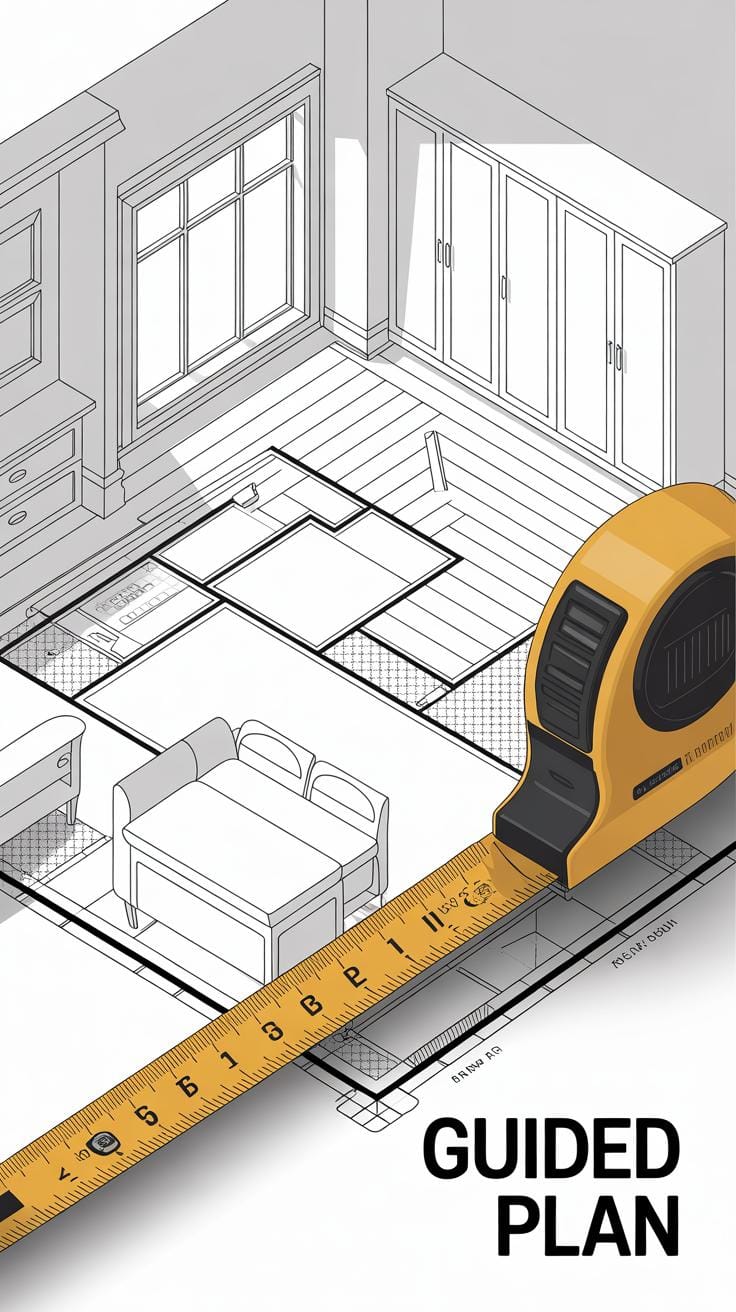
Before you even think about moving in, take time to measure your dorm room carefully. Grab a tape measure, and jot down the length and width of the space, including any built-in closets, windows, or radiators that could affect furniture placement. Sometimes those little architectural quirks can be the difference between a cramped corner and a usable spot.
Once you have your measurements, sketch a simple map on graph paper or use an app—whatever feels right. Mark doors and outlets too; these details matter when arranging your desk or a charging station. I remember once I overlooked a heating vent, and it meant my desk spot was uncomfortably chilly. Trust me, a little planning here can save frustration later.
Arranging Furniture for Best Use of Space
Think of your dorm room as a mini-apartment that has to serve multiple roles. You need a place to sleep, study, and just unwind. Start by deciding which corner will be for sleeping—preferably near a wall to keep the middle open. Your desk should face good lighting, either natural or from a lamp, to avoid eye strain during late-night cramming.

Make sure pathways between your bed, desk, and dresser stay clear. A cluttered hallway makes a small space feel even smaller. Sometimes shifting the bed to a loft setup frees up a surprising amount of floor space. Zones don’t have to be strict—sometimes your study space doubles as your relaxation spot—but keeping some visual separation helps you mentally switch between tasks.
Does your desk block the door? Are you forced to squeeze past furniture? If yes, it’s worth considering alternative layouts. The room might be small, but with a bit of experimenting, you can find a setup that makes you feel less boxed in. Try different arrangements on paper before moving heavy furniture around; your back will thank you.
Choosing Functional Furniture
When picking out dorm furniture, thinking beyond looks can really pay off. Furniture that doubles as storage or serves more than one purpose makes a huge difference in a small space like a dorm room. You probably have limited square footage, so finding pieces that help you tuck away your stuff without piling it everywhere is key.
Beds with Built-in Storage
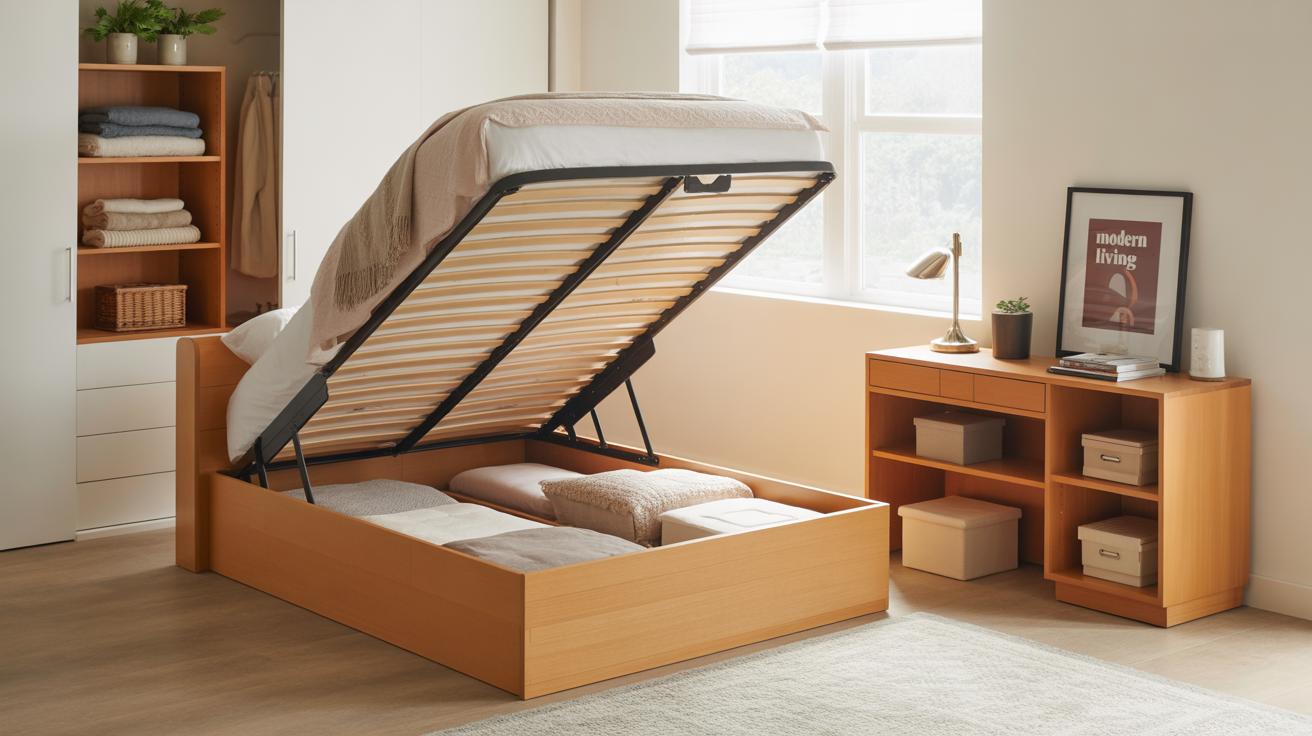
Beds that offer storage solutions are almost a must-have. Some have drawers built into the frame—great for stashing clothes, shoes, or extra blankets. Others raise the bed higher off the ground, giving you room underneath for bins or boxes. I once saw a bed with both drawers and enough clearance to slide in rolling containers underneath, which seemed perfect for cramped quarters. It’s also worth thinking about how easy it is to access these storage options daily. If you need to haul out a container every time, you might second-guess the convenience.
Multi-use Desks and Seating
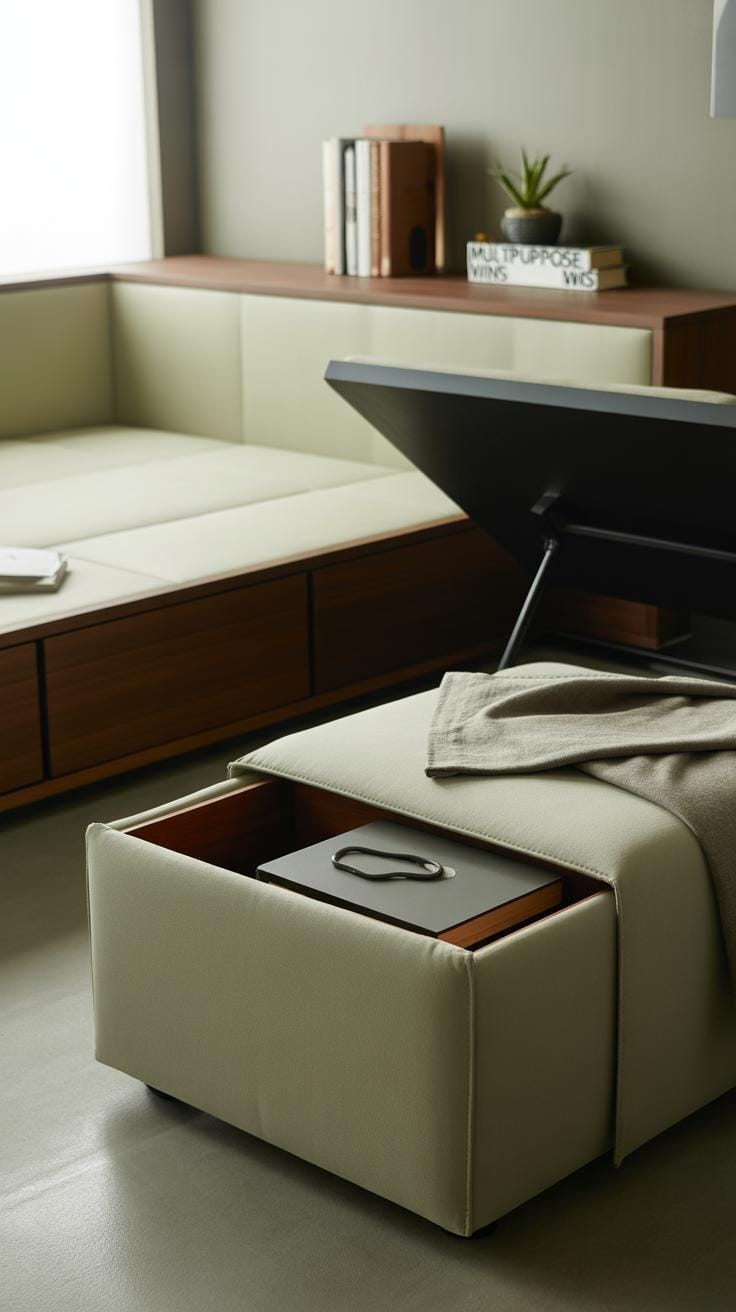
Furniture that multitasks can save precious space without feeling cluttered. For example, desks that fold against the wall, or those with built-in shelves, keep your study area neat and leave more room to move around. Ottomans or small benches that open to store books or supplies can also help—plus, they give extra seating when friends pop by. Sometimes, these pieces aren’t the fanciest or biggest, but they can really pull double duty, which is what dorm life often demands.
Using Vertical Space Wisely
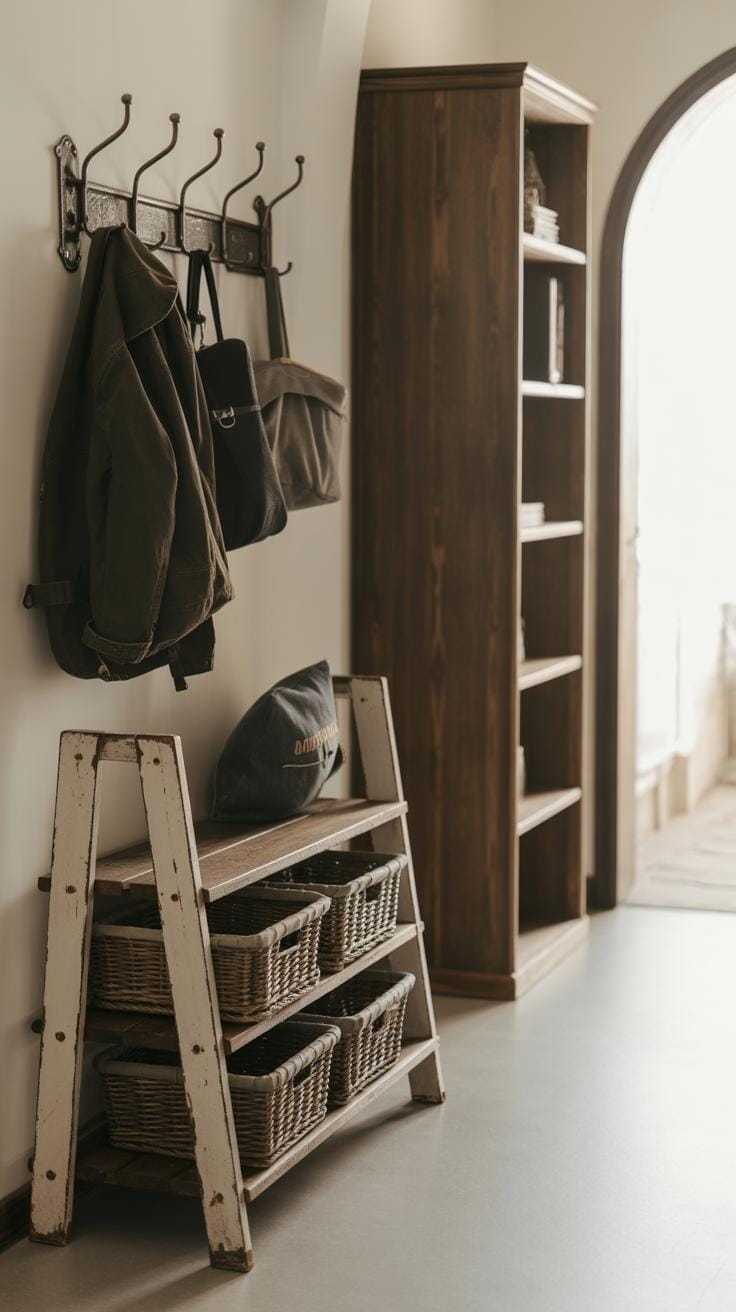

Your dorm room is small, so the floor can’t handle all your stuff. That’s why vertical space practically begs for attention. Adding shelves, hooks, and hanging organizers lets you stash things up high, freeing up room below. It’s funny how just a simple shelf or hook can change how you see the whole room—suddenly, it feels like there’s room to breathe.
Installing Shelves and Hooks
Picking shelves isn’t about grabbing the flashiest ones. You want sturdy and straightforward—something that can hold books, dorm decor, or that moldy science project you’re trying to forget. Floating shelves work well if you don’t want too much bulk; thicker ones suit heavier stuff. Space near your desk or above the bed seems natural, but don’t overlook corners or the area above the door.
Hooks? They’re game changers. Wall hooks on the side of your desk or inside your closet door hold backpacks, jackets, or headphones. Try mixing small and large hooks for variety—you might find yourself hanging more than just clothes (headphones, chargers, hats… you name it). Placement depends a lot on your routine too. I once installed hooks right beside my study spot and ended up hanging my daily essentials there; it made grabbing them second nature.
Hanging Organizers for Small Items
Hanging organizers can be lifesavers, especially if you don’t want to clutter every flat surface. Stick one on your closet rod or behind the door, and suddenly you’ve got compartments for shoes, accessories, or school supplies that usually end up scattered everywhere.
Imagine this: no more digging through drawers for pens, or stepping on shoes piled awkwardly at your feet. Some organizers come with clear pockets, letting you spot what you need without rummaging. I found that having separate slots for chargers, notebooks, and snacks kept my desk clean and my brain clearer. You might find that a simple hanging organizer saves minutes every day, which adds up quickly.
Creative Storage Hacks
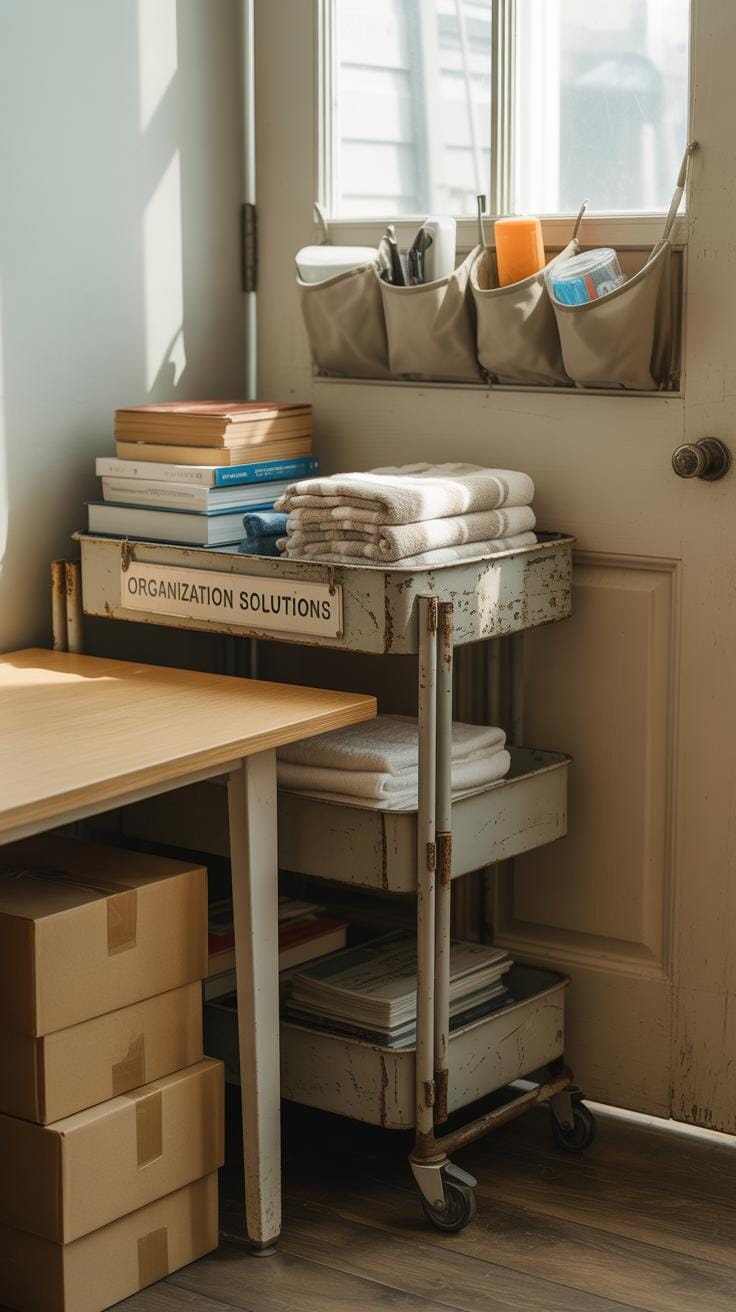

Bins and containers come in handy more often than you might expect in a dorm. You can pick up clear ones to quickly spot what’s inside—no need to mess around digging through piles, which I think most of us appreciate when mornings get hectic. Smaller bins work well for things like snacks or stationery, while larger ones can hold shoes or off-season clothes. Placing these under your bed or on shelves keeps everything neat without taking extra room.
Drawer dividers are another simple game-changer. They stop your stuff from mixing into a chaotic jumble. Think about how a divided drawer can turn a messy sock pile into easy-to-grab sections for socks, underwear, or even chargers. Labels help—some people might find them fussy, but I’ve noticed they save time and headaches, especially when you’re in a rush or sharing space with a roommate. You don’t have to label every box, maybe just the ones you use often. It’s all about what fits your style.
Sometimes, it’s tempting to buy fancy organizers, but mixing a few basic bins with drawer dividers often does the trick. The goal? To find things fast and keep your room from feeling overwhelming. What do you find hardest to keep tidy? Maybe bins and labels can help with that.
Decorating with a Purpose
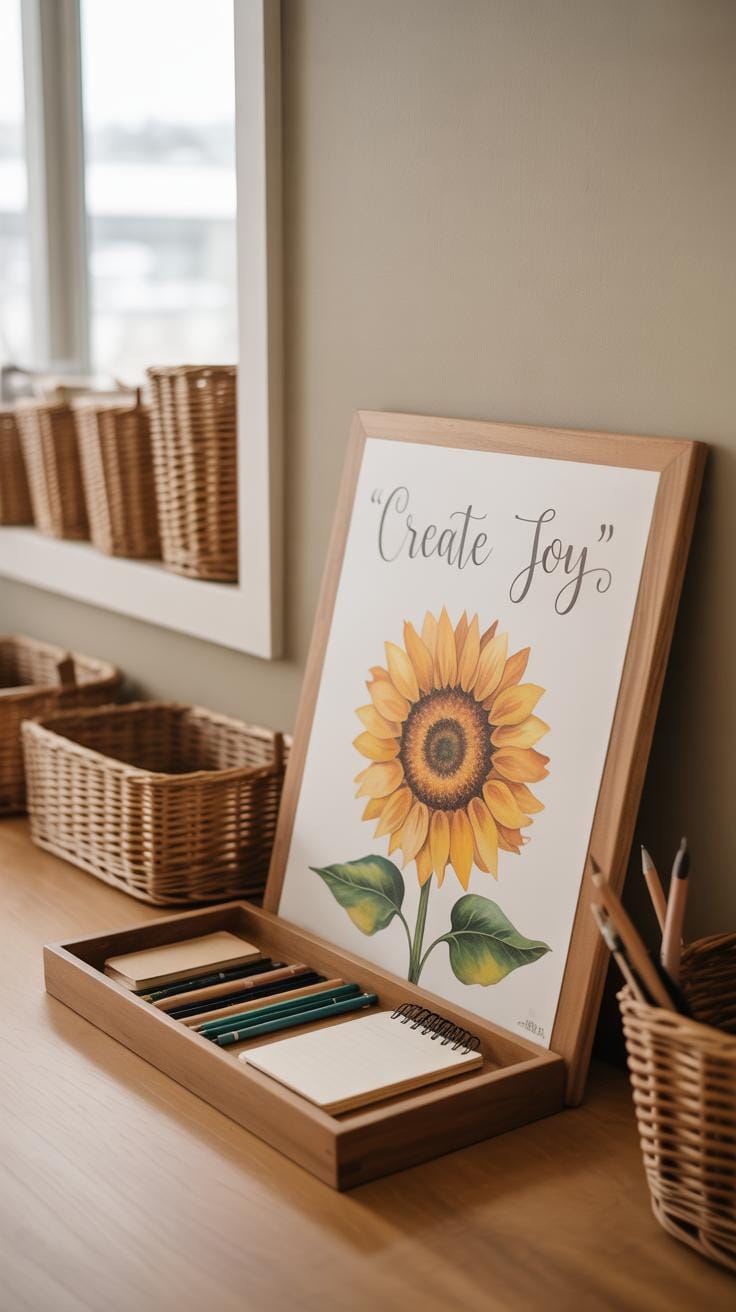
Choosing decorations for your dorm room that add personality without creating clutter can be tricky. It’s tempting to fill every inch with stuff that makes the space feel like “you,” but too much can quickly overwhelm a small area. You might find wall art that also works as storage—think shelves with hooks or magnetic boards that hold both pictures and keys. Such pieces catch the eye, but also free up surface space.

Lighting is another aspect to consider carefully. A desk lamp that clamps onto your bed frame or wall-mounted lights can brighten your room without taking up valuable desk real estate. It’s not just about style here; it’s a small way to keep the room feeling open while serving a real purpose. Sometimes, you’ll find yourself debating whether a decoration’s charm outweighs its bulkiness. That’s okay—it’s part of the process.
Multipurpose Decor Items
Multipurpose decor is a quiet savior in dorm rooms. A mirror with hidden shelves or hooks, for example, lets you check your outfit while storing everyday jewelry or hats nearby. Bulletin boards with pockets aren’t just for reminders—they can hold letters, stationery, or even small electronics, all while showcasing photos or event tickets. These items combine style and function, which feels pretty smart when you have limited space.
I remember finding a wall organizer once that looked decorative but actually had little pouches for chargers and stationery. It was such a small thing but changed how cluttered my desk looked. Sometimes, choosing these kinds of dual-purpose items means you don’t have to sacrifice one part of your style just to keep the room tidy.
Personalizing Your Space Simply
Personalizing doesn’t need to mean piles of items. You can express yourself with a few simple touches that don’t take up much room. A favorite poster, a string of photos clipped onto wire, or a small plant can give your dorm a sense of home without forcing you to find storage for more stuff. Combining these with soft textiles—like a cozy throw or patterned pillow—adds warmth and personality without crowding the space.
Maybe you love travel or music. Framing a single concert ticket or a vintage map might say just enough about you without overwhelming the walls. These small details often matter more than filling every square inch. It’s about picking pieces that resonate with you—not just decorating for decoration’s sake. And if you feel like switching things up, that simplicity also means you can easily swap out decor without a lot of hassle.
Optimizing Closet and Wardrobe Storage
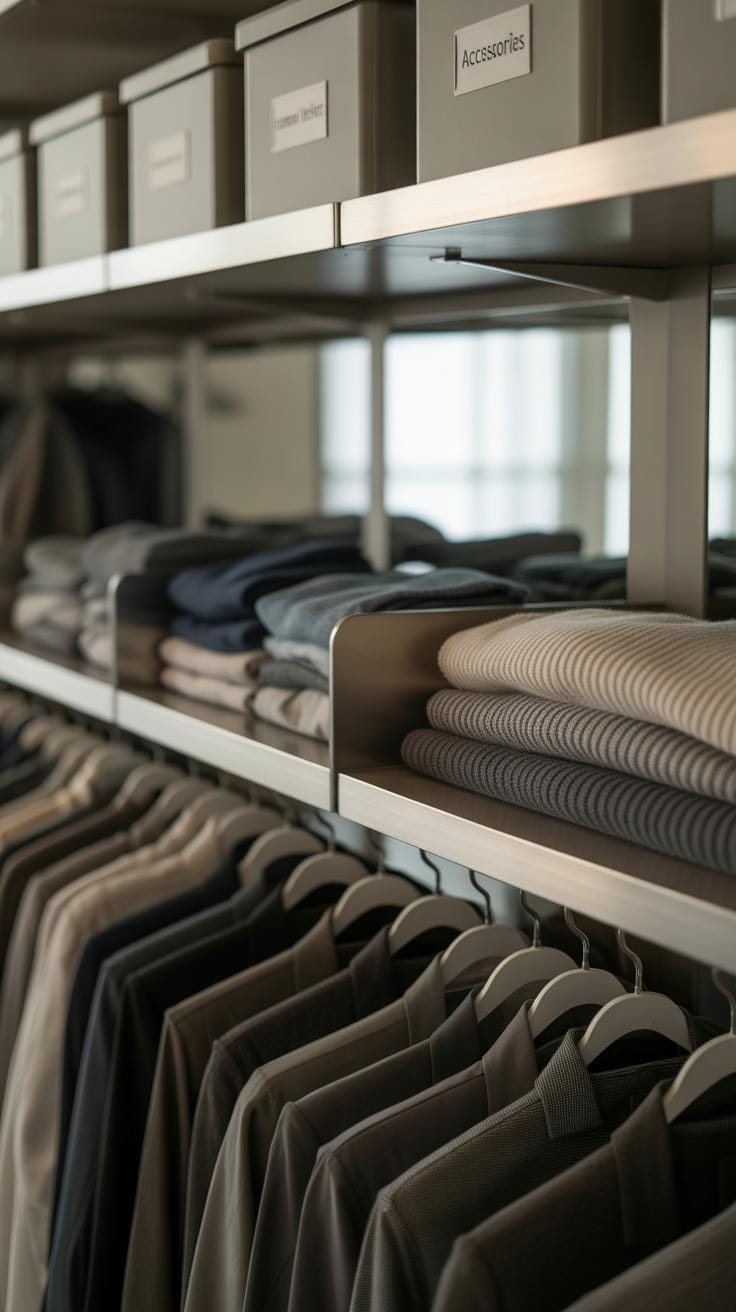

Closets in dorm rooms are tiny, often awkward spaces that can quickly become overwhelming if not organized well. One simple change that made a big difference in my own dorm was switching to slim, non-slip hangers. These hangers take up less room and keep clothes from slipping off, which means you can actually fit more pieces side by side without them bunching up or falling down. It’s surprising how just swapping bulky plastic hangers for slim velvet ones can free up closet space almost instantly.
Another trick involves hanging and stacking organizers. Hanging shelves that slot onto your closet rod break vertical space into compartments—great for sweaters, shoes, or hats that don’t hang well. They let you see everything at a glance, which cuts down on those “what did I even pack?” moments.
Stackable boxes inside your closet are also a game changer. I’ve seen clear plastic boxes used to separate out accessories or seasonal items. Label these boxes, or leave them transparent if you get the right kind, so you don’t have to rummage around. They can be piled on top of each other to use every inch of the closet floor. Oddly, sometimes stacking feels limiting—maybe because it hides stuff out of sight—but the tradeoff for saving space usually feels worth it.
Have you thought about how your closet could work harder? It’s not just about squeezing in more stuff but also about keeping what you need easy to find. These tweaks, though small, can change your closet from a crumpled mess to something manageable—without needing to buy a bigger wardrobe.
Maximizing Desk and Study Area Storage
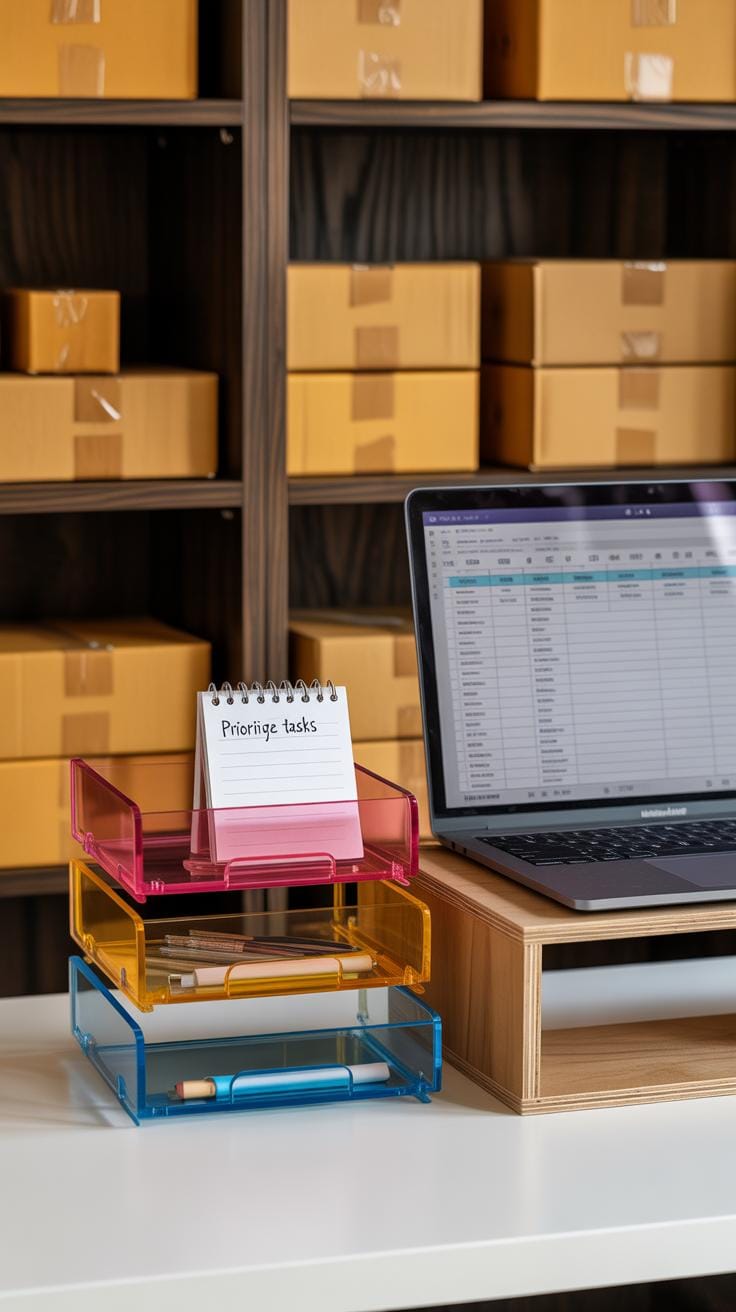

Your dorm desk can quickly become a clutter zone if you don’t set up a system for organizing all those pens, papers, and gadgets. There are plenty of desk organizers designed specifically to keep stuff sorted without eating up too much space. Think of organizers with different compartments for pens, notebooks, post-its, and even a slot for your tablet or phone. Some have drawers or trays, which can hide away smaller items you don’t want scattered around.
Wall-mounted storage is another helpful option, especially when desk space feels tight. You might try narrow shelves, pegboards, or magnetic strips fixed right above your desk. These can hold books, supplies, or even clip together important reminders. It’s quite satisfying, actually—having all the essentials within reach but off the desk so you have more room to work.
Now, cables and chargers can turn any tidy study area into a tangled mess surprisingly fast. You could use cable clips, zip ties, or even small boxes to group and route your cords along the wall or under the desk. Labeling chargers helps too—so you don’t accidentally unplug the wrong device when reaching for a cable. I guess managing cables isn’t thrilling, but a bit of patience here really pays off in keeping your space neat.
Maintaining Your Dorm Room Organization
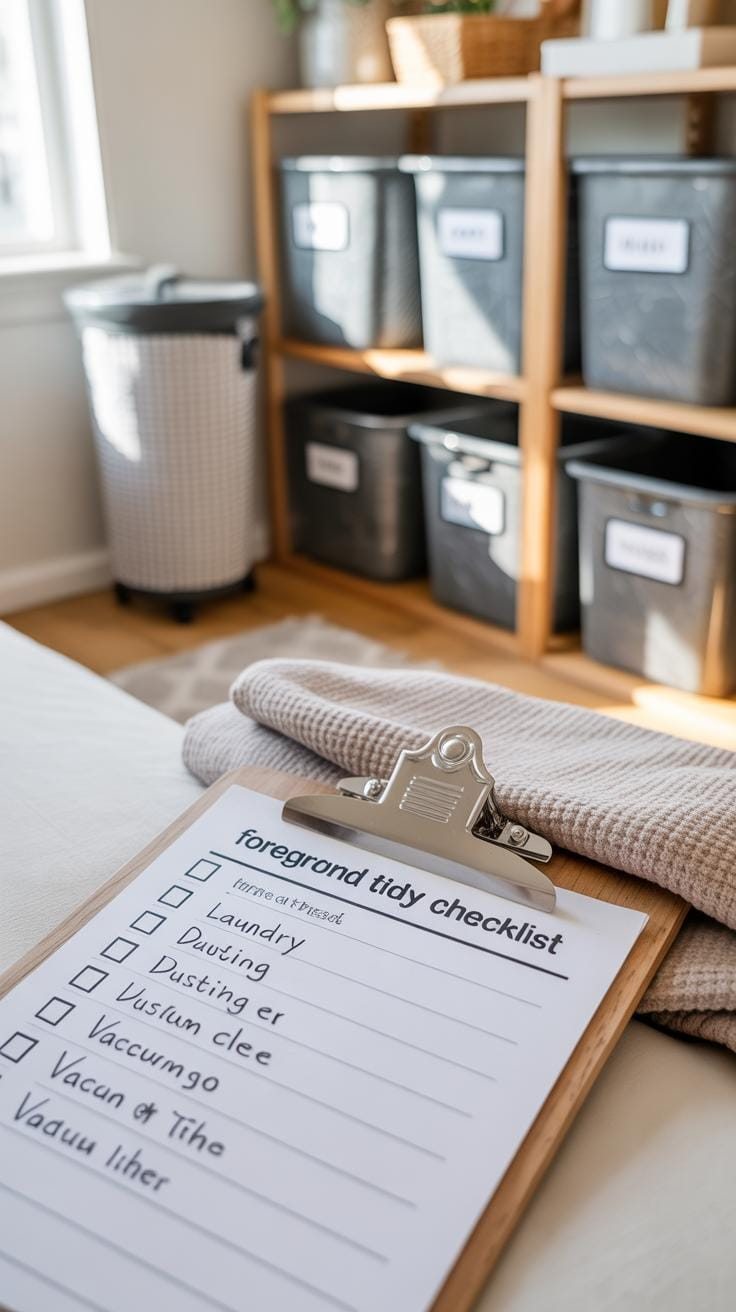
Keeping your dorm room neat doesn’t have to be a huge chore. In fact, small habits can make a big difference over time. Spending just a few minutes each day straightening up can stop clutter from piling up and becoming overwhelming. Think of it as a quick reset: putting clothes back in your closet, tossing trash, or arranging books after studying.

Here are some simple daily habits that really help:
- Make your bed every morning—even if it’s just a rough tuck. It instantly makes the room look cleaner.
- Clear your desk and put away any stray papers or supplies after you work or study.
- Do a quick sweep of the floor for items out of place—shoes, laundry, backpacks.
- Empty your trash bin if it’s full or has food wrappers to avoid smells and mess.
These might sound basic, but they prevent clutter from sneaking up on you. Plus, it’s easier to stay motivated for bigger cleaning sessions when your space feels manageable most days.
Now, about decluttering—when should it happen? Perhaps once every few months is good, like at the start of a new semester or before finals when stress is high and space feels tight. If it’s too often, you might feel like you’re always organizing, and if it’s too rare, things pile up too much.
Approach decluttering gently. Instead of rushing, break it into categories: clothes, school supplies, decorations. Ask yourself: Did I use this in the last semester? Does it still bring me value or joy? If not, maybe it’s time to let go.
Decluttering doesn’t mean you have to throw everything away either. Books could go to a friend, old notebooks might recycle, or maybe some items just need better storage. The key is not to stress or aim for perfection—just aim for a space that supports your daily life without chaos.
Conclusions
When you decorate your college dorm room with storage in mind, you gain more than just a neat space. You create a room that supports your daily life and studies. Using practical storage options and thoughtful decor helps you stay organized and feel at home in a small space.

Try mixing smart storage with your personal style to build a dorm room that suits your needs. The tips in this article aim to inspire you to design a room that works hard for you, saving space while looking good and feeling cozy.