
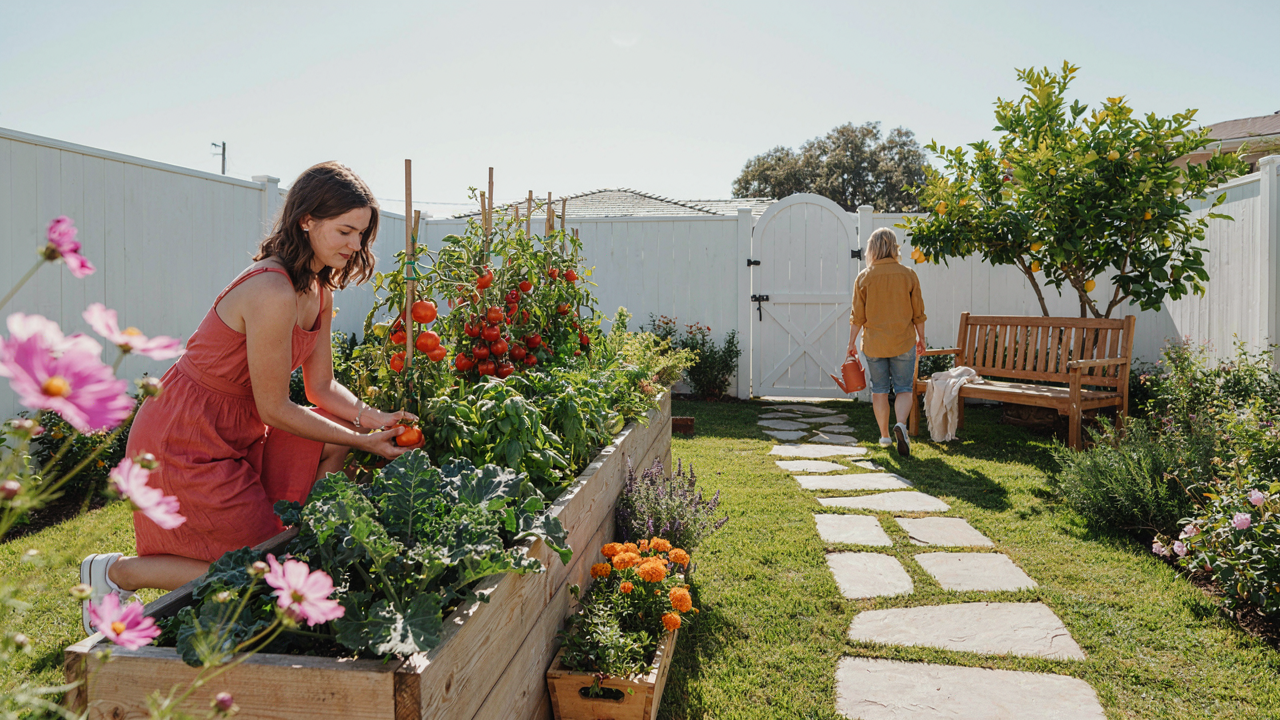
The Zone Zero Fallacy: Stop Chasing The Perfect Backyard Layout

Static Plans Collapse Against Reality
You want a garden layout that works perfectly from day one so you don’t waste money or time fixing mistakes later. Here’s the mechanism: static zoning plans fail because they’re built on your current life, not your future one. You’ll change how you use the space. Your family will grow. Your work schedule will shift. What looks optimal on paper becomes a liability the moment real life moves in.
Most garden zoning advice treats your yard like a fixed asset to be optimized once and forgotten. That’s wrong. Ecosystems in nature don’t follow preset boundaries—they respond and adapt. Apply that principle to your backyard: build zones that can absorb change without collapsing. This means overlapping functions, flexible boundaries, and pathways that serve multiple purposes instead of one rigid task.
What You Actually Want From Your Garden
Your real goal isn’t a magazine-worthy layout. It’s spending less time maintaining the garden and more time enjoying what grows in it. The common advice focuses on aesthetics and plant selection first, zoning second. That’s backward. Zoning determines your workload before a single plant goes in the ground.
Start by mapping how you currently move through and use your yard over four seasons. Where do you spend time? What tasks take the most effort? Which areas get neglected? Build your zones around these patterns, not around design principles. The zones that reduce friction and consolidate similar work win. Everything else is secondary.
The Effort Economy Protocol: Rethinking Garden Zoning Ideas
Cluster High Maintenance Plants Together
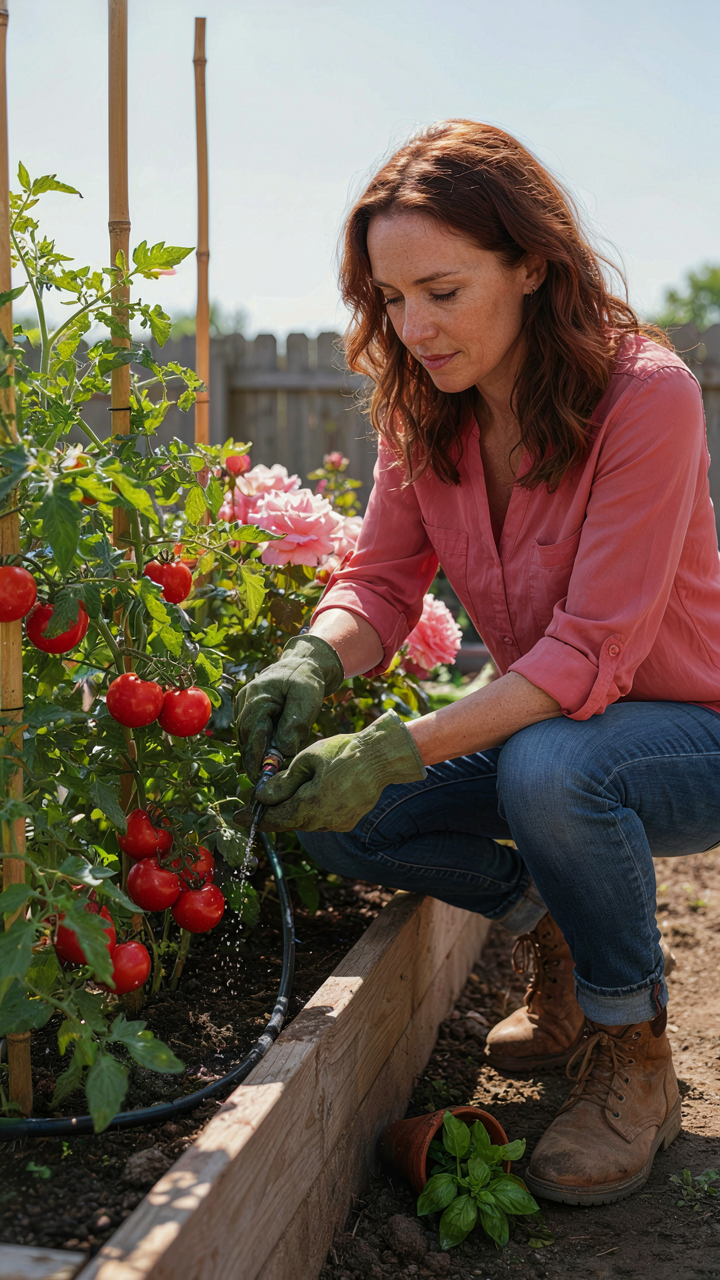
You want a garden that doesn’t demand your constant attention because you’re busy and you know it. The mechanism is simple: group plants by maintenance level, not by aesthetics or species type. Borrowing from logistics clustering in supply chain management, you’re reducing travel distance between nodes of demand. Instead of sprinting across your yard to deadhead, stake, or spray, you walk once to one zone where all the needy plants live.
High-maintenance plants—tomatoes, roses, herbs that require weekly pruning—should occupy one defined zone, ideally visible from your back door or kitchen window. This proximity creates accountability. You see the zone daily, notice problems fast, and handle them in one trip instead of three. Group them near your water source if possible. The friction drops immediately when you don’t have to drag a hose fifty feet to reach them.
Position Tools And Water For Friction Free Access
Most garden advice treats tool storage as decoration, which is how garages end up packed with unused stakes and forgotten pruners. Real access design means your tools live where you use them, not in a shed you rarely visit. Position a potting station, water spigot, or compost bin at the edge of your highest-maintenance zone. Keep a hand cultivator, snips, and twine within arm’s reach, not locked away.
Water access determines plant survival more than soil quality or sunlight. Run a soaker hose or drip line to your maintenance zone before the season starts. This eliminates the decision to water or not. When the tool and water are already there, you don’t negotiate with yourself about doing the work. You just do it. Set up your zones so the effort required to maintain them drops below the threshold where you’ll actually skip it.
Deconstructing Garden Zones: Beyond Sun And Soil

Frequency Determines Everything
You want your garden to look intentional without admitting you’re lazy about maintenance. Here’s the mechanism: garden zones work because you’re zoning by how often you actually interact with each space, not by borrowing a climate map. Horticulture zones tell you what survives winter. They don’t tell you where you’ll spend five minutes versus fifty. The garden that fails is the one where you planted high-maintenance specimens in zones you never visit. Distance from your door, visibility from windows, and daily foot traffic are the real constraints. Everything else is noise.
Your layout should follow usage patterns first, then adapt plants to those zones. If you walk past the front bed daily but never venture to the back corner, that corner is automatically low-touch. That’s not a limitation. That’s data. Use it to eliminate the friction between your intentions and your actual behavior. Most people reverse this and wonder why their garden looks neglected three months in.
The Three Touch Tiers
High-touch zones live within thirty feet of your back door or visible from your primary living window. These spaces demand weekly interaction: deadheading, watering, staking, cutting. Plants here should earn that attention through visual payoff or function. Herbs for cooking, cut flowers, or specimen plants with structure justify the proximity and frequency. This tier requires the richest soil and most reliable water access because you’ll notice and address problems immediately.
Medium-touch zones sit at the perimeter of regular foot traffic but lack daily visibility. You visit monthly or seasonally for maintenance, pruning, or harvest. Plant established shrubs, native perennials, or food crops here that tolerate modest neglect between visits. Low-touch zones are deliberate distance plays. You reach them quarterly at best. Drought-tolerant natives, ornamental grasses, and self-seeding specimens belong here. Define your three zones by actual walking patterns, then stock each tier accordingly and you stop fighting your own behavior.
The Backyard Renovation Illusion: Start Small, Expand Later
Why Your Grand Vision Will Sit Unfinished
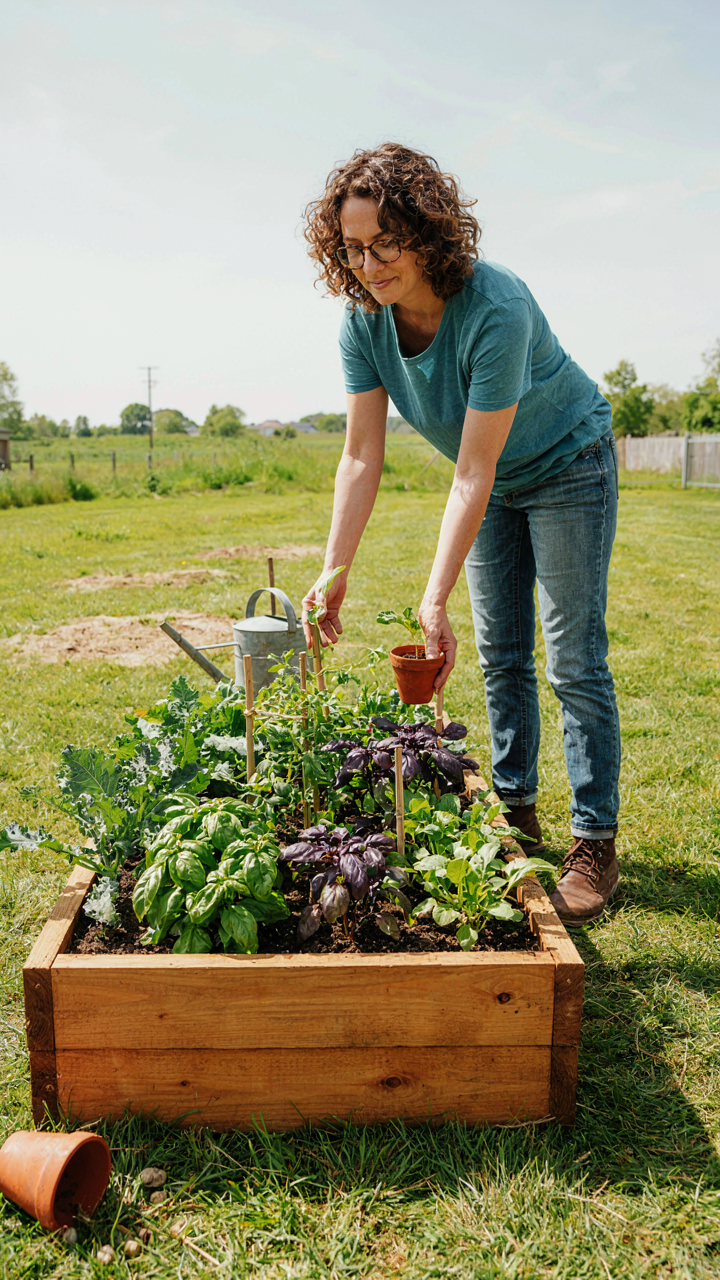
You want to transform your entire yard in one season because you’re tired of looking at wasted space. That’s the real reason. But the mechanism is simple: large projects create decision paralysis, budget shock, and implementation failure. You make one sweeping plan, hit the first obstacle, and abandon it. Backyard garden zoning works best when you treat it like systems design, not architecture. You don’t build a house by installing the roof first. You build foundation, then walls, then roof. Same principle applies here.
Most people ignore this because the internet sells them fantasy. You see one polished before-and-after photo and assume the owner finished it in three weekends. They didn’t. They started with one zone, tested what worked, then scaled. The common advice is vague: “start somewhere.” The real protocol is sharper. Pick one functional zone—a raised bed area, a seating section, a herb cluster. Complete it fully. Let it run for one full growing season. Document what fails. Then expand based on what you learned, not on what looked good in a Pinterest board.
Iterate, Test, Then Commit Resources
Small iterations teach you what your specific yard actually does. Sunlight, drainage, soil quality, wind patterns, pest pressure—these factors vary by location. You can’t zone effectively without real data. Most gardeners skip this and waste money on expensive plants placed in wrong conditions. A single test zone running twelve months gives you the information you need to zone the rest of your yard with confidence. You see exactly where water pools, which areas stay dry, where deer or rabbits cause damage, and which spots get insufficient or excessive light.
Once you complete and observe one zone through a full season, you have a template. You know your soil composition, your microclimate patterns, and which plants survived. Now you expand to adjacent zones using that knowledge. This method costs less upfront, prevents expensive replanting, and gives you momentum instead of overwhelming regret. Document your first zone’s performance in notes or photos. Use that data to plan the next zone. Then proceed zone by zone until your entire yard is properly zoned based on what actually works, not on what theoretically should work.
Strategic Garden Zoning: Apply Military Logistics

Map Water, Soil, And Tools First
You want your garden to feel effortless. That’s the real trap. The mechanism borrowed from military logistics is supply line optimization: every resource moves from source to demand point with minimal friction. In garden zoning, this means mapping where water enters, where soil quality varies, and where you store tools before you place a single plant. Most gardeners ignore this and wonder why they’re exhausted by July.
Water pressure drops over distance. Soil composition shifts across your yard based on drainage, previous use, and sun exposure. Tools stored far from work zones consume hours yearly in wasted steps. Identify your water source first, then trace the cheapest route to each zone. Test soil in different sections with a basic pH and texture assessment. Position your tool storage at the geometric center of your most-used beds, not where it looks nice. These three decisions prevent 80 percent of seasonal frustration.
Expect Failure, Then Design Around It
Contingency planning isn’t paranoia. It’s the difference between a garden that survives August and one that withers by mid-July. Most advice tells you to “prepare for pests” or “water during drought.” That’s incomplete. The real work is identifying which specific failures will hit your zone hardest, then building buffers into your layout.
Pests follow established routes. Drought stress hits shallow-rooted plants first. Neglect kills high-maintenance varieties faster than low ones. Zone your garden so pest-prone plants sit downwind from your home, not upwind. Plant drought-tolerant species in zones furthest from your water source, not your prettiest spaces. Reserve your closest, easiest-to-access beds for plants that demand regular attention, or plants you eat frequently. Design assumes failure, then makes failure survivable.
Small Backyard Layout Ideas: Amplify Utility, Not Just Beauty
Stack Vertically To Multiply Growing Space
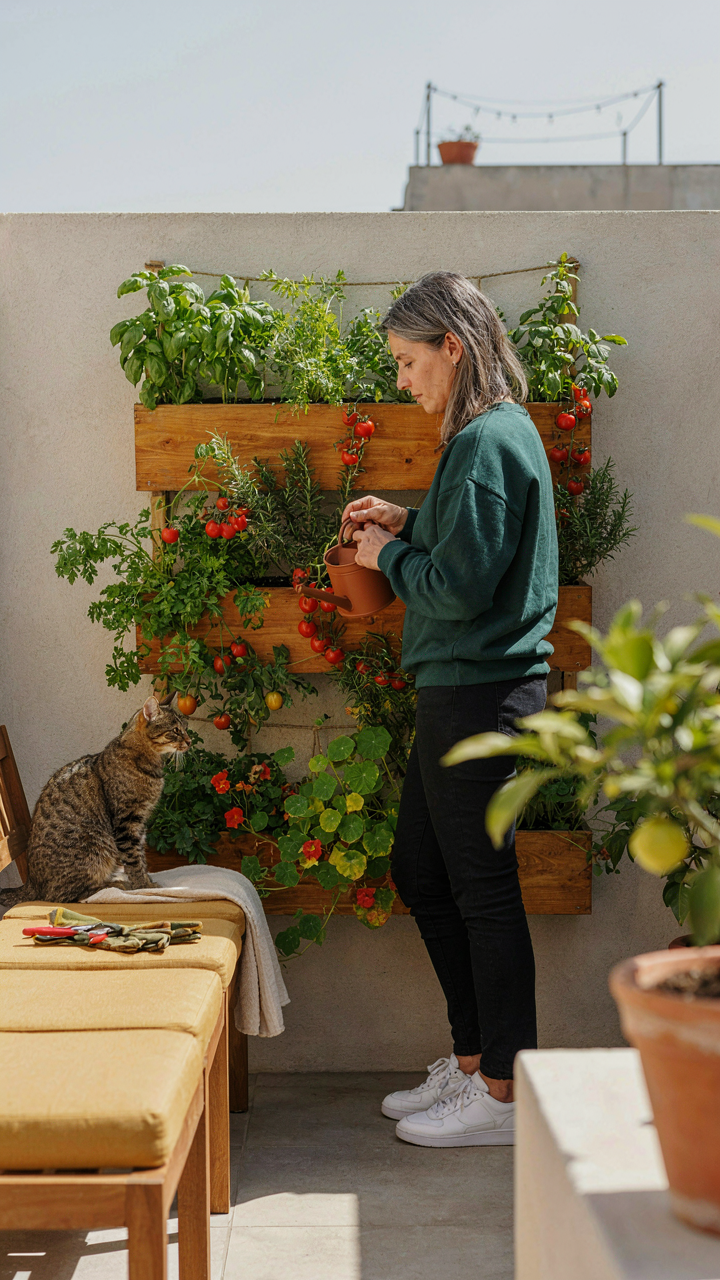
You want a garden that doesn’t demand a sprawling lot because you either don’t have one or you’re unwilling to sacrifice your entire yard. The mechanism is simple: vertical growing uses the principle of leverage from physics. Instead of expanding outward, you expand upward. Every square foot of wall or trellis becomes productive real estate.
Trellises, wall planters, and tiered beds compress production into minimal footprint. A single wall can hold twenty plants in stacked containers where five fit on ground level. Vining crops like beans, cucumbers, and pole tomatoes are built for this. You’re not fighting space constraints. You’re converting them into density advantages that actually improve airflow and reduce disease pressure compared to ground-level crowding.
Merge Function Into Single Zones
Most garden layouts treat zones like separate rooms: here’s where you sit, there’s where you plant, somewhere else you eat. That’s inefficient. Multi-functional zones compress activities into one footprint. A raised bed doubles as a bench. A patio with containers serves both relaxation and production. The boundary between “garden area” and “living area” becomes meaningless.
Design for overlap by placing your most-used crops within arm’s reach of your main seating. Herbs near where you gather. Greens near the patio door. You eliminate wasted pathways and dead zones. Every square foot earns its cost in either food, comfort, or both. This isn’t decoration. It’s density with purpose.
The Landscape Plans Lie: Your Lifestyle Is The Blueprint

Design Around Your Daily Habits Not Aspirational Photos
You want to believe you’ll spend three hours a week tending a pristine cottage garden because that’s who you imagine yourself becoming. The real mechanism at play here is simple: you zone your garden around the person you actually are, not the person in the lifestyle magazine. Gardens designed for aspirational living become overgrown neglect zones within two seasons.
Start by tracking your actual yard time for two weeks. Not the time you wish you spent there, but the time you actually allocate. If you’re outdoors thirty minutes on weekends, your high-maintenance zones go nowhere near your primary view line. Low-drama plants and passive-use spaces anchor zones that match your real behavior. Your garden either reflects your actual life or it becomes another source of ambient guilt.
Match Your Zones To Your Time Budget
This isn’t theory, it’s resource allocation from operations management. You have a fixed time budget, and every garden zone competes for it like a production line competing for labor hours. Most people design zones as if they inherited unlimited weekends, then blame themselves when reality arrives.
- Fifteen-minute zone: Perennials requiring no deadheading, mulched beds, drip irrigation on timers. These require inspection, not intervention.
- Thirty-minute zone: Seasonal plantings you actively maintain, herb gardens with weekly harvests, container arrangements you rotate monthly.
- Sixty-minute zone: High-touch areas like vegetable beds, pruning-heavy shrubs, spaces demanding weekly weeding or feeding schedules.
- No-time zones: Hardscape features, shade structures, seating areas that exist for use, not upkeep. These anchor your layout and require zero maintenance.
- Seasonal spike zones: Areas that demand labor during specific windows only, like spring bulb beds or fall cleanup sections that remain dormant otherwise.
Calculate your realistic weekly outdoor time by dividing total available hours by the number of zones you’re considering. Assign each zone to a time category, not the other way around. This prevents the common trap of cramming seven zones into a three-hour budget and abandoning five of them by July. Your time budget determines your zone configuration, period.
Unconventional Garden Zones Ideas For The Discerning Gardener

Plant Once, Harvest For Years
You want this section because you’re tired of replanting the same beds every spring. The real mechanism is understanding perennial economics: you’re trading upfront establishment time for compounding yield over seasons. This is borrowed from capital allocation in finance. A perennial isn’t just a plant that lives multiple years—it’s an asset that generates returns without recurring input costs.
Most gardeners treat perennials as decoration and miss the production opportunity. Asparagus, rhubarb, artichokes, and berry bushes belong in dedicated zones separate from annuals. They need different soil prep, irrigation schedules, and harvest timing. Cluster perennials by water need and maturity timeline. Once established, they demand minimal intervention. Dedicate a permanent bed, amend the soil deeply before planting, mulch to suppress competition, and let the zone mature. Year three onward, you harvest without replanting.
Low Effort, High Ecology
Wild zones aren’t about leaving your garden to rot. They’re about designing lower-maintenance areas that actively work for you by hosting beneficial insects and natural predators. Ecology has a concept called succession: the predictable progression of plant communities toward stability. You’re accelerating that process by creating zones that support pest predators and pollinators without pesticides or constant labor.
The conventional advice says to clear everything and start clean. Wrong. A wild zone mixes native shrubs, flowering perennials, and shelter structures. Pile branches loosely for insect habitat. Leave some bare soil for ground-nesting bees. Plant in clusters rather than rows so insects find forage easily. Water this zone less frequently than cultivated beds—let some dry periods occur. The zone becomes self-regulating: predators control pests because food and shelter exist there first. Check on it monthly, not weekly.
The Garden Layout As A Self Evolving System

Let Nature Fill The Gaps
You want your garden to look designed, not abandoned. The mechanism is simple: empty space triggers the impulse to fill it, which leads to overcrowding, which kills half your plants, which leaves you frustrated and broke. Stop fighting this.
Nature abhors a vacuum. Plants spread, volunteer seedlings appear, and organisms move into bare soil. Instead of planting on a rigid grid, leave 20 to 30 percent of your zoned areas unplanted. Self seeding annuals and perennials will colonize these gaps within one season. You spend less money, your garden looks fuller, and you discover what actually thrives in your conditions rather than forcing what you hoped would work.
Observe Then Move Everything
Most gardening advice tells you to plan first, plant once, and stay committed. That is backwards and guarantees waste. Your actual conditions reveal themselves only through seasons of observation, not through theory.
Track what gets full sun versus partial shade through three months, not one. Notice where water pools after rain and where it drains too fast. Mark which microclimates stay warm and which frost hits early. Use this data to move struggling plants to better zones in the next cycle. Refinement happens through repetition, not perfection on day one. Each move is cheap information that saves years of failure.
Your True Obstacle Isn’t The Garden’s Complexity, But Your Own Misguided Effort Allocation

You don’t need a perfect zone map. You need to stop planning and start planting one section this week. Most people waste months researching backyard garden zoning tips instead of learning through trial and error. Pick your sunniest corner, commit to it, and build from there. The garden teaches you faster than any article ever will. Stop designing. Start doing.



