
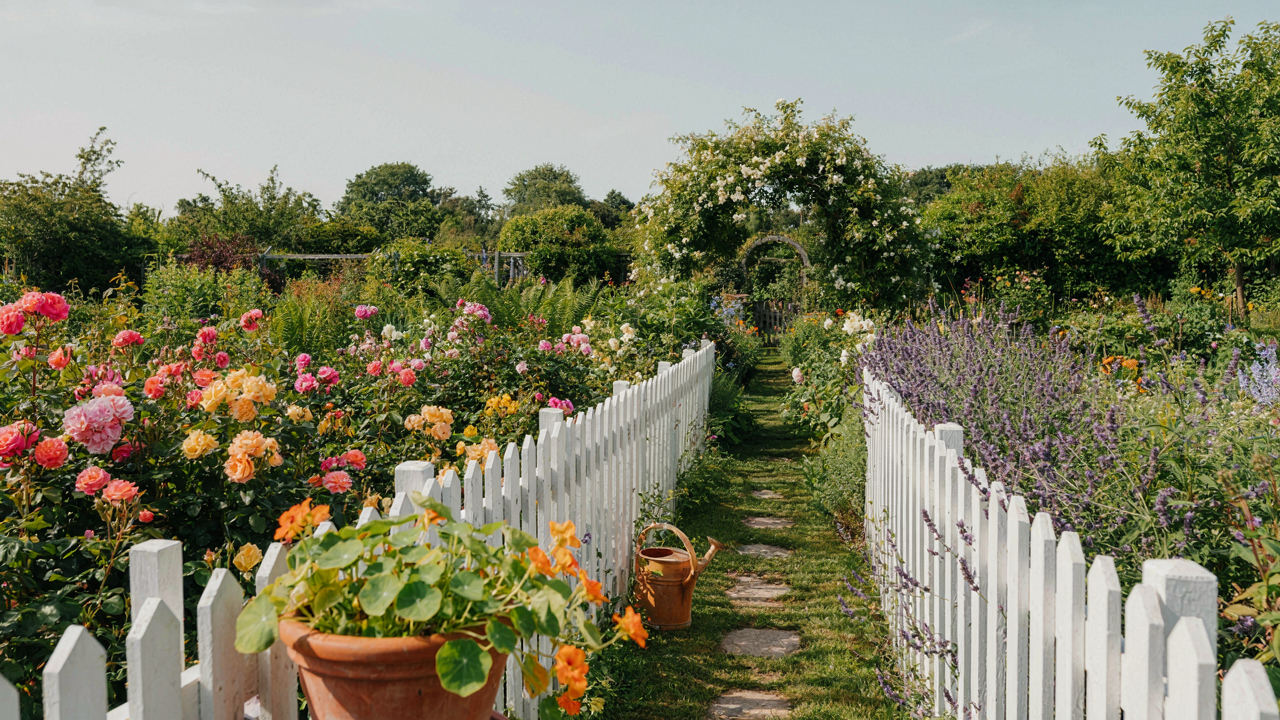
The Illusion Of The Static Garden Fence

Why Most Cottage Garden Fences Stop Working
You want your fence to look timeless so nobody questions your taste. Here’s what actually happens: most cottage garden fences fail because people treat them as permanent installations when they’re environmental filters that degrade, weather, and lose function within years. The fence you build today performs differently in year three. Wood rots. Metal oxidizes. Climbing plants either choke the structure or abandon it. The mechanism is simple: you planned for aesthetics on day one and ignored the material’s actual lifespan. A cottage garden fence isn’t static. It’s a living system with a decay curve.
The consensus advice treats fencing as decoration you install and forget. Wrong. A fence that performed well for entertaining guests in summer won’t contain climbing roses in year two. Wind load changes as vines mature. Sight lines shift. Wood porosity increases as the finish breaks down. The real move is building with replacement cycles in mind, not fighting against them. Choose materials that degrade predictably, not materials that surprise you with sudden failure. That means understanding what each material actually does over time, not what it promises to do.
Beyond Aesthetics The Real Function Of A Cottage Garden Fence
Borrow from systems engineering: a cottage garden fence functions as a boundary constraint. Like load-bearing walls in architecture, your fence manages three pressures simultaneously: visual containment, weather buffering, and plant support structure. Most people optimize for one and ignore the other two. You see a fence and think privacy or charm. The fence itself is managing wind patterns, rain deflection angles, and root tension from climbing plants. Address the constraint properly or the system collapses. A picket fence that looks correct but can’t support mature climbing roses is a failed system, not a design problem.
The functional hierarchy is load-bearing first, aesthetic second. A fence built to contain vines but not designed for seasonal wind stress will lean inward within two years. A fence designed for visual boundaries but built from materials that trap moisture will rot from the inside out, unseen. Special occasions demand this hierarchy be explicit. Your guests notice charm on year one. On year three, they notice structural failure. Inspect your fence’s primary function before choosing materials. Does it need to support climbing weight? Does it need to shed water aggressively? Does it need to withstand directional wind? Answer these questions first, then choose the fence type that solves them.
The Kinetic Fence Protocol: Guiding Energy Flow

Where Guests Actually Walk Matters More Than Where You Want Them To
You want people to see your garden as intentional, not accidental. The real reason you care about directing movement is status. You’re signaling control. But the mechanism is simpler: a fence creates a visual frame that your brain reads as a pathway. Borrowing from physics, momentum is directional energy. A cottage fence acts as a trajectory guide, channeling foot traffic the way a valley channels water. Without deliberate fence placement, guests wander randomly, miss focal points, and the garden reads as disorganized.
The mistake most people make is treating the fence as a boundary only. That’s incomplete thinking. A well-positioned fence segment interrupts sight lines intentionally. It forces the eye to travel along a specific route before revealing the next garden room. Open picket designs work better than solid ones here because they hint at what’s ahead without spoiling it. The fence becomes a narrative device. Place vertical fence sections perpendicular to entry points, not parallel. This creates the cognitive pull that makes guests naturally follow the path you’ve designed.
Flexible Structures For Different Crowd Scales
A fixed fence works for one gathering size. It fails catastrophically for another. The solution is modular fence panels that you install or remove based on event type. Traditional cottage gardens used woven hurdles for exactly this reason, historically deployed to contain livestock or divide plots. Modern iterations use removable picket or trellis sections that bolt or latch into permanent posts. For an intimate dinner of twelve, you tighten the fence lines to create enclosed garden rooms. For a wedding reception of seventy, you open sections completely to allow circulation through larger spaces.
The specific mechanism: install your fence posts permanently in strategic points, but leave 30 to 40 percent of the perimeter capable of modification. Use standard panel widths so swaps happen quickly. This isn’t aesthetic flexibility, it’s operational efficiency. Your fence becomes responsive infrastructure, not decoration. Measure your posts 6 feet apart if you’re using four-foot panels; this gives you a one-foot overlap zone for secure fastening between events.
Cottage Garden Fence: The Event Architect’s Secret Weapon

Build Once, Transform Fast
You want people to think your space is intentional and expensive. The real mechanism is this: most event hosts treat fencing as static backdrop. Borrow from set design doctrine, and you’ll see the fence as a modular stage. A cottage garden fence becomes valuable when its structure accepts rapid reconfiguration without demolition. Think in panels, not permanence.
Standard picket fencing sits there unchanged. Better designs use interlocking sections, removable rails, and repeating frame units. This lets you shift color schemes, swap fabric backdrops, swap plant installations, or expose bare framework between events. The fence structure stays. The visual identity changes. You save labor, money, and the guilt of static decoration across multiple occasions.
Attach Everything Worth Attaching
Vertical real estate on a fence is unused capacity. Most cottage garden fences lack deliberate attachment infrastructure. Embed horizontal wire, brackets, and ledge systems during construction so you can hang lights, garland, signage, or planters without drilling holes each time. The fence becomes the spine; everything else clips on.
Galvanized hardware and strung cable accept string lights instantly. Horizontal rails spaced at regular intervals give you options: clip-on planters at one height, fabric draping at another, bistro lights at a third. This stacking of functional layers means one fence serves weddings, garden parties, holiday gatherings, and markets. You’re not reimagining the fence for each event. You’re just swapping what hangs on it.
Small Garden Fence, Big Impact: The Leverage Principle

How Openness Expands Space Without Adding Square Footage
You want people to think your garden is bigger than it actually is. That’s the real motive here, and there’s a physics principle that explains why fences designed wrong destroy perceived space while the right ones multiply it. In physics, leverage means using a small force to move a large object. Your fence operates on the exact same principle: a minimal barrier placement creates maximum spatial perception. Open fencing—pickets with gaps, slatted designs, or low profiles—doesn’t obstruct sightlines. Your eye travels farther. The brain registers space beyond the barrier as part of the garden. Solid fencing does the opposite. It becomes a wall. Space stops there.
The mechanism works because visual depth determines perceived size, not actual measurements. A cottage garden with a three-foot open fence feels larger than the same garden behind a six-foot solid barrier. Orient your fence to frame views rather than block them. Use horizontal lines instead of vertical mass. Position it at garden perimeters rather than through the middle. These moves activate depth psychology without costing you anything except standard material choices. Visitors experience the garden as unrestricted even when boundaries exist.
When Restraint Becomes Your Competitive Advantage
Most small garden fence advice tells you to hide boundaries or decorate heavily. That’s incomplete. The real lever is removing what shouldn’t be there in the first place. A cottage garden fence that works uses negative space strategically. That means open sections, deliberate gaps, and substantial portions left unfenced entirely. This isn’t minimalism for its own sake. It’s restraint as a tactical choice that contradicts the instinct to over-enclose. Your guests notice what’s absent more than what appears. Absence of barriers creates freedom of movement, even psychologically.
Heavy ornamentation and dense materials make small gardens feel cramped because they fill visual space and require the eye to process obstacles. Simpler designs—split rail, open lattice, or low picket—allow light to penetrate and views to extend. Place your fence only where it serves a function: property definition, wind break, or directional guidance. Leave at least thirty percent of your perimeter open or planted rather than fenced. This proportion creates the perception that the garden breathes. Your fence works harder when it works less.
The Adaptive Cottage Fencing Ideas System

When Your Fence Changes Character With The Season
You want a fence that looks intentional year-round, not abandoned. Here’s the real mechanism: cottage gardens shift their visual weight dramatically between seasons, and your fence must either recede or anchor depending on what’s flowering. Think of this like adaptive camouflage in ecology—the fence doesn’t change, but its relationship to the garden’s density does.
Spring demands fences that disappear behind emerging growth. Plant fast-growing climbers like clematis or honeysuckle on south and west-facing sections. Their new foliage floods the fence line within weeks, burying it under color. By autumn, when perennials drop and harvest activity dominates the garden, that same fence becomes structural—it frames vegetable beds, supports bean trellises, and holds the visual composition together when ground-level interest fades. The fence stays fixed; the garden’s demand for it shifts.
Materials That Refuse To Demand Constant Babysitting
Most advice treats fence durability like a checkbox. It’s not. The real question is: what material’s failure mode matches your climate’s actual punishment? Cedar weathers gracefully in dry regions but rots predictably in wet ones. Composite materials resist rot but fade uniformly, creating a dead visual quality that cottage gardens reject. Reclaimed brick or stone fencing (mortared or dry-stacked) requires zero maintenance after installation and actually improves with age.
If you’re in a climate with hard freeze-thaw cycles, avoid materials that trap moisture—untreated wood and certain stones absorb water, crack when frozen, then shed fragments. Pressure-treated lumber survives this but looks industrial. The working solution: use materials that shed water by geometry, not chemistry. Picket fencing with gaps allows airflow; mortared brick walls slope their tops slightly to direct rain outward. Maintenance stops being a recurring task and becomes an optional aesthetic choice, not a structural necessity.
Picket Fence Ideas: Reclaiming A Forgotten Power

When Tradition Stops Being Decoration
You want the picket fence because it signals you’ve arrived at a life worth protecting. That’s the real driver. The mechanism is simple: picket fences work in modern settings because they create a visual boundary without aggression. Unlike solid barriers, they allow sight lines while establishing territory. This dual function—openness plus definition—is what makes them survive trends instead of vanish with them. The picket fence doesn’t hide your home; it frames it.
Modern applications exploit this frame effect deliberately. Contemporary cottages pair pickets with metal gates, mixed materials, and clean sight lines that 1950s designs never attempted. The spacing, height, and finish now serve function first, aesthetics second. A narrow picket spacing creates genuine privacy; wider spacing prioritizes visual access. Homeowners treat pickets as a design variable, not a fixed formula. This flexibility is why the form persists when pure nostalgia fades fast.
The Boundary That Doesn’t Feel Like One
Security borrows from game theory: you signal strength without displaying force. A picket fence operates on this principle directly. It marks property limits clearly enough for law enforcement and insurance purposes while remaining inviting enough for neighbors to approach. Most fence guidance ignores this tension entirely, treating fencing as either decorative or defensive. The picket fence dissolves that false choice.
The practical mechanism: a properly maintained picket fence creates legal defensibility while maintaining social permeability. Insurance companies recognize it as intentional boundary marking. Trespass claims hold weight when a defined line exists. Simultaneously, the fence stays low enough and open enough that it doesn’t provoke the animosity that solid barriers generate. You install pickets to gain both legal protection and neighborhood goodwill simultaneously. Measure your fence height against local ordinances first, then set posts accordingly.
Investment Or Expense? The ROI Of Your Garden Fence

When A Fence Adds Real Value
You want to believe your fence choice matters to buyers. Here’s the mechanism: curb appeal works through specificity, not generality. A cottage garden fence signals maintenance and intentionality. Real estate appraisers value fences that match the home’s era and architectural language. Victorian homes with picket fences outperform those with chain-link. The ROI isn’t mythical, but it’s narrow. A well-chosen fence recovers 40 to 60 percent of its cost at resale, depending on regional market conditions and fence quality.
Material selection determines whether buyers see investment or negligence. Cedar and wrought iron fences hold value because they telegraph permanence. Vinyl and composite fences, despite lower maintenance, signal temporary thinking to appraisers. The fence must complement existing landscaping and home style. Mismatches destroy perceived value instantly. A cottage garden demands period-appropriate materials. Forced modernization reads as cosmetic and depreciates perception.
Materials That Outlast Trends And Budget Cycles
Maintenance economics work like compound interest in reverse. Cedar costs less upfront but demands repainting every three to five years. Here’s what actually matters:
- Cedar Picket: Low initial cost, high labor demand. Rot begins at year six unless sealed annually. Total 15-year cost often exceeds vinyl despite lower starting price.
- Wrought Iron: Expensive to install, minimal maintenance. Rust only appears if paint fails. Lasts 50+ years with selective repainting every seven to ten years.
- Composite Hybrid: Moderate upfront cost, no repainting needed. Fading occurs over 10 years. Budget for eventual replacement around year 20.
- Treated Pine: Cheaper than cedar, faster decay. Lifespan drops to eight to twelve years without consistent maintenance. Resale value perception is weak.
- Vinyl: High initial investment, zero maintenance required. Does not rot or splinter. Can last 20 years, but labor costs for replacement mount fast when failure occurs.
The real calculation happens over decades, not seasons. A cottage garden fence earns its cost when material choice matches your willingness to maintain it. Choose cedar only if you’ll paint it. Choose wrought iron if you value longevity over cash outflow. Vinyl works if you never want to think about it again. The mechanism is simple: longevity multiplied by maintenance frequency equals true cost. Select based on that number, not on aesthetics alone.
Future Proofing Your Cottage Fence

When Your Fence Meets Tomorrow
You want your fence to feel timeless so you don’t feel like you wasted money in five years. But here’s the real mechanism: smart systems work like compound interest in a garden. Small incremental upgrades beat total replacement. LED string lights and weatherproof speakers bolt onto existing structures without demanding a rebuild. The fence becomes an infrastructure layer, not a static object. This matters for special occasions because you can shift ambiance instantly. A garden wedding needs mood lighting. A summer party needs audio. Your fence delivers both without redesign.
The common advice here is wrong. People think smart fences mean ripping out wood and installing expensive integrated systems. You don’t. You add modular components that clip, screw, or hang onto what already stands. Weatherproof battery powered lights cost thirty to fifty dollars. Solar deck lights run another forty. A portable Bluetooth speaker mounts anywhere. The fence stays structurally unchanged while its function expands. Installation takes hours, not weeks. Maintenance stays simple because you’re not managing complex wiring through timber.
Building For The Garden You’ll Actually Want
Design flexibility isn’t about choosing between options today. It’s about building a fence that absorbs change without demanding replacement. Borrowing from systems thinking, your fence needs modularity as its core property. One fixed fence becomes three fences when you add a trellis section, a gate extension, or a climbing support structure. Spacing between posts should account for future panels. Heights should allow for tiered plantings. The initial build determines whether evolution costs fifty dollars or five hundred.
Most fences lock you in immediately. A six-foot solid privacy fence in one configuration stays that configuration forever. Instead, design your fence as a framework. Use removable sections. Choose post placement that accommodates both current and projected garden size. If you host events seasonally, your fence might gain a temporary pergola section for certain months. If your garden expands, additional sections follow the same pattern without forcing structural changes. Build the fence to accommodate the garden you’ll want, not just the garden you have today.
The Real Obstacle: You Treat Your Garden Fence As An Afterthought, Not A Strategic Asset

Most people see a fence and think “boundary.” You should see it and think “stage.” Your cottage garden fence isn’t decoration you add last. It’s the frame that makes everything inside worth looking at. Stop treating it like an afterthought and start treating it like the first design decision. Pick one fence style today that matches your garden’s actual purpose, not what Pinterest told you to want. A fence designed with intention stops being invisible and starts doing the work.



