
The Function First Backyard Layout Protocol

Where Your Sunlight Actually Goes
You want a backyard that looks intentional. That’s not about aesthetics. It’s about avoiding the sinking feeling of wasted money on plants that die and features nobody uses. Light patterns operate like supply chains in logistics. You map the resource flow first, then build infrastructure around it. Your yard receives different light intensities at different times, and this variability determines what actually survives.
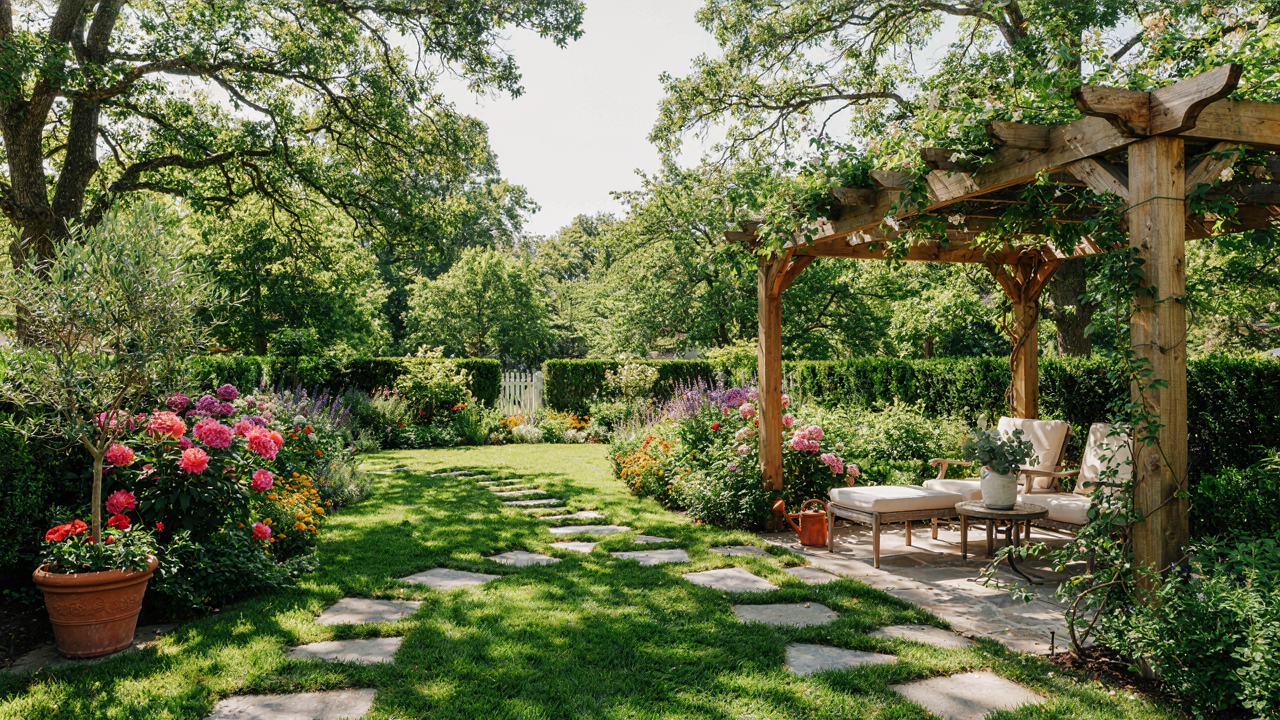
Most people guess. They assume full sun means six hours and plant accordingly, then wonder why their tomatoes stayed green. The mechanism is simple: observe your yard for three days across morning, midday, and evening. Mark where shadows fall from structures, trees, and fences. Dappled shade under mature oaks runs four to six hours of filtered light. Direct southern or western exposure can exceed eight hours in summer. This data becomes your constraint. Everything else follows from this single input.
Separating What You’ll Actually Use From What Looks Good On Instagram
Your backyard doesn’t need zones because design gurus say so. It needs zones because humans move between different activities and different activities need different conditions. A vegetable garden requires open sun and proximity to water. A seating area works better under partial shade away from foot traffic patterns. A children’s play space needs sightlines from the house and open ground. These aren’t suggestions. They’re functional requirements. Ignore them and you’ve built a yard that looks busy but serves nobody.
Start by listing what your household actually does outdoors in a typical week. Not fantasies. Real behaviors. Then map each activity to a location based on three criteria: sunlight availability from your earlier observation, water access, and visibility from key sightlines like the back door or kitchen window. A functional layout clusters related activities and separates incompatible ones. Build your zones around this map, not around what fills empty space or looks balanced. The yard that works is the yard that gets used.
Deconstructing “Beautiful Gardens”: Beyond Vanity
Work Backward From Your Life
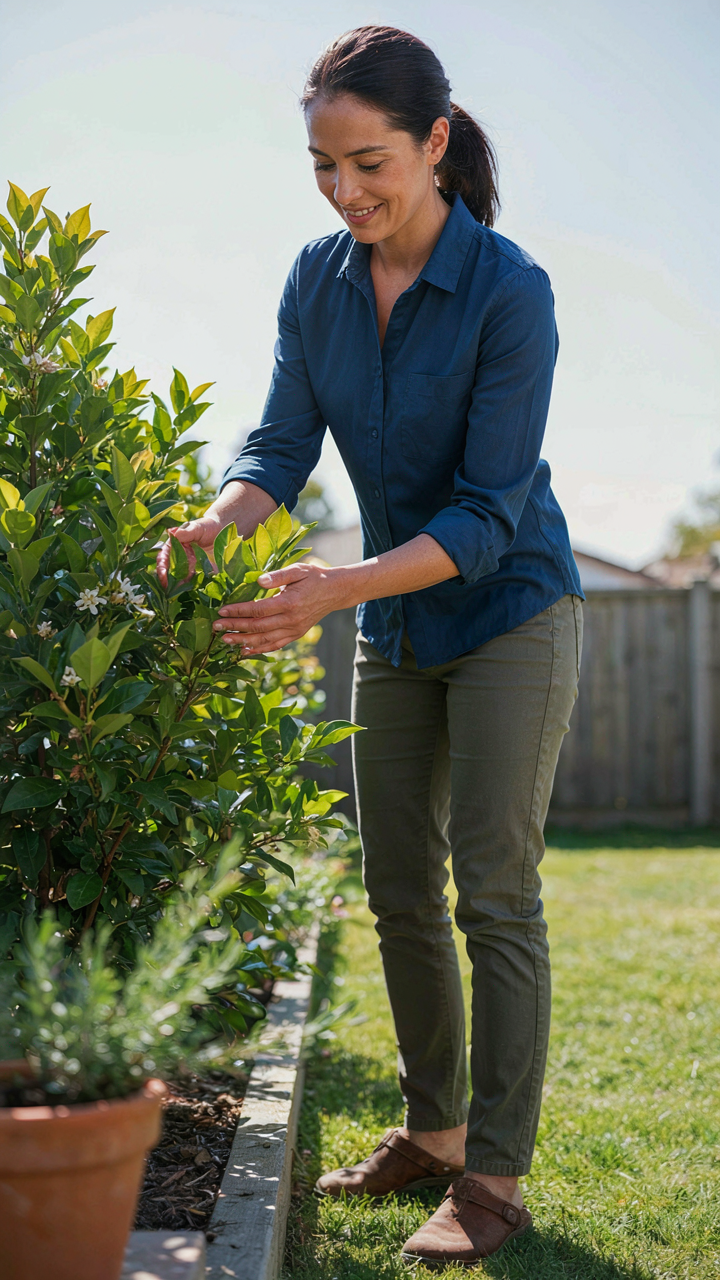
You want a garden that looks good in photos because status matters. Here’s what actually matters: a garden that demands nothing from you. This is basic systems design. A system’s quality isn’t measured by its appearance but by how little friction it requires to maintain. Most garden makeovers fail because people design for the Instagram moment, not the Tuesday morning when they’re exhausted and it’s raining.
The real mechanism is cost of ownership, not cost of installation. A high-maintenance ornamental garden with delicate perennials, complex irrigation, and weekly pruning schedules bleeds time and money. You pay once at setup, then you pay constantly in labor. Instead, reverse-engineer from your actual available hours per week. If you have five hours monthly, don’t design a garden requiring fifteen. That gap is where gardens die and regret lives.
Materials That Actually Last
Everyone talks about “sustainable” like it’s a personality trait. What they mean is: pick materials that don’t fail on you and require replacement every few years. Concrete and composite decking outperform cheap pressure-treated wood not because they’re trendy but because material science is real. Pressure-treated lumber degrades through UV exposure and moisture cycling. Composite materials resist both. You replace wood every seven to ten years. Composite lasts twenty-five to thirty.
Native plants aren’t virtuous. They’re practical. They thrive in your local climate’s actual conditions without artificial inputs like supplemental watering, fertilizer amendments, or pest management. A native shrub takes root deeper, handles drought, and costs less to establish than an ornamental hybrid bred for appearance alone. Start your plant selection with what grows naturally within fifty miles of your property, not with what you saw in a magazine. That one decision cuts maintenance hours by half.
Backyard Makeover: The Investment Principle
Structure Over Decoration
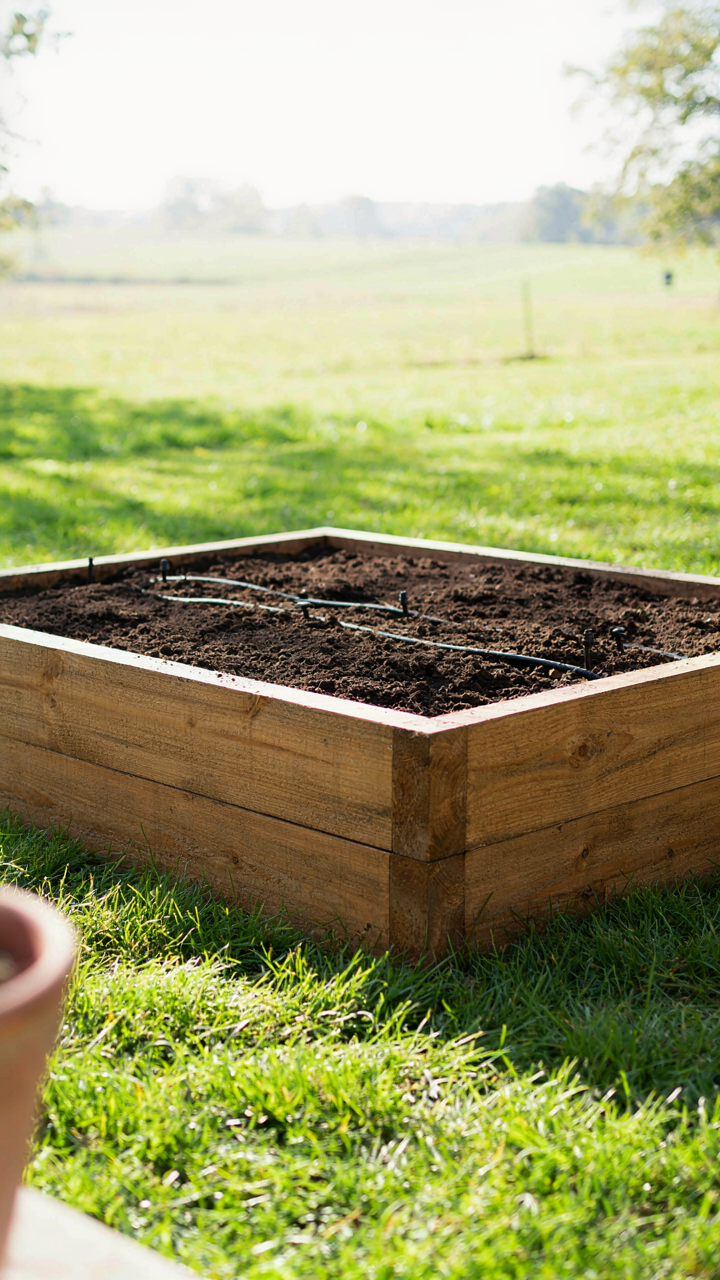
You want to believe a backyard makeover is about aesthetics because that feels easier than confronting what you’re actually afraid of: wasting money on something that falls apart in two years. The real mechanism here borrows from capital allocation in finance. Your budget is finite. Every dollar spent on trendy pavers or seasonal plantings is a dollar not spent on the systems that keep a garden functional. Hardscape—raised beds, irrigation lines, pathways, retaining walls—appreciates or holds value. Decorative elements depreciate the moment weather touches them.
The difference between a makeover that compounds and one that crumbles comes down to what you build first. Soil structure, drainage paths, and permanent edging are invisible but non-negotiable. Pergolas, stone work, and deck foundations last decades if installed correctly. Ornamental grasses, mulch colors, and accent lighting do not. Spend sixty to seventy percent of your budget on what you can’t see easily or what the weather attacks directly. The remaining thirty to forty percent funds the plants and finishes that make people say your yard looks intentional.
Time Is Your Hidden Cost
Maintenance is capital allocation masquerading as a chore. Most people treat it as an afterthought, then spend weekends frustrated by what they built. A garden that demands four hours weekly is a liability you bought with your own labor. Calculate backward from how much time you actually have. If you garden two hours per week, design for that ceiling, not your fantasy version of yourself with infinite patience and daylight.
Xeriscaping, perennial-heavy designs, and automated irrigation are not trends. They are admissions of reality. A mulched, densely planted garden with drip lines requires sixty to seventy percent less maintenance than a sparse lawn with ornamental beds. The upfront cost is higher, but you’re paying for time you keep instead of time you lose. Before you add anything—a water feature, a vegetable section, decorative stonework—ask what weekly maintenance it demands. If the answer exceeds your actual schedule, it’s not a makeover. It’s a project you’re funding to eventually regret.
Front Yard Garden Design: The Perception Engine
What Your Entrance Actually Communicates
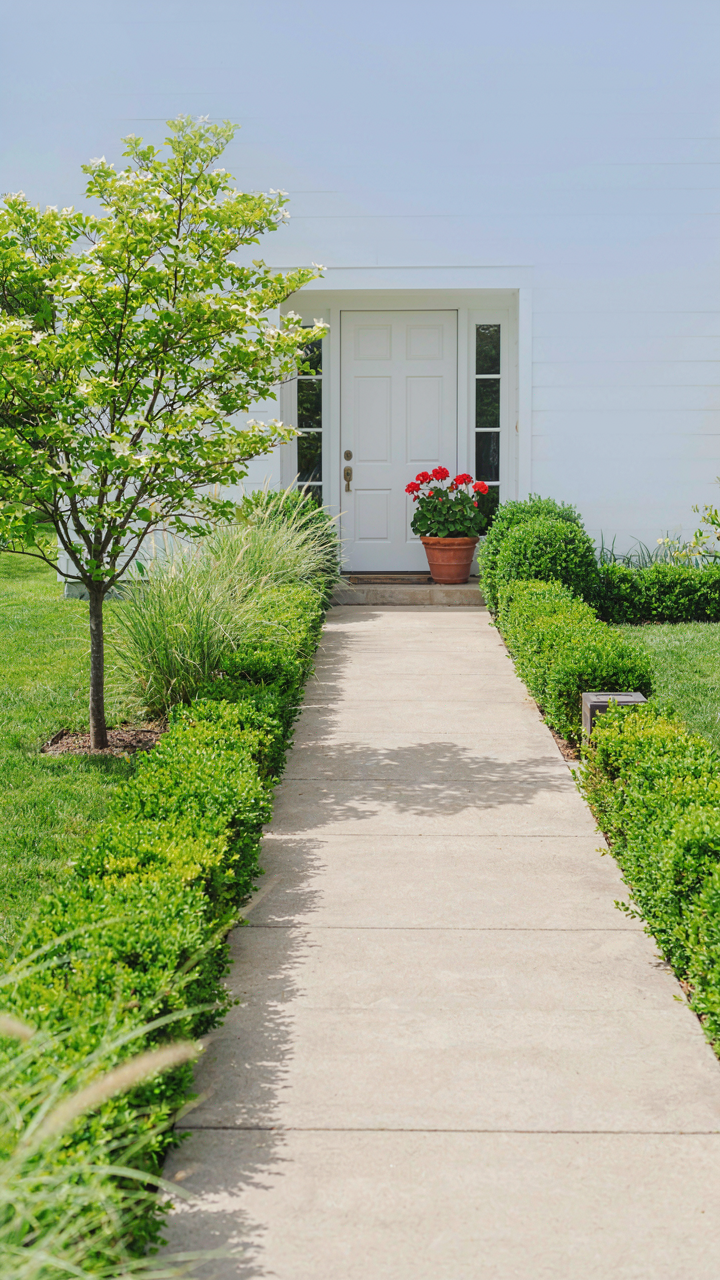
You care about this because strangers judge your home in six seconds, and you can’t undo that. Here’s the mechanism: your front yard operates like a signal in economics—it communicates information about maintenance, taste, and stability before anyone steps inside. A neglected front garden signals decay. A designed one signals control. The gap between these two states isn’t about spending money. It’s about intention made visible.
Most people think front yard design means adding plants. Wrong. It means removing friction points first. Dead spots, overgrown edges, tangled sight lines, and mismatched materials trigger cognitive load. Your brain processes these inconsistencies as disorder. You want the opposite: a front yard that requires zero mental effort to decode as “intentional.” That’s when perception flips.
Plants That Work Without Maintenance Theater
The common advice here is garbage: “choose native plants because they’re low-maintenance.” Native plants still need proper siting, soil adjustment, and initial establishment. Many homeowners plant them wrong and blame the species. The real strategy is matching plant energy output to your actual time budget, then designing the space so the plant does the work, not you.
Ornamental grasses, dwarf shrubs, and sedums survive neglect because their biology is built for it. They don’t demand perfect soil or constant water. They handle poor conditions because their root systems evolved for stress. Placing them in groupings of odd numbers (3, 5, 7) with consistent spacing creates visual rhythm that reads as deliberate even when you’re not out there fussing. The design does the communication. The plants just stay alive.
Courtyard Garden: Maximizing Enclosed Space Utility
Build Upward, Not Outward
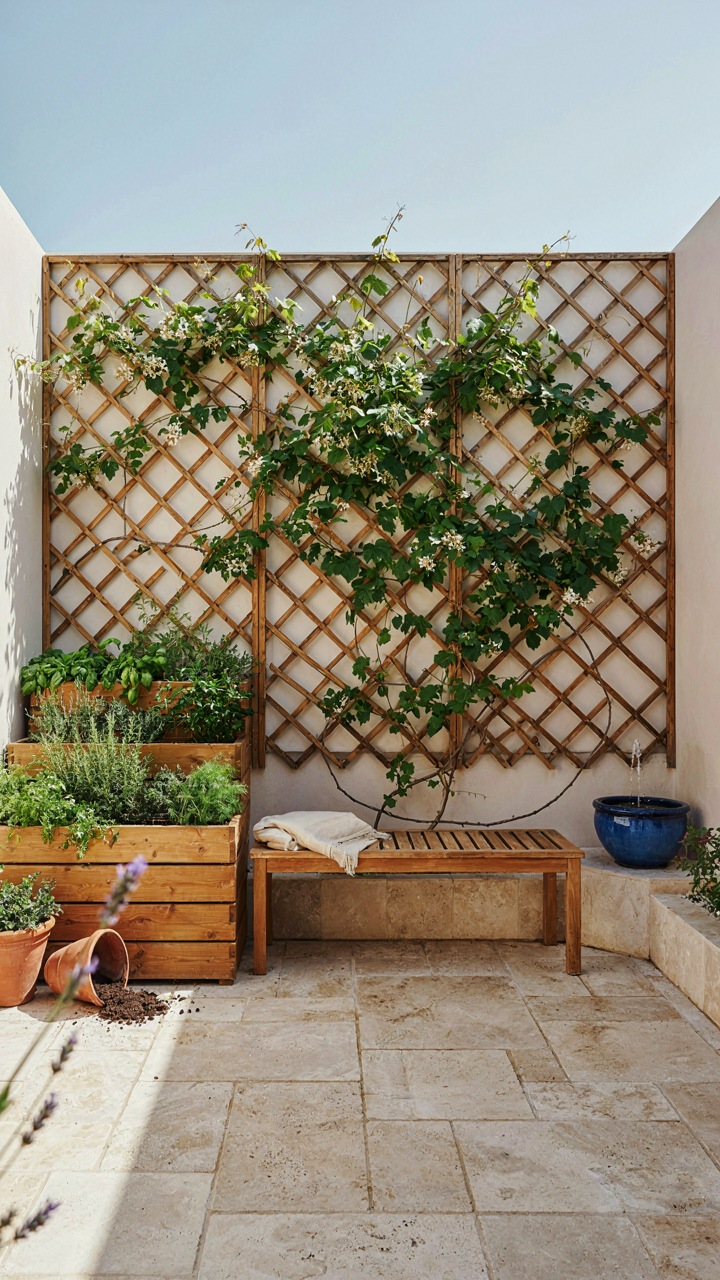
You want a courtyard garden because you don’t have sprawl, and that constraint actually terrifies you more than it should. The real mechanism here comes from architecture: the concept of load capacity. In garden design, load capacity means how much visual and functional density you can stack vertically before the space collapses into chaos. Most people waste courtyard square footage by treating it horizontally, spreading plants and furniture thin across ground level. That’s a mistake.
Walls become your primary real estate. Install trellises, wall-mounted planters, and climbing structures that push your growing space upward. Tiered shelving holds containers. Hanging baskets occupy dead air. A single wall can hold three times the plant volume of floor space. Multi-functional elements—a bench with storage underneath, a vertical garden that doubles as a privacy screen—compress utility into compact footprints. You’re not designing a garden. You’re engineering density.
Movement Patterns In Confined Areas
Flow dynamics comes from urban planning, and the principle that applies directly to courtyard gardens is congestion theory. Tight spaces fail when people (and sight lines) can’t move through them without friction. Most courtyard designs ignore this and clump furniture and features randomly, creating dead zones and bottlenecks.
Design a primary path first. This single route should connect entry points and functional zones without zigzagging. Place seating perpendicular to this path, not blocking it. Keep the center of the courtyard as clear sightline as possible, even if it’s small. Furniture scale matters: oversized pieces in a tight courtyard paralyze the space. A narrow bench works better than a full dining set. Position vertical gardens and tall planters at perimeter edges, not the center. This strategy maintains movement while protecting the psychological sense of openness. The path architecture determines whether your courtyard feels navigable or cramped.
Backyard Garden Design: The Ecosystem Approach
Start With Living Soil
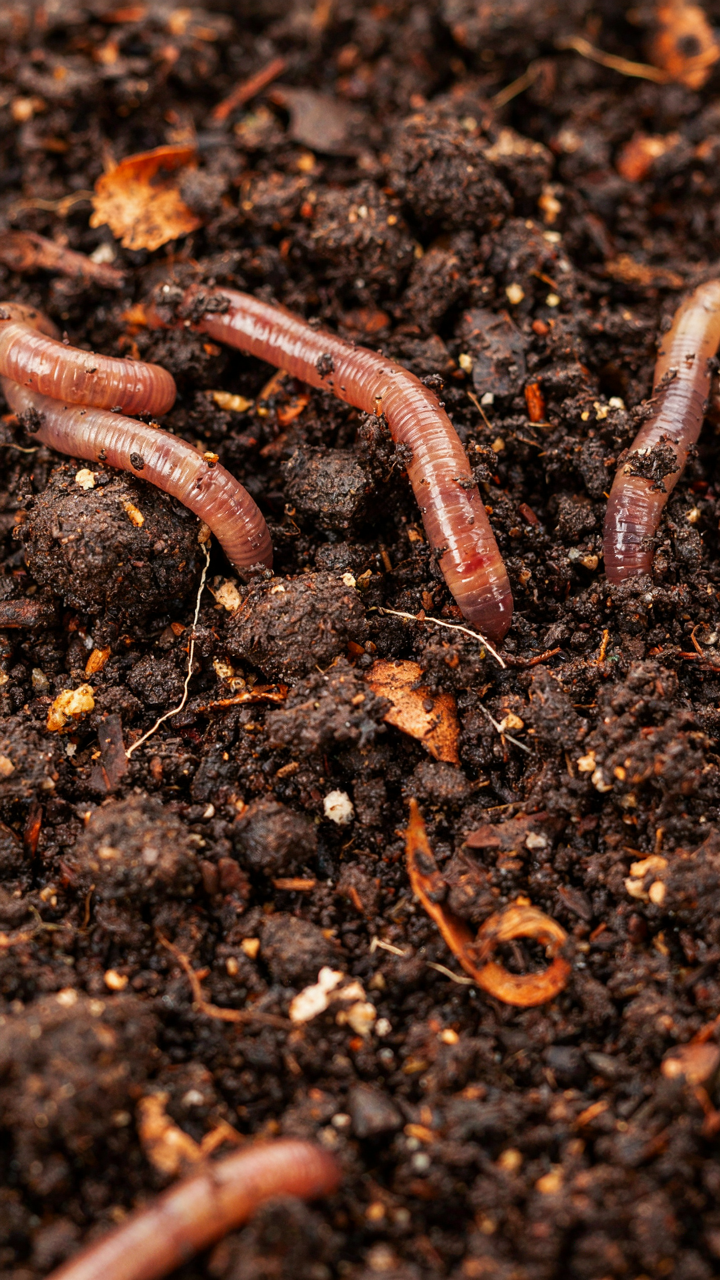
You want a garden that looks effortless. That requires soil you can forget about. Most people treat soil like inert substrate instead of a living system that either works for you or against you. In biology, we call this the foundation of energy transfer. Your soil is the energy transfer mechanism for everything that grows above it.
Dead soil needs constant input. Chemical fertilizer, constant watering, replanting every season because nothing establishes. Living soil builds itself. Microbes, fungi, and organic matter create structure that holds water and nutrients. You build it by adding compost annually, stopping tiller use, and letting decomposition happen on the surface. This takes two to three seasons of consistency, not weeks.
Native Plants For Ecological Stability
- Perennial root systems: Native plants evolved deep or sprawling roots that hold your soil together and access water your shallow annuals never reach, reducing dependency on irrigation.
- Pest balance through predation: Native plantings attract insects that eat the pests destroying your garden, creating a self-regulating population rather than requiring external intervention.
- Seasonal structure without maintenance: Native plants follow natural cycles requiring no fertilizing, staking, or deadheading because they evolved to thrive in your exact climate and soil type.
- Pollinator consistency: Native plants flower in staggered waves matching local pollinator lifecycles, ensuring fruit set and seed production without hand-pollination or managed hive rental.
- Reduced water demand: Plants native to your region need substantially less supplemental water than exotic ornamentals, lowering your operating cost and labor immediately after establishment.
Generic advice says plant “whatever looks nice.” That’s how people end up with gardens requiring constant rescue. Native plants don’t replace poor soil or lazy watering. They amplify good conditions. Once soil health exists, native plantings compound the effect by working with your local climate instead of against it. Choose plants that thrived in your region before development. Then watch them establish without negotiation.
Backyard Patio Designs: Integration, Not Addition
Where Your Interior Life Actually Ends
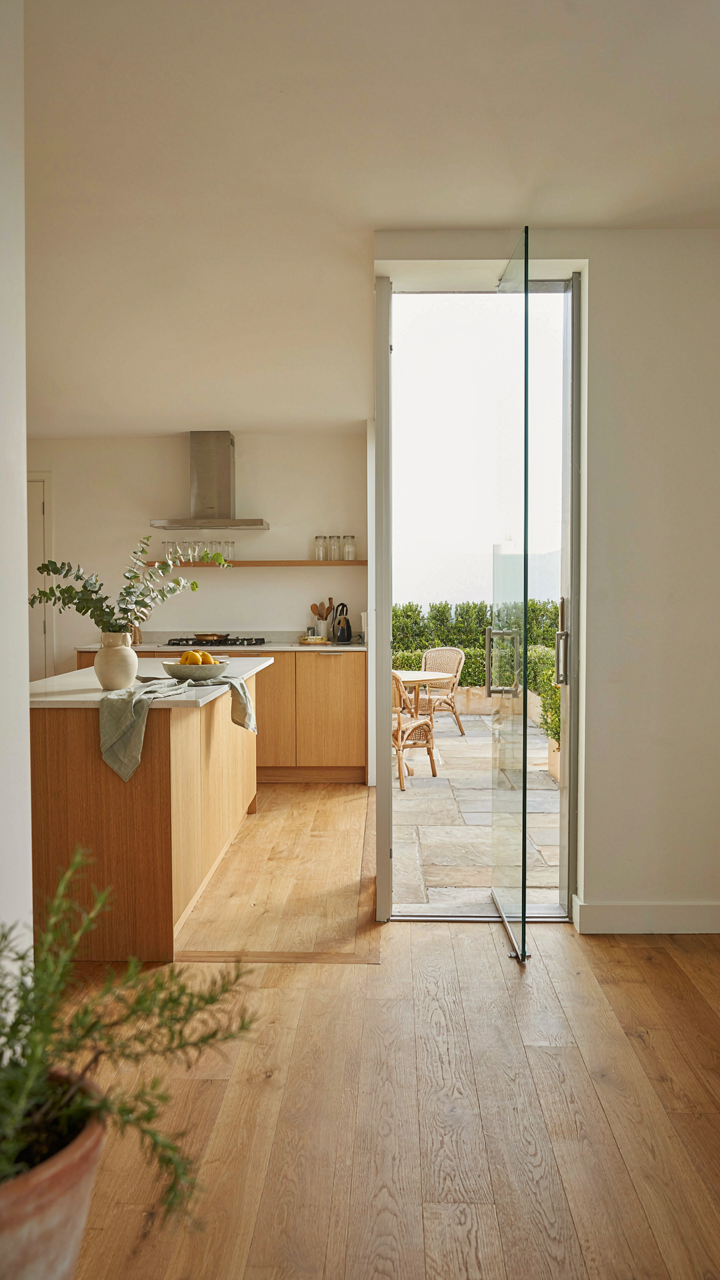
You want your patio to feel like an extension of your home because you’re afraid your backyard looks like dead space that doesn’t belong to you yet. Here’s the mechanism: most people treat the patio as a separate room they add on, when the real move is treating it as a threshold. The patio isn’t furniture and concrete. It’s the point where your interior logic continues outside without breaking rhythm. This requires intentional sight lines and material continuity, not design trends.
Your flooring material dictates whether people actually move between spaces or hesitate at the door. If your kitchen is warm oak and your patio is cold gray slate, you’ve created a visual barrier your brain registers as “outside now, different rules.” Match the undertones of your interior materials to your patio surface. This isn’t about being matchy. It’s about removing friction in how people navigate the space. The eye needs to travel smoothly or the body won’t follow.
The Material Truth Nobody States
Common advice says choose patio materials based on aesthetics and what’s on trend this season. That’s wrong. Trend-driven material choices age fast and cost more to replace. Real durability comes from understanding what your climate actually does to surfaces over time, not what Instagram shows you.
Concrete with proper slope outlasts decorative pavers in freeze-thaw climates because it moves as one unit instead of individual pieces shifting. Composite decking requires less maintenance than wood but costs more upfront and won’t match interior tones as easily. Stone holds temperature longer in hot climates, keeping your feet from burning. Steel or aluminum railings resist rust better than iron if you’re near salt water. Choose your material based on the specific damage cycle of your region, then verify it matches your interior aesthetic. The durability winner is always the material you maintain consistently, which only happens if you see it as part of your home’s functional system, not an outdoor accessory.
Garden Layout: The Minimalist’s Flow State
The Broadfork Principle
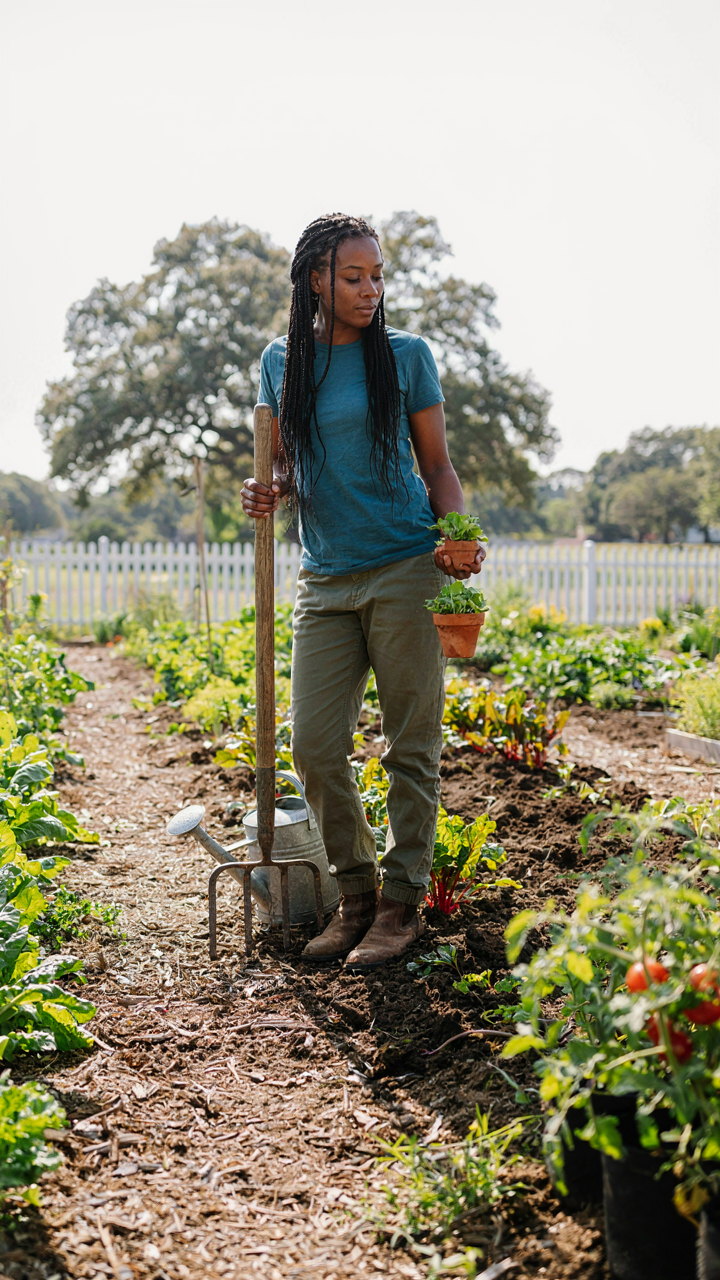
You want a garden that looks intentional because you’re tired of feeling like your space owns you instead of the reverse. Here’s the mechanism: physics teaches us force multiplication, and a broadfork demonstrates it perfectly. Instead of digging down and extracting soil with a shovel (wasting energy), a broadfork levers soil apart horizontally, loosening it without inversion. Your garden layout works the same way. Stop fighting resistance by cramming paths, beds, and features everywhere. Use the broadfork principle: arrange zones so your body moves through work without backtracking or fighting the space itself.
The layout multiplier isn’t about aesthetics. It’s about removing friction points where you stop, turn around, or recalculate your next move. When a gardener can move from soil prep to planting to watering in one flowing sequence without crossing their own path, they actually use the garden instead of resenting it. This is where most people fail. They design for Instagram, not for the body’s actual movement through space.
Movement Efficiency Over Features
Eliminate complexity, and you eliminate the reason people abandon their gardens. The common advice says “add zones and features.” Wrong. Adding features you can’t maintain smoothly becomes debt, not an asset. Map your actual workflow first. Where does water come from? Where do you store tools? Where do you harvest most? Draw these three points on paper. Now connect them with the shortest, straightest paths possible. Straight beats curvy every time because curves demand calculation in real time.
One principle: never place a bed or feature where it breaks your workflow. Minimalist garden layout isn’t sparse or boring. It’s ruthlessly honest about what you’ll actually do versus what sounds good when you’re planning in winter. Test your movement paths in person before you build anything permanent. Walk the space with a rake, a hose, a harvesting basket. Where do you naturally stop? Where do you backtrack? That’s where your layout is fighting you, not helping you.
The Garden Makeover Reframe: Iterative Optimization
Start Small, Then Compound
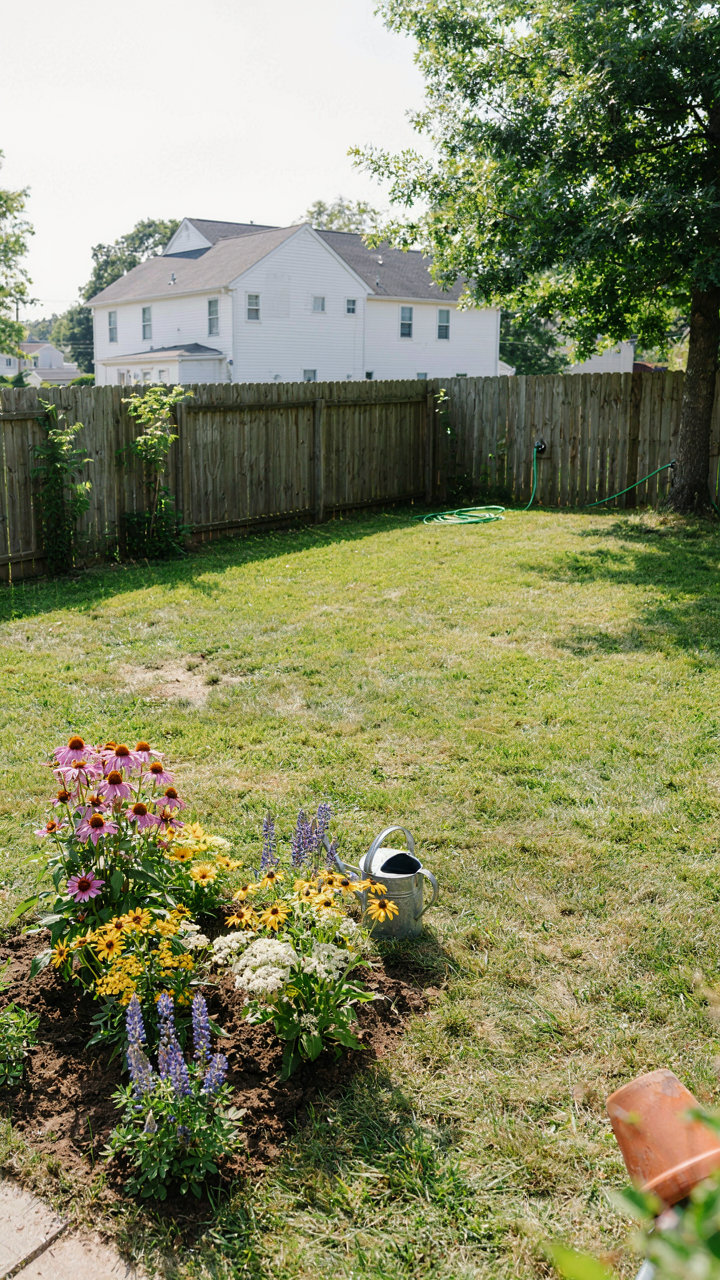
You want to feel like you’ve transformed something overnight. That’s the real draw here. But the mechanism that actually works is the opposite: small, repeatable improvements compound faster than one massive renovation that burns your budget and leaves you exhausted. Think of it like compound interest in finance, except you’re reinvesting seasonal energy and modest capital into the same space repeatedly.
Most garden advice pushes the total redesign fantasy. Rip it out. Start fresh. New hardscape, new plantings, new everything. What actually happens: you spend five grand, exhaust yourself, and by year two you’ve stopped maintaining it because the initial decision was too binary. The iterative approach means you plant one section this spring, observe what thrives, fail cheaply on some species, then expand next season using what worked. You stay engaged because the commitment is manageable.
Adapt Based On What Fails
Failure isn’t a setback to hide. It’s data about your specific conditions that no generic makeover plan accounts for. You plant shade perennials in what you assumed was shade, they wilt, and you’ve just learned your microclimate differently than any design guide could tell you. Same principle applies to soil amendments, drainage patterns, and even hardscape placement. The garden tells you what works if you actually listen instead of forcing a preconceived vision.
Small failures teach you fast. A dead plant costs thirty dollars and a season. A poorly positioned patio costs thousands and a decade of regret. Start your makeover in one quadrant. Watch it for a full year through all seasons. Note what the soil actually does when it rains. Observe which areas stay wet or dry. Then scale what worked into the rest of your space. Document this learning in photos or notes so you don’t repeat mistakes across zones.
The Neglected Variable: Your Time Capital
Design For Minimal Ongoing Input
You want a garden that looks intentional without becoming a second job. That’s the real reason this section matters to you—not aesthetics, but reclaimed time. The mechanism is simple: every plant you choose, every hardscape element, every watering system either removes friction from your life or adds it. Most garden makeovers fail because people design for appearance first and maintenance second. They reverse the priority.
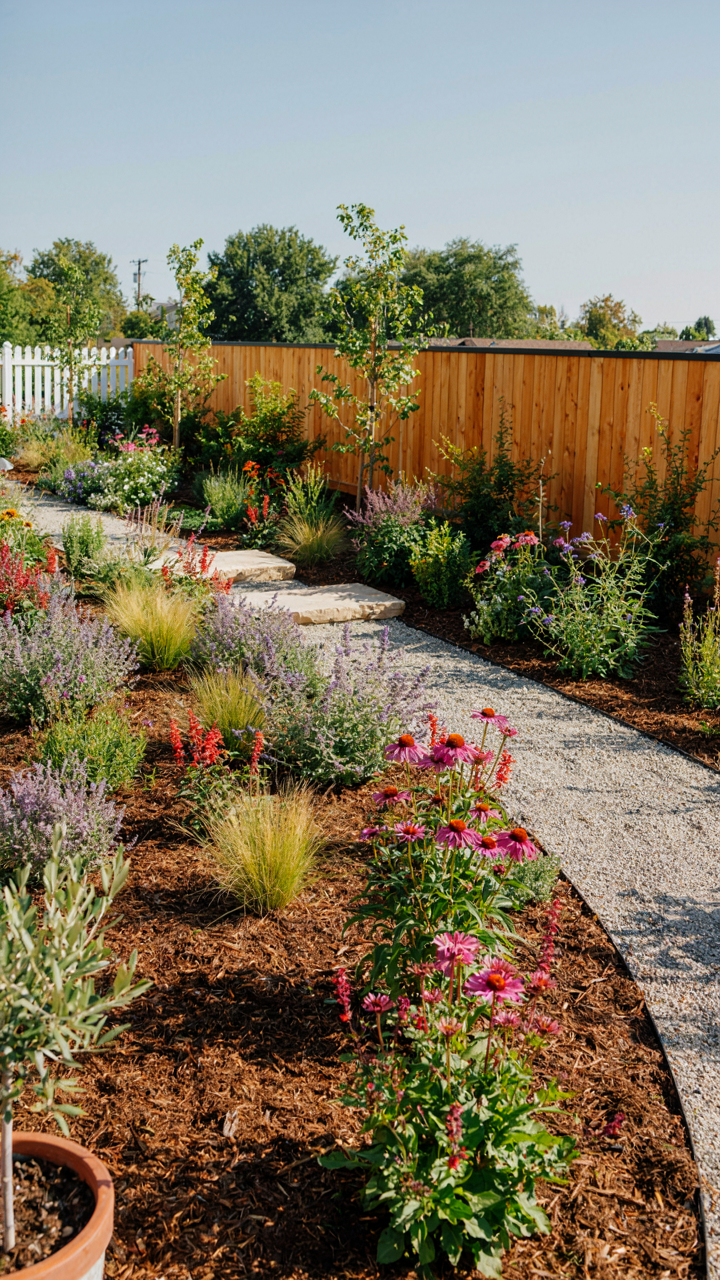
Start by selecting plants that thrive in your climate without constant intervention. Native species, perennials, and drought-tolerant varieties require less fertilizer, pruning, and replacement than annuals or ornamental plants demanding perfect conditions. Group plants by water needs rather than scattering high-maintenance specimens across your space. This reduces the number of watering zones you manage. Hardscape—mulch, gravel, pathways, raised beds with borders—does the work of suppressing weeds and defining space without asking anything of you year-round.
Automate, Then Strip Back
Automation sounds modern, but the real lever is elimination, not technology. Drip irrigation and smart timers solve one problem: you no longer stand outside with a hose. But they also mask a bigger choice—reducing the total square footage of garden beds you’re responsible for. Economics calls this “operating leverage”: fewer inputs required to maintain the same functional output. Apply that here. A smaller garden with automated irrigation beats a sprawling one with manual watering.
Design with the 80/20 rule applied to effort. Identify which 20 percent of your garden generates 80 percent of the enjoyment or yield. Protect that zone with infrastructure. Let the rest become low-friction buffer space: lawn, mulched beds with perennials, or hardscaping. Remove features that provide marginal value but demand regular attention. A trellis that looks bare half the season and requires weekly vine training is a net drain. A raised bed that produces herbs you actually use is infrastructure. The transition happens once you stop maintaining plants and start maintaining systems.
The Real Obstacle Isn’t Your Yard; It’s Your Superficial Approach To Its Potential

Most people treat their backyard like decoration instead of real estate. They copy Pinterest boards and wonder why the result feels hollow. The shift happens when you stop asking “what looks cool” and start asking “what do I actually use?” Pick one corner of your yard today. Spend fifteen minutes there. Notice what you avoid, what you crave, what doesn’t exist but should. That observation beats a thousand design trends. Your yard isn’t waiting for ideas. It’s waiting for you to stop pretending you know what you want.



