
The Illusion Of Instant Expertise: Why Gift Sets Lie

What Marketing Calls Complete
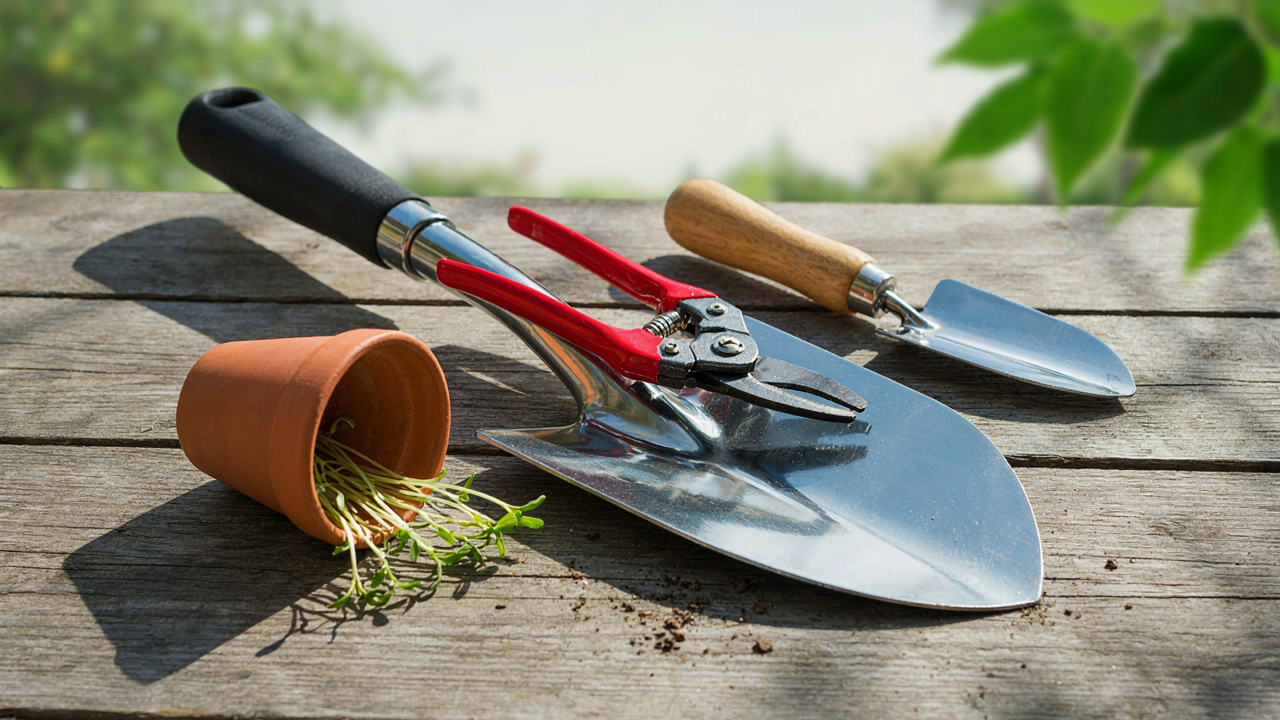
You want to believe a boxed set means you’re ready to garden. That’s the real draw here, not the tools themselves. Marketing departments exploit this by bundling unrelated implements into sets and calling them “complete systems.” A shovel, pruners, and a trowel in matching packaging suggest someone engineered these together for your success. They didn’t. Someone engineered them to fit in a box.
The mechanism is simple: bundling creates perceived authority. A retailer doesn’t claim expertise through careful curation. They claim it through volume and uniformity. Five tools that work independently become “The Professional’s Kit” simply by being shrink-wrapped together. Real tool selection requires understanding what your soil, climate, and plants actually demand. Gift sets ignore this entirely because customization doesn’t scale to profit margins.
The Beginner’s Arithmetic Problem
Too many tools early on creates a different problem than you think: decision paralysis masquerading as readiness. You unbox twelve pieces and now every garden task becomes “which tool should I use?” instead of “how do I execute this task well?” This isn’t abundance. It’s noise.
Beginners need constraint, not options. One quality spade teaches you proper digging mechanics. Adding six other implements teaches you confusion. You’ll use three tools repeatedly and store nine in a shed. The real cost isn’t the money spent on redundant items. It’s the cognitive load that keeps you from developing skill with any single tool. Start by learning what one tool does exceptionally well, then expand based on actual friction, not gifted inventory.
The Discerning Gardener’s Arsenal: Function Over Form

What Actually Works In Your Hands
You want to feel like you made a smart purchase. That’s the real reason you’re reading this. The mechanism is simple: marketing departments know gift sets trigger a false sense of completeness. You buy the set, feel equipped, and move on. But a tool’s value lives in grip, balance, and material durability, not in how many items arrive in one box. A mediocre spade in a ten-piece set is still a mediocre spade.
Workhorses share common traits. They have weight distributed toward the working end, not the handle. Steel doesn’t rust through in one season. Joints between handle and head don’t rattle or separate after fifty uses. The best sets skip the decorative pieces and include only what soil actually demands: a spade, fork, hand cultivator, and pruners. Everything else collects dust or breaks after two seasons.
One Good Tool Beats Ten Cheap Ones
People say buy complete sets to save money. They’re wrong. A single high-quality spade costs what a ten-piece set costs, but outlasts it by a decade. Economy sets use thin metal and hollow handles because manufacturers have to distribute cost across volume. Each tool becomes a compromise.
One excellent tool teaches you how real equipment feels. You notice handle balance. You understand why weight matters. You stop buying garbage. The protocol is straightforward: invest in one tool you use constantly, master it, then add a second only when you genuinely need it. This builds a functional arsenal instead of a junk drawer disguised as preparedness.
The “Less Is More” Protocol For Garden Tool Gift Sets
Force Over Quantity
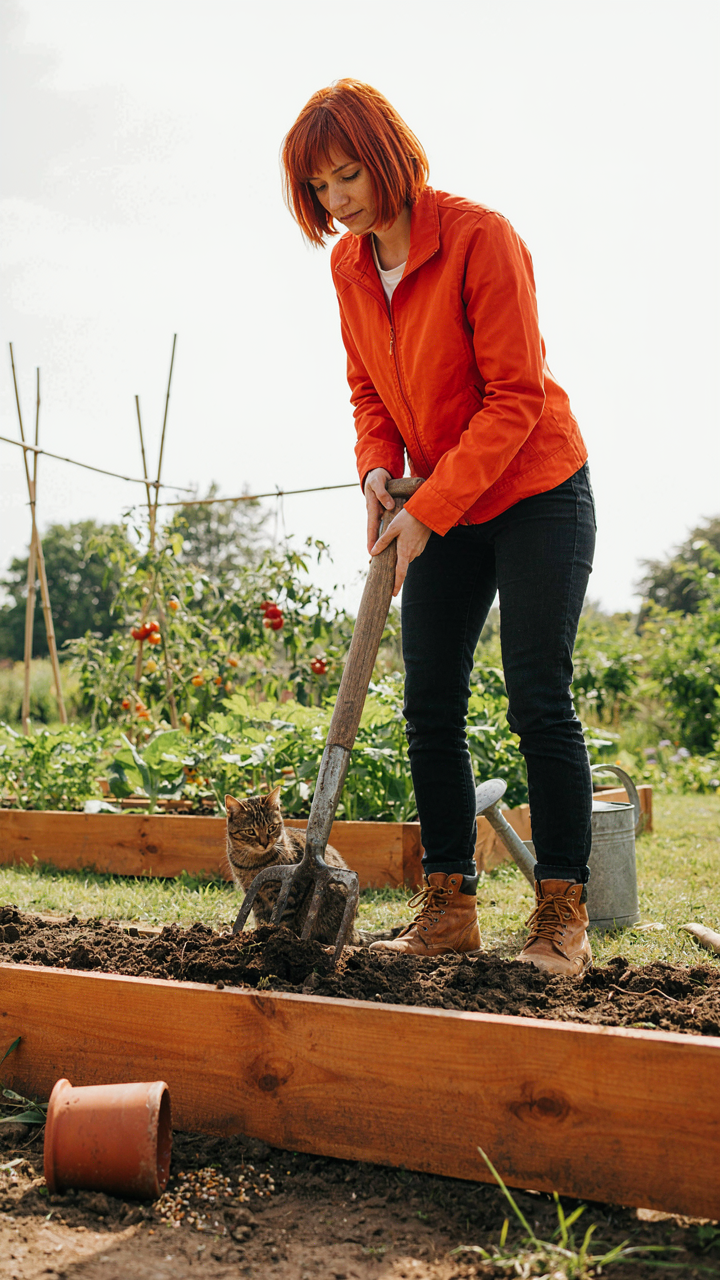
You want to look like you gave a thoughtful gift without actually understanding gardening. The real mechanism is physics: a broadfork multiplies human force through leverage, not by adding more tools to a set. A broadfork uses a fulcrum principle to shift soil with minimal strain. One tool that works compounds your value more than ten that don’t.
Most gift sets pile on quantity because retailers optimize for perceived value at checkout, not functional density. A broadfork in a set signals you understand that soil preparation matters more than surface-level aesthetics. The mechanical advantage is built into the design itself, not into the number of items wrapped.
Systems Over Spreadsheets
Treating a gift set like a checklist of tools is backward. You’re not designing a collection. You’re designing a workflow that solves a specific problem in sequence. A digging fork, a spade, and hand tools arranged by task create a system. A random assortment creates friction.
The person receiving the set needs to move from soil preparation to planting to maintenance without tool switches that waste motion. Each tool should enable the next phase. This requires you to think about the actual gardening process, not the department store’s shelf layout. When tools work as a sequence rather than isolated options, the set becomes immediately usable instead of partially abandoned.
The Investment Fallacy: When “Affordable” Costs More

Cheap Sets Hide The Real Expense
You’re drawn to this section because you want to feel smart about spending less. Here’s the mechanism: a twenty-dollar tool set costs more over time than a fifty-dollar set, because cheap tools break, bend, and rust. Replacement happens faster than the original purchase justified itself. The math doesn’t lie. You buy cheap once, replace it twice, and end up spending double while wasting hours on frustration.
Breakage follows a predictable pattern with low-grade tool sets. The handle snaps on the shovel after six months of storage. The pruner blade dulls or chips within weeks. Rust appears on uncoated metal within a season. Each failure triggers a purchase decision: repair it or replace it. Most people replace. That’s where the real cost lives, not in the sticker price but in the compounding replacements.
Steel Grade And Handle Reality
Durability lives in three measurable places: the steel composition, the handle material, and how users actually report the tool performing. Carbon steel holds an edge and resists corrosion better than painted mild steel, which is what most budget sets use. Handles matter equally. Hardwood or composite handles outlast plastic by years. Reviews from people who’ve used the set for two seasons reveal what marketing hides. One star after four months tells you more than five stars from someone who used it twice.
Check the steel grade before buying. Look for carbon steel or stainless steel mentioned explicitly in the product specs. Read reviews that mention time in use, not just unboxing impressions. Avoid sets where reviews mention rusting within months or handles cracking in the first year. Then cross-reference the price against durability reports. A fifty-dollar set with two-year longevity costs less per year than a twenty-dollar set lasting six months.
The “Gift Of Mastery” Strategy: Beyond The Physical

Pairing Tools With Skill Resources
You want the gift to stick around because you want credit for changing someone’s behavior, not just cluttering their shed. The mechanism here is borrowed from learning science: competence precedes commitment. Nobody uses a tool they don’t know how to use well. Pair a single quality tool with targeted resources that actually close the gap between purchase and proficiency.
- Video course matched to tool type: Platforms like YouTube or Skillshare host structured lessons on specific techniques. A pruning shear set paired with a 20-minute course on proper cutting angles removes the friction of trial-and-error.
- Printed guide or manual with annotations: Many manufacturers include basic guides. Source annotated versions or commission a one-page cheat sheet covering common mistakes, maintenance schedules, and seasonal timing for that specific tool.
- Access to a tool-specific community or forum: Reddit communities like r/gardening or specialized Facebook groups provide live answers. Gift membership or direct the recipient to active spaces where practitioners troubleshoot real problems daily.
- Written technique handbook focused on one skill: Instead of general gardening books, source materials teaching one repeatable skill deeply. A digging fork with a guide on proper soil preparation creates immediate value over a multi-tool set gathering dust.
- Subscription to a seasonal planning service: Apps or newsletters that send reminders tied to local climate zones keep tools top-of-mind. This bridges the gap between “I own this” and “I use this regularly.”
The pairing works because it removes the hidden cost: the mental effort of figuring out how to start. The recipient doesn’t face a tool without context. They face a tool plus a clear entry point. That specificity turns a gift into a practice.
Workshops And Hands On Mentorship
Experience-based gifting skips the pretense entirely. Everyone knows generic advice doesn’t stick. What sticks is awkward, sweaty, real-time correction from someone who gardens actually. A workshop certificate or introduction to a local gardener beats a tool set every time because it creates accountability and muscle memory simultaneously.
The mechanism is simple: observation under pressure embeds technique faster than reading ever will. When someone watches a mentor use a tool, then immediately tries it while that person corrects their grip or stance, the neural pathway fires differently than solo learning. The recipient also inherits a social obligation to return to gardening because they’ve been publicly invited into a practice. That social friction is the load-bearing wall here, not the information transfer.
Deconstructing The “Convenience” Myth Of Garden Tool Gift Sets

Sharp Tools And Proper Storage
You buy a gift set because you want to believe the person won’t mess it up. That’s the real pull, and it rarely works. Convenience in tool design is not about quantity or matching cases. It’s about edge retention and accessibility. Economics teaches us the concept of “diminishing returns”—adding more tools to a set past a certain point destroys value instead of creating it. Most gift sets violate this principle by stuffing containers with dull blades, poorly balanced handles, and storage that guarantees rust before the first season ends.
The mechanism is simple: a sharp spade with proper drainage storage beats ten dull tools in a fancy box every time. Gift sets sell based on perceived completeness, not on what actually gets used. A person reaches for three tools repeatedly and abandons the rest. The set that matters is the one organized so those three tools stay sharp and accessible year-round. Choose sets with stainless or carbon steel that won’t corrode, handles designed for your climate’s humidity, and storage with airflow built in, not sealed plastic that traps moisture.
Maintenance Habits That Extend Lifespan
Most advice tells you to “maintain your tools regularly,” which means nothing and changes nothing. The real work is building a protocol you’ll actually follow. Tool lifespan depends entirely on what happens between uses, not during them. A five-minute post-use routine—removing soil, wiping blades, storing handles upright in dry conditions—extends tool life by years. Gift sets fail because recipients inherit zero context about maintenance. They receive a box and assume it’s ready to work forever.
The protocol is this: after each use, wipe metal parts with a dry cloth or rag. Store everything vertically or with blade guards on. Once monthly, check handles for cracks and re-tighten bolts. Once annually, oil metal parts lightly to prevent rust and sharpen blades. This isn’t complicated, but it requires a system that makes it frictionless. Sets with wall mounts, hanging storage, or dedicated pegboard spaces outperform those with cases because you see the tools and remember to use them. The gift set only works if the recipient sees maintenance as part of ownership, not an afterthought.
The Personalization Paradox: Generic Vs. Specific Needs

Match Tools To Growing Conditions First
You want to look thoughtful without actually doing the work of asking questions. The mechanism is this: soil type, climate zone, and plant choice determine which tools matter and which collect dust. A gardener in clay soil needs different leverage and blade design than one in sandy loam. Someone growing vegetables in zone 5 faces different seasonal demands than a zone 9 perennial gardener. Generic sets ignore this entirely, which is why they fail.
Start by identifying the gardener’s actual growing conditions before selecting a set. Ask about soil type, hardiness zone, and what plants they grow most. A raised bed gardener uses spades and forks differently than someone working in-ground. Climate determines whether they need tools for frozen ground prep or year-round maintenance. Match the tool set to these constraints, not to what looks balanced in a box.
Watch What They Actually Reach For
The common advice says “ask the gardener what they want.” That’s incomplete. People don’t know what tools solve their real problems because they’ve never used the right ones. Observation beats intention every time. If someone spends thirty minutes hand-pulling weeds weekly, they need a quality weeding fork. If they’re constantly replacing tool handles, they need better grip design and material, not more tools.
Spend time watching how they garden before committing to a gift. Note which tools show wear, which stay pristine, which ones they borrow or mention wanting. The worn tool reveals actual workflow. The pristine tool reveals what seemed useful in theory. A gardener repeatedly digging in compacted soil needs a spade with proper weight distribution, not a decorative set with eight tools they’ll never touch. Design your gift around the three tools they genuinely use, not around completeness.
The Expert’s Edge: Curating, Not Collecting
Build Your Starter Set Around One Task
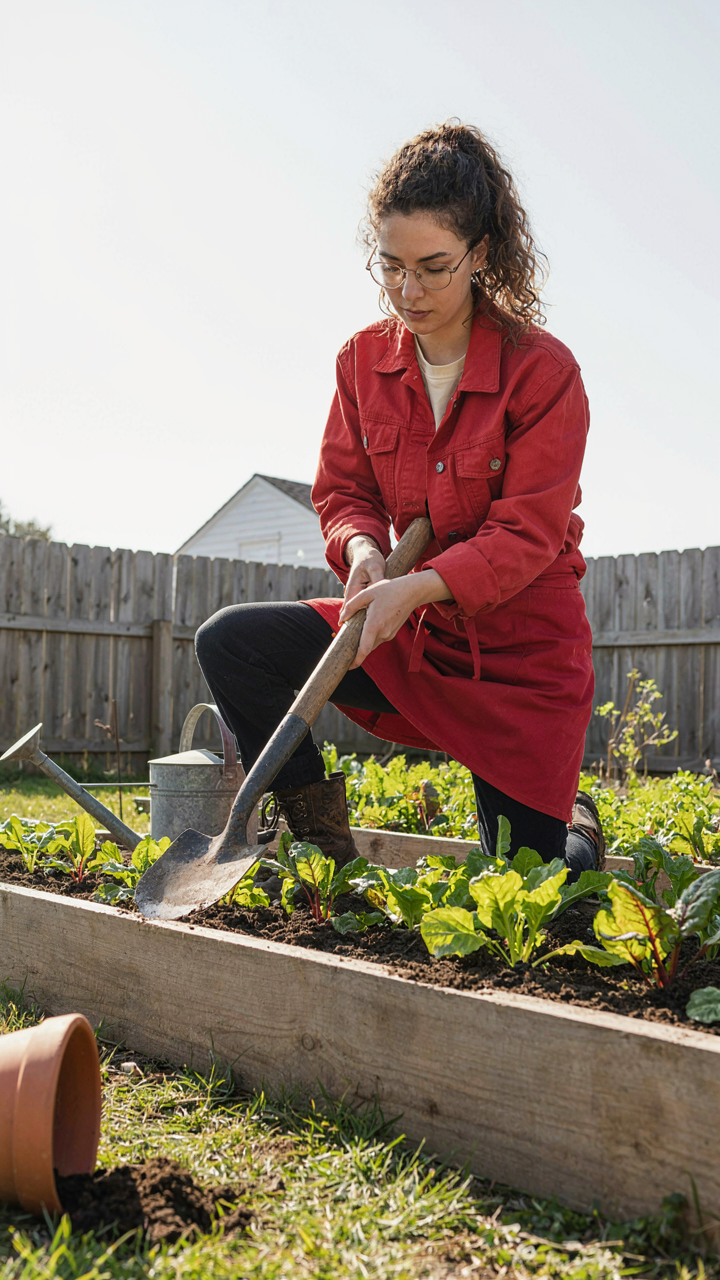
You want to feel like you know what you’re doing without actually having to learn much. That’s the hidden play here. The mechanism is task-based selection, borrowed from systems design: constraints force efficiency. Instead of buying “a garden tool set,” identify one specific job—say, basic bed prep or container maintenance—and select only the tools that solve it.
- Spade: Digs, edges, and moves soil. Essential for bed work and transplanting. Flat blade design handles multiple soil types without binding.
- Hand Rake: Breaks compacted soil and spreads amendments. Lighter than full rakes, works in tight spaces. Four to six tines suffice for most beds.
- Pruning Shears: Cuts stems and small branches cleanly. Bypass pruners outperform anvil types for plant health. One quality pair replaces multiple tools.
- Trowel: Plants seedlings, fills holes, removes weeds. Stainless steel or hardened steel resists rust. Proportional handle length prevents hand fatigue during extended work.
- Hoe: Breaks soil clumps and removes surface weeds. Triangular or rectangular blade shapes each suit different soil conditions. Narrow designs work between rows without damage.
Task-driven selection eliminates the 40% of tools that sit unused in sheds. You buy replacements only when wear demands it, not because your set feels incomplete. This approach scales: add one tool per new task you actually perform, not per season.
Stop Buying The Same Tool Twice
The common advice says tool redundancy gives you “backup options.” That’s wrong. Redundancy masks poor tool maintenance and creates decision fatigue every time you reach for something. Overlapping tools waste money and storage space while teaching you nothing about what you actually need.
Digging tools illustrate this clearly. A spade and a shovel perform different jobs, yet most kits include both. The spade has a flat blade for edging and turning soil. The shovel has a curved blade for scooping and moving loose material. Buy the one that fits your actual work. If you’re planting and edging beds, choose the spade. If you’re moving compost or mulch, choose the shovel. Owning both means you’ve failed to commit to how you garden, and you’ll reach for whichever one is closer instead of the right tool for the task.
The Only Wasted Gift Is The One That Postpones Mastery

Most people buy garden tool gift sets expecting them to sit pretty on a shelf. That’s not a gift. That’s guilt with a bow. A real gift set forces action because it removes the excuse of “I don’t have the right tools.” Pick one set today and commit to using it this week. Not next month. This week. The person who actually touches soil wins. Everything else is just shopping.



