
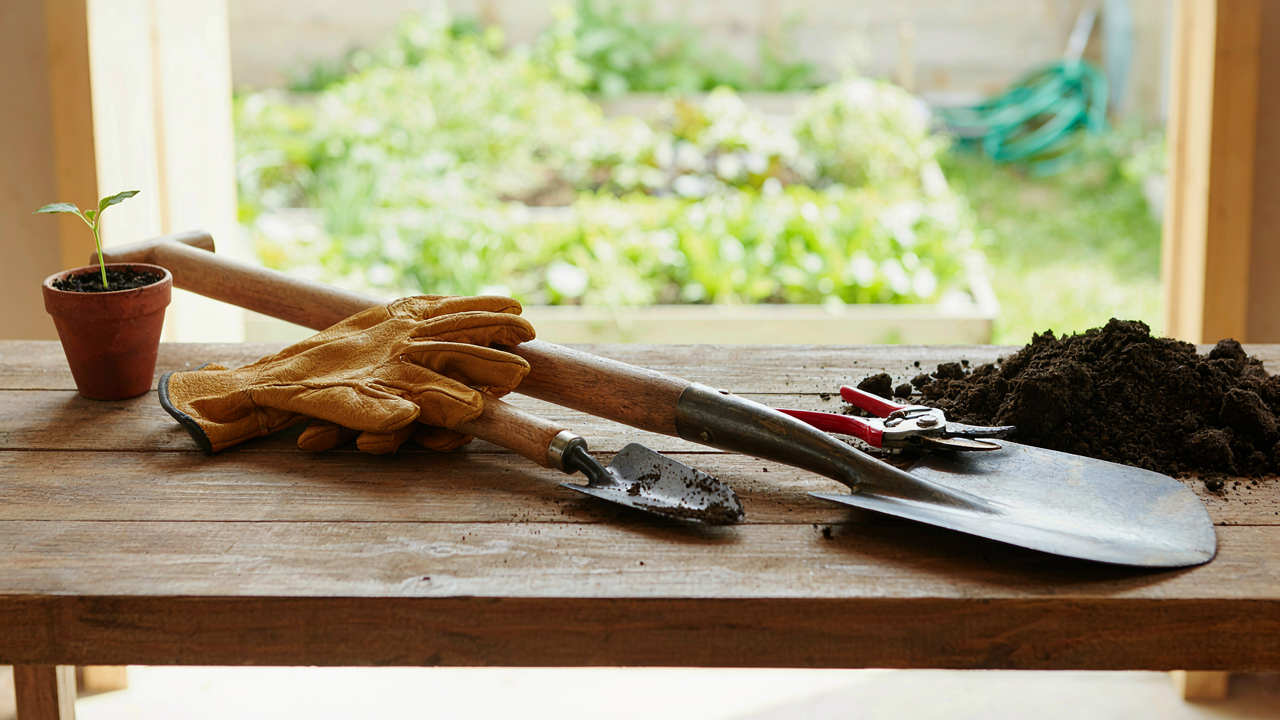
The Illusion Of The Latest Garden Glove Trends

Marketing Hype Versus What Actually Works
You’re here because you think you’re missing something. You’re not. The garden glove market operates on the same mechanism as fashion: create perceived obsolescence by calling last year’s glove “outdated.” Brands launch “revolutionary” features annually because they need inventory to move, not because your grip problems changed. Most gardeners solve 90% of their problems with basic leather or nitrile. Everything else is margin capture dressed up as innovation.
The real utility question is simple: does the glove prevent blisters, maintain dexterity, and survive repeated use? That’s it. Waterproofing, ergonomic padding, touchscreen compatibility, and breathable mesh are add-ons marketed as necessities. A guide that tracks these “trends” is tracking marketing spend, not material breakthroughs. Your job is stripping away the narrative to see what actually solves your specific task, not what the industry wants you to believe you need.
Solutions To Problems Nobody Has
Most garden glove innovations fail the basic test: they solve friction that doesn’t exist. Marketing teams work backward from manufacturing capabilities, not from gardener frustration. Gel-padded palms sound better than plain cotton, so they become standard. Extended cuff lengths become “all-day protection” rather than niche solutions for hedge trimming. This is how trends form without merit. The industry confuses technical possibility with actual demand.
Look at touchscreen-compatible gloves. They exist because phones exist, not because gardeners have an operational need to check email mid-weeding. They also cost more and fail faster because the conductive thread adds a failure point. A real guide separates marketing narratives from mechanical problems your hands actually face. Before adopting any “trend,” ask: what specific task does this solve that my current glove doesn’t? If you can’t name it, you don’t need it.
The Durability Dividend Protocol For Gardening Gloves

Material Longevity Versus Marketing Claims
You want to believe expensive gloves are better because spending more feels like protection against failure. The mechanism is simple: marketing conflates material thickness with actual lifespan, and most gardeners never track when gloves actually fail. Nitrile, leather, and cotton-blend gloves degrade through different pathways. Nitrile breaks down from UV exposure and oils. Leather cracks from moisture cycles. Cotton frays from abrasion. Thickness masks the real variable: material fatigue rate under your specific use pattern.
Most garden glove guides skip this entirely. What matters is fiber structure and treatment, not marketing language like “reinforced” or “industrial-grade.” A thin, well-treated leather glove outlasts thick untreated cotton. Test gloves by examining fiber density under magnification, checking seam construction for double stitching, and noting whether the manufacturer specifies UV resistance or water treatment. Your actual wear pattern determines which material wins, not the price tag.
Cost Per Wear Beats Initial Price
Economics teaches the concept of amortization: spreading total cost across actual use cycles to find true unit cost. Garden glove buyers ignore this completely. A thirty dollar glove worn twice is fifteen dollars per wear. A twelve dollar glove worn forty times is thirty cents per wear. Most people buy cheap gloves, wear them until they fail in weeks, then buy again. This cycle repeats because nobody tracks the math.
Calculate cost per wear by dividing total glove price by the number of uses before failure. Start logging when you open the gloves and stop when they tear, lose grip, or require replacement. Most gardeners discover their “durable” gloves fail faster than expected because they never measured. Buy once based on honest durability data, not brand reputation or initial cost.
The Bio Mechanical Imperative: Fit And Function
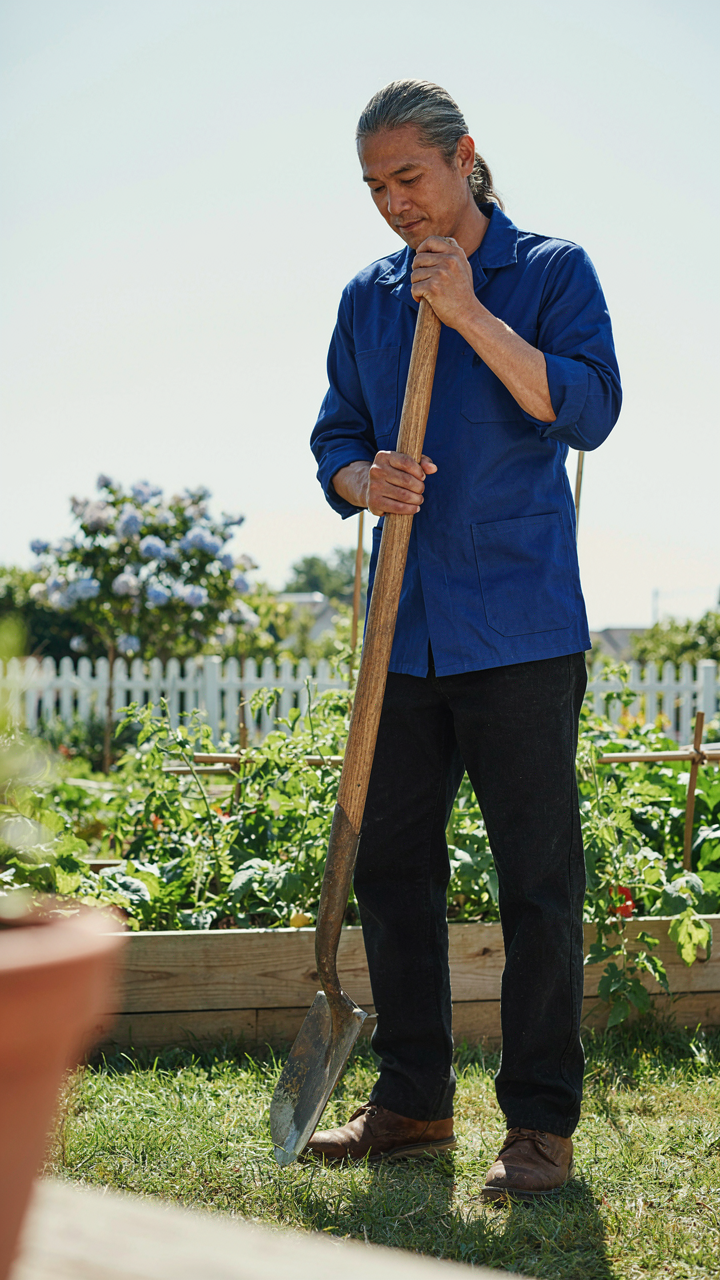
Ergonomics Over Aesthetics For Garden Tool Handling
You care about this section because a poorly fitting glove makes you feel incompetent. The real issue is biomechanics, borrowed directly from kinesiology, the study of human movement. In kinesiology terms, your hand operates as a series of linked lever systems. A garden glove that doesn’t support those levers creates compensatory strain up your wrist, forearm, and shoulder. Most glove guides ignore this entirely, focusing instead on color and brand names.
Proper fit means the glove’s palm padding aligns with your hand’s natural pressure points, not distributed randomly. Your metacarpal heads and thenar eminence absorb the most force during gripping and tool manipulation. When padding sits in the wrong spot, your hand recruits stabilizer muscles to overcompensate, burning out joints faster. This isn’t preference. It’s physics. Test fit by gripping a tool handle in the glove, then checking if pressure distributes evenly across your palm, not concentrated at the heel or fingers.
Avoiding Nerve Compression And Repetitive Strain Injuries
The conventional advice says “take breaks” and “stretch more.” That’s incomplete and misses the mechanism. Repetitive strain injury stems from sustained compression of nerves and tendons in fixed positions, not from work volume alone. A glove that’s too tight at the wrist or restricts finger mobility compounds this by forcing your hand into compensatory angles repeatedly. Over weeks, that angle becomes permanent, and the injury locks in.
The cuff design determines wrist compression risk more than any other factor. A glove cuff that cinches tightly near the radial and ulnar arteries restricts blood flow to your hand, accelerating fatigue and nerve irritation. Your wrist needs a cuff that secures the glove without constricting the wrist crease. Measure your wrist circumference, add one inch, and use that number to select glove size. Wear the glove for five minutes before buying. If you feel tingling or numbness in your pinky or ring finger, compression is already happening. Buy the next size up.
Beyond “Waterproof”: Understanding Permeability Science
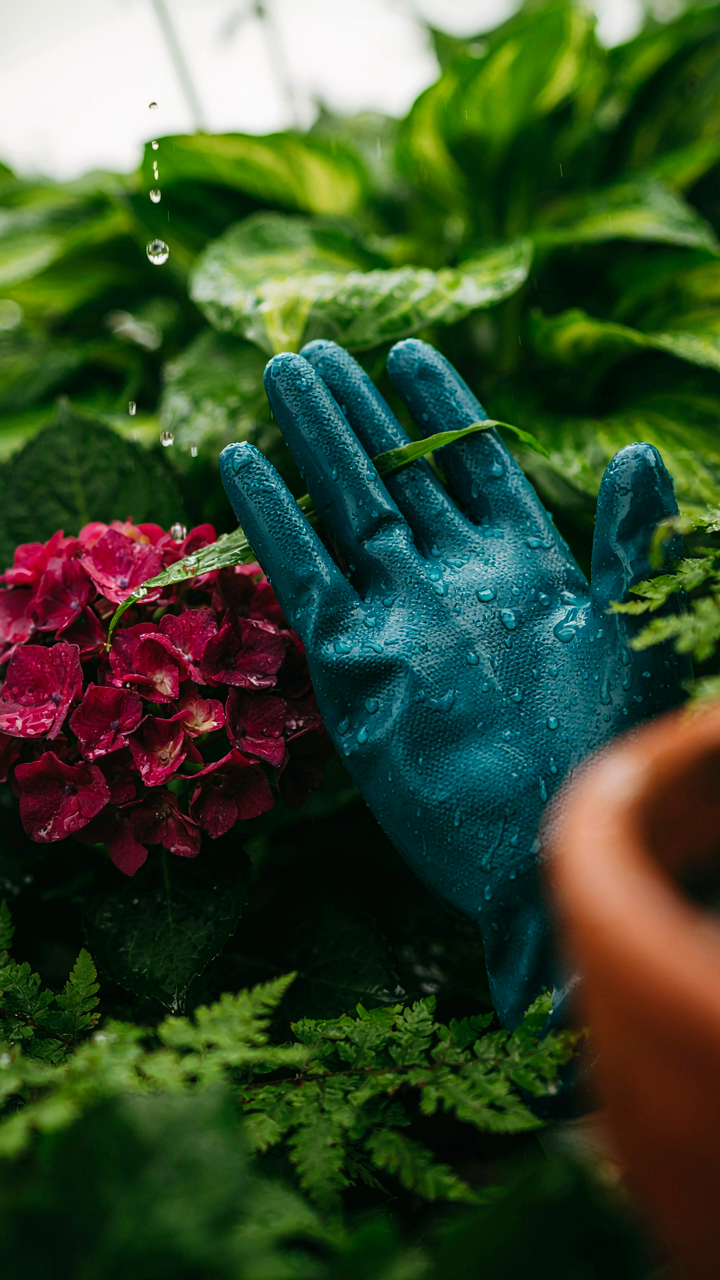
Hydrophobic Materials Explained: Breathability Vs. Barrier
You want waterproof gloves because you’re afraid of wet hands ruining your work, but what you’re really buying is a material’s ability to reject water while still letting sweat escape. That trade-off is everything. Borrow from textile physics: hydrophobic coatings work like a one-way valve. Water molecules can’t penetrate the surface tension, but smaller vapor molecules from perspiration slip through the pores. Most garden glove marketing ignores this entirely. They promise waterproof without mentioning what happens inside the glove when humidity builds.
Nitrile, rubber, and polyurethane coatings all behave differently under this pressure. Nitrile rejects water effectively but traps heat faster, causing faster sweat accumulation. Rubber offers better vapor transmission but degrades under UV and flexing. Polyurethane splits the difference but costs more. The real metric isn’t whether water gets in from outside, it’s how fast moisture escapes from your skin. Pick based on your actual task duration and grip demand, not the waterproof label alone.
The Saturation Point Nobody Admits
Stop believing “waterproof” means “stays dry all day.” It doesn’t. Every glove material has a saturation threshold where internal moisture exceeds its transmission capacity. The mechanism is simple: perspiration rate exceeds vapor escape rate, and sweat pooling inside begins within 45 to 90 minutes under heavy work. Your job isn’t finding the glove that never saturates, it’s accepting saturation will happen and choosing materials that remain functional when wet.
Gloves that stay pliable and grip-capable when wet matter more than gloves that stay dry longer. Leather absorbs moisture but maintains suppleness. Synthetic blends degrade faster but dry quicker between tasks. The protocol: rotate glove pairs during extended garden work, hang them between uses for actual vapor escape, and select materials based on how they perform wet, not dry. This single shift in expectation changes which gloves you actually buy.
The “Task Specific” Fallacy: Why Simplicity Wins

One Glove For Many Tasks
You want to believe you need specialized gloves because it makes you feel like you’re optimizing, not wasting money on redundant gear. The mechanism is simple: industries profit when you buy more. Garden glove manufacturers push “rose pruning gloves,” “vegetable harvest gloves,” and “soil prep gloves” to fragment your purchasing. In reality, a well-made leather work glove handles 90 percent of garden tasks without compromise. Cotton blends tear too fast. Nitrile degrades in sun. Leather ages into better function.
The minimalist approach cuts friction from your workflow. You grab the same pair every time you step outside. No decision fatigue. No hunting through a drawer for the “right” glove. A single quality option beats five mediocre ones collecting dust in the garage. Start with one pair designed for durability and grip. Test it across pruning, digging, and harvesting before adding anything else to your system.
When Specialization Actually Matters
Most garden glove marketing sells artificial distinctions, not real needs. But genuine specialization exists where material performance differs under specific conditions. Waterproof insulated gloves solve a real problem in cold, wet weather that a summer work glove cannot address. Thornproof leather on the back of your hands prevents bleeding when you brush dense rose stems repeatedly. These aren’t luxuries. They’re responses to measurable friction.
Identify true specialized needs by tracking pain points across three seasons of work. Which tasks leave your hands damaged or uncomfortable? Which weather conditions force you to stop working? Only then do you buy targeted gear. A kitchen gardener in mild climates never needs insulation. A rose enthusiast absolutely does. Stop collecting gloves based on marketing categories. Buy only what your specific growing reality demands.
The “Sensory Feedback Loop” Principle For Work Gloves
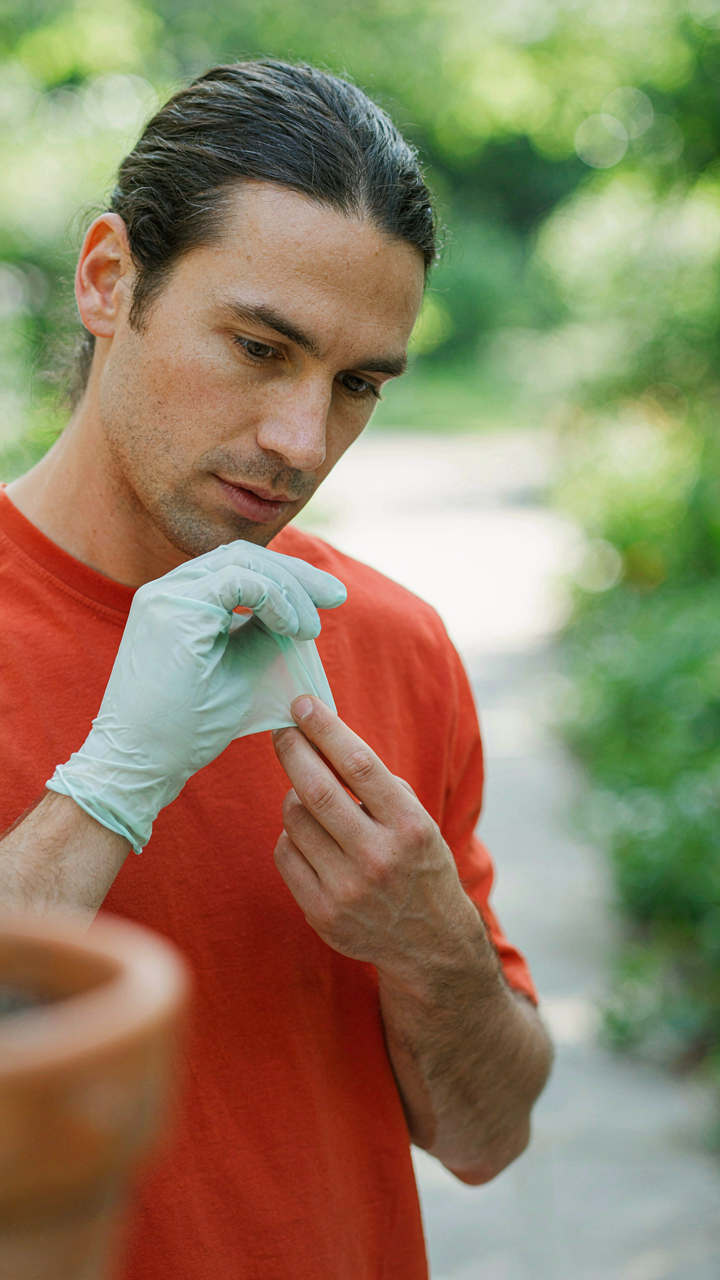
Your Hands Are Instruments, Not Decorations
You want gloves that don’t feel like gloves because you’re afraid—fear that thick material will cost you precision, speed, and control on the job. That fear is rational. Proprioception, the body’s sense of where it exists in space, is the mechanism at work here. Your hands know tool position through constant micro-feedback. Gloves either amplify or kill this signal.
Thick gloves create lag between your nervous system and reality. When you grip a pruner handle or dig with a spade, your fingertips send data about pressure, texture, and angle back to your brain in real time. Material thickness blocks those signals. You compensate by gripping harder, which exhausts your forearms and creates mistakes. The best garden gloves minimize the barrier between skin and tool without sacrificing protection.
When Sensitivity Means Something Real
Neuroscience has mapped how tactile receptors work: they fire when pressure changes, not when pressure exists. Move your gloved hand over a tool slowly and you feel nothing. Move it fast and the sensors activate. Most garden glove guides ignore this, recommending thin material as if it solves the problem. It doesn’t. The real play is material that transmits pressure change efficiently while staying durable.
Synthetic microfiber and nitrile coatings work here because they compress and recover quickly. Your tactile system reads the compression and recovery cycle, not the glove itself. This is why premium work gloves use layered construction: a thin outer coating that changes pressure rapidly, backed by structure that doesn’t. The protocol is simple: test any glove by feeling for its response when you pinch and release quickly. If the material bounces back in under half a second, your sensory loop stays intact.
Leather Vs. Synthetics: The Unspoken Trade Offs

Abrasion Resistance Meets Real Flexibility
You want leather because you think it signals durability, but that’s only half the story. Think of material durability like load capacity in engineering: it measures how much stress the material absorbs before failure, but it doesn’t tell you what happens under dynamic conditions. Leather excels at resisting punctures and cuts from rough surfaces. Synthetics compete differently, sacrificing some puncture resistance for consistent flexibility across temperature ranges.
Leather stiffens in cold and softens in heat, which means your grip changes seasonally. Synthetics maintain their flex profile regardless of temperature, trading the prestige of natural material for predictable hand feel. Neither approach is objectively superior. The mechanism that matters is this: your glove choice should match your work environment’s temperature consistency, not your preference for material origin.
Maintenance Reveals The True Cost
Everyone knows leather needs conditioning. Nobody talks about what actually happens when you skip it. Leather exposed to sun and moisture gradually loses its oil content, becoming brittle within two to three seasons of regular outdoor use. Synthetics don’t degrade through drying, but UV exposure breaks down polymer chains, causing color fading and eventual cracking.
The unspoken trade-off is labor versus replacement cycles. Conditioned leather extends glove life by years through deliberate maintenance. Synthetics require zero conditioning but demand replacement sooner. Your decision hinges on whether you have time to condition equipment or prefer buying new gloves more frequently. Calculate the actual cost per season by dividing total material cost by expected usable years, accounting for your maintenance commitment level.
The “Pre Emptive Repair” Method For Garden Gloves

Fixes That Actually Stop The Bleeding
You want to believe your gloves will last forever so you don’t have to think about replacing them. They won’t. But here’s the mechanism: wear compounds exponentially once a tear starts. Catching damage early halts the decay curve before it accelerates past the point of recovery.
- Seam reinforcement with thread: Hand stitch along stress points on the palm and between fingers using heavy gauge thread. This stops seams from splitting under tension and adds 2-3 months of life to gloves showing early wear.
- Patch application on punctures: Apply flexible adhesive patches to small holes before they expand. Material matters: polyurethane patches bond better to synthetic gloves than cloth patches do, preventing separation during use.
- Cuff binding replacement: The cuff wears first because it flexes constantly. Replace worn binding with elastic trim or fabric tape to prevent unraveling and maintain the glove’s structural integrity at the wrist.
- Grip surface restoration: Sand down glazed or worn palm surfaces lightly, then apply spray-on grip coating. This restores friction without replacing the entire glove and extends functional life significantly.
- Finger reinforcement tape: Wrap high friction zones like fingertips and knuckles with athletic or fabric tape before damage occurs. This is preventative, not reactive, and protects vulnerable areas from initial breakdown.
The timing matters more than the technique. Most people wait until a glove is visibly destroyed before acting. Start repairs at the first sign of fraying, small tears, or grip loss. The cost of one repair session beats buying a replacement glove.
When Repair Stops Working
Repair is economical only when the glove retains structural integrity. Once the base material degrades, patches become theater. You’re throwing time at a problem that needs replacement, not maintenance. Material breakdown is different from superficial damage. Look for signs: palm material thinning to translucency, multiple seams failing simultaneously, or the glove no longer holding its shape after removal. These indicate the material itself has exhausted its useful lifespan. Repair extends life when damage is localized and recent. It wastes effort when the glove is already compromised throughout.
The decision framework is simple: if you’re fixing the same spot twice in three months, replace the glove. If repairs address different problems across the glove, replace it. Budget for replacement as a line item, not an emergency, and repair as the tactical option for gloves with isolated, recent damage.
Beyond Hand Trowel: The Real Dangers Your Gloves Ignore
When Fabric Becomes A Delivery System
You’re reading this because you want to believe your gloves protect you. They don’t, not completely. Here’s the mechanism: most garden gloves use porous materials that absorb liquids rather than repel them. When you handle pesticides, fertilizers, or soil treatments, the fabric doesn’t create a barrier between your skin and chemicals. It becomes a reservoir, holding the substance against your dermis for hours. Absorption accelerates with moisture and friction.
The consensus says “just wear gloves and wash your hands.” That’s incomplete advice that creates false confidence. Cotton blends, the industry standard, provide zero protection against oil-based chemicals or systemic fungicides. The glove’s weave allows molecular penetration. Your skin absorbs what passes through the fabric faster than most people realize. Synthetic nitrile gloves perform better here, but most gardeners reach for cheaper cotton options and assume they’re safe. They’re not. Check your glove material against the specific chemical you’re handling before you work.
Where Infection Hides Between Stitches
Bacterial transmission isn’t about what you catch from soil. It’s about what your gloves trap and then transfer to your face, food, or family. Think of epidemiology here: gloves create a closed system where pathogens concentrate rather than disperse. Soil contains Staphylococcus, E. coli, and fungal spores that thrive in moist glove environments. You wear damp gloves for an hour, then touch your eyes. The glove becomes the vector.
Most gardeners wash their gloves once a week if that. Fungal organisms colonize fabric faster than people notice symptoms. Athlete’s foot, ringworm, and nail fungus prefer warm, damp conditions that gloves provide all day. Cotton especially retains moisture. Your glove is essentially a petri dish you’re pressing against your skin. Replace gloves when they’re damp or visibly soiled, not at the end of the season. Wash gloves separately in hot water after handling decomposing material or diseased plants, then air dry completely before storing.
The “Ceramic Accessory” Mindset: Investing In Real Value

Gloves Within A Working System
You want permission to spend more on gloves because it makes you feel deliberate about your garden. Here’s what actually matters: borrowing from systems thinking, your gloves function as a node in a larger network, not a standalone purchase. A premium nitrile glove fails if paired with poor soil prep or inconsistent watering. The glove itself is a constraint optimizer, not a solution generator.
Most gardeners treat glove selection like accessorizing an outfit. Wrong. Your glove choice should map directly to your specific tasks: soil work demands grip and durability; pruning demands dexterity and thorn protection; handling fertilizers demands chemical resistance. The glove amplifies efficiency only when the rest of your workflow is already locked in. Misalignment here wastes money faster than any other garden purchase.
Function Over Noise In Gardening
The common advice says rotate your gloves seasonally and buy multiple pairs for versatility. That’s incomplete thinking. You should own exactly the gloves your actual work requires, no more. Fleeting trends like “eco-friendly bamboo fiber” or “smart gloves with sensors” distract you from the basic mechanic: does this glove reduce hand fatigue, prevent injury, and last through the work you do today?
A glove’s real value compounds through repetition, not novelty. Wear the same effective glove model across multiple seasons. You’ll develop instinctive knowledge of its limits, its grip behavior when wet, how it fails so you can predict breakage. This feedback loop is your actual edge. Skip the marketing push and pick one solid option that matches your primary task, then optimize everything else in your system around that choice.
The Real Obstacle Isn’t Finding The Right Glove, It’s Accepting That Discomfort Is Often A Sign Of Inefficient Technique, Not Inadequate Gear

Most gardeners blame their gloves when their hands hurt. They buy expensive leather. They try premium padding. They miss the actual problem: they’re gripping wrong. Your garden glove guide means nothing if you strangle your tools. Spend today watching how you hold your spade. Notice where tension lives in your grip. Fix that first. The glove only amplifies what your hands already know how to do.



