
The Illusion Of Pretty: Why Your Garden Fails Pollinators

Ornament Over Function Wins Every Time
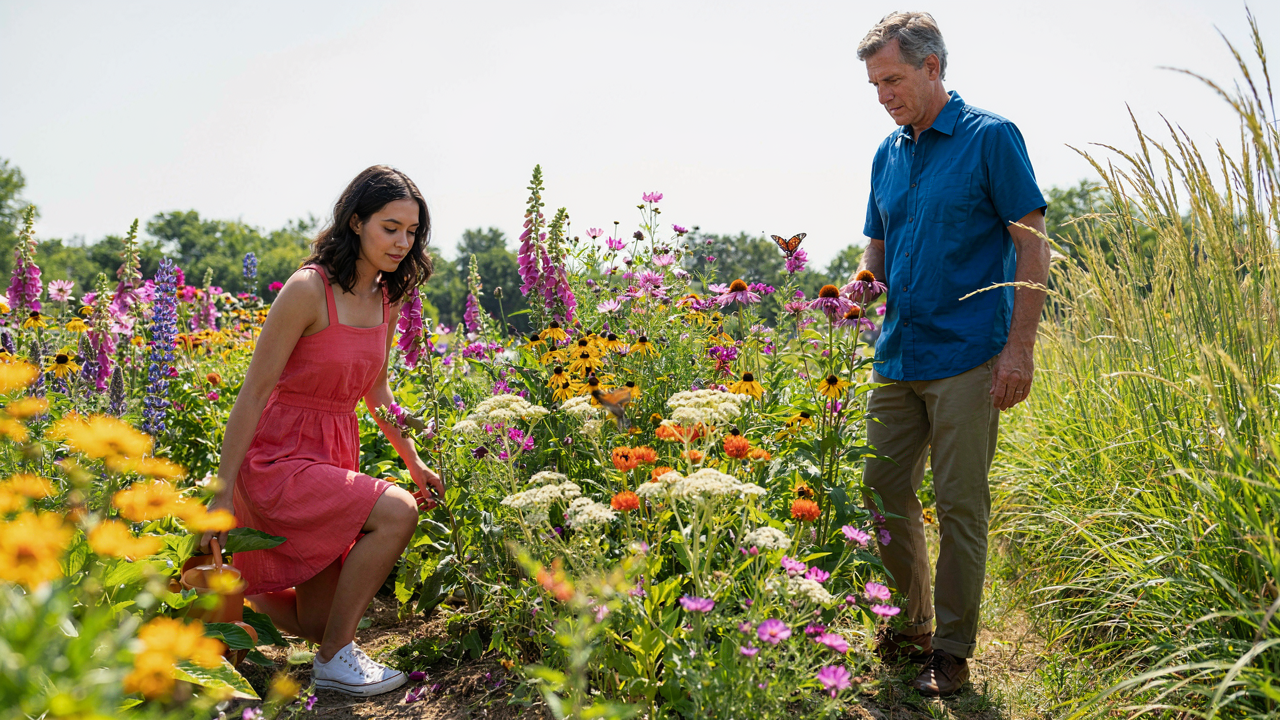
You want the garden to look good on Instagram before it works for anything living in it. That’s the real trap. The mechanism is simple: your eye evolved to spot status markers, not ecological function. A manicured row of ornamental grasses looks intentional. A dense, messy patch of native wildflowers looks like neglect, even when it’s doing 10x the work for pollinators.
This is why most pollinator gardens fail in the first year. You plant what looks sophisticated, not what feeds. The industry knows this. Nurseries stock photogenic plants because they sell better than the unglamorous natives that actually support bee populations. Function requires you to tolerate visual disorder. Most people won’t.
Monoculture Mistakes Kill The System
Ecology teaches us about carrying capacity: the maximum population an environment can sustain. Your garden’s carrying capacity for pollinators collapses the moment you plant one species repeatedly. A bed of only zinnias looks clean and coherent. It starves bees because it offers zero dietary diversity and creates feast-famine cycles through the season.
Monoculture gardens also concentrate pest pressure and disease. One bad aphid year wipes out your entire planting. Native pollinator populations need staggered bloom times from spring through frost, multiple pollen types, and varying nectar concentrations. Achieve this through intentional polyculture: mix early bloomers like native phlox, mid-season plants like black-eyed Susan, and late bloomers like asters. Pollinators track nutrition availability, not visual symmetry.
Functional Blueprint: Mapping Pollinator Garden Layout For Efficiency
How Sunlight, Wind, And Water Intersect
You want pollinators to show up reliably, which means you’re really after predictable insect behavior you can’t actually control. Here’s what matters: microclimate isn’t poetry, it’s applied thermodynamics. Pollinators operate on energy budgets. Cold insects can’t fly. Wind depletes their metabolic reserves. Water availability determines whether they can breed. Position your garden to capture morning sun on the east side so cold pollinators warm up fast. Sheltered zones on the south and west sides let them forage longer into cooler hours.
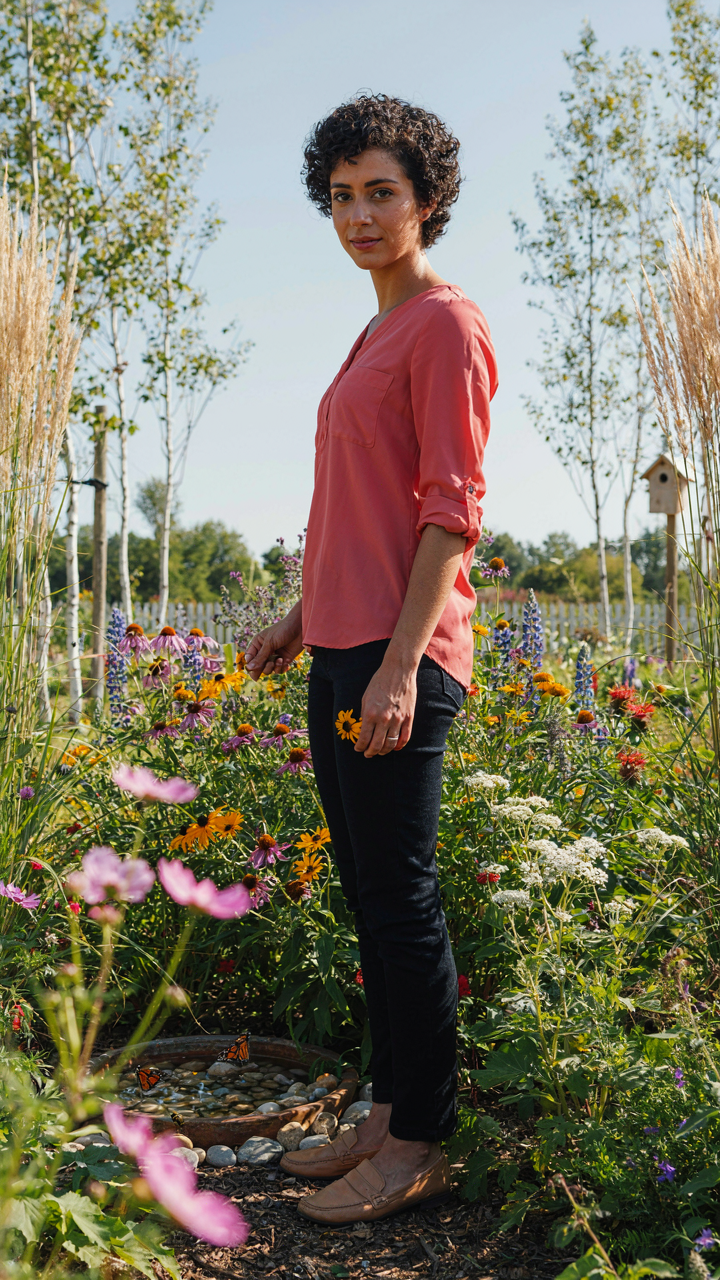
Wind speed matters more than most gardeners admit. Bees stop foraging above 15 miles per hour. Dense plantings act as windbreaks, but you need strategic placement, not a wall. Create a staggered buffer using taller plants on the perimeter, leaving the interior slightly exposed for air movement and disease prevention. Water sources must be shallow and stable, not sitting water. Pollinators drown in open containers. Use pebbles or sand in a shallow dish, or let water collect in leaf axils of bog plants. Place water near nectar sources so foraging trips stay efficient.
Pathways And Refuge Points For Movement
Connectivity in landscape ecology means organisms move between patches using corridors, not scattered islands of habitat. Your garden needs the same principle applied as a literal network, not decoration. Pollinators navigate by visual landmarks and scent, following flowering plants like stepping stones. Design continuous blooms from spring through fall in clusters, not scattered. Group three to five plants of the same species together. This reduces the search effort insects spend flying between flowers and lets them work more densely, gathering more energy per trip.
Refuge zones are non-negotiable. Pollinators need shelter from predators and weather. Dense shrubs, ground covers that stay undisturbed, and leaf litter piles function as overnight and storm refuges. Leave sections of your garden unmulched and unmanicured so native bees and beneficial insects can overwinter in dead stems and soil. Place refuge areas adjacent to your main foraging zones, ideally within ten to fifteen feet. Dense plantings also provide thermal mass on cold mornings and windbreak coverage during foraging hours. This proximity saves energy insects would waste traveling to distant shelter.
The Biodiversity Mandate: Essential Pollinator Plants Beyond The Obvious
Native Plant Power Builds The Foundation
You want to feel like you’re doing something good without actually learning your region’s ecology. Here’s the mechanism: native plants evolved alongside your local pollinator species. Their root systems, bloom timing, and nectar profiles match what bees, butterflies, and other insects need to survive. When you plant non-natives, you create a garden that looks planted but functions like a dead zone.
Native plants aren’t a preference. They’re the operating system. Everything else is decoration bolted onto infrastructure that doesn’t work.
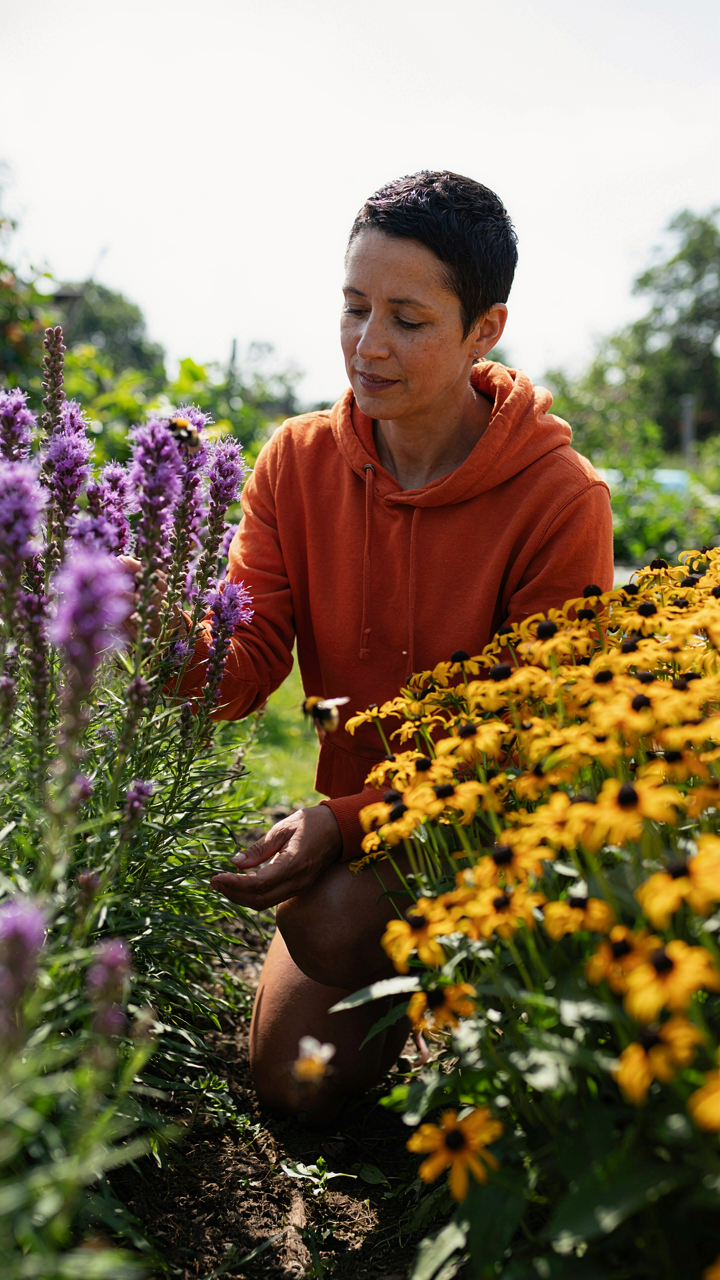
- Black-eyed Susan (Rudbeckia): Blooms mid-summer through fall with flat landing platforms. Native to eastern and central North America. Attracts native bees and butterflies consistently across the season.
- Wild Bergamot (Monarda fistulosa): Tubular flowers appear July through September. Native to prairies and woodlands. Key nectar source for bumblebees and hummingbirds in dry conditions.
- Blazing Star (Liatris): Vertical spike flowers bloom midsummer. Native to grasslands. Attracts sweat bees and butterflies. Tolerates poor soil better than most native alternatives.
- Coreopsis (Tickseed): Light yellow or red flowers bloom June through August. Low maintenance native. Attracts small native bees and provides long blooming window with minimal inputs.
- Ironweed (Vernonia): Purple clustered flowers appear late summer through fall. Native to eastern and central regions. Critical late-season food source when other plants stop producing nectar.
The work isn’t selecting plants. It’s removing everything that isn’t native first. Clear the space. Amend soil if your region’s natives need it. Then install natives at proper spacing so they establish root systems before competing for water. This takes two seasons minimum.
Staggered Bloom Cycles Keep Forage Flowing
Most people plant for spring and abandon their garden by July. Biology doesn’t work that way. Pollinators need food sources from emergence through breeding season and into dormancy. If you stop feeding them in August, you’ve wasted the entire investment.
Staggered blooming is supply chain management for insects. Early bloomers emerge as pollinators wake from dormancy. Mid-season plants sustain populations through breeding. Late bloomers fuel fat storage for winter survival. You design the calendar by selecting species that peak at different times.
Start by mapping bloom windows. Early bloomers like native phlox and trillium peak April through May. Mid-season species like coneflowers and bee balm peak June through August. Late bloomers like asters and ironweed peak September through November. You need at least three species at each phase, spread across your garden to ensure continuous access.
The execution step: plant in blocks, not rows. Three to five plants of one species per block, then another block of a different species nearby. This gives pollinators clear target areas and lets you observe which species performs in your exact microclimate. Track bloom dates on paper for two seasons. By year three, you’ll know exactly when gaps appear and what to add next.
The Bee Garden As An Industrial Zone: Maximizing Worker Output

Nectar And Pollen Returns On Investment
You want a garden that looks intentional, not like you stumbled into something. Here’s what actually matters: bees operate on pure energy math. Nectar and pollen are their only currency. Treat plant selection like capital allocation. Economics teaches us ROI—return on investment. In pollinator gardens, ROI is the caloric yield per flight hour. A plant that blooms for two weeks produces terrible returns. One that produces consistent nectar and pollen across four months is industrial infrastructure.
Most people plant for visual variety and call it done. Wrong move. You need density and succession. Calculate bloom windows across species so nectar flows year-round without gaps. Borage, phacelia, and buckwheat deliver fast returns in summer. Fall asters and goldenrod extend the season when bees still need calories before dormancy. Spring crocuses and pulmonaria start the cycle early. Stack these deliberately. A bee that travels less distance to find food spends more energy foraging rather than searching.
Flight Paths That Eliminate Wasted Motion
Bees don’t wander your garden for aesthetic reasons. They’re solving a logistics problem. Design your beds to reduce search time and flight distance. Cluster plants of the same species together in blocks rather than scattering singles across the space. A pollinator moving between three concentrated patches of pollen works harder but covers less total ground than one hopping between ten isolated plants.
The mechanism is simple: physical proximity cuts search costs. Group tall plants on the north side so they don’t shade lower bloomers. Position high-nectar flowers within visible distance of entry points to your garden. Place early-season bloomers near established perennials so bees land once and forage a clustered zone. This reduces the flight paths into straight lines instead of random scatter patterns. Route matters more than variety.
Low Maintenance Pollinator Garden: The Self Sustaining System
Build Soil Before You Plant Anything
You want a pollinator garden that doesn’t demand weekends. That desire is legitimate, but it’s rooted in avoiding the real work upfront. Soil health is the foundation of resilience, and like any foundation, you build it before the structure goes up. Most gardeners skip this because it’s invisible and takes time.
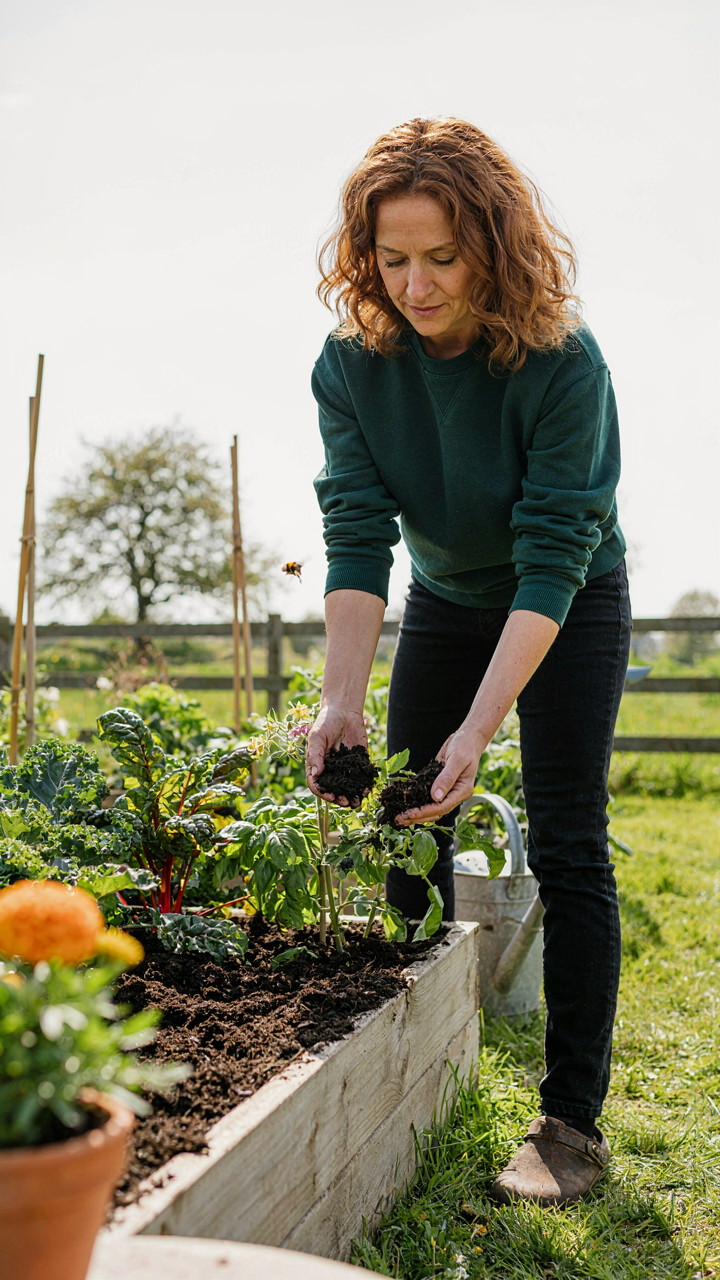
Biology teaches us about feedback loops. In soil ecology, one feedback loop matters most: organic matter feeds microbes, microbes unlock nutrients, nutrients strengthen plants, and strong plants drop more organic matter. You interrupt this loop by tilling, spraying, and replanting annually. Instead, layer 2 to 3 inches of finished compost over your garden bed and let it integrate naturally. This takes one season but compounds every year after.
When Doing Less Actually Works
The common advice says maintain your garden constantly. That’s wrong. Constant pruning, deadheading, and cleanup exhausts you and disrupts the habitat pollinators need. Strategic neglect means removing only what blocks growth or introduces disease, then stopping. Dead stems provide nesting sites for mason bees and other solitary bees. Leaf litter houses beneficial insects through winter. Spent flower heads feed goldfinches and seed predatory beetles.
Your job is removing invasive species and thinning dense growth to prevent fungal issues. That’s it. Do this once or twice yearly, ideally in early spring and late fall. Everything else pollinators handle themselves once the system reaches equilibrium, which takes about two seasons.
The Wildlife Gardening Imperative: Habitat Beyond Flowers

Where Pollinators Actually Live
You want pollinators in your garden because it signals ecological intelligence to visitors. But here’s what gets missed: flowers alone are scenery. Pollinators need three material conditions to survive—nowhere else matters. Using ecological terminology, nesting sites function as the “niche” in habitat design. Without them, your garden is a restaurant with no bedrooms.
Ground-nesting bees comprise 70% of native bee species in most regions. They need bare or sparsely vegetated soil, undisturbed through spring and summer. Stem-nesting insects require dead plant material, hollow reeds, or drilled wood blocks. Leave leaf litter. Don’t clean obsessively. Deadwood stacked in corners isn’t neglect—it’s infrastructure.
Water Remains Non Negotiable
Most pollinator garden advice skips water entirely. This is a blind spot. Bees, beetles, butterflies, and moths all require water to regulate body temperature and reproduce. A shallow dish refilled daily works. So does a rain barrel overflow or a small sunken basin with pebbles for landing surfaces. Pollinators drown in open water, so substrate matters.
Standing water breeds mosquitoes if stagnant. Change water every two to three days or use a recirculating system. Position water sources within 10 feet of flowering plants so pollinators don’t waste energy traveling. This is pure logistics: minimize travel distance between food, water, and shelter.
The Invasive Species Threat: Protecting Your Pollinator Investment

Identify And Remove Invasive Plants
You care about this because invasive species will destroy your pollinator garden faster than you can build it, and most gardeners don’t realize they’re planting the problem themselves. Invasive plants operate on a principle borrowed from ecology called competitive exclusion: they outcompete native plants for resources so aggressively that natives simply vanish. Once established, they require constant pressure to manage. You cannot ignore them and expect your pollinator population to thrive.
Scan your garden quarterly for aggressive spreaders native to your region. Look for plants that spread faster than you planted them, crowd out neighbors, or appear in areas where you never seeded them. Common culprits vary by location: purple loosestrife in wetlands, buckthorn in woodlands, garlic mustard in shaded areas. Pull or cut these before they set seed. Document what you remove and when, so you recognize patterns and catch infestations early.
Select Native And Certified Sources
Most garden center advice stops at “choose native plants,” but that ignores the mechanism that matters: seed source contamination. Seeds from commercial suppliers sometimes carry invasive species as contaminants or are sourced from invasive parent plants bred for garden traits. Responsibility begins before planting. Buy from native plant nurseries certified by your regional native plant society, not from generic mass-market retailers stocking hybrids and their genetic cousins.
Research each plant’s origin before purchase. Ask nurseries directly about seed sources and whether cultivars have been tested for invasiveness in your climate zone. Some native plants hybridize with non-natives in garden conditions and produce offspring that escape. Stick to straight species and cultivars explicitly documented as non-invasive in your region. This step separates gardeners who understand the system from those who just follow a checklist.
The Pest Management Protocol: Beyond Organic Dogma
Know When To Do Nothing
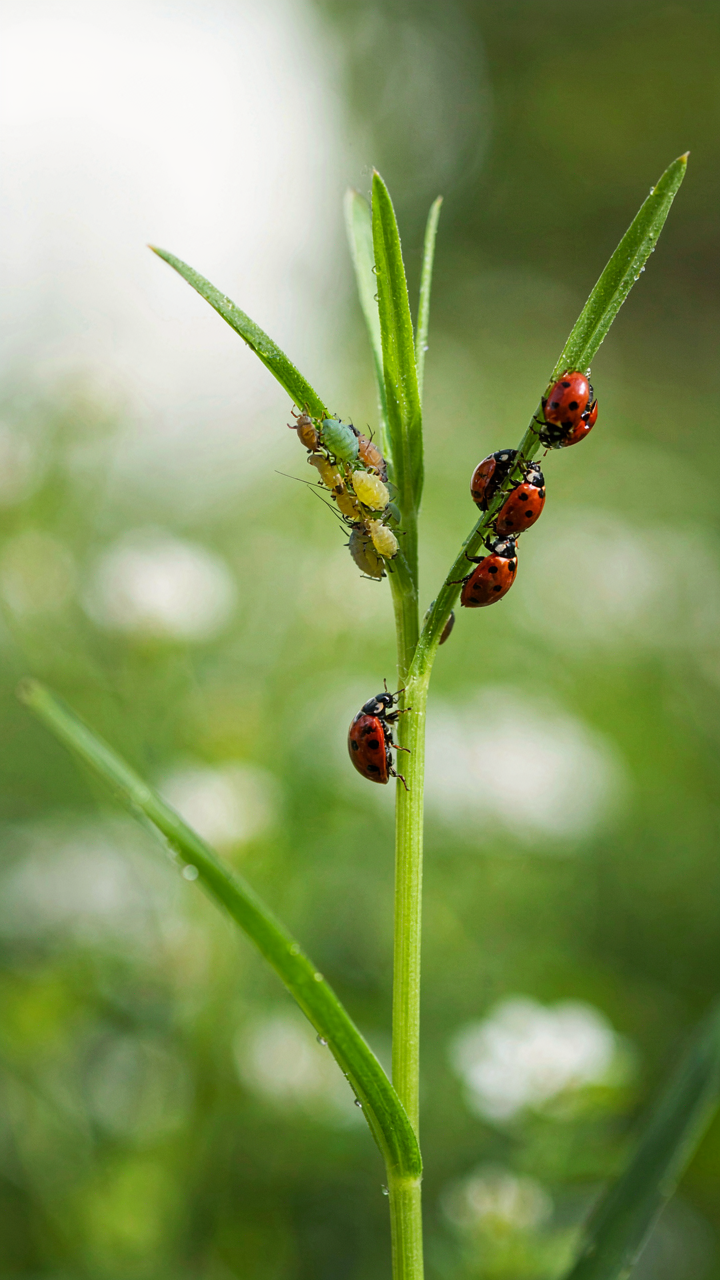
You want permission to spray something because inaction feels like failure. Here’s the mechanism: pest populations in pollinator gardens self-regulate through predator-prey cycles. Most garden damage you see never reaches economic threshold. Aphids spike, ladybugs arrive weeks later, balance restores. Your job is monitoring, not reacting. Count pest density on five random plants weekly. Document the lag before natural predators show. This data kills the urge to intervene prematurely.
The organic dogma says “never use chemicals.” That’s incomplete. It should say “intervene only when pest count exceeds your tolerance and natural controls haven’t arrived.” Neem oil, insecticidal soap, and sulfur dust work fast but kill beneficial insects too. Time any application for evening when pollinators rest. Spray only affected plant clusters, not the whole garden. Precision matters more than the product label promises.
Build The Predator Recruitment System
Ecology teaches trophic levels, the energy pyramid where top predators depend on abundant prey. Import this concept directly: your garden needs a three-tier predator stack, and each tier requires specific habitat. Ground beetles hunt soil larvae and slugs, need mulch and dense perennials to shelter. Parasitic wasps need host plants where their prey congregates, plus nectar and pollen for adults. Hover flies require open flowers and bare soil patches to complete their lifecycle. The common advice stops at “attract beneficial insects.” The real mechanism is habitat layering for different predator lifecycles.
Build this deliberately. Plant densely enough that predators find prey-dense microclimates. Leave patches of bare soil or low mulch for ground beetles to traverse. Space flowering plants so hover flies can land and navigate. Install a shallow water source near predator shelters. Add a native brush pile in a corner for beetles and spiders to overwinter. Test the system by releasing a known pest population in spring and measuring predator arrival time. Adjust density and spacing based on how quickly they colonize and control the problem.
Winter Resilience: Designing For Year Round Pollinator Support

Leave The Mess Behind
You want your garden to look intentional year-round, not abandoned. Here’s the mechanism: most overwintering pollinators don’t migrate or die off. They shelter in dead plant material, leaf litter, and hollow stems. A tidy fall cleanup kills them. The economics of pollinator garden design rewards neglect in the right places.
Leave leaf litter undisturbed in designated zones. Don’t mulch beds heavily in fall. Let stems stand through winter—they’re not ugly, they’re infrastructure. Cut perennials down in late winter only, after the coldest temperatures pass. Native bees, beetles, and butterflies survive in this dead matter. Remove it, and you remove your spring pollinator population.
Early Spring Bloomers Feed The Hungry
Winter-starved pollinators emerge to nothing. A late frost kills the first soft leaves. They need nectar and pollen before anything else blooms. This is basic energy economics: supply must meet demand the moment demand returns, or pollinators die or abandon your garden.
Plant winter aconite, hellebores, early crocuses, and snowdrops in groupings where they’ll be visible from your garden’s edge. These flower when soil temperature rises above 40 degrees, not on calendar dates. Don’t scatter them. Density matters—pollinators need to find food in a concentrated patch, not hunt across bare ground. Your job is creating a refueling station, not decoration.
Measuring Impact: Beyond Anecdotal Sightings

How To Document What Actually Shows Up
You want proof your garden works because saying “I saw more bees” sounds weak and you know it. Here’s the mechanism: citizen science uses standardized observation protocols so your data stacks against thousands of other gardens, turning anecdotal into actual evidence. The field of ecology borrowed this rigor from the scientific method itself, and your pollinator garden becomes a data point instead of a feeling.
The simplest protocol is a timed count. Pick a sunny day between 10 AM and 3 PM. Walk a fixed path through your garden for exactly 15 minutes. Note every pollinator you see, the plant it visits, and the time. Do this the same day each week. Inconsistent observers ruin datasets, so if someone else does it, train them first. Consistency beats accuracy when you’re building a baseline.
Understanding Real Success Metrics
Most people assume more pollinators means your garden won. Wrong. Real success is species diversity and repeat visits to the same plants. If you see 50 honeybees and nothing else, you’ve built a monoculture buffer, not a thriving system. Track which species return, how often, and to which flowers. That tells you which plant selections actually fuel reproduction cycles, not just feeding.
Document bloom timing alongside pollinator visits. A plant that flowers when no pollinators need food is ornamental, not functional. Cross-reference your weekly counts against a phenology calendar for your region. When native pollinators cluster on certain plants during specific weeks, you’ve found the load-bearing flowers. That’s the data that reshapes your next design iteration.
The Only Thing Truly Holding Your Pollinator Haven Back Is Your Human-centric View Of Beauty

You’ve been trained to believe a garden must look “finished” to matter. Manicured. Controlled. Safe. But pollinators don’t care about your aesthetic rules. They care about chaos. Overgrown corners. Dead wood. Native plants that look scraggly in winter. Drop your perfectionism today. Let one patch of your yard go wild. Ugliness to humans is a five-star resort to bees, and that’s where your real garden begins.



