

The Drainage Delusion: Why Most Succulents Terracotta Pots Fail
Terracotta Porosity And What Actually Happens
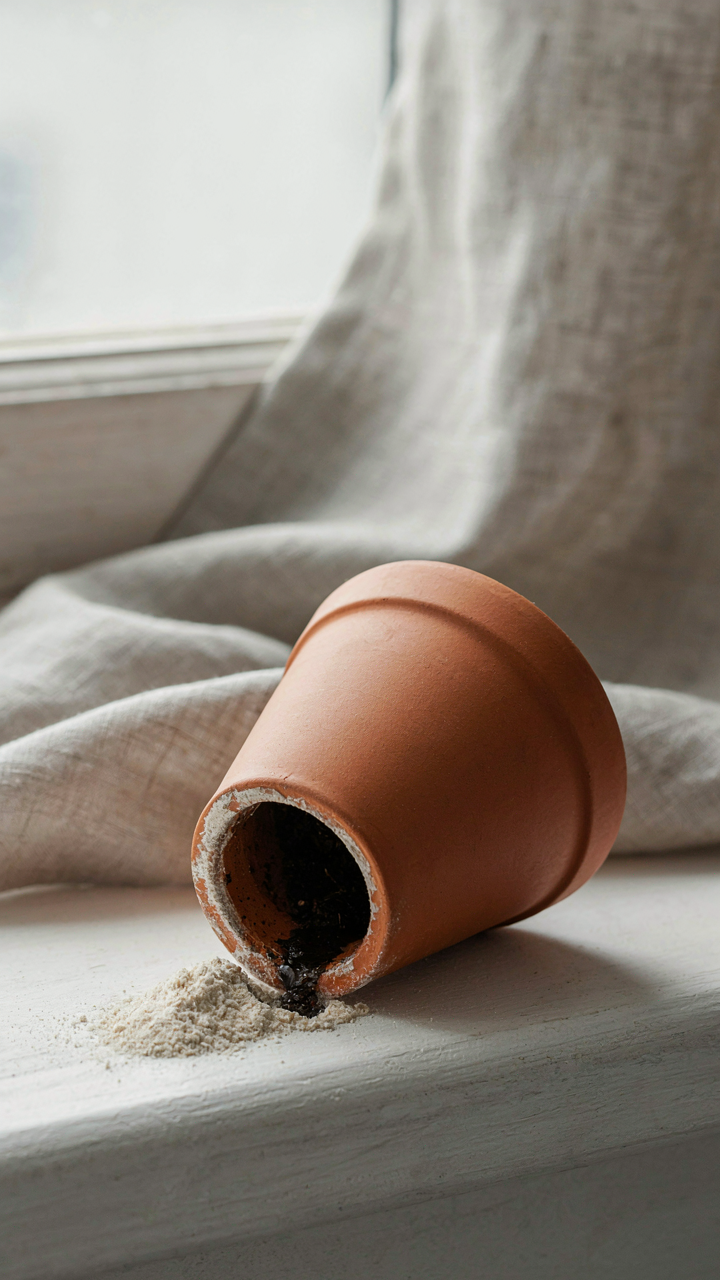
You want terracotta because you’ve heard it’s porous and “breathes”—that’s the status play, the shorthand that makes you sound like you know plants. Here’s what actually happens: terracotta is porous, but porosity isn’t a drainage system. It’s a material property that allows water vapor to pass through the walls. The real mechanism at work comes from capillary action—the same physics that moves water up a paper towel. Terracotta pulls water upward and outward through its walls, which means the soil near the sides dries faster than soil in the center.
This creates an uneven moisture gradient. The edges of the pot dry quickly, but the core stays wet longer. Succulents sitting in that wet core develop problems not because terracotta failed, but because you’ve created a false confidence. Terracotta doesn’t guarantee drainage. It only speeds evaporation from the sides. If your soil is wrong, if you water on a schedule instead of checking conditions, or if the pot sits on a surface that blocks airflow underneath, terracotta’s advantage disappears entirely.
Root Rot Isn’t Just Overwatering
The standard advice says root rot comes from watering too much. That’s incomplete and misleading. Root rot results from oxygen deprivation in wet soil over time. Soggy soil excludes air. Roots suffocate. Anaerobic bacteria and fungi move in because they thrive in that environment. You can overwater once and recover. Root rot develops when conditions stay wrong for days or weeks.
Terracotta pots sit on windowsills, shelves, and tables that touch solid surfaces. If the drainage hole contacts the surface directly or gets blocked by dust and mineral deposits, water doesn’t exit the pot at all. The pot holds moisture. The soil stays saturated. Roots begin to die. The decay accelerates. Your job isn’t to never water deeply. Your job is to verify water actually leaves the pot and doesn’t pool underneath it. Check the drainage hole monthly. Clear it. Ensure air moves beneath the pot.
Soil’s Secret Society: What Your Succulent Garden DIY Needs
Why Commercial Mixes Fail
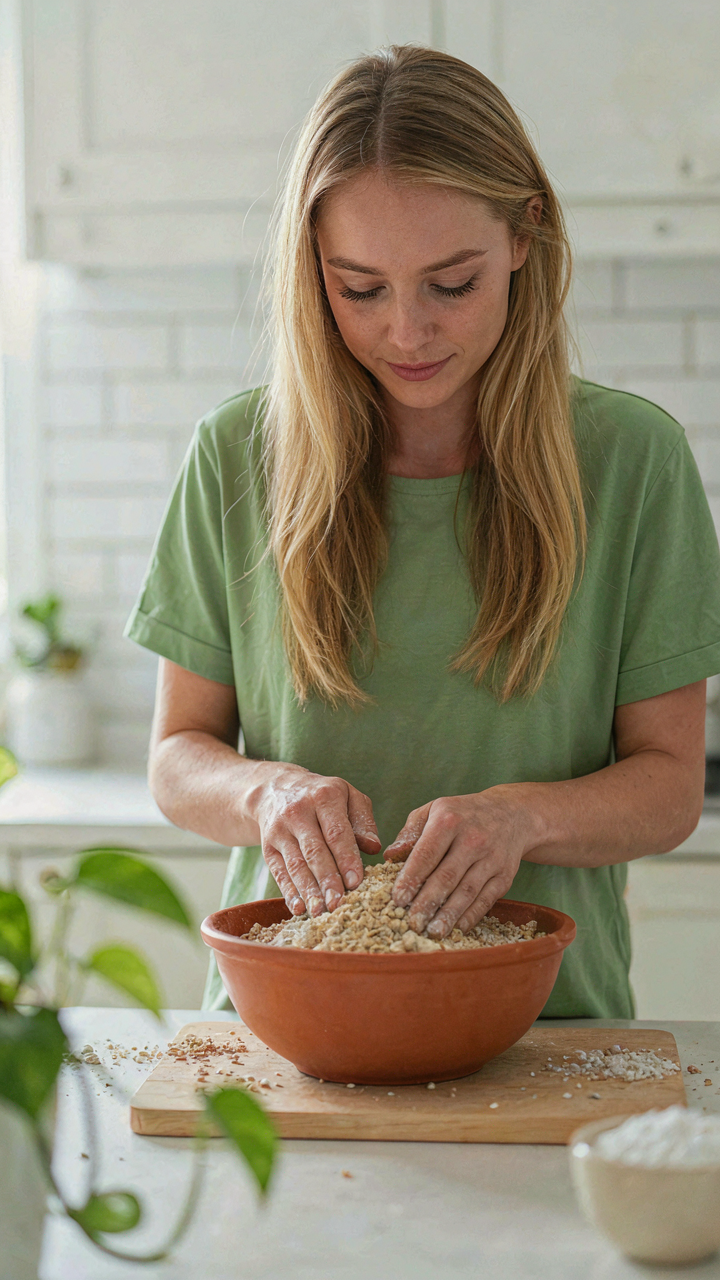
You want to believe buying pre-made soil saves time and protects your investment. It doesn’t. The real mechanism at work here is moisture retention. Commercial potting mixes are engineered to hold water for plants that need consistent hydration. Succulents need the opposite. That moist environment kills them through root rot before you realize what happened.
Most bagged mixes contain peat, coco coir, or compost as their base. These materials wick water up into the soil column and keep it there. In a terracotta pot, where evaporation already works in your favor, this becomes a death sentence. The plant suffocates at the roots while you think you’re doing everything right.
The Components That Actually Work
Drainage is not a feature you add to soil. Drainage is the soil. The fundamental principle from civil engineering applies directly here: permeability determines the system’s capacity to shed unwanted material. Your succulent soil must allow water to exit immediately, not cling to particles.
- Coarse Sand: Sharp, angular sand with particles 1-3mm in diameter creates air pockets that refuse to hold moisture and won’t compact over time.
- Perlite or Pumice: Volcanic minerals that remain inert, stay lightweight, and maintain structural space within the soil mix for years without breaking down.
- Gritty Aggregate: Small stones or bark pieces add zero nutritional value but maximize drainage and prevent soil consolidation in the pot.
- Minimal Organic Matter: A small portion of quality compost or cactus-specific soil, no more than 20-30% of total mix, provides trace nutrients without retaining excess moisture.
- Terracotta’s Natural Advantage: The pot itself contributes to the system by wicking moisture through its porous walls, creating passive evaporation that protects roots.
The ratio that works consistently is 40% coarse sand, 30% perlite or pumice, 20% gritty aggregate, and 10% quality compost. Mix these components yourself every time you pot a succulent. You control the exact drainage rate instead of guessing what some manufacturer prioritized for their warehouse operation.
The “Neglect & Thrive” Protocol: Low Maintenance Succulent Care
Water Less Than You Think You Should
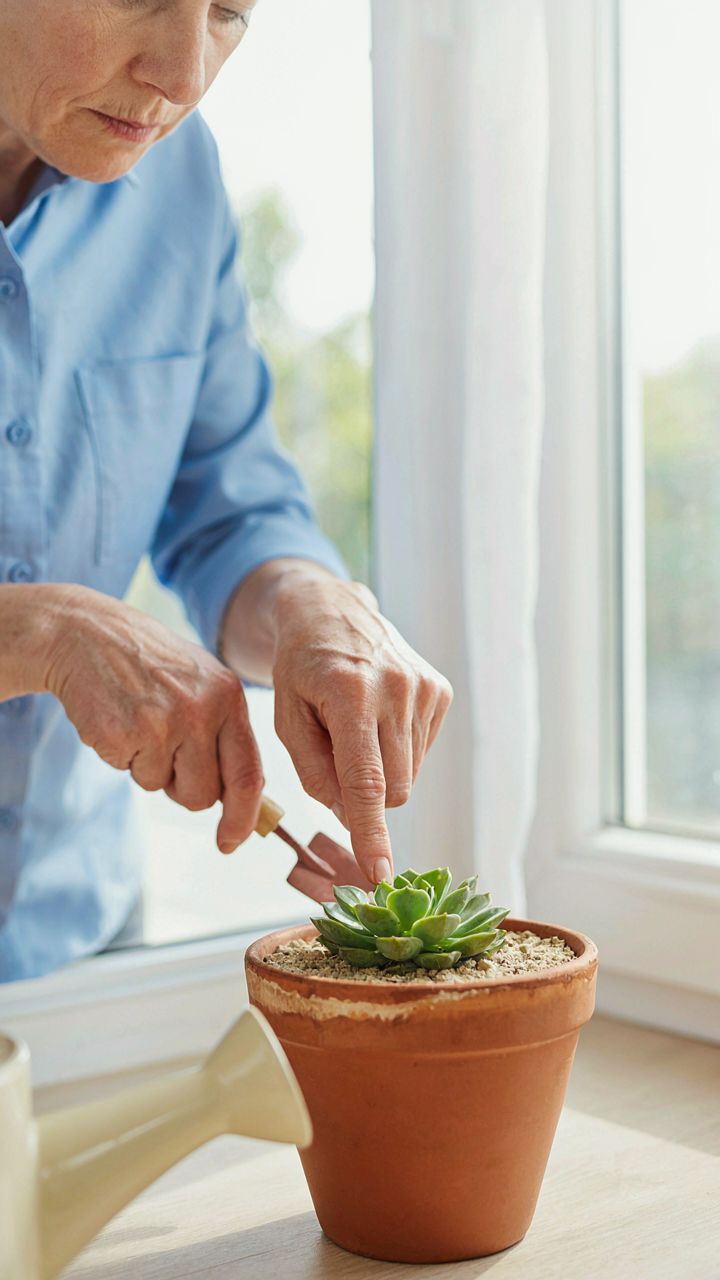
You want proof that your plant survives without you. That’s the real reason you’re reading this. Here’s the mechanism: terracotta is porous. It wicks moisture from soil to air faster than plastic or ceramic. Most succulent deaths happen because owners water on a schedule instead of reading soil condition. The soil dries completely in terracotta pots within days, not weeks. That’s the system working.
Check soil moisture by inserting your finger two inches deep. Water only when the soil is bone dry at that depth. In winter, extend the interval between waterings by half. Overwatering in cold months kills more terracotta succulents than any other single cause because evaporation slows while roots still rot in sitting water. One deep watering every two to three weeks during growing season is the standard protocol, not daily misting or weekly sprinkling.
Desert Light, Not Window Sill Light
Borrowing from ecology: succulents are xerophytic specialists, meaning they’ve adapted to thrive in low-water, high-light environments. Most indoor setups replicate a shaded understory instead of open desert. Your living room window is not the Mojave. Succulents stored in moderate indoor light stretch toward the source, becoming pale and weakened. They lose the compact density that makes them visually striking in terracotta.
Position pots in direct sunlight for at least four to six hours daily. South or west-facing windows work best in northern climates. If natural light falls short, succulents tolerate grow lights placed four to six inches above foliage. Etiolation, the scientific term for that weak stretching, becomes visible within weeks of insufficient light. Once it starts, you cannot reverse the damage in existing leaves. The only fix is propagation from healthy growth or relocation to brighter conditions immediately.
Placement Perfection: Succulent Container Ideas Outdoors
When Direct Sun Becomes A Liability
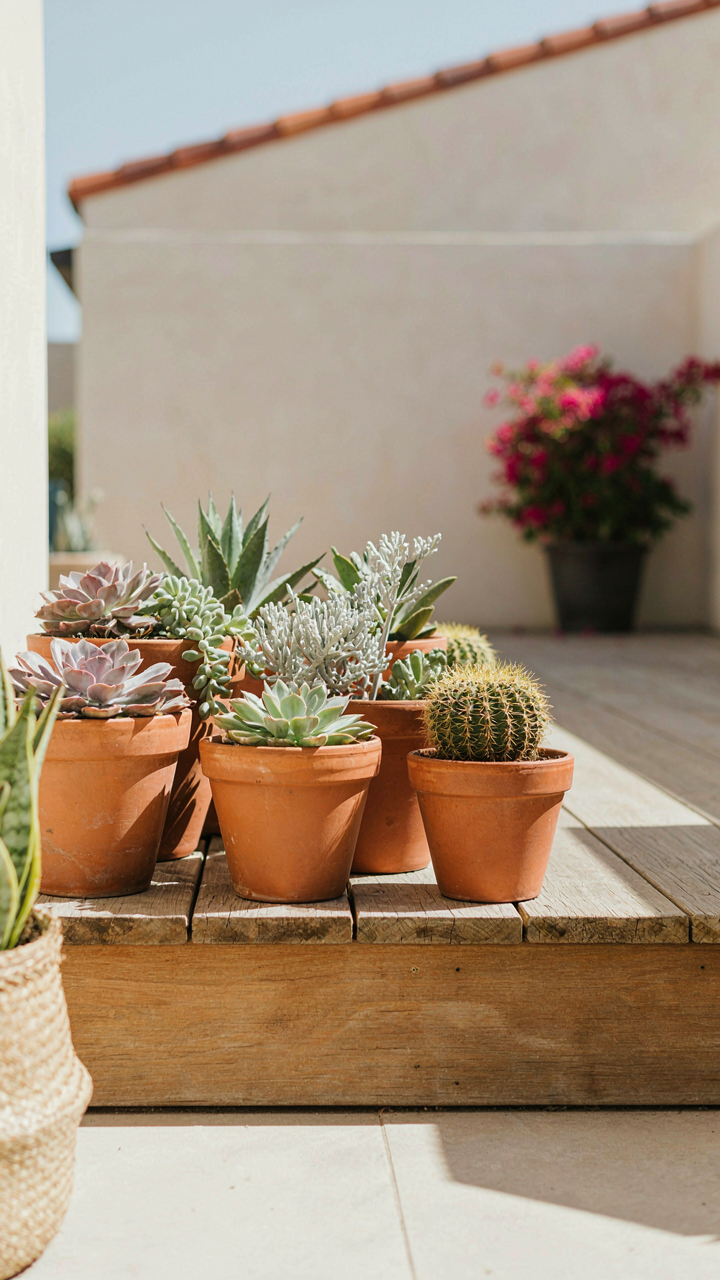
You want your succulents to look thriving in photos, which means you think full sun is the answer. It’s not. The mechanism is simple: terracotta is porous. It absorbs heat from direct sun and transfers it straight to soil and roots. In peak summer, soil temps inside a dark pot exceed 130 degrees Fahrenheit. Most succulents survive this, but thrive at 70-85 degrees. Partial shade during afternoon hours cuts interior pot temps by 20-30 degrees.
Full sun isn’t constant across seasons or climates. Morning sun for 4-6 hours produces compact growth and color. Afternoon exposure in hot zones burns foliage and dries soil faster than roots can compensate. East and north-facing placements work better than south or west for most outdoor setups. The real variable is intensity, not duration. Observe where your pots sit at 2 PM in July, not just where sun appears at 10 AM in spring.
Air Movement Prevents The Silent Killer
Humidity and stagnant air are what actually kill outdoor succulents, not lack of water. Borrow from physics: evaporative cooling requires air movement. Without it, moisture accumulates around foliage and soil surface. Fungal rot starts here, spreads invisibly for weeks, then kills the plant overnight. You think the succulent failed. It didn’t. The setup failed. Place pots where wind or breeze flows consistently, not against walls or dense structures. Spacing matters too. Succulents clustered tightly trap moisture between them and create microclimates that rot roots before you notice.
Elevation beats ground placement. Tabletops, shelves, and risers expose more pot surface to air circulation. Terracotta’s breathability becomes an asset when air moves across it. Position containers at least 6-12 inches from walls and other obstacles. In humid climates, treat air movement as non-negotiable as watering frequency. The pot that gets breeze survives neglect. The one in still air dies from care.
Repotting Rhythm: The Unspoken Rule Of Terracotta Pots

When To Move Them
You want to repot because you think your succulent looks cramped, but that’s the fear talking. The real mechanism is root density. Terracotta breathes, which means it dries faster than plastic, forcing roots to work harder and pack tighter into available space. When roots circle the pot’s interior wall consistently, they’ve exhausted oxygen access. That’s your signal, not visual crowding.
Check the drainage hole monthly. Roots emerging underneath mean the plant exhausted the soil’s nutrient capacity and water retention. A succulent sitting in the same terracotta for 18 to 24 months typically needs movement. Lift the pot and feel its weight after watering—if it dries within two days instead of five, the root mass has compressed the soil and reduced water-holding ability. Move it before the plant starts etiolating or developing soft spots from inconsistent moisture.
Stress Transfer
Biology calls this transplant shock. In succulents, the mechanism is dehydration during root exposure. Most advice says water before repotting—wrong. Dry roots are harder and less likely to break during handling. Wet roots are fragile and absorb pathogens faster once you cut or damage them.
Work fast but without rushing. Remove the succulent, let excess soil fall away naturally, and examine the roots. Trim any that are dark, mushy, or smell fermented. Repot into fresh, bone-dry terracotta soil mix within 10 minutes of removal. Wait seven days before watering. This protocol lets wounded roots callus over and prevents rot before the plant resumes water uptake. The delayed watering is the mechanism that prevents 90 percent of post-repotting failures.
The Symbiotic System: Optimizing Your Desert Potted Plants Patio

Companion Planting Through Micro Ecosystem Design
You want your patio to look intentional, not like you grabbed whatever was on sale. The real mechanism here is resource competition. In biology, species coexist by exploiting different niches in the same space. Your terracotta pot arrangement works the same way: each succulent occupies a different light zone, root depth, and water retention layer, which means they thrive together instead of fighting for the same resources. Most people just throw compatible plants in one pot and call it done. That misses the point entirely.
The setup requires mapping three variables before you plant. First, identify which succulents need direct sun versus partial shade, then layer them vertically so taller varieties don’t block shorter ones from light. Second, match root depths: shallow-rooted sedums on top, deeper aloe species lower. Third, vary watering tolerance so you’re not overwatering drought-resistant plants while trying to keep moisture-hungry ones alive. This isn’t aesthetic choice. It’s structural engineering that prevents one plant from sabotaging another.
Resource Allocation And Strategic Container Placement
Economics calls it opportunity cost: you gain one thing, you lose another. In terracotta pot arrangements, your constraint is container volume and available sunlight. You can either maximize plant density or maximize individual plant vigor. Both won’t happen simultaneously. Most guides ignore this trade-off and pretend you can do both.
Choose density only if your goal is visual coverage and you’re willing to repot plants within two to three years as they outgrow the space. Choose vigor if you want established specimens that don’t need intervention. Then decide placement based on that priority. A south-facing patio with daily direct sun lets you stack more high-demand varieties close together. A partially shaded area forces you to spread plants wider and accept fewer total specimens per container. Document your light hours over a week before committing pots to position. This measurement prevents the most common failure: placing light-hungry echeveria in shade and watching it stretch and weaken.
Winter Warfare: Protecting Your Succulent Garden
The Relocation Strategy
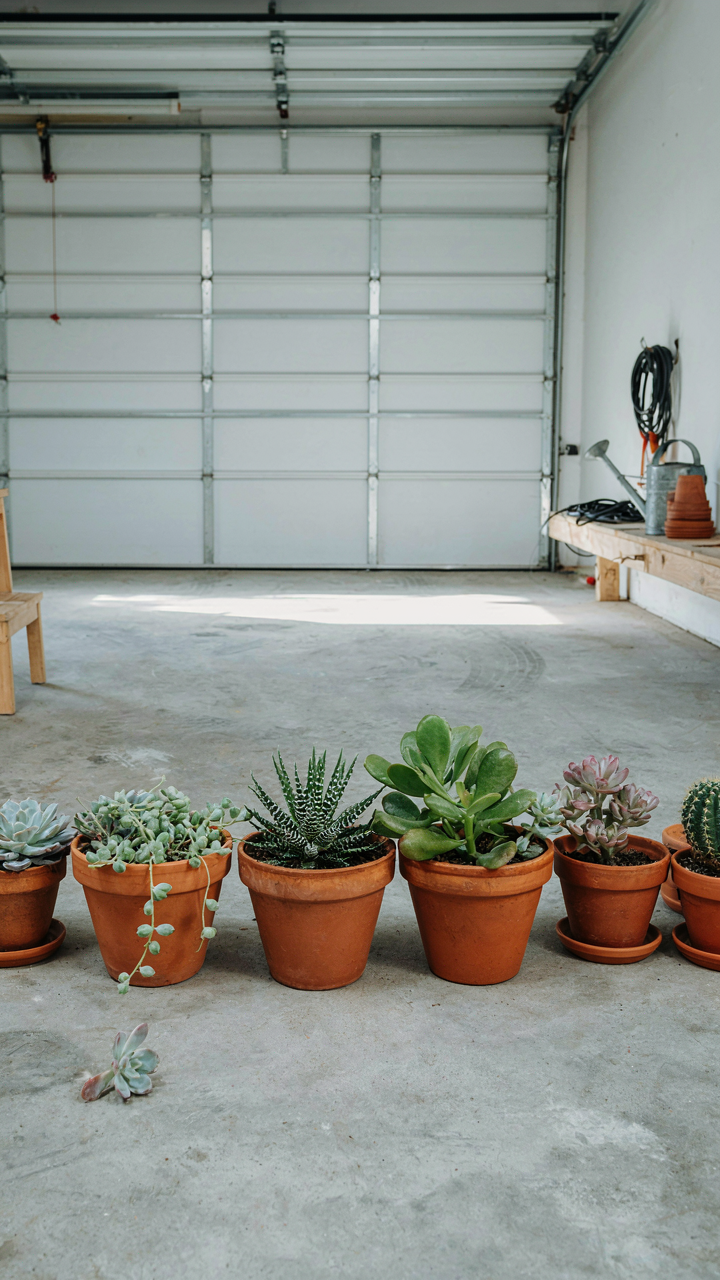
You’re worried about losing your investment and your reputation as someone who can keep plants alive. Here’s the mechanism: terracotta pots amplify temperature swings because the material itself conducts heat rapidly. In winter, this works against you. A pot sitting outside at 28 degrees Fahrenheit will drop the soil temperature faster than a plastic container would. Succulents don’t die from cold exposure alone, they die from the speed of the temperature crash combined with wet soil. The fix is simple relocation before the first hard frost hits your region.
Move pots indoors or to a protected microclimate like an unheated garage, south-facing wall, or covered porch at least two weeks before temperatures dip below freezing. The terracotta itself needs this buffer time too. Cold terracotta that’s still wet will crack when exposed to freeze-thaw cycles. The mechanism here is material physics: water expands when frozen, and terracotta is porous enough to absorb moisture from the soil. You’re not babying your plants by moving them. You’re preventing structural failure of the container and root damage from the temperature velocity, not the temperature itself.
The Minimal Intervention Protocol
The common advice tells you to stop watering entirely and move plants to a bright window. That’s incomplete. Dormancy in succulents isn’t binary sleep. It’s biology’s version of resource rationing, and you need to match that strategy exactly. Most succulents in temperate zones enter dormancy between November and February, but the trigger isn’t cold. It’s reduced daylight hours. Your job is to do almost nothing, because intervention kills dormant plants faster than neglect does.
Water only when soil is bone dry, which in winter might mean once every four to six weeks depending on your indoor humidity and temperature. Never water on a schedule. Check the soil by pressing your finger two inches down. If it feels damp, walk away. Succulents stored in terracotta indoors will still transpire through the pot walls, so the soil dries faster than you’d expect. Place pots in the brightest available indoor location, but don’t rotate them or move them around. Dormant plants handle stress poorly. Leave them where they are until spring growth resumes and daylight hours increase again.
Beyond Basic Succulent Pots: Advanced Aesthetics
The Asymmetry Principle
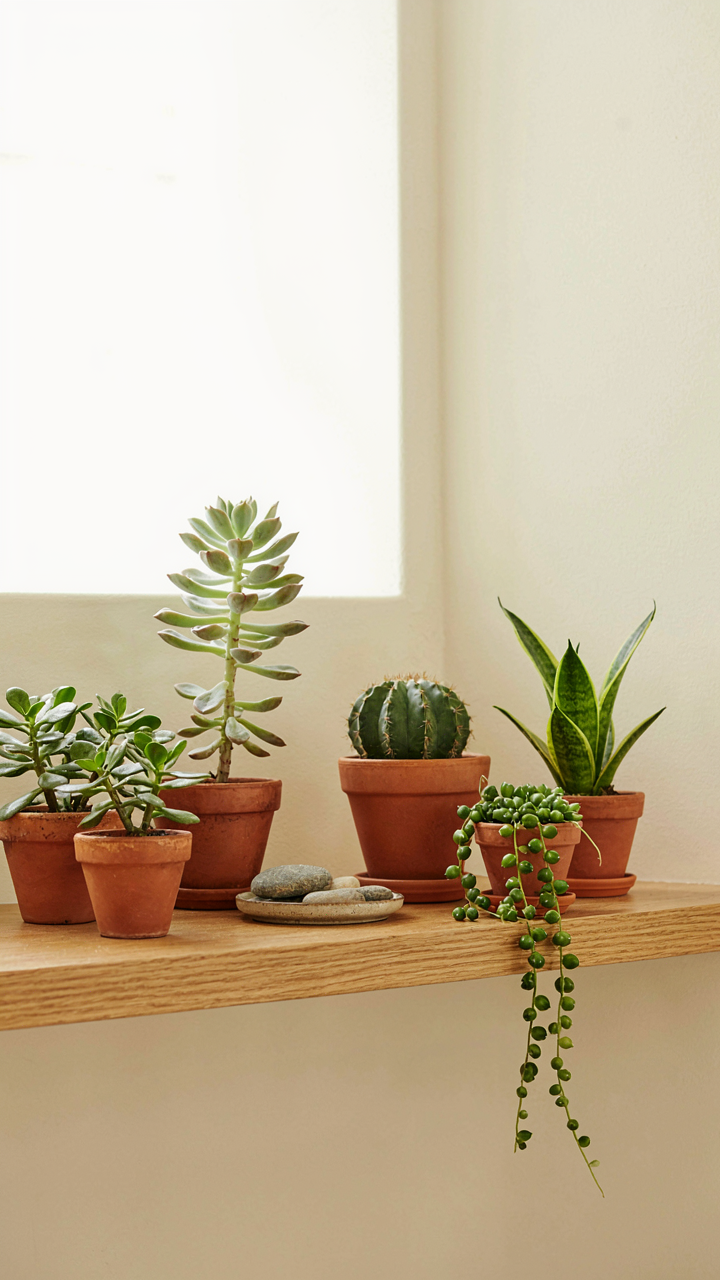
You want people to notice your arrangement and assume you have taste. That’s the real driver here. The mechanism is asymmetry, borrowed directly from visual design theory. In composition, asymmetry creates tension and holds attention longer than symmetry does. Apply this to terracotta pot succulents by breaking the obvious patterns. Don’t center everything. Don’t line pots in rows. Plant heights, pot sizes, and color distributions should feel intentional but unbalanced, forcing the eye to work through the arrangement rather than dismiss it in one glance.
The difference between a scattered collection and a curated display comes down to one decision: negative space. Cluster some pots close together, leave gaps elsewhere, vary the depth by staggering placement forward and back. Terracotta’s warm tone becomes an asset here because it recedes slightly when you control what surrounds it. This isn’t about randomness. Every placement should serve the visual path you’re building. Start by identifying your focal point, then build asymmetrical weight around it.
Isolation Over Accumulation
Most advice tells you to create abundance by cramming pots together. That’s wrong. The opposite move generates impact. Museums and high-end plant retailers use negative space deliberately because emptiness around an object amplifies its presence. With terracotta pot succulents, one well-placed arrangement on a shelf outperforms five scattered across the same surface. Choose your best specimens, place them where light hits them directly, and leave room for air to move around them visually.
The staging protocol is simple. Identify one primary focal piece, usually a mature succulent in a larger terracotta pot with distinct form or color variation. Position it slightly off-center on your display surface. Leave at least twelve inches of empty space on one side. Add one or two smaller secondary pieces that complement but don’t compete. Photograph the arrangement from the viewing angle. If your eye bounces or lands nowhere, you’ve kept too much. Remove one pot and reassess.
Your Succulent Struggle Isn’t About Pots; It’s About Your Inability To Do Nothing

You kill terracotta pot succulents because you can’t stop touching them. You water when you feel like it. You move them around. You fuss. The plant doesn’t need your constant intervention. It needs you to plant it, walk away, and trust the system. Buy a terracotta pot today. Plant one succulent. Don’t touch it for thirty days. Your plants will thrive the moment you stop trying to save them.



