

The Unseen War: Water Retention Vs. Root Suffocation

Why Conventional Liners Fail The Basic Test
You care about this because you’ve already killed plants and don’t want to admit the liner was the culprit. Here’s the mechanism: traditional coir and sphagnum liners were designed for water retention first, drainage second. They trap moisture against the basket wall. In soil science, this is called the capillary fringe—the zone where water moves upward against gravity and saturates everything above it. Your liner becomes that fringe.
Most liners on the market prioritize holding water because that’s easier to manufacture and market. But they create a paradox: the plant dries out topically while roots rot below. Coconut coir, the standard since the 1990s, holds 50 to 70 percent moisture by volume even after draining. That sounds good until you realize excess moisture breeds fungal pathogens and anaerobic conditions. The liner never truly empties, so neither does the soil.
Aeration Without Losing The Water Game
The real solution isn’t choosing between drainage and retention—it’s engineering airflow through the liner structure itself. Dual-layer liners with perforated inner membranes allow water to exit while maintaining contact time for absorption. The outer layer acts as a moisture buffer; the inner layer forces water downward rather than pooling.
Coconut fiber blended with processed wood chips or recycled foam creates channels for air. These aren’t gaps—they’re intentional voids that keep the capillary fringe from forming. Test this directly: pour water into a lined basket, then lift the liner. Excess water should drain in under 30 seconds without the soil collapsing. If it takes longer, the aeration is insufficient, and you’ll watch roots struggle within two weeks.
Beyond Coconut Fiber: The Material Science Of Survival

What Coconut Fiber Actually Does
You want coconut fiber because everyone says it works, and admitting you don’t understand why feels like failure. Here’s the mechanism: coconut coir absorbs and releases water through capillary action, the same principle that moves liquid through plant tissues. The fiber holds roughly 200% of its weight in water while maintaining air pockets that prevent root rot. But coconut has real limits nobody mentions. It degrades within two to three seasons, compacting as the lignin breaks down. In hot climates or high-rain regions, this happens faster. You also can’t control the salt content reliably, which burns roots in sensitive plants. The industry standard is salt-washed coir, but batches vary. Coconut fiber isn’t a permanent solution. It’s a renewable material with a predictable shelf life, and you need to plan for replacement accordingly.
Synthetic Versus Natural Trade Offs
The real choice isn’t about being natural or synthetic. It’s about whether you want breakdown or stability, and that distinction matters tactically. Natural liners like jute, sphagnum moss, and coir excel at water regulation and biodegradability. They integrate into soil ecosystems when spent. Synthetic options like polyethylene, coco-blend composites, and recycled fiber matting offer durability lasting five to seven years with minimal water management variation. The hidden trade-off nobody states plainly: natural liners require active replacement cycles built into your maintenance budget. Synthetics reduce labor but trap you in a disposal problem and limit water movement in wet climates. Coco-blend materials split the difference by combining coconut fiber with stabilizing polymers, extending life to four seasons while preserving capillary action. Your choice depends on whether you prioritize ecosystem integration or operational simplicity. Choose based on your replacement tolerance and climate conditions, not marketing language.
The “DIY Hanging Basket Liner” Illusion: Control Or Chaos?
When Budget Beats Plant Survival
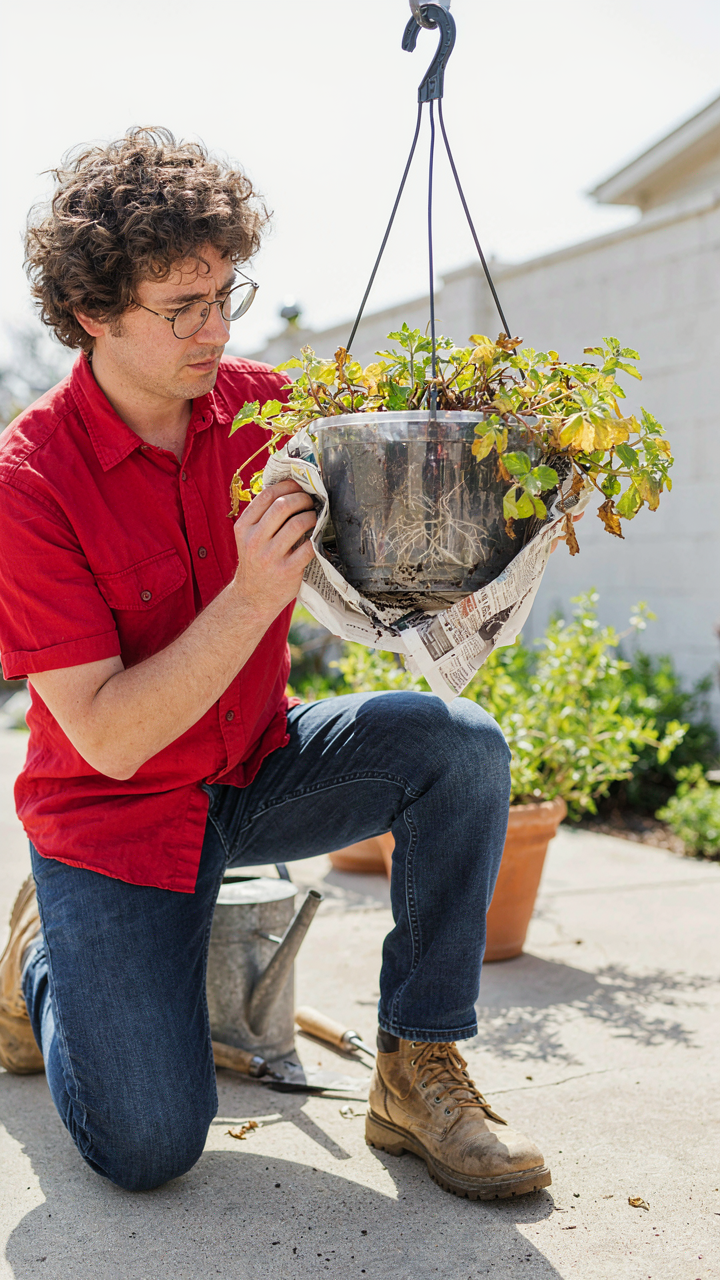
You want to believe you can save money without consequence. That’s the real draw here. But economics teaches us about substitution effects, and hanging basket liners prove the principle perfectly: when you swap a proven material for a cheaper alternative, you don’t just reduce cost—you shift the failure point to somewhere you can’t control. Store-bought liners work because manufacturers engineered water retention, root aeration, and durability as a system. DIY attempts usually nail one variable and wreck the others.
The math looks obvious on the surface. A coir liner costs five dollars. Newspaper costs nothing. But newspaper breaks down in six weeks. Your plants spend that window with roots pressing directly against wet plastic, which blocks oxygen and accelerates root rot. You’ve traded five dollars upfront for dead plants and a replanting cycle that costs thirty. The mechanism is simple: cheap materials fail faster, and faster failure means higher total cost over a season.
Material Selection Matters More Than Intent
The common advice says any breathable material works. Wrong. Breathability exists on a spectrum, and most DIY substitutes land in the dead zone where they’re permeable enough to look fine until plants collapse. Coconut coir, sphagnum moss, and wool felt all maintain consistent moisture gradients. Newspaper, cardboard, and fabric scraps don’t. They saturate instantly, dry unevenly, and compact under the weight of wet soil.
If you’re going DIY, start with material that has a track record outside hanging baskets. Landscape fabric used in gardens works because it was engineered for drainage. Burlap works because it’s been used for soil-building for decades. Untested materials like old t-shirts or paper towels are experiments masquerading as solutions. Test any substitute for two weeks with a single basket before you commit your entire collection to it.
The Hydro Capillary Protocol For Optimal Planter Liners
Water Movement Through Soil Structure
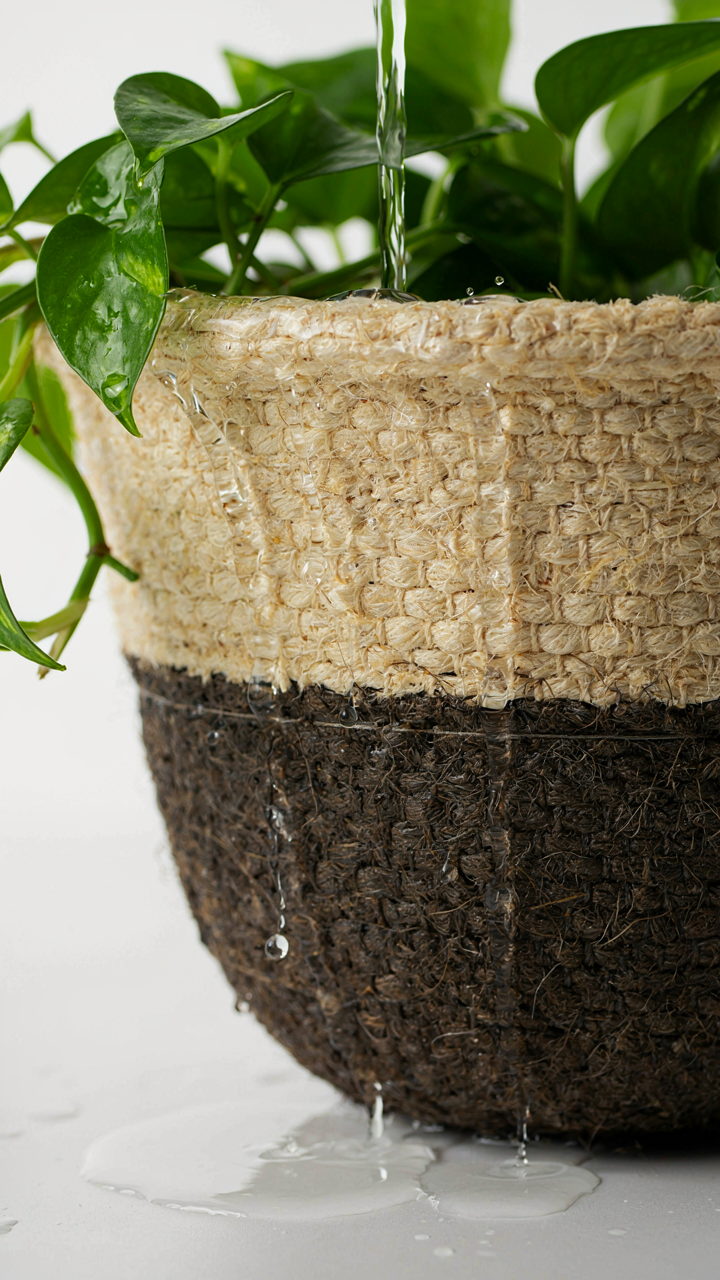
You want your hanging baskets to look full and thriving without daily watering—that’s the real motive here, and it’s about control, not luck. Physics governs this: capillary action is the mechanism where water moves upward through soil against gravity, driven by adhesive forces between water molecules and soil particles. In basket liners, this same principle determines whether moisture reaches roots or pools at the base and rots them.
The liner material itself becomes the conduit. Coir fiber, sphagnum moss, and coconut-based composites all exploit capillary rise differently. Coir holds water in its cell structure and releases it gradually as roots demand it. The pore size matters more than total water capacity. Smaller pores create stronger adhesive pull, moving moisture to where plants need it instead of letting it drain past the root zone entirely.
Liner Design For Sustained Moisture Delivery
Most advice says “use a thicker liner for better moisture retention”—that’s incomplete thinking. Thickness alone doesn’t control water delivery. What matters is pore structure and how the liner channels moisture through the basket profile. A well-designed liner doesn’t just absorb water; it redistributes it upward and laterally to match root spread.
The protocol: Use a dual-layer or composite liner where the inner layer has fine pores for capillary lift and the outer layer has larger pores for drainage control. This prevents waterlogging at the bottom while maintaining availability at the plant’s feeding zone. Test your setup in advance by watering once, waiting 48 hours, then checking moisture distribution with a probe at three depths. Adjust liner density or thickness based on actual water position, not guesswork.
Best Hanging Basket Liner Choices: Debunking Marketing Hype

What Actually Matters When Choosing
You want to feel confident you’re not wasting money on the wrong material. Here’s the mechanism: manufacturers optimize for manufacturing cost, not for your specific growing conditions. Durability claims get measured in laboratory conditions, not in your actual climate. Water retention, UV resistance, and root penetration differ wildly between materials, but vendors bundle them into vague “premium” labels. The metric that matters is lifespan under your exact conditions, not under ideal lab conditions.
Coir fiber, sphagnum moss, and polyethylene all perform differently based on humidity, sun exposure, and watering frequency. Coir lasts longer in dry climates but breaks down faster with constant moisture. Sphagnum moss retains water aggressively, which works for drought-prone areas but causes root rot in humid regions. Polyethylene liners outlast organic materials by years but restrict water drainage if you don’t perforate them correctly. Test materials in your specific microclimate before committing bulk orders, not after.
Where Your Money Actually Goes
The pricing gap between a five-dollar liner and a twenty-dollar liner isn’t quality—it’s logistics and material sourcing. Premium liners use thicker coir or higher-grade sphagnum, which extends lifespan by one to two seasons at most. The real performance jump comes from proper installation and maintenance protocol, which costs nothing. Most gardeners lose liners to improper drainage setup or overwatering, not material failure. Spending more on the liner itself while ignoring installation guarantees wasted investment.
The protocol that matters: select based on your watering habits and climate, not price tier. If you water daily, coir outlasts sphagnum. If you’re in high sun with low humidity, polyethylene saves money long-term. If you forget to water, thicker sphagnum absorbs this mistake better than thin coir. Measure your actual water runoff time—liners that drain in under three seconds perform identically whether they cost eight dollars or eighteen dollars.
Hanging Basket Liner Alternative: Innovation Beyond The Obvious

Materials That Actually Work Beyond Tradition
You want alternatives because you think you’re ahead of the curve. The real mechanism is simpler: traditional coir and sphagnum moss work because they hold water while allowing air penetration. Material science calls this “porosity management.” Any liner alternative succeeds or fails based on this single variable, not aesthetics or marketing claims.
- Recycled Plastic Mesh: Inert, non-degrading, maintains airflow permanently. Requires drainage holes drilled at intervals. Does not retain moisture, demanding more frequent watering in hot climates.
- Biodegradable Coconut Fiber Sheets: Break down over two growing seasons. Less dense than coir, faster water drainage. Cost sits between synthetic and premium natural options.
- Wool Felt: Retains moisture longer than coir. Naturally antimicrobial, resists fungal issues. Sourcing from UK and New Zealand suppliers limits availability in North America.
- Recycled Textile Composites: Blend of reclaimed cotton and linen. Degrades predictably within one season. Variable moisture retention depends on weave density and textile source.
- Air-Pruning Plastic Inserts: Rigid structure with open-cell design. Eliminates liner altogether, directing roots outward. Best for commercial operations, overkill for residential use.
The mistake most growers make is choosing based on environmental claims rather than performance metrics. Water retention, drainage rate, and material lifespan determine whether your basket thrives or dries out mid-season. Test alternatives on low-stakes baskets first. Measure soil moisture at the center before committing to full-scale swaps.
When Tradition Becomes A Liability
Most advice says stick with what works. That’s incomplete. Tradition becomes a liability when your growing conditions shift outside the original design parameters. If you’re in a drought region, high heat zone, or automated watering system, the standard coir liner creates problems it was never engineered to solve.
Break from convention when your water availability, climate zone, or maintenance schedule contradicts the assumptions built into traditional liners. A wool or recycled textile liner in arid climates reduces watering frequency by 20 to 30 percent because it holds moisture longer without becoming anaerobic. In high-humidity coastal areas, mesh liners prevent root rot by prioritizing air circulation over water retention. The decision isn’t about innovation for its own sake. It’s about matching the liner’s hydrology to your actual growing environment. Document your basket’s performance for one full season using your current liner, measure soil moisture at three points daily, then select the alternative that addresses your specific failure point.
Types Of Hanging Basket Liners: Matching Form To Function

Coir, Sphagnum, And Synthetic Materials
You want the right liner so your baskets don’t fail mid-season and make you look negligent. The mechanism is retention versus drainage. Coir (coconut fiber) retains moisture longer and suits plants that need consistent wetness. Sphagnum moss drains faster and works for orchids and succulents. Synthetic liners (plastic, landscape fabric) eliminate water loss entirely, trading air exchange for control.
Each material trades one property for another. Coir degrades over two to three seasons outdoors, requiring replacement. Sphagnum compacts under weight and needs regular fluffing to maintain aeration. Synthetics last years but trap heat and can suffocate roots if drainage holes aren’t positioned correctly. Pick based on your plant’s water demand, not aesthetics.
Matching Plants To Liner Behavior
Most advice says “any liner works with any plant,” which is incomplete. Plant physiology determines which liners fail. Moisture-loving plants like ferns and impatiens need coir or sphagnum that holds water without becoming anaerobic. Drought-tolerant plants like sedum and trailing rosemary need synthetic liners or thin sphagnum that drains within hours of watering.
The root system determines survival, not the basket itself. A succulent in coir-lined basket stays wet between waterings and develops root rot. A fern in a synthetic-lined basket dries out in two days during heat and weakens. Before selecting a liner, identify your plant’s native soil environment and match the liner’s drainage speed to that condition. Test one basket for two weeks before committing to a full setup.
Hanging Basket Liners DIY: Engineering For Longevity
Where Structural Integrity Actually Matters
You want your basket to look premium and last two seasons instead of one. That’s the real reason you’re reading this. The mechanism is simple: structural failure and aesthetic decay are separate problems, and everyone conflates them. Borrow from materials science here. Tensile strength refers to how much pulling force something withstands before tearing. A liner’s tensile strength determines whether water weight and soil pressure rip it apart at the seams, not whether moss covers it attractively.
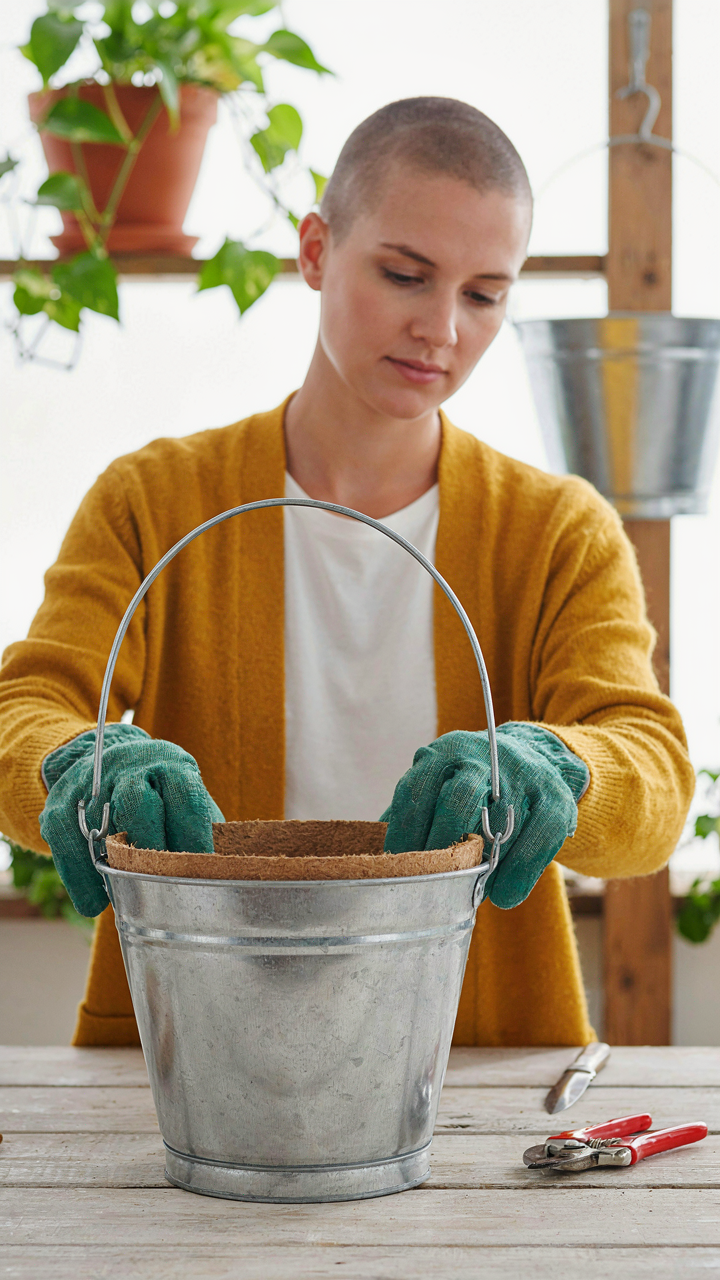
Most basket liners fail at stress concentration points, not uniformly. Anchor your liner to the basket rim using stainless steel wire or UV-resistant clips spaced four inches apart. This distributes load evenly across the circumference. Skip the bottom drape method where the liner just sits loose. Secure the perimeter first, then fill soil. The basket itself becomes the structural skeleton. Your liner becomes a water seal, not a load bearer. Do this correctly and you eliminate the most common failure mode: corner separation and sidewall blowout under saturation weight.
Predictable Maintenance Cycles Beat Guessing
Maintenance protocols exist to prevent failure modes before they start, not after they appear. Most people check their liners when they notice a problem. By then, roots are rotting and you’ve already lost weeks of plant vigor. Establish a schedule instead. Inspect the perimeter seal monthly during growing season. Check for soil migration through drainage holes, algae growth on the inside surface, and visible seam stress. Remove accumulated sediment and debris that traps moisture against the liner material.
The real lever is replacement timing, not repair attempts. A quality coir or recycled plastic liner degrades predictably after fifteen to eighteen months of seasonal use. Don’t wait for visible failure. Pull it out, compost it, and install fresh material before the previous one compromises root health. Mark your calendar on installation day. Set a reminder for month fourteen. This prevents the false economy of spending time patching a dying liner instead of replacing it with material that performs at design spec.
The Basket Liners Advantage: Strategic Placement For Microclimates
Where Your Basket Actually Lives
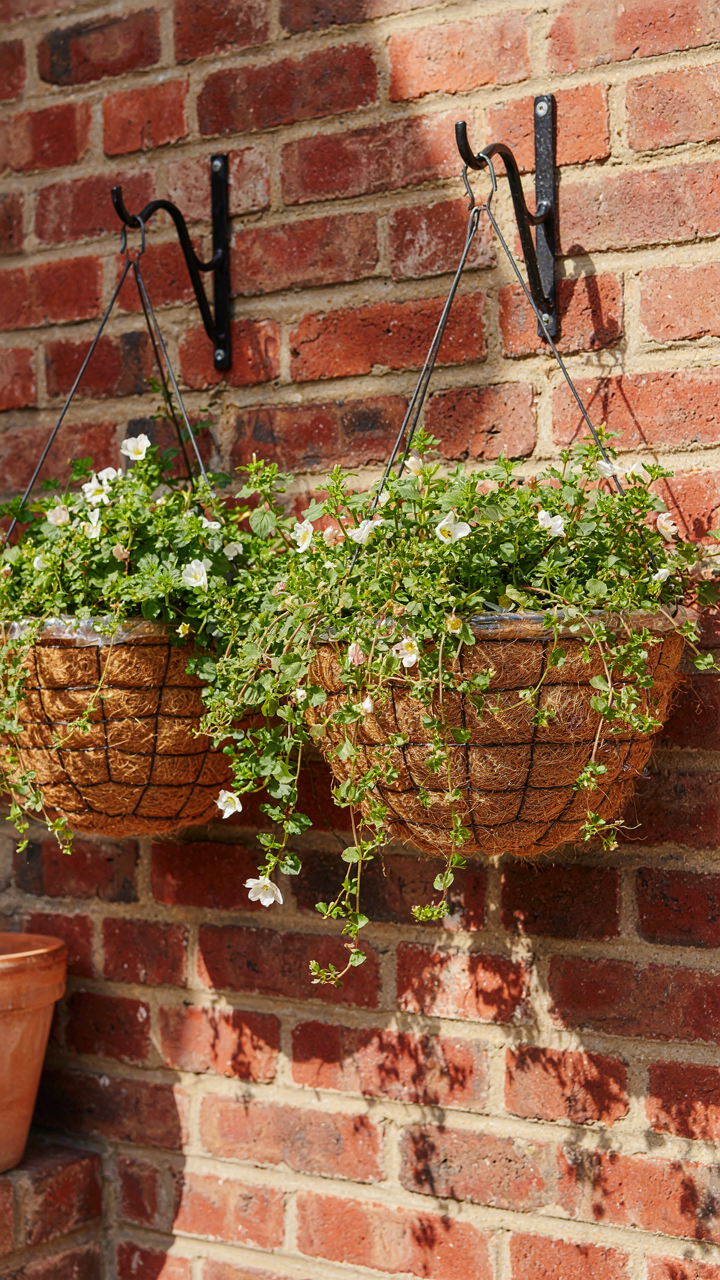
You want to know this because you’re tired of plants dying for reasons you can’t control. The real mechanism is simple: hanging baskets don’t exist in uniform environments. They occupy specific zones with distinct solar radiation, wind exposure, and thermal mass. Borrowing from microclimate physics, your basket liner functions as a thermal buffer, similar to how soil density regulates ground temperature. The liner’s material and thickness determine heat absorption, retention, and moisture loss in that exact pocket of space where your basket hangs.
Most gardeners treat placement as binary: sun or shade. That’s incomplete. A basket on a south-facing wall at noon receives direct radiation that a basket three feet east doesn’t. Wind patterns accelerate evaporation on exposed corners. Temperature swings are sharper on metal structures than wood fences. Your liner choice must match these specific conditions, not generic preferences. The basket doesn’t sit in your garden. It occupies a microclimate zone you must first identify, then select materials to defend against.
Liner Material And Temperature Defense
Different liners create different thermal profiles in the same location. Coir fiber liners absorb and hold moisture, which moderates temperature through evaporative cooling but requires consistent watering in hot zones. Plastic-lined baskets heat up faster under direct sun, concentrate that heat at the root zone, and dry out quicker. Moss liners offer minimal insulation, making them poor choices in high-wind areas where evaporation accelerates. Foam-backed liners reduce temperature fluctuation because foam resists heat transfer, but they trap moisture and risk root rot in humid climates where airflow is limited.
The decision isn’t aesthetic. It’s mechanical. Measure the daily temperature range in your microclimate zone, then choose liner material that buffers that swing within tolerable plant limits. If your hanging zone experiences direct afternoon sun with temperature swings exceeding 20 degrees Fahrenheit between peak heat and evening, use a thicker coir or moss liner that absorbs heat gradually and releases it slowly. If your zone is shaded and consistently humid, choose plastic or foam-backed options that promote drainage and prevent waterlogging.
Your Basket’s True Limiting Factor Isn’t The Liner; It’s Your Understanding Of Basic Plant Mechanics

Most gardeners obsess over liner material when they should obsess over drainage and air flow. A premium liner means nothing if your soil compacts after two weeks or water pools at the bottom. Stop chasing trending materials. Instead, grab a coir liner today and focus on what actually matters: soil composition, watering rhythm, and plant selection. Your basket doesn’t fail because of the liner. It fails because you’re treating it like a decorative object instead of a system.



