
Beyond “Snip Snip”: The Intentional Harvest Protocol

Prune For Density, Not Volume
You want to feel productive without actually building a system. Here’s the mechanism: every cut you make sends a signal to the plant’s apical meristem. That’s the growth point at the stem tip. When you remove it, the plant stops pushing upward and instead activates lateral buds lower down. This is the pruning principle borrowed from forestry management applied to herbs: controlled removal triggers architectural change, not just damage control.
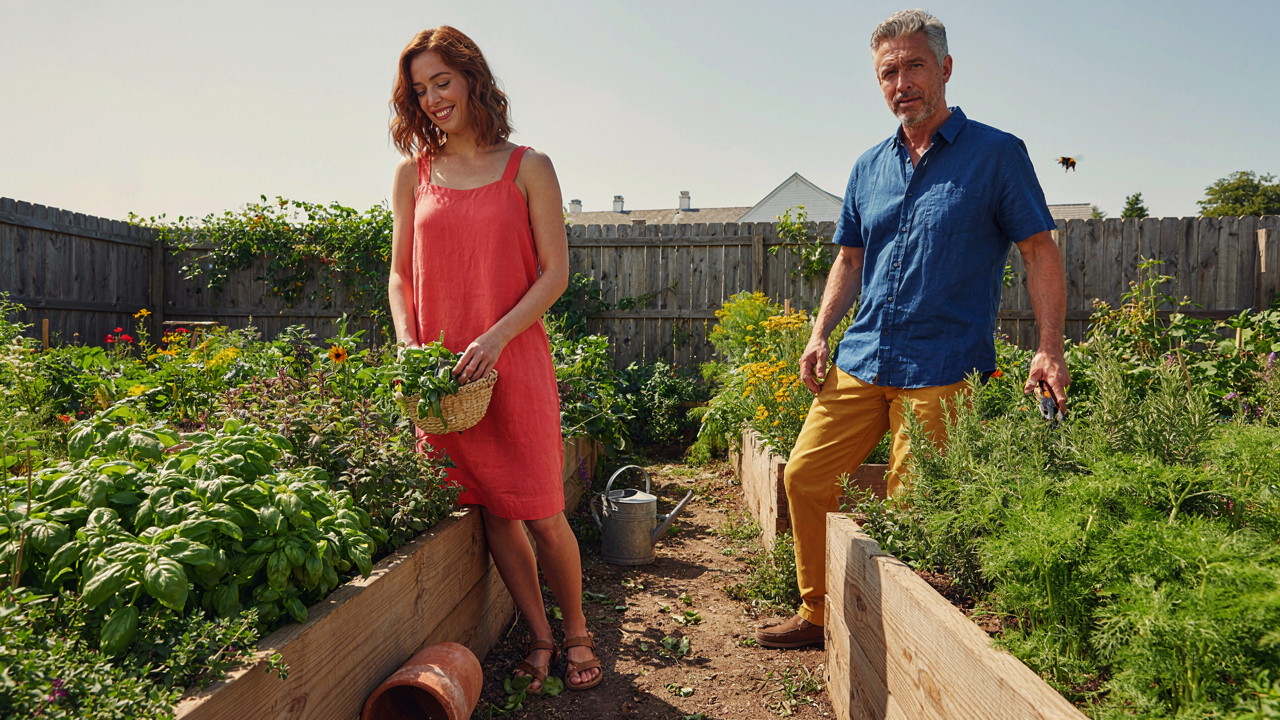
Most people harvest from the top and call it a day. That leaves you with leggy, sparse plants that look picked-over by week three. Strategic pruning means cutting above leaf nodes to force branching. Cut stems at a forty-five degree angle, just above a set of leaves pointing outward. This gives you denser foliage, more harvest points, and a plant that looks full instead of depleted.
Harvest When Oil Content Peaks
Potency is not about how much green you collect. It’s about when you collect it. Most oils in culinary and medicinal herbs concentrate in the leaves right after the plant flowers or just before, depending on the species. Basil peaks just before flowering. Oregano and thyme hit maximum oil content mid to late morning on dry days, after dew evaporates but before heat stress kicks in.
Cut when the plant is actively producing what you actually want to use. For leafy herbs like parsley and cilantro, this means harvesting in the vegetative stage before they bolt. For seed-bearing herbs like dill or fennel, wait until seeds mature and harden but before they shatter and drop. The timing window is narrow. Missing it means harvesting plants that are either weak or already declining.
Your Backyard Herb Garden: A Biological Feedback Loop
When To Cut Based On What The Plant Tells You
You want to believe there’s a calendar rule for harvesting—a date you can mark down and feel competent. There isn’t one. The real mechanism here is phenology, borrowed from plant biology: the study of timing in a plant’s life cycle based on observable environmental cues, not the calendar. Your basil in June grows at a different rate than basil in August. Temperature, light hours, and moisture dictate when a plant enters its growth phase, not the month.
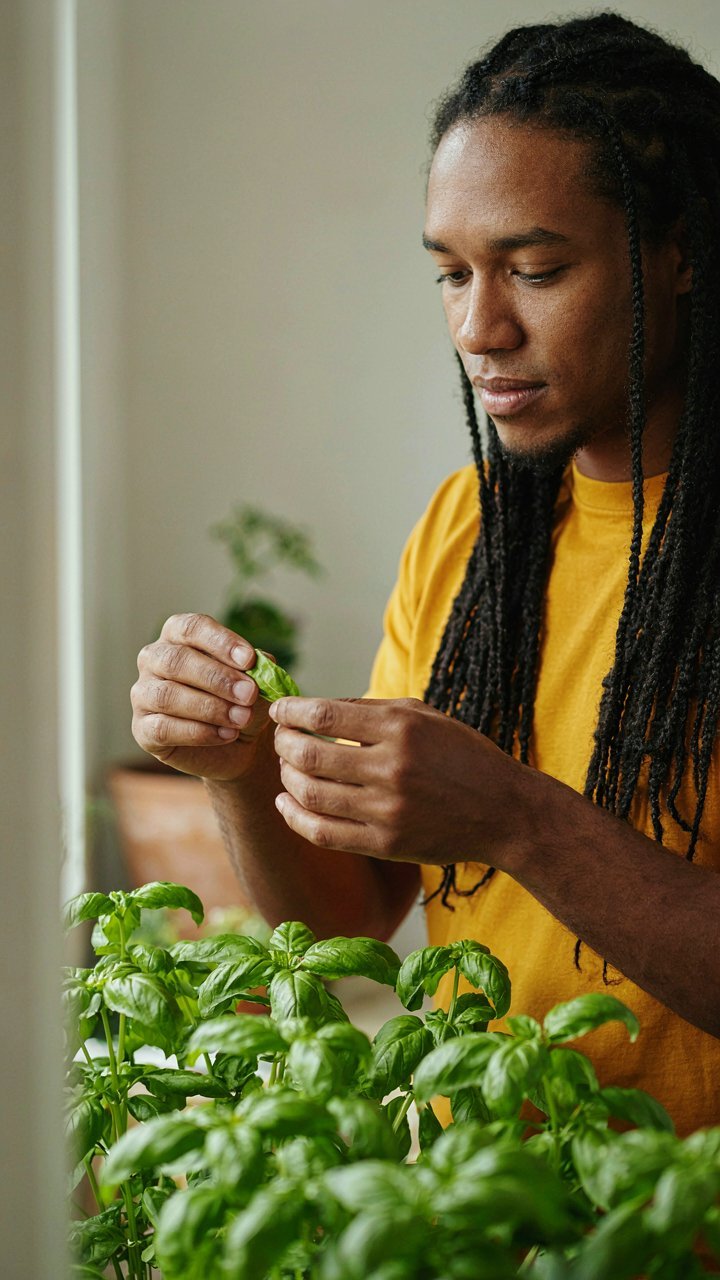
Read the plant’s actual state instead of guessing. Pinch a leaf. If it snaps cleanly and feels firm, the plant has enough reserves to handle a harvest. If it bends without breaking, growth has slowed and cutting now stresses the plant unnecessarily. Most herbs enter their peak harvest window when they’re actively producing new leaf pairs at the stem tips. Watch for this pattern daily. The moment you see vigorous branching, that’s your signal. Don’t wait for permission from a guide—the plant gave it already.
Stress Builds The Plant You Actually Want
Everyone frames harvesting as “gentle” and “careful,” which is half-true and half-backwards. Moderate stress signals herbs to grow denser and more robust. In evolutionary terms, a plant that gets partially eaten develops resilience. Remove the top third of a basil stem and the plant responds by branching into two stems where one existed. This is adaptive response, not damage recovery. You’re not coddling the plant. You’re triggering its survival mechanism.
The key is timing the stress correctly. Harvest young plants too aggressively and you starve them before roots establish. Harvest mature plants lightly and you waste their productive capacity. The protocol: wait until an herb reaches eight to ten inches tall before taking your first cut. Then harvest one third of the plant’s biomass every ten to fourteen days during active growth. This rhythm forces continuous branching without depleting reserves. The plant becomes bushier, produces more leaves, and lives longer. Anything less is leaving yield on the table.
The “Herbal Apothecary” Fallacy: Quantity Over Quality
Drying And Freezing For Peak Potency
You want to believe that storing more herbs means you’ve won the game. The real mechanic here borrows from chemistry: volatile compounds degrade under heat and light exposure. Harvest volume means nothing if your preservation method destroys the active molecules you actually need. Drying and freezing preserve potency differently, and choosing wrong wastes your entire harvest.
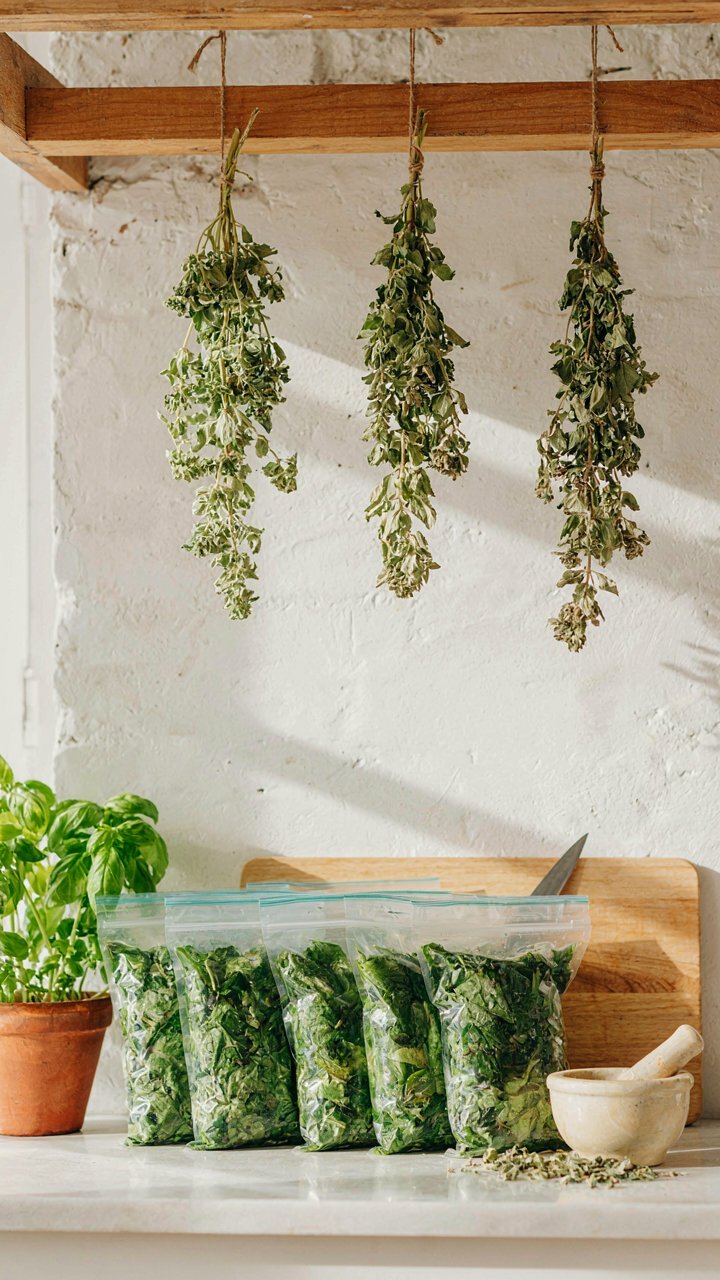
- Air drying: Hang herbs in bundles in dark, warm, well-ventilated spaces. Takes 1-2 weeks. Best for hardy herbs like oregano, thyme, and rosemary that retain oils through slow moisture loss.
- Oven drying: Low heat around 95-115°F on the lowest setting with door cracked open. Takes 2-4 hours. Faster than air drying but requires monitoring to prevent heat damage to delicate compounds.
- Freezing whole: Wash, pat dry, place on trays, then transfer to freezer bags. Preserves volatile oils better than drying for soft herbs like basil, cilantro, and parsley. Use within 3-4 months.
- Freezing in oil: Chop herbs, pack into ice cube trays with olive oil, freeze solid. Creates ready-to-use portions. Extends shelf life and protects oils from oxidation. Thaw before use or add frozen directly to cooking.
- Freezing in water: Similar method to oil freezing but uses water instead. Better for herbs you’ll use in soups or broths. Less effective at preserving flavor oils compared to oil freezing.
Soft herbs lose potency fastest when dried because heat strips their volatile compounds. Frozen herbs retain more active molecules because cold slows molecular breakdown. Choose your method based on the herb’s oil content, not convenience. Hard herbs go to drying. Tender herbs go to freezing.
Storage That Doesn’t Kill Your Work
Most people store dried herbs in clear jars on open shelves, which is sabotage dressed as display. Light and oxygen are the enemies of potency, and conventional wisdom ignores both. You can follow every harvesting rule perfectly and still end up with dead plant matter by month three.
Store dried herbs in airtight glass or opaque containers in dark, cool spaces. Temperature fluctuation speeds degradation, so avoid kitchen cabinets above stoves or near windows. Freezer bags work for frozen herbs, but squeeze out as much air as possible before sealing. Label everything with harvest date. Most dried herbs lose significant potency after six months. Most frozen herbs stay viable up to a year if sealed properly. Don’t stack jars where they get pushed to the back and forgotten. Rotate stock so older batches get used first.
Grow Plants That Thrive: Environmental Leverages
Sun And Soil Foundation
You want to believe a garden is about seeds and care. It’s actually about real estate. Borrowing from agriculture’s yield science, sunlight functions as your capital allocation problem: you have a fixed daily supply and must position plants where they extract maximum value from it. Most herbs need six to eight hours of direct sun. Basil, oregano, and thyme perform best with eight plus. Shade kills yield faster than neglect does.
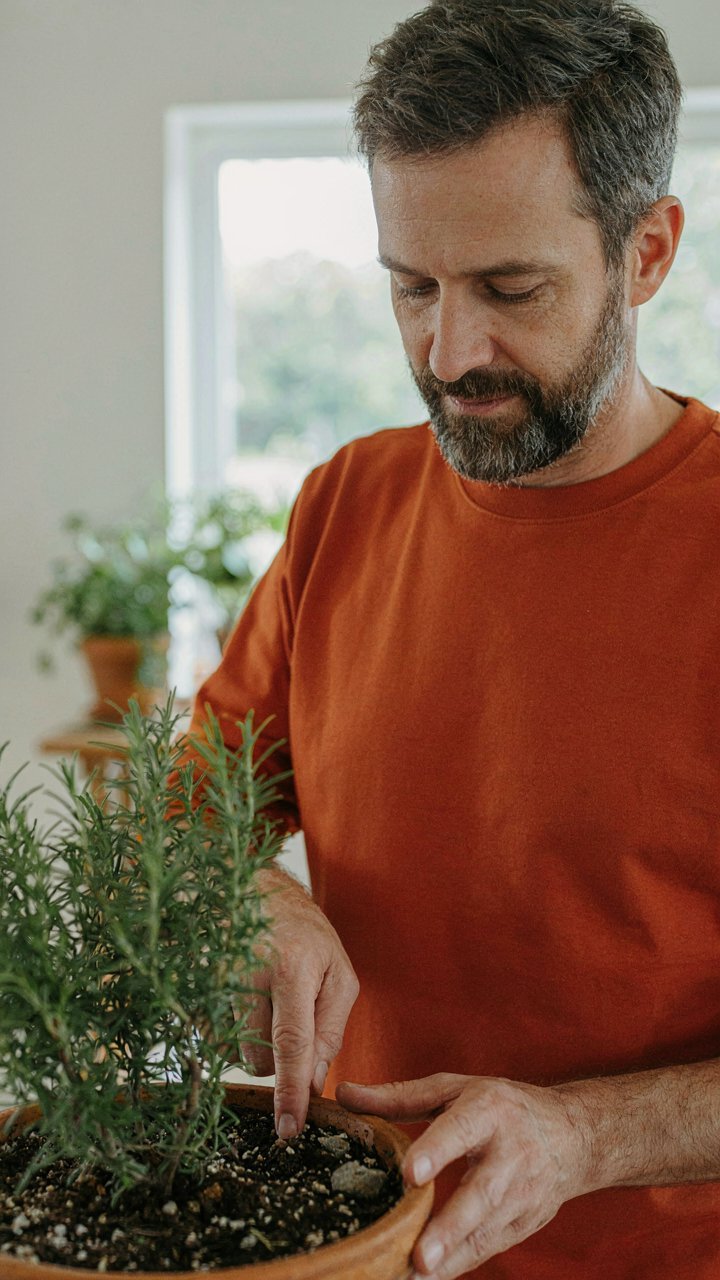
Soil quality determines nutrient availability and drainage speed. Use a mix with peat moss or coconut coir, compost, and perlite in roughly equal thirds. This structure prevents water pooling while holding enough moisture for root access. Dense soil starves harvests. Loose soil forgets water too fast. The balance is mechanical, not mystical. Test your mix by squeezing a handful after watering. It should hold shape but crumble under light pressure.
The Root Rot Problem And How To Prevent It
Everyone says water when soil feels dry. That’s incomplete advice that kills more plants than it saves. Watering wisdom is actually a drainage problem wearing a watering can disguise. Herbs drown because water sits, not because you gave them too much. The real mechanism is oxygen deprivation at the root level, which triggers fungal decay.
Check soil depth before watering, not the surface. Push your finger two inches down. If moisture is there, wait. Watering on a fixed schedule ignores seasonal shifts and container type. Terracotta drains faster than plastic. Winter growth slows dramatically, cutting water demand. Container herbs need drainage holes without exception. Water until liquid exits the bottom, then empty the saucer immediately. This single step removes the most common harvesting saboteur.
Planting Plants Smarter: The Succession Method
Plant Every Two Weeks, Not All At Once
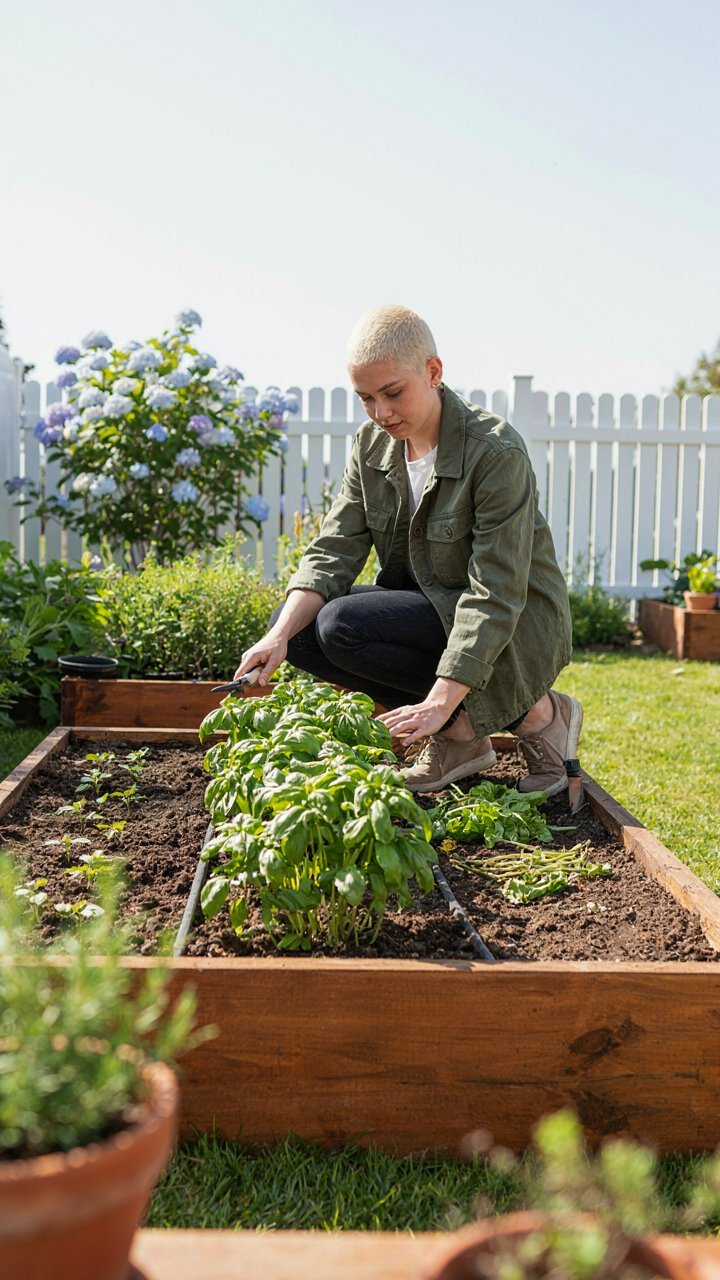
You want abundance without effort. Here’s what you’re really after: the fantasy of walking out and picking a full harvest whenever you feel like it, without dead patches or famine weeks. That doesn’t happen by accident. Succession planting is borrowed from agricultural scheduling—the principle of staggered production cycles. Instead of planting all your basil seeds on day one, you plant a new row every fourteen days. This creates rolling harvests instead of a single peak followed by nothing.
The mechanism is simple: young plants grow while mature ones get cut. By the time you’ve harvested your first planting down to nothing, the second planting is ready. The third is already establishing roots. You never face the void where your garden stops producing. Most people plant everything at once because they think it’s easier. It’s not. It’s actually lazier thinking that creates feast-famine cycles and wasted seed.
Rotate Where Each Plant Lives
Soil biology isn’t metaphor—it’s accountancy. Specific plants extract specific nutrients and invite specific pests. Herb gardeners ignore this and wonder why their oregano fails in year two. Crop rotation prevents depletion and breaks pest cycles before they establish. Basil in bed one this year moves to bed two next year. Rosemary rotates to bed three. This sounds administrative, but it’s the difference between a garden that compounds and one that declines.
When you rotate, you’re also rotating the pest populations that target each herb. Aphids that infest your cilantro don’t survive winter on an empty bed. Fungal spores specific to thyme don’t establish dominance if thyme isn’t there to host them. Keep a simple map. Write down which herb occupies which bed. Swap them annually. Do this, and your garden gets stronger every season instead of requiring constant rescue.
The DIY Herb Garden As A Compounding Asset
Reinvesting Cuttings For Exponential Growth
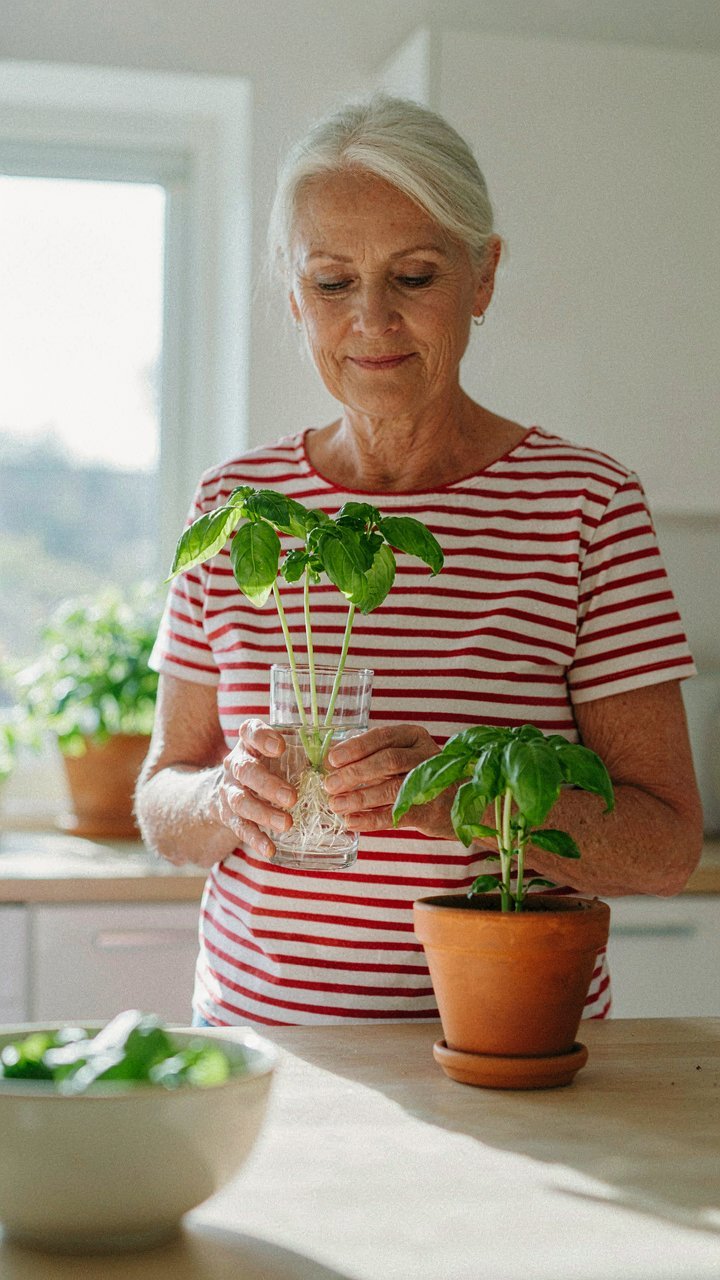
You want to believe your herb garden is passive income. It isn’t yet. The real mechanism is biological compounding. In finance, compound interest means returns generate returns. In propagation, one mature basil plant becomes two, then four, then eight through strategic cutting. Most people harvest and consume. Smart harvesters harvest and duplicate. Take a 4-inch cutting below a node, root it in water for two weeks, transplant it. One plant compounds into an inventory. You’re not just eating herbs. You’re building productive assets from a single cutting.
This is why timing matters in propagation. Spring and early summer produce the fastest rooting because growth hormones run highest. A basil cutting roots in 10-14 days during peak season but can take 30 days in winter. Don’t wait for autumn to start propagating. Plan backward from your desired plant count. If you want six mature rosemary plants by next summer, start cuttings now. The math is simple: each mature cutting you take becomes a new production unit. Plant inventory compounds faster than consumption depletes it.
Time Invested As Reproducible Capital
Economics teaches that capital compounds when reinvested. Apply this to herb harvesting. The first year you spend 30 minutes weekly maintaining and harvesting one basil plant. By year two, you have four plants requiring the same 30 minutes. The time hasn’t scaled. The output has. This is capital efficiency. You pay the same hourly cost but extract four times the yield. Most people see herb gardening as maintenance. Strategic growers see it as capital deployment. Your initial time investment returns dividends through multiplication, not through doing more work.
The protocol is ruthless: measure your time investment per plant produced, then optimize toward multiplication rather than expansion of garden space. Track how long propagation takes versus growth time versus harvest time. Basil propagates in two weeks and reaches harvestable size in four weeks. Rosemary takes eight weeks to root and three months to mature. These numbers determine your reinvestment schedule. If you have 10 hours monthly to allocate, invest those hours where compounding happens fastest. Propagate the fast-turnaround herbs first. Build your herb economy on the plants that multiply quickest.
Beyond Garden Work: The Data Driven Herbalist

What Your Harvest Actually Reveals
You want proof that your garden works so you feel less like you’re wasting weekend hours on a whim. Here’s the mechanism: tracking harvest data creates feedback loops that eliminate guessing. Economics calls this “input-output analysis”—you measure what goes in (water, sunlight, soil nutrients) against what comes out (weight, volume, usable leaf count). Most gardeners skip this because it feels tedious. It’s not. It’s the only way to know if basil underperforms because of your technique or because that corner gets four hours of sun instead of six.
Write down three variables weekly: total harvest weight, number of cuttings per plant, and days since last harvest. After three months, patterns emerge that feel obvious in hindsight but were invisible before. Basil cut at the flowering stage yields 40 percent more leaf than immature cuttings. Mint harvested every fourteen days produces more total biomass than monthly harvesting. These aren’t universal truths—they’re specific to your microclimate, soil, and water schedule. Your data is the only honest source.
Reverse Engineering Your Conditions
Environmental factors don’t matter as theory. They matter as measurable inputs that predict your output. Stop measuring “sunlight” as a vague concept and start recording actual hours. Six hours of afternoon sun hits differently than six hours of morning sun. Temperature fluctuations between day and night drive growth differently than stable temperatures. Humidity levels affect fungal pressure and transpiration rates. Log these alongside your harvest data and you’ll see correlations that let you optimize without trial and error waste.
Most gardeners blame themselves when a crop fails instead of isolating the variable that actually changed. You shifted the herb six inches closer to the wall and suddenly it gets one less hour of direct light. The harvest dropped. You don’t know why until you wrote it down. Create a simple spreadsheet: date, plant species, harvest weight, approximate sunlight hours that week, soil moisture frequency, and temperature range. After two seasons you have a personal operating manual that beats any generic growing guide.
Herbal Plant Longevity: The Neglected Truth
Know When Your Plant Dies
You want to believe your herb garden is an investment. It’s not yet. Most people treat perennials and annuals the same way and wonder why half their garden vanishes in year two. Biology sets the rule here: some plants live one season by design, others live years. Annuals like basil and cilantro complete their entire lifecycle in a single growing season, then die. Perennials like rosemary, thyme, and oregano persist multiple years if conditions stay stable. The mechanism is simple: annuals put energy into seed production. Perennials invest in root systems and woody growth that survive dormancy.
This distinction changes your harvest strategy completely. You don’t prune an annual the same way you prune a perennial. You don’t expect the same output year to year from both. If you’re harvesting basil in August thinking it’ll come back next spring, you’ve already failed. Know what you planted. Verify the plant’s lifespan before you design your garden around it. This single decision removes most harvesting mistakes before they happen.
Prepare For Cold And Dormancy
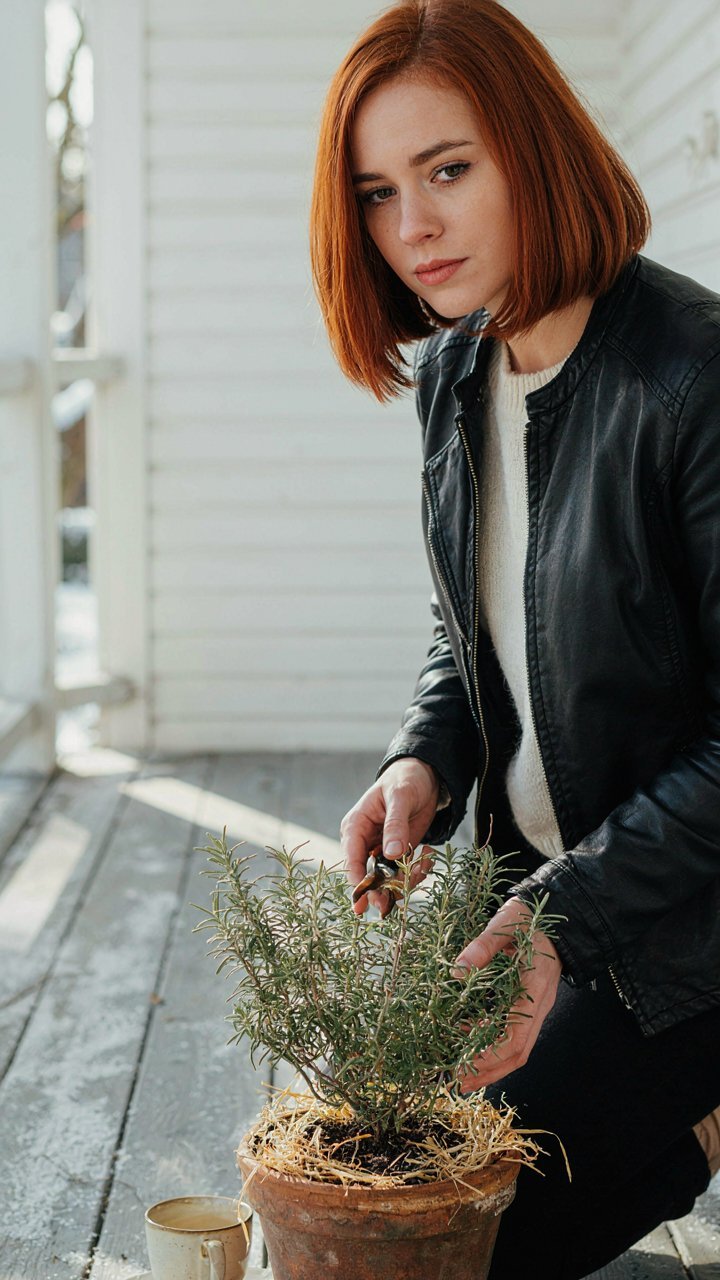
Cold doesn’t kill hardy perennials. Neglect during dormancy does. Winter dormancy is a metabolic state where the plant slows energy use to survive freezing temperatures. You can’t prevent it. You can work with it or against it. Most gardeners work against it by ignoring their plants for three months, then act shocked when spring brings dead wood.
The real move is matching plant hardiness to your climate zone, then protecting root systems before frost arrives. Insulation matters more than the plant’s cold tolerance itself. Here’s what actually extends perennial life:
- Mulch the soil base: Apply 2-3 inches of organic mulch around the plant stem before the first hard freeze to insulate roots and regulate moisture.
- Stop fertilizing in late summer: Nitrogen promotes tender new growth vulnerable to frost damage. Cut feeding by mid-August in cold zones.
- Reduce watering in fall: Excess moisture in soil invites freeze-thaw cycles that rupture root cells. Let soil dry slightly before winter.
- Cut back dead foliage selectively: Remove clearly dead stems but leave some structure standing to trap snow insulation and protect crown growth buds.
- Drain containers completely: Potted perennials freeze solid when water sits in the soil. Empty the pot or move it to shelter where it won’t collect standing water.
Most gardeners skip these steps and blame the plant. The plant didn’t fail. The environment shifted and you didn’t adjust. Spring growth depends entirely on root survival through winter. Protect the root system now or replace the plant in March. Your choice, but choose before the ground freezes.
The Real Obstacle Isn’t Your Garden, It’s Your Expectation Of Instant, Effortless Reward
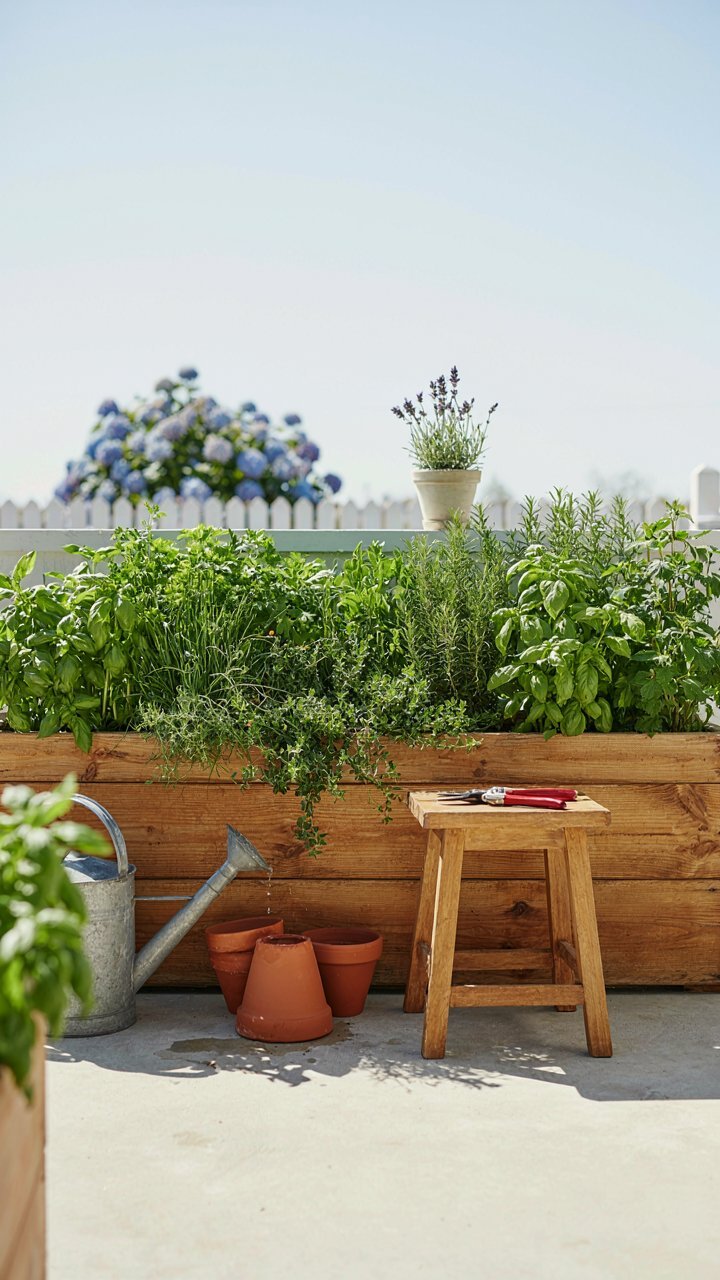
Most people kill their herb gardens because they expect harvesting to feel like picking fruit off a tree. It doesn’t. Herb garden harvesting requires you to show up consistently, cut the right way, and trust the process even when growth feels slow. Pick one herb today. Pinch the top leaves. Do it again in three days. That repetition is the entire game. The herbs don’t fail you. Your impatience does.