
The Culinary Herb Varieties Deception: Why Most Gardens Fail

You’re Buying The Wrong Plants For The Wrong Reasons
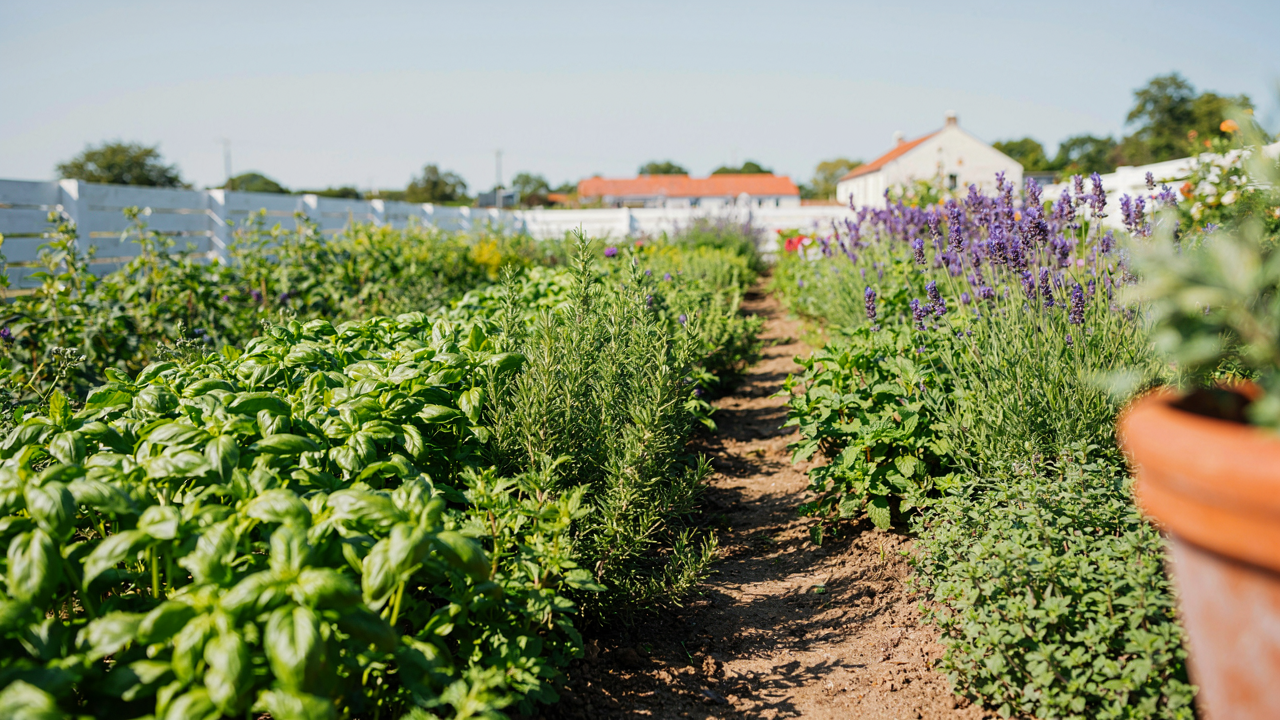
You want a garden that looks like someone else’s Instagram post. That’s the real problem, and it kills more herb gardens than neglect ever could. Aesthetics drive the purchase decision, not utility or growing conditions. You pick basil because it photographs well with morning light. You choose purple sage because it matches your deck stain. The herb fails within weeks because it hates your climate or your soil pH, and you never planted it to eat it anyway.
The mechanism here borrows from retail psychology: scarcity and visual signaling override function. Plants with ornamental value get promoted harder. Nurseries stock what moves inventory, not what thrives locally. You leave with six varieties that look striking together in a pot, zero of which tolerate your actual growing zone or light exposure. The garden becomes decoration. The herbs become props.
Growing The Right Herb In The Wrong Place
This is basic ecology, and people ignore it completely. Rosemary originates from Mediterranean limestone hills with full sun and lean soil. If your garden gets four hours of diffuse afternoon shade and your soil drains poorly, rosemary will rot. This isn’t a failure of technique. It’s a failure of site assessment. You planted the right herb in the wrong microclimate.
Most advice says to amend soil or provide supplemental light. Wrong. Wrong approach. The real protocol: identify your growing zone, measure actual sunlight hours with a phone app or journal, test soil drainage with the percolation test, then select herbs that match those conditions natively. Thyme thrives where rosemary struggles. Mint tolerates shade where oregano fails. Map the site first, choose the herb second, not backwards.
The Herb Guide: Beyond The Usual Suspects
The Flavor Tiers Nobody Names
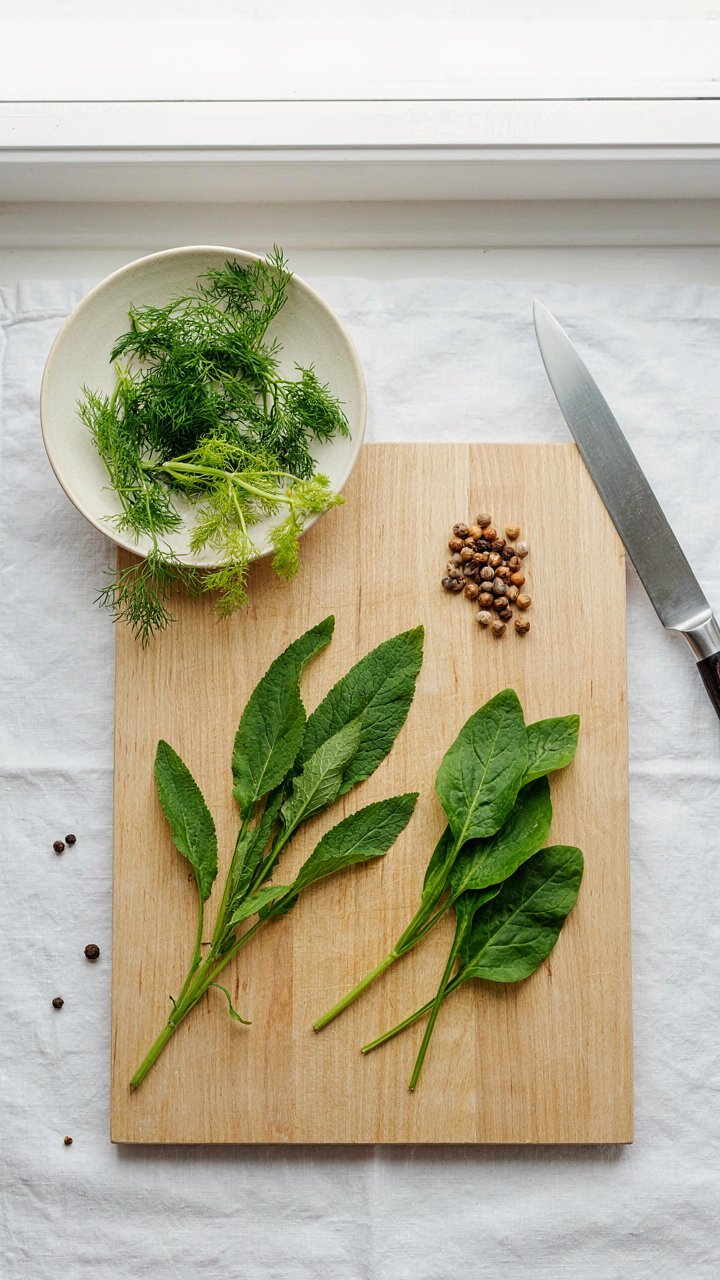
You want to feel like you cook differently than everyone else. Here’s what actually matters: culinary herbs operate on a potency spectrum, and most people stack their garden with the weak end. Basil, parsley, and chives dominate home gardens because they’re easy to grow and hard to kill, not because they deliver the most flavor per leaf. The mechanism is simple—delicate herbs lose volatile oils faster, so growers breed them for resilience instead of intensity. You end up with quantity over strength.
The overlooked middle tier changes everything. Oregano, thyme, and marjoram hold their oils longer and deliver consistent punch whether fresh or dried. Then there’s the upper tier: lovage tastes like concentrated celery and salt combined, epazote cuts through fat like nothing else, and grains of paradise (technically a seed but used fresh like an herb) reshape how you season proteins. These aren’t trendy—they’re mechanical advantages you’re currently leaving on the counter.
Matching Herbs To Dish Architecture
Flavor pairing isn’t guesswork, it’s chemistry. In food science terms, you’re matching volatile compounds to fat solubility and heat stability. Basil’s linalool breaks down fast in heat, so it hits raw or at the finish. Rosemary’s camphor and pinene survive high heat and fat, making it the load-bearing herb for roasted meat and oil-based sauces. The real skill is knowing which herb class your dish demands before you start cooking.
Build your herb selection around the cooking method and fat content, not aesthetics or what’s available. Creamy pasta dishes need mint or tarragon—their anise notes cut richness without competing. Tomato-based sauces want oregano or basil because their citrus and licorice tones bridge acidity. Grilled fish needs dill or fennel fronds because their sweetness doesn’t clash with char. Choose the herb before you choose the recipe, and you’ll stop wasting money on combinations that never land.
The Kitchen Herbs Protocol: Maximizing Yield, Minimizing Effort
Where Your Plants Actually Live
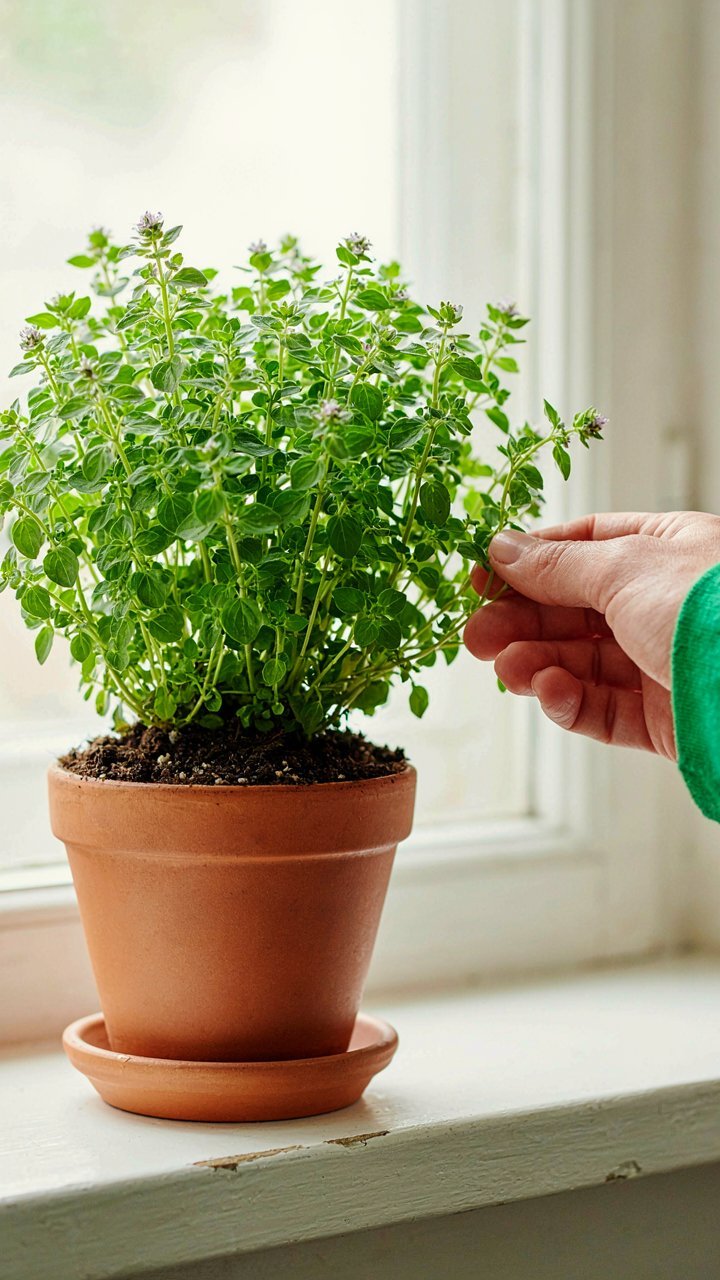
You want herbs that look good on the counter because you’re buying the image of yourself using them, not because that’s where they’ll survive. Here’s the mechanism: herbs need light intensity, not just presence. Six to eight hours of direct sun forces them to produce the oils that make them worth growing. A kitchen windowsill facing south or west works. North-facing kills most culinary varieties slowly. East-facing works if you have nothing else, but yields drop. Air flow matters equally—stagnant air breeds mold and weakens the plant’s ability to regulate moisture.
Basil, oregano, and thyme tolerate indoor light better than others, but they still perform measurably better with actual direct sun. Mint and parsley survive shade, which is why people mistakenly plant them everywhere and wonder why flavor flattens. Move your herbs into the light first. Everything else follows from that one decision.
Watering Until The Plant Tells You To Stop
The common advice is wrong: “keep soil moist.” That kills more herbs than drought does. Culinary herbs come from Mediterranean and semi-arid climates where dry periods between rains are normal. The mechanism is osmotic pressure—when soil stays wet, the plant’s roots can’t pull water efficiently, and the cell structure weakens. Overwatering also suffocates roots by replacing air pockets in soil with water.
Water when the top inch of soil feels dry to your finger. For most herbs in standard pots, that’s every five to seven days in warm months, ten to fourteen in cooler seasons. Drainage holes are non-negotiable. Without them, you’re storing water instead of watering a plant. The moment you see the top of the soil pull away from the pot edge, you’ve let it dry too long—back off half a day next cycle.
Rosemary And Oregano: Not Just Mediterranean Staples
Where Most Home Cooks Stop Using Them
You want to look like you know your way around a kitchen without actually investing the time to learn technique. Here’s what matters: rosemary and oregano work across temperature ranges differently because of their volatile oil composition. Low heat preserves their brightness. High heat transforms them into something else entirely, which most people waste by treating them identically.
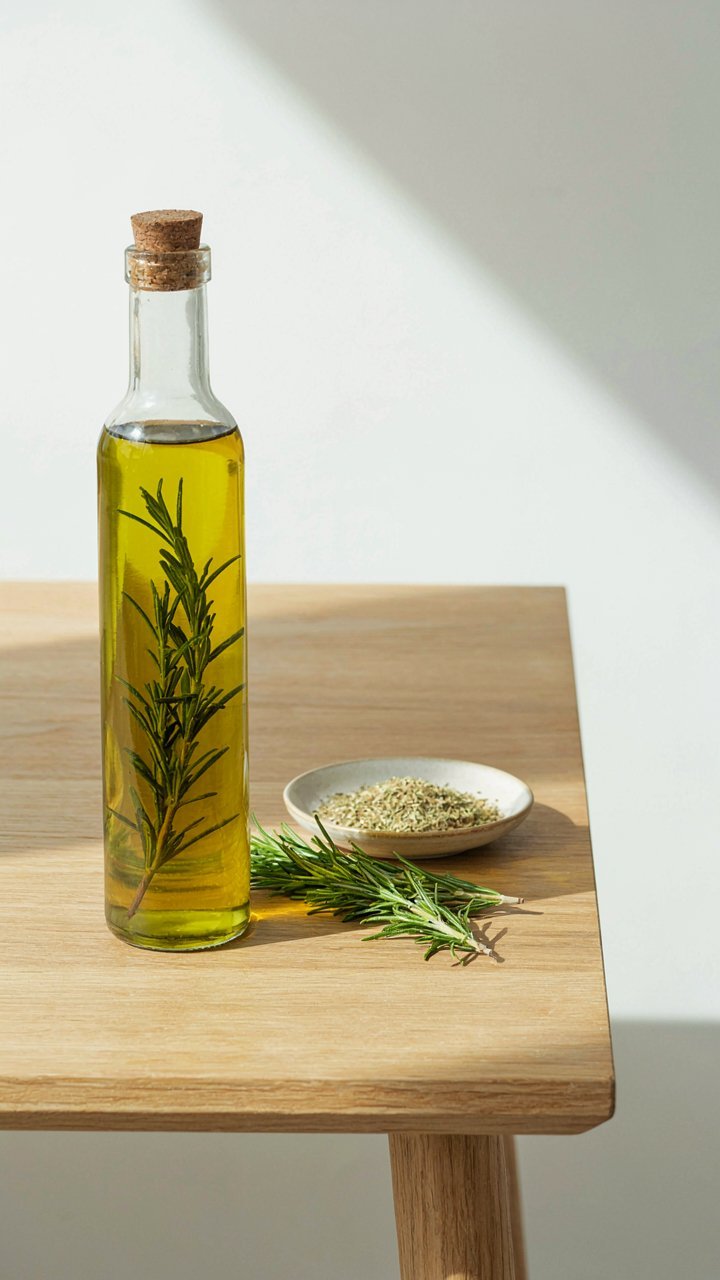
Rosemary belongs in cold applications most cooks never try. Steep fresh sprigs in olive oil for three days and use it for finishing soups, drizzling over white fish, or dressing bitter greens. Oregano dries better than it fresh-brews because drying concentrates its compounds, making it the rare herb that actually improves after moisture loss. Dried oregano in tomato sauce works because the heat activates what fresh oregano cannot deliver.
Growing Them Without Replanting Every Season
Biology calls this vegetative propagation, and rosemary and oregano are exceptional candidates because they root from stem cuttings with almost no intervention. Take four-inch cuttings from new growth in spring, strip the lower leaves, and place them in moist perlite or sand. Roots emerge in two to three weeks. This eliminates the seed-to-plant timeline and gives you genetic copies of your best-performing plant.
Oregano spreads faster and harder than rosemary, so contain it or it dominates the herb garden bed. Both prefer dry conditions once established, which means overwatering kills them faster than neglect. Take cuttings every spring as insurance against woody decline. A single established plant yields enough material for five to ten new plants annually, eliminating the need to buy nursery stock ever again.
Cooking With Fresh Herbs: The Flavor Multiplier Effect
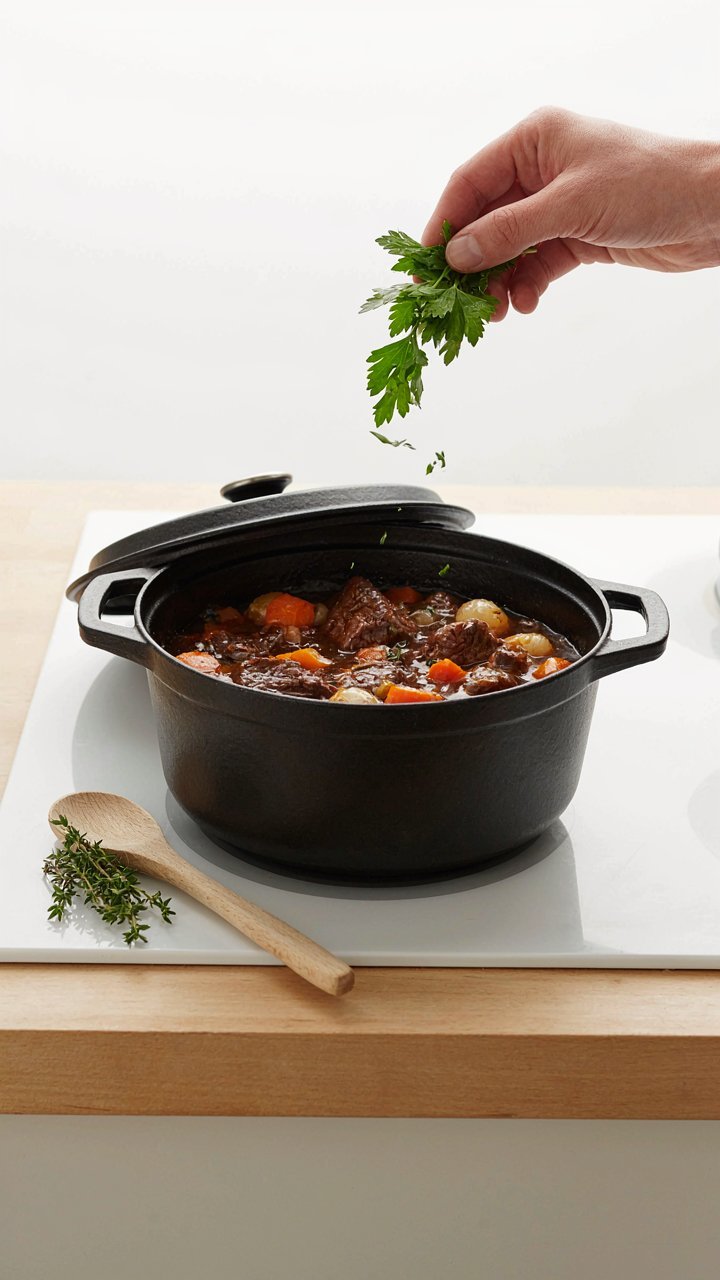
Fresh Herb Timing Changes Everything
You want to look like you know what you’re doing in the kitchen. That’s the real reason timing matters. Here’s the mechanism: volatile oils in fresh herbs evaporate at different temperatures and speeds. Basil’s aromatic compounds release fast and degrade under heat. Rosemary’s woody structure survives cooking. Parsley loses impact when heated early. Add delicate herbs at the end of cooking or after plating. Dense herbs go in during cooking to infuse the dish.
The timing rule breaks down into two categories based on oil composition. Soft-leaved herbs like basil, cilantro, dill, and mint finish a dish because their oils volatilize quickly and their flavor fades into background noise if cooked too long. Hard-leaved herbs like rosemary, thyme, oregano, and sage need 15 to 30 minutes of heat to release their full range. Test this directly: add fresh basil to soup at different stages and taste the difference.
Build Depth By Layering Herb Stages
Conventional advice says pick one herb per dish. That’s incomplete thinking. Think in terms of flavor architecture borrowed from music production: you need bass notes, midrange, and treble. In herbs, this means combining one hardy herb for foundational flavor, one medium herb for middle presence, and one delicate herb for top-end brightness.
Start a beef stew with thyme and bay for the base layer during the first hour of cooking. Add marjoram or oregano midway through for complexity. Finish with fresh parsley or chives for cut and lift. This three-point method works because each herb occupies a different point in the palate’s perception. The stew tastes fuller not because you added more herbs, but because you distributed flavor across time instead of dumping everything at once.
The Spices Chart Fallacy: Fresh Vs. Dried Herbs
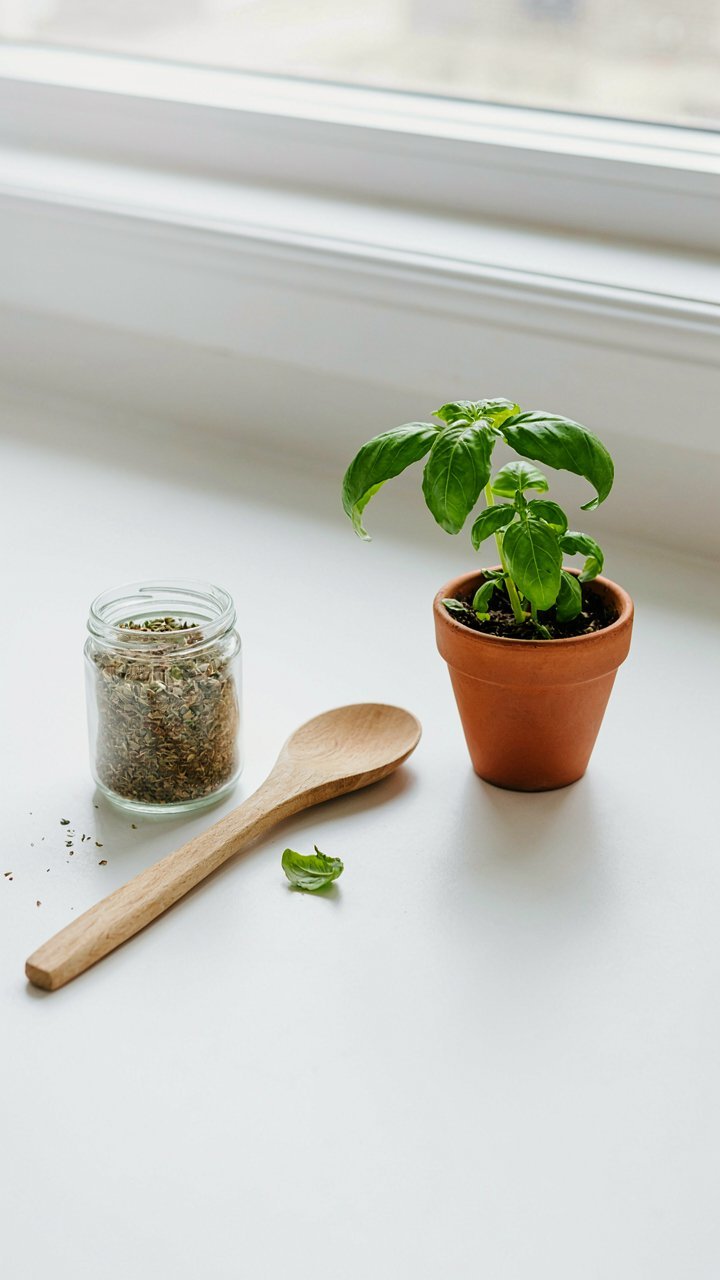
When Dried Reigns Supreme
You want permission to use fresh herbs everywhere because that’s what looks good on Instagram. Here’s the mechanism: drying concentrates flavor compounds through water removal, which creates intensity that fresh herbs physically cannot match. Dried oregano, thyme, and marjoram have volatile oils that become denser after moisture evaporates. This isn’t opinion. It’s why a teaspoon of dried oregano overwhelms a tablespoon of fresh in tomato sauce.
Dried herbs dominate in slow cooking, marinades, and rubs because the cooking time activates and distributes their concentrated oils. Add dried herbs early. They need heat and time to release their full profile. Fresh herbs in the same application taste like green water because they haven’t developed the same oil density. Use dried herbs in soups that simmer for hours, braised meats, and any dish where flavor compounds have time to fully integrate into fat or liquid.
Potency Comparison: Fresh Versus Dried Equivalence
The 3-to-1 ratio everyone quotes is a starting point, not a law. Dried herbs lose moisture but not all their potency equally. Basil becomes nearly useless when dried because its flavor profile depends on volatile compounds that degrade fast. Rosemary stays potent because its oils are more stable. You need three times more fresh basil to match one teaspoon of dried oregano, but that ratio collapses with delicate herbs like tarragon or dill.
The real variable is storage time and heat exposure. Dried herbs lose 5 to 10 percent of their potency annually sitting on a shelf. After two years, that dried oregano has degraded noticeably. Buy dried herbs in smaller quantities and replace them yearly. For fresh herbs, the countdown starts the moment you cut them. Use them within three to five days. The mechanism is simple: fresh herbs wilt and oxidize. Dried herbs degrade through light and heat. Control your storage, not your ratios.
Drying Herbs: Preservation For The Pragmatist
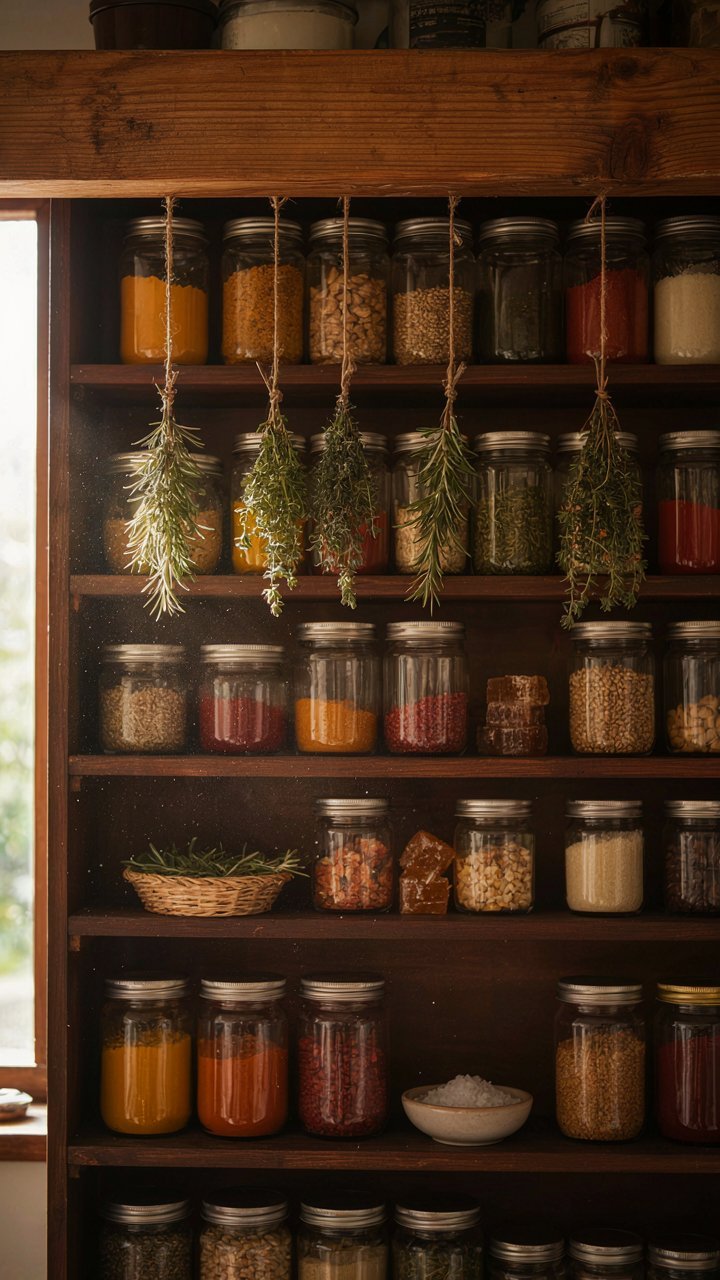
How To Dry Herbs Without Losing Their Edge
You want dried herbs because you think they’ll taste better than fresh ones stored badly. They won’t. Dried herbs taste worse than fresh. What they do is preserve potency using the same principle as heat sterilization in biology: moisture removal stops enzymatic degradation. The mechanism matters because it tells you what actually degrades your herbs and how to stop it. Water feeds mold and bacteria. Remove water, extend shelf life. Everything else is theater.
- Air Drying: Tie stems in small bundles, hang upside down in warm, dark, well-ventilated spaces. Takes 1-3 weeks depending on humidity and herb density. Best for hardy herbs like rosemary, thyme, oregano.
- Oven Drying: Lay herbs on baking sheets at 95-115°F for 2-4 hours with the door cracked open. Low temperature preserves volatile oils. High heat destroys them. Faster than air drying but requires monitoring.
- Dehydrator: Set to 95-115°F, arrange herbs in single layers on trays, run for 1-3 hours until completely dry. Most consistent results. Best for delicate herbs like basil, mint, parsley that bruise easily during handling.
- Microwave Drying: Layer herbs between paper towels, microwave in 30-second intervals on low power. Fast but imprecise. High risk of scorching or uneven drying. Use only for small quantities or when time is critical.
- Silica Gel: Place herbs on silica gel beads in sealed containers, replace beads daily until dry. Excellent for preserving color and delicate leaf structure. More expensive upfront but reusable indefinitely.
The common advice to “hang dry everything” is incomplete. Tender herbs with high moisture content like basil and cilantro rot before they dry using that method. You need faster drying or humidity control. Choose your method based on the herb’s water content, not convenience, or you’ll waste the crop.
Keeping Dried Herbs From Turning Into Dust
Don’t store dried herbs in clear glass jars on your counter. Light degrades them faster than time does. You can’t see the damage happening, which is why people skip this step. The actual mechanism is photodegradation: UV radiation breaks down the aromatic compounds that make the herbs useful. Darkness extends usable life from months to years.
Use airtight containers kept in a cool, dark cupboard away from heat sources. Glass jars with rubber gaskets work. Metal tins work better. Temperature stability matters more than you think. Herbs stored above the stove degrade faster than herbs stored in a basement. Humidity inside the container kills everything. If any moisture remains from drying, your herbs mold instead of preserving. Before sealing, verify the herbs are completely brittle. Bend a leaf. If it cracks, it’s dry. If it bends, dry longer.
The Culinary Herbs Ecosystem: A Biological Imperative
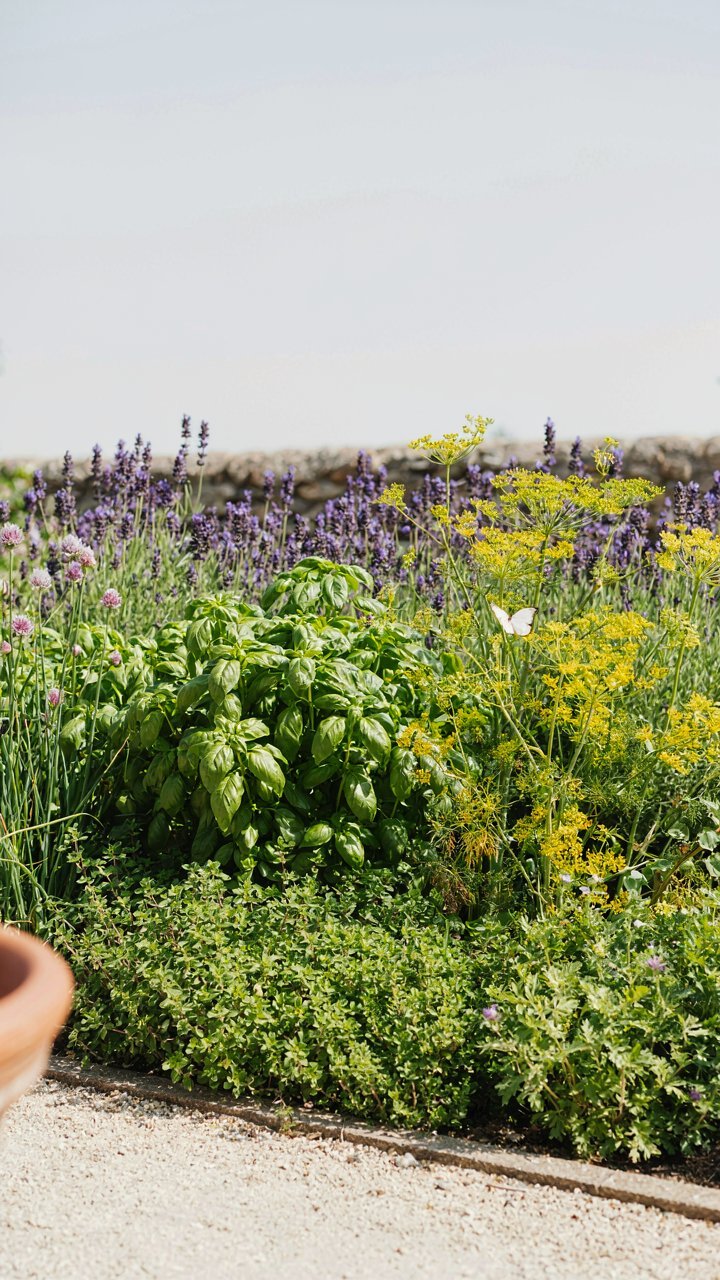
How Nature Plants Better Than You Do
You want your herbs to look effortless and productive without constant intervention. That’s the real draw here, and polyculture is the mechanism that delivers it. In ecology, “niche differentiation” means organisms occupy specific roles in a system to reduce competition. Your herb garden works the same way: basil doesn’t compete with oregano for water or nutrients because they have different root depths and moisture needs. Plant them together and both thrive harder than isolation would allow.
Monoculture herb gardens fail because they create artificial scarcity. A single herb species depletes specific soil compounds, attracts concentrated pests, and leaves bare soil exposed to erosion and weed colonization. Mixed plantings reverse this. Shallow-rooted chives coexist with deep-rooted rosemary. Aromatic thyme repels some insects while attracting pollinators that benefit neighboring cilantro. The system stabilizes itself through biological relationships, not your constant tweaking. Start with three herb varieties that fill different ecological roles: one ground-hugging (thyme), one mid-height bushy (oregano), one upright (rosemary).
Strategic Relationships That Block Pests
The companion planting advice you’ve heard is incomplete. Yes, certain plants repel pests, but the real mechanism is disruption of host-finding behavior. Insects locate their target plants through volatile chemical signals and visual cues. Densely planted polyculture gardens scramble both signals. A whitefly searching for basil encounters oregano’s different leaf structure and scent profile, gets disoriented, and leaves. This works better than any single repellent plant because it’s environmental noise, not one plant fighting alone.
Fennel and dill attract parasitic wasps that hunt aphids, but only if you let them flower. Chives deter spider mites near neighboring herbs through sulfur compounds in their leaves. Plant lavender as a perimeter crop to confuse larger pests entering from edges. The practical protocol: establish a three-herb foundation (basil, oregano, thyme), then add one flowering herb like dill for predatory insect recruitment. Dense spacing at six-inch intervals creates the signal-scrambling effect. Replace any herb that shows pest damage within two weeks instead of trying to rehabilitate it.
Beyond Just Cooking Herbs: The Medicinal Underside
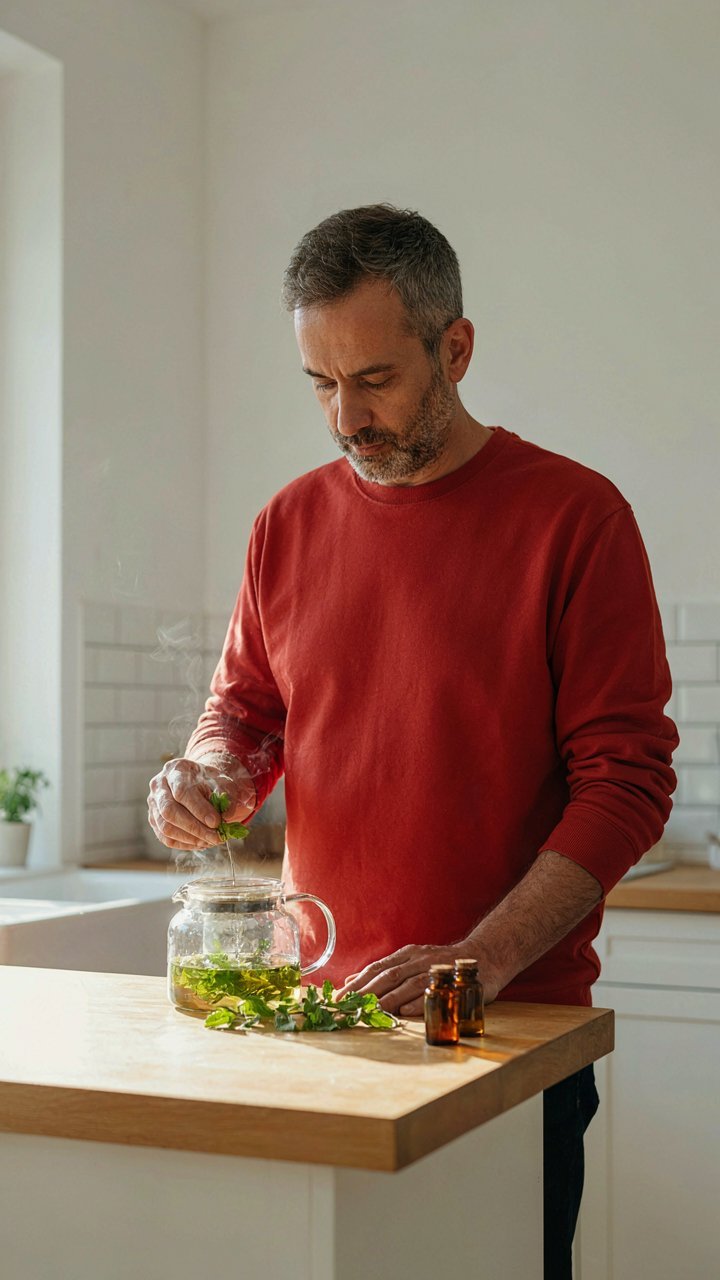
When Flavor Becomes Function
You want the credibility that comes with knowing your herbs do more than taste good. Here’s the mechanism: culinary herbs contain active compounds—volatile oils, alkaloids, phenolics—that affect your body’s systems the same way pharmaceuticals do, just at lower concentrations and slower onset. Mint relaxes smooth muscle. Thyme kills bacteria. Sage reduces inflammation. The dosage difference between seasoning and medicine is real, and that’s what separates a cook from someone who actually understands what they’re growing.
The mistake most people make is treating medicinal use as an extension of cooking. It’s not. Cooking denatures some compounds and concentrates others through heat. Medicinal preparation demands different extraction methods—infusions, decoctions, tinctures—to access the active constituents you need. Your grandmother knew this. Modern cooking culture forgot it. Growing an herb for flavor teaches you nothing about growing it for effect.
Knowing When Herbs Actually Work
The common advice here is useless: “consult your doctor” or “herbs have been used for centuries.” Both statements dodge the real question—which herbs have documented effects on which conditions and at what dose. Ginger reduces nausea through gingerrol compounds, proven in clinical trials for post-operative and motion sickness. Chamomile promotes sleep via apigenin binding to GABA receptors. Turmeric’s curcumin shows anti-inflammatory markers in blood work. These aren’t folklore. They’re mechanism.
The precaution that actually matters is interaction risk and individual sensitivity, not vague warnings. Thyme oil in concentrated form irritates mucous membranes. St. John’s Wort interferes with antidepressants and birth control through cytochrome P450 enzyme induction. High-dose sage can cause seizures in susceptible people. If you take medication or have a condition affecting liver or kidney function, research your specific herb before using it medicinally. Start with half-standard dose, observe for seven days, then adjust. Document what you feel.
The Real Obstacle To Flavor And Self-sufficiency Isn’t A Green Thumb, But Your Aversion To Systems
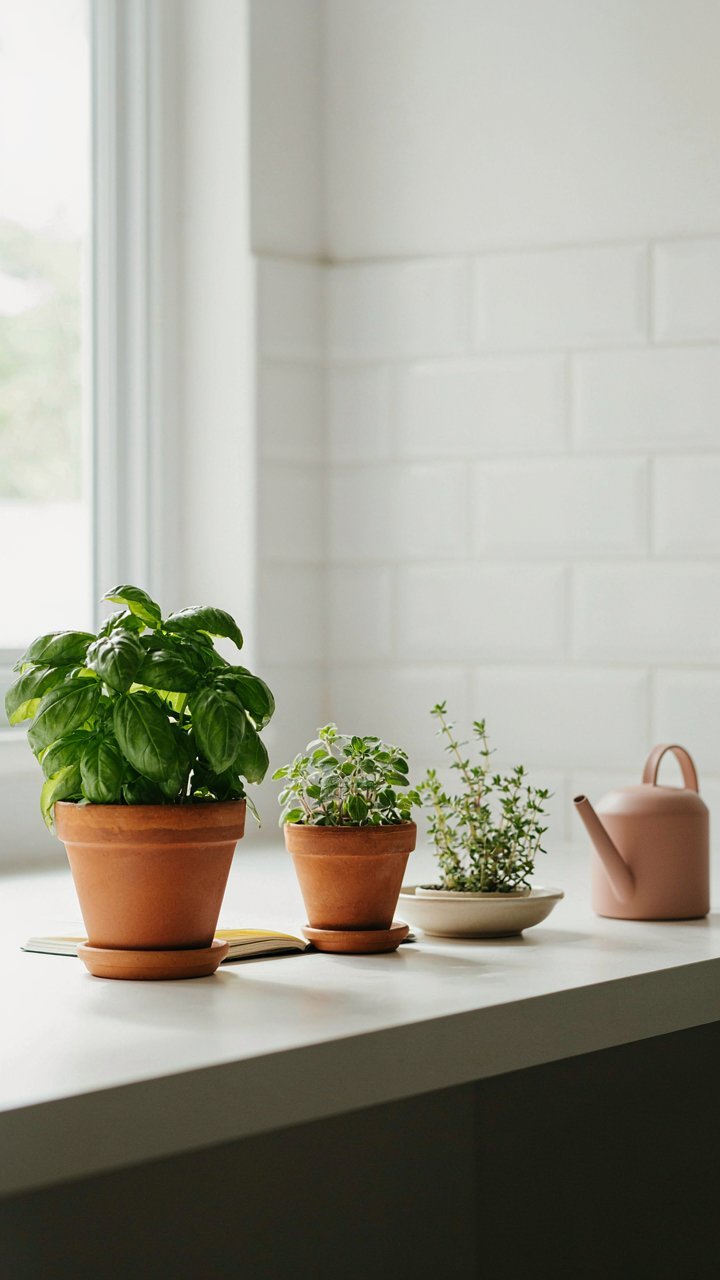
You don’t need more herb varieties. You need a watering schedule you’ll actually follow. Most people kill their basil and oregano because they treat gardening like a hobby instead of a system. Pick three culinary herb varieties today. Write down when you water them. Stick to it for two weeks. The difference between a kitchen that smells like fresh thyme and one that smells like regret isn’t luck or talent, it’s consistency.