
The Futility Of “Top Trends”: Why Chasing Novelty Fails Your Perennial Herb Garden

Microclimate Specificity Beats Viral Advice
You want to feel like you’re making an optimized choice, so you hunt for what’s working elsewhere. Here’s the mechanism: trending advice is aggregated from successful gardens operating under completely different soil pH, drainage patterns, frost dates, and sun exposure than yours. Your perennials will fail not because the trend is wrong, but because it was never designed for your specific microclimate. A variegated sage thriving in zone 6 clay doesn’t translate to zone 9 sandy loam.
Stop looking for universal “best” herbs. Instead, map your soil composition, measure your annual frost dates using local data, and identify your microclimate’s true drainage pattern. Test soil pH before selecting anything. Trending perennials often cluster around cultivars bred for commercial appeal, not for the conditions you actually control. Run a soil test first. Everything else follows from what that test reveals.
Long Term Stability Over Quick Wins
Economics teaches us the concept of optimizing for short-term gains versus system resilience. In herb gardening, chasing trends creates what economists call a fragile system: you plant what’s hot this season, it underperforms next year because you didn’t match it to your soil, so you rip it out and chase the next trend. Three years later your perennial bed looks like a graveyard of failed experiments and you’ve wasted money, time, and soil structure.
Perennial herb gardens compound their failures. Every uprooting disturbs mycorrhizal networks, damages soil structure, and kills beneficial organisms that take years to rebuild. Choose one proven performer for your specific conditions and establish it fully before adding anything. Growth happens quietly in established systems, not in constant replanting cycles. Stability beats novelty every single time.
The “Ecosystem Mimicry” Protocol For Perennial Herb Garden Design

Observe Natural Perennial Patterns And Plant Guilds
You want this section to work because you’re tired of replanting every season and you think a perennial herb garden solves that. It doesn’t, unless you stop treating it like a decorative object and start treating it like an organism. Ecology calls this “succession”—the predictable way plants colonize bare ground, compete, and reach equilibrium. Your perennial herb garden follows the same pattern. Pioneer herbs like borage and comfrey establish first, suppress competition, then recede as slower-growing, deeper-rooted species like oregano and sage dominate over years.
The mechanism is guild structure. In nature, perennials don’t grow alone. They cluster with complementary species that share root depths, water needs, and seasonal timing. Thyme and marjoram thrive together because they occupy the same ecological niche and don’t fight for resources. Yarrow tolerates drier margins while lemon balm prefers wetter zones in the same bed. Observe these patterns in wild meadows or untended roadsides, then replicate the guild in your garden. Your job is noticing which herbs naturally associate, then placing them adjacent, not scattered.
Design For Minimal Intervention And Self Sufficiency
The common advice says “maintain your perennial herb garden regularly.” That’s lazy guidance because it inverts the actual goal. A well-designed perennial herb garden demands less intervention each year, not the same amount. You’re not managing plants; you’re managing succession. Establish the right initial density, spacing, and species mix so competitive balance self-corrects without you pruning every month or dividing every spring.
The protocol: Start with three times as many plants as you think you need in year one, positioned tighter than standard spacing guidelines. Let them compete naturally. The weak performers die. The strong ones spread and stabilize into a stable community by year two or three. After establishment, your only jobs are harvesting (which prunes), replacing dead individuals, and occasionally removing species that became invasive. When competition settles, the garden runs itself because the ecosystem has reached equilibrium.
Beyond Aesthetics: Wild Herb Garden As Functional Landscape
Native Herbs Drive Actual Resilience
You want a perennial herb garden that doesn’t collapse the moment conditions shift because you know entropy wins without redundancy. Ecology uses the term “functional redundancy”—multiple species performing the same ecological role so that losing one doesn’t break the system. Your herb garden operates the same way. Native herbs adapted to your regional climate require less water, fewer inputs, and survive pest pressure that would demolish imported ornamentals.
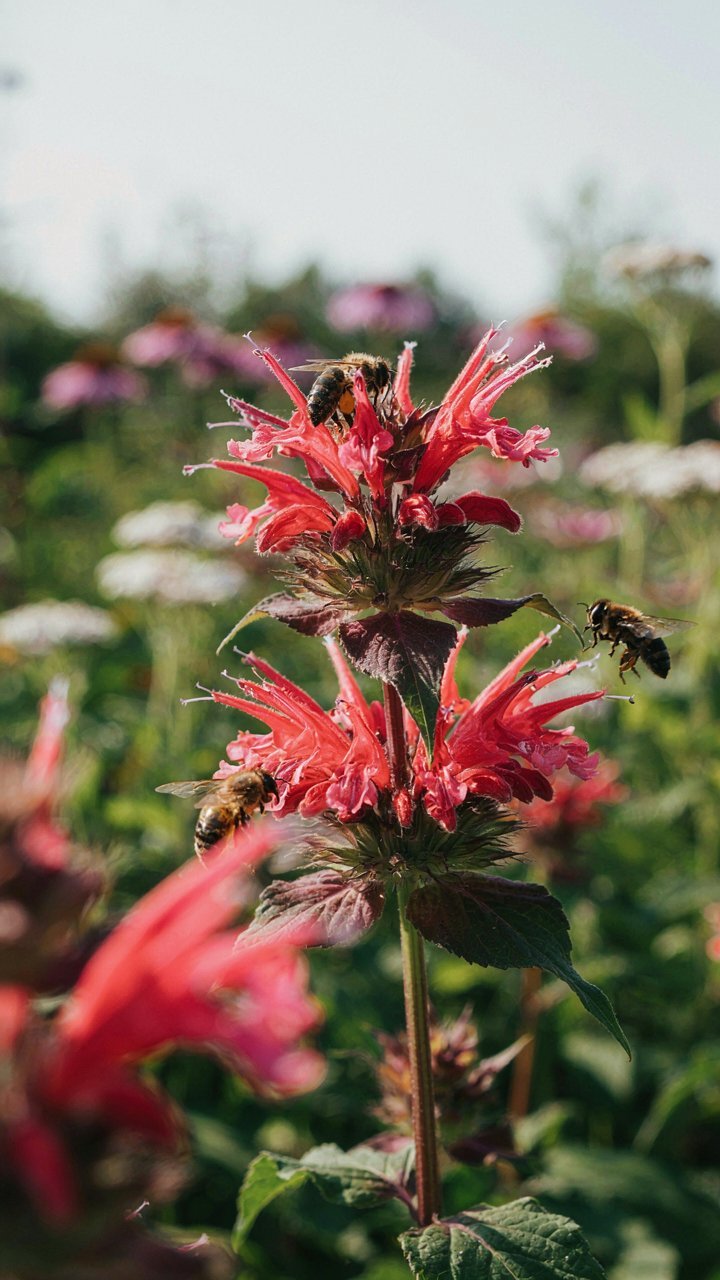
Integration means planting native herbs that already exist in your region’s plant communities. Bergamot, native bee balm, wild mint species, and regional sage varieties don’t need babying. They establish root networks that improve soil structure, attract pollinators that service your entire garden, and persist through drought or unexpected frost. This is the actual work: replacing the assumption that a garden needs constant management with one that builds self-regulation into its foundation.
Pollination And Pest Control Come Before Curb Appeal
Forget the common advice that herb gardens exist to look nice from the patio. That’s the hobby framing. The functional frame asks what ecological services your garden delivers, then optimizes for those first. Native perennial herbs produce consistent nectar flows that sustain pollinator populations year-round, which means your food crops pollinate reliably and pest populations stay suppressed through predatory insect pressure.
Native herbs create habitat density that attracts beneficial wasps, hoverflies, and ground beetles—predators that hunt aphids, scale, and caterpillars before they multiply. Blooming sequences matter here: stagger your herb selections so something flowers from spring through fall, maintaining a food source for predators during gaps. The garden becomes a biological control system. Measure success by insect diversity present, not by how symmetrical your beds look.
Perennial Herb Garden: The “Permaculture Stacking” Principle
Stack Plants By Root Depth And Canopy
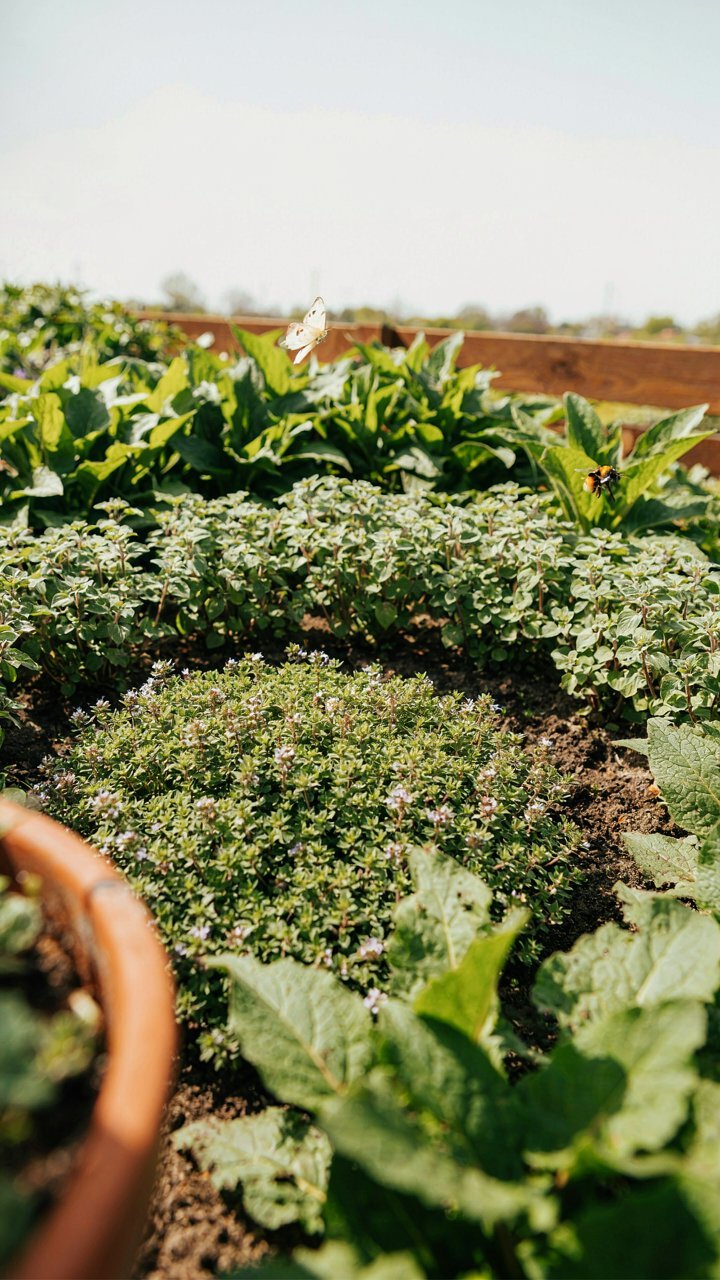
You want to believe that cramming more plants into less space makes you efficient. The actual mechanism is borrowed from ecology: niche partitioning. Different plants occupy different vertical zones, so they compete for the same soil nutrients and water less. Shallow-rooted herbs like thyme access the top inch. Medium-rooted plants like oregano hit four to eight inches. Deep-rooted plants like comfrey pull from twelve inches down. Each tier feeds itself from a different nutrient horizon.
The payoff is density without collapse. A three-square-foot bed stacked vertically holds fifteen to twenty productive plants instead of five. You’re not creating more resources, you’re organizing existing ones so each plant gets its own slice of the soil column. Start with your deepest-rooting herbs at the perimeter, then layer medium and shallow rooters toward the center in concentric rings or blocks. This pattern prevents the tall plants from shading out lower ones while maximizing the underground real estate.
Nutrient Cycles Flow Horizontally And Vertically
Most gardeners ignore how nutrients actually move through the soil. Vertical nutrient cycling happens when deep-rooted plants bring up minerals from lower layers, drop their leaves or stems on the surface, and those nutrients break down for shallower plants to use. Horizontal cycling happens through root exudates and decomposing biomass spreading laterally across the bed. You engineer both at once. Plant a nitrogen-fixing perennial like alfalfa or a legume herb at the bed’s edge. It feeds the soil chemistry for everything around it while its roots go deep.
The mechanism is simple: deep roots mine nutrients, shallow roots harvest them. Comfrey and yarrow act as nutrient accumulators in permaculture stacking. They pull trace minerals from deep soil, die back seasonally, and their leaves become mulch that feeds surface-level herbs. You’re essentially creating an internal nutrient pump. Position accumulator plants on the north or west side where they won’t shade your main herbs. Their job is mining and recycling, not competing for the prime growing spot.
Herb And Flower Garden: Symbiotic Partnerships, Not Just Pretty Faces
When Pest Control Works Without Chemicals
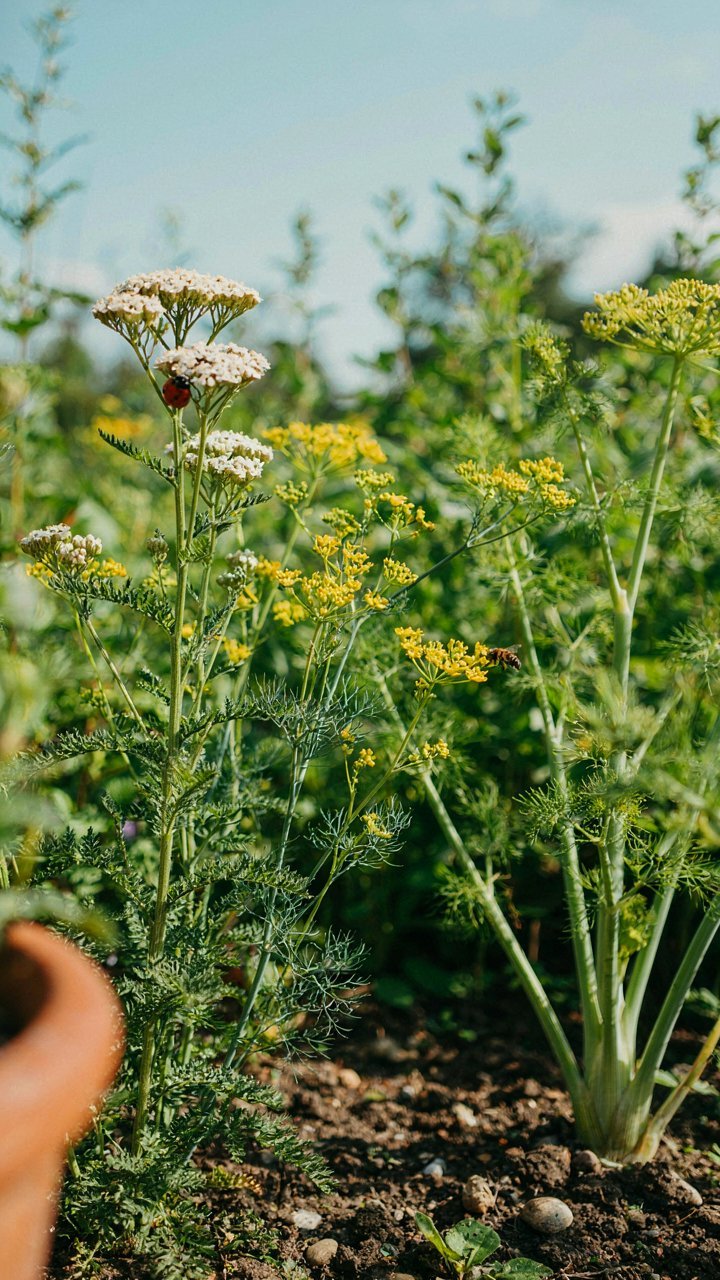
You want to skip the sprays and look smart doing it. Here’s the mechanism: ecology runs on predation and resource competition. Think of companion planting as applied food web design. Plant yarrow near fennel and you’re not being poetic—you’re stacking predatory insects that eat aphids into a physical space before pests colonize. The flowers feed beneficial wasps and beetles. The herbs feed the flowers. The system runs itself because each organism has an incentive to stay.
- Yarrow with fennel: Attracts parasitic wasps that hunt aphids. Yarrow’s flat flower clusters and fennel’s fine foliage create microhabitats for small predators without competing for root space.
- Dill alongside thyme: Hoverflies pollinate both. Their larvae consume soft-bodied insects. Dill’s tall stems and thyme’s low growth allow light stratification, maximizing the plot’s usable volume.
- Oregano near marjoram: Repels spider mites through volatile oils. Both are drought-tolerant perennials, so they don’t demand different water schedules and won’t choke each other out for moisture.
- Sage with lavender: Lavender’s nectar feeds beneficial insects year-round. Sage’s tough leaves resist pest damage. Their similar hardiness means they thrive under identical conditions without one dominating.
- Borage under rosemary: Borage self-seeds and fixes nitrogen. Rosemary’s deep roots don’t compete for it. Borage’s flowers feed pollinators. This stacks three functions into one pairing.
The real payoff isn’t eliminating pests—it’s shifting the ratio so predators outnumber prey before damage happens. You stop managing insects and start managing populations. That requires observation, not chemistry.
Intercropping Breaks The Monoculture Trap
Most growers plant one herb per section and wonder why disease spreads like fire. Monocultures are ecological dead zones. When you plant only oregano in one bed, oregano pests and oregano pathogens evolve faster than your immune system can adapt. They have no predators, no competition for resources, and infinite food. The garden becomes a factory for their reproduction.
Intercropping perennial herbs solves this by introducing friction. Mix rosemary, thyme, lavender, and sage in the same bed. Root depths vary—rosemary goes deep, thyme stays shallow, lavender sits middle. Pest populations fragment because their host plants aren’t clustered. Disease can’t spread as efficiently when infected oregano sits next to healthy sage instead of healthy oregano. Pollinators and predators move between species, multiplying their reproductive success. You’ve engineered diversity into density. The garden handles stress without your intervention because no single pathogen or pest has enough consecutive hosts to explode.
The Mycorrhizal Network: Unseen Power Of Your Herbal Garden Design

How Fungi Trade Resources Underground
You want your perennial herbs to thrive without constant maintenance because you know that signals status more than any Instagram garden photo. Here’s the mechanism: fungi operate like an underground economy. Mycorrhizal networks exchange nutrients and water between plant roots and fungal hyphae. The fungus gets carbohydrates from the plant’s photosynthesis. The plant gets phosphorus, nitrogen, and water the fungus extracts from soil. This isn’t symbiosis as feel-good metaphor. It’s a literal transaction that bypasses the plant’s root surface limitations.
Most garden advice treats soil as inert substrate. Wrong. When you plant perennial herbs, you’re not just planting herbs. You’re establishing a trading post between plant tissue and fungal tissue. Undisturbed soil with organic matter supports fungal colonization. Tilling, synthetic fertilizers, and fungicides disrupt these networks and force your herbs into constant resource-scarcity mode. Skip aggressive soil amendment and let the network form.
Chemical Signaling Through The Underground Web
Plant communication experts call this phenomenon root-to-root communication through fungal intermediaries. One herb sends chemical signals through fungal hyphae to neighboring herbs. These signals warn of pest pressure, drought stress, or disease. Receiving plants upregulate their own defensive compounds before threats arrive. This isn’t theoretical. Researchers have documented this repeatedly in controlled conditions with perennial plants.
Most gardeners never think about this because they treat each plant as isolated. Your perennial herb garden works as a collective intelligence only when the fungal network stays intact. Disturbing soil structure, using broad-spectrum fungicides, or creating hypersterile growing conditions breaks this communication. The result: isolated plants with weaker immune responses. Maintain consistent mulch cover, minimize soil disturbance, and avoid antifungal treatments to keep the network functioning as your garden’s nervous system.
Perennial Herb Garden Design: The Art Of Strategic Neglect

Build Roots First, Then Step Back
You want a perennial herb garden so you don’t have to replant every spring—that’s the real reason this matters. But most gardeners sabotage this by babying plants through their first year. In biology, root establishment follows a predictable sequence: plants prioritize below-ground growth when top-growth stress stays low. Constant watering, fertilizing, and fussing trigger the opposite response. The plant keeps its roots shallow, waiting for you to fix problems instead of solving them alone.
Year one determines everything. Plant perennials in fall or early spring when soil moisture is naturally higher and temperatures favor root expansion over leaf production. Once established, a mature perennial herb—oregano, thyme, sage, marjoram—needs water only during genuine drought. This isn’t neglect. It’s the operating system you’re installing. Stop intervening so roots run deep instead of staying dependent on surface moisture.
Prune For Growth, Not Appearance
The advice to prune herbs for shape is half-true and wholly backward. Prune for structure and vigor, and shape follows naturally. Pruning stimulates branching at the cut point, increasing both leaf production and plant density. Herbs like sage and lavender become woody at the base when you only deadhead or trim spent flowers. Strategic cuts into live wood force the plant to develop multiple stems lower down, extending its productive life by years.
Cut back 30 to 50 percent of the plant’s growth in late winter or early spring, targeting stems above a node where new leaves already show. Remove any dead or diseased wood first. This aggressive timing aligns with the plant’s natural push upward and prevents the hollow, leggy structure that makes perennials fail after three years. Hard pruning every two to three years rejuvenates the entire plant instead of just managing its edges.
Beyond “Lavender Garden”: Diversifying For Resilience And Utility
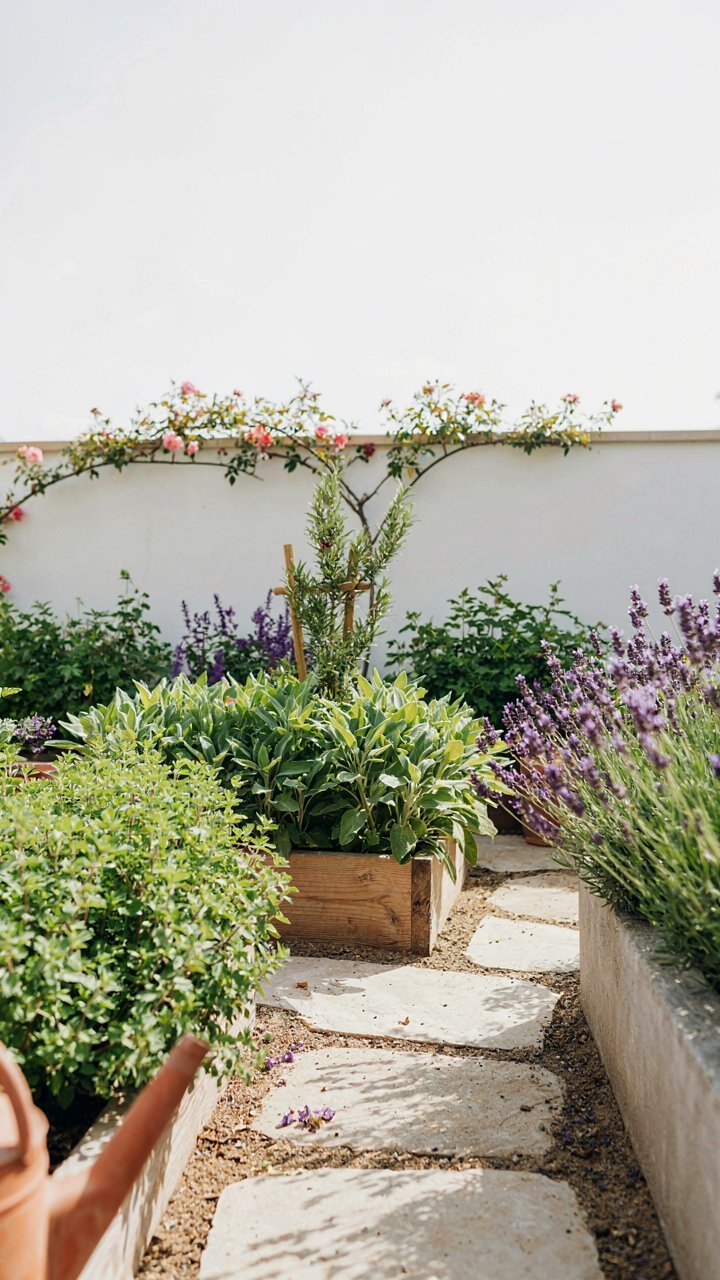
The Functional Stack You’re Actually Building
You want people to think you have a “garden” instead of admitting you want free medicine and seasoning year-round. The mechanism here is functional diversity: when you plant one herb type, you create a single point of failure. Disease, pest pressure, or a hard frost wipes out your supply. A diversified perennial herb garden distributes that risk across culinary, medicinal, and aromatic categories so no single failure collapses the system.
Your garden becomes an asset because each plant serves multiple purposes. Oregano handles Italian cooking and digestive support. Sage works in poultry dishes and sore throat rinses. Thyme covers seasoning and respiratory support. This overlap means you’re not maintaining dead space—every square foot earns its place through utility. Start by mapping three categories and assigning herbs to at least two of them.
Regional Reality Over Garden Magazine Fantasies
Most herb garden advice ignores climate zones because lavender photographs better than winter savory. That’s lazy curation, not strategy. Your USDA zone determines which perennial herbs survive dormancy and regrow next spring versus dying out. A gardener in zone 5 cannot plant Mediterranean oregano as a perennial outdoors—it dies. That same oregano thrives in zone 8 and above without replanting.
Match your varieties to your zone first, then build flavor and function around what actually survives. Winter hardy thyme, chives, and oregano handle northern climates as true perennials. Southern zones add rosemary, santolina, and germander. Check your zone on the USDA map, then verify each herb’s hardiness range before purchasing. This single filter eliminates wasted money and replanting cycles.
The “Successional Harvesting” Method For Abundant Herb Garden Ideas

Harvest To Trigger Growth, Not Empty The Plant
You want perpetual abundance without work. That’s the real draw here. The mechanism is simple: most people treat herb harvesting like shopping, stripping leaves until the plant looks sad. That’s wrong. Harvesting at the right point actually stimulates the plant to branch and produce more biomass. This is basic plant physiology, not opinion. When you remove the terminal bud or top growth, you remove apical dominance, the hormone signal that suppresses lateral branching. The plant responds by activating side shoots. More shoots equals more harvestable surface area the next cycle.
The protocol is precision. Cut just above a leaf node on the upper third of the stem, never below the halfway point. Never take more than one third of the plant at once. Time harvests every two to three weeks during the growing season for perennials like oregano, thyme, and sage. This rhythm keeps the plant in a perpetual growth mode instead of flowering or going woody. Skip harvesting, and the plant invests energy into reproduction, not expansion. Harvest correctly, and you get a denser plant with more leaves per season than you would if you left it alone.
Seeds And Cuttings Close The Loop
Saving seed from your perennials is not romantic nostalgia. It’s a duplication system that eliminates your dependency on buying replacement plants. Some perennial herbs like oregano, thyme, and marjoram produce viable seeds. Let one plant flower and set seed at the end of the season instead of harvesting it continuously. Collect the dried seed heads when they turn brown but before they shatter. Store seeds in a cool, dry place in paper envelopes. They remain viable for two to five years depending on the herb and storage conditions. Propagate cuttings from healthy stems in early summer using rooting hormone and well-draining medium. Root development takes two to three weeks.
Propagation creates insurance and multiplies your garden footprint with no cost. Take three inch stem cuttings from new growth, strip the lower leaves, dip the cut end in rooting hormone, and place it in perlite or sand. Mist lightly and maintain humidity without waterlogging. Once roots establish, transplant into soil. This method works reliably for sage, oregano, thyme, lavender, and rosemary. Seed saving works for some species but not all, so verify your herb first. The result is a self-renewing garden where you never buy the same plant twice.
Your Perennial Herb Garden Landscape: A Legacy, Not A Fleeting Trend
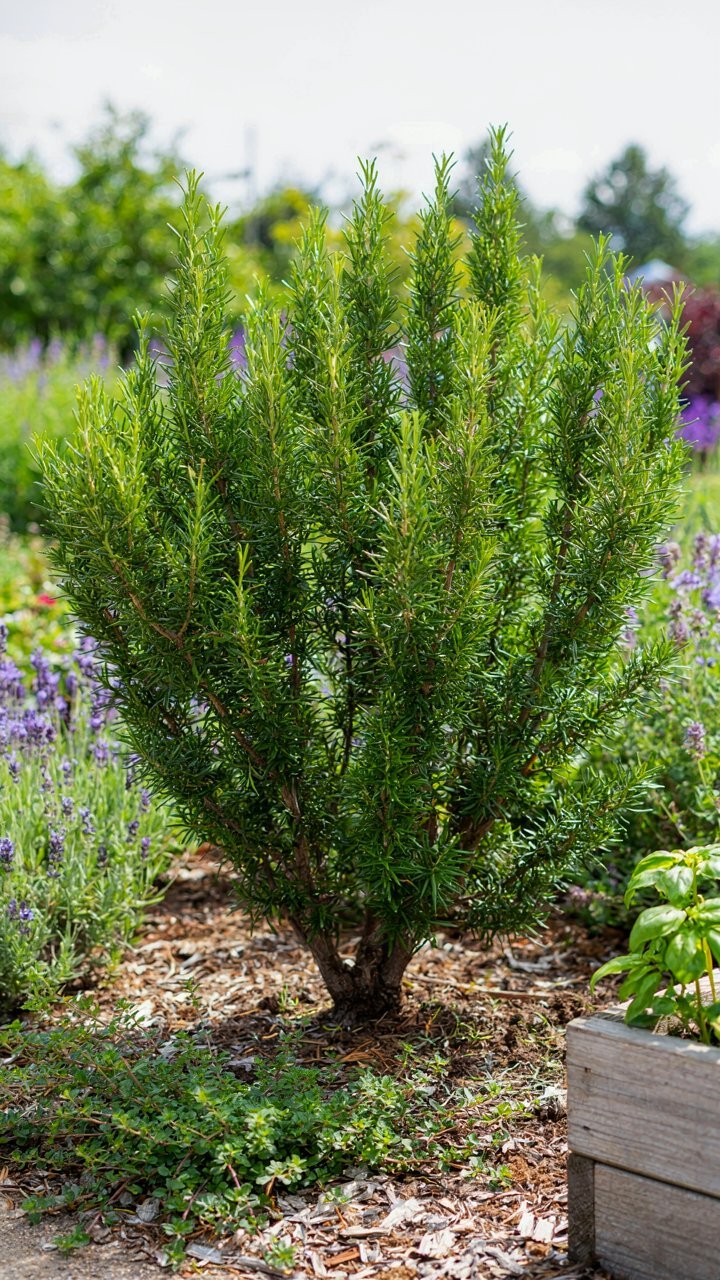
Design For Systems That Outlast You
You want to plant something and forget about it. That’s the real reason you’re reading this. The mechanism at work here is compound returns: perennial herbs generate value over decades, not seasons. Unlike annuals, they establish root systems that deepen each year, meaning less water input, better nutrient cycling, and consistent yields. This is economics applied to botany. A rosemary plant from 1995 still produces today. An annual bed from 1995 is dust.
The amateur mistake is treating perennial herb design like a one-time project. Wrong frame. You’re designing a production system your kids might inherit. Choose placement based on thirty-year patterns, not this year’s sun angles. Establish plants where foot traffic stays low and soil disturbance stops. Space for mature width, not current size. The design work happens once; the payoff compounds forever.
Soil Building Compounds Like Interest
Everyone says “amend your soil.” Nobody says why it matters more for perennials than anything else. Perennial herbs live in the same ground for years, meaning soil quality isn’t just an input—it’s the foundation of every future harvest. Poor soil forces you to replace plants. Good soil forces nothing. Mycorrhizal networks develop over time, root depth increases, organic matter accumulates. Soil health on perennials works like compound interest: small improvements multiply across seasons.
Start by measuring baseline conditions: pH, organic matter percentage, drainage rate. Add two to three inches of aged compost into the top six inches before planting. After that, stop tilling. Annual top-dressing with half an inch of finished compost keeps the system fed without disrupting established root networks. Most gardeners bail too early. Give the soil three seasons to reveal what it can do.
The Real Obstacle Isn’t Knowing The Right Trends, But Overcoming Your Addiction To Novelty
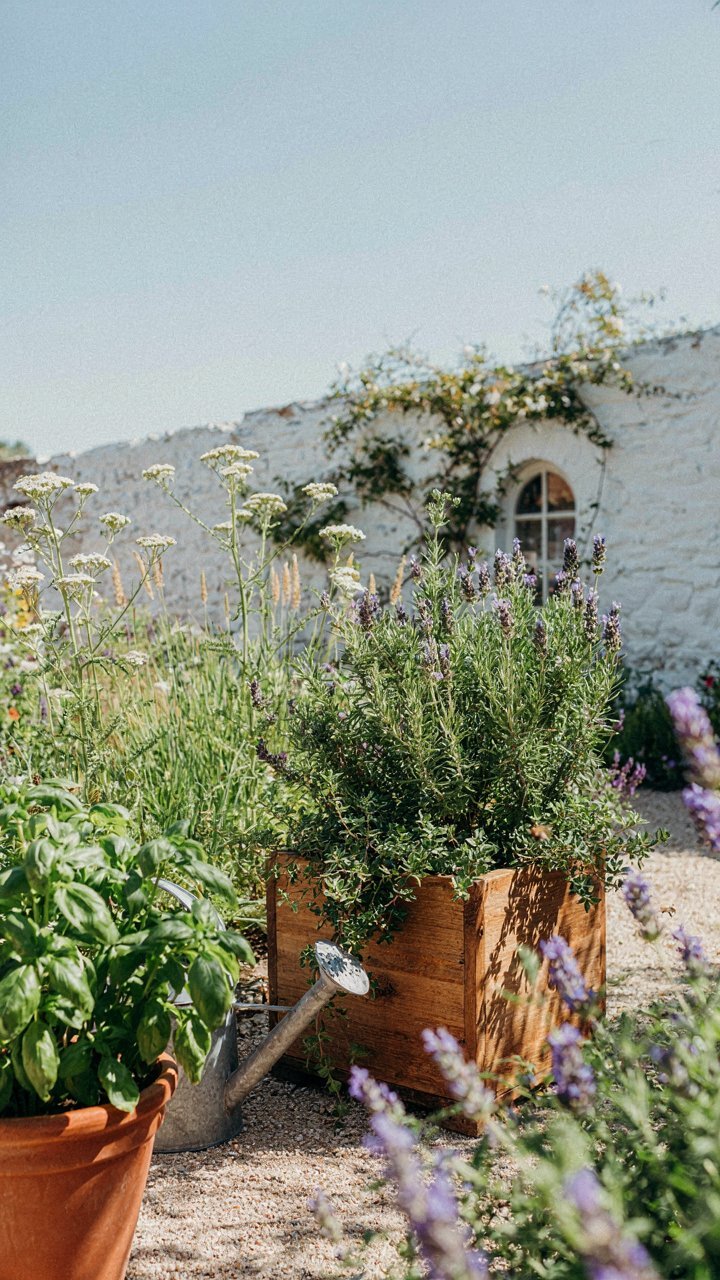
You don’t need another trend. You need to stop chasing them. Every perennial herb garden trend you read about dies the moment you abandon it for the next one. Pick three herbs that actually solve a problem in your life, commit to them for a full year, and stop scrolling. Your hands matter more than your feed. Plant something today that you’ll still want in twelve months, not something that looks good in a photo.