
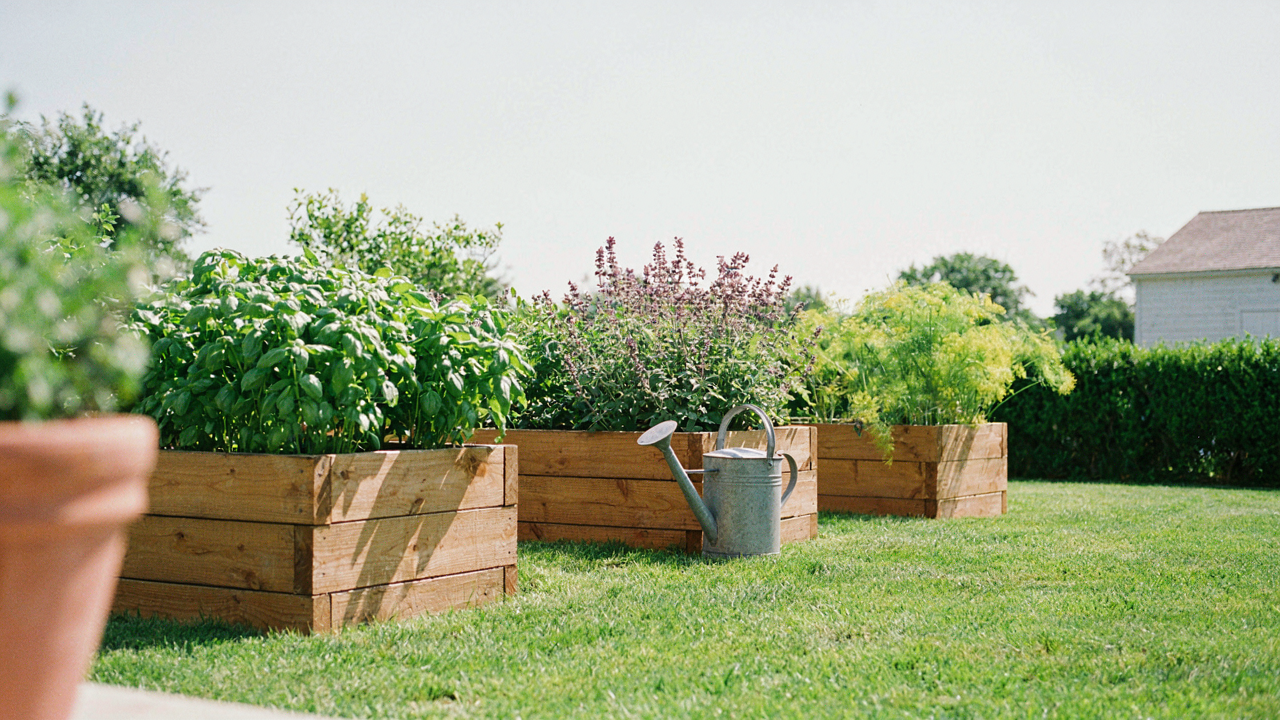
Beyond Folk Wisdom: The Biological Imperatives Of Companion Planting Herbs
Rhizosphere Interactions, Not Magic
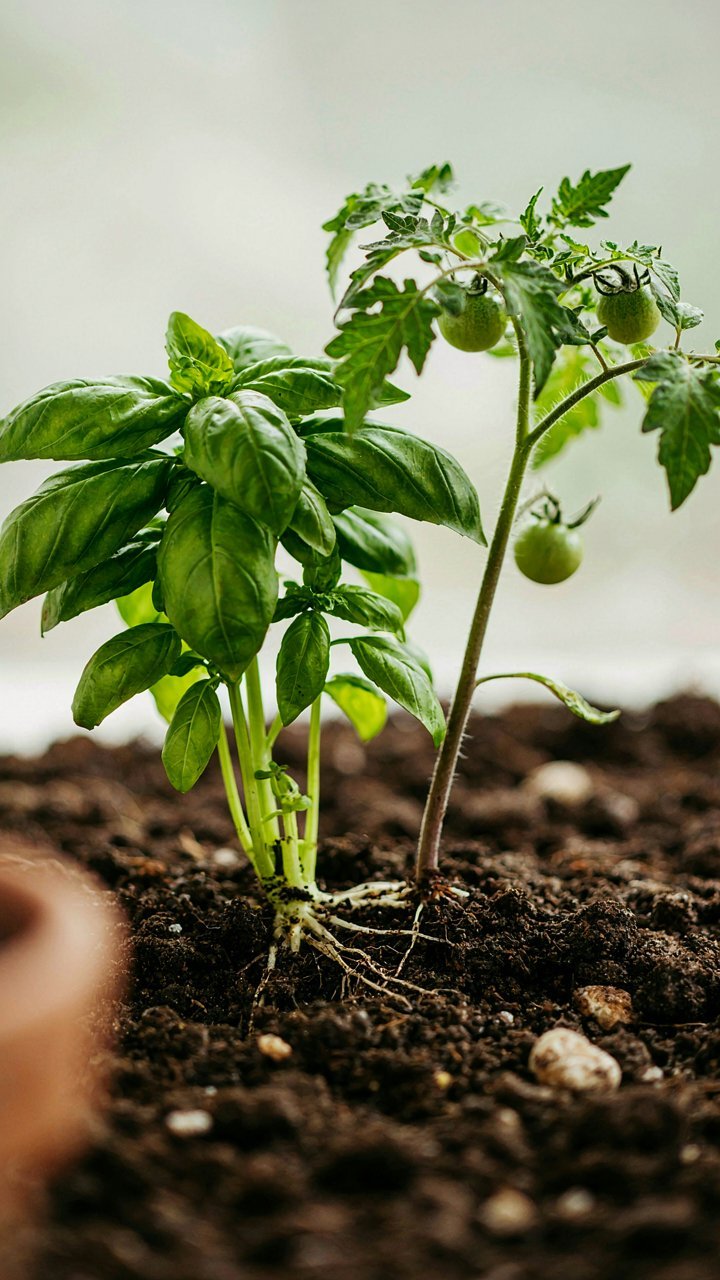
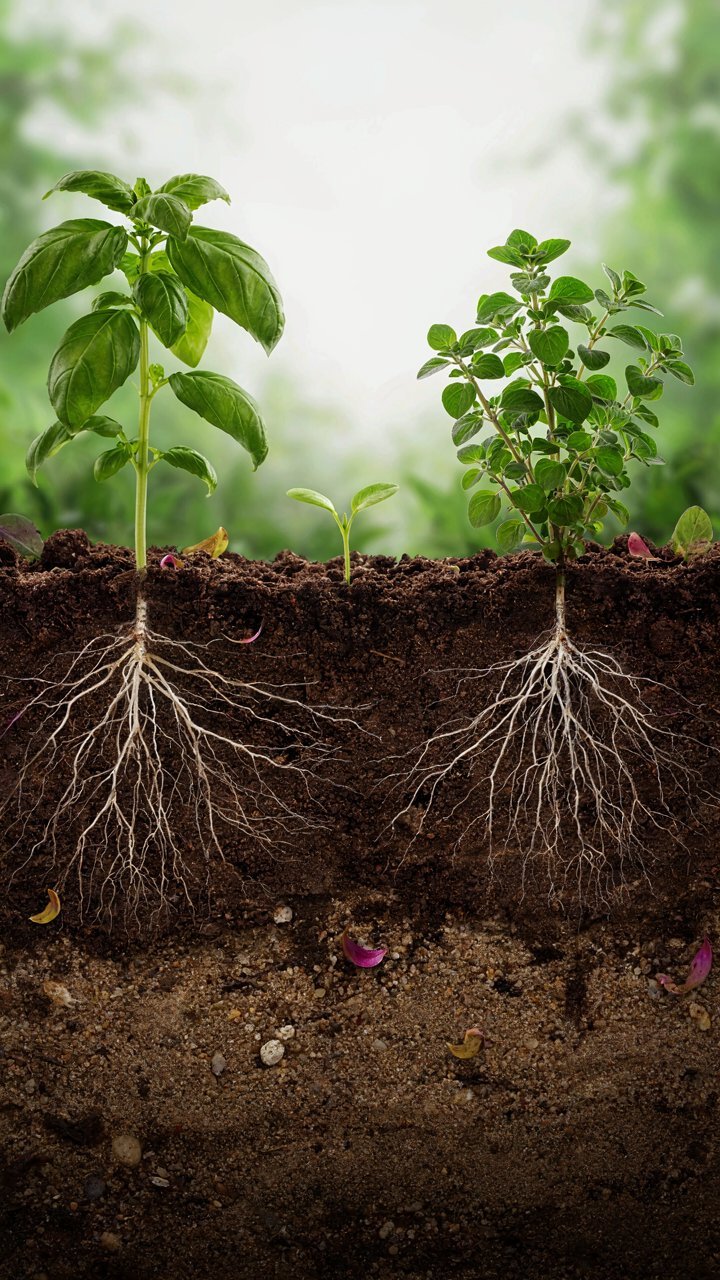
You want companion planting to work because admitting trial and error feels like failure. Here’s what actually happens: the rhizosphere—that zone of soil immediately around plant roots where biology gets dense—is where companion planting either succeeds or collapses. This is microbiology, not mysticism. When basil grows near tomatoes, their root systems don’t touch or communicate. What shifts is the microbial ecosystem that feeds both plants. The microbes, fungi, and bacteria in the shared soil layer respond differently to the chemical exudates each plant releases.
The real mechanism is nutrient cycling and pathogen suppression in that narrow band of soil. Basil roots exude compounds that recruit beneficial microbes; those microbes then suppress certain soil pathogens that damage tomato roots. Tomatoes do something similar. You’re not planting two herbs for harmony. You’re engineering a microbial shift that makes the soil less hospitable to specific threats and more efficient at nutrient delivery. This happens underground where you can’t see it. Test it by comparing root health: companion-planted herbs show less root rot and faster nutrient uptake than isolated plants in identical soil.
Chemical Warfare In Your Garden
The common advice stops at “some plants repel pests.” Wrong framing. Allelopathy is the biological term, and it describes active chemical suppression—one plant literally poisoning the soil to block competitors. Marigolds don’t “repel” nematodes through some gentle magic. They release thiophenes into the soil, compounds toxic enough to kill root-feeding nematodes in a defined radius. Oregano does the same with thymol. These aren’t suggestions. They’re chemical weapons with measurable concentrations and kill rates.
Companion planting with herbs works when you use plants whose allelopathic outputs match your specific problem. Dill near brassicas releases compounds that deter cabbage moths but don’t suppress brassica roots because brassicas tolerate those chemicals. Plant dill next to lettuce and you’ve created a zone where dill’s root exudates lower lettuce germination. You must know which herb produces which compound and which target plant tolerates it. Stack the odds by placing high-allelopathy herbs at garden edges, not in the dense plant center, so chemical concentration stays tactical instead of destructive.
The Symbiotic Protocol: What Herbs To Plant Together For Mutual Gain

Nitrogen Fixers And Heavy Feeders
You want companion planting to solve your fertilizer problem without admitting you’re lazy about soil prep. Here’s what actually happens: legumes like beans fix atmospheric nitrogen into soil. Heavy feeders like basil strip nitrogen fast. Pair them, and you’ve engineered a nutrient cycle instead of buying inputs. This is borrowed from agricultural ecology, where nitrogen cycling is the engine of soil health. Basil planted near legume crops gets a steady nitrogen supply the legume regenerates.
The common advice stops at “plant basil and beans together.” That’s incomplete. You need timing. Sow the legume first so it establishes its nitrogen-fixing bacteria. Wait two to three weeks, then plant the basil. This stagger matters because basil needs available nitrogen immediately, not a promise of it. The legume builds the reserve before basil demands it.
Shade And Moisture Regulation Dynamics
Plants manage water like an economy manages liquidity. Tall herbs like rosemary cast shade. Shorter herbs like oregano occupy that shade. Shade reduces evaporation. Oregano’s shallow roots stay moist longer in the shadow of rosemary. You’re not being nice to the oregano. You’re reducing its water stress and your watering frequency simultaneously.
This works because soil under shade cools and retains moisture longer than exposed soil. Oregano stops wilting between waterings. Rosemary benefits because oregano’s lower canopy reduces wind that dries its foliage. Stack tall and short herbs vertically, group them by water needs, and you’ve built a microclimate that regulates itself.
Pest Management By Design: Companion Planting Guide For Defense
How Repellent Compounds Actually Work
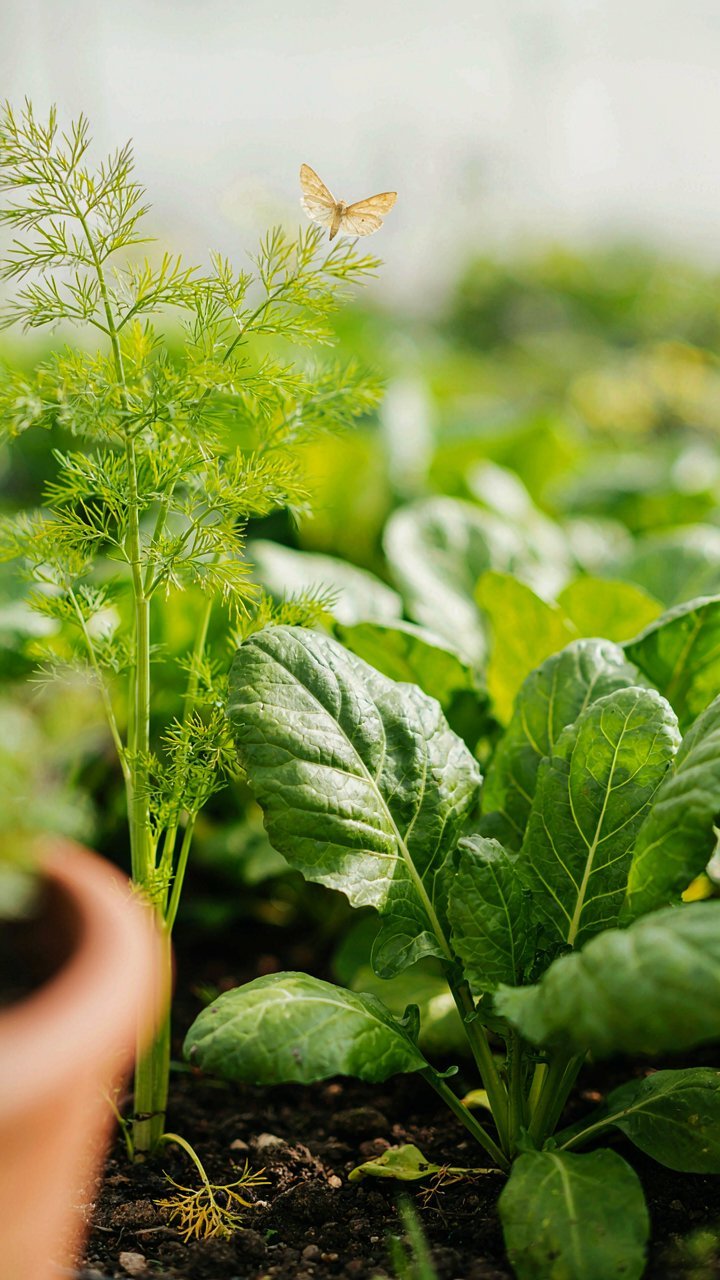
You want pest control without chemicals because you’re afraid of poison on your food, but you’re also tired of bugs destroying plants. Here’s what matters: plants release volatile organic compounds as a defense mechanism borrowed from chemical ecology, the field that maps how organisms wage molecular warfare. Basil doesn’t repel aphids because it smells nice to us. It produces compounds like linalool and eugenol that trigger sensory overload in insects’ olfactory receptors, making the plant unpalatable or directionally confusing to pests searching for their host plants.
The mistake most guides make is claiming repellent herbs create a protective “barrier.” They don’t. Repellent compounds work at the insect’s decision point during host plant selection. A cabbage moth doesn’t avoid your garden because thyme exists nearby. It avoids your brassicas because you’ve planted dill or fennel close enough that volatile compounds mix in the air the moth searches through, masking the chemical signal that says “food here.” Placement matters more than mere proximity.
Attracting Beneficial Insects Through Host And Nectar Plants
Beneficial insects don’t show up for decoration. They show up because you’ve planted what they eat before they eat your pests. This is recruitment, borrowed from labor economics: you must offer the resource the worker needs before asking it to work for you. Parasitic wasps, which lay eggs inside pest insects, need pollen and nectar as adults to fuel egg production and flight. Without those calories, a wasp passes through your garden and keeps moving.
Yarrow, fennel, and cilantro provide small flowers that beneficial insects can actually access, unlike large ornamental blooms designed for human eyes. Plant these in clusters between your herbs, not scattered randomly. The clustering reduces search time for beneficial insects and increases the odds they’ll stay long enough to hunt. When a beneficial insect locates food in your garden, it stays. When it stays, it encounters your pests.
The Microclimate Portfolio: Optimizing Your Herbs Companion Planting
Sunlight And Air Circulation Vectors
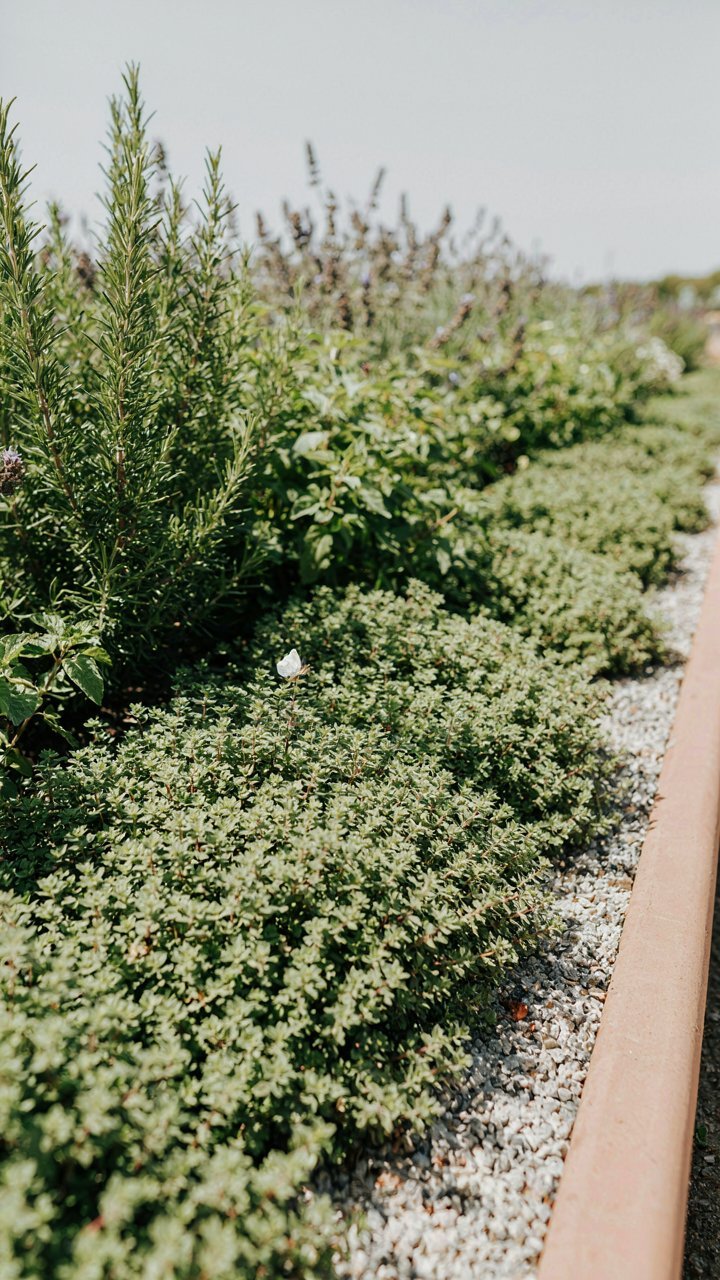
You want your herbs to look thriving in photos without actually managing them. Here’s what matters: sunlight exposure isn’t uniform across your garden, and companion planting works because it manipulates shadows and airflow. Borrow from physics the concept of vectors—direction and magnitude. Tall herbs like rosemary cast shade vectors that cool shorter neighbors like thyme. Air circulation acts the same way. Dense plantings block wind; sparse ones expose herbs to drying stress. Position Mediterranean herbs on the south side where they intercept maximum light. Place moisture-loving mint and parsley on the north or east side where morning sun dries dew without afternoon scorch.
Placement compounds the effect. If you cluster basil directly north of oregano, the oregano’s height blocks afternoon sun just when basil needs it most. If you space them eight inches apart with oregano positioned northwest, air moves through both, reducing fungal pressure on basil’s vulnerable leaves. The real play: air circulation prevents disease better than any spray. Arrange companions so prevailing winds flow through canopies, not around them. Test wind patterns in your space before planting, not after losing a crop.
Temperature And Humidity Buffering
Humidity management reads like plant physiology, but the mechanism is pure thermodynamics. Denser plantings create a microclimate layer that buffers temperature swings and holds moisture longer. Most beginner advice ignores this: people plant companions for “pest control” when the actual edge is environmental buffering. Tall herbs shield short ones from temperature extremes and wind desiccation. Oregano and marjoram planted near basil reduce the vapor pressure deficit around basil’s leaves, cutting water loss. This matters more than any pest interaction.
Layering creates this buffer. Plant rosemary or lavender on the windward side of your bed. Position basil, cilantro, and chives downwind and slightly lower. The taller plants absorb wind force and radiate stored heat during cold nights. In hot climates, denser groupings can drop soil temperature by five to ten degrees. In cool climates, the opposite: space herbs wider to maximize light penetration and reduce cold pockets. Map your microclimate first, then assign companion roles. Dense grouping in heat, loose grouping in cold.
The Mycorrhizal Network: An Evolutionary Biology Perspective On Companion Herbs Planting
How Fungi Trade Nutrients Between Roots
You want to believe companion planting works because it feels like nature has a cheat code you’ve discovered. The real mechanism is biology, not magic. Borrowing from mycology: think of the mycorrhizal network as a supply chain where fungi are the distributors. Fungal threads colonize root systems and extend far beyond what roots alone can reach, pulling phosphorus, nitrogen, and trace minerals from soil pores and delivering them directly to the plant’s roots in exchange for carbohydrates the plant produces through photosynthesis.
This exchange isn’t charity. Herbs like basil, oregano, and thyme form arbuscular mycorrhizal associations where fungi create tiny branches inside root cells, maximizing contact surface. When you plant nitrogen-fixing herbs like nitrogen-loving companions nearby, the fungal network connects them. One plant’s excess nitrogen flows through fungal highways to phosphorus-deficient neighbors. The fungi don’t care which plant thrives, only that the network stays active and fed.
When Plants Stop Fighting For The Same Resources
The conventional take is wrong: companion planting doesn’t work because plants magically help each other. Plants are competitors. Companion planting works because strategic spacing forces plants into different ecological niches, which means they stop competing for identical resources. This is resource partitioning from evolutionary biology applied to your herb bed.
Thyme has shallow roots that stay in the top two inches of soil. Rosemary roots drive down eight to twelve inches. Plant them together and they access different nutrient depths and moisture layers. The mycorrhizal network doesn’t eliminate competition, it redirects it. When herbs occupy separate soil horizons, the fungi service each root zone independently, reducing the zero-sum fight. The fungi benefit because more active roots mean more territory to colonize and more carbohydrate payoff.
Container Herb Garden: Strategic Grouping For Limited Space
Match Root Depth And Water Needs First
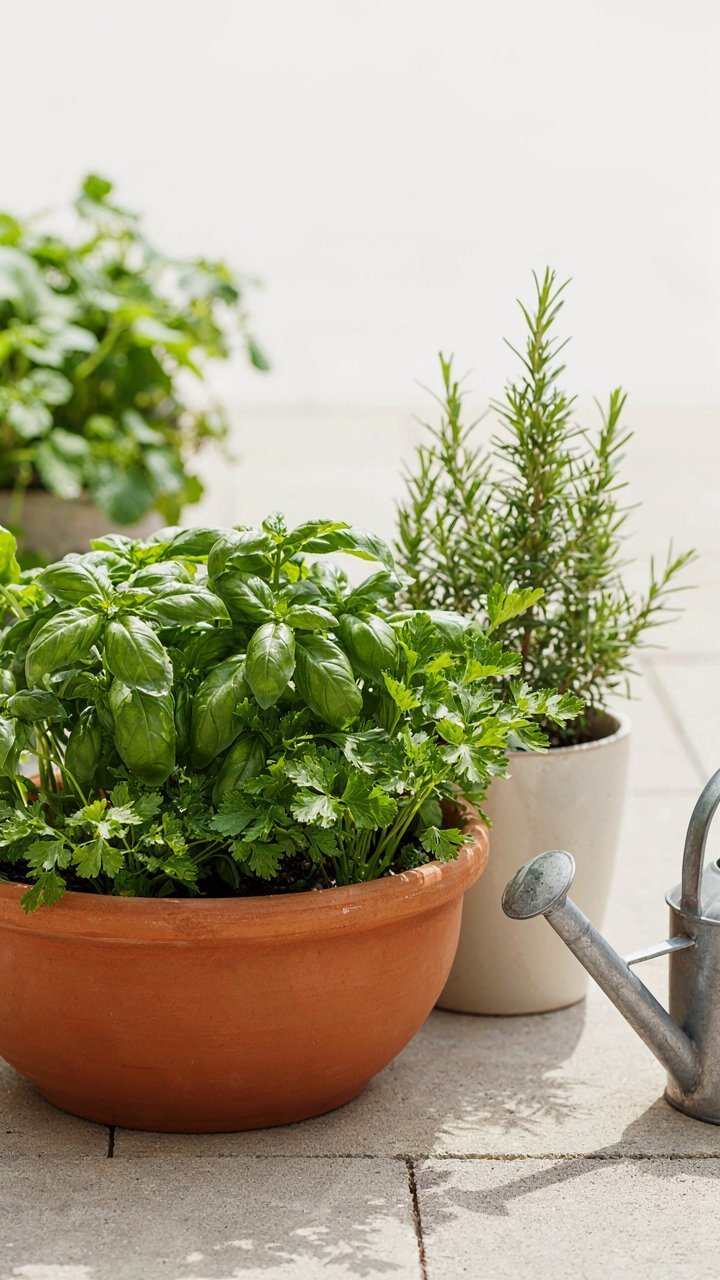
You want containers that look full without killing half your plants, which is why people buy random herb sets and watch them die at different rates. This is a hydrology problem. Shallow-rooted herbs and deep-rooted herbs compete for the same water volume but need different frequencies—one drowns while the other dries out. Group by root architecture, not flavor profile.
- Basil, parsley, chives: Shallow roots (6-8 inches), prefer consistent moisture, need water every 1-2 days in warm weather. Stack these together in smaller containers.
- Oregano, thyme, marjoram: Deep taproots (12+ inches), drought-tolerant once established, prefer drying between waterings. Use taller pots, separate from basil.
- Mint, sage: Medium roots (8-10 inches), adapt to variable moisture but mint wants more frequent watering than sage. Mint especially belongs in its own container to prevent root competition.
- Rosemary, lavender: Deep roots (12-18 inches), extremely drought-tolerant, actively suffer in wet soil. Never pair with basil. Require the deepest containers and longest watering intervals.
- Cilantro, dill: Shallow roots (6-8 inches), bolt quickly in heat, need consistent moisture and partial shade in containers. Group with basil, water on the same schedule.
Once you nail root depth, watering becomes a system instead of guesswork. One container gets watered twice weekly, another gets water every five to seven days. You stop overwatering the drought plants and stop letting the shallow roots dry out. Container size and soil drainage compound this effect—use terracotta for herbs that need to dry between waterings, use regular plastic or glazed ceramic for the moisture-lovers.
Spread Canopies So They Don’t Strangle Each Other
People assume bushy herbs can share a pot because they’ll look lush. They actually create a humidity trap, compete for light, and encourage disease. This is a geometry problem: two herbs occupying the same volume create dense canopy that blocks airflow at the base where fungal problems start.
Basil and oregano look compatible until three weeks in—oregano sprawls sideways while basil shoots upright, they tangle, mildew colonizes the shaded interior. Thyme stays compact and tight to soil, so it won’t shade oregano or rosemary growing vertically above it. Mint expands aggressively and excludes everything around it regardless of how you space it. The rule: if two herbs have the same growth habit (both bushy spreaders, both upright growers), they compete for canopy real estate and lose airflow together.
Plant sprawling herbs like oregano and thyme alone or pair them with herbs that grow straight up (rosemary, upright basil varieties). The vertical grower takes the light above, the horizontal spreader uses the sides. Mint and sage should get solo containers—mint especially will eventually crowd out neighbors. Mix upright rosemary with compact groundcover types like creeping thyme in the same large container, but never combine two aggressive spreaders. Space container groups at least two feet apart so you can reach the interior for harvesting without crushing leaves or spreading spores between pots.
Avoiding The Pitfalls: Herbs To Plant Together (And What Not To Do)

When Resources Run Dry
You’re worried about failure because companion planting sounds like it should solve everything, and it won’t. Here’s what actually happens: herbs compete for the same finite resources in soil, and proximity amplifies that competition rather than solving it. Treat this like a resource allocation problem from economics. Fennel and dill both demand heavy nitrogen from the same root zone. They don’t help each other. They drain the well faster.
Plant spacing solves this better than most people admit. Basil and oregano both thrive in Mediterranean conditions, but basil needs consistent moisture while oregano tolerates drought. Put them in separate zones or containers rather than side by side. Water management becomes impossible when their needs diverge this sharply. Dense planting looks efficient until both plants stall at the same growth stage because neither gets what it needs.
Speed Kills Bad Pairings
Fast growers crowd out slow builders, and nobody talks about this directly. Cilantro bolts in heat within six weeks while parsley takes twelve to establish a usable root system. Plant them together and cilantro shades out the young parsley before it ever gains momentum. The timeline mismatch creates a biological hierarchy where one plant always loses.
Chives and chervil expose this problem clearly. Chives spread aggressively and return year after year, while chervil is a short-lived cool season herb that performs poorly once chives occupy the space. Start them in separate beds or time chervil plantings for early spring before chives dominate. Observe actual growth rates over eight weeks, not theoretical compatibility charts. Then adjust your layout based on what you see, not what you read.
The Data Driven Garden: Experimentation In Herb Companion Planting
Track What Actually Happens
You want proof that your pairings work so you can stop second-guessing yourself. The real mechanism here is feedback loops from biology, not guesswork. Plants generate measurable outputs: pest pressure, yield, disease incidence, growth rate. You cannot improve what you don’t measure.
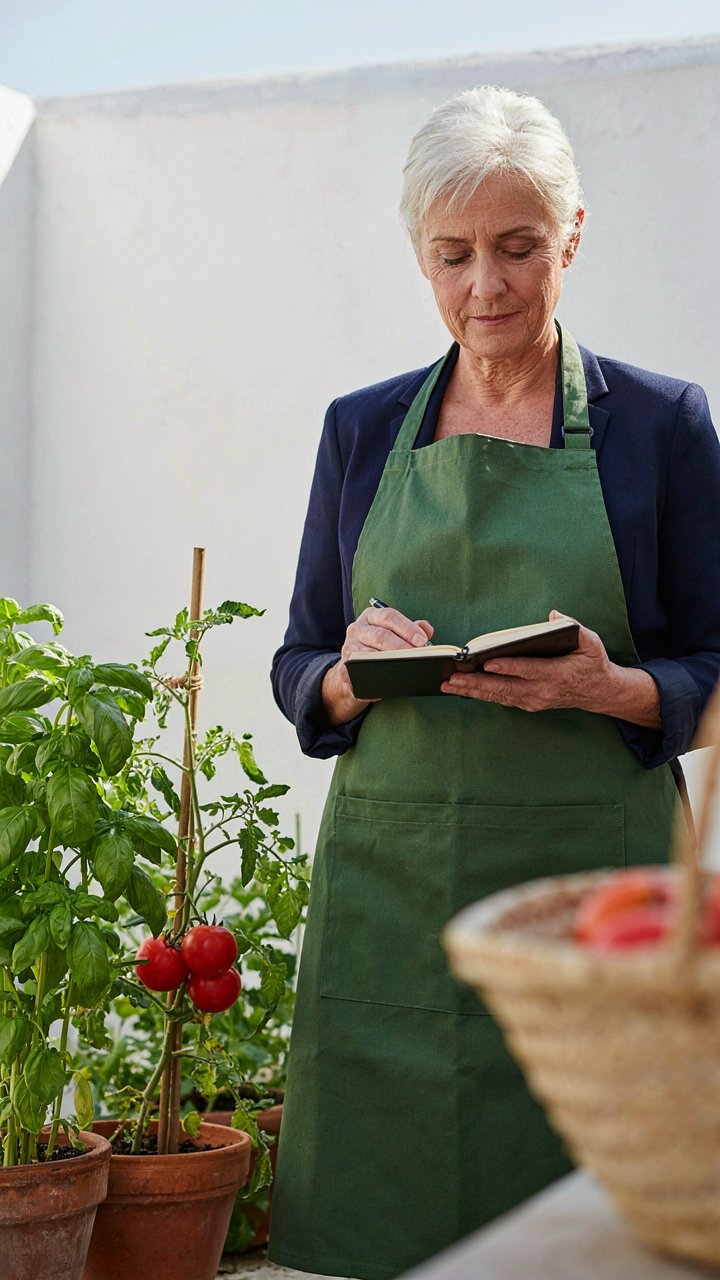
Keep a simple garden log. Record plant pairs, planting date, spacing, and soil conditions. Document pest sightings weekly. Note which herbs thrived and which underperformed. Photograph the same bed monthly. This data becomes your personal reference, not someone else’s theory.
Adjust Based On What Your Garden Tells You
The common advice here is vague: “try different combinations and see what works.” That’s true but incomplete. Real iteration means isolating one variable at a time, comparing blocks side by side, and running the same pairing for at least two seasons before declaring it failed.
If basil and tomato underperformed together in year one, don’t assume the pairing is broken. Check if soil drainage was the actual culprit, or if pests arrived before the basil matured. Replicate the same conditions in year two. Move the pair to a different bed or adjust spacing. Document the change and its outcome. Build a personal rulebook based on your specific soil, climate, and pest pressure, not generic advice. Each successful adjustment becomes your edge.
The Economics Of Effort: Maximize Your Yield, Minimize Your Input
Return On Strategic Placement
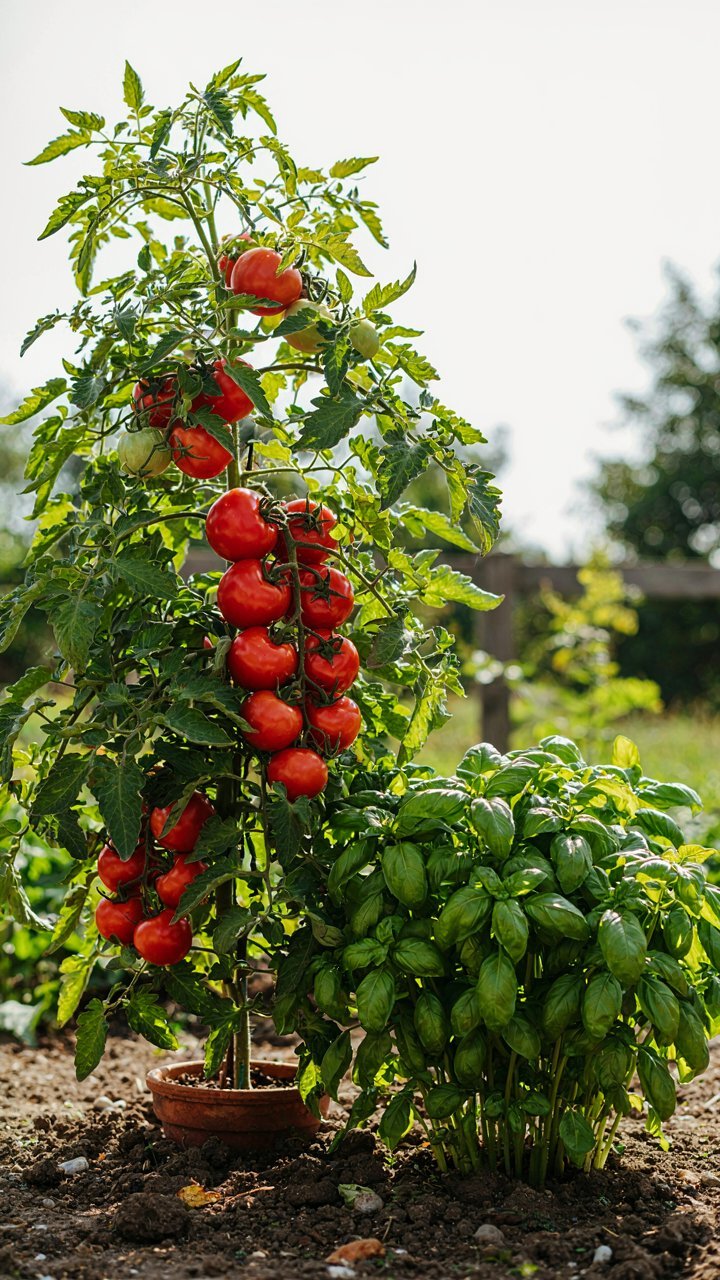
You want to feel like you’re doing something smart without actually tracking whether it works. The real mechanism here borrows from economics: return on investment. Every square foot of garden space either produces output or it doesn’t. Companion planting isn’t magic. It’s resource allocation. Basil near tomatoes reduces pest pressure, meaning fewer interventions required. That’s measurable ROI. Fewer aphids means no spraying. No spraying means lower input cost. You gain yield without multiplying labor.
The math is straightforward. A tomato plant paired with basil attracts pollinators while repelling spider mites. One plant does two jobs. Compare that to monoculture tomatoes, where you monitor constantly, spray or hand-pick pests, then still lose 10-20 percent of fruit. Companion planting compresses work into the initial layout decision. You decide once. The system runs on its own. That’s the opposite of the generic “just plant them together” advice that ignores the actual economic advantage.
Cost Of Getting The Pairings Wrong
Most people miss the hidden penalty of suboptimal pairings because they only count visible problems. Plant fennel next to dill in a small space and they cross-pollinate. Your seed stock becomes unpredictable. You’ve now invested time in harvesting seed that you can’t use reliably. The real cost isn’t the dead plant. It’s the wasted season. You lost one full growing cycle and the planning time that went into it.
Bad pairings also create secondary inefficiencies. Cilantro bolts fast in heat. If you pair it with heat-loving oregano in full sun, cilantro dies before you harvest it. You replant. Replanting takes seed, soil, water, and attention. Now two cycles are compromised. The opportunity cost is brutal in small gardens where space is fixed. Every failed pairing removes square footage from plants that would actually produce. Document which pairings underperform in your specific microclimate, then swap them out the following season instead of repeating the loss.
The Real Obstacle Isn’t Your Green Thumb; It’s Your Belief In Gardening Fairy Tales
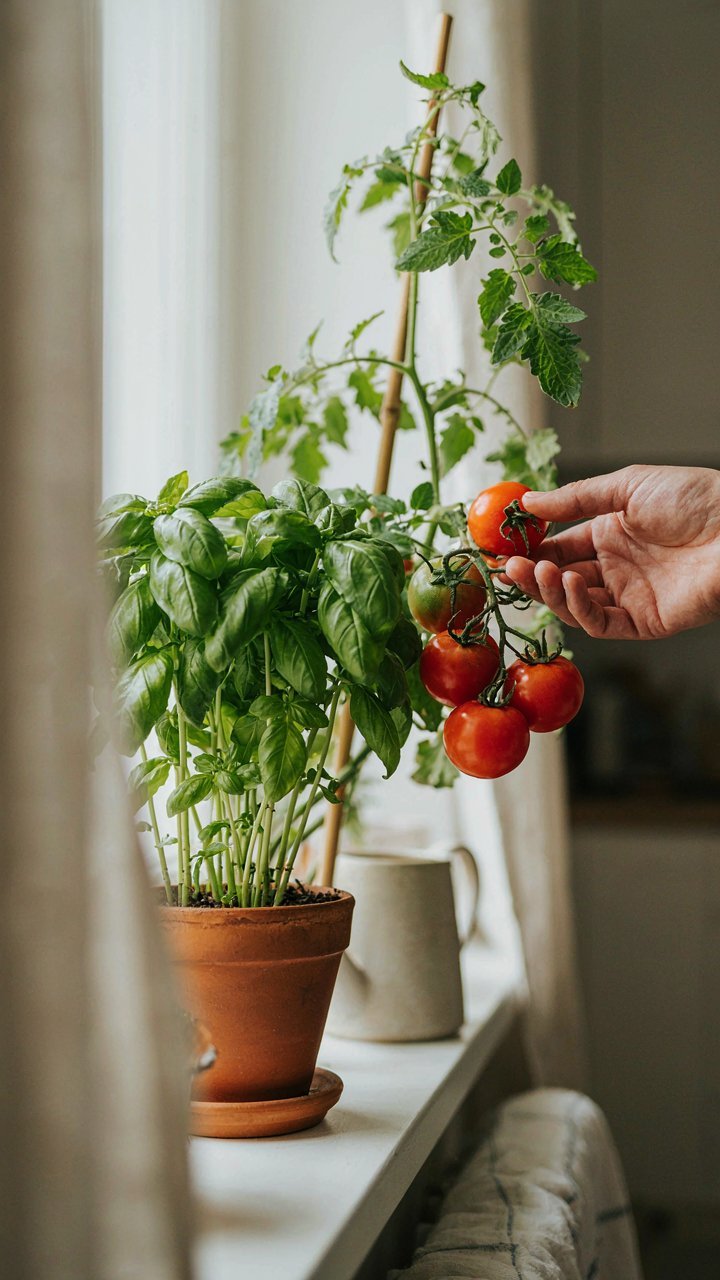
You’ve been told companion planting requires mastering charts, timing rotations perfectly, and following nature’s rulebook. Garbage. Nature doesn’t follow rules. It follows incentives. Basil repels pests near tomatoes because it’s chemically hostile to them, not because some gardening god ordained it. Stop memorizing combinations. Start planting things that solve actual problems in your garden. Pick one pairing today—basil and tomato, marigold and carrot—and observe what happens instead of what you think should happen. The gardeners who win aren’t the ones with the best memory. They’re the ones who experiment.