
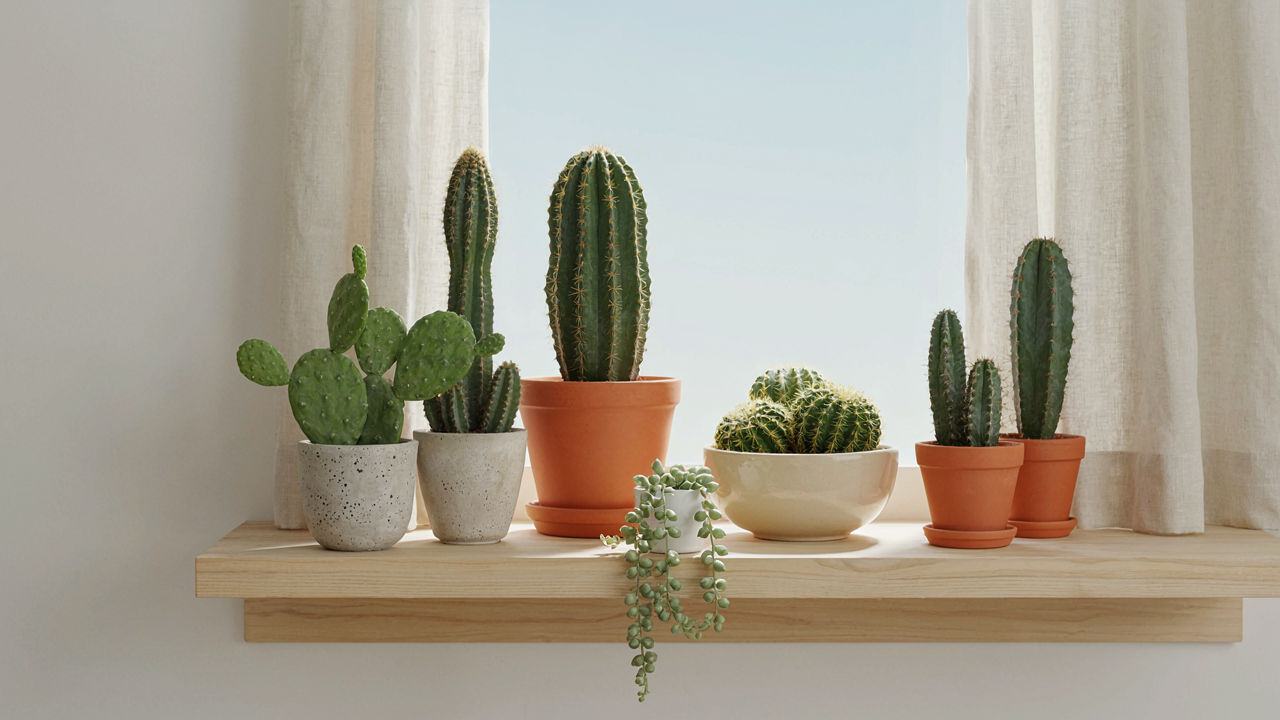
Beyond Instagram Filters: The True Plant Aesthetic Of Thriving Indoor Cactus

A Plant That Looks Alive Actually Is
You want the cactus to signal taste and restraint to anyone who walks into your space. That’s the real reason you’re reading this. Here’s what matters: a thriving cactus looks fundamentally different from a dying one, and no amount of styling hides the truth. In biology, we call this visible health “phenotypic expression” – the plant’s genes plus its environment produce what you actually see. A cactus with firm, colored tissue and tight growth reflects the conditions you’ve built. A shriveled or discolored one announces neglect no matter where you position it.
The gap between a plant that survives and one that thrives is consistency. Survival means the cactus doesn’t die for months. Thriving means it stays compact, develops color depth, and grows new segments with definition. Most people confuse the two because cacti tolerate neglect. That tolerance is a trap. A cactus can look “fine” while slowly declining from insufficient light, irregular watering, or poor drainage. By the time visual deterioration becomes obvious, the damage is structural. The plant won’t recover to full vitality for seasons. Aesthetics aren’t separate from care. They’re the same thing.
The Easy Care Lie That Kills Plants Slowly
The consensus advice is broken: “Cacti are low-maintenance and hard to kill.” This is incomplete and costs you the actual plant you thought you bought. Low-maintenance doesn’t mean no-maintenance. The real mechanism is that cacti evolved in environments with extreme seasonal variation – intense dry periods followed by infrequent but heavy rain. Indoor homes flatten this rhythm entirely. You create stagnation instead of natural cycles. A cactus in a room with constant temperature, low humidity, and inconsistent watering doesn’t go dormant. It doesn’t thrive either. It declines in slow motion.
Most cacti indoors die from one core cause: root rot from retained moisture combined with poor airflow. The standard advice says “water sparingly,” which people interpret as “water once a month on a schedule.” That’s wrong. Sparse watering means you water thoroughly when you do water, then allow the soil to dry completely between waterings. The soil type determines this timeline – never the calendar. A cactus in dense potting soil stays wet for weeks. A cactus in gritty, fast-draining cactus-specific mix dries in days. Same plant, same light, different outcomes. Switch to a soil blend of one part potting mix and two parts coarse sand or pumice, and you’ve solved the single biggest failure point before you water another drop.
The Desert Replication Protocol: Light And Its Unforgiving Demands

Mimicking Equatorial Sun Intensity
You want your cactus to look alive on your shelf because a dead plant signals neglect, and neglect signals a life without control. Here’s what matters: cacti evolved under direct equatorial and subtropical sun, which delivers 50,000 to 80,000 lux on clear days. Your indoor space maxes out around 10,000 lux near a window. That’s not a minor gap. It’s a biological demand your plant cannot negotiate, and pretending otherwise wastes months watching slow decline.
Intensity matters more than duration. A cactus absorbs more usable energy from four hours of direct sun than twelve hours of filtered, diffuse light. South-facing windows in the Northern Hemisphere deliver the closest proxy to desert conditions. Place your cactus within three feet of the glass, unobstructed. If your window has thermal film or reflective glass, you’ve already lost 30 to 50 percent of available light before it reaches the plant. Check your actual lux levels with a smartphone light meter app if you’re unsure whether a location qualifies.
Window Placement Myths Debunked
The common advice says “bright, indirect light” and leaves you guessing forever. This guidance fails cacti. Indirect light is a holding pattern, not a growth strategy. Cacti in low light don’t die immediately, they stall. Chlorophyll production slows. Stems thin and pale. Roots search for moisture that rarely comes, triggering rot. The plant appears fine for months until it isn’t.
Direct sun exposure through a window is not a risk for cacti in winter or spring. Glass filters ultraviolet radiation, so you cannot burn a cactus indoors. The real mistake is rotating your plant frequently or moving it between light zones. Cacti acclimate to specific light conditions over weeks. Each move resets that adaptation cycle, stressing the plant. Choose one spot with maximum southern or western exposure and leave it there for the season. Consistency beats optimization.
The Thermodynamic Efficiency Of Water: When Less Is Precisely More

How Soil Holds What Your Cactus Actually Needs
You want a system that works without thinking about it. Here’s what actually matters: cacti don’t need soggy soil. They need soil that cycles between wet and dry. This is hydrodynamic equilibrium—borrowing from fluid dynamics, where balance means flow without stagnation. Your cactus’s soil should drain fast, then dry completely before the next watering.
Standard potting soil fails cacti because it holds moisture like a sponge. Clay particles trap water in pore spaces. Roots sitting in that moisture suffocate. Use gritty, amended soil instead: combine standard potting mix with perlite, pumice, or coarse sand at a 60/40 or 50/50 ratio. The larger particles create air gaps. Water flows through instead of pooling.
The Real Water Schedule Behind The Green
Everyone says “water sparingly.” That’s lazy advice. What matters is evapotranspiration—the rate at which water leaves your soil and plant combined. This rate changes with season, light intensity, humidity, pot material, and soil composition. A cactus in a clay pot under bright grow lights evaporates water faster than one in plastic near a north window.
Stop following generic calendars. Instead, observe your soil. Stick your finger two inches down. If it’s bone dry, water thoroughly until it drains from the bottom. Then wait until that same depth dries again. In winter, this gap stretches to weeks or months. In summer under intense light, it compresses to ten days. The mechanism is simple: match watering frequency to your specific environment’s water loss rate, not to a date on the calendar.
The Substrate Deception: Why Standard Potting Mixes Kill Indoor Cactus Plants

Where Water Goes To Strangle Your Cactus
You want your cactus to look effortless on that shelf. That desire is what makes you grab the nearest bag of potting soil and wonder why your plant rots within months. The mechanism is simple: standard potting mixes retain water. Cacti need the opposite. In soil physics, porosity determines percolation rate—how fast water moves through material. Most indoor potting soils are engineered for moisture retention. Cacti require rapid drainage to survive indoors where air circulation is weaker than in desert climates.
Conventional potting soil holds moisture for weeks. Cactus roots sitting in that environment rot from fungal colonization, not from one watering. The problem compounds because indoor humidity and lower light slow evaporation further. You can water correctly and still kill the plant if the substrate works against you. The fix demands substrate that drains in hours, not days. This is non-negotiable for indoor cactus survival.
Amendments That Actually Work
The real substrate formula combines inorganic and organic materials in precise ratios. Most people skip this and lose plants. You need components that physically prevent water pooling around roots while maintaining minimal nutrient availability.
- Coarse Perlite: Creates air pockets that prevent compaction. Use horticultural grade, not the fine craft variety. Comprises 40-50% of your mix.
- Pumice: Volcanic rock with superior drainage compared to perlite. Does not compact over time. Use 30-40% if available; slightly heavier and more stable in containers.
- Cactus Soil Base: If using pre-made cactus potting mix, treat it as your minority component, not majority. Comprises only 10-20% of final blend.
- Coarse Sand: Adds weight and improves drainage. Use builders sand or horticultural grit, never play sand. Comprises 10-20% of mix.
- Bark Pieces: Orchid bark or small pine bark chunks improve aeration. Adds minimal organic matter without creating moisture traps. Comprises 5-10% of mix.
Combine these in a 40-50 perlite, 30-40 pumice, 10-20 cactus soil, 10-20 sand ratio. This substrate drains water in under an hour after watering. Roots stay in contact with moisture long enough to absorb it, then air replaces water in the pores. This cycle prevents root rot while delivering hydration. Mix fresh before each planting to avoid settling and compaction that reverses the benefit.
Choosing Your Arsenal: Small Cactus And Beyond

Know Your Species Before You Buy
You want a cactus that fits your aesthetic without requiring you to learn plant science. That’s the real problem here. But here’s the mechanism: every cactus species evolved in a specific desert microclimate with distinct light intensity, water availability, and temperature swings. Treating them all the same guarantees failure. The common advice to “just water less” is incomplete. What matters is matching the species’ actual requirements to what your home actually provides.
- Mammillaria: Compact clusters, minimal water needs, tolerates lower light than most cacti, ideal for shelves and side tables without direct sun.
- Rebutia: Small, mounding growth, thrives in bright indirect light, flowers prolifically indoors if given cool winter dormancy period around 50 degrees.
- Gymnocalycium: Flat, disc-like forms, handles moderate indoor light better than barrel cacti, stores water efficiently in drier climates.
- Parodia: Dense spines, compact size, prefers consistent bright light, slower growing so it stays manageable for years without repotting.
- Echinocereus: Clustering habit, vibrant flowers, needs strong light but adapts to indoor windowsills faster than imported desert species.
The species you select determines your watering schedule, pot material, soil composition, and dormancy protocol. Stop shopping by appearance alone. Cross-reference your home’s brightest window intensity and winter temperature range against the species’ native habitat first. That single step eliminates ninety percent of indoor cactus failures.
Match Cactus To Your Home’s Light Zones
Think of light availability like territory control in strategy. You control certain zones of your home with precision. A south-facing windowsill gets full intensity. An east-facing corner gets morning sun then shade. A north wall stays dim all day. Most people buy a cactus, place it anywhere, then blame the plant when it etiolates or rots. The real problem is placing high-light species in medium-light zones and pretending consistency matters more than adequate intensity.
Your home has three usable zones for cacti. Direct sun windows (south or west-facing) support high-light demanders like Echinocereus and large barrel types. Bright indirect zones (east windows or filtered afternoon sun) suit mid-range species like Rebutia and Mammillaria. Low-light areas simply don’t work for cacti unless you install grow lights, which most people won’t do consistently. Before selecting a species, spend three days watching how sunlight moves through each room. Identify which zone stays brightest for the longest stretch. Place only species adapted to that specific light environment.
The Cactus Planter Fallacy: Aesthetics Over Function
Drainage Holes Are The Real Cost Of Entry
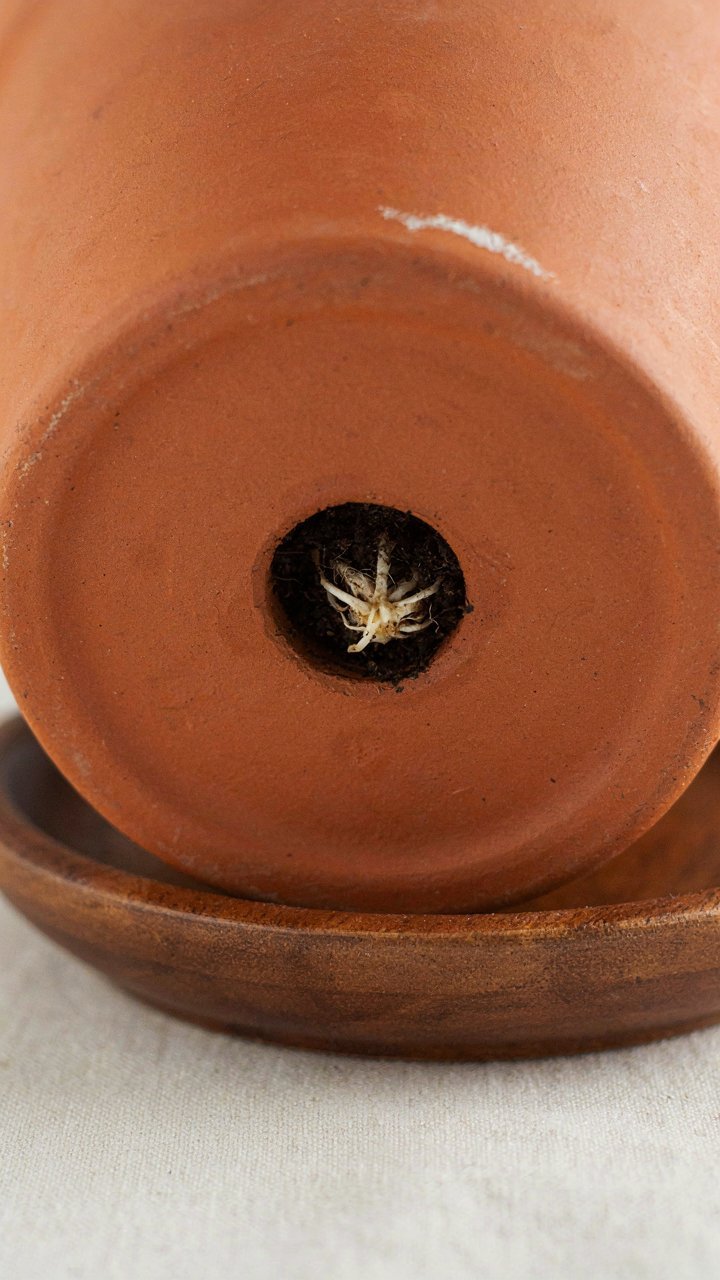
You want a planter that looks finished. That’s the real reason you’re reading this. The mechanism is simple: water has nowhere to go without drainage, and nowhere to go means root rot, which means your cactus dies silently while you blame yourself or the plant. Drainage holes aren’t optional. They’re the difference between a living plant and a slowly decaying monument to your taste.
The common advice says “use a cactus pot.” That’s lazy. What matters is the hole itself. Without it, water pools around roots in anaerobic conditions. Cacti store water in tissue, not soil. Excess moisture triggers fungal and bacterial decay that spreads faster than you can see it. A pot without drainage will kill a healthy cactus in weeks. No exceptions. Install drainage or accept failure.
Ceramic, Terracotta, And Plastic Each Play A Different Role
Think of thermodynamics here: different materials control heat and moisture retention at different rates. Terracotta is porous. It breathes. Water evaporates through the walls, which cools roots and dries soil faster. Ceramic glazed pots slow evaporation significantly. Plastic traps moisture longest and heats fastest in direct sun. Your choice determines watering frequency and root temperature stability.
Terracotta works best for most indoor cacti because evaporation matches their drought tolerance. Glazed ceramic looks cleaner but requires closer monitoring of soil moisture. Plastic is the weakest option: it heats roots in warm climates and creates swampy conditions if you water on a schedule instead of checking soil dryness first. Pick material based on your watering discipline, not Instagram aesthetics. Measure soil moisture with your finger before watering, every single time.
Feed Or Starve: The Counter Intuitive Rules Of Cactus Nutrition
Where Cacti Actually Live
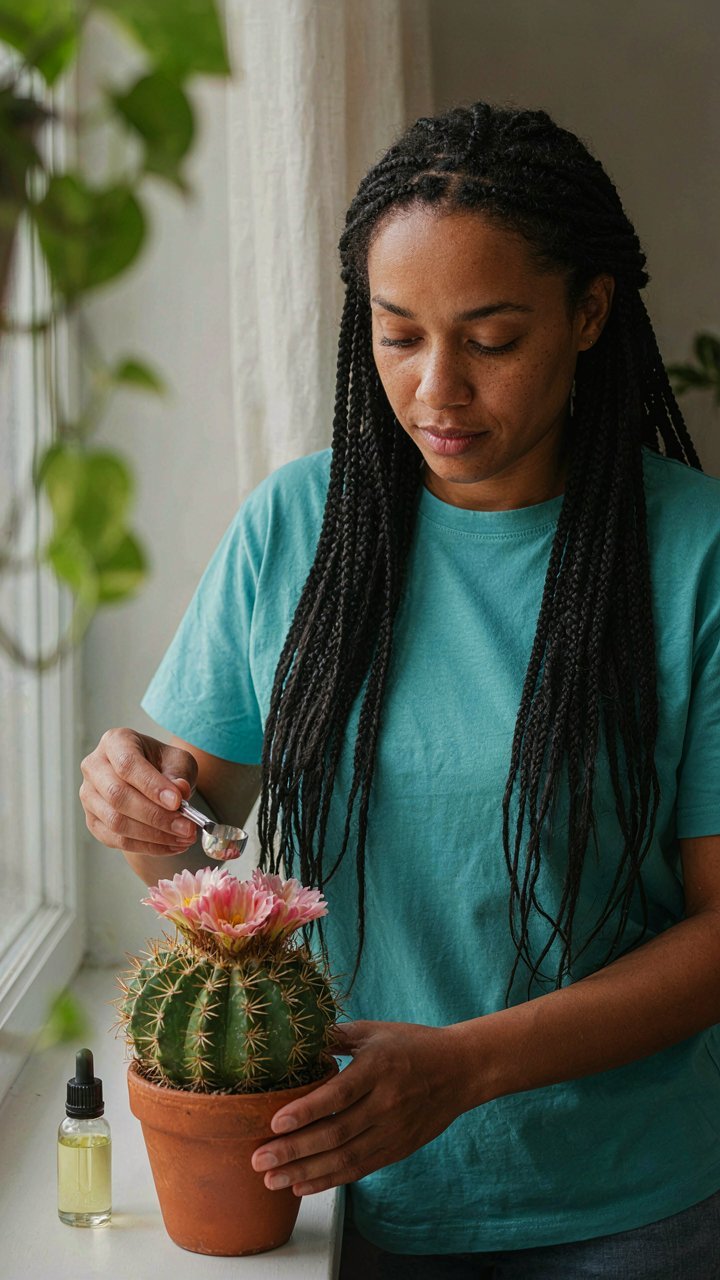
You want your cactus to look effortless and healthy because that signals you have taste and restraint. Here’s what actually matters: cacti evolved in soil so poor it barely qualifies as soil. Desert substrates contain minimal nitrogen, phosphorus, and potassium. They’re mostly sand, gravel, and decomposed rock. Cacti adapted to extract maximum survival value from near-zero nutrient availability. Your living room isn’t the Sonoran Desert, but the principle holds. The mechanism is scarcity-driven resilience. Feed a cactus like you feed regular houseplants and you trigger soft growth, weak cell walls, and disease susceptibility.
Cacti store nutrients in their tissues during rare abundance periods, then operate in starvation mode for months. This isn’t a limitation they resent. It’s their operating system. Most indoor cactus failure traces back to overfeeding, not underfeeding. People assume brown or slow growth means nutrient deficiency. It usually means root rot from water and excess nitrogen breaking down root tissue. The real constraint isn’t what’s in the soil. It’s how little the plant can tolerate and still thrive.
The Minimal Viable Fertilization Cycle
Economics teaches opportunity cost: every resource spent here can’t be spent there. Apply that to cactus feeding. During active growth (spring and early summer), cacti need phosphorus and potassium for flowering and structural integrity. Nitrogen drives leaf growth, which is wasted energy in a succulent. One light feeding every 6 to 8 weeks during the growing season covers it. Use a balanced or slightly phosphorus heavy fertilizer diluted to half strength. That’s the protocol. No monthly feeding schedules. No “premium” cactus formulas with marketing attached.
The dormancy period (fall and winter) requires zero fertilizer. Cacti slow metabolism. Their nutrient demand drops to near nothing. Fertilizing during dormancy accumulates salts in the soil and stresses roots. Stop feeding entirely once temperatures drop or daylight diminishes. Resume in spring when new growth appears at the stem tips. This mirrors natural cycles where nutrient uptake happens only when growth occurs. Most people either feed year round or forget feeding exists. The actual answer is binary: feed during growth, starve during dormancy.
The Annual Neglect Cycle: Repotting For Resilience, Not Routine

Reading The Root System, Not The Calendar
You want repotting to feel like a solved problem you can schedule once a year and forget. That’s not how cacti work. Borrowing from biology, root-bound cacti enter a state analogous to osmotic stress: the plant exhausts available nutrients and water moves inefficiently through compacted soil, triggering dormancy or decline regardless of season. The real signal for repotting isn’t January or spring. It’s when roots circle the soil perimeter, when water runs straight through without absorption, or when the plant stops growing despite adequate light and warmth.
Most care guides tell you to repot annually. That’s lazy advice built for fast-growing houseplants that aren’t cacti. Slow-growing species like Echinocereus or Ferocactus can thrive in the same pot for three to five years if you use proper soil and don’t overwater. Inspect the root ball in late winter by gently sliding the plant from its pot. If roots still have space and soil isn’t compacted, leave it alone. Unnecessary repotting damages roots and stalls growth for months.
Executing The Transfer Without Crashing Recovery
Transplant shock in cacti stems from root damage and immediate watering, which causes rot in freshly wounded tissue. The protocol is mechanical, not intuitive: repot only into a container one inch larger in diameter, use fast-draining cactus soil amended with perlite or coarse sand, and do not water for seven to ten days after repotting. This waiting period lets cut roots callus and soil settles without moisture accelerating decay.
Water the plant heavily the day before repotting to hydrate roots and reduce stress during extraction. Use a wooden dowel or chopstick to gently loosen soil from pot edges. Tap the base of the pot while supporting the plant body to slide it out. Remove old soil from the root ball by hand, not by rinsing, which spreads bacteria into open wounds. Place the plant in fresh soil at the same depth it occupied before, leaving the crown exposed to air.
Pest Management: The Silent War In Your Indoor Cactus Garden
Spot The Invasion Before It Spreads
You want this section because you’re terrified of discovering your cactus is already compromised and you missed it. The mechanism is simple: pests hide where you don’t look. Mealybugs cluster in the crevices between spines and at the base where soil meets pot. Spider mites web themselves into the areoles. Scale insects embed into the plant tissue itself. They’re not random. They colonize the hardest-to-inspect zones because that’s evolutionary survival. Your job is systematic inspection, not hope.
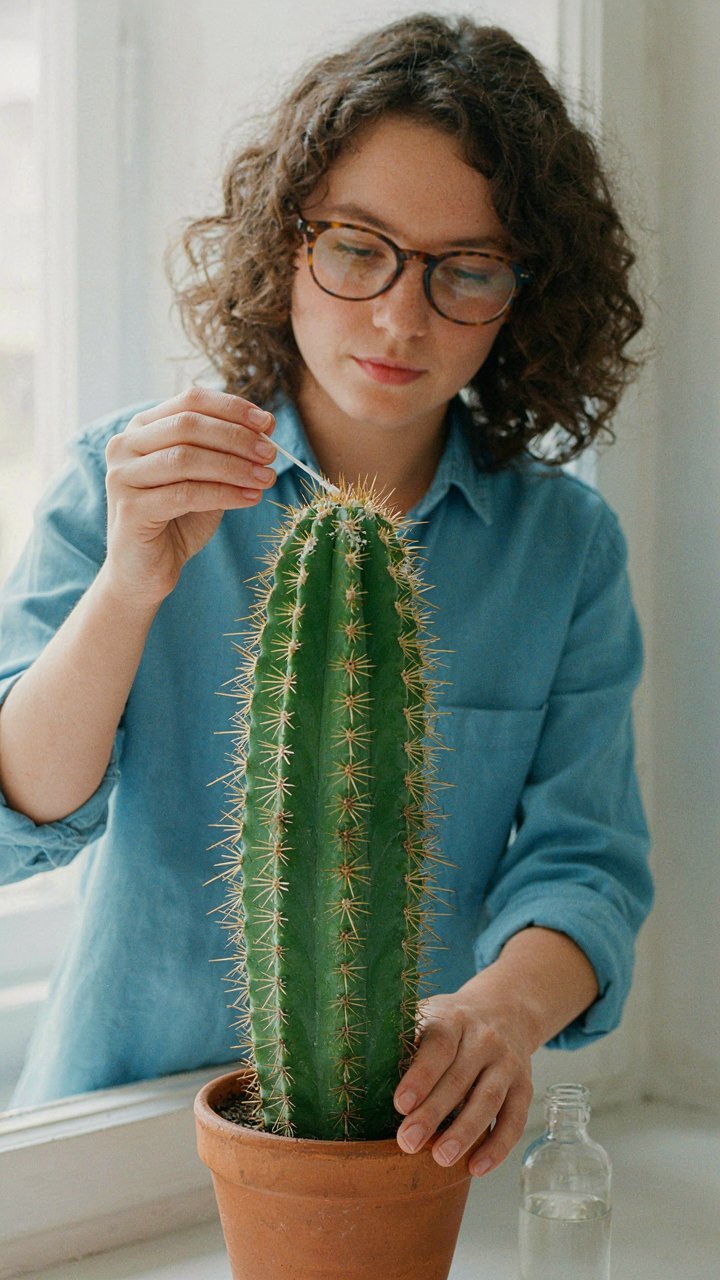
Check your cactus every seven to ten days under direct light. Rotate the pot and examine the base, the soil line, and between spines with your eyes close to the plant. Use a magnifying glass if you have one. Look for webbing, sticky residue, brown bumps, or white cottony clusters. Early detection means you catch an outbreak at five mealybugs instead of five hundred. The cost difference in treatment is massive. Document what you see in a photo. This forces your brain to actually process what’s there instead of skimming over it.
Kill Them Without Chemicals
People tell you to spray neem oil or insecticidal soap and call it a day. That advice is incomplete. Those products work only on contact and only on exposed insects. You’ll kill the visible ones and miss the colony hiding in soil crevices that re-emerges in two weeks. The real strategy combines three separate tactics. First, isolate the infected cactus immediately. Move it to a separate room or sealed container. Pests spread to adjacent plants through proximity and airflow. One infested cactus can become four.
Second, use 70 percent isopropyl alcohol on a cotton swab to manually remove visible insects and egg clusters. This takes time but it works. Apply the alcohol directly to mealybugs, spider mites, and scale. Let it sit for thirty seconds, then wipe clean. Repeat every three days for two weeks. Third, repot the cactus in fresh, sterile soil after treatment. Do not reuse old soil. Pests and eggs persist in substrate. This three-step protocol eliminates the infestation at its source instead of treating symptoms.
Winter Dormancy Protocol: The Survival Imperative For Indoor Cactus

Temperature Drop Triggers Growth Arrest
You want dormancy to work because it keeps your cacti alive through seasons when you can’t provide intense light. That’s the real mechanism at play here. In biology, dormancy is a survival strategy where organisms suspend metabolic activity to conserve resources during scarcity. Your indoor cactus enters this state when temperatures drop below 50°F, signaling seasonal change even in a climate-controlled home.
Most people think cacti just sit idle in winter. They don’t. Lowering temperature from 70°F to 45-50°F triggers hormonal shifts that halt growth and redirect energy inward. Water uptake slows. Cell division stops. The plant enters a state of minimal metabolic demand, mirroring its natural desert cycle where winter means cold nights and reduced light. This isn’t optional maintenance. It’s the reset that prevents weak, etiolated growth and keeps the plant primed for spring.
Eliminate Water Completely
The common advice says “reduce watering in winter.” That’s incomplete. You stop watering altogether. Cacti stored in cool conditions have zero transpiration and zero growth. Water sitting in the soil becomes a liability, not a resource. Root rot accelerates in cold, wet conditions because fungal activity thrives in moisture without the metabolic activity that would otherwise use it up.
The protocol is simple: when temperatures drop, water your cactus one final time, then don’t water again until spring growth resumes and temperatures return to 65°F or higher. This dry period is non-negotiable. The soil must remain bone dry for three to four months. Check soil moisture with a wooden skewer before the dormancy period ends, and only resume watering after confirming the plant shows visible growth or when ambient warmth returns consistently.
Your Cactus Isn’t A Decor Piece; It’s A Living System That Demands Respect, Not Just A Convenient Spot On Your Shelf

Most people kill their cacti because they treat them like furniture. You water on a schedule instead of reading what the soil actually needs. You shove them in dark corners because they look nice there. Start today by moving your cactus to a window that gets direct light and checking the soil moisture with your finger before watering. The difference between a dead plant and a thriving one isn’t luck or talent. It’s refusing to treat something living like it doesn’t have requirements.